الاسعافات الأولية لحالات الكسور
- الإسعافات الأولية للكسور
• تاكد من وعى المصاب وفتح مجرى الهواء وايقاف النزيف ان وجد
• لا تحرك المصاب إن كان هناك أدنى شك بحدوث كسر.
• لابد من إسترخاء المصاب وأن يتخذ الوضع الملائم.
• لا يعطي للمصاب أي شيء عن طريق الفم في حالة وجود كسر مفتوح.
• لا تحاول إعادة العظم المكسور إلي وضعه الطبيعي.
• لا تحاول دفع العظم البارز داخل الجسم في حالة الكسر المفتوح.
• يستخدم الثلج للحد من النزيف الداخلي والتورم والآلام.
• يتم السيطرة علي نزيف الجروح المصاحبة للكسر بتغطيته بضمادة معقمة ورفعه إلى أعلى إن كان ذلك متاحاً بعد وضع جبيرة.
• تمنع حركة الطرف المصاب عن طريق تجبيرة لمنع حدوث ضرر أكبر.
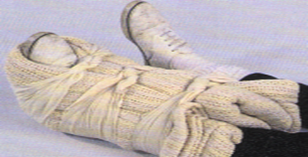
الجبائر:
قطعة من الخشب، أو مايشبهه تتثبت على الجزء المصاب من الجسم لمنع حركته، ويمكن عند الضرورة عمل جبيرة من أي شيء صلب لتخفيف الألم والنزيف والتورم ومنع المضاعفات مثل قطع الجلد أو الأعصاب أو الأوعية الدموية.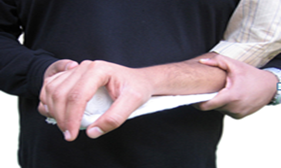
أنواع الجبائر:
1. جبائر صلبة (خشب/كرتون/صحف مطوية/جبائر هوائية).
2. جبائر مرنة (بطاطين/مخدات).
3. جبائر بإستخدام أجزاء الجسم الاخرى.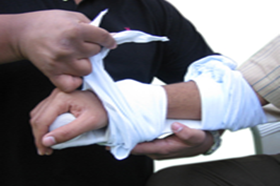
قواعد إستخدام الجبيرة:
◀️ لابد أن تكون الجبيرة ذات طول مناسب.
◀️ استخدم فاصلا لينًا بين الجبيرة وجلد المصاب.
◀️ لا تربط عقده فوق موضع الإصابة.
◀️ يجب ملاحظة أن الجبيرة لا تضغط على الأوعية الدموية رفع الجزء المصاب بعد وضع الجبيرة.
◀️ لا تضغط الجبيرة كثيراً لكى لا تمنع وصول الدم إلى العضو المصاب.
◀️ تمتد الجبيره من مفصل اعلى الى مفصل اسفل الكسر لضمان عدم الحركه
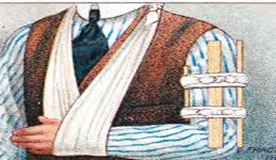
كســور العضد أو الساعد :
• نجلس المصاب و نسند ذراعه المصابة على صدره.
• نسند الطرف بواسطة علاقة للذراع.
• نثبت الطرف على صدره بأربطة أو حزام.
كسور الأصابع :
• نضع طبقة من القطن بين الأصابع المكسورة لحمايتها.
نثبت أصابع المصاب ببعضها بواسطة بلاستر.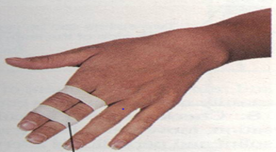
كســور الساق :
• نضع حشوة لينة بين ساقي المصاب لتغطية النتوءات العظيمة في الركبتين و الكاحلين.
• نقرب الطرف السليم إلى المكسور.
نربط عصابة حول ساق المصاب لتثبت الجبيرة.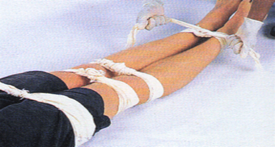
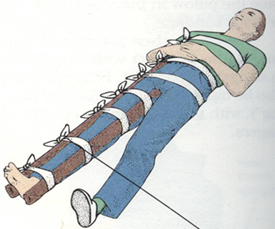
كسور عظم الفخذ :
• نكشف الساق لتحديد نوع الكسر (مغلق أو مفتوح).
• نضع أربطة تحت ساقي المصاب على مستوى الركبة.تقرب الطرف السليم إلى جانب الطرف المصاب.
• نضع لبادات طرية بين ساقي المصاب.
• نعقد الأربطة حول الكاحلين و القدمين.
كســور الركبة :
• عدم السماح للمصاب بالمشي إذا كان واقفاً وجعله يستلقي على ظهره.
• ضع جبيرة تحت ساق المصاب ووسادة صغيرة تحت الركبة لسندها وتربط حول الركبة.
كسور عظام الحوض :
تحمي عظام الحوض الأعضاء الداخلية السفلية.يحدث الكسر غالباً نتيجة لإصابة غير مباشرة.في حوادث السيارات تنتقل الصدمة من الركبة إلى الحوض عن طريق عظمة الفخذ.
من مضاعفات كسر الحوض إصابة الأنسجة والأعضاء الداخلية.النزيف الداخلي يكون شديداً، وغالباً تنشأ الصدمة.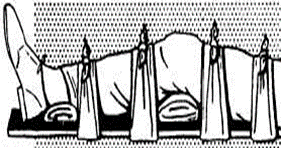
الإسعافات الأولية لكسر الحوض :
• ساعد المصاب على الاستلقاء على ظهره.
• ثبت الرجلين والقدمين.
• استدع المساعدة الطبية بسرعة.
• إن ظهرت أعراض الصدمة قم بإسعافها.
• راقب التنفس والنبض والوعي لحين وصول العون الطبي .
كسـور الأنف :
• يتم طمأنة المصاب ومحاولة جعله هادئاً.
• حث المصاب على التنفس من فمه
• يتم إمالة المريض للأمام في وضع الجلوس لمنع الدم من الدخول في مؤخرة الحلق.
• ضع كمادات باردة لتقليل التورم بدون ضغط على الكسر.
• لا تحاول تصحيح وضع الأنف المكسور.
كسور الفك السفلي :
• يتم تأمين مسلك حر للهواء داخل فم المصاب.
• نجلس المصاب و رأسه للأمام لنزح الإفرازات.
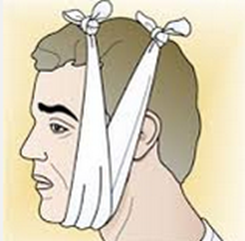
• إذا كان فك المصاب متدلياً إلى الأمام يتم سنادته بواسطة رباط نضعه تحت الذقن و نربطه فوق الرأس.
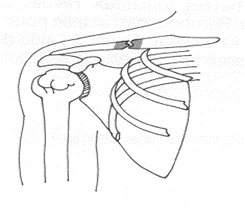
كســر الترقوة :
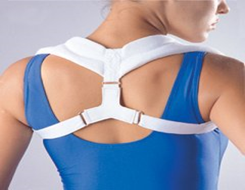
• يتم شد الكتفين إلى الوراء عن طريق استخدام حزام أو رباط يربط على شكل الرقم 8 بالأنجليزية وذلك بلفه حول كلا الكتفين ويعقد فى الظهر.
• أو يحمل الذراع فى علاقة من رباط مثلث مع جعل القاعدة السفلية عند حافة المرفق ثم يلف الطرفين حول الرقبة ويتم ربطهم وذلك بعد وضع لبادة طرية تحت الإبط من الناحية المصابة لشد العظمة المكسورة.
كسر الضلوع :
• هذه الكسور تشفى من تلقاء ذاتها في أغلب الأحيان.
• الأفضل عدم تضميد الصدر أو ربطه.
• الراحة هى أفضل علاج.
• يعلق الذراع بناحية الكسر فى حمالة بالرقبة
• يطلب من المصاب أخذ 4-5 أنفاس عميقة كل ساعتين للمحافظة على سلامة الرئة.
• إذا ثقب الضلع الجلد ورافقته بقبقة غطى الجرح بضمادة نظيفة محكمة الشد منعاً من دخول الهواء للصدر فيضغط على الرئة من الخارج.
• إذا بصق المصاب دما ً أثناء سعاله، أو وجد صعوبة في التنفس (عدا عن الألم) نطلب المساعدة الطبية.
إصابات الرأس و العنق والظهر :
إصابة الرأس والعنق والظهر (العمود الفقري) من الإصابات الخطيرة والتي يصعب الاعتناء بها.
إصابة العمود الفقري يمكن أن تسبب إصابة الحبل الشوكي.
أعراض كسر العمود الفقرى :
- ألم حاد في الرقبة أو الظهر مع عدم تحمل لمس المكان.
علامات قطع الحبل الشوكي :
- ضعف أو انعدام الحركة في الأطراف أسفل مستوى الإصابة.
- فقد الإحساس أسفل مستوى الإصابة.
- الإحساس بتنميل أو لسعات في الجلد.
- تصلب وثقل في الأطراف.
- صعوبة في التنفس.
الإسعافات الأولية لكسر العمود الفقري :
• طمئن المصاب واطلب منه عدم الحركة.
• تحذر حركة المصاب أو نقلة مخافة أن تتلف أو تقطع الأعصاب أو الحبل الشوكي.
• إطلب سيارة الإسعاف
• فى حالة الإشتباه في وجود إصابة في العمود الفقري يتم تركيب " ياقة طبية" قبل نقلها ذا توفرت.
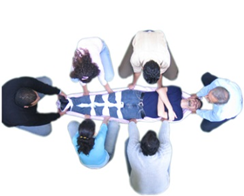
• ضع يديك على جانبى رأس المصاب لتثبيتها وجعل الرأس على مستوى واحد من العمود الفقري ومنع حركته.
• إستعن بأربعة أشخاص على الأقل لنقل المصاب كوحدة واحدة إلى نقالة أو لوح كبيرمن الخشب مثل باب.
• حافظ على بقاء الرأس والرقبة والجذع على خط واحد دائماً.
• استخدم بطاطين أو ملابس لتوفير حماية إضافية الرقبة والجذع.
الإلتواء (sprain) :
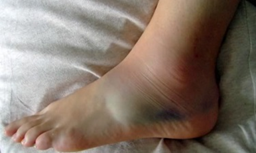
الإلتواء يحدث فى المفصل نتيجة شد ذائد على الأنسجة المحيطة بالمفصل أو الأربطة التى تصل العظام ببعضها.
يحدث نتيجة إلتواء القدم اثناء السقوط أو الجرى أو لعب الكرة أو ماشابه.
الجزع/ التمزق أو القصع(strain):
هو حدوث شد أو تمزق جزئى فى الأربطة التى تحيط بالمفصل نتيجة الشد الزائد على العضلة أو الأوتار ، وأكثر المفاصل عرضة لذلك هما مفصلى الكاحل والركبة.
تتشابه أعراض الإلتواء والتمزق مع أعراض الكسور فيما يلى:
- ألم أثناء الحركة
- تورم
- زرقان
- عدم القدرةعلى تحريك المفصل.
الإسعافات الأولية للإلتواء والتمزق:
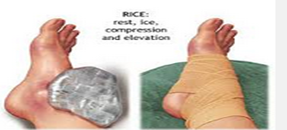
• يجب الراحة وعدم تحريك المفصل لحمايتة من إصابة مضاعفة.
• توضع كمادات ثلج على المفصل لمدة 10إلى15 دقيقة أربع مرات فى اليوم للحد من التورم اول الاصابه ثم كمادات مياه دافئه .
• يلف المفصل المصاب برباط ضاغط.
• يرفع الجزء المصاب لتقليل التورم.
الخَلـع:
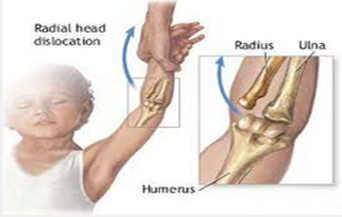
هو انتقال إحدى العظام المكونة للمفصل من مكانها الطبيعى، بمعنى انتقال طرف العظمة من داخل المفصل إلى خارجه، ويحدث هذا عادة فى الكتف والمرفق.
الإسعافات الأولية للخلع:
• إذا كانت الإصابة خطيرة، تأكد من تنفس المصاب لإنعاشه إذا لزم الأمر.
• لا تحرك المصاب إذا كان هناك شك فى إصابة الرأس، العنق أو الساق.
• لا تحاول رد الخلع فى اى مفصل.
• إذا كان يوجد قطع بالجلد، نظف الجرح برفق وغطيه بضمادة معقمة.
• طمئن المصاب.
• علق الجزء المصاب أو ضعه فى جبيرة بوضعه كماهو حتى لا يتحرك أعلاه وأسفله.
• ضع كمادات ثلج غير مباشرة (ملفوفة فى قطعة قماش نظيفة) على مكان الخلع حتى تخفف من الألم والتورم.
• يوضع المصاب على ظهره وترفع قدمه بإرتفاع حوالى 30سم ويغطى ببطانية لتدفئته لمنع الصدمة، مالم توجد إصابة بالرأس والساق أو الظهر.
