Guide to using devices in surgical operating rooms
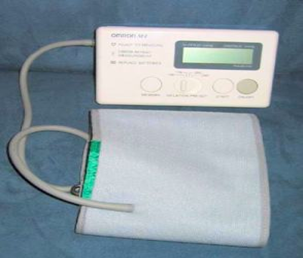
- The Monitor
Definition:
A medical monitor is an electronic medical device used for continuous medical observation, displaying physiological data in real-time on its screen.
Types of Medical Monitors
1. Analog Monitoring Devices:
- Previously used only to display electrocardiograms (ECG).
- Later modified to measure blood pressure and pulse rate separately.
- These devices were widely used and helped save many lives but had several drawbacks, such as:
- Electrical interference.
- Lack of alarm systems.
- High cost.
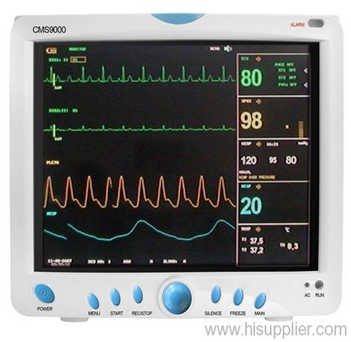
2. Digital Monitoring Devices:
- With the advancement of digital signal processing technology, medical monitors have improved significantly.
- All modern monitors are fully digital, offering compact designs and easy portability.
- Standard monitoring parameters now include:
- Pulse oximeter (measuring oxygen saturation).
- Blood oxygen level.
- Blood pressure.
- Body temperature.
- Electrocardiogram (ECG).
3. Monitoring Devices Attached to Pacemakers:
- Commonly used in emergency and reception units.
- Designed to save time and effort by eliminating the need to transfer patients between multiple devices.
Users & Applications:
1. Vital signs measurement.
2. Electrocardiogram (ECG) monitoring.
3. Blood pressure measurement using a pressure cuff wrapped around the patient’s arm.
o Normal blood pressure: 120/80 ± 20/15 mmHg.
4. Body temperature measurement using temperature transducers.
o Normal temperature: 36.5°C – 37.5°C.
5. Blood oxygen level measurement (SpO₂ monitoring).
Most used individuals :
1Critical care unit patients.
2 Patients in dialysis units.
3 Operating room patients.
4 Patients in recovery rooms.
5 Patients in reception units until they are classified.
6 Pediatric patients in the neonatal critical care unit.