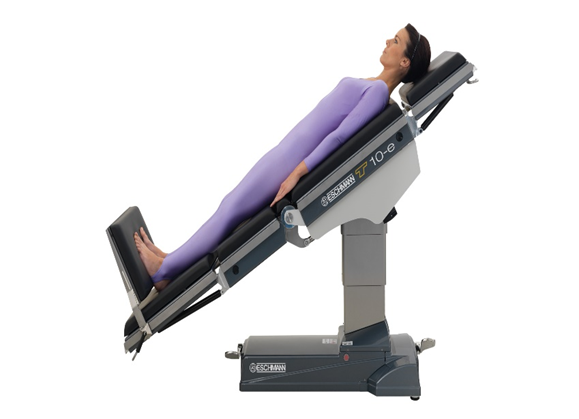
الاوضاع الجراحية للمريض
- عكس وضع تريندلينبرج
هذا الوضع يستخدم لعمليات المرارة والقناة الصفراء حيث أنها تسمح لاحتساء البطن أن تسقط بعيداً عن الجزء العلوى من البطن معطياً مدخل لأعلى البطن.
أيضاً تستعمل فى حالات استئصال الغدة الدرقية لتساعد المريض على التنفس وتقلل من إمداد المنطقة بالدم.
يستلقى المريض على ظهره فى وضع مستقيم.
إمالة ترابيزة العمليات بحيث تكون الرأس فى وضع مرتفع عن الأرجل.
الاحتياجات المطلوبة:
لجراحة الغدد
2مسند للكوع حاجز القدم
حزام أمان وسادة رفيعة
وسادة للتقوس القطنى وسادة لمؤخرة الرأس (كحة)
لفافة لأسفل الركب أو وسادة تحت الرأس
الخطوات :
1. وضع المريض ويؤمن على ترابيزة العمليات بنفس الطريقة المشروحة فى الوضع المستقيم.
أ- استخدام مساند للكوع لحرية الأذرع.
ب- ضع وسادة تحت الرأس.
2. وضع أحزمة الأمان حول أرجل المريض وتحت الركبتان.
- إذا لم يكن المريض مخدر اشرحى له ماذا تفعلين.
3. اضبط لوح القدم بقاع تربيزة العمليات بزاوية 45 درجة بالنسبة للترابيزة – استخدام وسادات إضافية للضرورة.
4. وضع الوسادة تحت التقوس القطنى.
5. ضع لفافة تحت الركبتين.
6. تميل قدم المائدة لأسفل حسب احتياجات الجراح.
7. لاستئصال الغدة الدرقية ضع الوسادة الرفيعة أسفل الأكتاف وضع الوسادة تحت الرأس مع الكحكحة تحت الرأس.
8. يمكن ترك الأذرع بجانب المريض مؤقتة بمساند الكوع موضوع الكوع.
- استخدام وسائد إضافية عند الضرورة إذا لزم الأمر.