العناية التنموية المسانده لحديثي الولاده
- العنایة بطریقة الكانجرو
تضع أنثى الكانجرو رضیعھا داخل كیس موجود بالبطن للحفاظ علیه ویھدف ھذا الوضع إلى زیادة ارتباط الولید بوالدیه عن طریق ملاصقة جلد الولید لجلد أحد الآباء
ولتطبیق ھذا الوضع یجرد الولید من ملابسه )عدا الطاقیة والحفاض والجورب (، ویوضع في وضع عمودي على صدر أمه أو أبیه (الجلد ملامس للجلد ) ثم یدار رأسه حتى تكون الأذن مقابلة لقلب الأم.
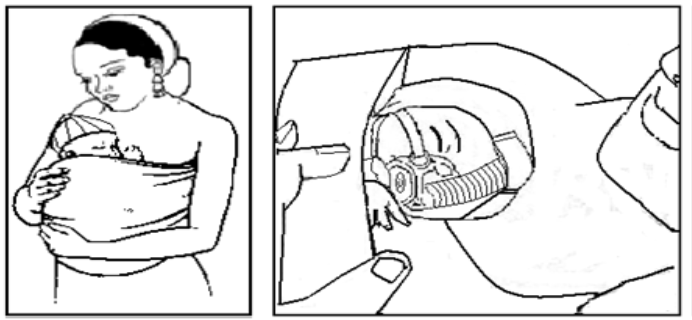
( العنایة بطریقة الكانجرو (
فوائد عنایة الكانجرو بالنسبة للولید
· یساھم في تحسین نسبة تشبع الدم بالأكسجین.
· یساھم في انتظام نبض الولید حول معدلاته الطبیعیة.
· یساھم في استقرار درجة حرارة الولید.
· یقلل من التوتر الذي یُؤذي الجھاز العصبي للولید.
· یساعد على بدء الرضاعة الطبیعیة مبكرًا، زیادة كمیة اللبن، ومدة الرضاعة.
· یساھم في زیادة الوزن عن طریق تقلیل معدل الطاقة المفقودة.
· یقلل من فترة إقامة الولید بالمستشفى.
فوائد عنایة الكانجرو بالنسبة للوالدین
· یساعد على ارتباط الأم والأب بولیدھما المریض.
· ضغط الولید على بطن الأم یقلل من إصابة الأم بنزیف بعد الولادة.
الولید المناسب لتطبیق عنایة الكانجرو
· أي عمر رحمي، وأي عمر بعد الولادة.
· الولید المستقر فسیولوجیًا ودرجة حرارته لا تقل عن ٣٦ م. º
· إذا كان الولید یعاني من توقف التنفس ونقص معدل ضربات القلب، فیجب أن یكون من النوع البسیط الذي یختفي بالتنبیه
· القسطرة الأنفیة، أو حتى مع جھاز ،(NCPAP) یمكن تطبیق ھذا الوضع مع الولید الموصل على السیباب الأنفي
· التنفس الصناعي.
دور الممرضة أثناء تطبیق عنایة الكانجرو
· شرح أھمیة ھذا الوضع للأم حتى تؤدیه بنجاح.
· توفیر كرسي مناسب ومریح للأم كي تجلس علیه
· توفیر الملابس المناسبة لھذا الوضع كي ترتدیھا الأم ) مثل جاون مفتوح من الأمام وفوقھ جاون مفتوح من الخلف(
· الحفاظ على خصوصیة الأم، وأن یكون المكان ھادئاً.
· قیاس درجة حرارة الولید قبل وضعه على صدر أمه .
التخفیف من حدة الألم الناجم عن الإجراءات الاختراقیة للولید
یشعر كل من الولید مكتمل النمو والولید المبتسر بالألم ویتفاعل معه، ویظھر ذلك من خلال تغیرات في جھازیه الدوري والتنفسي، حیث یزداد معدل ضربات القلب وضغط الدم وتقل نسبة الأكسجین بالدم. ولھذا یجب تجنب تعرض الموالید بوحدات رعایة حدیثي الولادة إلى الألم أثناء القیام بأي إجراء اختراقي، وذلك بمراعاة الآتي:
قبل القیام بالإجراء الاختراقي
یتم تجمیع الإجراءات الاختراقیة والقیام بتنفیذھا قبل إعطاء الرضعة.
أثناء القیام بالإجراء الاختراقي
القیام بتقمیط الولید أثناء تنفیذ خطوات الإجراء المؤلم
تطبیق المص غیر الغذائي من خلال وضع السكاتة في فم الولید.
بعد القیام بعمل الإجراء الاختراقي
· یتم تقلیل الضوء والحد من الضوضاء.
· القیام بتطبیق خطوات التدلیك أو صور اللمس الإیجابي.
· قیام أحد الوالدین بتطبیق وضع الكانجرو، أو باحتضان الولید بعد القیام بالإجراء الاختراقي مباشرةً.
الحفاظ على وضعیة الولید من خلال تحویطه بالأیدي أو وضع لفافة من القماش حوله ) وضعھ داخل العش(
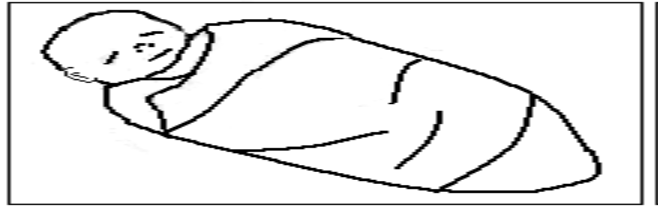
تقميط حديثي الولاده