Health Education in Primary Care
- Concept of Communication
Communication is a fundamental and essential process in our daily interactions, particularly in healthcare centers and institutions. It consists of verbal and non-verbal communication. Effective communication between the nurse and the patient has a positive impact on the therapeutic relationship, improves the patient's adherence to nursing care plans, and strengthens commitment to the prescribed treatments.
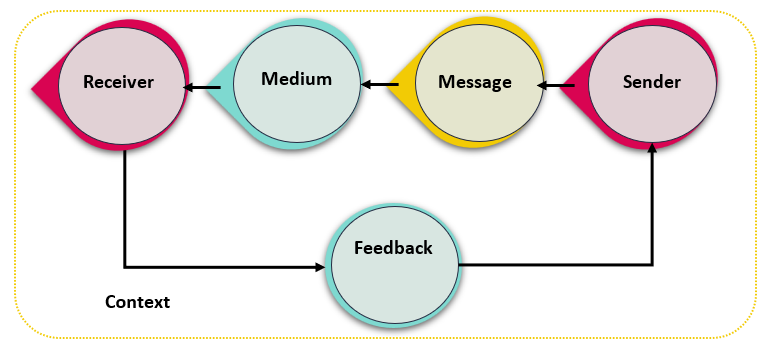
Components of Communication
1- Message.
2- Sender.
3- Receiver.
4- Communication media
5- Feedback
Objectives of Communication
- To identify the attitudes and ideas of others.
- To build relationships among people.
- To convey and exchange ideas, opinions, and meanings easily and effectively.
- To influence the thinking, feelings, behavior, and attitudes of others.
- To encourage a change or modification in behavior.
- To generate demand for high-quality services.
Types of Communication
A- Verbal B- Non-verbal
– Verbal communication: Communication through the exchange of words, whether in writing or conversation. It depends primarily on language, through which messages are exchanged, and is an important part of the nurse-patient relationship.
– Non-verbal communication: Also known as body language. It plays an important supplementary role in health-related situations. Information conveyed through body movements, gestures, facial expressions, eye contact, posture, and the volume and pace of speech is no less important than information exchanged through words, as it reflects our ideas, attitudes, and feelings.
Examples of non-verbal communication include posture. Standing upright indicates self-confidence; an alert or confrontational stance may suggest aggression; sitting in a relaxed manner may indicate boredom or indifference; fidgeting while seated may suggest nervousness or eagerness; and sitting on the edge of the chair may indicate interest and attentiveness.