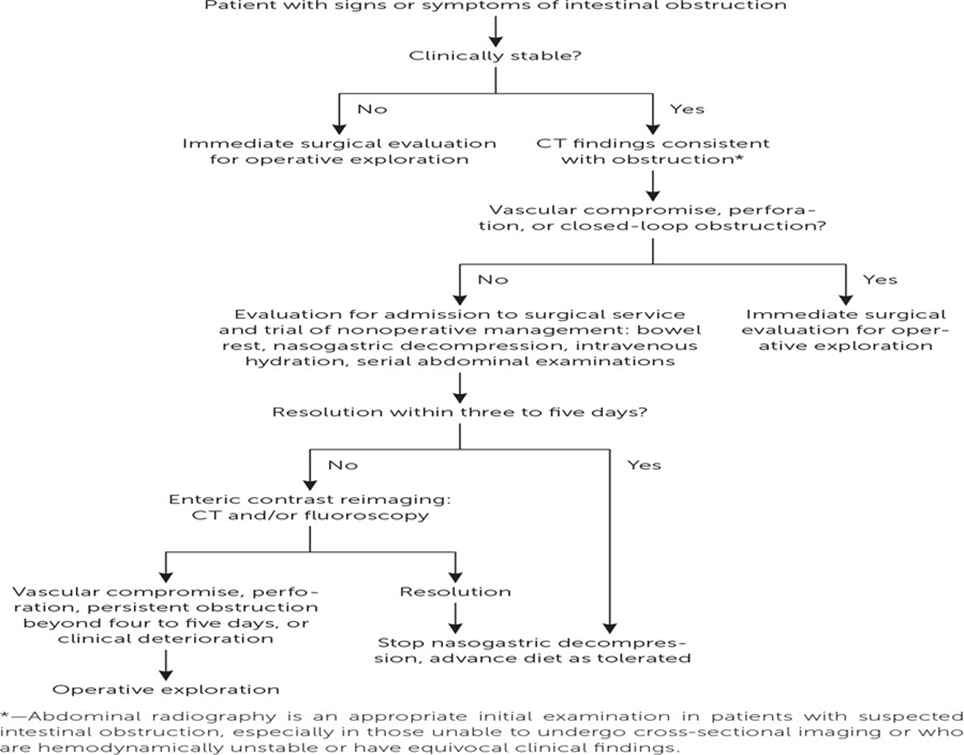
Intestinal Obstruction Management
- Annexes
Table 1 Quality
and Significance of the four levels of evidence in GRADE
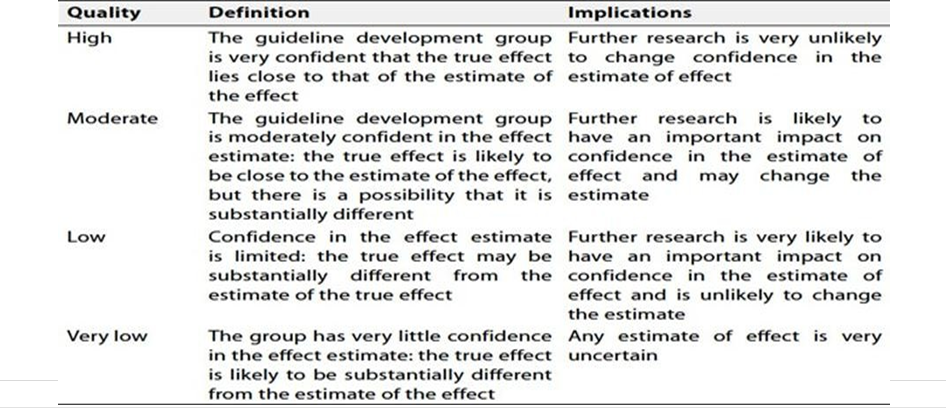
Table 2 factors that determine How to upgrade or downgrade the quality of evidence
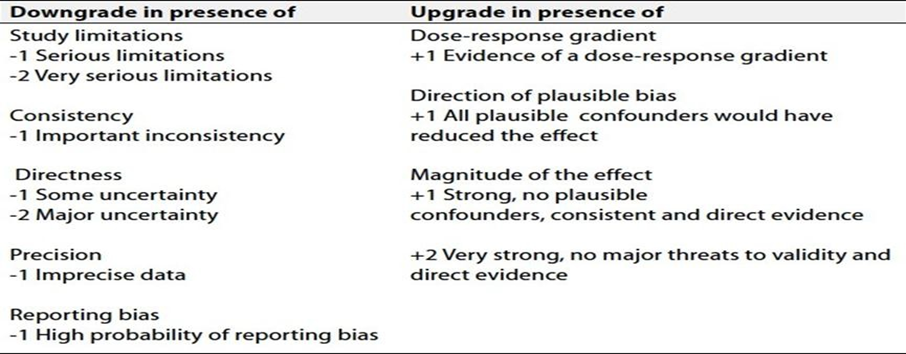
Table 3 Causes of intestinal obstruction, (1, 4, 6)
|
1. Adhesive disease |
60- 75% |
|
2. Neoplasm |
13- 20% |
|
3. Herniation |
2- 15% |
|
4. Inflammatory bowel disease |
5- 7% |
|
5. Volvulus |
<5% |
|
6. Others |
5- 7% |
Table 4 Differential diagnosis of intestinal obstruction
|
Diagnosis |
Clues |
|
Medication adverse effects (diagnosis of exclusion) |
Review of medication (tricyclic antidepressant, narcotics, etc) |
|
Mesenteric ischemia |
History of peripheral vascular disease or postprandial abdominal angina, hypercoagulable state recent use of vasopressor |
|
Perforated viscus Intra-abdominal sepsis |
Ever, leukocytosis, peritonitis pneumoperitoneum |
|
Post-operative paralytic ileus |
Recent abdominal surgery with no post- operative flatus or bowel movement |
|
Pseudo-obstruction (Ogilvie syndrome) |
Acutely dilated large intestine, Diabetes Mellitus, history of intestinal dysmotility, sclerderma |
Figure 1 Management of acute intestinal obstruction (8)