Introduction to Stroke and the Stroke Care Unit
- 2. Hemorrhagic Stroke
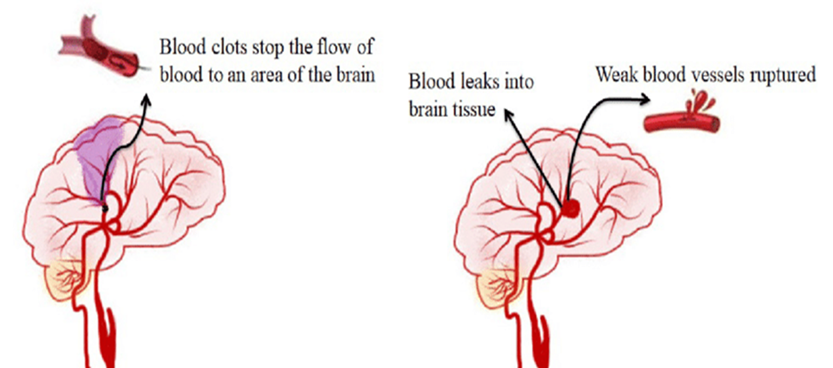
Hemorrhagic stroke occurs when a blood vessel in the brain leaks or ruptures. Intracerebral bleeding may result from several conditions that affect the blood vessels. Factors associated with hemorrhagic stroke include:
Uncontrolled hypertension.
Excessive anticoagulant therapy (blood-thinning medications).
Bulging at weak points in blood-vessel walls, known as aneurysms.
Head injury, such as trauma caused by a motor-vehicle accident or a blow to the head.
Protein deposits within blood-vessel walls that weaken the vessel, known as cerebral amyloid angiopathy.
Hemorrhagic transformation of an ischemic stroke. A less common cause of intracerebral bleeding is rupture of an arteriovenous malformation (AVM), an abnormal tangle of thin-walled blood vessels.
https://youtu.be/p0J5o6mn-ZM?si=LIsYVpcuerBsIiNy