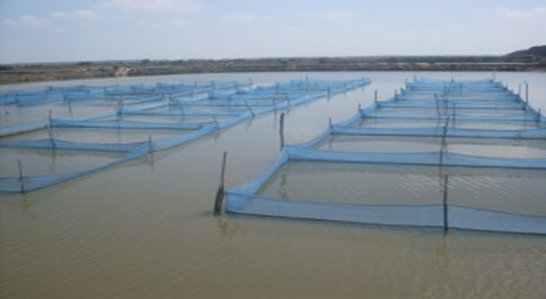
Nile tilapia propagation
- Nursing of Nile Tilapia fry
Newly hatched fry is reared in nursery hapas set in earthen ponds and sex reversed by feeding them17α-methyltestosterone incorporated feed (60 mg/kg feed). Handling tilapia fry in a stress-free manner is crucial for maximizing the production of good quality fish. Stress reduction helps improve survival rates, growth, and overall health of the fry (Salin and Yakupitiyage, 2023). After sex reversal, fish (0.1–0.2 g) are nursed in hapas at a stocking density of 1000–2000 fry/m2. Hapa sizes vary, but most are in 8 x 5 m. Fish are fed a mixture of fishmeal and rice bran at a ratio of 1:2–3. Pond culture is one of the most widely used methods for growing tilapia (El‐Sayed and Fitzsimmons, 2023). Tilapia fry is also nursed in small ponds at approximately 20-25 fish/m2 for 2-3 months to an average size of 30-40 g. Ponds are drained, dried and limed at 500 kg/ha. After filling it with water, fertilize the pond with inorganic fertilizers (super phosphate) or organic fertilizer to stimulate plankton growth. Fingerlings are fed commercial feed (30% protein) at an initial rate of 8-15 percent of biomass per day, which is gradually decreased to a final rate of 4-9% per day. Polyculture culture Nile tilapia with carp can reach or exceed 5 tonnes/ha (FAO, 2002). During the grow-out phase, fish attain a marketable size which varies according to whether the fish sold in local or international markets, or the fish are being used as raw materials for additional processing. Farmers able to sell fish around 200–300g at the local market, meanwhile, for producing tilapia fillet will demand 800 g fish.