ماكينة الغسيل الكلوى المستمر
| الموقع: | EHC | Egyptian Health Council |
| المقرر الدراسي: | دلائل الاجراءات التمريضية للغسيل الكلوي |
| كتاب: | ماكينة الغسيل الكلوى المستمر |
| طبع بواسطة: | Guest user |
| التاريخ: | الأحد، 20 سبتمبر 2026، 5:04 PM |
الوصف
"last update: 10 March 2025"
- اعداد
تحت أشراف
- أ.د/ محمد لطيف الرئيس التنفيذي للمجلس الصحي المصري - د/ كوثر محمود نقيب عام التمريض المصري – عضو مجلس الشيوخ
م | الاسم | الوظيفة |
1 | أ.د/ امل احمد خليل مرسي | نائب رئيس الجامعة لشئون التعليم والطلاب – جامعة بورسعيد |
2 | أ.د / عفاف عبد العزيز عبد العزيز بصل | عميد كلية التمريض –استاذ تمريض باطنه وجراحي جامعة طنطا |
3 | أ.د/ زينب حسين على محمد سعد | وكيل الكلية لشئون البيئة وخدمة المجتمع – كلية التمريض – جامعه حلوان |
4 | أ.د /امل سعيد طه رفاعي | أستاذ ورئيس قسم التمريض الباطني الجراحي – جامعة بنها |
5 | أد /حنان احمد السباعي على | استاذ التمريض التمريض الباطني الجراحي- كلية التمريض – جامعة القاهرة |
6 | د/ نيفين عبدربه النبي محمد عبد النبي | رئيس الإدارة المركزية ندباَ –وزاره الصحة |
7 | د/ مايسة حسني احمد تمام | مدير عام للإدارة ندباَ – وزاره الصحة |
8 | د/ نانسي علاء الدين عبد الباسط على | المشرف على التعليم الفني- الهيئة العامة للرعاية الصحية |
9 | د/ شيرين محمد محمد سعدالدين | المشرف على تطوير الخدمات التمريضية –الهيئة العامة للرعاية الصحية |
10 | د/ مى محمود العسال | مدير عام الإدارة العامة لشئون المعاهد الفنية الصحية |
11 | أ.م.د/ هبة محمود محمد | أستاذ مساعد تمريض صحة الام وحديثي الولادة –كلية التمريض - جامعة عين شمس |
المشاركين | ||
12 | أ/أحمد السيد رزق | عضو إدارة التمريض الهيئة العامة للرعاية الصحية فرع بورسعيد |
13 | أ/رضوى السيد النجدي | عضو إدارة التمريض الهيئة العامة للرعاية الصحية فرع الإسماعيلية |
14 | أ/أمنية حسن عبسي | عضو إدارة التمريض الهيئة العامة للرعاية الصحية فرع الإسماعيلية |
- تعريف الغسيل المستمر CRRT[Continuous Renal Replacement Therapy]
⬅️ ما هو غسيل الكلى CRRT؟
العلاج ببدائل الكلى المستمر (CRRT) هو نوع من غسيل الكلى يستخدم لعلاج إصابة الكلى الحادة أو مرض الكلى المزمن. إنها عملية بطيئة ومستمرة لإزالة السوائل الزائدة والسموم والنفايات من الدم، واستعادة التوازن بالكهرباء والحمض القاعدي.
على عكس غسيل الكلى التقليدي المتقطع، والذي يتم إجراؤه عادةً لمدة 3-4 ساعات لكل جلسة، يتم إجراء CRRT بشكل مستمر على مدار 24 ساعة يوميًا، وغالبًا ما يتم ذلك باستخدام آلة متخصصة تسمى مرشح الدم أو جهاز غسيل الكلى. يقوم مرشح الدم أو جهاز غسيل الكلى بإزالة السوائل الزائدة والفضلات من الدم ويعيد الدم النقي إلى جسم المريض.
يُنصح باستخدام CRRT للمرضى الذين يعانون من اختلال وظائف الكلى، والذي يشار إليه أيضًا باسم إصابة الكلى الحادة (AKI). يخضع مرضى وحدة العناية المركزة لهذا العلاج على مدار 24 ساعة في اليوم.
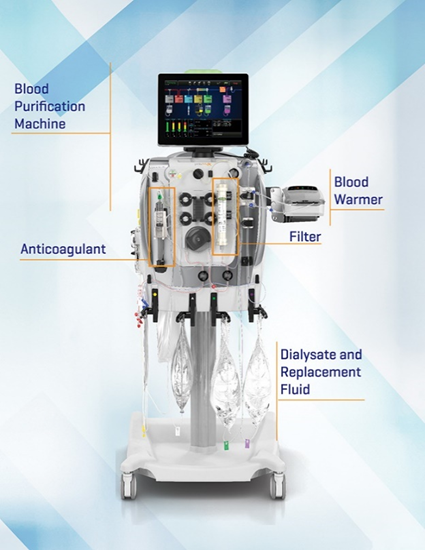
- Benefits of Continuous Renal Replacement Therapy (CRRT) - فوائد العلاج المستمر ببدائل الكلى (CRRT)
العلاج المستمر ببدائل الكلى (CRRT) الذي ينصح به لمرضى الفشل الكلوي له فوائد على المدى القصير والطويل. الفوائد قصيرة المدى لـ CRRT
- يوفر الإزالة المستمرة لمنتجات النفايات الأيضية الزائدة من الدم: تسمح آلة CRRT بالإزالة المستمرة للفضلات من الدم، مثل اليوريا والكرياتينين، والتي تتراكم لدى مرضى الفشل الكلوي. يمكن أن يساعد ذلك في منع تراكم المواد السامة في الجسم والتي يمكن أن تؤدي إلى مضاعفات وتلف الأعضاء.
- إرجاع المنحل بالكهرباء الطبيعي والتوازن الحمضي / القاعدي: يمكن أن يساعد CRRT في الحفاظ على مستويات طبيعية من الشوارد، مثل الصوديوم والبوتاسيوم والكالسيوم، بالإضافة إلى التوازن الطبيعي للحمض / القاعدة. وهذا يمكن أن يمنع الاختلالات الخطيرة التي يمكن أن تحدث لدى المرضى الذين يعانون من الفشل الكلوي.
- يحافظ على توازن السوائل المحايد الصافي: يمكن أن يساعد CRRT في الحفاظ على توازن السوائل المحايد الصافي، والذي يمكن أن يمنع الحمل الزائد للسوائل أو الجفاف. وهذا مهم بشكل خاص في المرضى المصابين بأمراض خطيرة والذين قد يعانون من اختلال توازن السوائل بسبب حالات طبية أخرى.
- يوفر الدعم الغذائي بغض النظر عن قيود السوائل: يمكن أن يوفر CRRT الدعم الغذائي للمرضى الذين قد يعانون من قيود السوائل، مما يسمح بتوصيل العناصر الغذائية المهمة دون التعرض لخطر زيادة السوائل.
يسمح لإدارة الدواء الأمثل: يمكن أن يساعد CRRT في تحسين إدارة الدواء لدى المرضى الذين يعانون من الفشل الكلوي، حيث يتم إخراج العديد من الأدوية من خلال الكلى ويمكن أن تتراكم لدى المرضى الذين يعانون من قصور كلوي. يمكن أن يساعد علاج CRRT في إزالة هذه الأدوية من مجرى الدم، مما يقلل من خطر التسمم.
الفوائد طويلة المدى لـ CRRT
· تحسين معدل بقاء المريض على قيد الحياة: لقد ثبت أن إجراء CRRT يحسن معدل البقاء على قيد الحياة للمرضى المصابين بأمراض خطيرة والذين يعانون من إصابة الكلى الحادة. من خلال إزالة السموم والحفاظ على توازن السوائل والكهارل، يمكن أن يساعد CRRT في استقرار المرضى ومنع المضاعفات التي يمكن أن تؤدي إلى الوفاة.
· يزيد من فرصة الشفاء الكلوي الكامل: في بعض الحالات، يمكن أن يساعد CRRT على تحسين وظائف الكلى ويؤدي حتى إلى الشفاء التام للكلى. وينطبق هذا بشكل خاص على حالات إصابة الكلى الحادة، حيث يمكن للتدخل المبكر باستخدام CRRT أن يمنع تلف الكلى الذي لا يمكن علاجه.
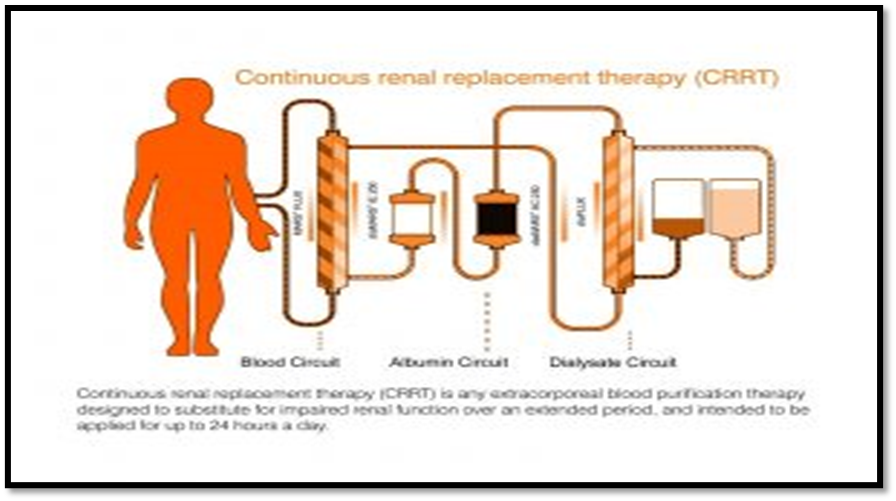
يعتبر CRRT بمثابة تقدم على غسيل الكلى التقليدي. يُفضل استخدام CRRT نظرًا لفوائده القصيرة والطويلة الأجل. من خلال إزالة السموم، والحفاظ على توازن السوائل والكهارل، وتوفير الدعم الغذائي، يمكن أن يساعد CRRT في استقرار المرضى المصابين بأمراض خطيرة وتحسين فرصهم في البقاء على قيد الحياة والتعافي الكلوي.
- انواع الغسيل المستمر CRRT
⬅️ أنواع CRRT:
فيه عدة أنواع تعتمد على طريقة تنقية الدم والهدف منها، زي:
1. CVVH (Continuous Venovenous Hemofiltration): لإزالة السوائل والفضلات ببطء.
2. CVVHD (Continuous Venovenous Hemodialysis): مشابهة للغسيل الكلوي التقليدي ولكن بوتيرة أبطأ.
3. CVVHDF (Continuous Venovenous Hemodiafiltration): مزيج من الطريقتين لتصفية السموم والسوائل بشكل متوازن.
⬅️ مزايا ماكينة الغسيل الكلوي المستمر:
· أقل ضغط على القلب والأوعية الدموية: لأنها تزيل السوائل والسموم ببطء، ما يسمح للجسم بالتكيف بدون تأثيرات سلبية على الدورة الدموية.
· مناسبة للمرضى غير المستقرين صحيًا: خاصة في حالات الطوارئ والعناية المركزة.
· تقليل المضاعفات اللي ممكن تحصل من الغسيل الكلوي السريع، مثل انخفاض ضغط الدم المفاجئ.
- إجراءات العلاج CRRT
⬅️ يتضمن إجراء العلاج المستمر ببدائل الكلى (CRRT) عدة خطوات تكون مشابهه كثيرا لبدء جلسات الغسلي الكلوى الدموى :
- تحضير المريض: قبل البدء بـ CRRT، يتم تقييم العلامات الحيوية للمريض وحالة السوائل ومستويات الإلكتروليت. يتم إدخال قسطرة غسيل الكلى في الوريد، عادةً في الرقبة أو الفخذ، ويتم توصيل القسطرة بجهاز CRRT.
- معدل تدفق الدم: يتم ضبط معدل تدفق الدم لضمان إزالة السموم والنفايات بشكل كافٍ. يتم ضخ الدم من جسم المريض عبر القسطرة إلى مرشح الدم أو جهاز غسيل الكلى، حيث يتم تصفيته وتنقيته.
- استبدال السوائل: تتم إضافة السوائل البديلة إلى الدم المنقى للحفاظ على التوازن الطبيعي للكهارل والسوائل. يتم ضبط معدل استبدال السوائل بناءً على حالة السوائل لدى المريض ومستويات الإلكتروليت.
- منع تخثر الدم: تُستخدم مضادات التخثر، مثل الهيبارين أو السيترات، لمنع تجلط الدم في مرشح الدم أو جهاز غسيل الكلى. يتم مراقبة جرعة مضادات التخثر بعناية لتجنب مضاعفات النزيف أو التخثر.
- المراقبة والتعديلات: تتم مراقبة العلامات الحيوية للمريض وحالة السوائل ومستويات الإلكتروليت ومعدل تدفق الدم بشكل مستمر. يتم تعديل جهاز CRRT حسب الحاجة للحفاظ على معايير العلاج المثالية وتجنب المضاعفات.
- التوقف: يمكن إيقاف علاج CRRT بمجرد تحسن وظائف الكلى لدى المريض أو إذا تم نقل المريض إلى شكل آخر من أشكال العلاج ببدائل الكلى، مثل غسيل الكلى المتقطع أو غسيل الكلى البريتوني.
يعد CRRT إجراءً معقدًا ومتخصصًا للغاية ويتطلب مراقبة دقيقة وتعديلات لضمان النتائج المثلى للمريض. يتم إجراء العلاج من قبل فريق من المتخصصين في الرعاية الصحية، بما في ذلك أطباء الكلى والممرضات ، الذين يعملون معًا لتقديم أفضل رعاية ممكنة للمريض.
يقوم CRRT ببعض العمل الذي تقوم به الكلى السليمة بشكل طبيعي. فهو يقوم بتصفية وتنظيف دم المريض بلطف عن طريق إزالة الفضلات والسوائل الزائدة. وهذا يحافظ على توازن المواد الكيميائية والشوارد، مثل البوتاسيوم والفوسفور، في دم طفلك. لا يعمل CRRT في الواقع على تحسين وظائف الكلى لدى المريض، ولكنه بدلاً من ذلك يحافظ على كل شيء في جسمه في خط مستقيم حتى تستعيد الكلى وظيفتها.
يتم توصيل القسطرة الوريدية المركزية بجهاز يقوم بتدوير بعض دم المريض في حلقة خارج الجسم. بعد تصفية الدم وتنظيفه، يتم إعادته إلى الجسم
⬅️ هناك مواقف يتم فيها فصل المريض عن جهاز CRRT. وتشمل هذه:
· إذا كان يحتاج إلى إجراء اختبار أو إجراء. سيتم إعادة تشغيل الجهاز بعد ذلك.
· التغيير الروتيني للأنابيب والفلتر للحفاظ على عمل النظام بشكل جيد. لا يتطلب هذا سوى فترة قصيرة من إيقاف تشغيل الجهاز.
· في بعض الأحيان، تدخل جلطات دموية صغيرة في الفلتر والأنابيب وتمنع الجهاز من العمل بشكل جيد. تقوم الممرضة بتغيير الأنابيب والفلتر إذا حدث هذا.
قد ينطلق إنذار الجهاز أثناء CRRT. لا تكون معظم الإنذارات بسبب حالة طارئة. عادة ما تكون مخصصة لتنبيه الممرضة لتغيير أكياس المحلول. قد ينطلق إنذار الجهاز أيضًا لإخبار الممرضة بتغيير وضع المريض أو فحص القسطرة للمساعدة في سير العلاج بسلاسة.
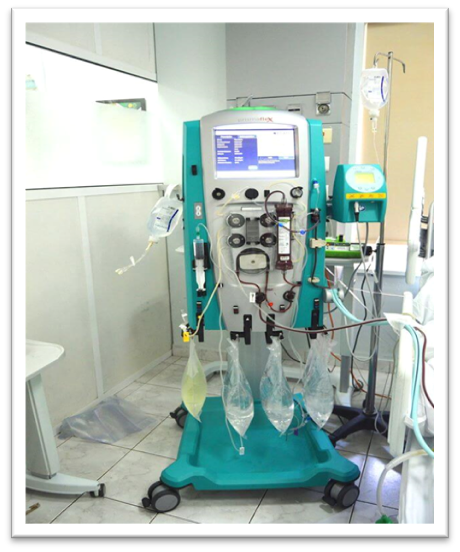
- مضاعفات الغسيل المستمر CRRT
· نزيف حاد
· عدوى
· تجلط دموي في الأوعية الدموية
· مشاكل الإلكتروليت
· انخفاض في درجة حرارة الجسم
· انخفاض ضغط الدم
· فقدان الدم
- عيوب ماكينة الغسيل المستمر CRRT
· تحتاج مراقبة مستمرة: بما إنها تعمل على مدار 24 ساعة، فلازم يكون فيه فريق طبي يراقب حالة المريض والجهاز بانتظام.
· معقدة أكثر من الغسيل الكلوي العادي، وتحتاج لفريق طبي متمكن.
· تكلفة أعلى: بسبب الأجهزة المتخصصة والموارد الإضافية المطلوبة.
- المراجع
◼️ Tolwani A. Continuous renal-replacement therapy for acute kidney injury. N Engl J Med. 2022;367(26):2505–2514. doi: 10.1056/NEJMct1206045.
◼️ Vinsonneau C., Camus C., Combes A. Continuous venovenous haemodiafiltration versus intermittent haemodialysis for acute renal failure in patients with multiple-organ dysfunction syndrome: a multicentre randomised trial. Lancet. 2019;368(9533):379–385.
◼️ Schwenger V., Weigand M.A., Hoffmann O. Sustained low efficiency dialysis using a single-pass batch system in acute kidney injury—a randomized interventional trial: the REnal Replacement Therapy Study in Intensive Care Unit PatiEnts. Crit Care. 2022;16(4):R140. doi: 10.1186/cc11445.