الاجهزة المستخدمة بقسم الاستقبال و الطوارئ
| الموقع: | EHC | Egyptian Health Council |
| المقرر الدراسي: | دلائل الاجراءات التمريضية لقسم الاستقبال والطوارئ |
| كتاب: | الاجهزة المستخدمة بقسم الاستقبال و الطوارئ |
| طبع بواسطة: | Guest user |
| التاريخ: | الأحد، 20 سبتمبر 2026، 5:06 PM |
الوصف
"last update: 16 March 2025" تحميل الدليل
- اعداد
تحت اشراف
- أ.د/ محمد لطيف الرئيس التنفيذي للمجلس الصحي المصري - د/ كوثر محمود نقيب عام التمريض المصري – عضو مجلس الشيوخ
تمت المراجعة
- أ.د/ شريف وديع ناشد مستشار وزير الصحة للطوارئ والرعاية العاجلة
اعداد
م | الاسم | الوظيفة | |
1 | أ.د /امل احمد خليل مرسي | نائب رئيس الجامعة لشئون التعليم والطلاب – جامعة بورسعيد | |
2 | أ.د / عفاف عبد العزيز عبد العزيز بصل | عميد كلية التمريض –استاذ تمريض باطنه وجراحي جامعة طنطا | |
3 | أ.د/ زينب حسين على محمد سعد | وكيل الكلية لشئون البيئة وخدمة المجتمع – كلية التمريض – جامعه حلوان | |
4 | أ.د/ امل سعيد طه رفاعي | أستاذ ورئيس قسم التمريض الباطني الجراحي – جامعة بنها | |
5 | أ.د/ حنان احمد السباعي على | استاذ التمريض التمريض الباطني الجراحي- كلية التمريض – جامعة القاهرة | |
6 | د /نيفين عبدربه النبي محمد عبد النبي | رئيس الإدارة المركزية ندباَ –وزاره الصحة | |
7 | د/ مايسة حسني احمد تمام | مدير عام للإدارة ندباَ – وزاره الصحة | |
8 | د/ نانسي علاء الدين عبد الباسط على | المشرف على التعليم الفني- الهيئة العامة للرعاية الصحية | |
9 | د /شيرين محمد محمد سعدالدين | المشرف على تطوير الخدمات التمريضية –الهيئة العامة للرعاية الصحية | |
10 | د/مى محمود العسال | مدير عام الإدارة العامة لشئون المعاهد الفنية الصحية | |
11 | أ.م.د/ هبة محمود محمد | أستاذ مساعد تمريض صحة الام وحديثي الولادة –كلية التمريض - جامعة عين شمس | |
المشاركين | |||
12 | د/ عزة جلال أحمد | مدير إدارة التمريض العلاجي- وزارة الصحة | |
13 | /أأحمد محمد أحمد النوبي | عضو إدارة التمريض الهيئة العامة للرعاية الصحية فرع الأقصر | |
14 | أ / أنغام حمدي عبد الخالق | أخصائي تمريض بالإدارة العامة للتمريض- وزارة الصحة | |
15 | أ /أحمد محمد حسين مبارز | أخصائي تمريض بالإدارة العامة للتمريض- وزارة الصحة | |
16 | أ /عبد العظيم السعيد عبد العظيم الحنفي | أخصائي تمريض بالإدارة العامة للتمريض- وزارة الصحة | |
17 | أ / شوكت يسرى حسين | أخصائي تمريض بالإدارة العامة للتمريض- وزارة الصحة | |
18 | أ / كريم أحمد صادق | أخصائي تمريض بالإدارة العامة للتمريض | |
- سياسة استخدام المونيتور
اسم السياسة | سياسة استخدام المونيتور | رقم السياسة |
| |||
تاريخ الإصدار ورقمه |
|
| تاريخ المراجعة |
| عدد الصفحات |
|
القسم | قسم | |||||
الغرض :
1. قياس العلامات الحيوية
2. رسم القلب الالكتروني
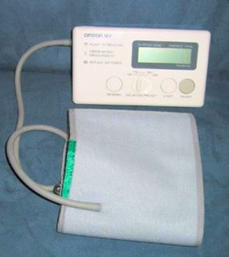
3. قياس ضغط الدم عن طريق قطعة الضغط التي تلف حول زراع المريض.ويكون ضغط الدم الطبيعي120\80±20\15
4. قياس درجة الحراره عن طريق محولات الحراره وتكون الحرارة الطبيعية من36.5الي37.5
5. قياس نسبة الأكسيجين في الدم.
اجراءات العمل
1. توصيل الأقطاب وأجهزة الاستشعار:*
- قم بتوصيل أقطاب جهاز تخطيط القلب (ECG) على صدر المريض لمراقبة نشاط القلب.
- ضع مقياس التأكسج (Pulse Oximeter) على إصبع المريض لقياس مستوى الأكسجين في الدم.
- استخدم جهاز قياس ضغط الدم (NIBP) لقياس الضغط بشكل دوري.
- إذا لزم الأمر، قم بتوصيل أجهزة استشعار أخرى مثل مقياس التنفس (Respiratory Rate) أو قسطرة ضغط الدم المركزي.
2. تشغيل المونيتور:
- قم بتشغيل الجهاز بعد توصيل جميع الأقطاب وأجهزة الاستشعار.
- تأكد من أن الجهاز يقوم بالتعرف على جميع المستشعرات المتصلة ويعرض القراءات بشكل صحيح.
3. قراءة البيانات:
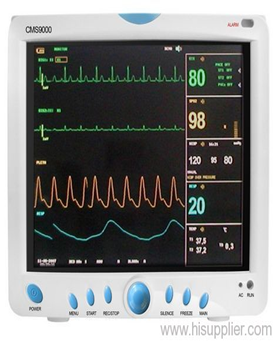
- المونيتور يعرض مجموعة من البيانات مثل:
- معدل ضربات القلب (HR):* يعرض بالنبضة في الدقيقة.
- مستوى الأكسجين (SpO2):* يعرض كنسبة مئوية.
- ضغط الدم (BP):* يعرض عادةً كرقمين، الضغط الانقباضي والانبساطي.
- معدل التنفس (RR):* يعرض بعدد الأنفاس في الدقيقة.
- مخطط القلب (ECG):* يعرض النشاط الكهربائي للقلب.
- تأكد من فهمك لكل من هذه القراءات وما تعنيه بالنسبة لحالة المريض.
4. ضبط الإنذارات:
- يمكن ضبط الجهاز لإطلاق إنذار في حال كانت القراءات خارج الحدود الطبيعية. تأكد من ضبط الحدود حسب الحالة الطبية للمريض.
5. مراقبة مستمرة:
- يجب مراقبة المونيتور باستمرار والتأكد من أن القراءات تبقى ضمن الحدود الآمنة.
- إذا أظهر المونيتور أي تغيرات مفاجئة أو قراءة غير طبيعية، يجب التصرف فوراً وفقاً للإجراءات الطبية.
6. تسجيل البيانات:
- قد تحتاج لتسجيل البيانات التي يعرضها المونيتور بشكل دوري لمراقبة تطور حالة المريض أو لمراجعة الطبيب.
إذا كنت تعمل في مجال العناية المركزة، فمن المهم أن تتلقى تدريباً شاملاً على استخدام المونيتور وفهم كيفية الاستجابة للتغيرات في القراءات.
التعريف :
جهاز المونيتور الطبي هو عبارة عن أداة طبية الكترونية تستخدم في الملاحظة الطبية ويتم إيضاح البيانات الفسيولوجية باستمرار علي شاشة هذا الجهاز.
الأنواع :
1- أجهزة الملاحظة التناظرية:
وكانت تستخدم في السابق حيث كان الجهاز يوضح رسم القلب فقط وبعد إجراء تعديلات التخصص عليها أصبح هناك جهاز مونيتور يقيس ضغط الدم وأخر لقياس النبض.وقدتم استخدام هذه الأجهزة علي نطاق واسع وساعدت علي إنقاذ حياة الكثير من البشر ولكن كانت هناك العديد من العوائق في طريقها مثل التداخل الكهربي،وعدم وجود إنذارات بالإضافة إلي كونها باهظة الثمن.
2- أجهزة الملاحظة الرقمية:
مع وجود تكنولوجيا معالجة الإشارات الرقمية digital signal processing تطورت المونيتورات الطبية بشكل كبير.وأصبحت كل الموديلات رقمية وأصبح لها ميزة التصغير وسهولة الحمل.وأصبحت معايرها تتكون مقياس النبض،مقياس نسبة الأكسيجين بالدم،ضغط الدم،درجة الحرارة،رسم القلب الالكتروني.
3- أجهزة الملاحظة الملحقة بجهاز تنظيم ضربات القلب:
غالبا ما تستخدم هذه الاجهزه في وحدة الاستقبال والطوارئ.وذلك لتوفير الوقت والجهد في نقل المريض من جهاز لأخر.
الافراد الاكثر استخداما :
1. مرضي وحدات الرعاية الحرجة.
2. مرضي وحدات الغسيل الكلوي.
3. مرضي غرف العمليات.
4. مرضي غرف الافاقه.
5. مرضي وحدات الاستقبال لحين تصنيفهم.
المرضي من الأطفال في وحدة الرعاية الحرجة لحديثي الولادة.- سياسة استخدام السرنجة الكهربائية
اسم السياسة | سياسة استخدام السرنجة الكهربائية | رقم السياسة |
| |||
تاريخ الإصدار ورقمه |
|
| تاريخ المراجعة |
| عدد الصفحات |
|
القسم | قسم | |||||
الغرض :
السرنجة الكهربائية (أو المحقنة الكهربائية) تُستخدم بشكل رئيسي لضخ السوائل أو الأدوية إلى جسم المريض بشكل دقيق ومضبوط. تُستخدم في العديد من التطبيقات الطبية مثل إعطاء الأدوية عبر الوريد، وضخ الأنسولين، والتغذية الوريدية
إجراءات العمل:
استخدام السرنجة الكهربائية (أو المضخة الوريدية) لإعطاء الأدوية يحتاج إلى خطوات دقيقة لضمان الأمان والفعالية.
· تحضير المعدات
· تأكد من أن السرنجة الكهربائية تعمل بشكل صحيح وأنها مبرمجة للاستخدام.
· قم بتحضير الدواء المراد إعطاؤه حسب توجيهات الطبيب، وتأكد من الجرعة الصحيحة.
· تحضير السرنجة:املأ السرنجة بالدواء، مع التأكد من إزالة أي فقاعات هواء قد تكون داخل السرنجة.
· قم بتوصيل السرنجة بمكانها الصحيح في السرنجة الكهربائية وتأكد من أنها مثبتة بإحكام.
· برمجة السرنجة الكهربائية:أدخل المعلومات المطلوبة في الجهاز، مثل سرعة التدفق والجرعة الكلية المراد إعطاؤها.
· تأكد من دقة البرمجة بمراجعة المعلومات المدخلة مرة أخرى.
· التوصيل للمريض:قم بتوصيل السرنجة الكهربائية بالخط الوريدي للمريض (IV line) بعد التأكد من أن الخط يعمل بشكل صحيح.
· تأكد من أن الاتصال آمن وأنه لا يوجد تسرب.
· مراقبة العملية:ابدأ تشغيل السرنجة الكهربائية وراقب تدفق الدواء بعناية.تحقق بشكل دوري من أن السرنجة تعمل بشكل صحيح وأن الجرعة تُعطى كما هو مبرمج.راقب حالة المريض لأي علامات غير طبيعية أو ردود فعل تجاه الدواء.
· إيقاف السرنجة:عند اكتمال إعطاء الجرعة، أوقف السرنجة الكهربائية.قم بإزالة السرنجة من الجهاز، والتخلص منها حسب البروتوكولات الطبية.
· متابعة المريض:تحقق من استجابة المريض للدواء بعد الانتهاء من الإعطاء.سجل كل التفاصيل حول العملية في السجل الطبي للمريض.
· اتباع هذه الخطوات بدقة يضمن إعطاء الدواء بشكل آمن وفعال.
- سياسة التعامل مع مريض جهاز التنفس الصناعى
اسم السياسة | التعامل مع مريض جهاز التنفس الصناعى | رقم السياسة |
| |||
تاريخ الإصدار ورقمه |
|
| تاريخ المراجعة |
| عدد الصفحات |
|
القسم | وحدة الاستقبال والطوارئ | |||||
السياسة :
· التنفس الصناعي Mechanical Ventilation : هو طريقة لتنفس أو المساعدة في عملية التنفس باستخدام جهاز صناعي يستخدم لتنفس عندما يكون المريض غير قادر على التنفس بالقدر الكافي لعملية تبادل الغازات الكافية لاحتياج الجسم والأنسجة أو عندما يكون المريض غير قادر تماما عل أخذ النفس وهذا يرجع إلى عدة أسباب.
مؤشرات وضع المريض على جهاز التنفس الصناعي :
المؤشر | المعدل الغير طبيعى | المعدل الطبيعى |
عدد مرات التنفس | أكبر من 35 نفس / دقيقة | 10- 20 نفس / دقيقة |
حجم الهواء فى التنفس الواحد | أقل من 5مل / كجم من وزن الجسم | 5-7 مل/كجم من وزن الجسم |
أقصى قوة للشهيق | أقل من 25 سم ماء | 75 – 100 سم ماء |
نسبة الأكسجين فى تحليل الغازات بالدم | أقل من60 مم زئبق عند وضع المريض على أكسجين 60% | 75 – 100 مم زئبق على الهواء |
نسبة ثانى أكسيد الكربون | أكبر من 60 مم زئبق | 35-40 مم زئبق |
مع وجود بعض المؤشرات ( زرقة – عرق غزير – اضطراب في الوعي – تنفس سطحي وسريع ) يتم تقييمها عن طريق الطبيب .
الطرق المختلفة لاستخدام جهاز التنفس الصناعي :
1- التنفس الصناعي الإجباري المستمر CMV :
وعن طريقه يعطى الجهاز المريض عدد مرات تنفس وحجم من الهواء محدد على الجهاز ويتم ضبطه بواسطة الطبيب وفي هذه الحالة لا يأخذ المريض أي نفس بنفسه وإنما يعتمد على الجهاز فقط .
استخدامات هذه الطريقة :
◀️ تستخدم للمرضى المصابين بإصابات بالرأس حيث أن التنفس اللاإرادي سوف يؤدي إلى ارتفاع في الضغط داخل المخ.
◀️ أثناء العمليات الجراحية وذلك لإعطاء المريض أدوية مخدرة ترخي العضلات.
◀️ في حالة استخدام أدوية مخدرة – أو أدوية تسبب ارتخاء في العضلات وخصوصاً فور وضع المريض على جهاز التنفس الصناعي.
2- التنفس المتوافق بين الجهاز والمريض SIMV :
وهي الطريقة لإمداد المريض بعدد مرات من التنفس – بحجم من الهواء محدد على الجهاز ولكن الجهاز يعطي فرصة للمريض لأخذ نفس بنفسه .
استخدامات هذه الطريقة :
◀️ تستخدم كطريقة لبدء فصل المريض من جهاز التنفس الصناعي.
◀️ تستخدم في الحالات التي تستطيع أن تبدأ أخد نفس بنفسه.
3- التنفس عن طريق إعطاء هواء بضغط : CPAP
◀️ وهي الطريقة لإمداد المريض بهواء تحت ضغط معين أثناء عملية التنفس مع السماح ببعض الهواء بالبقاء داخل الحويصلات الهوائية بالرئة مما يساعد على عملية تبادل الغازات وزيادة كفاءة الرئتين .
استخدامات هذه الطريقة :
◀️ تستخدم كطريقة لفصل المريض من جهاز التنفس الصناعي .
◀️ تستخد للمريض القادر على أخذ النفس إرادياً ولكن يحتاج إلى مساعدة بإمداده هواء مضغوط
الخطوات :
يجب على الفريق التمريضي ملاحظة الآتي :
◀️ العلامات الحيوية للمريض وملاحظة المونيتور لأي تغير في ضربات القلب.
◀️ لون المريض – ملاحظة أي زرقة أو تغير لون المريض – كمية الهواء الداخل لصدر المريض وذلك باستخدام السماعة
◀️ كمية التنفس من 10/12 مرة في الدقيقة.
◀️ حدوث أي ارتفاع في ضغط الهواء مؤشر لحدوث مشكلة بالمريض وهي عبارة عن تجمع الإفرازات داخل صدر المريض.
◀️ يقظة المريض على جهاز التنفس الصناعي أو وجود ضغط أنابيب جهاز التنفس الصناعي.
◀️ حركة صد المريض لكي تكون متساوية في كل من الرئتين لضمان توزيع عادل في كلا من الرئتين بالنسبة للهواء وهناك احتمال دخول الأنبوبة الحنجرية في آخر الرئتين دون الأخرى.
◀️ المريض يجب أن يكون عند 34 درجة مئوية.
◀️ التشفيط من الأنبوبة الحنجرية.
◀️ العناية بأنبوبة القصبة الهوائية.
◀️ عمل تمرينات باستمرار والمحافظة على نظافة المريض.
◀️ عمل العناية باستمرار والمحافظة على نظافة المريض.
أما في حالة فصل المريض من على جهاز التنفس الصناعي :
◀️ شرح خطوات العمل للمريض لتقليل الخوف والقلق للمريض.
◀️ لبس (ارتداء) جوانتي لاتكس.
◀️ وضع المريض في وضع الجلوس (حسب الحالة الصحية ).
◀️ التشفيط من الأنبوبة الحنجرية.
◀️ تفريغ البالون القصبة الهوائية من الهواء.
◀️ تشجيع المريض على أخذ بعض النفس.
◀️ نزع الأنبوبة.
◀️ وضع المريض على ماسك O2 أو حسب إرشادات الطبيب من T.Tube أو ماسك Ventorey حسب التركيز .
◀️ ملاحظة تغير في تنفس المريض .
◀️ تشجيع المريض على الكحة وطرد البلغم .
◀️ عمل غازات بالدم للمتابعة .
◀️ تحضير جهاز تنفس صناعي بجوار المريض جاهز للاستعمال وأنبوبة حنجرية لاحتمال وضع المريض مرة أخرى على جهاز تنفس صناعي .
- سياسة التعامل مع مريض جهاز الصدمات كهربائية
اسم السياسة | التعامل مع مريض جهاز الصدمات كهربائية | رقم السياسة |
| |||
تاريخ الإصدار ورقمه |
|
| تاريخ المراجعة |
| عدد الصفحات |
|
القسم | وحدة الاستقبال والطوارئ | |||||
السياسة :
تدريب التمريض على استعمال جهاز الصدمات الذي يعتبر هو الركيزة الأساسية في حالات الإنعاش القلبي الرئوي في أقسام الطوارئ .
الأدوات المستخدمة :
· جيل.
· عربة الطوارئ وتكون مجهزة تحت أي ظرف.
· مخدر وذلك حسب إرشادات الطبيب.
الخطوات :
التأكد من تحضير جميع الأدوات و التاكد من شحنة جهاز الصدمات.
فى حالة توقف القلب :
· التأكد من أن البيئة آمنه لجميع المحيطين وللمريض (لا يوجد مياه – عدم ملامسة السرير أثناء تفريغ الشحنة).
· وضع جيل على صدر المريض مكان تفريغ الشحنه لمنع تعرض المريض للحرق .
· تنفيذ تعليمات الطبيب فيما يخص تفريغ الشحنة التي حددها الطبيب بعد التأكد بصوت عالي على أنها سوف تبدأ مع ملاحظة المونيتور .
ققق
المريض الواعي :
· إدخال المريض قسم الاستقبال وتهدئة المريض .
· توصيل المريض على جهاز المونيتور مع قياس العلامات الحيوية بطريقة منتظمة لمتابعة حالته لحظة بلحظة مع متابعة درجة الوعي للمريض .
· تنفيذ تعليمات الطبيب في شحن الجهاز على حسب تعليمات الطبيب .
· وضع المريض على أكسجين وذلك حسب إرشادات الطبيب بعد إعطاء الصدمة .
· ملاحظة درجة الوعي بعد إعطاء الصدمة .
· عمل رسم قلب للمريض بعد الصدمة .