الاسعافات الأولية لحالات الجروح
| الموقع: | EHC | Egyptian Health Council |
| المقرر الدراسي: | دلائل الاجراءات التمريضية لقسم الاستقبال والطوارئ |
| كتاب: | الاسعافات الأولية لحالات الجروح |
| طبع بواسطة: | Guest user |
| التاريخ: | الأحد، 20 سبتمبر 2026، 5:07 PM |
الوصف
"last update: 24 March 2025" تحميل الدليل
- اعداد
تحت اشراف
- أ.د/ محمد لطيف الرئيس التنفيذي للمجلس الصحي المصري - د/ كوثر محمود نقيب عام التمريض المصري – عضو مجلس الشيوخ
تمت المراجعة
- أ.د/ شريف وديع ناشد مستشار وزير الصحة للطوارئ والرعاية العاجلة
اعداد
م | الاسم | الوظيفة | |
1 | أ.د /امل احمد خليل مرسي | نائب رئيس الجامعة لشئون التعليم والطلاب – جامعة بورسعيد | |
2 | أ.د / عفاف عبد العزيز عبد العزيز بصل | عميد كلية التمريض –استاذ تمريض باطنه وجراحي جامعة طنطا | |
3 | أ.د/ زينب حسين على محمد سعد | وكيل الكلية لشئون البيئة وخدمة المجتمع – كلية التمريض – جامعه حلوان | |
4 | أ.د/ امل سعيد طه رفاعي | أستاذ ورئيس قسم التمريض الباطني الجراحي – جامعة بنها | |
5 | أ.د/ حنان احمد السباعي على | استاذ التمريض التمريض الباطني الجراحي- كلية التمريض – جامعة القاهرة | |
6 | د /نيفين عبدربه النبي محمد عبد النبي | رئيس الإدارة المركزية ندباَ –وزاره الصحة | |
7 | د/ مايسة حسني احمد تمام | مدير عام للإدارة ندباَ – وزاره الصحة | |
8 | د/ نانسي علاء الدين عبد الباسط على | المشرف على التعليم الفني- الهيئة العامة للرعاية الصحية | |
9 | د /شيرين محمد محمد سعدالدين | المشرف على تطوير الخدمات التمريضية –الهيئة العامة للرعاية الصحية | |
10 | د/مى محمود العسال | مدير عام الإدارة العامة لشئون المعاهد الفنية الصحية | |
11 | أ.م.د/ هبة محمود محمد | أستاذ مساعد تمريض صحة الام وحديثي الولادة –كلية التمريض - جامعة عين شمس | |
المشاركين | |||
12 | د/ عزة جلال أحمد | مدير إدارة التمريض العلاجي- وزارة الصحة | |
13 | /أأحمد محمد أحمد النوبي | عضو إدارة التمريض الهيئة العامة للرعاية الصحية فرع الأقصر | |
14 | أ / أنغام حمدي عبد الخالق | أخصائي تمريض بالإدارة العامة للتمريض- وزارة الصحة | |
15 | أ /أحمد محمد حسين مبارز | أخصائي تمريض بالإدارة العامة للتمريض- وزارة الصحة | |
16 | أ /عبد العظيم السعيد عبد العظيم الحنفي | أخصائي تمريض بالإدارة العامة للتمريض- وزارة الصحة | |
17 | أ / شوكت يسرى حسين | أخصائي تمريض بالإدارة العامة للتمريض- وزارة الصحة | |
18 | أ / كريم أحمد صادق | أخصائي تمريض بالإدارة العامة للتمريض | |
- تعريف الجروج
التعريف:
قطع او تمزق فى انسجه الجسم الرخوه (الجلد - العضلات – الاعضاء الداخليه )
- أنواع الجروح
انواع الجروح:
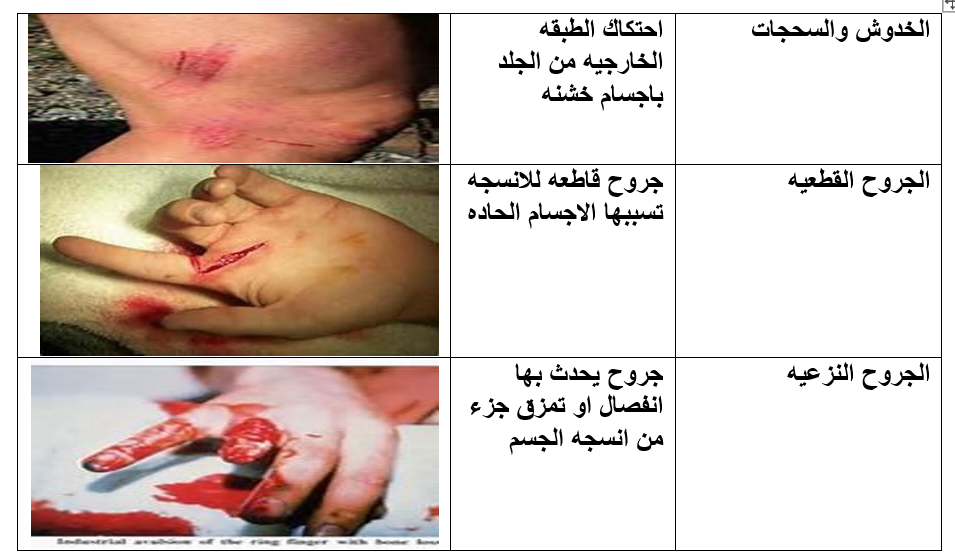
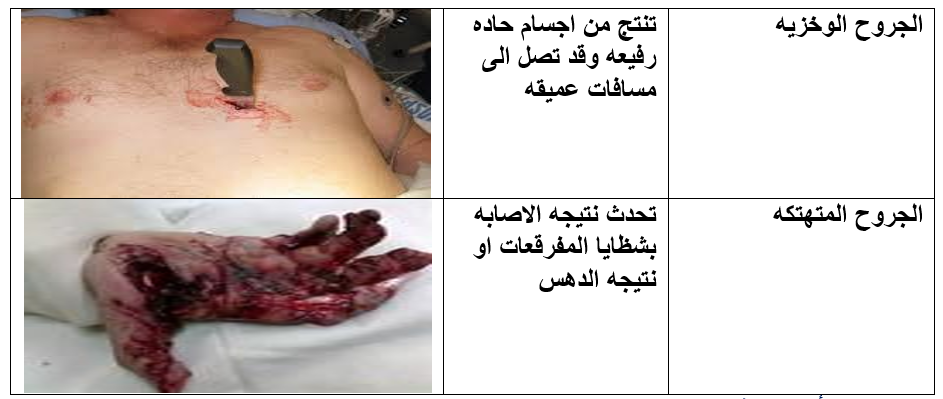
- أسباب اصابات الرأس
إصابات الرأس والرقبه والعمود الفقرى
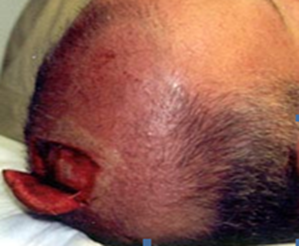
يمكن أن تكون أصابات فى فروة الرأس، أصابات بالمخ (نزيف بالمخ أو بالأغشية المحيطة به)، كسور بعظام الجمجمه و الرقبه والعمود الفقرى أو إرتجاج بالمخ.
الأسباب :
⬅️ حوادث السيارت.
⬅️ السقوط من أرتفاع.
⬅️ إصطدام شديد بالرأس.
- الاسعافات الأولية لإصابات الرأس
الاسعافات الأولية فى حالة إصابات الرأس والرقبة :
فى حالة الإصابات الشديدة:
• يتم نقل المريض الى الطوارئ فى الحالات التالية:
- خروج دم أو سائل من الأنف أو الأذن.
- ثقل فى اللسان والكلام.
- نعاس شديد أو دوخة، توهان أوفقدان الوعى.
- زغللة أو إزدواج الرؤية.
- قىء أكثر مرة.
- عدم تساوى حدقة العين.
- عدم القدرة على تحريك أحد الأطراف.
• إحذر أن تحرك مصاب واعى يشكو من ألم بالفقرات أو تنميل بالساق.
• فى حالة فقد الوعى المصاب، تأكد من فتح الممر الهوائي ووجود تنفس ونبض.
• إبدأ فى إنعاش القلب والرئة إذا لزم الأمر.
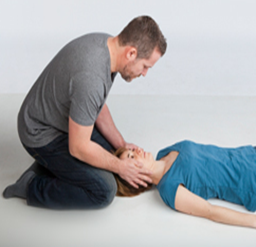
• فى حالة مصاب واعى ولديه نبض وتنفس طبيعى، ثبت الرأس والرقبة فىخط واحد مع العمود الفقرى بوضع يديك على جانبى الرأس.
فى الحالات البسيطة والمتوسطة :
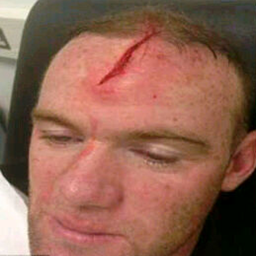
• أوقف النزيف وحاول السيطرة بالضغط عليه بضمادة نظيفة.
• فى حالة تشبع الضمادة بالدم، أضف ضمادة أخرى فوق الأولى.
• لا تقم بغسل الجرح العميق.
• فى حالة الشك فى كسر بالجمجمة، فقط إكتفى بوضع ضمادة نظيفة على الجرح وعدم الضغط علية أو إزالة أى أنسجة متهتكة.
• ضع كمادت ثلج غير مباشرة على مكان الإصابة لمدة 20-30 دقيقة كل 2-4 ساعات لتقليل التورم.
• فى حالة وجود قىء، قم بلف رأس ورقبة وجسم المصاب على جانبه كوحدة واحدة.
- علامات واعراض إصابات الصدر
إصابات الصدر
إصابات الصدر تعتبر من الإصابات الخطيرة التى قد تؤدى إلى فقد الحياة إذا لم يعتنى بها جيداإذ تحتوى المنطقة على أعضاء التنفس والقلب والأوعية الدموية الكبرى.
تنقسم إصابات الصدر إلى إصابات مغلقه وإصابات مفتوحة.
العلامات والأعراض :
- ألم شديد مكان الإصابة
- صعوبة فى التنفس.
- تغير فى لون الجلد مكان الإصابة
- سعال مصحوب بدم .
- صدمة وهبوط بالدورة الدموية.
- الاسعافات الأولية لإصابات الصدر
الإسعاف الأولية لإصابات الصدر المفتوحة :
• إبدأ بعمل إنعاش القلب والرئة إذا إستدعى الأمر.
• إترك الأجسام المغروسة مكانها وضع حولها الغيارات لمنع تحركها.
• لف المكان المفتوح بالبلاستيك الرقيق أو أى شىء متاح فى الحال.
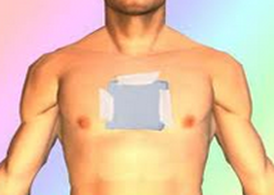
• إذا رأيت فقاعات هواء من خلال الدم أو سمعت صوت الهواء خارج من التجويف الصدرى غطى الجرح بضمادة وثبتها بالبلاستر من ثلاث جهات وإترك الجهة الرابعة بدون بلاستر لمنع تراكم الهواء داخل الصدر.
• إضغط فوق الضمادة لوقف النزيف، وأضف فوقها ضمادات أخرى إذا إستدعى الأمر.
• إذا أمكن إجعل المصاب يجلس أو يستلقى على الجانب المصاب إذا لم يكن مغروس به أى آلة حادة.
- أسباب إصابات البطن
إصابات البطن
تكمن خطورة جروح البطن فيما قد يصاحبها من إصابة للأعضاء الداخلية كالأمعاء والكبد والطحال. وقد تنزف المصاب داخلياً أو خارجياً حتى الوفاة.
- علامات وأعراض إصابات البطن
العلامات والأعراض :
- آلام شديدة
- قىء و، غثيان
- عطش.
- نزيف خارجى
- بروز الأعضاء من البطن.
- شحوب لون الجلد وملمسه رطب.
- الاسعافات الأولية لإصابات البطن
الإسعافات الأولية لجرح البطن المفتوح :
· إجعل المصاب يستلقى على ظهره مع ثنى الركبتين ثنياً بسيطاً لتخفيف الألم.
· طمئن المصاب.
· قم بإزالة أى ملابس ضيقة حول رقبة المصاب أو خصره.
· قم بكشف بطن المصاب.
· حاول إيقاف النزيف.
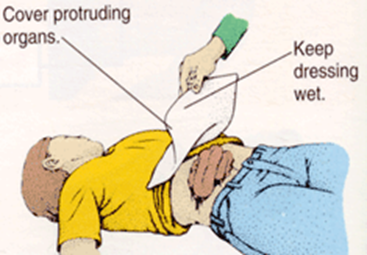
· فى حالة رؤية الأمعاء، لا تلمسها أو تحاول إعادتها إذا كانت بارزة للخارج.
· غطى الجرح المفتوح بضمادة معقمة مبللة بماء دافىء لمنع تلف الأعضاء الداخلية.
· أطلب من المريض ان يقوم بالضغط على مكان الجرح لمنع تدفق الدم أو قم انت بذلك.
· غطى المصاب لتدفئته.
· لا تسمح للمصاب بالأكل أو الشرب.
· لاحظ المصاب جيداً لحين نقله الى غرفه العمليات
- أصابات العين
العين عضو حساس من السهل أن يتأثر بأى جسم غريب. فى حالة خدش سطح العين من الممكن أن يتعرض المصاب لتقرحات بسطح العين تؤدى لفقد جزئى أو كلى فى النظر، لذا من الضرورى إرتداء واقى العين عند إحتمال التعرض لأجسام غريبة أو مواد كيماوية.
الأسباب :
⬅️ أسباب تصادمية
⬅️ إصابة العين ببعض المواد الكيميائية مثل التعرض لإشعاعات ضارة مثل الأشعة فوق البنفسجية
⬅️ اصابات مباشره مثل الطلق النارى
⬅️ إصابة العين بأى من الأشياء الصلبة كالخشب أو المعدن أو الزجاح أو كرة القدم عند قذفها بسرعة أو إصابات الملاعب.
تتراوح إصابات العين من خدوش سطحية إلى انفجار فى مقلة العين بتداعياتها السلبية الشديدة على العصب البصرى والشبكية والتى قد تؤدى إلى فقدان البصر.
العلامات والأعراض :
- ألم شديد فى أو خلف العين.
- نزول دموع العين بصورة مستمرة.
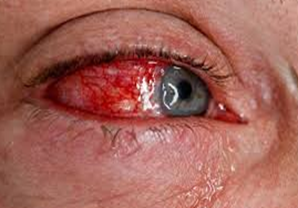
- إحمرار العين.
- ضعف أو تغير أو فقدان البصر.
- نزيف فى أو حول العين.
الإسعافات الأولية فى حالة تعرض العين لإلتصاق أشياء مثل أجزاء الزجاح أو نشارة الخشب أو برادة الحديد بها :
• إطلب من المصاب عدم دعك عينة.
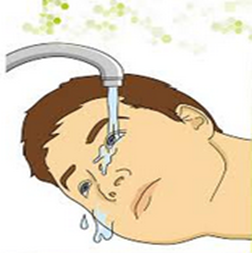
• ينصح بغسل عينه تحت ماء جارى.
• إطلب من المصاب أن يطبق جفنية أكثر من مرة (يرمش بعينه) حتى تدمع العين مما يساعد فى غسلها
• فى حالة إستمرار الشوائب بعد المحاولات السابقة، لا تستمر حتى لا تخدش سطح العين.
• فى حالة وجود زرقة أو نزيف بالعين أو تغير فى الرؤية أو ألم شديد عند حركتها وفى حالة فشل ما سبق غطى العين بضمادة نظيفة ولكن لا تضغط عليها، لحين عرضه على طبيب العيون.
ملحوظة:
أى إصابات حول العين قد تكون مصحوبة بإصابة الرأس.
الإسعافات الأولية فى حالة تعرض العين لمواد كيماوية:
• قم برفع العدسات اللاصقة إن وجدت.
• إغسل العين فى الحال تحت ماء بارد جارى لمدة 15 دقيقة مع الحفاظ على العين مفتوحة.
• ضع كمادات باردة على العين لتخفيف الحرقان.
• طمئن المصاب.
الإسعافات الأولية فى حالة تعرض العين لضربة قوية من كرة أو غيره:
• ضع كمادات باردة على العين، ولكن لا تضغط عليها.
• فى حالة وجود نزيف من العين أو تجمع دموى بها، تغطى بضمادة نظيفة وحافظ على الرأس مرفوعة لمنع التورم.
• يتم عرض المريض على طبيب العيون فى حالة إستمرار الألم أو تأئر الرؤية.
- أنواع إصابات الملاعب والاسعافات الخاصة بكل نوع
تشمل إصابات الملاعب : الكسور بأنواعها ، والجروح بأنواعها ، التقلصات والتمزقات العضلية بأنواعها ، الإصابات الدماغية وتهتك الأعضاء الداخلية .وتسبب النزيف ـ إصابة أعضاء الجسم المختلفة ـ الإعاقة ـالتشوهات ـ تأثر الدورة الدموية والجهاز التنفسي والوفاة
بعض الإصابات وطرق اسعافاتها:
إصابات العضلات :
إصابات العضلات كثيرا ما يصاب بها اللاعبين لان العضلات هي الاداة الرئيسية المنفذة لمتطلبات الاداء البدني ومكون رئيسي للجهاز الحركي للانسان.وتقسم إصابات العضلات إلى قسمين :
الكدمات :
هى هرس الانسجة واعضاء الجسم المختلفة كالجلد والعضلات والعظام والمفاصل نتيجة لاصابتها مباشرة بمؤثر خارجي. غالبا ما تصاحب بألم وورم ونزيف داخلي ثم ارتشاح سائل بلازما الدم
الشد والتمزق :
عبارة عن شد او تمزق الألياف او الأوتار العضلية نتيجة جهد عضلي مفاجئ اكبر من قدرة العضلة على تحمل هذا الجهد ويصاحب التمزق العضلي الم مكان الاصابة و ورم بالاضافه الى عدم قدرة العضلات المصابة على أداء وظيفتها
أسباب حدوث الشد العضلي والتمزق العضلي :
- الانقباض العضلي المفاجئ .
- المجهود العضلي الزائد او التمارين المرهقة .
- إهمال الإحماء قبل التمارين .
- عدم الاتزان والتناسق في التدريب .
- عندما تكون مطاطية العضلات اقل من المستوى المطلوب.
الأماكن التي يغلب حدوث الشد فيها :
- العضلة الصدرية.
- العضلة البطنية .
- العضلة الفخذية ذات الاربعة رؤوس .
- العضلة الخياطية .
- العضلة المتسعة المتوسطة .
- عضلة الساق الخلفية .
- العضلة التوأمية .
- عضلة الساق الانسية .
الاسعافات الأوليه للشد العضلى :
· إعطاءراحة للجزء المصاب و جعل العضلات المصابة في وضع الارتخاء لتقليل التوتر العضلي.
· وضع الماء البارد او قطع الثلج فور حدوث الاصابة وبعدها لايقاف النزيف الداخلي وتخفيف الورم
· ثم يتم أرشاد المصاب بعمل الأتى:
- الاستحمام بدرجات حراره متفاوته للمياه (بارد ثم حار) مرتين الى ثلاث مرات باليوم لتنشيط الدورة الدموية.
- استعمال الدهانات الطبية المخصصة لإزالة الام والورم.
- استخدام الرباط الضاغط طول اليوم وإزالة عند النوم.
- استخدام وسادة عند النوم او الجلوس لرفع العضو المصاب.
- تدريب العضلات المصابة تدريجيا تحت إشراف أخصائي العلاج الطبيعي.
إصابات الرباط الصليبي الأمامي للركبه :
· تعتبر إصابة تمزق الرباط الصليبي الأمامي من الإصابات الرياضية الشائعة حيث تمثل هذه الإصابة 20% من إصابات الركبة و تعتبرالرياضة بمختلف أنواعها من الأسباب الرئيسية لحدوث هذه الإصابة . حيث تحدث هذه الإصابة بدرجات مختلفة الشدة فإما ان تكون تمزق جزئي او تام وتعتبر هذه الإصابة منالإصابات التي تجبر اللاعب الابتعاد عن الملاعب مدة طويلة قد تصل الى سنة في الإصابات المتقدمة.
· اما في حالات التمزق الجزئي فان اللاعب يضطر للابتعاد عن الملاعب مده لا تقل عن ستة شهور.
ما هو مفصل الركبه :
– يعتبر مفصل الركبة من اكبر مفاصل الجسم وله أهميه كبيرة في المشيو تحمل الوزن ، ويدعّم المفصل عضلات و أربطة وغضاريف تساهم في حماية المفصل من الأضرار التي قد تلحق به أثناء الألعاب الرياضية و الأنشطة المختلفة.
– و الرباط الصليبي الأمامي هو أحد الأربطة الداعمة للركبة حيث يعملعلى اتزان المفصل و يمنع حدوث انزلاق عظمة الساق ( القصبة ) الى الأمام.
أسباب الإصابة وكيف تحدث :
– من أهم الأسباب الرئيسية للإصابة هي الرياضة بمختلف أنواعها مثل كرةالقدم و كرة السلة و التزحلق وغيرة.... فتحدث الإصابة نتيجة حركة غيرطبيعية قوية مما يؤدي الى انعدام المقاومة للأربطة و عادة تتأثر الأربطة المعاكسة للحركة التي يقوم بها اللاعب.
– كما انها تحدث نتيجة صدمة او رضه خارجية مباشرة. فعندما تثبت ( تنغرس ) القدم بالأرض و يتبعها حركة دوران قوية نتيجة تغير اتجاه الجسم بسرعة فائقة تحدث هذه الإصابة كما هو حاصل في لعبة كرة السلة وكرة القدم والأن كرة القدم اكثر شيوعاً وذلك بسبب الاحتكاك الجسدي بين اللاعبين.
– فعند حدوث الإصابة عادة يسمع الشخص صوت فرقعة عالية مع شعور بان الركبة غير ثابتة و متقلقلة.
الأعراض :
– الأعراض عادة تكون مختلفة من شخص لآخر ، ومن الأعراض الهامة ورم خلال وقت قصير بعد الإصابة نتيجة للنزف الداخلي بالركبة، ألم ، وشعور بعدم ثبات الركبة "اختلال" او تقلقل خاصة عند محاولة تغيير اتجاه الجسم او أثناء طلوع الدرج.
– يبقى الألم و الورم عادة لفترة تتراوح ما بين 2 الى 4 أسابيع بينما عدم الثبات "الاختلال" يبقى، الذي يحتاج الى التدخل الجراحي لمنع حدوث روماتزم لمفصل الركبة
الاسعافات الاوليه :
· يتم تثبيت القدم وعمل الفحوصات اللازمه حيث عاده ما يعالج الورم عن طريق البذل ويتم اجراء الجراحه اللازمه للمفصل.
بلع اللسان :
هي حالة يندفع فيها اللسان للداخل فيوقف عمل اللهاة أو لسان المزمار ويسد اللسان المجري الهوائي (القصبة الهوائية( وغالباً ما تحدث في أولئك الذين تطول لديهم الغشاء تحت اللسان ممايساعد علي حدوث تلك الحاله.
الاسعافات الأوليه:
· يتم سحب اللسان بطريقة الإصبعين الخطافين (ضم إصبعيك السبابة والوسطي وأعبر بهما اللسان وشده للأمام)
· يتم وقف النزيف بالعقاقير المتاحة وغالباً ما يكون علاجها جراحياً ..
وأخيراً تحدث الكثير من الإصابات مثل الاصابات المباشرة للفك السفلي كضربة عنيفة أو سقطة قد تؤدى الى حدوث التواءات وكسور ويتم اس