العمل الإجرائي للأمراض التنفسية
| الموقع: | EHC | Egyptian Health Council |
| المقرر الدراسي: | دلائل الاجراءات التمريضية لأقسام الداخلي |
| كتاب: | العمل الإجرائي للأمراض التنفسية |
| طبع بواسطة: | Guest user |
| التاريخ: | الأحد، 20 سبتمبر 2026، 5:06 PM |
الوصف
"last update: 8 April 2025" تحميل الدليل
- اعداد
تحت اشراف
- أ.د/ محمد لطيف الرئيس التنفيذي للمجلس الصحي المصري - د/ كوثر محمود نقيب عام التمريض المصري – عضو مجلس الشيوخ
اعداد
م | الاسم | الوظيفة |
1 | أ. د /امل احمد خليل مرسي | نائب رئيس الجامعة لشئون التعليم والطلاب – جامعة بورسعيد |
2 | أ.د / عفاف عبد العزيز عبد العزيز بصل | عميد كلية التمريض –استاذ تمريض باطنه وجراحي جامعة طنطا |
3 | أ.د/ زينب حسين على محمد سعد | وكيل الكلية لشئون البيئة وخدمة المجتمع – كلية التمريض – جامعه حلوان |
4 | أ.د /امل سعيد طه رفاعي | أستاذ ورئيس قسم التمريض الباطني الجراحي – جامعة بنها |
5 | أ.د /حنان احمد السباعي على | استاذ التمريض التمريض الباطني الجراحي- كلية التمريض – جامعة القاهرة |
6 | د /نيفين عبدربه النبي محمد عبد النبي | رئيس الإدارة المركزية ندباَ –وزاره الصحة |
7 | د /مايسه حسني احمد تمام | مدير عام للإدارة ندباَ – وزاره الصحة |
8 | د نانسي علاء الدين عبد الباسط على | المشرف على التعليم الفني- الهيئة العامة للرعاية الصحية |
9 | د شيرين محمد محمد سعدالدين | المشرف على تطوير الخدمات التمريضية –الهيئة العامة للرعاية الصحية |
10 | د/ مى محمود العسال | مدير عام الإدارة العامة لشئون المعاهد الفنية الصحية |
11 | أ.م.د/ هبة محمود محمد | أستاذ مساعد تمريض صحة الام وحديثي الولادة –كلية التمريض - جامعة عين شمس |
المشاركين | ||
12 | /أنهلة كامل مصطفي | مسئول التمريض بالهيئة العامة للرعاية الصحية فرع الإسماعيلية |
13 | /أمها سعد محمد النادي | عضو إدارة التمريض بالهيئة العامة للرعاية الصحية فرع الإسماعيلية |
14 | /أثروت عبد العال محمد | عضو إدارة التمريض بالهيئة العامة للرعاية الصحية فرع الإسماعيلية |
15 | أ /منى على عبد الرحمن الكتامى | أخصائي تمريض بالإدارة العامة للتمريض- وزارة الصحة |
16 | أ / شيرين عبد الحكيم عبد الحكيم خطاب | أخصائي تمريض بالإدارة العامة للتمريض- وزارة الصحة |
17 | أ/بهاء فؤاد برسوم | أخصائي تمريض بالإدارة العامة للتمريض- وزارة الصحة |
- قسم المهنة
"اقسم بالله العظيم
أن أخلص فى عملى و أتقى الله فى مهنتى و أحترم قوانينها و أنظمتها و أؤدى مهامى بكل كفاءة و إخلاص
و أن أستند فى أدائى على المعرفة المستمدة من علوم التمريض
و أبذل قصارى جهدى لرعاية كل من وكل إلى رعايتهم و أحفظ كرامتهم و أكتم سرهم و أدافع عن حقوقهم و حمايتهم من أى أذى
و ألا أخشى فى قول الحق لومة لائم و أوفر بيئة أمنة للمريض و الأسرة و المجتمع
و أن أستمر فى تطوير نفسى و أوقر من علمنى و أحترمه
و أتعاون مع زملائى فى المهنة على البر و التقوى
والله على ما أقول شهيد- رؤية ورسالة الرعاية التمريضية
رؤية الرعاية التمريضية بوحدة رعاية مرضى الداخلى
يتطلع أفراد هيئة التمريض بوحدة رعاية مرضى الداخلى للإرتقاء بمهنة التمريض وتقديم الرعاية التمريضية لمرضى الوحدة بفاعلية وأمان وجودة طبقاً للمعايير المصرية والقومية والعالمية.
رسالة الرعاية التمريضية بوحدة رعاية مرضى الداخلى
يلتزم أفراد هيئة التمريض بوحدة رعاية مرضى الداخلى برفع المستوى الصحي للمرضى وتقديم أفضل رعاية تمريضية لهم بما يتماشى مع أهداف وإجراءات المستشفى وإدارة التمريض وكذلك تعمل على الإرتقاء بالمستوى العلمي والعملي لجميع أفراد هيئة التمريض بالوحدة وتغيير إتجاهاتهم نحو الإتجاهات الحديثة فى العلوم التمريضية والطبية .
- مقدمة عن الجهاز التنفسي
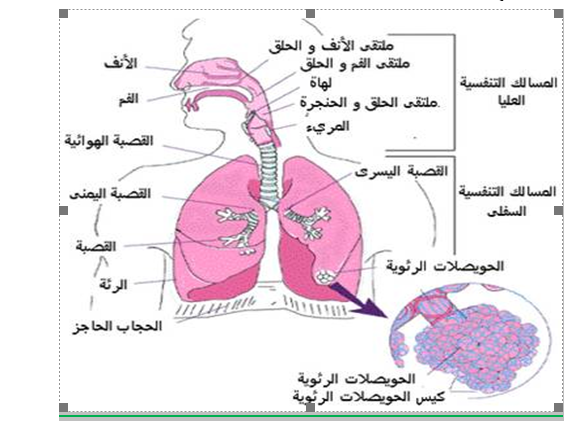
تشريح الجهاز التنفسى
الجهاز التنفسى من أهم أعضاء الجسم وهو مسئول عن نقل الأكسجين من الجو (الهواء الجوى) إلى الدم ثم ينتقل من الدم إلى باق أجزاء الجسم ويمر الهواء من الجو إلى الجهاز التنفسى وتحدث هذة العملية نتيجة لأنخفاض الضغط داخل الصدر عن الضغط الجوى وبذلك تحدث عملية الشهيق ويحدث الزفير نتيجة لأرتفاع الضغط داخل القفص الصدرى عن الضغط الجوى مما يسمح بمرور ابهواء من داخل القفص الصدرى إلى الجو وأثناء هذه المرحلة تحدث عملية تبادل الغازات وأنتقال الأكسجين من الجو إلى الحويصلات الهوائية ثم منها إلى الدم ثم يوزع على جميع خلايا الجسم.
اهميه الجهاز التنفسى
تكمن أهمية جهاز التنفس بأنه يوفر الكمية الكافية من الأوكسجين الذي تحتاجه كافة الخلايا للقيام بعملية التنفس الخلوي، وفي حال حدوث خلل واضطراب في جهاز التنفس، فسيؤدي إلى نقص الأوكسجين الواصل إلى الخلايا، وتعرف هذه الحالة بـhypoxia وسيؤثر هذا على جميع خلايا الجسم، وبشكلٍ خاص سيؤثر على خلايا الدماغ ويؤدي إلى موتها.
يتكون الجهاز التنفسى من :
1- التجويف الأنفى :
أول جزء من الجهاز التنفسى وهو يسمح بمرور الهواء وتنقيته وترطيبه قبل دخوله إلى الرئتين وتتم التنقية عن طريق شعر قصير موجود بتجويف الأنف وتتم التدفئة عن طريق شعيرات دمويه موجودة بتجويف الأنف ويتم ترطيب الهواء عن طريق الغشاء المخاطى المبطن للأنف
2- البلعوم :
وهو من أجزاء الجهاز الهضمي والتنفسي معا، والبلعوم عبارة عن ممر يحتوي على اللسان المزمار والذي يفصل ممر الهواء عن ممر الطعام.
3- الحنجرة :
وهو العضو المسئول عن الكلام وهويسمح بمرور الهواء من البلعوم إلى القصبة الهوائية - يحمى الجهاز التنفسى السفلى من الأجسام الغريبة وتسهل حدوث السعال.
4- القصبة الهوائية :
عبارة عن أنبوبة طولها 11سم وتتكون من حوالى 16 غضروف مبطنة بغشاء يعمل على تدفئة الهواء ويمر الهواء من خلالها إلى الشعب الهوائية بعد تدفئتة وترطيبه . ووظيفة القصبات الهوائية هي إيصال الهواء إلى من الأنف إلى الرئتين، ويبطن القصبه الهوائية الأهداب الصغيرة التي تجمع الجراثيم والأتربة وتطردها عبر المخاط
5- الشعب الهوائية :
وهي عبارة عن تفرعات صغيرة للقصبات الهوائية داخل الرئتين، وتكمن أهمية الشعيبات الهوائية بأنها توصل الهواء إلى مختلف أجزاء الرئتين.
تقع فى نهاية القصبة الهوائية وتنقسم إلى شعبيتن :
أ- الشعبة الهوائية اليمينية :
أقصر وأعرض وعمودية فى الوضع عن الشعبة الهوائية واليسارية
ب- الشعبة الهوائية اليسارية :
أطول واضيق وأفقية عن الشعب الهوائية اليمينية وذلك فأن الأجسام الغريبة من السهل دخولها إلى الرئة اليمنى عن اليسرى كما تنقسم كل شعبة هوائية إلى شعيبات هوائية اصغر .
6- الحويصلات الهوائية :
وهى أكياس منتظمة ممتلئة بالهواء موجودة فى نهاية الشعيبات الهوائية وهي عبارة عن الجزء الدقيق من الرئة المسؤول عن عملية تبادل الغازات، ويوجد بالرئتين ما يقارب 300 مليون حويصلة هوائية، وتحاط الحويصلات الهوائية بشبكة دقيقة من الشعيرات الدموية بحيث يتم تبادل الغازات بينها وبين الحويصلات الهوائية.3 .
7- الرئتين :
وهى تركيبة مطاطية تقع فى تجويف الصدر وهى تنقسم إلى رئة يمنى ويسرى
أ- الرئة اليسرى : تتكون من فصين
ب- الرئة اليمنى : تتكون من ثلاث فصوص وهى أوسع وأقصر من الرئة اليسرى كل فص من الرئة يحتوى على عدد كبير من الجيرات الصغيرة التى تحتوى على الحويصلات الهوائية
8- الغشاء البلورى:
غشاء يغطى الرئتين وهو طبقتين وبينهما فراغ يحتوى على كمية صغيرة يعمل على مرونة السطح الخارجى للرئتين لتسهيل حركتها أثناء التنفس .
أهمية الأكسجين وكيفية أنتقاله إلى الحويصلات الهوائية :
تحتاج خلايا الجسم إلى طاقة وهى تنتج عن عملية التمثيل الغذائى نتيجة لأحتراق الدهون والعناصر الغذائية وهذه العملية تحتاج لوجود الأكسجين الذى يصل إلى الجسم عن طريق التنفس. ونتيجة هذه الأكسدة يخرج ثانى أكسيد الكربون ويتخلص منه الجسم عن طريق التنفس أثناء عملية التنفس يمر الهواء بالجهاز التنفسى العلوى حتى يصل إلى الحويصلات الهوزائية حيث تمتلىء بالهواء وتتم عملية تبادل الغازات بين الحويصلات الهوائية والشغيرات الدموية المحيطة بها حيث يكون الأكسجين داخل الحويصلات الهوائية تركيزة أكبر من الأكسجين الموجود داخل الدم بالشعيرات الهوائية فيتم أنتقال الأكسجين من المكان الأكثر تركيزا وهو (الحويصلات) إلى الأقل تركيزا وهى ( الشعيرات الهوائية) ويحدث العكس لثانى أكسيد الكربون حيث أن تركيزة داخل الحويصلات يكون أقل من داخل الشعيرات الدموية فيتم أنتقال ثانى أكسيد الكربون من الشعيرات الدموية إلى الحويصلات الهوائية ويخرج ثانى أكسيد الكربون الزائد عن طريق الزفير وبذلك ينتقل الأكسجين إلى الدم ثم يوزع على جميع خلايا الجسموبذلك تتم عملية تبادل الغازات بين الحويصلات الهوائية والشعيرات الدموية ثم بين الشعيرات الدموية وخلايا الجسم من خلال عملية التنفس .
تقييم تمريضى لمرضى الجهاز التنفسى :
هناك عدة مشاكل مختلفة تؤثر على كمية الهواء الداخل أو الخارج من الحويصلات الهوائية مما يؤثر على عملية أمتصاص الغازات بالرئة والأضطرابات الحادة والمزمنة للجهاز التنفسى ونسبة مرتفعة من الأمراض التى تصيب الجهاز التنفسى معدية .
الأعراض و العلامات التى تشير إلى أمراض الجهاز التنفسى :
1- السعال : وهو عارض أكيد لمرض بالممرات الهوائية أو الشعب الهوائية ويحدث السعال لطرد أى جسم غريب بالممرات الهوائية كالأفرازات الضارة المهيجة للأغشية الداخلية بالجهاز التنفسى ويكون أما :
*جاف : إذا كان الغشاء المخاطى للشعب الرئوية محتقينا فقط
*مصحوب بمخاط : فيدل ذلك على وجود إفرازات غزيرة بالشغب ويمكن أن يكون ذلك نتيجة عدوى بالجهاز التنفسى .
2- البصاق : حيث يفرز المخاط كمية كبيرة ويحدث تهيج للممرات الهوائية مع تغير لونه ومكوناته فى حالات أمراض الجهاز التنفسى .
3- بصاق به دم : يحدث فى حالات الألتهابات الشعبية المزمنة والحادة وفى حالات الجلطة الرئوية - الأورام الشعبية - الدرن الرئوى - ضيق الصمام المترالى .
4- ألم فى الصدر : فى هذه الحالة يشعر المريض بألم شديد فى صدره وخصوصا مع الشهيق مما يجعل تنفس المريض سطحيا ويشعر المريض بألم على هيئة وخز أو طعن أو تمزق وأحيانا يوصفه بأنه قطعى ويكون أما تحت الأبط أو تحت الثدى - الظهر - القفص الصدرى .
5- ضيق فى التنفس : ويحدث صعوبه فى التنفس مما تؤثر الحالة العامة للمريض ونومه وجلوسه بالفراش وهى تحدث فى الحالات الشديدة وتحدث نتيجة وجود ألتهابات بالرئة أو تقلص بالشعب الهوائية كما يرجع الصعوبة فى التنفس إلى أمراض أخرى بالقلب
أهم الأحتياجات التمريضية لمرضى الجهاز التنفسى :
يحتاج مريض الجهاز التنفسى إلى الملاحظة مستمرة وعند وجود أى علامات غير طبيعية يبلغ الطبيب فورا.
الإحتياجات التمريضية تتضمن:
1. الراحة التامة للمريض بالفراش ووضعه على جهاز المونيتور لمتابعة رسم القلب وعدد نبضات القلب وحدوث أى تغير بها.
2. وضع المريض على ماسك أكسجين على معدل حسب أوامر الطبيب
3. ملاحظة سرعة التنفس وعمقه ( إذا كان صعوبة فى التنفس- سرغة فى التنفس-صعوبة فى التنفس)
4. ملاحظة لون المريض مثل حدوث زرقة الجسم والشفتين
5. ملاحظة حدوث سعال أوبصاق وملاحظة لونه وكميته ومحتوياته إذا كان مصحو بدم أو لا.
6. ملاحظة درجة حرارة الجسم لاحتمال وجود عدوى بالجهاز التنفسى.
7. عمل مزرعة بصاق إذا كان لونه غير طبيعى أو به رائحة كريهة.
8. مساعدة المريض على إخراج الأفرازات من الرئتين وذلك بعمل تمرينات التنفس وخصوصا بعد العمليات الجراحية بالصدر والقلب أو بعد فترة طويلة من التخدير.
9. أعطاء المريض العلاج حسب إرشادات الطبيب.
10. اعطاء المريض سوائل دافئة وغذاء ( حسب أوامر الطبيب).
11. حماية المريض من التعرض للعدوى وذلك عن طريق وضع منديل على فم المريض أثناء السعال ووضع المخلفات فى وعاء مغلق لمنع أنتشار العدوى.
12. فى حالة المرضى الموصوعين على جهاز التنفس الصناعى أو المريض فاقد الوعى يتم عمل تشفيط من الأنبوبة القصبة الهوائية وعمل تمرينات الصدر بإستمرار.
13. عمل تحليل غازات بالدم حسب أوامر الطبيب.
14. يبلغ الطبيب عند حدوث أى تغير فى حالة المريض
15. توفير الراحة الجسمانية والنفسية للمريض
16. توفير الجو الهادئ للمريض مع تقليل إزعاج المريض بالأنشطة التمريضية - العناية بالفم بإستمرار.
- العنايه التمريضيه لمريض الانسداد الرئوى
داء الانسداد الرئوي المزمن
Chronic Obstructive Pulmonary Disease or COPD))
بأنه عبارة عن مجموعة من أمراض الرئة المزمنة غير المعدية، التي ينتج عنها اضطراب كبير في الممرات التنفسية يؤدي إلى مشاكل وصعوبة في عملية التنفس لدى المريض.
يعتبر داء الانسداد الرئوي المزمن من الأمراض الخطيرة، حيث يعد من أهم الأسباب الرئيسية للوفاة حول العالم، ولكن نظراً لكون السبب الأول والرئيسي للإصابة به هو التدخين، فمن الممكن الوقاية من الإصابة به، والتقليل من خطره والسيطرة على أعراضه
عادة ما ينتج داء الانسداد الرئوي المزمن عن الإصابة بواحد من هذه الأمراض أو الاثنين معاً
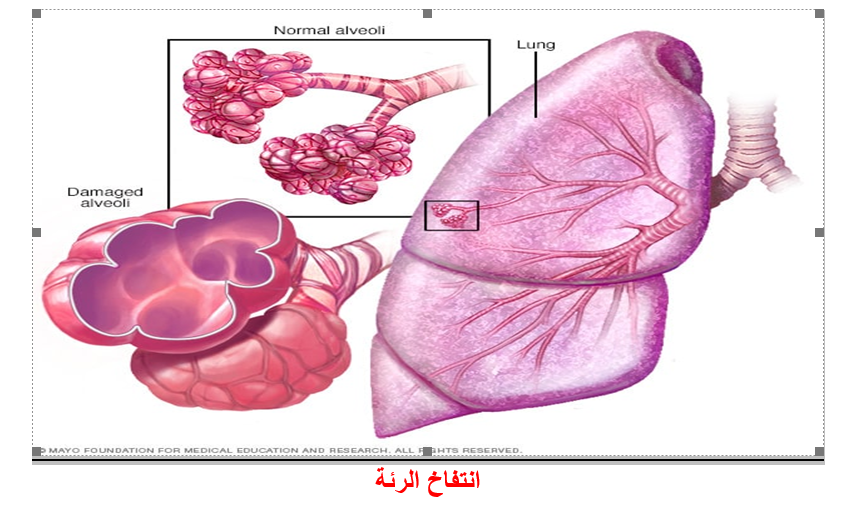
انتفاخ الرئة
Emphysema))
انتفاخ الرئة أو النفاخ الرئوي
هو حالة مرضية ناجمة عن تلف الحويصلات الهوائية الموجودة في الرئة ويعتبر من أهم الأمراض التي تسبب داء الانسداد الرئوي المزمن.
تظهر أعراض مرض النُفاخ الرئوي على شكل ضيق تنفس حاد ناتج عن تضرر الأنسجة وتغير شكلها وفقدان وظيفتها الفسيولوجية في الرئتين. ويعد النفاخ مرضاً رئوياً مزمناً لتسببه بانسداد في الممرات التنفسية مما يجعلها غير قادرة على القيام بوظيفتها في عملية التنفس.
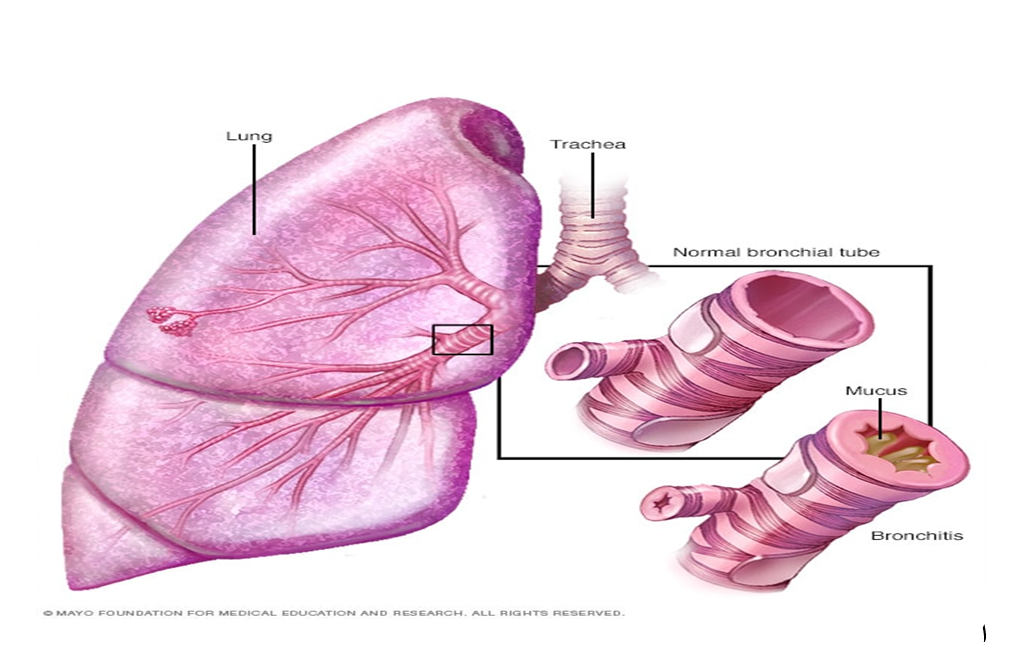
التهاب القصبات المزمن
Chronic Bronchitis))
يتسم التهاب القصبات المزمن بحدوث التهاب مزمن في بطانة القصبات الهوائية في الرئتين؛ مما ينتج عنه سعال دائم مصحوباً بوجود بلغم ومخاط، إضافة إلى صعوبة في التنفس وصفير، ويعد التهاب القصبات مزمناً إذا استمرت الأعراض مدة تصل إلى ثلاثة أشهر على الأقل خلال سنتين متتاليتين.
اسباب داء الانسداد الرئوي المزمن
عادة ما يحدث مرض الانسداد الرئوي المزمن بسبب التدخين بمختلف أنواعه من تدخين السجائر، أو الغليون، أو السيجار، وغيرها، وجدير بالذكر أنه كلما زادت مدة تدخين التبغ زادت احتمالية إصابة الشخص بداء الانسداد الرئوي المزمن.
بالإضافة إلى ذلك، تتضمن أسباب داء الانسداد الرئوي المزمن الأخرى ما يلي:
· التعرض للتدخين السلبي.
· التعرض المستمر للهواء الملوث واستنشاق الغبار.
· استنشاق المواد الكيميائية المُهيجة.
· استنشاق الأبخرة الناجمة عن احتراق الوقود للطهي أو التدفئة في المنازل سيئة التهوية.
· تاريخ عائلي من الإصابة بداء الانسداد الرئوي المزمن.
· عوامل جينية، منها نقص في البروتين المُضاد للتربسين ألفا-1، حيث وجد أن 5% من الأشخاص الذين يعانون من داء الانسداد الرئوي المزمن لديهم نقص في هذا البروتين، يؤدي هذا النقص إلى تدهور الرئتين وقد يؤثر أيضاً على الكبد.
· تجدر الإشارة إلى أنه تزداد احتمالية خطر الإصابة بداء الانسداد الرئوي المزمن في الأشخاص المصابين بالربو Asthma) )بمقدار 12 مرة مقارنة بغير المصابين.
فسيولوجية داء الانسداد الرئوي المزمن
ينتقل الهواء عبر أنبوب الهواء (القصبة الهوائية) إلى رئتيك من خلال أنبوبين كبيرين (الشعب الهوائية). وداخل رئتيك، تنقسم هذه الأنابيب عدة مرات - مثل فروع الشجرة - إلى العديد من الأنابيب الأصغر (القصيبات) التي تنتهي بمجموعات من الأكياس الهوائية الدقيقة (الحويصلات الهوائية).
وتحتوي الأكياس الهوائية على جدران رقيقة جدًا مليئة بالأوعية الدموية الدقيقة (الشعيرات الدموية). ويمر الأكسجين الموجود في الهواء الذي تستنشقه إلى هذه الأوعية الدموية ويدخل مجرى الدم. وفي الوقت نفسه، يخرج غاز ثاني أكسيد الكربون - وهو غاز ناتج عن عملية الأيض - مع الزفير.
وتعتمد رئتيك على المرونة الطبيعية لأنابيب الشعب الهوائية والحويصلات الهوائية لإخراج الهواء من جسمك. يتسبب داء الانسداد الرئوي المزمن في فقدانها لمرونتها وزيادة تمددها بشكل مفرط، ما ينتج عنه انحباس بعض الهواء في رئتيك عند الزفير.
التهاب الشعب الهوائية
تنجم الإصابة بالداء الرئوي الانسدادي المزمن عن التعرض المستمر للمهيجات التي تتسبب في الآتي:
· حدوث التهاب متكرر يؤدي إلى تلف أنسجة الرئة ومن ثم تغيرات في بنية ووظائف الرئة تزداد تدريجياً مع الوقت.
· زيادة التعرض للإجهاد التأكسدي الذي بدوره يزيد من التهاب الممرات التنفسية ويدمر الحويصلات الهوائية في الرئة.
· تضيق مجرى الهواء بسبب زيادة إفراز وتراكم المخاط في الممرات التنفسية الصغيرة وزيادة سُمك جدارها، وانقباض عضلات الممرات التنفسية بسبب المهيجات.
· تكرار الإصابة بالعدوى والالتهابات نتيجة تراكم المخاط
اعراض داء الانسداد الرئوي المزمن
تشمل أعراض داء الانسداد الرئوي المزمن ما يلي:
· صعوبة التنفس خاصة أثناء القيام بأي نشاط بدني والتي تزداد سوءاً بمرور الوقت.
· سعال مستمر مع بلغم.
· الإحساس بضيق في الصدر مع صوت أزيز.
· الحاجة إلى النحنحة في الصباح الباكر لتراكم البلغم في الرئتين.
· تتضمن علامات داء الانسداد الرئوي المزمن الشديد الآتي:
· ازرقاق الشفاه وأطراف الأصابع.
· ضيق التنفس أثناء الكلام.
· إعياء ونقص الطاقة.
· سرعة ضربات القلب.
· خسارة الوزن في المراحل الأخيرة من المرض.
شخيص داء الانسداد الرئوي المزمن
يبدأ تشخيص داء الانسداد الرئوي المزمن بأخذ التاريخ الطبي ثم الفحص البدني للمريض ومعرفة الأعراض التي يشكو منها.
عادة ما يطلب الطبيب إجراء بعض الفحوصات للمساعدة في التشخيص، منها:
· قياس التنفس: هو اختبار يجرى لفحص وظائف الرئة، وفيه يأخذ المريض شهيقاً عميقاً وينفخ في أنبوب متصل بجهاز لقياس كمية الهواء الذي يستنشقه المريض وكذلك كمية الزفير وسرعة خروجه، وقد يظهر الفحص في حالة الإصابة بالمرض زيادة غير طبيعية في الزمن المستغرق لعملية الزفير مقارنة بعملية الشهيق.
· تصوير الصدر بالأشعة السينية: يجرى هذا الفحص لاستبعاد الحالات التي تسبب أعراضاً مشابهة لمرض الانسداد الرئوي، مثل سرطان الرئة.
· التصوير المقطعي المحوسب للرئتين: يفيد هذا الفحص في إظهار صورة أوضح للرئة، والقلب، والأوعية الدموية.
· تحليل غازات الدم الشرياني: يجرى هذا الاختبار لقياس نسبة الأكسجين وثاني أكسيد الكربون في الدم.
درجات مرض الانسداد الرئوي المزمن
تشير مراحل داء الانسداد الرئوي المزمن إلى مدى تطور المرض، ويعتمد الأطباء في تحديد درجة المرض على:
· شدة الأعراض.
· نتائج اختبار قياس التنفس.
· مدى احتمالية تفاقم مرض الانسداد الرئوي المزمن.
· وجود مشاكل صحية أخرى.
وتنقسم درجات داء الانسداد الرئوي المزمن إلى 4 درجات أو مراحل، خفيف، ومتوسط، وشديد، وشديد جداً.
علاج داء الانسداد الرئوي المزمن
تهدف علاجات مرض الانسداد الرئوي المزمن إلى تخفيف الأعراض، والحد من الالتهاب، وتقليل تقدم المرض، ولكنها لن تعالج المرض نهائياً.
تعد أول خطوة في علاج داء الانسداد الرئوي المزمن هي الإقلاع عن التدخين، ثم اللجوء إلى العلاجات الآتية حسب توصيات الطبيب:
· البخاخات الموسعة للشعب الهوائية: منها موسعات الشعب قصيرة المفعول، مثل السالبوتامول (Salbutamol)، وطويلة المفعول، مثل السالميتيرول Salmeterol.
· بخاخات الستيرويد: تستخدم لتقليل التهاب الشعب الهوائية، وعادة ما تؤخذ في صورة بخاخات تحتوي على الكورتيكوستيرويدات مع موسعات الشعب طويلة المفعول.
· الأدوية الفموية: قد يصف الطبيب أدوية لعلاج مرض الانسداد الرئوي المزمن تؤخذ في صورة أقراص أو شراب، مثل:
- موسعات الشعب، كالثيوفيلين Theophylline).
- مذيبات البلغم، مثل الكاربوسيستين Carbocisteine).
- الكورتيكوستيرويدات الفموية.
- المضادات الحيوية.
- مثبطات الفسفودايستراز-4.
· برنامج إعادة التأهيل الرئوي: هو برنامج من عدة جلسات لتعليم المريض القيام بتمارين تساهم في تخفيف الشعور بضيق التنفس.
· العلاج بالأكسجين: يحتاج المريض إلى تلقي الأكسجين إذا انخفض مستوى الأكسجين في الدم عن المستوى الطبيعي.
· الجراحة: نادراً ما تستخدم الجراحة في علاج داء الانسداد الرئوي المزمن، وتقتصر على الحالات الشديدة التي لم تستجب للأدوية.
· علاج مرض الانسداد الرئوي المزمن بالعلاج الطبيعي
قد يفيد الطب البديل لعلاج مرض الانسداد الرئوي المزمن بجانب الأدوية من خلال تحسين جودة الحياة والحد من التوتر ولكنه لن يعالج المرض، ومن أمثلة هذه العلاجات اليوجا والعلاج بالوخز بالإبر الصينية.
مضاعفات داء الانسداد الرئوي المزمن
قد يؤدي داء الانسداد الرئوي المزمن إلى الإصابة بمضاعفات خاصة عند عدم الالتزام بالعلاج الموصوف والاستمرار في التعرض للمهيجات والعوامل التي تزيد من تفاقم المرض.
تشمل مضاعفات داء الانسداد الرئوي المزمن ما يلي:
· عدوى الجهاز التنفسي: يزداد احتمال الإصابة بنزلات البرد والإنفلونزا؛ مما يزيد من صعوبة التنفس ومن الضرر المحتمل وقوعه على الرئة.
· مشاكل الرئة: مثل التهاب الرئة أو استرواح الصدر (انخماص الرئة)، أو سرطان الرئة.
· الاكتئاب: تقلل الأعراض المصاحبة للانسداد الرئوي المزمن من الاستمتاع بالأنشطة اليومية؛ مما قد يؤدي إلى الإصابة بالاكتئاب والحزن، كما يمكن أن تزيد معرفة حقيقة أن مرض الانسداد الرئوي المزمن في الرئتين غير قابل للشفاء من الاكتئاب.
· أمراض القلب: يزيد الانسداد الرئوي المزمن من خطر الإصابة بأمراض القلب، مثل عدم انتظام ضربات القلب، والنوبات القلبية، وقصور القلب.
· فقدان الوزن الشديد وسوء التغذية.
· هشاشة العظام.
الرعاية التمريضية لمريض الانسداد الرئوي المزمن
تقييم المريض
يجب أن يتم تقييم الجهاز التنفسي بسرعة ولكن بدقة.
· تقييم مدى تعرض المريض لعوامل الخطر.
· تقييم التاريخ الطبي الماضي والحاضر للمريض.
· تقييم علامات وأعراض مرض الانسداد الرئوي المزمن وشدتها.
· تقييم معرفة المريض بالمرض.
· تقييم العلامات الحيوية للمريض.
· تقييم أصوات التنفس ونمطه.
تشخبص المشاكل التمريضية
يعتمد تشخيص مرض الانسداد الرئوي المزمن بشكل أساسي على بيانات التقييم التي يجمعها أعضاء فريق الرعاية الصحية.
· ضعف تبادل الغازات بسبب استنشاق السموم المزمن.
· تطهير مجرى الهواء غير الفعال المرتبط بتضيق القصبات الهوائية وزيادة إنتاج المخاط والسعال غير الفعال ومضاعفات أخرى.
· نمط التنفس غير الفعال يرتبط بضيق التنفس والمخاط وتضيق القصبات الهوائية ومهيجات مجرى الهواء.
· العجز في الرعاية الذاتية المتعلقة بالتعب.
· عدم تحمل النشاط المتعلق بنقص الأكسجة في الدم وأنماط التنفس غير الفعالة.
التخطيط والأهداف
تشمل الأهداف التي يجب تحقيقها لدى مرضى الانسداد الرئوي المزمن ما يلي:
· تحسن في تبادل الغازات.
· تحقيق تخليص مجرى الهواء.
· تحسن في نمط التنفس.
· الاستقلال في أنشطة الرعاية الذاتية.
· تحسن في عدم تحمل النشاط.
· التهوية/الأكسجين كافية لتلبية احتياجات الرعاية الذاتية.
· المدخول الغذائي يلبي الاحتياجات من السعرات الحرارية.
· معالجة/منع العدوى.
· فهم عملية المرض/التشخيص والنظام العلاجي.
ضع خطة لتلبية الاحتياجات بعد الخروج من المستشفى.
أولويات التمريض
· الحفاظ على سالكية مجرى الهواء.
· المساعدة في التدابير لتسهيل تبادل الغازات.
· تعزيز المدخول الغذائي.
· منع المضاعفات، وبطء تطور الحالة.
· تقديم معلومات حول المرض / التشخيص ونظام العلاج.
تدخلات التمريض
يعد تعليم المريض والأسرة تدخلاً تمريضيًا مهمًا لتعزيز الإدارة الذاتية لدى المرضى الذين يعانون من أي اضطراب رئوي مزمن.
لتحقيق سالكية مجرى الهواء:
يجب على الممرضة اعطاء موسعات الشعب الهوائية والكورتيكوستيرويدات بشكل مناسب وتصبح في حالة تأهب للآثار الجانبية المحتملة.
تقوم الممرضة بتوجيه المريض إلى السعال المباشر أو المتحكم فيه، وهو أكثر فعالية ويقلل من التعب المرتبط بالسعال القوي غير الموجه.
لتحسين نمط التنفس:
· تدريب العضلات الملهمة. قد يساعد هذا في تحسين نمط التنفس.
· التنفس الغشائي. يقلل التنفس الغشائي من معدل التنفس، ويزيد من التهوية السنخية، ويساعد في بعض الأحيان على طرد أكبر قدر ممكن من الهواء أثناء الزفير.
· التنفس من خلال الشفاه. يساعد التنفس من خلال الشفاه على إبطاء عملية الزفير، ويمنع انهيار المسالك الهوائية الصغيرة، ويتحكم في معدل التنفس وعمقه.
لتحسين عدم تحمل النشاط:
· إدارة الأنشطة اليومية. يجب أن تتم الأنشطة اليومية على مدار اليوم ويمكن أيضًا استخدام أجهزة الدعم لتقليل استهلاك الطاقة.
· التدريب على التمارين الرياضية. يمكن أن يساعد التدريب على ممارسة التمارين الرياضية في تقوية عضلات الأطراف العلوية والسفلية وتحسين القدرة على التحمل والتحمل.
· مساعدات المشي. قد يوصى باستخدام أدوات مساعدة المشي لتحسين مستويات النشاط والمشي.
لرصد وإدارة المضاعفات المحتملة:
· مراقبة التغيرات المعرفية. يجب على الممرضة مراقبة التغيرات المعرفية مثل تغيرات الشخصية والسلوك وضعف الذاكرة.
· مراقبة قيم قياس التأكسج النبضي pulse oximeter values. تُستخدم قيم قياس التأكسج النبضي لتقييم حاجة المريض للأكسجين وإدارة الأكسجين الإضافي على النحو الموصوف.
· منع العدوى. يجب على الممرضة تشجيع المريض على التحصين ضد الأنفلونزا والالتهاب الرئوي لأن المريض معرض للإصابة بعدوى الجهاز التنفسي.
التقييم
· أثناء التقييم، سيتم قياس فعالية خطة الرعاية إذا تم تحقيق الأهداف في النهاية وكان المريض:
· التعرف على مخاطر تدخين السجائر.
· يحدد الموارد اللازمة للإقلاع عن التدخين.
· يسجل في برنامج الإقلاع عن التدخين.
· يقلل أو يزيل التعرض.
· يعبر لفظيًا عن الحاجة إلى السوائل.
· خالي من العدوى .
· يمارس تقنيات التنفس.
· أداء الأنشطة مع ضيق أقل في التنفس.
إرشادات الخروج والرعاية المنزلية
من المهم بالنسبة للممرضة تقييم معرفة المريض وأفراد الأسرة حول الرعاية الذاتية والنظام العلاجي.
· تحديد الأهداف. إذا كان مرض الانسداد الرئوي المزمن خفيفًا، فإن أهداف العلاج هي زيادة تحمل التمارين ومنع المزيد من فقدان الوظيفة الرئوية، بينما إذا كان مرض الانسداد الرئوي المزمن شديدًا، فإن هذه الأهداف هي الحفاظ على وظيفة الرئة الحالية وتخفيف الأعراض قدر الإمكان.
· التحكم في درجة الحرارة. يجب على الممرضة توجيه المريض إلى تجنب الحرارة والبرودة الشديدة لأن الحرارة تزيد من درجة الحرارة وبالتالي تزيد متطلبات الأكسجين والارتفاعات العالية تزيد من نقص الأكسجة في الدم.
· الاعتدال في النشاط. يجب على المريض أن يتكيف مع نمط حياة من النشاط المعتدل ويجب أن يتجنب الاضطرابات العاطفية والمواقف العصيبة التي قد تؤدي إلى حدوث نوبة السعال.
· إعادة تدريب التنفس. يجب على ممرضة الرعاية المنزلية توفير التعليم وإعادة التدريب على التنفس اللازم لتحسين الحالة الوظيفية للمريض.
إرشادات التوثيق والتسجيل
يعد التوثيق جزءًا أساسيًا من مخطط المريض لأن التدخلات والأدوية المقدمة والمقدمة تنعكس في هذا الجزء.
· توثيق نتائج التقييم بما في ذلك معدل التنفس، وطبيعة أصوات التنفس؛ شكل وكمية ومظهر الإفرازات النتائج المخبرية ومستوى الوعى.
· توثيق الظروف التي تتداخل مع إمدادات الأوكسجين.
· توثيق خطة الرعاية والتدخلات المحددة.
· توثيق كميه الأكسجين الإضافي.
· توثيق استجابات المريض للعلاج التعليمات والإجراءات المنجزة.
· توثيق خطة التثقيف الصحى.
· توثيق التعديلات على خطة الرعاية.
· توثيق الإنجاز أو التقدم نحو الأهداف.
- العناية التمريضية لمريض التهاب الشعب الهوائية
يُعد التهاب الشعب الهوائية التهاب في بطانة شعبتا القصبة الهوائية، اللتين تحملان الهواء من الرئتين وإليهما. عادة ما يسعل المصابون بالتهاب الشعب الهوائية مخاطًا سميكًا، والذي يمكن أن يتغيّر لونه. قد يكون التهاب الشعب الهوائية حادًا أو مزمنًا.
ينشأ التهاب الشعب الهوائية الحاد غالبًا من نزلات البرد أو أي عدوى أخرى في الجهاز التنفسي؛ فهو شائع الحدوث. أما التهاب الشعب الهوائية المزمن، وهو حالة مرضية أكثر خطورة، فعبارة عن تهيج مستمر أو التهاب في بطانة أنابيب الشعب الهوائية ينتج غالبًا عن التدخين.
التهاب الشعب الهوائيه
هو عملية إلتهاب مزمن للأغشية المخاطية للشعب الهوائية نتيجة الأصابة بألتهابات لمدة طويلة أو تكرار حدوث الألتهابات نتيجة التدخين أو تلوث الجو أو كثرة التعرض للأتربة .
الأعراض :
- نتاج المخاط (البلغم) الذي يمكن أن يكون صافيًا أو أبيض أو رماديًا مائلاً للصفرة أو أخضر، ونادرًا ما قد يكون ملطخًا بالدماء
- الإرهاق
- ضيق النفس
- الحمى الخفيفة والرعشة
· ضيق في منطقة الصدر
· تزيق بالصدر مع التنفس
· سعال مستمر
· بصاق
· عدم أرتياح المريض وتهيج مستمر
أسباب التهاب الشعب الهوائية
يغلف مجرى الهواء غشاء مخاطي حساس للغاية للمهيجات. هذا يسبب زيادة سريعة الاستجابة وإنتاج المخاط، وكذلك سماكة الطبقة العضلية داخل جدران الشعب الهوائية.
المهيجات التي يمكن أن تسبب التهاب الشعب الهوائية هي:
- التبغ
- الغبار، وخاصة إذا كان يحتوي على الأسبستوس والفحم والقطن والسيليكا، إلخ.
- الضباب الدخاني والأبخرة الكيميائية مثل تلك التي تحتوي على ثاني أكسيد الكبريت أو ثاني أكسيد النيتروجين
- الارتجاع المعدي
- تلعب السلالات الفيروسية، مثل تلك المسؤولة عن الإنفلونزا، وبعض البكتيريا أيضًا دورًا مهمًا في التسبب في التهاب الشعب الهوائية واستمراره.
شخيص التهاب القصبات المزمن
لعل أهم علامة مميزة لالتهاب القصبات المزمن وجود سعال مستمر مصحوب بالبلغم، فهذا التشخيص الأولي الذي يعتمده الطبيب، لكن من الفحوصات الأخرى التي يعتمدها الطبيب:
الفحص البدني
الذي يكشف عن صفير وطول مدة الزفير التي تدل على المرض، كما يتم اختبار البلغم لمعرفة المسبب الرئيسي لحدوث الالتهاب.
الاشعة السينية للصدر
يساعد اختبار الأشعة السينية للصدر على استبعاد أمراض الرئة الأخرى التي قد تسبب السعال مثل التهاب الرئة.
اختبار وظيفة الرئة
اختبارات وظائف الرئة هي مجموعة من الاختبارات التي تقيّم عملية التنفس، ومدى كفاءة عمل الرئتين، وتساعد على تشخيص بعض الأمراض التنفسية من ضمنها الربو، والتهابات الجهاز التنفسي.
التصوير المقطعي المحوسب CT scan))
مضاعفات التهاب القصبات المزمن :
ضيق التنفس.
الالتهاب الرئوي.
توقف التنفس (بالإنجليزية: Respiratory Failure).
الاسترواح الصدري (بالإنجليزية: Pneumothorax).
كثرة الكريات الحمراء الحقيقية (بالإنجليزية: Polycythemi
علاج التهاب الشعب الهوائية المزمن
· على الرغم من عدم وجود علاج تام لمرض التهاب القصبات المزمن، إلا أنه يمكن التحكم في هذا المرض و السيطرة عليه بالادوية الطبية وتعديل نمط الحياة خاصة إذا كان التشخيص و العلاج مبكراً.
يتم علاج التهاب القصبات المزمن كالتالي:
· الإقلاع عن التدخين
· العلاج الأولي هو علاج المسبب، لذا ينصح المريض بترك التدخين.
العلاج بالأدوية
وتشمل أدوية علاج التهاب القصبات المزمن على ما يلي:
· موسعات القصبات الهوائية، هو نوع من الادوية التي تفتح الممرات الهوائية في الرئتين ويجعل المريض يتنفس بسهولة، يستخدم هذا الدواء غالباً عن طريق مستنشق (جهاز يضخ الدم إلى الرئتين) مثل (Albuterol البوتيرول) و(ابراتروبيوم Ipratropium)، 2) ، وثيوفللين، هو دواء يتم تناوله عن طريق الفم، يساعد على استرخاء العضلات، والممرات الهوائية، ويجعلها تفتح بسهولة، ويساعد في التغلب على أي صعوبات في التنفس.
· الستيرويدات التي تقوم بتخفيف الالتهاب عن طريق الاستنشاق، كما يلجأ الطبيب إلى استخدام ستيرويد في حالة استمرار الأعراض، وعدم التحسن مع استعمال الأدوية السابقة، ويمكن استخدامه عن طريق الفم، أو عن طريق المستنشق. مثل (باديسونايد Budesonide) .
· ايضًا قد تستخدم المضادات الحيوية في حال كان الالتهاب سببه الاصلي بكتيري مثل (ليفوفلاكساسين , Levofloxacin)
· تستخدم مضادات السعال مثل ( guaifenesin) لتخفيف الاعراض.
التأهيل الرئوي (Pulmonary rehabilitation)
هو برنامج يهدف لتحسين التنفس من خلال تمارين تنفسية معينة يدربها طبيب مختص لتحسيم مجرى التنفس.
دور افراد هيئة التمريض :
الرعاية التمريضية لالتهاب الشعب الهوائية الحاد
- تحسين الإفراز عن طريق المشي والتنفس العميق والسعال.
- زيادة تناول السوائل لتليين الإفرازات والحماية من الجفاف الذي يحدث غالبًا بسبب تسرع التنفس والحمى.
- تعزيز الراحة، والوقاية من مهيجات الشعب الهوائية، إلى جانب اتباع نظام غذائي خفيف وصحي لتسهيل الشفاء.
- تقديم المشورة للفرد لاستكمال دورة كاملة من المضادات الحيوية ووصف استخدام الأطعمة الصحية على امتصاص حبوب منع الحمل.
- تحذير الشخص من استخدام مضادات الهيستامين ومثبطات السعال ومزيلات الاحتقان المتاحة دون وصفة طبية، لأنها قد تسبب احتباس الإفرازات وتجفيفها.
- انصح الشخص بأن السعال الجاف قد يستمر بعد تهيج الشعب الهوائية. نوصي بتجنب البيئات الجافة واقترح استخدام جهاز ترطيب الهواء.
- تشجيع الفرد على الإقلاع عن التدخين نهائياً.
- تثقيف الشخص للتعرف على الأعراض الأولية لالتهاب الشعب الهوائية الحاد والإبلاغ عنها على الفور.
التدخلات التمريضية لالتهاب الشعب الهوائية المزمن
- أجب عن أسئلة المريض وشجعه وعائلته على التعبير عن مخاوفهم بشأن المرض
- قم بإجراء العلاج الطبيعي للصدر، بما في ذلك قرع الصدر والاهتزاز والتصريف الوضعي عدة مرات يوميًا.
- التأكد من حصول الفرد على كمية كافية من السوائل (3 لتر يومياً) لتخفيف الإفرازات.
- قم بالترتيب للعلاج التنفسي قبل ساعة من تناول الوجبات أو بعدها.
- تقديم العناية بالفم بعد العلاج باستنشاق موسع القصبات الهوائية.
- تعزيز الأنشطة اليومية وتقديم أنشطة ترفيهية حسب الاقتضاء.
- من أجل الحفاظ على طاقة المريض وتجنب التعب، يجب أن يساعده مساعد التمريض على التناوب بين فترات النشاط والراحة.
- إعطاء الأدوية حسب الطلب وتسجيل استجابة المريض لتلك الأدوية.
- مساعدة المريض مع التعديلات في وظيفة الجهاز التنفسي الأساسية.
- قم بتقييم كمية ونوعية البلغم، وزيادة سرعة التنفس، وتغير أصوات التنفس والأرق والإبلاغ عن التغييرات على الفور.
- مراقبة وزن المريض عن طريق وزنه ثلاث مرات في الأسبوع.
- تقييم الحالة الغذائية للمريض بانتظام.
- ملاحظة علامات عدوى الجهاز التنفسي مثل زيادة السعال والحمى والبلغم القيحي وإنتاج البلغم.
- أخبر المريض بالابتعاد عن الحشود والأشخاص الآخرين المصابين بالعدوى المعروفة والحصول على تطعيمات المكورات الرئوية والأنفلونزا.
- اعطاء علاج التهاب الشعب الهوائية لبقا لوصف الطبيب
- ملاحظة العلامات الحيوية
- وضع المريض فى وضع مريح بالفراش
- أستخدام الأكسجين
- العناية التمريضية لمريض الألتهاب الرئوى
الألتهاب الرئوى
هو إلتهاب ميكروبى يصيب الرئة كلها أو فص منها أو عدة فصوص نتيجة الميكروب الرئوى أو نتيجة أستنشاق القيىء أو الغازات الكمياوية المهيجة أو نتيجة ألتهاب مزمن بالجهاز التنفسى وخفض مناعة الجسم .
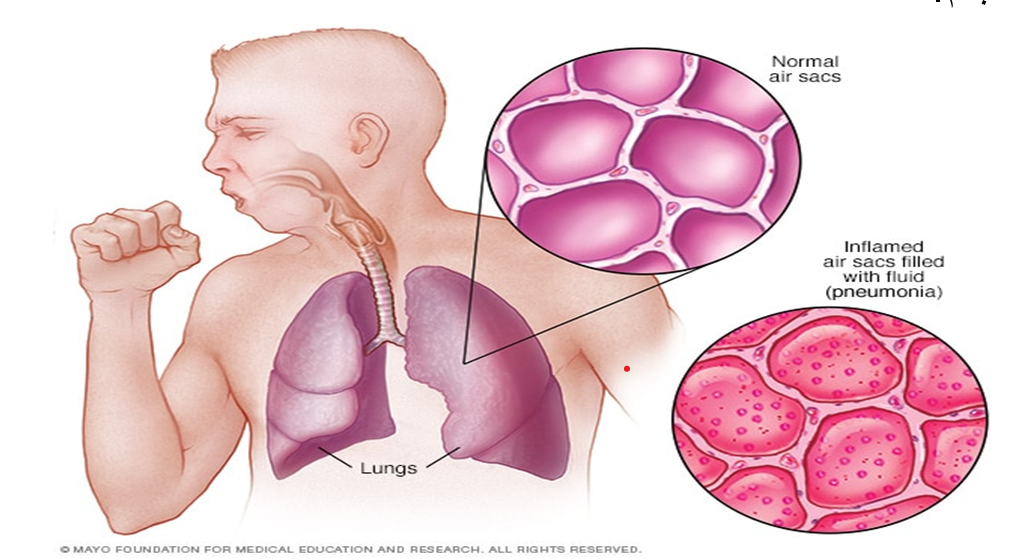
الأعرض :
- أرتفاع درجة حرارة الجسم
- رعشة
- زرقة فى الشفايف والأظافر والجلد
- زيادة سرعة النبض والتنفس
- سعال مصحوب بالأم فى الصدر
مُضَاعَفات الالتهاب الرئوي
تنطوي المُضَاعَفات الشائعة على:
- انخفاض مستويات الأكسجين في مجرى الدم
- انخفاض في ضغط الدَّم إلى درجة يهدد فيها حياة المريض
- خراج الرئة أو الدُّبيلة empyema
- إصابة شديدة في الرئة
- ( مُتلازمةُ الضائِقة التنفُّسية الحادة)
علاج الالتهاب الرئوي
المضادات الحيوية وأحيانًا الأدوية المضادة للفيروسات أو المضادة للفطريات أو المُضادَّة للفطريات
المُعالَجات لدعم التنفُّس
يحتاج المصابين بالالتهاب الرئوي إلى إزالة المخاط والمفرزات من الرئتين وقد يستفيدون من تمارين التنفس العميق.يجري إعطاء الأكسجين لمرضى الالتهاب الرئوي الرئوي الذين يُعانون من ضيق النفس أو لديهم مستويات منخفضة من الأكسجين في الدم، وعادة عن طريق أنبوب صغير من البلاستيك في المنخرين (القنيَّة الأنفية nasal cannula).على الرغم من أن الراحة جزء مهم من المُعالَجة، إلا أن الراحة الكاملة في السرير يمكن أن تكون ضارة، ويجري تشجيع الأشخاص على التحرك بشكلٍ متكرر والنهوض من السرير والجلوس في الكرسي.
العناية التمريضية :
o ملاحظة العلامات الحيوية ( نبض - تنفس - حرارة ) بصفة مستمرة
o ملاحظة لون المريض ( الشفايف - الأظافر )
3- ملاحظة البصاق ( لون - كمية - رائحة )
o ملاحظة أعراض وعلامات المريض وأبلاغ الطبيب فور حدوثها مثل :
o هبوط مفاجىء فى درجة الحرارة مع أستمرار النبض والتنفس نتيجة أنتشار المرض وحدوث صدمة للمريض.
o أستمرار أرتفاع فى درجة الحرارة وحدوث ألم بالصدر وضيق بالتنفس مما يشير إلى حدوث صديد بالغشاء البلورى.
o توفير الراحة النفسية والجسمية للمريض .
o وضع المريض فى الفراش فى وضع مريح .
o تشجيع المريض على السعال لطرد الأفرازات وتشجيعه على عمل تمرينات التنفس
o اعطاء اكسجين حسب أمر الطبيب
o اعطاء العلاج حسب أمر الطبيب
o اعطاء الغذاء حسب أمر الطبيب
· العناية بالفم والجلد والنظافة العامة للمريض بأستمرار.
· الحصول على عمل تحليل الدم والتحقق من العينات
· اعطاء المضادات الحيوية حسب الطلب
· حافظ على راحة المريض ودفئه
· إجراء الشفط كما هو مطلوب
· إدارة الألم والسعال
· توفير الراحة
· تعليم غسل اليدين للمريض
- المراجع
- National Institutes of Health (NIH): https://www.nih.gov/
- Centers for Disease Control and Prevention (CDC): https://www.cdc.gov/
- World Health Organization (WHO): https://www.who.int/about
- Chronic Obstructive Pulmonary Disease (COPD): https://www.copdfoundation.org/What-is-COPD/Understanding-COPD/What-is-COPD.aspx
- American Journal of Respiratory and Critical Care Medicine: https://www.atsjournals.org/journal/ajrccm