Blood Transfusion Procedural Work Guidelines
| Site: | EHC | Egyptian Health Council |
| Course: | Evidence of nursing procedures for internal sections |
| Book: | Blood Transfusion Procedural Work Guidelines |
| Printed by: | Guest user |
| Date: | Thursday, 5 November 2026, 2:37 AM |
Description
"last update: 2 Feb 2025" Download Guideline
- Prepared by
Inpatient guide
Under supervision
- Prof. Dr. Mohamed Latif, CEO of the Egyptian Health Council
Dr. Kawthar Mahmoud, Head of the Egyptian Nursing Syndicate - Member of the Senate
Prepared by
|
Title |
Name |
NO. |
|
Dean Of Faculty Nursing, Professor of Medical and Surgical Nursing, Tanta University |
Dr Afaf Abdel Aziz Abdel Aziz Basal |
1 |
|
Professor Of Critical Care Nursing |
Prof.Dr/Zeinab Hussain Ali |
2 |
|
Professor And Head of the Department of Medical Surgical Nursing. Faculty-. Benha University |
Amal Said Taha Refaie |
3 |
|
Supervisor Of the Education Sector at Port Said University |
Amal Ahmed Khalil Morsy |
4 |
|
Professor Of Medical Surgical Nursing- Faculty of Nursing- Cairo University |
Dr. Hanan Ahmed Al Sebaee |
5 |
|
Head of central administration on secondment at MOHP |
Dr Neveen ab drab al0nabi Mohamed |
6 |
|
Director Of Primary Health Care Nursing Department at MOHP. |
Maysa Hosny Ahmed Tammam |
7 |
|
Supervisor Of Technical Education- EHA |
Nancy Alaa Eldeen Abd-Elbaset Ali |
8 |
|
Supervisor Of Nursing Services Development- EHA |
Sherien Mohamed Saad |
9 |
|
Assistant Professor of Maternity and Neonatal Health Nursing - Faculty of Nursing- Ain Shams University |
Assist.Perof. Dr./Heba Mahmoud Mohammed |
10 |
|
General manager of general administration of health institutes affairs |
Dr Mai Galal Ibrahim Al-Assal |
11 |
|
Participants |
||
|
Head of nursing administration at EHA, Ismailia branch |
Ms. Nahla Kamel Mostafa |
12 |
|
member of the Nursing administration at EHA, Ismailia branch |
Ms. Maha Mohamed Saad |
13 |
|
member of the Nursing administration at EHA, Ismailia branch |
Mr. Tharwat Abdel-Al Mohamed |
14 |
|
nursing specialist at the General Administration of Nursing - MOHP |
Mr. Mona Ali Abdul Rahman Al-Katami |
15 |
|
nursing specialist at the General Administration of Nursing - MOHP |
Ms. Sherine Abdel Hakim Abdel Hakim Khattab |
16 |
|
nursing specialist at the General Administration of Nursing - MOHP |
Mr. bahaa fuoad barsom |
17 |
- Blood Transfusion
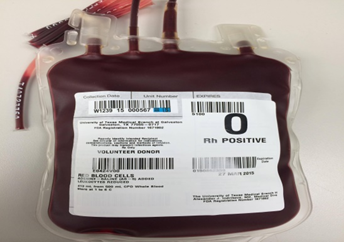
Blood is composed of red blood cells, white blood cells, platelets, and plasma, and makes up about 8% of body mass. It plays an important role in the human body, as it transports oxygen, nutrients, and metabolic waste products to and from the body's cells.
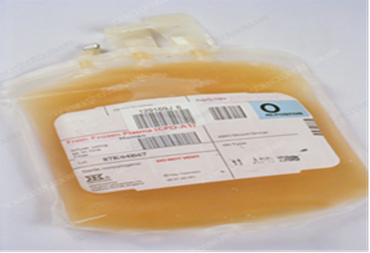
Plasma: a clear, slightly yellowish fluid that makes up about 55% of blood volume.
Red blood cells: about 5.5 million per cubic millimeter; they survive in the blood for approximately 120 days.
White blood cells: 4,000 to 11,000 per cubic millimeter of blood.
Platelets: 150,000 to 450,000 per cubic millimeter.
Blood types: A+, A−, B+, B−, AB+, AB−, O+, O−

- Definition:
Administering a quantity of whole blood or one of its derivatives (plasma, platelets, red blood cells, or cryoprecipitate) to a patient according to the physician's instructions.
- Reasons:
Cases of severe bleeding and shock, to compensate for blood loss and anemia, and deficiency of clotting factors — to compensate for the patient's blood loss and to correct abnormalities in blood components.
- Complications of Blood Transfusion:
;Signs of Incompatibility (Transfusion Reaction)
(Shortness of breath – rise in body temperature – skin rash – chest pain – chills – headache – nausea – increased or decreased heart rate – lower back pain – cardiac arrest)
:Circulatory Overload
(Shortness of breath – jugular vein distension – cyanosis of the extremities – dry cough – pulmonary fluid infiltration/edema)
:Transmission of Certain Diseases
(Hepatitis C virus – Hepatitis B virus – HIV – syphilis – malaria)
:Equipment
A bag of blood or its derivatives (fit for use) – IV pole – blood administration set – alcohol swab – medical adhesive tape – large-gauge cannula – gloves .– tourniquet
- Equipment:
A bag of blood or its derivatives (fit for use) – IV pole – blood administration set – alcohol swab – medical adhesive tape – large-gauge cannula – gloves – tourniquet.
- Steps:
Before Administering Blood
Review the physician's orders (date – time – quantity – type – any medications prior to transfusion).
Sign the blood transfusion consent form.
Follow standard infection-control precautions (hand hygiene – gloves).
Draw a blood sample from the patient to determine blood type.
Measure vital signs.
Verify the following: patient's name – blood type – Rh factor – blood bag type – compatibility (cross-match) test – presence of any clotting in the blood bag – donation date and expiration date.
Leave the blood bag in the room to reach room temperature.
During Blood Administration
1.Explain the procedure to be performed to the patient.
2.Maintain the patient's privacy.
3.Insert a cannula for the patient.
4.Instruct the patient to report any complications.
5.Measure vital signs 5 minutes before starting.
6.Open the blood administration set, connect it to a bottle of normal saline, and prime it (to check that it functions properly).
7.Connect the set to the blood bag and infuse it into the patient very slowly for the first 15 minutes.
8.Measure the patient's vital signs every 5 minutes during the first 15 minutes, then after 30, 60, 90, and 120 minutes, and again just before completing the transfusion.
9.Observe for any signs of blood incompatibility with the patient's body.
10.Increase the infusion rate, if there are no signs of incompatibility, according to the physician's instructions on the order sheet.
• Stop the transfusion immediately if any signs of incompatibility appear; notify the physician, place the patient in a comfortable position, and measure vital signs.
After Administering Blood
1. Dispose of the empty blood bag after completing the required amount; connect the blood administration set to normal saline and flush the set until the blood has cleared from it, then discard it in hazardous waste.
Blood must not be stored in a regular (household) refrigerator.
Blood must not be warmed with boiling or hot water.
If any tear/damage is noticed in the bag, submit a written report to the blood bank and return the bag.
The bag may be left at room temperature for no more than half an hour.
2.Measure vital signs after the blood transfusion.
3.Record the type and quantity of blood administered.
- Recommended Time Limits for Administering Blood and Its Derivatives
|
Type of Blood Product |
Minimum Time |
Maximum Time Allowed |
|
Red blood cells / whole blood |
2 hours |
4 hours |
|
Fresh frozen plasma |
30 minutes |
4 hours |
|
Platelets |
5–15 minutes per unit |
4 hours |
|
Cryoprecipitate |
2 minutes per bag |
4 hours |