العمل الإجرائي للحقنة الشرجية
| الموقع: | EHC | Egyptian Health Council |
| المقرر الدراسي: | دلائل الاجراءات التمريضية لأقسام الداخلي |
| كتاب: | العمل الإجرائي للحقنة الشرجية |
| طبع بواسطة: | Guest user |
| التاريخ: | الأحد، 20 سبتمبر 2026، 5:06 PM |
الوصف
"last update: 22 April 2025" تحميل الدليل
- اعداد
دليل الأقسام الداخلية
تحت اشراف
- أ.د/ محمد لطيف الرئيس التنفيذي للمجلس الصحي المصري - د/ كوثر محمود نقيب عام التمريض المصري – عضو مجلس الشيوخ
اعداد
م | الاسم | الوظيفة |
1 | أ. د /امل احمد خليل مرسي | نائب رئيس الجامعة لشئون التعليم والطلاب – جامعة بورسعيد |
2 | أ.د / عفاف عبد العزيز عبد العزيز بصل | عميد كلية التمريض –استاذ تمريض باطنه وجراحي جامعة طنطا |
3 | أ.د/ زينب حسين على محمد سعد | وكيل الكلية لشئون البيئة وخدمة المجتمع – كلية التمريض – جامعه حلوان |
4 | أ.د /امل سعيد طه رفاعي | أستاذ ورئيس قسم التمريض الباطني الجراحي – جامعة بنها |
5 | أ.د /حنان احمد السباعي على | استاذ التمريض التمريض الباطني الجراحي- كلية التمريض – جامعة القاهرة |
6 | د /نيفين عبدربه النبي محمد عبد النبي | رئيس الإدارة المركزية ندباَ –وزاره الصحة |
7 | د /مايسه حسني احمد تمام | مدير عام للإدارة ندباَ – وزاره الصحة |
8 | د نانسي علاء الدين عبد الباسط على | المشرف على التعليم الفني- الهيئة العامة للرعاية الصحية |
9 | د شيرين محمد محمد سعدالدين | المشرف على تطوير الخدمات التمريضية –الهيئة العامة للرعاية الصحية |
10 | د/ مى محمود العسال | مدير عام الإدارة العامة لشئون المعاهد الفنية الصحية |
11 | أ.م.د/ هبة محمود محمد | أستاذ مساعد تمريض صحة الام وحديثي الولادة –كلية التمريض - جامعة عين شمس |
المشاركين | ||
12 | /أنهلة كامل مصطفي | مسئول التمريض بالهيئة العامة للرعاية الصحية فرع الإسماعيلية |
13 | /أمها سعد محمد النادي | عضو إدارة التمريض بالهيئة العامة للرعاية الصحية فرع الإسماعيلية |
14 | /أثروت عبد العال محمد | عضو إدارة التمريض بالهيئة العامة للرعاية الصحية فرع الإسماعيلية |
15 | أ /منى على عبد الرحمن الكتامى | أخصائي تمريض بالإدارة العامة للتمريض- وزارة الصحة |
16 | أ / شيرين عبد الحكيم عبد الحكيم خطاب | أخصائي تمريض بالإدارة العامة للتمريض- وزارة الصحة |
17 | أ/بهاء فؤاد برسوم | أخصائي تمريض بالإدارة العامة للتمريض- وزارة الصحة |
- قسم المهنة
"اقسم بالله العظيم
أن أخلص فى عملى و أتقى الله فى مهنتى و أحترم قوانينها و أنظمتها و أؤدى مهامى بكل كفاءة و إخلاص
و أن أستند فى أدائى على المعرفة المستمدة من علوم التمريض
و أبذل قصارى جهدى لرعاية كل من وكل إلى رعايتهم و أحفظ كرامتهم و أكتم سرهم و أدافع عن حقوقهم و حمايتهم من أى أذى
و ألا أخشى فى قول الحق لومة لائم و أوفر بيئة أمنة للمريض و الأسرة و المجتمع
و أن أستمر فى تطوير نفسى و أوقر من علمنى و أحترمه
و أتعاون مع زملائى فى المهنة على البر و التقوى
والله على ما أقول شهيد"
- رؤية ورسالة الرعاية التمريضية
رؤية الرعاية التمريضية بوحدة رعاية مرضى الداخلى
يتطلع أفراد هيئة التمريض بوحدة رعاية مرضى الداخلى للإرتقاء بمهنة التمريض وتقديم الرعاية التمريضية لمرضى الوحدة بفاعلية وأمان وجودة طبقاً للمعايير المصرية والقومية والعالمية.
رسالة الرعاية التمريضية بوحدة رعاية مرضى الداخلى
يلتزم أفراد هيئة التمريض بوحدة رعاية مرضى الداخلى برفع المستوى الصحي للمرضى وتقديم أفضل رعاية تمريضية لهم بما يتماشى مع أهداف وإجراءات المستشفى وإدارة التمريض وكذلك تعمل على الإرتقاء بالمستوى العلمي والعملي لجميع أفراد هيئة التمريض بالوحدة وتغيير إتجاهاتهم نحو الإتجاهات الحديثة فى العلوم التمريضية والطبية .
- الحقنة الشرجية
وهي إدخال سائل أو غاز إلى المستقيم لإفراغ الأمعاء، إما لغايات الفحص الطبي أو لإعطاء الدواء.وهو إجراء قد يضطراللجوء إليه عندما يحدث الإمساك المزعج، إذْ تساعد على إزالة السموم والفضلات من المستقيم، وتفيد في التعامل مع حالة الإمساك الشديد و في حالات علاج السرطان عن طريق استعمال المواد الغذائية المحددة، ويشمل ذلك استعمال الحقن الشرجية من نوع القهوة National Cancer Institute )
غالباً ما تُعتَبر الحقنة الشرجية نوعًا من المليِّنات، وهناك أنواع كثيرة منها، لكنها عادة ما تسبب تنشيط حركة عضلات المستقيم، مما يؤدي إلى إفراغ الفضلات
تتكون الحقنة الشرجية من أنبوب وحقنة مطاطية مرنة قد تحتوي على الدواء الذي يتم إدخاله بلطف في فتحة الشرج، وعند الضغط على الحقنة المطاطية يتم دفع السائل والدواء إلى داخل المستقيم ليبدأ عمله
الحقن الشرجية التي تستعمل بغرض امتصاص المحاليل يتم استعمالها مع المضادات الحيوية أو أدوية نوبات الصرع وفي حالات عدم إمكانية تناول الدواء عن طريق الفم، حيث إن المستقيم لديه القدرة على امتصاص السوائل والمواد الغذائية. الجدير بالذكر أن السوائل يتم امتصاصها بشكل أفضل عن الأدوية التي يتم إدخالها للجسد عن طريق الأقماع، كما أنها تكون مفيدة في حالات الجفاف الحادث بسبب التقيؤ وحالات عدم التمكن من حقن السوائل عن طريق الأوردة .
يمكن أن تستخدم الحقنة الشرجية في علاج بعض الحالات الطبية، ولكن يعد الاستخدام المنتظم للحقنة الشرجية خطر ويمكن أن يقود إلى مشاكل صحية خطيرة، لذا ينصح باستخدامها فقط للغايات الطبية.
توجد عدة أنواع من الحقن الشرجية وتختلف أنواع الحقن الشرجية عن بعضها في محتواها فقد تحتوي الحقنة الشرجية على سائل يحتوي على الزيت أو الملين ، أو قد تحتوي على الغاز.
- أنواع الحقنة الشرجية
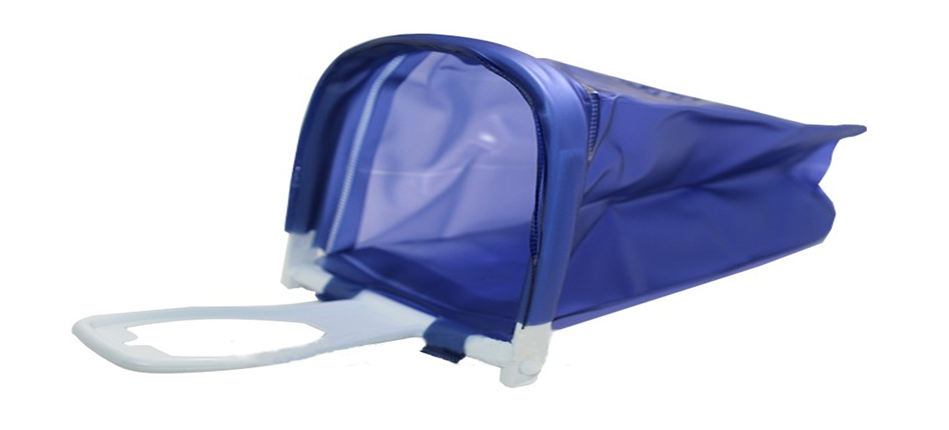
1- الحقن الشرجية المطهرة - Cleansing Enemaتستخدم للمساعدة في إخلاء القولون والمستقيم باستخدام الماء أو الملح .
2- الحقن الشرجية الاحتجازية - Retention Enema : تستخدم للمساعدة في علاج مرض التهاب الأمعاء أو لتوصيل الدواء مباشرة إلى القولون باستخدام محلول من الأدوية، مثل الهيدروكورتيزون، ومصمم ليبقى في القولون لفترة طويلة .
3- الحقن الشرجية الزيتية Oil Enema: تستخدم للمساعدة في تخفيف الإمساك باستخدام محلول من الزيوت المعدنية أو زيت الزيتون
4- الحقن الشرجية الطاردة للريح Carminative Enemas : تستخدم للمساعدة في تخفيف الغازات والانتفاخ في القولون باستخدام محلول من الماء الدافئ والصابون المعتدل
5- حقن الباريوم الشرجية Barium Enema: للمساعدة في تشخيص حالات القولون والمستقيم، مثل الأورام أو الأورام الحميدة باستخدام محلول كبريتات الباريوم، الذي يغطي بطانة القولون ويسمح بالتقاط الأشعة السينية.
- دواعي استخدام الحقنة الشرجية
- تنظير القولون: يجرى تنظير القولون لتصوير القولون من الداخل لغايات
- الفحص الطبي، ويجب أن تكون الأمعاء فارغة عند إجراء تنظير القولون.
- التحضير للجراحة: تستخدم الحقنة الشرجية لإفراغ الأمعاء قبل التعرض لجراحة القولون أو الأمعاء.
- علاج الإمساك: يمكن أن تساعد الحقنة الشرجية في علاج حالات الإمساك الشديد.
- فحص السرطان: تساعد حقنة الباريوم الشرجية في الكشف عن سرطان القولون والأمعاء، وفي مثل هذه الحالة تستخدم حقنتين، حقنة شرجية لإفراغ الأمعاء، وحقنة شرجية أخرى تحتوي على الباريوم لتظهر الأمعاء بوضوح أثناء التصوير بالأشعة السينية.
- Hepatic coma غيبوبه كبديه
- الادوات المستخدمة أثناء عمل الحقنة الشرجيه
- جهاز الحقنه الشرجيه
- محلول الحقنه الشرجيه حسب تعليمات الطبيب بدرجه حرارة مناسبه 43 للبالغين
- جوانتي لاتكس - أدوات الوقاية الشخصيه
- جل طبي لسهولة دخول القسطره
- حامل محاليل - بطانيه
- مشمع
- دريسنج وشاش
طريقة استخدام الحقنة الشرجية و العناية التمريضية أثناء الحقنة الشرجية
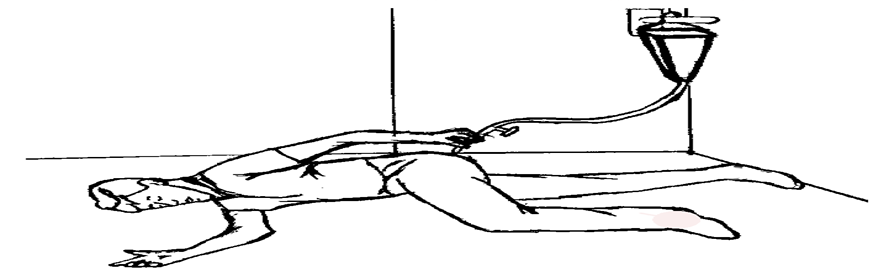
تكون الحقنة الشرجية على شكل كيس أو حاوية متصلة بانبوب أو فوهة، ويحتوي الكيس على سائل أو غاز يتم ضخه في الشرج من خلال الضغط على الكيس، ويمكن استخدام الحقنة الشرجية بأمان من خلال اتباع التعليمات التالية:- التأكد من أمر الطبيب للحقنة الشرجيه وتحضير الأدوات .
- اشرح الإجراء والغرض منه للمريض.
- تقييم منطقة الشرج من أي كسر ، جرح أو قرح
- عمل غسيل للأيدي وإرتداء الواقيات الشخصيه
- جمع الأدوات علي ترابيزة المريض في مكان سهل الوصول
- التأكد من أن المريض في وضع مريح، مثل الاستلقاء على جانبه الأيسر مع ثني ركبتيه.
- غلق الستائر وباب الغرفه للحفاظ علي خصوصية المريض .
- اختيار مكان مناسب تتوفر فيه مساحة للاستلقاء، وعادةً ما يكون الحمام المكان الأنسب لاستخدام الحقنة الشرجية.
- خلع الملابس عن الجزء السفلي من الجسم.
- فرد المنشفة في مكان مناسب للاستلقاء والنوم على الجانب الأيسر من الجسم.
- ثني الركبتين للأعلى باتجاه الصدر.
- وضع السرير في إرتفاع مناسب والوقوف بالجانب الأيسر للمريض ونقوم بالكشف عن منطقة الشرج وتغطية المريض ببطانيه ووضع مشمع أسفل المريض
- متابعة العلامات الحيويه وخصوصا الضغط قبل البدء بالحقنة ولا يتم عمل الحقنه لو كان الضغط منخفضآ أقل من 60/90 .
- إزالة الغطاء عن فوهة الحقنة.
- قم بدهان طرف الأنبوبة بجل طبي لتسهل عملية الإدخال .
- إدارة محلول الحقنة الشرجية ببطء، باستخدام أنبوب مشحم.
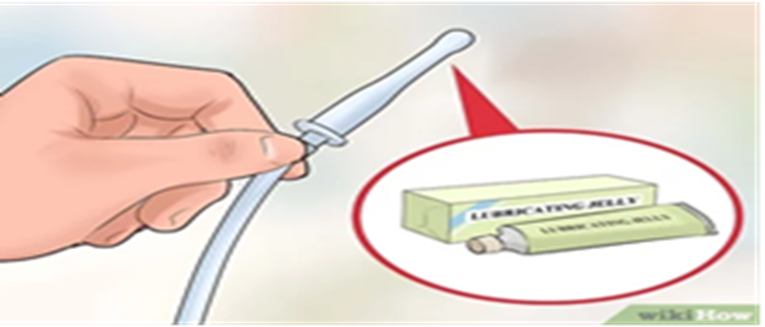
- إدخال فوهة الحقنة في الشرج لمسافة من 7 : 10 سم ببطء ولطف.
- عصر السائل الموجود في كيس الحقنة ببطئ حتى يفرغ الكيس تماماً.
- إزالة فوهة الحقنة من الشرج بلطف.
- الانتظار حتى يبدأ مفعول الحقنة أي عند الشعور بالحاجة للتبرز.
- اطلب من المريض الاحتفاظ بالمحلول للمدة الموصى بها، عادة من 30 دقيقة إلى ساعة.
- شجع المريض على الاستلقاء على جانبه الأيسر خلال فترة الاستبقاء للمساعدة في ضمان وصول الدواء إلى المنطقة المستهدفة.
- مراقبة المريض لمعرفة أي ردود فعل سلبية أو آثار جانبية من الدواء.
- اطلب من المريض شرب الكثير من السوائل للمساعدة في تليين البراز وتعزيز حركة الأمعاء في حالة الحقنه الشرجية الزيتية.
- متابعة GCS درجه وعى المريض.
- في حالة رغبة المريض للتبرزالذهاب للمرحاض لإفراغ الأمعاء أو وضع القصرية تحت المريض .
- تسجيل كمية ونوعية المحلول المستخدم في الحقنه وكمية ولون البراز وتقييم منطقة الشرج لووجود أي نزيف أو إلتهابات
- فوائد الحقنة الشرجية
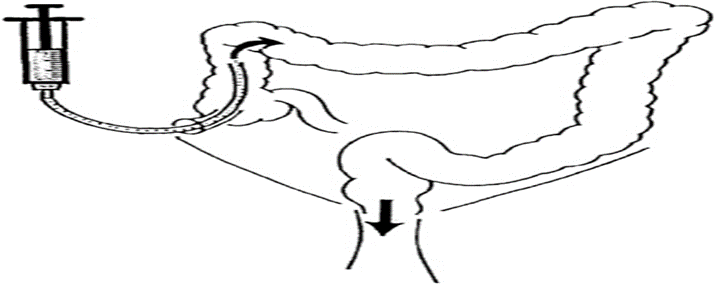
تستخدم الحقنة الشرجية لإعداد المريض لإجراءات طبية معينة، أو لعلاج بعض الحالات الطبية، إلا أنه لا يوجد أدلة علمية على أن الحقنة الشرجية تفيد الصحة بشكل عام.
يمكن أن تعطى بعض أنواع الادوية من خلال الحقنة الشرجية، إذ يمكن أن تساعد هذه الأدوية في علاج المشاكل الصحية التي تؤثر على القولون مثل مرض الأمعاء الالتهابي، كما يمكن لشبكة الأوعية الدموية في الشرج أن تساعد على نقل الأدوية بسرعة كبيرة لداخل الجسم
- اضرار الحقنة الشرجية
يمكن أن يكون الاستخدام المنتظم للحقنة الشرجية لتخليص الجسم من السموم ضار، ويمكن أن يؤدي إدخال مواد إلى الجسم مثل الزيوت عبر الشرج في إدخال بكتيريا ضارة إلى الجسم، ويمكن أن تشمل أضرار الحقنة الشرجية على ما يلي:
- يمكن أن يتسبب استخدام الحقنة الشرجية في علاج الإمساك لفترات طويلة، في الإصابة بالإسهال الشديد الذي قد يقود إلى الجفاف.
- قد يتسبب استخدام الحقنة الشرجية في حدوث تقلصات في البطن أو أو تراكم الغازات في الأمعاء.
- رد الفعل التحسسي للمواد الموجودة في الحقنة الشرجية.
- تمزق القولون.
⬅️ المضاعفات والاعراض التي تستدعي التقييم الطبي بعد الحقنة الشرجية
يجب الحصول على التقييم الطبي الفوري عند ملاحظة واحد أو أكثر من الأعراض التالية بعد استخدام الحقنة الشرجية:
⬅️ ألم شديد أو مستمر في البطن أو الأمعاء.
⬅️ خروج دم مع البراز.
⬅️ نزيف المستقيم.
⬅️ تشنج العضلات.
⬅️ الإسهال المستمر.
⬅️ تورم في اليدين أو الكاحلين أو القدمين.
⬅️ بطء أو سرعة أو عدم انتظام ضربات القلب.
⬅️ صعوبة التنفس.
⬅️ الحكة أو الطفح الجلدي المترافق بتورم الوجه أو اللسان أو الحلق.
- موانع الاستعمال للحقن الشرجية الدوائية
- أمراض الكلى
- احتقان القلب
- انسداد المعدة أو الأمعاء
- تضخم القولون، شلل الأمعاء اللفائفي، التهاب الأمعاء
- حالات الجفاف.
- على النساء الحوامل أو المرضعات أن تقمن باستشارة الطبيب أولًا قبل استعمال الحقن الشرجية الدوائية
- المراجع
· دليل العمل الاجرائي قسم الداخلي 2017