دليل العيوب الخلقية لحديثي الولاده
| الموقع: | EHC | Egyptian Health Council |
| المقرر الدراسي: | دلائل الاجراءات التمريضية لقسم حديث الولاده |
| كتاب: | دليل العيوب الخلقية لحديثي الولاده |
| طبع بواسطة: | Guest user |
| التاريخ: | الأحد، 20 سبتمبر 2026، 5:07 PM |
الوصف
"last update: 9 February 2025" تحميل الدليل
- اعداد
- أ.د/ محمد لطيف الرئيس التنفيذي للمجلس الصحي المصري - د/ كوثر محمود نقيب عام التمريض المصري – عضو مجلس الشيوخ
م | الاسم | الوظيفة |
1 | أ.د/ امل احمد خليل مرسي | نائب رئيس الجامعة لشئون التعليم والطلاب – جامعة بورسعيد |
2 | أ.د / عفاف عبد العزيز عبد العزيز بصل | عميد كلية التمريض –استاذ تمريض باطنه وجراحي جامعة طنطا |
3 | أ.د/ زينب حسين على محمد سعد | وكيل الكلية لشئون البيئة وخدمة المجتمع – كلية التمريض – جامعه حلوان |
4 | أ.د/ امل سعيد طه رفاعي | أستاذ ورئيس قسم التمريض الباطني الجراحي – جامعة بنها |
5 | أد حنان احمد السباعي على | استاذ التمريض التمريض الباطني الجراحي- كلية التمريض – جامعة القاهرة |
6 | د /نيفين عبدربه النبي محمد عبد النبي | رئيس الإدارة المركزية ندباَ –وزاره الصحة |
7 | د /مايسة حسني احمد تمام | مدير عام للإدارة ندباَ – وزاره الصحة |
8 | د /نانسي علاء الدين عبد الباسط على | المشرف على التعليم الفني- الهيئة العامة للرعاية الصحية |
9 | د /شيرين محمد محمد سعدالدين | المشرف على تطوير الخدمات التمريضية –الهيئة العامة للرعاية الصحية |
10 | د./ مى محمود العسال | مدير عام الإدارة العامة لشئون المعاهد الفنية الصحية |
11 | أ.م.د/ هبة محمود محمد | أستاذ مساعد تمريض صحة الام وحديثي الولادة –كلية التمريض - جامعة عين شمس |
المشاركين | ||
12 | د/ نجاة صلاح شلبي سلامة | أستاذ تمريض النساء والتوليد |
13 | أ/شيماء عبد الباسط إبراهيم سليم | عضو إدارة التمريض بالهيئة العامة للرعاية الصحية فرع بورسعيد |
14 | أ/هدي السيد محمد | عضو إدارة التمريض بالهيئة العامة للرعاية الصحية فرع بورسعيد |
15 | أ/ولاء أحمد على | عضو إدارة التمريض بالهيئة العامة للرعاية الصحية فرع بورسعيد |
16 | أ/أمنية عبد القادر محمد | عضو إدارة التمريض بالهيئة العامة للرعاية الصحية فرع بورسعيد |
17 | أ/ياسر عبد الكريم عمر عبد الجواد | عضو إدارة التمريض بالهيئة العامة للرعاية الصحية فرع جنوب سيناء |
- إنسداد فتحة الأنف الخلفیة
الأعراض :
- ظھور علامات صعوبة التنفس والزرقة بعد الولادة مباشرةً، خصوصًا في حالات انسداد فتحة الأنف الخلفیة الثنائیة )على الناحیتین( وتقل حدة الزرقة مع بكاء الولید.
- عرقلة عند محاولة إدخال قسطرة من الأنف إلى البلعوم.
الرعایة التمریضیة :
– وضع ممر ھوائي بالفم
– الفحص البدني الشامل للولید لاستبعاد وجود أي عیوب خلقیة ظاھریة أخرى.
- الشفة الأرنبیة وسقف الحلق المشقوق
الأعراض :
– ظھور شق أو اثنان في الشفة العلیا للولید، قد یصاحبھا وجود شق بسقف الحلق.
– صعوبة في المص والبلع أثناء الرضاعة.
– ظھور أعراض الإلتھاب الرئوي والتھاب الأذن الوسطى بشكل متكرر.
الرعایة التمریضیة :
استعمال حلمة خاصة عند إرضاع الولید
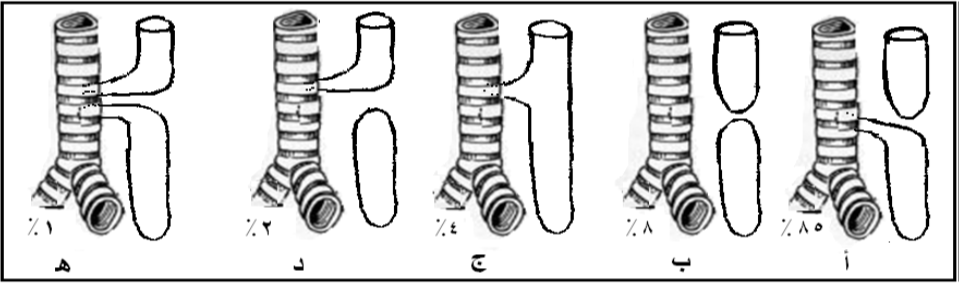
- انسداد المريء، ووجود ناصور بین القصبة الھوائیة والمريء
الأعراض :
– وجود رغاوي في لعاب الولید نتیجة انسداد المريء.
– حدوث زرقة أثناء الرضاعة في حالة وجود ناصور بین القصبة الھوائیة والمريء
– یتم التأكد من التشخیص عن طریق تركیب أنبوبة رایل، مع عمل أشعة عادیة، وملاحظة التواء الأنبوبة أعلى المريء.
الرعایة التمریضیة :
– وقف الرضاعة وإعطاء المحالیل، طبقا لتعلیمات الطبیب.
– رفع رأس الولید بزاویة ٣٠ درجة، لمنع حدوث الشرقة.
– التشفیط المستمر للعاب من المريء.
- إنسداد فتحة بوابة المعدة
الأعراض :
– قيء متكرر ومندفع لا یحتوي على العصارة الصفراویة.
– جوع مستمر، نقص بالوزن، وظھور علامات الجفاف.
الرعایة التمریضیة :
– وقف الرضاعة بالفم.
– إعطاء محالیل تعویضیة لعلاج الجفاف، وتعویض نقص الأملاح بالدم، حسب تعلیمات الطبیب.
- الفتق السري
الأعراض :
بروز وانتفاخ سرة الولید أثناء البكاء
الرعایة التمریضیة :
تجنُب العوامل التي تؤدي إلى زیادة الضغط داخل بطن الولید مثل البكاء، السعال، والإمساك (قدر الإمكان
- خروج محتویات البطن مع الحبل السري
الأعراض :
خروج محتویات البطن )الأمعاء، الكبد، الطحال، والمثانة... إلخ( من سرة الولید مع الحبل السري بعد الولادة مباشرةً.
الرعایة التمریضیة :
– وقف الرضاعة بالفم، وإعطاء المحالیل الوریدیة، طبقاً لتعلیمات الطبیب.
– تغطیة مكان خروج محتویات البطن بشاشة معقمة ، ثم تغطى بكیس بلاستیك، للإقلال من معدل فقد الحرارة والسوائل.
- الفتق الإربي
الأعراض :
ظھور انتفاخ أسفل البطن وأعلى الفخذ مع البكاء.
الرعایة التمریضیة :
تجنُب العوامل التي تؤدي إلى زیادة الضغط داخل البطن مثل البكاء، السعال، والإمساك بقدر الإمكان.
- إنسداد فتحة الشرج
الأعراض :
– وجود غشاء یغطي فتحة الشرج أو عدم وجود فتحة شرج.
– تأخر نزول العقى (أول براز یخرج من الولید) بعد مرور ٤٨ ساعة من الولادة.
الرعایة التمریضیة :
– القیام بعمل فحص للولید، للكشف عن عدم وجود فتحة شرج في وقت مبكر.
– متابعة وتدوین تبرز الولید خلال أول ٤٨ ساعة بعد الولادة.
– یمكن استخدام قسطرة لینة مطاطیة للكشف عن وجود انسداد شرجي، إذا لم یتبرز الولید بعد مرور ٤٨ ساعة من الولادة.
– في حالة وجود انسداد بفتحة الشرج، یتم وقف الرضاعة بالفم وإعطاء المحالیل، طبقاً لتعلیمات الطبیب.
-وجود فتحة مجوى البول اسفل العضو الذكري
الأعراض:
– ظھور فتحة البول أسفل العضو الذكري ولیس في المقدمة.
– اتجاه تیار البول یكون إلى أسفل عند التبول.
الرعایة التمریضیة :
التنبیه على الأھل بضرورة تأجیل عملیة الطھارة لحین عرض الولید على طبیب جراحة الأطفال.