العلاج الكيماوي
| الموقع: | EHC | Egyptian Health Council |
| المقرر الدراسي: | دلائل الاجراءات التمريضية لقسم الأورام |
| كتاب: | العلاج الكيماوي |
| طبع بواسطة: | Guest user |
| التاريخ: | الأحد، 20 سبتمبر 2026، 5:07 PM |
الوصف
"last update: 5 May 2025" تحميل الدليل
جدول المحتويات
- - اعداد
- - العلاج الكيميائي
- - الحالات التي يمكن إستخدام العلاج الكيميائي للمرضى المصابين بالسرطان
- - التأثيرات الجانبية التي تحدث أثناء المعالجة بالعلاج الكيميائي
- - الإحتياطات اللازم إتخاذها من أفراد هيئة التمريض أثناء التعامل مع العلاج الكيماوي
- - الإجراءات التي يجب إتخاذها أثناء تحضير العلاج الكيماوي
- - الإجراءات التي يجب إتخاذها أثناء إعطاء العلاج الكيماوي
- - الإجراءات التي يجب إتخاذها بعد إعطاء العلاج الكيماوي
- - الإجراءات التى يجب إتخاذها عند تسرب العلاج الكيماوي خارج أوعية المريض (تحت الجلد)
- - الإجراءات التى يجب إتخاذها في حالة الإنسكاب على الأرض- الجلد – العين- سرير المريض
- - إعطاء العلاج الكيميائي عن طريق القسطرة البولية
- - تركيب البورت كاث للحقن الكيميائي
- - المراجع
- اعداد
دليل الأورام
تحت اشراف
- أ.د/ محمد لطيف الرئيس التنفيذي للمجلس الصحي المصري - د/ كوثر محمود نقيب عام التمريض المصري – عضو مجلس الشيوخ
تحت اشراف
- أ.د / حسين خالد وزير التعليم العالي الأسبق
اعداد
م | الاسم | الوظيفة |
1 | أ.د /امل احمد خليل مرسي | نائب رئيس الجامعة لشئون التعليم والطلاب – جامعة بورسعيد |
2 | أ.د / عفاف عبد العزيز عبد العزيز بصل | عميد كلية التمريض –استاذ تمريض باطنه وجراحي جامعة طنطا |
3 | أ.د /زينب حسين على محمد سعد | وكيل الكلية لشئون البيئة وخدمة المجتمع – كلية التمريض – جامعه حلوان |
4 | أ.د/ امل سعيد طه رفاعي | أستاذ ورئيس قسم التمريض الباطني الجراحي – جامعة بنها |
5 | أ.د /حنان احمد السباعي على | استاذ التمريض التمريض الباطني الجراحي- كلية التمريض – جامعة القاهرة |
6 | د/ نيفين عبدربه النبي محمد عبد النبي | رئيس الإدارة المركزية ندباَ –وزاره الصحة |
7 | د /مايسه حسني احمد تمام | مدير عام للإدارة ندباَ – وزاره الصحة |
8 | د/ نانسي علاء الدين عبد الباسط على | المشرف على التعليم الفني- الهيئة العامة للرعاية الصحية |
9 | د /شيرين محمد محمد سعدالدين | المشرف على تطوير الخدمات التمريضية –الهيئة العامة للرعاية الصحية |
10 | د/ مي محمود العسال | مدير عام الإدارة العامة لشئون المعاهد الفنية الصحية |
11 | أ.م.د/ هبة محمود محمد | أستاذ مساعد تمريض صحة الام وحديثي الولادة –كلية التمريض - جامعة عين شمس |
- العلاج الكيميائي
العلاج الكيميائي هو علاج دوائي يُستخدم فيه مواد كيميائية قوية لقتل الخلايا سريعة النمو في الجسم. غالبًا يُستخدم العلاج الكيميائي لقتل الخلايا السرطانية في المصابين بالسرطان، حيث تنمو الخلايا السرطانية وتتكاثر بسرعة أكبر بكثير من سائر خلايا الجسم. تتوفر العديد من أدوية العلاج الكيميائي المختلفة. ويمكن إستخدام أدوية العلاج الكيميائي وحدها أو مع أدوية أخرى لعلاج مجموعة مختلفة من السرطانات.
على الرغم من أن العلاج الكيميائي من الأساليب الفعالة لعلاج العديد من أنواع السرطان، فإنها نطوي كذلك على مخاطر للآثار الجانبية. وتتسم بعض الآثار الجانبية للعلاج الكيميائي بأنها طفيفة وقابلة للعلاج، في حين قد يتسبب بعضها في حدوث مضاعفات خطيرة.
- الحالات التي يمكن إستخدام العلاج الكيميائي للمرضى المصابين بالسرطان
· لعلاج السرطان بدون علاجات أخرى. يمكن إستخدام العلاج الكيميائي كعلاج أساسي أو وحيد للسرطان.
· بعد العلاجات الأخرى، لقتل الخلايا السرطانية الخفية. قد يُستخدم العلاج الكيميائي بعد العلاجات الأخرى كالجراحة لقتل أي خلايا سرطانية قد تظل بالجسم (علاجًا مساعدًا).
· للإستعداد للعلاجات الأخرى. يمكن إستخدام العلاج الكيميائي لخفض حجم الورم لتسنح علاجات أخرى مثل العلاج الإشعاعي والجراحة (علاجًا مبدئيًا مساعدًا).
· لتخفيف علامات وأعراض المرض. يُستخدم العلاج الكيميائي لتخفيف علامات وأعراض السرطان بقتل بعض الخلايا السرطانية (علاجًا كيميائيًا تلطيفيًا).
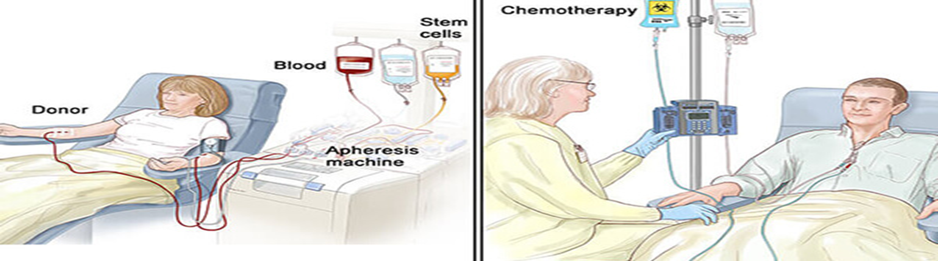
- التأثيرات الجانبية التي تحدث أثناء المعالجة بالعلاج الكيميائي
تشمل الآثار الجانبية الشائعة لأدوية العلاج الكيميائي ما يلي:
· الغثيان
· القيء
· الإسهال
· تساقط الشعر
· فقدان الشهية
· الإرهاق
· الحُمّى
· قُرَح الفم
· الشعور بالألم
· الإمساك
· سهولة الإصابة بكدمات
· النزف
يمكن منع العديد من هذه الآثار الجانبية أو علاجها. وتهدأ معظم الآثار الجانبية بعد إنتهاء العلاج.
آثار جانبية لاحقة طويلة المدى
قد تتسبب أدوية المعالجة الكيميائية كذلك في الإصابة بآثار جانبية لا تظهر إلا بعد مرور أشهر أو سنوات من العلاج. تختلف الآثار الجانبية المتأخرة تبعًا لدواء المعالجة الكيميائية، لكنها قد تشتمل على ما يلي:
· تلف أنسجة الرئة
· مشكلات القلب
· العقم
· مشاكل في الكُلى
· تلف الأعصاب (اعتلال الأعصاب)
خطر الإصابة بسرطان آخرأدوية العلاج الكيميائي
يتم إختيار نوع العلاج الكيميائي بناءً على عدة عوامل، بما في ذلك:
· نوع السرطان
· مرحلة السرطان
· الحالة الصحية العامة
· علاجات حالة سرطان سابقة
· أهداف المريض وتفضيلاته
- الإحتياطات اللازم إتخاذها من أفراد هيئة التمريض أثناء التعامل مع العلاج الكيماوي
أولا:- الإجراءات التى يجب إتخاذها قبل تحضير العلاج الكيماوي:
1- معرفة إسم المريض.
2- معرفة إسم العلاج.
3- معرفة الوقت المحدد لإعطاء الجرعة.
4- معرفة الجرعة اللازمة من العلاج الكيماوي للمريض.
5- التعرف على طريقة إعطاء العلاج الكيماوي.
6- معرفة السائل المستخدم لتحليل العلاج الكيماوي.
7- التعرف على العلامة التجارية للعلاج.
8- معرفة تاريخ إنتهاء صلاحية العلاج من ( لونه ورائحته ).
9- معرفة رقم دورة العلاج الكيماوي.
10- التأكد من سلامة تخزين العلاج.
11- التأكد من التوقيع على أمر إعطاء العلاج.
- الإجراءات التي يجب إتخاذها أثناء تحضير العلاج الكيماوي
1- المكان المعد لتحضير العلاج الكيماوي يجب أن يكون بعيدا عن بقيه الأقسام في المستشفى وذلك لتقليل خطر التلوث حيث أن أغلب هذه الأدوية على هيئه حبيبات دقيقه يسهل إستنشاقها كرذاذ متطاير.
2- إن لم يكن بالمستشفى وحدة لتحضير العلاج الكيماوي ففي هذه الحالة يجب إتخاذ مكان ثابت وملائم للتحضير.
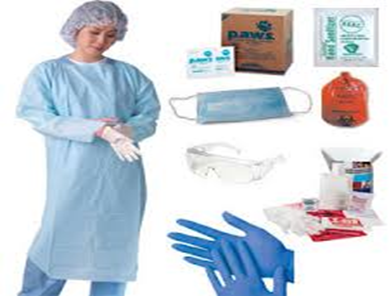
3- ضرورة وجود (cytotoxic drugs spill kit) في صالات العلاج الكيماوي للتعامل مع الأدوية الكيماوية في حالة تكسر زجاجات الأدوية وإنسكاب السوائل على الأرض، تحتوي على الآتي: قفازات بلاستيكية، معطف طبي، نظارات واقية، فوط للإمتصاص ومسح السوائل، سائل تنظيف، أكياس بلاستيكية باللون البنفسجي، غطاء للأحذية.
4- غسل الأيدى.
5- إرتداء المعدات الواقية الشخصية وهى:
•قفازات طويلة العنق. .
• معطف واقي طويل الأكمام وغير منفذ.
• النظارات الواقية، قناع على الوجه
• الحذاء ذوالإستعمال الواحد، غطاء الرأس.
6- يجب خلط العلاج الكيماوي فى Biological Safety Cabinet.
7- يجب كسر الأمبول بعيدا عن الوجه ويكون مغطى بقطعة شاش أو قطعة من القطن.
8- يجب إدخال السائل المستخدم في عمليه التخفيف ببطيء شديد على جدار الأمبول أو الفيال والتأكد أن جميع البودرة تحللت قبل السحب.
9- منع حدوث ضغط عالي داخل الفيال عند بدء الخلط وإضافة السائل.
10- يجب طرد الهواء من السيرنج المعد للحقن على قطعة شاش وليس في الهواء.
11- يجب طرد الدواء الزائد من السيرنج المعد للحقن بنزع الإبرة ووضع قطعة قطن معقمة لمنع إنتشار الرذاذ.
12- لا يجب وضع الدواء المحلل في الثلاجة وإنما الأفضل إستعماله بأقصى سرعة ممكنة حيث أن فترة ثبات الدواء تختلف حسب تركيبته إلا إنه في العادة يحتفظ بثباتيته لمدة 24 ساعة في درجة حرارة (C2-8.(
13- يتم إسترجاع الجرعات الغير مستعملة والأدوية المنتهية الصلاحية إلى الصيدلية ليتم التخلص منها حسب معرفته.
14- يجب أن يكون السيرنج والأنابيب وأجهزة المحاليل المستعملة من نوع.Leur- lock
15- كتابة اسم المريض والجرعة على المحلول.
16- تغطية المحلول قبل نقلة للمريض.
- الإجراءات التي يجب إتخاذها أثناء إعطاء العلاج الكيماوي
1- غسل الأيدى.
2- إرتداء المعدات الواقية الشخصية.
3- تقوم الممرضة بتغيير الجوانتى فى حالة ملامستة للعلاج الكيماوي أو المريض.
4- وضع جهاز المحلول الوريدى على الحامل.
5- وضع الفوطة الماصة البلاستيكية تحت الكانيولا لإمتصاص أى تسرب من العلاج الكيماوي أثناء إعطاءة.
6- فتح الكانيولا وتسليكها بمحلول ملحى وليس العلاج الكيماوي.
7- طرد الهواء من جهاز المحلول الوريدى على قطعة شاش وليس فى الهواء.
8- تركيب جهاز المحلول الوريدى بالكانيولا وفتحة.
9- متابعة المريض أثناء دورة العلاج الكيماوي.
- الإجراءات التي يجب إتخاذها بعد إعطاء العلاج الكيماوي
1- غسل الأيدى.
2- إرتداء المعدات الواقية الشخصية.
3- غلق جهاز المحلول الوريدى وفصلة عن الكانيولا.
4- غلق الكانيولا وإزالة الفوطة الماصة البلاستيكية ووضعها فى السلة الخاصة.
5- يجب على الممرضة ألا تقوم بإلقاء الأدوات المستخدمة وباقى العلاج الكيماوي بجانب المريض.
6- تقوم بالتخلص من كل النفايات المستخدمة بطريقة صحيحة.
7- تقوم بإعادة الكمية المتبقية من العلاج الكيماوي إلى الصيدلية.
8- خلع المعدات الواقية الشخصية وغسل الأيدى.
9- تدوين الأدوية التى تم إعطاءها للمريض.
- الإجراءات التى يجب إتخاذها عند تسرب العلاج الكيماوي خارج أوعية المريض (تحت الجلد)
1- وقف جهاز المحلول الوريدى عن المريض.
2- فصل جهاز المحلول الوريدى عن المريض.
3- محاولة سحب الكمية المتسربة منالكانيولا بواسطة سيرنج.
4- إخطارالطبيب.
5-وضع كمادات باردة على مكان التسرب.
6-إعطاء المضاد المناسب للمريض.
بعدالتسرب، ينبغي إتخاذ التدابير التالية:
1- تصويرمكان التسرب وتكرار ذلك أسبوعيا إذا كان مناسبا.
2- إرشاد المريض إلى الراحة ورفع المكان لمدة 48 ساعة.
3- إعطاء المريض تعليمات مكتوبة بشأن الأعراض التي قد يقدم عليها والتبليغ على الفور.
4- ترتيب موعد آخر للزيارة.
5- العرض على جراح التجميل إذا كان ذلك ممكنا.
6- تدوين ما حدث والإجراءات التى تم إتخاذها.
- الإجراءات التى يجب إتخاذها في حالة الإنسكاب على الأرض- الجلد – العين- سرير المريض
الإجراءات التى يجب إتخاذها في حالة الإنسكاب على الأرض:-
1- وضع علامة فى المكان الذى حدث فيه الإنسكاب.
2- إرتداء المعدات الواقية الشخصية.
3- إلتقاط شظايا الزجاج بإستخدام الملقاط ووضعها في وعاء مقاوم للكسر والثقب.
4- وضع الوعاء داخل كيس محكم الغلق ثم بداخل حقيبة مزدوجة وكتابة (نفايات خطرة) عليها من الخارج.
5- وضع الفوطة الماصة البلاستيكية على الأرض لإمتصاص العلاج الكيماوي المنسكب. ثم يتم تنظيف الأرض بالماء والصابون.
6- خلع المعدات الواقية الشخصية ووضعها فى كيس محكم الغلق وكتابة (نفايات خطرة) عليها من الخارج.
7- وضع كافة العناصرفي وعاء مقاوم للكسر والثقب.
8- تدوين ماحدث والإجراءات التى تم إتخاذها.
في حالة الإنسكاب على الجلد ينبغي إتباع الإرشادات التالية:
1- تحذيرالآخرين،والنداء بصوت عال إذاكنت بحاجة إلى مساعدة.
2- خلع القفازات أوالملابس التى تم الأنسكاب عليها.
3- شطف الجلد بمحلول كربونات الصوديوم 3٪.
4- شطف الجلد بكميات كبيرة من المياه.
5- تطهيرالجلد بالكحول 70٪.
6- شطف الجلد بمادة الفوسفات العازلة.
في حالة الإنسكاب على العين ينبغي إتباع الإرشادات التالية:
1- النداء بصوت عال لطلب المساعدة من الآخرين.
2- شطف العينين بكمية كبيرة من الماء لمدة 10 دقائق.
3- شطف العينين بمادة الفوسفات العازلة.
4- إستشارة طبيب العيون إذا لزم الأمر.
في حالة الانسكاب على سرير المريض
ينبغي إتباع الإرشادات التالية:
1- غسل اليدين.
2- إرتداء المعدات الواقية الشخصية.
3- إزالة فرش السرير الملوث ويتم وضعه فى أكياس خاصة محكمة الغلق.
4- التدوين على الأكياس.
5- إزالة معدات الوقاية الملوثة وغسل الأيدى.
6- إرتداء معدات واقية شخصية أخرى.
7- إستخدام فرش سرير آخر والقيام بالفرش.
8- إزالة المعدات الوقاية الشخصية وغسل الأيدى.
9- تدوين ماحدث والإجراءات التى تم إتخاذها.
10- الأغطية والملاءات الملوثة بالعلاج الكيماوي يجب وضعها في أكياس خاصة وتغسل منفردة مرة واحدة على الأقل قبل خلطها مع باقي الغسيل، وعلى العاملات بالمغسلة الحذر عند التعامل معها.
- إعطاء العلاج الكيميائي عن طريق القسطرة البولية
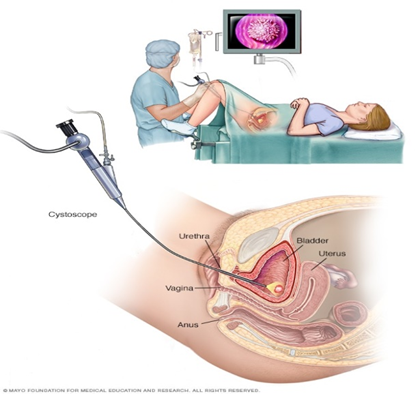
العلاج الكيميائي عبر القسطرة البولية: هو إجراء يستخدم لعلاج بعض أنواع السرطان، مثل سرطان المثانة. يتم إدخال أدوية العلاج الكيميائي مباشرة إلى المثانة من خلال قسطرة بولية.
الأدوات:-
1. قسطرة معقمة 14-16 فرنك للبالغين.
2. دواء العلاج الكيميائي المحضر وفقًا للجرعة الموصوفة.
3. قفازات معقمة.
4. ماء معقم أو محلول ملحي للغسيل
5. جل معقم.
6. حقيبة جمع البول .
7. أدوات الحماية الشخصية (رداء واقٍ وقناع وحماية للعينين).
8. كيس للتخلص من النفايات الخطرة.
التأكد من هوية المريض
تحديد هوية المريض من خلال الاسم وتاريخ الميلاد والتأكد من الإجراء الصحيح وخطة العلاج.
:- تقييم المريض
⬅️ مراجعة التاريخ الطبي للمريض، بما في ذلك الحساسية وردود الفعل السابقة للعلاج الكيميائي.
⬅️ تقييم أي موانع للإجراء على سبيل المثال (عدوى المسالك البولية النشطة، التأكد من نتائج فحوصات الدم الأخيرة ووظائف الكلى (الكرياتينين و معدل الترشيح).
⬅️ التأكد من إفراغ المريض للمثانة.
إعداد البيئة:-
أ- توفير الإضاءة الجيدة.
ب- توفير التهوية الجيدة.
ج- ضمان الخصوصية.
تحضير المريض:
تقديم نفسك للمريض.
شرح الإجراء للمريض.
الحصول على موافقة المريض لإجراء الإجراء.
تقييم الحالة العامة للمريض.
يتم تنظيف منطقة الأعضاء التناسلية جيداً باستخدام مواد معقمة.
قد يتم استخدام مخدر موضعي لتقليل الشعور بالانزعاج.
الخطوات التمريضيىة:-
يتم وضع المريض فى وضع مريح في وضعية الاستلقاء مع مباعدة الساقين قليلاً. تغطية المريض والمحافظة على خصوصية المريض.
إرتداء المعدات الواقية الشخصية وهى:
•قفازات طويلة العنق.
• معطف واقي طويل الأكمام وغير منفذ.
• النظارات الواقية، قناع على الوجه.
• الحذاء ذوالإستعمال الواحد،غطاء الرأس.
إعطاء العلاج الكيميائي:-
⬅️ تحضير العلاج الكيميائي وفقآ للجرعة المكتوبة بواسطة الطبيب.
⬅️ يجب إتباع أسلوب التعقيم عند تحضير العلاج
⬅️ التأكد مرتين من إسم العلاج والجرعة لمنع أى خطأ.
⬅️ توصيل سرنجة العلاج الكيميائي بالقسطرة وإعطاء الدواء ببطىء شديد داخل القسطرة.
⬅️ بعد إعطاء الدواء يتم غلق القسطرة لمنع الدواء من التسرب خارج المثانة.
⬅️ يجب أن يبقى الدواء فى المثانة لمدة 1-2 ساعة بناء على بروتوكول العلاج.
⬅️ بعد مرور الوقت المحدد يتم فتح القسطرة لتفريغ المثانة.
⬅️ يتم إدخال محلول ملح للتأكد من إزالة الدواء من المثانة.
ملاحظة المريض بعد إعطاء الدواء:-
⬅️ يجب ملاحظة المريض فور إعطاء الدواء لأي رد فعل غير طبيعي من العلاج.
⬅️ ملاحظة ظهور أي أعراض جانبية مثل(عدم الإرتياح –النزيف –علامات للعدوى).
⬅️ إعطاء إرشادات للمريض حول أهمية الإحتفاظ بالدواء داخل المثانة أثناء الوقت المحدد وعدم التبول.
إزالة القسطرة
⬅️ يتم إزالة القسطرة إذا لم يوجد إجراء طبي آخر.
⬅️ فتح القسطرة والسماح للمثانة بالتفريغ.
⬅️ إزالة القسطرة بحرص ووضعها في حوض كلى .
⬅️ إعطاء تعليمات للمريض بضرورة زيادة تناول السوائل وملاحظة أي علامات وأعراض للعدوى.
التوثيق:-
تدوين كافة الإجراءات التمريضية التى تم إعطاءها للمريض فى الملف الخاص بالمريض والتى تشتمل على (إسم الدواء –الجرعة – الوقت الذي تم فيه إعطاء الدواء وأي رد فعل غير طبيعي ظهرت على المريض).
الإجراءات التي يجب على الممرضة إتخاذها بعد إعطاء العلاج الكيماوي:
تقوم بالتخلص من كل النفايات المستخدمة بطريقة صحيحة.
خلع المعدات الواقية الشخصية وغسل الأيدى.
التثقيف الصحى للمريض:
إعطاء المريض إرشادات بالمتوقع حدوثه بعد إعطاء الدواء ويشمل (عدم الراحة- حرقان فى المثانة).
إعطاء المريض إرشادات بضرورة بضرورة طلب المساعدة فى حالة ظهور أى مما يلي (علامات للعدوى-ألم شديد غير محتمل ونزيف)
المتابعة:
⬅️ تنظيم جدول للمتابعة لمتابعة تأثير الدواء على المثانة أوظهور أى أعراض جانبية.
⬅️ الإجابة عن أى أسألة يسألها المريض حول العلاج.
⬅️ ملاحظة المريض للتأكد من عدم وجود مضاعفات، مثل التهابات أو ردود فعل تحسسية.
- تركيب البورت كاث للحقن الكيميائي
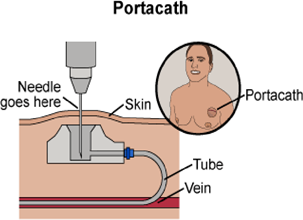
الخطوات التمريضية المتبعة لتركيب جهاز البورت كاث:
التقييم:-
1- مراجعة ملف المريض والذي يحتوى على (إسم المريض وعمره والتشخيص – الأدوية الذى يتناولها المريض ومضادات التجلط).
2- أخذ التاريخ المرضي - إضطرابات الدم والفحوصات الدم مثل عوامل التجلط.
3- أخذ تاريخ لوجود حساسية من أى دواء .
4- تقييم مستوى الوعي ومستوى القلق لدى المريض.
5- تقييم جلد المريض بحثًا عن أي تورم أو احمرار .
6- تقييم مستوى الألم لدى المريض.
التحضير:-
1- تحضير الأدوات وتتمثل فى :-
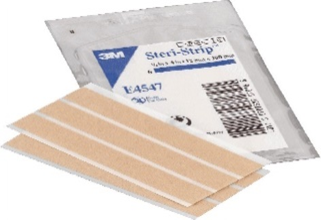
⬅️ شريط معقم أو شرائط معقمة.
⬅️ ضمادة شفافة شبه منفذة معقمة.
⬅️ عدة شاش مقاس 2 × 2 .
⬅️ منشفة معقمة .
⬅️ محلول كلورهيكسيدين 2% .
⬅️ زجاجة محلول ملحي عادي.
⬅️ هيبارين 100 وحدة/مل في حقنة 10 مل أو 10 وحدات/مل/كجم.
⬅️ إبرة غير مجوفة (إبرة هوبر) بطول وقياس مناسبين .
⬅️ أدوات الحماية الشخصية وتتمثل في ( قناع الوجه- قفازات نظيفة- قفازات معقمة- مناديل واقية للجلد - مناديل كحولية- مناديل مبللة باليود والبوفيدون.
⬅️ جهاز تثبيت وريدي.
⬅️ كوفرتة.
2- غسل اليدين.
3- إرتداء القفازات التي تستخدم لمرة واحدة.
4- إرتداء معدات الوقاية الشخصية .
5- تحضير البيئة حول المريض وتشمل (إغلاق الأبواب والنوافذ وسحب الستائر- توفيرمان الإضاءة الكافية -الحفاظ على السرير في وضع مريح مرتفع عند مستوى الخصر لضمان سلامة الجسم وضع كيس نفايات في مكان مناسب لاستخدامه أثناء الإجراء).
6- تحضير المريض ويشمل (التحقق من هوية المريض-شرح الإجراء وسبب رعاية القسطرة الوريدية ووضع المريض في وضع مريح يوفر سهولة الوصول إلى موقع القسطرة الوريدية.
7- الخطوات :-
⬅️ إدخال الإبرة:-
1- إستخدم بطانية لتغطية أي منطقة مكشوفة بخلاف مكان الإجراء.
2- إرتدِ قفازات نظيفة – تحسس وتقييم موقع الدخول- ملاحظة وجود أي شقوق جراحية قد تكون موجودة ,ثم يتم التخلص من القفازات والتخلص منها.
3- إرتداء قفازات معقمة وارتدِ معدات الوقاية الشخصية.
4- توصيل الغطاء الطرفي بأنبوب التمديد على الإبرة لإزالة الهواء من الأنبوب ويمنع إدخال الهواء عند توصيله بالمنفذ.
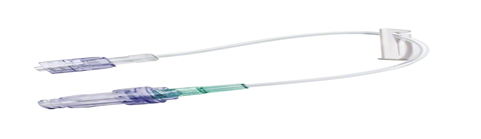
5- يتم تنظيف الغطاء الطرفي بمنديل كحول، ثم إدخال الحقنة بمحلول ملحي عادي في الغطاء الطرفي، ثم املأ أنبوب التمديد بمحلول ملحي عادي ووضع المشبك, ثم ضعه في مجال معقم.
6- بإستخدام مسحة الكلورهيكسيدين أو اليود البوفيدون، ينظف مكان الدخول لمدة 30 ثانية على الأقل باستخدم حركة دائرية للفرك لمواصلة التنظيف، مع تغطية مساحة لا تقل عن 2 إلى 3 بوصات ثم يترك ليجف.
7- بإستخدام اليد غير المهيمنة يتم تحديد مكان الدخول، مع الحفاظ على الجلد مشدودًا، يجب أن تكون الإبرة موجودة في منتصف مكان وإدخالها في الجزء الخلفي .
8- يتم لف أنبوب التمديد في راحة اليد ثم تمسك الإبرة بزاوية 90 درجة على الجلد، وأدخلها من خلال الجلد وملاحظة رجوع الدم للتاكد من الدخول فى المكان الصحيح قبل إعطاء الأدوية والمحاليل.
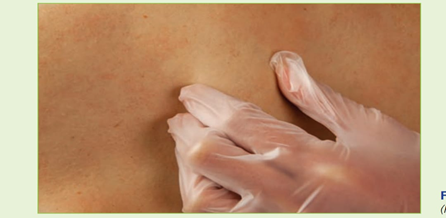
9- يتم سحب مكبس الحقنة للخلف لشفط بضعة ملليلترات فقط من الدم؛ لا يسمح للدم بدخول الحقنة ، إذا لم يتم إدخال الإبرة بشكل صحيح، فسوف يتسرب السائل إلى الأنسجة، مما يتسبب في تورم الأنسجة .
10- أدخل الحقنة بمحلول ملحي عادي ، افتح المشبك الموجود على أنبوب التمديد واغسله بـ 3 إلى 5 مل من المحلول الملحي مع ملاحظة وجود تسرب للسائل.
11- قم بإزالة الحقنة، ثم أدخل محقنة الهيبارين وقم بحقن المحلول لمدة دقيقة واحدة أو وفقًا لسياسة المستشفى.
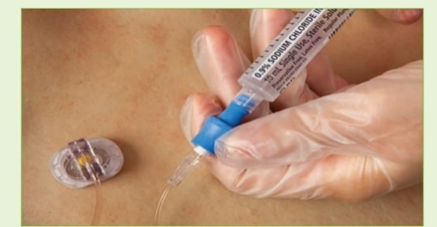
12- قم بإزالة الحقنة وتثبيت أنبوب التمديد
13- ضع ضمادة معقمة على الجلد، مع تجنب وضعه مباشرة على موقع إدخال الإبرة ثم اتركه حتى يجف.
14- ضع شريطًا أو شرائط معقمة بنمط يشبه النجمة فوق الإبرة لتأمينها.
15- ضع ضمادة شفافة على موضع الحقن أو جهاز تثبيت.
16- ضع ملصقًا على الضمادة يوضح التاريخ ووقت التغيير والأحرف الأولى من اسم الشخص الذي تم إعطاءه حقن سائل وريدي.
⬅️ إزالة الإبرة:-
1. غسل الايدى .
2. إرتدِاء القفازات.
3. تثبِّيت إبرة المنفذ باليد غير المهيمنة.
4. تنيظِّف الغطاء الطرفي لأنبوب التمديد ويتم إدخال الحقنة المملوءة بالمحلول الملحى ثم يتم فك مشبك أنبوب التمديد فيما لا يقل عن 10 مل من المحلول الملحي العادي .
5. إخراج الحقنة وإدخال حقنة مملوءة بحوالى 5 مل من الهيبارين (100 وحدة/مل ) أو وفقًا لسياسة المستشفى.
6. يتم إخراج الحقنة وتثبيت أنبوب التمديد .
7. يتم سحب الضمادة الشفافة برفق، بدءًا من الحواف وانتقالًا حول حافة الضمادة.
8. تثبيت مكان الدخول على كلا الجانبين بأصابع اليدغير المهيمنة.
9. يتم سحب الإبرة بقوة وسلاسة لأعلى بزاوية 90 درجة من الجلد لإزالتها .
10. يتم الضغط بلطف بواسطة الشاش المعقم على مكان الدخول ثم يتم وضع ضمادة لاصقة على مكان الدخول .
11. وضع المريض فى وضع مريح.
12. خلع القفازات.
13. غسل الأيدي.
14.التوثيق :- يتم تدوين مايلي (مكان دخول الإبرة – حجم الإبرة المستخدمة – وجود علامات وأعراض للعدوى – رد فعل المريض – إسم الدواء والجرعة المستخدمة ).- المراجع
External beam therapy (EBT). RadiologyInfo.org. https://www.radiologyinfo.org/en/info/ebt. Accessed Jan. 17, 2023.
Hall WA, et al. Magnetic resonance linear accelerator technology and adaptive radiation therapy: An overview for clinicians. CA A Cancer Journal for Clinicians. 2021; doi:10.3322/caac.21707.
Mitin T. Radiation therapy techniques in cancer treatment. https://www.uptodate.com/contents/search. Accessed Jan. 20, 2023.
Nguyen HT. Allscripts EPSi. Mayo Clinic. May 5, 2022.
Radiation therapy and you: Support for people with cancer. National Cancer Institute. https://www.cancer.gov/publications/patient-education/radiation-therapy-and-you. Accessed Jan. 17, 2023.
Radiation therapy. RadiologyInfo.org. https://www.radiologyinfo.org/en/info/intro_onco. Accessed Jan. 20, 2023.
Tepper JE, et al., eds. Intensity-modulated and image-guided radiotherapy. In: Gunderson & Tepper's Clinical Radiation Oncology. 5th ed. Elsevier; 2021. https://www.clinicalkey.com. Accessed Sept. 26, 2022.
What to expect during treatment. American Society for Radiation Oncology. https://www.rtanswers.org/What-is-Radiation-Therapy/What-to-Expect/During-Treatment. Accessed Jan. 20, 2023.