التثقيف الصحي لمرضى الأورام وذويهم
| الموقع: | EHC | Egyptian Health Council |
| المقرر الدراسي: | دلائل الاجراءات التمريضية لقسم الأورام |
| كتاب: | التثقيف الصحي لمرضى الأورام وذويهم |
| طبع بواسطة: | Guest user |
| التاريخ: | الأحد، 20 سبتمبر 2026، 5:06 PM |
الوصف
"last update: 6 May 2025" تحميل الدليل
- اعداد
دليل الأورام
تحت اشراف
- أ.د/ محمد لطيف الرئيس التنفيذي للمجلس الصحي المصري - د/ كوثر محمود نقيب عام التمريض المصري – عضو مجلس الشيوخ
تحت اشراف
- أ.د / حسين خالد وزير التعليم العالي الأسبق
اعداد
م | الاسم | الوظيفة |
1 | أ.د /امل احمد خليل مرسي | نائب رئيس الجامعة لشئون التعليم والطلاب – جامعة بورسعيد |
2 | أ.د / عفاف عبد العزيز عبد العزيز بصل | عميد كلية التمريض –استاذ تمريض باطنه وجراحي جامعة طنطا |
3 | أ.د /زينب حسين على محمد سعد | وكيل الكلية لشئون البيئة وخدمة المجتمع – كلية التمريض – جامعه حلوان |
4 | أ.د/ امل سعيد طه رفاعي | أستاذ ورئيس قسم التمريض الباطني الجراحي – جامعة بنها |
5 | أ.د /حنان احمد السباعي على | استاذ التمريض التمريض الباطني الجراحي- كلية التمريض – جامعة القاهرة |
6 | د/ نيفين عبدربه النبي محمد عبد النبي | رئيس الإدارة المركزية ندباَ –وزاره الصحة |
7 | د /مايسه حسني احمد تمام | مدير عام للإدارة ندباَ – وزاره الصحة |
8 | د/ نانسي علاء الدين عبد الباسط على | المشرف على التعليم الفني- الهيئة العامة للرعاية الصحية |
9 | د /شيرين محمد محمد سعدالدين | المشرف على تطوير الخدمات التمريضية –الهيئة العامة للرعاية الصحية |
10 | د/ مي محمود العسال | مدير عام الإدارة العامة لشئون المعاهد الفنية الصحية |
11 | أ.م.د/ هبة محمود محمد | أستاذ مساعد تمريض صحة الام وحديثي الولادة –كلية التمريض - جامعة عين شمس |
- مقدمة
إن تشخيص الإصابة بالسرطان أمرًا عصيبًا، ليس فقط بالنسبة للمريض، ولكن أيضًا بالنسبة إلى عائلته وأحبائه. فعندما يسمع الأشخاص لأول مرة أنهم مصابون بالسرطان، غالبًا ما يشعرون بالقهر ولا يعرفون ماذا يفعلون. حتى بعد مرور الوقت قد يكون من الصعب مراعاة جميع المعلومات والمتطلبات الجديدة المرتبطة بتشخيص السرطان وخطة العلاج. ويجب تقديم الدعم طوال رحلة التشخيص والعلاج وما بعدها من خلال الإجابة عن أي أسئلة قد تكون لدى المريض. قد يشمل ذلك نوع السرطان ومرحلته، أو تعريفه بخيارات العلاج المتاحة، وإبلاغه بالموارد المالية الأساسية التي قد يحتاجها، أو مساعدته في العثور على وسائل النقل والسكن لضمان حصوله على العلاج.
تحتل أنشطة وخدمات التثقيف والدعم والتوعية للجمهور والمرضى مكانة محورية في مجال رعاية المرضى وخاصة ذوي الأمراض المزمنة والذين يعانون من الأورام. ومن خلال هذه الأنشطة فإن المتخصصين من جميع مجالات الصحية يتبادلون المعرفة ويتعاونون معًا لصالح المريض.
- تثقيف مرضى الأورام
يجب تلبية الإحتياجات التثقيفية لمرضى الأورام وذويهم والتي تشمل الوقاية والمخاطر والعلاج والبقاء على قيد الحياة والرعاية في نهاية العمر حيث أن التثقيف الصحي يمثل حلقة الوصل بين الأبحاث والجهود المبذولة في رعاية المرضى. ويقوم أفراد هيئة التمريض بدور إرشادي مما يساعد المرضى وعائلاتهم. ويتضمن دورهم تقييم الإحتياجات وتلبيتها، مع مراعاة الدعم المستقبلي أو المستمر. وهناك خطة مستقبلية قريبة الأجل للتواصل مع المرضى بالطريقة التي تناسبه، كالتواصل شخصيًا، أو عبر الهاتف، أو البريد الإلكتروني.
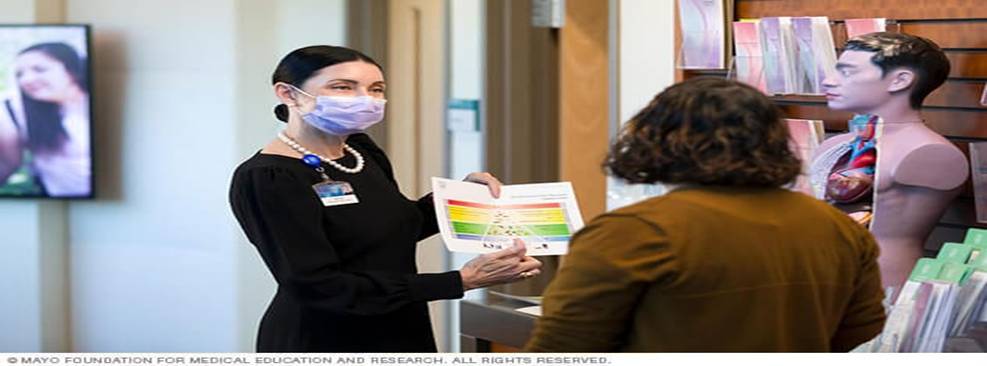
يساور مرضى السرطان، سواء مَن شُخصت إصابتهم حديثًا أم من يعيشون بمرض مزمن، الكثير من التساؤلات مثل:
o ماهو السرطان
o نوع السرطان الذي أصيبوا به على وجه الخصوص.
o أسبابه
o العلاجات المحتملة.
o كيفية التأقلم مع السرطان.
o النجاة من المرض.
- نظرة عامة عن السرطان
يعرف السرطان على أنَّه نموٌّ غير طبيعي للخلايا، إذ تتمثَّل الخلايا السرطانيَّة بالشكل غير الطبيعي والاضطراب الوظيفي، والنموِّ السريع مقارنة بالخلايا الطبيعيَّة في الجسم، كما يمكن لهذه الخلايا الإنتقال إلى أجزاء أخرى من الجسم، بمعنى أن السرطان يحدث عندما يفقد الجسم سيطرته على نمو الخلايا، فما السرطان إلّا نموٌّ غير منضبطٍ للخلايا غير الطبيعيّة في الجسم؛ حيثُ تُشكّل الخلايا القديمةُ خلايا جديدةً غير طبيعيّةٍ، ويعدُّ هذا أمرًا مخالفًا لطبيعة ضبط نمو الخلايا التي تقتضي موت الخلايا القديمة، ونتيجةً لذلك فإنّ الخلايا غير الطبيعيّة الزائدة تتجمّع مشكلةً كتلةً من الأنسجة لا يستطيع الجسم التحكُّم في معدَّلات انقسامها ونموِّها تُعرف بالورم، ومن الجدير ذكره أنّ السرطان لا يرتبط بتشكّل الورم بشكلٍ دائم، فقد يتطوّر السرطان دون تشكّل أيّ ورم، كما يحدث في حالات سرطان الدم.
وتنقسم الأورام إلى أورام خبيثة أو سرطانيَّة وأورام حميدة وتتَّصف الأورام الخبيثة بسرعة نموِّها، وقدرتها على الإنتشار إلى أنحاء مختلفة من الجسم، والإنتقال إلى الأنسجة المجاورة للورم وتدميرها، بينما ينحصر نموُّ الأورام الحميدة في منطقة محدَّدة من الجسم، وضمن معدَّل نموٍّ منخفض.
السرطانة اللابدة: على الرغم من أنَّ مصطلح السرطانة اللابدة (Carcinoma in situ) يبدو وكأنَّه يُعبِّر عن أحد أنواع السرطان إلا أنَّ هذا النوع من اضطراب الخلايا لا يُعدُّ من أنواع السرطان على الرغم من خطورته الشديدة، إذ لا تمتلك هذه الخلايا القدرة على الانتقال إلى الأنسجة المجاورة ولكن في بعض الحالات قد تتطوَّر إلى خلايا سرطانيَّة، لذلك يتم علاج معظم حالات السرطانة اللابدة لمنع تطوُّرها.
- أسباب حدوث السرطان
لا يمكن تحديد مُسبِّب رئيسي للإصابة بمرض السرطان وإنَّما توجد عدَّة عوامل مختلفة قد تُسبِّب الإصابة بالسرطان، مثل العوامل البيئيَّة والوراثيَّة، والصفات الفريدة للشخص، أما بالنسبة لآليَّة تحوُّل الخليَّة إلى خليَّة سرطانيَّة فيعتقد العلماء أنَّ هذا التحوُّل يحدث نتيجة حدوث عدَّة طفرات جينيَّة في المادة الوراثيَّة للخليَّة، خصوصاً الطفرات التي تؤثِّر في الجزء المسئول عن توجيه الخليَّة للنموِّ والإنقسام، فإن أي خطأ في التعليمات التي توقف الخلية عن أداء وظيفتها الطبيعيَّة قد يسمح للخليَّة بالتحوُّل إلى خليَّة سرطانيَّة، وتوجد العديد من الأسباب المختلفة التي قد تؤدِّي إلى حدوث هذه الطفرات، ويمكن تقسيم الطفرات الجينيَّة إلى طفرات تحدث قبل الولادة تتم وراثتها من الوالدين وتكون مسئولة عن نسبة بسيطة فقط من حالات الإصابة بمرض السرطان، وطفرات جينيَّة مكتسبة تحدث بعد الولادة وتكون مسئولة عن نسبة أكبر من حالات الإصابة بمرض السرطان.
وقد تحدث هذه الطفرات لأسباب عديدة مثل التعرُّض لبعض العناصر الكيميائيَّة، والأشعّة، والفيروسات، والتدخين، وإتباع نمط/أسلوب حياة غير صحِّي لا تتم فيه ممارسة التمارين الرياضيَّة، ومعاناة الشخص من السُّمنة، بالإضافة إلى بعض الاضطرابات الهرمونيَّة والإلتهابات المزمنة، وجدير بالذكر أنَّ خلايا الجسم المختلفة تمتلك آليَّة دفاعيَّة تحميها من هذه الطفرات والإضطرابات التي تصيب المادة الوراثيَّة، إلا أنَّه في بعض الحالات النادرة قد لا تتنبَّه الخلايا إلى هذه الإضطرابات مما يؤدِّي إلى تحوُّلها إلى خلايا سرطانيَّة،ومن الجدير بالذكر أنَّ الخليَّة لا تتحوَّل في العادة إلى خليَّة سرطانيَّة إلا عند إصابتها بعدَّة طفرات جينيَّة، ولم يتمكَّن العلماء من تحديد عدد هذه الطفرات الجينيَّة حتى الآن، ويُعتقد أنَّ عدد الطفرات التي تُسبِّب السرطان تعتمد على نوع السرطان، وعلى الرغم من أنَّ بعض الطفرات الموروثة قد تزيد من خطر الإصابة بالسرطان إلا أنَّ هذه الطفرات لا تعني بالضرورة إصابة الشخص بالسرطان، وإنَّما قد يحتاج هذا الشخص في هذه الحالة إلى عدد أقل من الطفرات الجينيَّة المكتسبة لتحوُّل الخليَّة إلى خليَّة سرطانيَّة.
- عوامل خطر الإصابة بمرض السرطان
توجد العديد من عوامل الخطر التي قد تزيد من فرصة الإصابة بمرض السرطان، ويمكن تعريف عوامل الخطر على أنَّها أيٌّ من الأسباب التي تزيد من فرصة إصابة الشخص بأحد الأمراض على الرغم من عدم تسبُّبها بالمرض بشكلٍ مباشر، وإنَّما قد تؤدِّي إلى إنخفاض قدرة الجسم على مقاومة المرض، ومن عوامل الخطورة التي قد تزيد من فرصة الإصابة بمرض السرطان ما يلي:
1. أنماط الحياة: يؤدِّي إتباع نمط حياة غير صحِّي إلى إرتفاع خطر الإصابة ببعض أنواع مرض السرطان، مثل تناول الأطعمة الغنيَّة بالدهون، والتدخين، والعمل ضمن بيئة تؤدِّي إلى التعرُّض لبعض المواد الكيميائيَّة السامَّة، لكن هذا النوع من عوامل الخطورة لا يلعب دوراً كبيراً في إصابة الأطفال بمرض السرطان بسبب عدم تعرُّضهم لهذه الأنماط غير الصحِّية لفترة طويلة، وإنَّما يكون لهذه العوامل تأثير أكبر في الأشخاص البالغين.
2. التاريخ العائلي الصحِّي: قد يلعب هذا العامل دوراً مهماً في إصابة الأطفال بالسرطان، فكما تم ذكره سابقاً فإنَّ وراثة بعض الطفرات الجينيَّة تؤدِّي إلى إرتفاع خطر الإصابة ببعض أنواع السرطان، كما قد تلعب بعض الظروف العائليَّة غير المعروفة دوراً في إصابة أكثر من شخص من نفس العائلة بمرض السرطان، مثل التعرُّض لنفس الكميَّة من بعض المواد الكميائيَّة نظراً للعيش في نفس البيت أو البيئة المحيطة.
3. الأمراض الوراثيَّة: تؤثِّر بعض الأمراض الوراثيَّة في الجهاز المناعي ونخاع العظم مثل متلازمة فيسكوت ألدريت (Wiskott-Aldrich syndrome)، مما قد يؤدِّي إلى إضطراب قدرة الجهاز المناعي على مقاومة السرطان، وإضطراب الخلايا الجذعيَّة في نخاع العظم، وبالتالي إنقسامها إلى خلايا مشوَّهة أو خلايا سرطانيَّة في بعض الحالات، وقد يكون هذا الإضطراب في الخلايا الجذعيَّة ناجماً عن التعرُّض لبعض المواد السامَّة، أو بعض أنواع الفيروسات، أو بسبب وجود بعض الطفرات الجينيَّة.
4. بعض أنواع الفيروسات: قد تؤدِّي الإصابة ببعض أنواع الفيروسات إلى إرتفاع خطر الإصابة بمرض السرطان خصوصاً في مرحلة الطفولة نتيجة تسبُّبها ببعض الاضطرابات في الخليَّة والتي تتكرَّر مع إنقسامها، ومن أنواع السرطان التي قد تحدث نتيجة الإصابة ببعض الفيروسات لِمفومة هودجكين (Hodgkin lymphoma) وسرطان اللمفوما اللاهودجكينيَّة (Non-Hodgkin Lymphoma)، ومن الفيروسات التي قد تزيد من خطر الإصابة بمرض السرطان فيروس إبشتاين بار (Epstein–Barr virus)، وفيروس العوز المناعي البشري (Human Immunodeficiency Virus) المسبِّب لمرض الإيدز .(AIDS).
5. العوامل البيئيَّة: يرتفع خطر الإصابة بمرض السرطان عند التعرُّض المتكرِّر لبعض أنواع الأسمدة والمبيدات الحشريَّة، كما قد أظهرت بعض الإحصائيَّات ارتفاع أعداد الإصابة ببعض أنواع السرطان في مناطق محدَّدة لأسباب مجهولة على الرغم من عدم وجود صلة قرابة بين الأشخاص أو الأطفال المصابين، وهو ما قد يعود للعوامل البيئيَّة المشتركة بين هذه الحالات.
6. العلاج الإشعاعي والكيميائي: قد يؤدِّي التعرُّض السابق لجرعات عالية من العلاج الإشعاعي أو العلاج الكيميائي لعلاج بعض أنواع الأورام إلى ارتفاع خطر الإصابة بأنواع ثانويَّة من الأورام أو السرطان في مراحل لاحقة من حياة الشخص، بسبب إمكانيَّة تسبُّب هذا النوع من العلاج بحدوث إضطرابات في الجهاز المناعي، أو بعض الخلايا في الجسم.
- طرق إنتشار السرطان
تحتاج الخلايا السرطانيَّة لتتمكَّن من الإنتشار إلى الأنسجة المجاورة أو مناطق أخرى من الجسم إلى ‘متلاك القدرة على تخطِّي الحواجز الداخليَّة في الجسم، ولا تمتلك الخلايا السرطانيَّة هذه القدرة في المراحل الأولى من الإصابة بالسرطان، إذ تتشكَّل الأورام الحميدة في بداية السرطان، ومع تقدُّم الإصابة وتحوُّلها إلى ورم خبيث قد تمتلك الخلايا السرطانيَّة القدرة على إنتاج إنزيمات البروتياز التي تمكِّنها من اختراق النسيج خارج الخليَّة، وحدود الأنسجة المحيطة، والروابط بين الخلايا السليمة المحيطة، مما يساعد على إنتشار الخلايا السرطانيَّة في الأنسجة المجاورة، ومع وصول مرض السرطان إلى المراحل المتقدِّمة قد تمتلك بعض الخلايا السرطانيَّة القدرة على إجتياز حواجز الجسم المختلفة مثل الأوعية الدمويَّة، والأوعية اللمفاويَّة، مما يؤدِّي إلى إنتقال الخلايا السرطانيَّة إلى مناطق وأعضاء أخرى من الجسم، وتعرف هذه الحالة بالإنبثاث أو هجرة الخلايا السرطانيَّة (Metastasis).
- أنواع مرض السرطان
يمكن تقسيم مرض السرطان إلى نوعين رئيسيَّين، وهما أمراض السرطان التي تصيب الدم والأنسجة المنتجة للدم بنوعيها اللوكيميا (Leukemia)واللمفوما أو سرطان الغدد اللمفاويَّة (Lymphoma)، وأمراض السرطان الصلبة التي تصيب أنسجة الجسم المختلفة الأخرى، وتنقسم إلى السرطانة (Carcinoma) والورم العضلي الخبيث أو الساركوما (Sarcoma).
تنشأ خلايا اللمفوما السرطانيَّة ضمن العقد اللمفاويَّة (Lymph nodes) وتُسبِّب ظهور كتل كبيرة من الأورام في مناطق إنتشار العقد اللمفاويَّة، مثل الصدر والإبط والبطن وأعلى الفخذ، أما بالنسبة لسرطان إبيضاض الدم أو اللوكيميا فينشأ من الخلايا المسئولة عن إنتاج الدم في نخاع العظام، مما يؤثِّر في قدرته على إنتاج خلايا الدم الطبيعيَّة.
السرطانة: يصيب هذا النوع من السرطان كبار السنِّ بنسبة أعلى من فئة الشباب، وينشأ ضمن الخلايا المبطِّنة للأعضاء الداخليَّة والرئتين والجهاز الهضمي والجلد، لذلك تندرج ضمن هذا النوع العديد من أنواع السرطان المختلفة مثل سرطان الغدَّة الدرقيَّة (Thyroid gland) ، والبروستاتا (Prostate)، والقولون، والثدي، والجلد، والرئتين.
الساركوما: على العكس من السرطانة فإنَّ هذا النوع من السرطان يكون أكثر شيوعاً لدى الأشخاص الأصغر سنّاً مقارنة بكبار السنِّ، وينشأ هذا النوع من السرطان ضمن خلايا الأديم الأوسط ، وهي أحد أنواع الخلايا التي تدخل في تكوين النسيج الضامِّ والعضلات، والعظام، والأوعية الدمويَّة، ومن الأمثلة على هذا النوع من السرطان الورم الغرني العظمي أو الساركوما العظميَّة والساركوما العضليَّة الملساء ؛ وهو السرطان الذي ينشأ ضمن العضلات الملساء للمعدة- أعراض مرض السرطان
تظهر أعراض الإصابة بأحد أنواع مرض السرطان عادة عند بدء تأثير السرطان في أحد وظائف الجسم المختلفة، لذلك قد تختلف أعراض مرض السرطان بحسب مكان نشأته، كما تجدر الإشارة إلى أنَّ الأعراض التي قد تظهر عند الإصابة بمرض السرطان لا تعني بالضرورة الإصابة بالسرطان فقد تظهر نتيجة الإصابة ببعض المشاكل الصحِّية الأخرى، وفي ما يأتي بيان لبعض الأعراض التي قد تصاحب الإصابة بمرض السرطان:
1. ظهور كتلة غير طبيعيَّة في منطقة الإبط أو الرقبة، أو أيٍّ من مناطق الجسم المختلفة.
2. ملاحظة حدوث تغيُّرات في الثدي، مثل تغيُّر الشكل، واللون، والشعور بالألم، وخروج بعض الإفرازات من حلمة الثدي، وتغيُّر شكلها الطبيعي، أو زيادة سماكة منطقة محدَّدة في الثدي أو تجعُّدها.
3. فقدان الوزن غير المبرَّر.
4. ظهور الإفرازات المهبليَّة، أو المعاناة من نزيف مهبلي غير طبيعي.
5. ظهور التقرُّحات التي لا تمتثل للشفاء. المعاناة من النفخة المزمنة.
6. الشعور بعدم تفريغ الأمعاء بشكل تام بعد الانتهاء من التبرُّز. الإسهال أو الإمساك المزمن مجهول السبب. ألم الشرج أو البطن مجهول السبب. ملاحظة إضطراب عمليَّة التبرُّز لمدَّة تزيد عن أسبوعين، وملاحظة خروج دم مع البول أو البراز.
7. بحَّة الصوت أو السعال المزمن، أو خروج دم مع السعال.
8. ظهور شامات جلديَّة جديدة أو بقع جلديَّة، أو تغيُّر في حجم الشامات الجلديَّة القديمة وشكلها ولونها، أو ملاحظة نزيفها.
- تشخيص مرض السرطان
تُشخَّص أو تُكتشف معظم حالات الإصابة بمرض السرطان بعد ظهور أعراض المرض أو بعد ظهور كتلة ورميَّة، وفي الحقيقة فإنَّ للكشف المبكِّر للسرطان دوراً كبيراً في زيادة فرص الشفاء من المرض، ويمكن الكشف المبكِّر عن بعض أنواع مرض السرطان من خلال إجراء الفحص الذاتي الدوري، مثل سرطان الثدي والفم والخصيتين والجلد والشرج، كما قد يتم الكشف عن الإصابة بمرض السرطان في بعض الحالات بشكل غير معتمد أثناء تشخيص أو علاج إحدى المشاكل الصحِّية الأخرى لكن ذلك في حالات قليلة.
وتوجد العديد من الإختبارات التشخيصيَّة التي تساعد على الكشف عن الإصابة بمرض السرطان، بالإضافة إلى الإختبارات التي يتم إجراؤها بعد الكشف عن الإصابة والتي تساعد على تحديد مرحلة السرطان ومدى إنتشاره، والعلاج المناسب ونسبة الشفاء المتوقَّعة، وفي ما يأتي بيان لبعض الاختبارات التشخيصيَّة المتَّبعة للكشف عن الإصابة بمرض السرطان:
1. الفحص السريري: يجري الطبيب فحصاً سريريّاً شاملاً للكشف عن وجود تغيُّرات جلديَّة أو كتل وأورام، أو إنتفاخات غير طبيعيَّة في الجسم.
2. التحاليل المعمليّة: تساعد تحاليل الدم والبول على الكشف عن وجود إضطرابات ناجمة عن الإصابة بمرض السرطان.
3. الإختبارات التصويريَّة: توجد عدَّة أنواع مختلفة من الاختبارات التصويريَّة التي قد تستخدم للكشف عن مرض السرطان، والتي تساعد على الحصول على صورة دقيقة لأجزاء الجسم الداخليَّة، مثل التصوير بالأشعَّة السينيَّة، والموجات فوق الصوتيَّة، والتصوير الطبقي المحوري والرنين المغناطيسي، والتصوير المقطعي بالإصدار البوزيتروني واختصاراً (PET)
4. الخزعة/ العينة: تُعدُّ الخزعة (Biopsy) أدقَّ الطرق التي يتم من خلالها الكشف عن الإصابة بمرض السرطان، إذ يأخذ الطبيب عيِّنة من النسيج أو الورم السرطاني ويحللها مخبريّاً، وتعتمد طريقة الحصول على هذه العيِّنة على نوع السرطان وموقعه.
- علاج مرض السرطان
يهدف علاج مرض السرطان إلى إزالة أو تدمير الخلايا السرطانيَّة من خلال العلاج الدوائي أو طرق العلاج الأخرى، ويعتمد تحديد العلاج المناسب على عدَّة عوامل مختلفة مثل موقع الورم، وقدرة الشخص المصاب على تحمُّل العلاج، ومرحلة السرطان ومدى إنتشاره في الجسم، وفي ما يأتي بيان بعض أنواع العلاجات المتَّبعة في علاج مرض السرطان:
1. الجراحة: تُعدُّ الجراحة إحدى طرق علاج السرطان الرئيسيَّة والفعَّالة ضدَّ العديد من أنواع السرطان المختلفة، وهي أقدم طرق العلاج والتي يتم اتِّباعها إلى الآن، ويعتمد اختيار اللجوء إلى العلاج الجراحي للتخلُّص من السرطان على عدد من العوامل المختلفة مثل الصحَّة العامَّة للشخص المصاب، ونوع السرطان، وحجم الورم وإنتقاله إلى أجزاء أخرى من الجسم، ومكان الإصابة، وقد يكون العلاج الجراحي كافياً للقضاء على مرض السرطان في بعض الحالات، أو قد يتم إتباع طرق علاجيَّة أخرى بالتزامن مع الجراحة، وفي الحقيقة فإنَّ الكشف المبكِّر للإصابة بالسرطان يساهم في نجاح العمل الجراحي بسبب إحتواء السرطان في مكان محدَّد من الجسم في مراحله الأولى في الغالب.
2. العلاج الكيميائي: يمكن تعريف العلاج الكيميائي أو الكيماوي كإحدى طرق علاج السرطان من خلال إستخدام بعض الأدوية السامَّة للخلايا (Cytotoxics)، والتي تساعد على القضاء على الخلايا السرطانيَّة أو الحدِّ من قدرتها على النموِّ والانتشار، ويُعدُّ العلاج الكيميائي علاجاً جهازيّاً بسبب إنتقاله عبر الدم وإستهدافه لجميع الخلايا سريعة الإنقسام والنموِّ في الجسم، وفي بعض الحالات قد يتم إيصال الدواء إلى الورم السرطاني بشكل مباشر ويُعدُّ العلاج موضعيّاً في هذه الحالة، وتختلف طريقة إيصال أدوية العلاج الكيميائي ومدَّة العلاج، والمدَّة بين جرعات العلاج بحسب حالة الشخص المصاب ونوع الدواء المستخدم، فقد يتم الحصول على جرعة واحدة في اليوم، أو جرعة كلَّ عدَّة أسابيع، كما قد يتم إعطاء الشخص المصاب فترات من الراحة بين جرعات الدواء، وفي الغالب يتم الحصول على جرعة العلاج الكيميائي داخل المستشفى، إلا أنَّ بعض أنواع العلاج يمكن الحصول عليها في المنزل، كما تتوفَّر أدوية العلاج الكيميائي بأشكال مختلفة مثل الحبوب الفمويَّة، والكبسولات، والأدوية السائلة، والحُقن الوريديَّة، والأدوية الموضعيَّة.
3. العلاج الإشعاعي: يُعرَّف العلاج الإشعاعي (Radiation therapy) بإستخدام الإشعاع عالي الطاقة لإستهداف وتدمير المادة الوراثيَّة للخلايا السرطانيَّة لتثبيط قدرتها على الإنقسام والنموِّ، وهو أحد أكثر أنواع العلاجات المستخدمة فاعليَّة في القضاء على السرطان بعد العمل الجراحي بناءً على حالة الشخص المصاب، وقد يتم إستخدام العلاج الإشعاعي في المراحل الأولى من المرض أو في المراحل المتقدِّمة التي يتنشر فيها الورم إلى مناطق أخرى من الجسم.
4. العلاج الموجه: (Targeted therapy) وهو عبارة عن أدوية تستهدف مناطق محدَّدة ودقيقة في الخلايا السرطانيَّة أو أحد العوامل التي تساهم في نموِّها، فقد تستهدف بروتينات أو جينات محدَّدة ضمن الخلايا السرطانيَّة، أو ضمن الخلايا التي تساهم في نموِّها وانتشارها مثل خلايا الأوعية الدمويَّة المغذِّية للأورام السرطانيَّة.
5. العلاج المناعي: يعتبر العلاج المناعي( Immunotherapy) شكلاً من أشكال علاج السرطان الذي يهدف إلى تعزيز مناعة الجسم للقضاء على الخلايا السرطانيَّة أو الوقاية من تشكُّلها أو السيطرة عليها، ويتم ذلك من خلال تنبيه الجهاز المناعي على وجود الخلايا السرطانيَّة، أو تدعيم المناعة وتزويد الجهاز المناعي ببعض العناصر التي ترفع من قدرته الدفاعيَّة.
6. زراعة الخلايا الجذعيَّة: يعتمد العلاج بزراعة الخلايا الجذعيَّة (Stem cell transplants) على زراعة دم الحبل السرِّي، أو زراعة نقي العظام للشخص المصاب للمساعدة على القضاء على مرض السرطان، وغالباً ما يتم اتباع هذا النوع من العلاج في علاج أمراض السرطان التي تصيب الدم، أو الجهاز المناعي مثل اللمفوما، واللوكيميا، والورم النقوي المتعدِّد (Multiple myeloma)، كما يشمل هذا النوع من العلاج إزالة الخلايا المتأثِّرة بالعلاج الكيميائي والإشعاعي ثم علاجها مخبريّاً وإعادة زراعتها في الجسم.
7. العلاج الهرموني: يمكن تعريف العلاج الهرموني (Hormonal therapy) للسرطان بالعلاج الذي يتخلَّص من بعض أنواع الهرمونات أو تثبيطها، أو الحصول عليها للمساعدة على تخفيف سرعة نموِّ الأورام السرطانيَّة أو الحدِّ منها، ومثل أنواع علاجات السرطان الأخرى قد يتم إستخدام العلاج الهرموني بشكل مفرد لعلاج السرطان، أو قد يتم إستخدامه مع أنواع أخرى من العلاج، وقد يتم إستخدامه لزيادة كفاءة بعض أنواع العلاج أيضاً مثل الوقاية من عودة نشاط وإنتشار السرطان، أو تقليص حجم الورم قبل إستخدام طرق علاجيَّة أخرى.
- نصائح للمصابين بالسرطان
يؤثر الإصابة بالسرطان على عدّة جوانب من حياة المُصاب اليومية، يتوقف ذلك على طبيعة العلاج الذي سوف يتلقاه المريض، والمرحلة التي وصل إليها المرض، وبمعنى أدق يصاحب تشخيص وعلاج مرض السرطان العديد من التغيُّرات على الصعيد النفسي والجسدي، فمن الجانب الجسدي قد يعاني الشخص المصاب من تساقط الشعر، والألم، وتغيُّرات في الوزن، والإنتفاخ، والتعب والإعياء، وإضطرابات الأكل، وفقدان السيطرة على عمليَّة التبوُّل أو التبرُّز، وظهور الندبات، أو إزالة أحد أعضاء الجسم، وتؤثِّر هذه التغيُّرات أيضاً على الجانب النفسي للشخص المصاب بسبب تذكيره المستمرِّ بالمرض، فبالنسبة للجانب النفسي يعاني الشخص المصاب من مجموعة كبيرة من المشاعر والتغيُّرات، فقد يعاني من العزلة الاجتماعيَّة، والقلق النفسي والإكتئاب، وإنخفاض الثقة بالنفس.
وتختلف طرق التأقلم المناسبة مع هذه التغيُّرات من شخص إلى آخر، وتعتمد على عدَّة عوامل مختلفة مثل التجارب السابقة، وحالة الفرد وشخصيَّته، وبالرغم من فاعلية هذه الطرق في السابق للتخفيف من الضغط النفسي، إلا أنَّ هذه الطرق قد لا تكون كافية في حالة الإصابة بالسرطان، لذلك من الضروري أن يطلب المريض العون من الأشخاص الآخرين والمختصين، وأصحاب الخبرات السابقة للإصابة بالمرض، وذلك للحصول على نصائح حول الطرق المناسبة للتأقلم مع المرض، ويتم الحصول على أفضل النتائج عند إتباع عدَّة طرق والتوفيق فيما بينها. وفيما يلي بيان لبعض النصائح التي يمكن تقديمها للأشخاص المصابين بمرض السرطان:
◀️ إعطاء معلومات عن طبيعة المرض: يساعد الحصول على معلومات حول المرض والتشخيص وطرق العلاج على وضوح الأمر لدى المريض حول ما يمكن توقُّعه في المستقبل، والذي بدوره قد يساعد المريض على الشعور بالسيطرة والأمان.
◀️ تنظيم المعرفة حول المرض: بعد تشخيص الإصابة بالمرض يبدأ الشخص المصاب بإستقبال كمٍّ هائل من المعلومات المختلفة حول حالته الصحيَّة وطبيعة المرض، سواءً من مقدمي الرعاية الصحِّية أو من العائلة والأصدقاء، مما قد يؤدِّي إلى إرتباك وتشتُّت المريض، لذلك يُنصح بتقديم المعلومات الضروريَّة فقط للمريض في هذه المرحلة للمساعدة على التعامل مع هذا الكمِّ من المعلومات وتقبُّلها بشكل تدريجي.
◀️ البحث عن المعلومات من المصادر الموثوقة فقط: يجب الحرص على الحصول على المعلومات المتعلِّقة بمرض السرطان من الأشخاص المتخصِّصين فقط، أو من المواقع ذات المصادر الموثوقة لتجنُّب الحصول على المعلومات العشوائيَّة غير الدقيقة.
◀️ عدم الإحراج من السؤال: في حال وجود بعض الأسئلة التي لم يتمكَّن المريض من إيجاد أجوبة مناسبة لها يجب عدم التردُّد بسؤال الفريق الطبِّي المتخصِّص في علاج حالته المرضيَّة، ويساعد على ذلك ترتيب الأسئلة بحسب الأهميَّة على ورقة لتقديمها في الموقت المناسب للفريق الطبِّي.
◀️ مشاركة الآخرين: يمكن مشاركة المعلومات الجديدة التي يحصل عليها الشخص المصاب حول المرض مع الأشخاص المقرَّبين للمساعدة على فهم هذه المعلومات وإتخاذ القرار المناسب حول الفعل المناسب في هذه المرحلة من المرض.
◀️ تسجيل وتوثيق المعلومات المهمَّة: يمكن إتخاذ دفتر ملاحظات أو مذكرات، أو إستخدام أحد تطبيقات الجوال لتسجيل المعلومات المهمَّة مثل الآثار الجانبيَّة التي يتعرَّض لها الشخص، والأسئلة والمعلومات المجهولة، ومواعيد زيارة الطبيب، وهذه المعلومات لها أهميَّة أيضاً في المستقبل في العلاج، والمتابعة وفي حال مراجعة المريض لعدد من الأطبَّاء المختلفين.
◀️ المحافظة على النشاط البدني: يساعد إجراء التمارين الرياضيَّة على إفراز هرمون الإندورفين والذي بدوره يحسِّن المزاج، ويمكن الإكتفاء بتمارين بسيطة مثل المشي، كما يمكن إجراء التمارين الرياضيَّة الخفيفة في المنزل في حال عدم الرغبة بالخروج إلى الشارع أو إلى النادي الرياضي بسبب التغيُّرات الجسديَّة الظاهرة والناجمة عن علاج مرض السرطان.
◀️ ممارسة تمارين الإسترخاء: يُنصح بإجراء تمارين الإسترخاء المختلفة مثل المسَّاج أو التدليك، والتنفُّس البطيء، وما يعرف بالتصور الموجَّه.
◀️ إستشارة الطبيب حول كيفيَّة التخفيف من آثار العلاج الجانبيَّة، مثل تأثيرها في الجلد وكيفيَّة التخفيف من الألم، والتعامل مع الأطراف الاصطناعية خلال فترة العلاج في حال استخدامها.
◀️ إتباع نمط حياة صحِّي: يجب الحصول على الراحة الكافية، وإتباع نظام غذائي صحِّي ومتنوِّع للمساعدة على المحافظة على الطاقة والنشاط، والتخفيف من التعب والإعياء الناجم عن علاج السرطان.
◀️ طلب المساعدة من العائلة والأصدقاء: يجب التأكيد على المريض طلب المساعدة من العائلة والأصدقاء في الأعمال المنزليَّة أو أي مهام أخرى بدلاً عنه، كما يجب عدم رفض المساعدة المقدَّمة من هؤلاء الأشخاص وإنَّما على العكس من ذلك يجب تقديم الشكر إليهم لتشجيعهم على تقديم المساعدة من الآخرين مما يخفف من الضغط الجسدي والنفسي الذي يتعرَّض له المرضى وذويهم خلال هذه الفترة.
◀️ إعادة ترتيب الأهداف والأولويَّات: ينصح المريض بالتركيز خلال هذه المرحلة على الأهداف المهمَّة في الحياة، وممارسة الأنشطة الأهم في حياته والتي تشعره بتقديم شيء إيجابي في حياته، كما يجب التخفيف من التوتُّر والضغط النفسي الحاصل لدى الأشخاص المقرَّبين من المريض.
هناك عدد من النّصائح العامّة التي يجب على المريض إتباعها بالإضافة إلى ما سبق، نذكر منها ما يلي:
[1] تحقيق الوزن المثالي وتجنّب حدوث زيادة في الوزن خلال فترة تلقيه العلاج، ويجب على المريض الذي يمتلك وزنًا زائدًا طلب المساعدة من المختصين لتخفيف الوزن بطريقةٍ آمنة بعد تلقي العلاج والتّعافي منه.
[2] إتباع نظام غذائي صحي لإنّ اتباع نظام غذائي صحي يساعد على تحسين صحة المريض، ويكون النظام الغذائي الصحي غنيًا بالفواكه، والخضروات، والحبوب الكاملة، والدواجن، والأسماك، مع الحرص على تقليل تناول الأطعمة التي تحتوي على اللحوم الحمراء، واللحوم المُصنّعة، والحلويات، ومنتجات الألبان كاملة الدسم، والأطعمة المقلية، وجدير بالإشارة إلى عدم وجود دراسات تُثبت أنّ تناول الفيتامينات، أو الوصفات العشبية، أو أيٍّ من المكملات الغذائية قد يُساعد مريض السرطان على العيش لفترةٍ زمنيةٍ أطول، بل قد يؤدي بعضها إلى نتائج ضارة، لذلك يجب إستشارة الطبيب قبل استخدام أيّ نوع من المكملات الغذائية.
[3] ممارسة الأنشطة البدنية حيث أنها قد تُساعد على بقاء المريض بصحّة جيدة خلال فترة العلاج وبعد الإنتهاء منه، بالإضافة إلى دورها في تقليل خطر عودة سرطان الثدي بعد التعافي منه، ويُنصح المريض عادةً بممارسة التمارين الرياضية على فتراتٍ تتراوح مدّة كل منها بين 10-15 دقيقة، ويجب أن تكون هذه التمارين متوسطة إلى قوية المجهود، بما يُمكّن من زيادة معدل نبضات القلب وسرعة التنفس عند ممارستها، إضافةً إلى ذلك يُمكن للمريض القيام بالأنشطة التي تُشعره بالمتعة؛ مثل المشي السريع، والسباحة، وقيادة الدراجات، وبشكلٍ عام تعتبر ممارسة التمارين الرياضية آمنة على المرضى، ولكن يجب على المريض المُتابعة مع الطبيب وإستشارته لمعرفة أنواع الرياضة المناسبة له والتي يُمكنه ممارستها.
[4] الحصول على قسط كافٍ من النوم يجد مرضى السرطان عادةً صعوبة في النوم ليلاً، وللتمكّن من النوم ليلاً بشكلٍ أفضل يجدُر بهم إتباع مجموعة إرشادات مثل: تجنّب أخذ قيلولة خلال النهار، والإبتعاد عن المشروبات التي تحتوي على الكافيين أو شرب القهوة في الصباح فقط، والذهاب إلى النوم والإستيقاظ في نفس الأوقات من كل يوم، وإتباع الإجراءات التي تُمكّن من تحقيق الاسترخاء؛ مثل ممارسة اليوغا، وتمارين التأمل الواعي، والعلاج بالتدليك.
[5] أخذ العلاج اللازم (هُناك العديد من الخيارات العلاجية المُتاحة)، وبعد الخضوع لهذه العلاجات قد يحتاج المريض فترة من الوقت حتى يعود إلى حياته الطبيعية، خاصّة أنّ العديد من هذه العلاجات قد تتسبّب بالشعور بالتعب الشديد بما يتطلّب أخذ قسط كافٍ من الراحة، إضافةً إلى الحاجة إلى طلب المساعدة من عائلة وأصدقاء المريض، ويجدُر بالمريض تجنّب بعض السلوكيات أثناء فترة التّعافي من المرض؛ مثل رفع الأشياء الثقيلة؛ بما في ذلك حمل الأطفال أو أكياس التسوّق الثقيلة، وتجنّب القيام بالمهام المنزلية الشاقة، بالإضافة إلى تجنب قيادة المركبات.
[6] المتابعة مع الطبيب يجب على المريض إجراء الفحوصات الطبية بشكلٍ منتظم بعد الإنتهاء من العلاج، ويتم إجراء هذه الفحوصات عادةً بشكلٍ دوري كلّ 3-6 أشهر لمدةٍ تتراوح بين سنة إلى سنتين، ويتضمّن ذلك الخضوع لفحوصات الدم أو التصوير بالأشعة السينية لمعرفة مدى إستجابة السرطان للعلاج، إضافةً إلى ذلك فيجدُر بالمريضة التي أُصيبت بسرطان الثدي الخضوع لتصوير الثدي الشعاعي كلّ سنة لمدّة 5 سنوات بعد الإنتهاء من العلاج، وفي حال كانت المريضة مُصابة بسرطان الثدي في مراحله المبكرة، فسوف يقوم الطبيب بوضع خطة لرعاية المريضة بعد الإنتهاء من العلاج، وتتضمن المتابعة الدورية مع الطبيب.
[7] نصائح للتعامل مع الأعراض النفسية التي يشعر بها المصابون بالسرطان ، وهي تشمل القلق تجاه الألم، وبعض من المرضى يعانون من ألم غير مُحتمل، وتُعتبر الأدوية الحديثة والعلاجات الأخرى فعّالة في السّيطرة على الحالات التي يُرافقها الشعور بالألم. إنّ الأدوية المُستخدمة من شأنها المُساعدة في السّيطرة على الآلام والإنزعاج الذي يشعر به المريض، بالإضافة إلى دورها في إبطاء نمو الخلايا السرطانية. ويحتاج مرضى سرطان الثدي إلى الدعم النفسي للتصدي للمرض، وفيما يلي بيان لأبرز النصائح التي يُمكن تقديمها في سبيل تحسين الصحّة النفسية لهم: التحدث مع الآخرين يُنصح المرضى بالتواصل مع أصدقائهم وأقاربهم للحصول على الدعم والمساعدة، وتعزيز الثقة وبنائها بين الطرفين، ولكن بعض المرضى يُفضّلون التحدث مع أشخاص خارج نطاق العائلة والأصدقاء تجنّبًا لإثارة مشاعر المُحيطين بهم، ففي هذه الحالة يُمكنهم التوجه إلى مرشد نفسي، أو الإستعانة بممرضين مُختصّين لمساعدة المريض على حل المشاكل التي تواجهه، وتزويده بالمعلومات التي يحتاجها.
[8] الاستفادة من أقصى طاقة لدى المريض، قد يشعر مريض الأورام بالنشاط في بعض الأيام، والإرهاقً في أيامٍ أخرى، ويجب على المريض ممارسة الأنشطة التي يُحبّها في الأيام التي يكون فيها نشيطاً، بينما عليه الإستراحة في الأيام التي يشعر فيها بالإرهاق، وفيما يلي بعض الطرق التي تساعد على رفع الطاقة عند المريض مثل:
◀️ التغلب على التعب والإرهاق من خلال الاستماع إلى الموسيقى المُفضلة، وقراءة الكتب، ومشاهدة الأفلام الممتعة، وقضاء الوقت مع الأصدقاء.
◀️ المشي في الطبيعة أو الحدائق، ومشاهدة الطيور، أو الجلوس بجانب البحر أو النيل، أو العمل في الحديقة.
◀️ قبول المساعدة من الآخرين، إذ إنّ ذلك من شأنه المُساهمة في توفير طاقة المريض لأمورٍ أكثر أهمية.
◀️ تجنب لوم الذات حيث يشعر العديد من المصابين بالسرطان بالذنب، ولوم أنفسهم، وإحساسهم بالندم غير المُبرر، ويؤدي ذلك إلى زيادة إحتمالية تطوّر السّرطان، لذلك يجب على المريض الإبتعاد عن لوم ذاته، فهذا من شأنه أن يُحسّن من صحة المريض، ويُساعده على التعامل مع السّرطان بشكلٍ أفضل، وفيما يلي بيان لأبرز الإجراءات التي تُمكّن من تخفيف الشعور بالذنب ولوم الذات عند المريض:
· التذكّر الدائم بأنّ تطوّر مرض السرطان لدى الشخص ليس ذنبه، أو ذنب إرتكبه أيّ شخص آخر بحقه، وقد يشعر العديد من المصابين بالسرطان بالذنب تجاه بعض العادات التي كانوا يمارسونها في حياتهم اليومية، مثل التدخين، ولكن يجدُر بهم تجاوز أخطاء الماضي ونسيانها، ومُسامحة أنفسهم، بالإضافة إلى مسامحة الآخرين.
· مشاركة المريض مشاعره مع الآخرين، والتحدث لهم عن الذنب الذي يشعر به، ويُمكن أن تتمّ مُشاركة ذلك مع أشخاص يثق بهم، أو مع أخصائي اجتماعي أو مُستشار مُختصّ بذلك.
· الإنضمام إلى مجموعات الدعم والتعرّف على مرضى آخرين مرّوا بنفس تجربة المريض وعاشوا ذات المشاعر، ويمكن للمريض أن يلجأ إلى مجموعات الدعم عن طريق التواصل عن بعد.
· التركيز على النواحي الإيجابية في الحياة، وممارسة الأنشطة التي تُساعد المريض على الإسترخاء والشعور بصحة جيدة، إضافةً إلى ممارسة الأنشطة التي تستمتع بها مثل: رؤية الأصدقاء، ومشاهدة الأفلام الكوميدية.
· يجب على المريض الإلمام بالحقائق والمعلومات الأساسية المُتعلقة بالمرض، وتحضير الأسئلة التي قد تدور بباله حول هذا المرض قبل زيارة الطبيب للسؤال عنها، بالإضافة إلى الحرص على أخذ قسطٍ كافٍ من الراحة نظرًا لما تتسبّب به علاجات السرطان من آثارٍ جانبية قد تنعكس سلبًا على نفسية المريض.
· ممارسة التمارين الرياضيّة تُعتبر ممارسة التمارين الرياضية إحدى الطرق الفعّالة في مساعدة المريض على التحكّم بمشاعره، حيث تؤدي ممارسة التمارين الرياضية إلى زيادة مستوى الإندورفين في الجسم، وتلعب هذه المواد الكيمائية دوراً مهمًّا في تحسين المزاج العامّ للشخص.
· إتباع تقنيات الاسترخاء وتقنيات الطب التكميلي من شأنها مُساعدتهم على الاسترخاء، والتعامل مع نوبات القلق، والخوف، والإكتئاب، وتحسين حالة المريض حتّى وإن كان ذلك بشكلٍ بسيط، وتتضمّن هذه التقينات: التأمل، واليوغا، والتصوّر أو التخيل، والعلاج بالتنويم المغناطيسي، والعلاج بالتدليك والعلاج الإنعكاسي.
[9] الإلمام بطبيعة العلاج يجب على المريض أن يكون على معرفة تامّة بطبيعة العلاج الذي سيخضع له، والإجراءات التي يقوم بها الطبيب، بالإضافة إلى الاختبارات التي سيخضع لها، إذ إنّ لذلك دور في تهيئة المريض وتخفيف التأثيرات السلبية لذلك.
[10] يجب على المريض اللجوء للطبيب والتحدث معه إذا أثرت المشاعر السلبية التي يعاني منها في وظيفته، وحالت دون قدرته على العناية بنفسه، فقد يلجأ الطبيب لوصف أنواع مُعينة من الأدوية التي من شأنها تخفيف القلق، والإكتئاب، ومشاكل النوم التي يُعاني منها المريض.
[11] التعامل مع الأعراض الجسدية، تنشأ الآثارالجانبية للسرطان نتيجة المرض نفسه أو العلاج الذي نخضع له المريض، وقد تكون هذه الآثار الجانبية طويلة الأمد؛ أيّ أنّها تبدأ بالظهور خلال فترة العلاج وتستمر بعد الإنتهاء منه، أو قد تكون مُتأخرة، بمعنى بدء بعض الآثار الجانبية بالظهور بعد عدّة أسابيع، أو أشهر، أو سنوات من إنتهاء العلاج، وفيما يلي بيان لأبرز طُرق التعامل مع الآثار الجانبية المُرتبطة بالسرطان وعلاجاته.
◀️ السيطرة على الغثيان يُعدّ الغثيان أكثر الآثار الجانبية شيوعاً المُرتبطة بالعلاج الكيميائي أو الإشعاعي، وبشكلٍ عامّ قد يبدأ الشعور بالغثيان بعد العلاج مباشرة أو حتّى ثلاثة أيام من تلقي العلاج، ويُمكن التخفيف من أعراض الغثيان من خلال تناول وجبة خفيفة قبل جلسة العلاج، بالإضافة إلى تناول خمس إلى ست وجبات خفيفة خلال اليوم بدلاً من تناول ثلاث وجبات كبيرة، وفي حال عدم شعوره بالجوع فيُمكن للمريض تناول الخبز الأبيض، أو لبن الزبادي، أو الحساء، ويجب التنويه إلى أنّ بعض المرضى قادرين على تحمّل العلاج بشكلٍ أفضل إذ ما خضعوا له على معدة فارغة دون تناول أيّ طعام، إن حدوث الغثيان يختلف من حالةٍ إلى أخرى، ويجب التعامل مع الشخص بما يتناسب مع حالته، وفي بعض الحالات قد يضطر الطبيب لوصف بعض الأدوية التي تُساعد على تخفيف الغثيان والسّيطرة عليه، فيُمكن للطبيب أن يصِف للمريض بعض الأدوية المُضادة للغثيان قبل الخضوع لعلاجات السرطان، أو بالتزامن مع الأدوية الموصوفة للسيطرة على الألم والتي من شأنها التسبّب بالغثيان.
◀️ التعامل مع تساقط الشعر، يتفاوت تأثير العلاجات الكمياوية في الشعر لدى مرضى السرطان، فبعض أدوية العلاج الكيماوي لا تتسبّب بأي تأثير في الشعر، وبعضُها الآخر قد يؤدي إلى جعل الشعر خفيفاً، في حين أنّ بعضها يتسبّب بتساقط الشعر بالكامل، وعندما يبدأ الشعر بالنّمو مرةً أخرى فمن المحتمل أن يكون مختلفاً عن الشعر الطبيعي الذي فقده المريض أثناء العلاج، فقد يكون أكثر تجعداً مما كان عليه سابقًا، وقد تختلف سماكة ولون الشعر الجديد عن الطبيعي، وفي الحقيقة، هُناك العديد من الإجراءات التي قد تتّبعها النّساء أثناء العلاج الكيماوي للحدّ من التأثير النّفسي لفقدان الشعر، مثل: قص الشعر، أو وضع الشعر المستعار، أو إرتداء غطاء على الرأس، ومن التقينات الحديثة المُستخدمة للتقليل من تساقط الشعر ما يُعرف بنظام تبريد فروة الرأس أو الخوذات المبرّدة، ويعتمد مبدأها على تضييق الأوعية الدموية الموجودة تحت جلد فروة الرأس، ممّا يُقلّل من كمية أدوية الكيماوي التي تصِل إلى بُصيلات الشعر وبالتالي تقليل حدوث تساقط للشعر، كما أنّ البرودة من شأنها تقليل نشاط البُصيلات وبالتالي إبطاء انقسام الخلايا وتقليل تأثّرها بالعلاج الكيماوي.
◀️ تقليل حدوث الوذمة اللمفية في حالة سرطان الثدي، تعتبر الوذمة اللمفية إحدى الآثار الجانبية التي قد تنتج عن علاجات سرطان الثدي، إذ تؤدي إلى إنتفاخ الأنسجة اللينة الموجودة في الذراعين، أو اليدين، أو جدار الصدر، وقد يُصاحب هذا الانتفاخ الشعور بالخدران، والإنزعاج، وتطوّر العدوى، ولا تُعتبر الوذمة اللمفية بحدّ ذاتها حالة خطيرة تُهدد حياة المريض، ولكن يجب علاجها تجنّبًا لتطوّر المُضاعفات وزيادة الحالة سوءًا، ولا توجد طريقة مُحدّدة تّمكّن من معرفة مدى خطورة الوذمة اللمفية لدى المريض، ولكن يُمكن للمريض أن يُقلل فرصة الإصابة بها عن طريق أخذ الإحتياطات اللازمة، وذلك من خلال البدء بالعلاج الطبيعي عند ملاحظة ظهور أيّ من الأعراض المُرتبطة بالوذمة الليمفية، ويُمكن المتابعة مع المُعالج الطبيعي حتّى قبل ظهور هذه الحالة تفاديًا لتطوّر أعراضها.
◀️ الحفاظ على الخصوبة هُناك عدد من العلاجات المُستخدمة في السّيطرة على سرطان الثدي قد تؤثر في خصوبة المرأة وقدرتها على الإنجاب، وفي الحقيقة، لا يوجد فحص مُحدّد أو آلية مُعينة يُمكن إتباعها بعد الإنتهاء من العلاج لحسم وتقييم قدرة المرأة على الحمل والإنجاب، ولكن في حال إنقطاع الدورة الشهرية لمدة سنة أو أكثر بعد انتهاء العلاج، فمن المُحتمل أن تكون المرأة في حالة إنقطاع دائم للطّمث، وهذا يعني عدم قدرتها على الحمل والإنجاب بشكلٍ طبيعي، وعند تشخيص المريضة بسرطان الثدي وقبل البدء بالعلاج يجدُر بها إعلام الطبيب عمّا إذا كانت ترغب بالحمل والإنجاب مستقبلًا، ويمكنها مراجعة الطبيب المختص لمعرفة الخيارات المُتاحة لذلك،وبشكلٍ عامّ تتوفر مجموعة من الطرق التي تُساعد على الحفاظ على الخصوبة، ونذكر منها ما يلي: الإخصاب في المختبر ويرمز لها (IVF)، وتعتبر من أكثر الطرق فعالية في الحفاظ على الخصوبة. تجميد البويضات، إذ يُمكن للأطباء أخذ بويضات من المريضة وتجميدها والحفاظ عليها خارج جسدها لإستخدامها مستقبلًا عند رغبة المرأة بالإنجاب. تجميد أنسجة المبيض، وذلك من خلال الخضوع لعملية جراحية بسيطة يتمّ من خلالها إزالة جزء من أنسجة المبيض، وتجميدها، وبعد الإنتهاء من علاج السرطان يقوم الأطباء بإعادة هذه الأنسجة وزراعتها في رحم المرأة.
- رعاية المُصابين بالسرطان
تلعب العائلة والأصدقاء دورًا مهمًّا في تقديم الرعاية للشخص المصاب بالسرطان؛ سواء أكان السرطان في مراحله المُبكرة أم المُتقدمة، ويتضمّن ذلك تقديم الدعم العملي، والجسدي، والنفسي للمريض، وهُناك عدد من المهام التي يقوم بها أفراد هيئة التمريض أو ذويه بشكلٍ يومي ووفقًا لحاجة المريض، والتي نذكر منها ما يلي: تشجيع المريض وتقديم الدعم له، التحدث مع فريق الرعاية الصحية، إعطاء المريض الأدوية التي وصفها الطبيب، مساعدة المريض في السّيطرة على الآثار الجانبية والأعراض التي يشعر بها، تنسيق المواعيد الطبية للمريض، إصطحاب المريض لزيارة الطبيب في الموعد الخاصّ به، مساعدة المريض على تناول وجبات طعامه، مساعدة المريض أثناء القيام بالأعمال المنزلية.
◀️ قد يتمّ إخضاع المرأة بعد علاج السرطان (سرطان الثدي) لعمليات تجميلية أو ترميمية؛ مثل ترميم الثدي وزراعة الثدي، وترميم الثدي يعمل على إستعادة شكل الثدي قدر الإمكان بعد إستئصاله جراحيًا، أمّا زراعة الثدي فتقوم في مبدأها على إعادة تشكيل الثدي من خلال إستخدام حشوات من السيليكون المملوءة بهلام السيليكون أو محلول ملحي، وقد لا تُحقّق عمليات ترميم الثدي النتيجة المرجوّة من مُحاولة إستعادة الشكل الطبيعي للثدي بصورةٍ دقيقة.
◀️ قد تشعر المريضة بالتعب والألم لعدّة أسابيع بعد الخضوع لعملية ترميم الثدي، وسيقوم الطبيب بوصف الأدوية التي تُساعد على تخفيف هذه الآلام، وقد تستغرق العودة إلى الحياة الطبيعية نحو ستة أسابيع أو أكثر، وقد يستغرق الأمر وقتاً طويلًا يصِل إلى سنة أو سنتين لتحقيق التعافي التام من هذه الجراحة، وهُناك بعض الأمور التي يجدُر تجنّبها خلال فترة التعافي من جراحة ترميم الثدي، مثل: تجنّب حمل أيّ شيء فوق الرأس أو ممارسة الأنشطة البدنية الشاقة، ويجب على المريضة المُتابعة مع طبيب التجميل بشكلٍ دوري لمُتابعة حالة الثدي الجديد بعد إجراء عملية ترميمه.
وهناك العديد من الحالات التي تتعافى بشكلٍ تامّ من الإصابة بالسرطان، ويعيش العديد منهم لسنواتٍ عدّة، وفي الحالات التي يكون فيها السرطان غيرُ قابلٍ للتعافي بشكلٍ تامّ، تجدر الإشارة إلى إزدياد معدلات البقاء على قيد الحياة لدى المرضى المُصابين بالسرطان بشكلٍ واضح مع مرور الوقت، ويُعزى ذلك إلى إجراءات الكشف المبكر عن السرطان وتطوّر طرق العلاج المُتبعة، ويجب التنويه إلى إمكانية تحقيق العلاج والتعافي التام من الإصابة بالسرطان؛ خاصّة عند الكشف عن السرطانات في مراحلها المُبكّرة.
- طرق الوقاية من السرطان
تساهم الوقاية من السرطان في تقليل فرص الإصابة به، وبالتالي تقليل الأعباء المختلفة الناتجة عن إزدياد عدد حالات السرطان الجديدة وعدد الوفيات الناتجة عنه، ويمكن الوقاية من السرطان عن طريق معرفة عوامل الخطر المُرتبطة بالجينات، أو في أنماط الحياة، أو في البيئة المحيطة، والإلمام بآلية التعامل معها، وفيما يلي أبرز النصائح التي يُمكن اتباعها لتقليل فرصة الإصابة بالسرطان والوقاية منه.
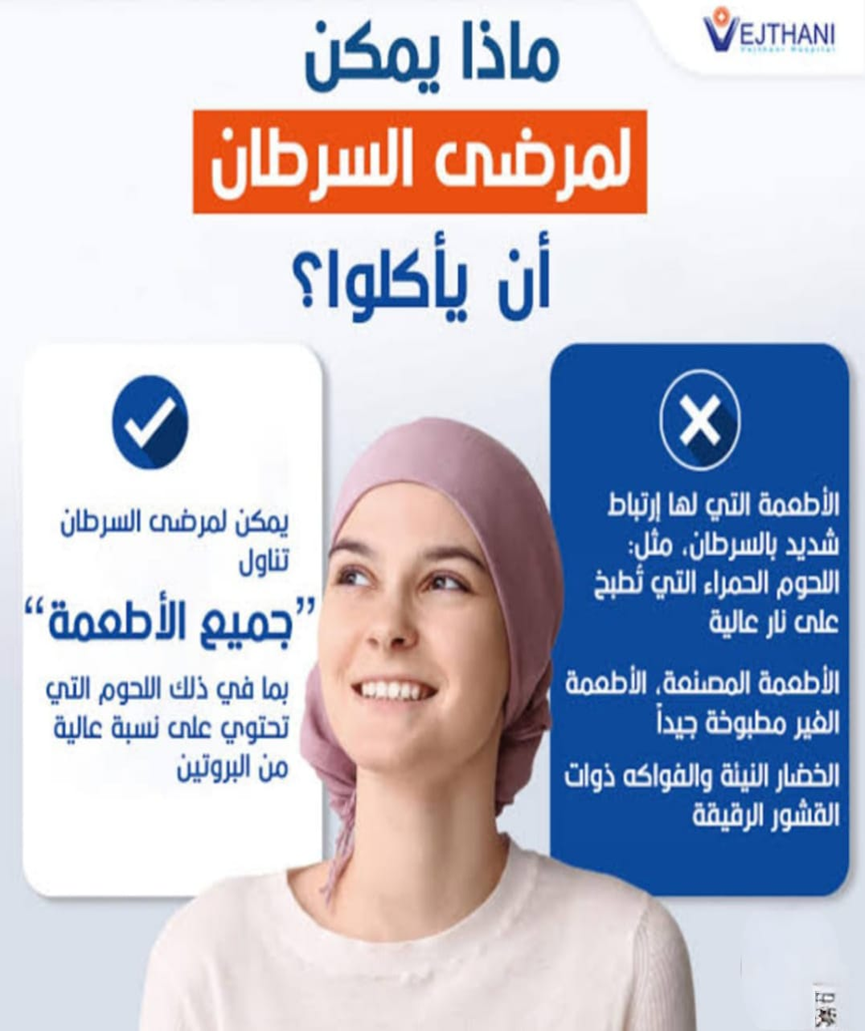
[1] تناول الطعام الصحّي، إنّ إتباع نظام غذائي صحي له دور في الوقاية من العديد من الأمراض الخطيرة، ويعدّ السرطان أحد هذه الأمراض، فما يتمُّ تناوله من أطعمةٍ ومشروباتٍ أو يتمّ تجنّبه يكون ذو تأثيرٍ قويًّ في الصحّة، ولتحقيق الهدف الوقائيّ من الغذاء يجب تضمين النظام الغذائي مجموعة متنوعة من الأطعمة الغنيّة بمضادات الأكسدة ؛ كالخضراوات، بالإضافة إلى الفاكهة، والمكسرات، والفاصوليا، والحبوب الكاملة، والدهون الصحّية، ومن الضروري تقليل تناول كلٍّ من الأطعمة المُصنّعة أو الجاهزة، والأطعمة المقليّة، والسكّريّات، والكربوهيدرات المكررّة والدهون غير الصحّية.
إن تناول الأطعمة الغنيّة بالألياف؛ كالخضراوات والفاكهة بالإضافة إلى الحبوب الكاملة تحافظ على صحّة الجهاز الهضمي وتنقل المركّبات المُسببة للسرطان وتحملها بعيدًا قبل أن تُسبب السرطان؛ حيثُ تساهم الأطعمة الغنية بالألياف في الوقاية من عدّة سرطانات؛ خاصّة سرطانات الجهاز الهضمي، بما يتضمّن سرطان القولون، وسرطان المستقيم، وسرطان المعدة، وسرطان الفم، وسرطان البلعوم.
إن تناول نظام غذائيٍّ غنيّ بالدّهون الصحّية التي تقي من السرطان؛ مثل الدهون غير المشبعة والموجودة في المكسرات، والأسماك، وزيت الزيتون، كما تُساهم أحماض أوميغا 3 الموجودة في سمك السلمون، وسمك التونة، وبذور الكتّان في الحفاظ على صحّة الدماغ والقلب ومنع حدوث الإلتهاب، ومن ناحيةٍ أخرى يجدُر تجنّب الدهون المتحولة والزيوت المهدرجة جزئياً الموجودة في الأطعمة المُصنّعة والمقليّة؛ كالبطاطا المقليّة، والدجاح المقليّ، والبسكويت، والكعك، والفطائر، والبيتزا، كما يجب التقليل من تناول الدهون المشبعة الموجودة في اللحوم الحمراء ومنتجات الألبان والحرص على ألّا تزيد الحصّة اليومية من الدهون المشبعة عن 10% من مجموع السعرات الحراريّة اليومية.
تقليل كميات الأطعمة التي تحتوي على نسبٍ عاليةٍ من السكّر، والملح، والدهون المُضافة؛ لِما توفره من سعراتٍ حراريّة زائدةٍ عن حاجة الجسم، حيث يؤدي تناولها المُنتظم والدائم إلى زيادة الوزن والسّمنة ممّا يزيد من خطر الإصابة بالسرطان، ومن أمثلة هذه الأطعمة: الحلوى، والشوكولاته، والحلويات المجمّدة، والمقرمشات، علماً بأنّ الملح قد يكون عامل خطر يزيد من إحتمالية الإصابة بسرطان المعدة، ويجب تقليل إستهلاك المشروبات المحتوية على نسبٍ عاليةٍ من السّكر، مثل: المشروبات الغازيّة، ومشروبات الطّاقة، والشاي المُثلّج المُحلّى، وعصائر الفاكهة، والكوكتيلات، ومشروبات القهوة والشاي، والمياه المدعّمة بالفيتامينات، وإستبدالها بالمشروبات قليلة السكّر ذات السعرات الحرارية القليلة؛ كالماء، والحليب، والشاي والقهوة غير المُحلّاة.
تجنّب شرب الكحول لإرتباطه بأمراضٍ وسرطانات متعددة؛ كسرطان الثدي، وسرطان القولون، وسرطان المستقيم، وسرطان الكبد، وسرطانات القناة الهضمية؛ كسرطان الفم، وسرطان البلعوم، وسرطان المريء.
الإعتماد على المصادر الغذائيّة بالدرجة الأولى للحصول على الفيتامينات والمعادن بهدف الوقاية من السرطان، ما لم ينصح الطبيب بتناول المكملات الغذائية والفيتامينات من مصادرٍ أخرى بهدف تلبية الإحتياجات الغذائية للجسم، مع ضرورة الإنتباه إلى أنّه لم يتمّ التوصّل إلى فيتامينات ومكملات غذائيّة مُعينة تقي من الإصابة بالسرطان، كما أنّ هذه المكملات والفيتامينات الشائع إستخدامها لهذه الغاية قد تكون غير آمنة ولا يُنصح بتناولها إلا بعد إستشارة الطبيب؛ فالغذاء الصحّي المتوازن كفيلٌ بتزويد الجسم بحاجته من الفيتامينات اللازمة للوقاية من السرطان.
تقليل تناول اللحوم الحمراء وتجنّب اللحوم المُصنّعة، أو تناولها بكميات قليلةٍ وعدد مراتٍ أقلّ إذا لزم الأمر، اللحوم المصنّعة لها دورٍ في زيادة خطر الإصابة بسرطان المعدة وسرطان القولون والمستقيم، وتشمل اللحوم المُصنّعة: لحم الخنزير، واللحم المُقدد، والهوت دوغ، والسلامي، والبيبروني، إضافةً إلى المنتجات التي قد تكون مصنوعة من لحوم الدواجن أو الأسماك المحفوظة بطريقة التدخين أو بالتمليح.
يجب نقل الأطعمة غير الصحّية أو الغنيّة بالسكّر، والملح، والدهون من قائمة الأطعمة اليوميّة إلى قائمة الأطعمة المتناولة بين حينٍ وآخر وفق خطة غذائيّة متناسبةٍ لتقليل خطر الإصابة بالسرطان، فالوقاية لا تعني الإمتناع بل تعني الإستمتاع بالطعام ضمن حدود الإعتدال والحفاظ على الوزن الصحي
إن ممارسة النشاط البدني علاوةً على فائدتها في التحكّم في الوزن فهي تقلل من خطر الإصابة بأنواعٍ مختلفةٍ من السرطانات؛ كسرطان الثدي، وسرطان البروستاتا، وسرطان الرئة وسرطان القولون، وسرطان الكلى. فممارسة النشاط البدني لمدّة 30 دقيقة أو أكثر يوميًّا يُعدّ أفضل ما يمكن فعله للوقاية من خطر الإصابة بالسرطان.
الوقاية من التعرض لأشعة الشمس يساعد في الوقاية من سرطان الجلد بإتباع النصائح التالية: تجنّب أشعة شمس الظهيرة (خلال الفترة ما بين الساعة العاشرة صباحًا والرابعة عصرًا)، حيث تكون الأشعة قويّة، البقاء في منطقة مظللة قدر الإمكان عند الخروج من المنزل، مع الحرص على إرتداء النظارات الشمسيّة وقبعة عريضة الحوافّ، تغطية أجزاء الجسم المكشوفة بالملابس، وإختيار الملابس المنسوجة بإحكام مع ضرورة أن تكون الملابس فضفاضة وذات ألوان زاهية أو داكنة، حيث إنّها تعكس الأشعة فوق البنفسجية أكثر من القطن الأبيض أو الملابس الرقيقة، إستخدام واقي الشمس بعامل حماية لا يقلّ عن 30، مع ضرورة وضعه على البشرة بشكلٍ مستمر حتى في الأيام التي يكون فيها الجو غائمًا، ووضعه بمقدار كافٍ وتوزيعه بشكلٍ جيد على أنحاء البشرة جميعها كما يجب تجديد الواقي الشمسي كلّ ساعتين، وفي حال السباحة أو التعرّق الزائد يجب تجديده بشكلٍ أكثر تكرارًا، تجنّب تسمير البشرة أو حمام الشمس والمصابيح الشمسية؛ لما لها من تأثيرٍ مماثلٍ لأشعة الشمس في زيادة إحتمالية الإصابة بسرطان الجلد.
الحصول على التطعيمات من العدوى الفيروسيّة جزء لا يتجزأ من الوقاية من السرطانات، فإلتهاب الكبد الفيروسيّ (ب) يزيد من خطر الإصابة بسرطان الكبد، لذا يُنصح بالحصول على تطعيم الكبد الوبائي خاصّة للفئات المعرّضة بشكلٍ كبير للإصابة بفيروس الكبد الوبائي كما ينصح بإعطاء اللّقاح الخاصّ بفيروس الورم الحليمي البشري للفتيات والشباب الذين تتراوح أعمارهم بين إحدى عشر وإثني عشر عامًا إذ إنّ فيروس الورم الحليمي البشري الذي ينتقل عن طريق الإتصال الجنسي يُشكّل عامل خطر يزيد من إحتمالية الإصابة بسرطان عنق الرحم وغيرها من سرطانات الأعضاء التناسليّة، وسرطان الخلايا الحُرشفيّة في الرأس والرقبة.
الإقلاع عن التدخين ومنتجات التبغ لأنها أحد عوامل الخطر التي تزيد من إحتمالية الإصابة بالسرطان مثل: سرطان الفم، وسرطان الحلق، وسرطان الحنجرة، وسرطان الرئة، وسرطان المثانة، وسرطان عنق الرحم، وسرطان الكلى، وسرطان البنكرياس، و يُساهم التعرّض للتدخين السلبيّ وإستنشاق الهواء الملوث بالدخان في زيادة إحتمالية الإصابة بسرطان الرئة بنسبة 20-30%؛ حيث تكون تراكيز الموادّ الكيميائية المُسببة للسرطان في الدخان المُستنشق عند التعرّض للتدخين السلبي في المنزل أو العمل أعلى منها في الدخان الذي يستنشقه المدخنون أنفسهم.
يساهم إجراء الفحوصات بشكلٍ دوريّ ومنتظم في الكشف المبكر عن أنواع مختلفة من السرطانات؛ مثل سرطان الجلد، وسرطان القولون، وسرطان عنق الرحم، وسرطان الثدي، وهذا من شأنه أن يجعل العلاج أكثر نجاحًا، وبالإستعانة بالطبيب يمكن تحديد الفحوصات المناسبة للكشف عن السرطان مبكرًا بالإعتماد على عوامل الخطر، ومن أبرز الفحوصات المخبرية والتصويرية التي يمكن إجراؤها بهدف الكشف المبكر أو الوقاية من السرطان ما يأتي:
- تصوير الثدي الشعاعي حيث يجب على السيدات اللاتي بلغن أربعين سنة فما فوق إجراء هذا الفحص بشكلٍ سنويّ، مع ضرورة الإستمرار بذلك طالما أنّهنّ يتمتعنّ بصحّة جيدة، أو حتى يبلغن السبعين من العمر مالم تكن هناك عوامل خطر أخرى تستدعي إجراؤه بصورةٍ أكثر تكرارًا.
- فحوصات سرطان القولون والمستقيم: حيث يتوجّب على كل من الرجال والسيدات المعرضين لخطر الإصابة بسرطان القولون والمستقيم والبالغين من العمر خمسين سنة أو أكثر إجراء أحد الفحوصات التالية: التنظير السيني المرن كل خمس سنوات، تنظير القولون كل عشر سنوات، حقنة الباريوم الشرجية مزدوجة التباين كل خمس سنوات، التصوير المقطعي للقولون أو تنظير القولون الافتراضي كل خمس سنوات، اختبارات البراز لتحري الدم الخفي في البراز مرة سنويًّا. إختبار البراز الكيميائي المناعي مرة سنويًّا، إختبار الحمض النووي في البراز مرةً واحدةً كلّ سنة أو ثلاث سنوات.
- مسحة عنق الرحم: يجب أن تخضع جميع النساء اللواتي بلغن إحدى وعشرين سنة لهذا الإختبار، ويحب تكراره كل ثلاث سنوات من قِبل النساء اللاتي تتراوح أعمارهنّ بين 21-29 سنة، وبعد بلوغ الثلاثين يُفضّل إجراء الإختبار المشترك لمسحة عنق الرحم وفيروس الورم الحليمي البشري كل خمس سنوات وحتى بلوغ سن الخامسة والستين، أو يمكن الإكتفاء بإجراء مسحة عنق الرحم كل ثلاث سنوات لهذه الفئة العمرية.
- فحص سرطان الرئة: حيث يُنصح بإجراء التصوير المقطعي المحوسب بجرعةٍ منخفضة من الإشعاع للأفراد المدخنين ممّن تتراوح أعمارهم بين 55-80 عامًا والذين بلغت مدّة تدخينهم ثلاثين سنةً أو أكثر.
وتتمّ الوقاية بثلاث طرق وهي: الوقاية الأوليّة، وتُعنى بوقاية الشخص السليم من السرطان. الوقاية الثانوية: وتُعنى وقاية منطقة من الجسم مُحتملة التّسرطن من الإصابة بالسرطان. المرحلة الثالثة من الوقاية: وتُعنى بمنع تطوّر نوع آخر من السرطانات لدى شخص مُصاب بالفِعل بسرطانٍ مُعين.
- المراجع
10 tips for breast cancer patients during treatment, www.fredhutch.org.
About fear, anxiety and panic, www.cancerresearchuk.org.
About surgery, www.cancerresearchuk.org.
After breast cancer treatment, www.healthdirect.gov.au.
Breast Cancer: Coping with Treatment, www.cancer.net.
Breast Cancer: Healthy Eating After a Diagnosis, www.healthlinkbc.ca.
Breast reconstruction with implants, www.mayoclinic.org.
Cancer diagnosis: 11 tips for coping, www.stclair.org.
Cancer Education, www.kucancercenter.org.
Cancer Overview: Management and Treatment, my.clevelandclinic.org.
Cancer Prevention Diet, www.helpguide.org.
Cancer Prevention Eating Guidelines, www.healthlinkbc.ca.
Cancer Prevention Overview (PDQ®)–Patient Version, www.cancer.gov.
Cancer Prevention, www.rogelcancercenter.org.
Cancer prevention: 7 tips to reduce your risk, www.drugs.com.
Cancer Survivors: 6 Tips for Staying Healthy, www.cancer.org.
Cancer, familydoctor.org.
Cancer, www.drugs.com.
Cancer, www.healthdirect.gov.au.
Cancer, www.mayoclinic.org.
Cancer, www.who.int.
Causes of Cancer, www.urmc.rochester.edu.
Cell Division and Cancer, www.nature.com.
Cessation Tips from Former Smokers, www.cdc.gov.
Chemoprevention, www.cancer.net.
Chemotherapy, www.cancervic.org.au.
Coping with breast cancer, www.cancerresearchuk.org.
Coping with Changes to Your Body, www.oncolink.org.
Coping with Guilt, www.cancer.net.
Hormonal therapy, www.cancer.ca.
How to Live Your Best With Breast Cancer, www.webmd.com.
Living with -Breast cancer in women, www.nhs.uk.
Living with breast cancer, www.healthdirect.gov.au.
Nausea, www.breastcancer.org.
Preserving fertility and breast cancer, www.cancerresearchuk.org.
Rachel Nall, What to know about cancer، www.medicalnewstoday.com.
Radiation Oncology, www.radiologyinfo.org.
Radiotherapy, www.nhs.uk.
Robert Peter, Overview of Cancer، www.msdmanuals.com.
Scalp Cooling Is Safe, Effective for Reducing Hair Loss Due to Chemotherapy, Study Finds, www.breastcancer.org.
Side Effects from Breast Cancer Treatment, www.hopkinsmedicine.org.
Staging and prognosis of breast cancer, www.cancersa.org.au.
Stem Cell Transplant for Cancer, www.cancer.org.
Tips for Coping After a Breast Cancer Diagnosis, healthblog.uofmhealth.org.
Understanding Cancer - Diagnosis and Treatment, www.webmd.com.
Understanding Targeted Therapy, www.cancer.net.
Ways to Manage Fear After Diagnosis, www.breastcancer.org.
What Causes Cancer, stanfordhealthcare.org
What is Cancer Surgery, www.cancer.net.
What Is Cancer, www.cancer.gov.
What is cancer? www.cancercenter.com.
What is Chemoprevention, www.oncolink.org.
WHAT IS Immunotherapy, www.cancerresearch.org
Your coping toolbox, www.cancercouncil.com.au
Your coping toolbox, www.cancervic.org.au
Yvette Brazier, What you need to know about chemotherapy، www.medicalnewstoday.com.