Protocols for the Most Common Diseases in Primary Healthcare Facilities
| Site: | EHC | Egyptian Health Council |
| Course: | دلائل الإجراءات لتمريض الرعاية الاولية |
| Book: | Protocols for the Most Common Diseases in Primary Healthcare Facilities |
| Printed by: | Guest user |
| Date: | Thursday, 5 November 2026, 2:41 AM |
Description
"last update: 18 Feb.2025" تحميل الدليل
- Prepared by
Primary healthcare guide
Under supervision
- Prof. Dr. Mohamed Latif, CEO of the Egyptian Health Council
Dr. Kawthar Mahmoud, Head of the Egyptian Nursing Syndicate - Member of the Senate
Prepared by
|
Title |
Name |
NO. |
|
Dean Of Faculty Nursing, Professor of Medical and Surgical Nursing, Tanta University |
Dr Afaf Abdel Aziz Abdel Aziz Basal |
1 |
|
Professor Of Critical Care Nursing |
Prof.Dr/Zeinab Hussain Ali |
2 |
|
Professor And Head of the Department of Medical Surgical Nursing. Faculty-. Benha University |
Amal Said Taha Refaie |
3 |
|
Supervisor Of the Education Sector at Port Said University |
Amal Ahmed Khalil Morsy |
4 |
|
Professor Of Medical Surgical Nursing- Faculty of Nursing- Cairo University |
Dr. Hanan Ahmed Al Sebaee |
5 |
|
Head of central administration on secondment at MOHP |
Dr Neveen ab drab al0nabi Mohamed |
6 |
|
Director Of Primary Health Care Nursing Department at MOHP. |
Maysa Hosny Ahmed Tammam |
7 |
|
Supervisor Of Technical Education- EHA |
Nancy Alaa Eldeen Abd-Elbaset Ali |
8 |
|
Supervisor Of Nursing Services Development- EHA |
Sherien Mohamed Saad |
9 |
|
Assistant Professor of Maternity and Neonatal Health Nursing - Faculty of Nursing- Ain Shams University |
Assist.Perof. Dr./Heba Mahmoud Mohammed |
10 |
|
General manager of general administration of health institutes affairs |
Dr Mai Galal Ibrahim Al-Assal |
11 |
|
Participants |
||
|
Member of nursing administration - EHA |
Mr. Mohamed Al-Sayed Abdel Hamid |
12 |
|
nursing specialist at the General Administration of Nursing - MOHP |
Mrs. Shaima Hassan gamal Mady |
13 |
|
nursing specialist at the General Administration of Nursing - MOHP |
Mrs. Salwa Nasser Fahim Attia |
14 |
|
nursing specialist at the General Administration of Nursing - MOHP |
Mr. tarek Ramadan Rashad El Gamal |
15 |
|
nursing specialist at the General Administration of Nursing - MOHP |
Mr. Mahmoud Muhammad Ali Afifi |
16 |
|
nursing specialist at the General Administration of Nursing - MOHP |
Mr. Ahmed Abdel Tawab Attia |
17 |
|
nursing specialist at the General Administration of Nursing - MOHP |
Mr. Muhammad Jamal Al-Shaar |
18 |
-Emergency Clinic Nursing Protocols Counseling
Hypertension | |||
Issue Date |
| Version Number | 1 |
Revision Date |
| Number of Pages | 4 |
Prepared by |
| ||
Head Nurse | Medical Director Approval | Unit Manager Approval | |
| |||
· Patient Assessment:
- Triage and prioritize patients in accordance with the Patient Triage and Prioritization Policy (Start Triage or Australian Triage).
- Perform a physical assessment of the different body systems according to the patient's presenting complaint.
- Conduct a psychosocial assessment and evaluate the educational needs of the patient and family.
- Assess pain and notify the physician if the pain score is 3 or higher.
- Perform a fall-risk assessment.
- Conduct psychological, spiritual, and nutritional assessments.
- Perform a geriatric assessment if the patient is 65 years of age or older.
· Nursing Procedures:
- Measure vital signs (blood pressure, blood glucose, pulse, respiratory rate, temperature, and oxygen saturation) and notify the physician of the results in accordance with the Critical Results Reporting Policy, when applicable.
- Measure height and weight and calculate body mass index (weight in kilograms / height in meters squared).
- Document the case on the Emergency Department Record form.
- Develop and implement a nursing care plan.
- Administer treatment as prescribed by the physician.
- Provide the patient with health education appropriate to the condition.
- Complete electronic documentation of all nursing forms in the system.
- Open and complete the Emergency Department Record.
· Health Education:
- Explain the concept of hypertension to the patient:
Definition of Blood Pressure:
Blood pressure is the force generated within the large blood vessels (arteries) when the heart pumps blood so that it circulates throughout the body.
Narrowing of the arteries causes blood pressure to rise.
• When the heart muscle contracts to propel oxygenated blood throughout the body, the pressure generated by the heart reaches its highest level; this is known as systolic blood pressure.
• When the heart muscle relaxes before the next contraction, this is known as diastolic blood pressure.
• Hypertension is the level of blood pressure at which treatment with antihypertensive medication provides more benefit than harm.
• Blood pressure is considered elevated when it remains above the normal range during physical and psychological rest.
• High blood pressure is called the “silent killer” because it usually causes no symptoms until an advanced stage of the disease.
Prehypertension is the stage in which the blood pressure reading is slightly higher than usual. If your reading is 139/89 mmHg, you are in the prehypertension stage. The condition may worsen in the future and become chronic or long-term; therefore, it is important to consult a physician about how to maintain a normal blood pressure level and prevent the disease.
Normal adult blood pressure: 120/80 mmHg, with a variation of ±20/15 mmHg.
Systolic Blood Pressure | Age Group |
40-60 | Preterm infants |
50-70 | Neonates (0 to 1 month) |
70-100 | Infants (1 to 12 months) |
70-110 | Toddlers (1 to 3 years) |
80-110 | Preschool children (3 to 6 years) |
80-120 | School-age children (6 to 12 years) |
100-120 | Adolescents (over 12 years) |
- Educate the patient about the prevention of hypertension:
Adopt a healthier lifestyle:
1- Lose excess weight.
2- Exercise regularly (walking).
5- Abstain from alcohol.
6- Stop smoking.
7- Take medications regularly as prescribed.
8- Follow a healthy diet:
- Discontinue unhealthy eating habits.
- Organize meals and eating times.
- Avoid excessive intake of sugars, fats, and salt.
- Increase the intake of potassium-rich foods, such as bananas, oranges, and dates. However, patients with renal failure must avoid foods high in potassium and phosphorus.
- Eat fresh fruit and vegetables whenever possible.
- Reduce dietary salt intake.
-Avoid convenience foods, fast food, canned foods, and preserved foods.
- Avoid pickles and high-salt foods, such as salted fish and salted nuts,
ketchup, potato chips, etc.
- Maintain a healthy weight appropriate for age and height, and lose excess weight by following a balanced diet.
- The diet should contain as little animal fat and salt as possible while remaining rich in all essential nutrients, including potassium, magnesium, and calcium.
- Increase the intake of fruit and vegetables.
- Avoid fats, particularly saturated fats of animal origin.
- Increase the intake of potassium-rich foods. It is therefore recommended to eat more fruit and vegetables because they are rich in potassium (4-5 servings daily), such as bananas, oranges, dark leafy vegetables, legumes, dairy products, and meat.
- Eat “oily” fish:
Eating fish, particularly oily fish such as mackerel, salmon, and tuna, helps lower blood pressure and reduces blood viscosity and the tendency to clot because these fish contain unsaturated fatty acids known as omega-3. Eating fish at least once a week is therefore recommended.
- Calcium:
Maintaining an adequate daily dietary intake of calcium helps prevent hypertension. Dietary calcium deficiency has been associated with elevated blood pressure.
Adults require 800-1,200 mg of calcium per day.
Low-fat milk and dairy products are recommended.
- Fiber: Eat fiber-rich foods (fruit and vegetables) every day.
- Daily sodium intake should not exceed 2.4 g.
- Daily fat intake should not exceed 30% of the total daily calories appropriate for the body, to prevent elevated blood lipids and atherosclerosis. Therefore, reduce overall fat intake.
Reduce saturated fats, such as butter, ghee, cream, etc., to 10% or less of total fat intake because they directly raise blood cholesterol, thereby contributing to atherosclerosis and hypertension.
- Avoid hydrogenated oils (commercial shortening).
Reduce: Fats Salt Sweets and sugary foods |
Increase: Fruit Vegetables Fiber-rich foods in general. |
Consume in moderation: Whole grains. Fish Poultry Red meat Nuts |
9- Reduce psychological stress.
- Explain the factors that contribute to hypertension:
Modifiable risk factors:
Unhealthy diet:
· A diet high in sodium (salt) and low in potassium increases the risk of developing hypertension.
· Most of the sodium we consume comes from fast food and processed and canned foods.
· Inadequate potassium intake can also raise blood pressure. Potassium is found in foods such as bananas, potatoes, legumes, and yogurt.
Physical inactivity:
· Insufficient physical activity contributes to weight gain, which in turn can lead to elevated blood pressure.
Obesity:
· Obesity is an excessive proportion of body fat. It can cause hypertension and is assessed by calculating body mass index. It may also lead to heart disease and diabetes mellitus.
Smoking:
· Smoking in all forms increases the risk of hypertension.
· Smoking can damage the heart and blood vessels.
· Nicotine raises blood pressure, while carbon monoxide inhaled during smoking reduces the amount of oxygen carried by the blood.
Excessive alcohol consumption:
· Excessive alcohol consumption can raise blood pressure.
Non-modifiable risk factors:
· Genetic factors and family history: certain traits are passed from one generation to the next through genes; this is known as heredity.
· Other factors include:
- Age: Blood pressure tends to rise with age, and the risk of hypertension increases as a person gets older.
- Explain the complications of hypertension so that the patient can help prevent them:
- Angina pectoris.
- Myocardial infarction (heart attack).
- Cardiac arrest and shortness of breath.
- Irregular heartbeat.
- Stroke.
- Cognitive impairment.
- Peripheral arterial disease (damage to the major blood vessels in the legs).
- Kidney damage.
- Eye damage (visual impairment caused by bleeding from retinal blood vessels).
- Explain the effect of persistent hypertension on the heart:
When hypertension persists for a long period, the heart muscle becomes thicker because it must work harder to overcome the increased pressure. The thickened heart muscle also becomes stiffer and functions less efficiently than a normal heart muscle.
- Educate the patient about first aid for epistaxis (nosebleed):
· Sit upright and lean the head forward toward the chest, and avoid swallowing the blood.
· Pinch both nostrils between the thumb and index finger just above the bleeding site for 10 minutes. Keep the mouth open for breathing while applying pressure. An ice pack may be placed over the bridge of the nose.
· Have the patient spit out any blood that has accumulated in the throat.
· After the bleeding stops, explain the importance of avoiding forceful breathing through the nose.
· If the bleeding does not stop within 30 minutes, transfer the patient to a medical facility.
References:
Arslan, G., & Mollaoğlu, M. (2021). Evaluating sleep quality in patients with hypertension. Primary Health Care, 31(3).
Oliveros, E., Patel, H., Kyung, S., Fugar, S., Goldberg, A., Madan, N., & Williams, K. A. (2020). Hypertension in older adults: Assessment, management, and challenges. Clinical cardiology, 43(2), 99-1
Protocol Title | Asthma Exacerbation | ||
Issue Date |
| Version Number | 1 |
Revision Date |
| Number of Pages | 4 |
Prepared by |
| ||
Head Nurse | Medical Director Approval | Unit Manager Approval | |
| |||
2- Nursing care for a patient experiencing an asthma exacerbation:
1- Patient Assessment:
- Perform a physical assessment of the different body systems, with particular emphasis on the respiratory system, according to the patient's presenting complaint.
- Review the medication history for drugs used to treat nasal or chest allergies.
- Assess pain and notify the physician if the pain score is 3 or higher.
- Perform an age-appropriate fall-risk assessment for adults or children.
- Conduct psychological, spiritual, and nutritional assessments.
- Perform a geriatric assessment if the patient is 65 years of age or older, a pregnancy assessment for pregnant women, and a pediatric assessment for children under 5 years of age.
2- Nursing Procedures:
- Triage and classify cases to determine the priority of intervention.
- Measure vital signs (blood pressure, blood glucose, pulse, respiratory rate, temperature, and oxygen saturation).
- Measure height and weight and calculate body mass index.
- Develop and implement a nursing care plan.
- Administer treatment as prescribed by the physician.
- Provide the patient with health education appropriate to the condition.
- Complete electronic documentation of all nursing forms in the system.
- Open and complete the Emergency Department Record.
- Document the patient in the emergency log upon admission to and discharge from the Emergency Department.
3- Health Education:
Lifestyle and home care (avoid triggers by doing the following):
1- Use air conditioning to reduce the amount of airborne tree pollen entering the home. If air conditioning is unavailable, keep windows closed during pollen season.
2- Reduce household dust that may worsen nighttime symptoms by modifying bedroom furnishings. For example, cover pillows, mattresses, and bed frames with dust-proof covers; avoid down-filled pillows and blankets; remove carpets throughout the home and replace them with wood or linoleum flooring; and use washable curtains and blinds.
3- Maintain an optimal humidity level.
4- Prevent mold spores: Clean damp areas in the bathroom, kitchen, and throughout the home to prevent mold growth. Remove decaying leaves or damp firewood from the yard.
5- Reduce exposure to pet dander: If you are allergic to dander, avoid pets with fur or feathers.
6- Clean regularly: Clean the home at least once a week. If cleaning is likely to stir up dust, wear a mask or ask someone else to clean. Wash bedding regularly.
7- Cover your nose and mouth when the weather is cold outside.
Lifestyle and home care (exercise regularly).
Having asthma does not mean that you must be less active. Appropriate treatment can prevent asthma attacks and control symptoms during physical activity.
Regular exercise can strengthen the heart and lungs and help relieve asthma symptoms. When exercising in cold weather, wear a face covering to warm the air you breathe.
Lifestyle and home care (maintain a healthy weight).
Excess weight can worsen asthma symptoms and increase the risk of other health problems.
Control heartburn and gastroesophageal reflux disease (GERD).
Acid reflux, which causes heartburn, may damage the airways in the lungs and worsen asthma symptoms.
If you experience frequent heartburn, discuss treatment options with your physician.
Coping and Support:
1- Pace yourself: Take breaks between tasks and avoid activities that worsen your symptoms.
2- Prepare a daily task list. This may help prevent feelings of stress. Reward yourself for achieving simple goals.
3- Talk with other people who have the same condition so you know that you are not alone.
4- If your child has asthma, be encouraging. Focus on what your child can do rather than what the child cannot do. Ask teachers to help your child manage asthma.
Take medications regularly.
Long-term asthma-control medications are taken daily. They provide day-to-day control and reduce the likelihood of an asthma attack. These medications include inhaled corticosteroids and other agents.
References:
· Asthma. National Heart ,lung ,and blood Instituto- https:// www. Nih. Gov/ health: topics/ asthma .Accessed march 25-2020
· MacGeorge, C. A., King, K., Andrews, A. L., Sterba, K., Johnson, E., Brinton, D. L., ... & Ford, D. (2021). School nurse perception of asthma care in school-based telehealth. Journal of Asthma, 1-8.
· Rukahu, F. (2021). Nurses' role and their knowledge in caring for severe asthma patients.
· Rupasinghe, M., Reath, J., Cvetkovski, B., Smith, S., Bosnic-Anticevich, S., Kritikos, V., & Abbott, P. (2021). Have we got the right focus in asthma care in general practice? A qualitative study. Australian Journal of General Practice, 50(6), 410-415
Protocol Title | Renal Colic | ||
Issue Date |
| Version Number | 1 |
Revision Date |
| Number of Pages | 4 |
Prepared by |
| ||
Head Nurse | Medical Director Approval | Unit Manager Approval | |
| |||
Nursing care for a patient with renal colic:
1- Patient Assessment:
- Perform a physical assessment of the different body systems, with particular emphasis on the urinary system, according to the patient's presenting complaint.
- Review the medication history.
- Assess pain and notify the physician if the pain score is 3 or higher. Reassess pain after treatment as prescribed by the physician.
- Perform an age-appropriate fall-risk assessment for adults or children.
- Conduct psychological, spiritual, and nutritional assessments.
- Perform a geriatric assessment if the patient is 65 years of age or older, a pregnancy assessment for pregnant women, and a pediatric assessment for children under 5 years of age.
2- Nursing Procedures:
- Measure vital signs (blood pressure, blood glucose, pulse, respiratory rate, and temperature).
- Measure height and weight and calculate body mass index.
- Develop and implement a nursing care plan.
- Administer treatment as prescribed by the physician and reassess pain.
- Provide the patient with health education appropriate to the condition.
- Complete electronic documentation of all nursing forms in the system.
3- Health Education:
Patient education: Definition of renal colic:
Renal colic is a disorder characterized by severe pain in the kidneys and urinary tract, caused by a stone in the kidney, renal pelvis, or ureter.
Kidney stones form when urine becomes highly concentrated with various salts, causing them to crystallize and form stones that may obstruct or infect the urinary tract.
In renal colic, stones begin as small crystals deposited in the kidneys. These would normally pass from the body without harm; however, they may grow into stones that cause severe pain and other symptoms.
Patient education: Symptoms of renal colic:
Symptoms of renal colic include:
· Sudden, severe pain in the lower back that may radiate to other areas along either side of the back.
· Pain during urination.
· Fever when infection is present.
· Shivering or chills.
· Foul-smelling urine.
· A persistent urge to urinate.
· Nausea and vomiting.
Patient education: Causes and risk factors for renal colic:
Renal colic is caused by stones in the urinary tract, most commonly in the ureter. Stones may develop as a result of several risk factors, including:
· Excess calcium in the urine.
· Gastrointestinal disorders.
· Gout.
· Certain medications.
· Previous gastrointestinal surgery.
· Family history of urinary stones.
Patient education: Complications of renal colic:
Renal colic is not a disease in itself; it is a symptom of urinary tract stones. Therefore, it does not cause specific complications by itself.
If kidney stones are left untreated, complications may occur, including urinary tract infection and kidney damage.
Patient education: Prevention of renal colic:
Renal colic can be prevented by avoiding factors that may lead to kidney-stone formation, as follows:
· Increase fluid intake and reduce dietary sodium.
· Take diuretics, as prescribed by the physician, if the person is at risk of developing kidney stones.
· Follow a healthy, low-fat diet containing adequate amounts of vegetables, fruit, and grains.
References:
· Moussa, M., Papatsoris, A. G., & Abou Chakra, M. (2021). Intradermal sterile water injection versus diclofenac sodium in acute renal colic pain: a randomized controlled trial. The American Journal of Emergency Medicine, 44, 395-400
· Sen, V., Ongun, S., Sahin, M. O., Irer, B., Kizer, O., Dogan, B., & Yildiz, G. (2021). The use of computed tomography as the first imaging modality in patients with renal colic and microscopic haematuria. International Journal of Clinical Practice, 75(3), e13826.
Protocol Title | Persistent Vomiting | ||
Issue Date |
| Version Number | 1 |
Revision Date |
| Number of Pages | 4 |
Prepared by |
| ||
Head Nurse | Medical Director Approval | Unit Manager Approval | |
| |||
Vomiting
Nursing care for a patient experiencing vomiting:
· Patient Assessment:
- Perform a physical assessment of the different body systems according to the patient's presenting complaint, with particular emphasis on the gastrointestinal system.
- Perform a fall-risk assessment.
- Conduct psychological, spiritual, and nutritional assessments.
· Nursing Procedures:
- Measure vital signs (blood pressure, blood glucose, pulse, respiratory rate, and temperature) and notify the physician of the results in accordance with the Critical Results Reporting Policy.
- Develop and implement a nursing care plan.
- Administer treatment as prescribed by the physician.
- Complete electronic documentation of all nursing forms in the system.
· Health Education:
Pregnant women experiencing morning nausea and vomiting may eat dry baked foods, such as sesame breadsticks or rusks, or have a light protein snack before bedtime, such as cheese or lean meat. They should consult the physician about antiemetic medications to select one that is appropriate during pregnancy.
Vomiting associated with cancer therapy may be treated with specific medications compatible with the treatment regimen, as prescribed by the physician.
If vomiting accompanied by diarrhea persists for more than 24 hours, oral rehydration solution should be used, as prescribed by the physician, to protect the patient from dehydration.
Eat small meals throughout the day instead of three large meals.
Avoid solid foods that are difficult to digest.
Drink fluids gradually, beginning with warm fluids.
Rest after eating, keep the head elevated, and avoid lying down immediately after meals.
Avoid acidic juices, such as orange, grapefruit, and lemon juice, because they increase nausea and the urge to vomit.
Do not exercise or engage in vigorous movement after eating, as this may irritate the stomach and increase the urge to vomit.
People prone to motion sickness may experience increased nausea, dizziness, and the urge to vomit when sitting by a window and watching the rapid movement outside. Interior seats are therefore preferable to window seats
References:
· Byrne, K., Renton, B., & Renton, B. (2021). An unusual cause of persistent vomiting. The multispecialty review journal for hospital doctors, 203, 202.
· Blackett, D. L. (2021). Perceptions of Using Complementary Alternative Medicine during Pregnancy for Nausea and Vomiting (Doctoral dissertation, Walden University).
· Reeves, P. T., Kovacic, K., Rogers, P., Sanghavi, R., Levinthal, D., Echelmeyer, S., & Li, B. U. K. (2021). Development and Assessment of a Low Literacy, Pictographic Cyclic Vomiting Syndrome Action Plan. The Journal of Pediatrics.
Protocol Title | Diabetic Coma | ||
Issue Date |
| Version Number | 1 |
Revision Date |
| Number of Pages | 5 |
Prepared by |
| ||
Head Nurse | Medical Director Approval | Unit Manager Approval | |
| |||
Patient Assessment:
- Perform a physical assessment of the different body systems according to the patient's presenting complaint.
- Assess pain and notify the physician if the pain score is 3 or higher.
- Perform a fall-risk assessment.
- Conduct psychological, spiritual, and nutritional assessments.
- Perform a geriatric assessment if the patient is 65 years of age or older.
1- Nursing Procedures:
- Measure vital signs (blood pressure, blood glucose, pulse, respiratory rate, and temperature).
- Measure the blood glucose level and notify the physician of the result.
- Measure height and weight and calculate body mass index.
- Develop and implement a nursing care plan.
- Complete electronic documentation of all nursing forms in the system.
Symptoms of diabetic ketoacidotic coma:
1. Increased urination.
2. Severe hunger and thirst.
3. Blood pressure disturbance.
4. Constipation.
5. Difficulty breathing.
6. Tendency to vomit and abdominal pain.
7. Dry, flushed skin.
8. Dizziness and anxiety.
9. A fruity, apple-like odor on the breath.
Symptoms of hypoglycemic coma:
1. Disorientation and poor concentration.
2. Occasional seizures.
3. Loss of consciousness or excessive hand movements.
4. Rapid, fluttering heartbeat.
5. Hand tremors.
6. Facial pallor with sweating.
Procedures:
Nursing procedures for diabetic ketoacidotic coma:
1. Monitor and document vital signs and obtain a random blood glucose measurement.
2. Collect urine and blood specimens for the tests available at the unit or center, and test the patient's urine for ketones as directed by the physician. The patient's breath is commonly characterized by an acetone odor.
3. Administer insulin according to the blood glucose result and the physician's orders.
4. Administer intravenous fluids if dehydration accompanies the ketoacidotic coma, as prescribed by the physician.
5. Monitor the patient's level of consciousness and observe for any deterioration.
6. Educate the patient's family about diet, exercise, adherence to treatment, the importance of follow-up, personal hygiene and infection prevention, urine testing for glucose and ketones, and self-administration of insulin when the patient is able to do so.
Nursing procedures for hypoglycemic coma:
1- Monitor and document vital signs and obtain a random blood glucose measurement.
2- Insert a peripheral intravenous cannula promptly.
3- Administer 25% glucose solution, as available at the center or unit and as prescribed by the physician.
4- Measure random blood glucose every 15 minutes.
5- The patient usually improves within 30 minutes. If there is no improvement, transfer the patient to the nearest hospital.
Health education for patients with diabetes:
This is a nursing intervention that must be provided to the patient or family to prevent complications.
Daily foot care:
· Wash the feet with a good-quality soap and lukewarm water, then dry thoroughly, especially between the toes, by patting rather than rubbing vigorously to protect skin integrity.
· Apply cream or edible oil to keep the feet soft and reduce friction. Massage with alcohol once weekly, moving from the toes upward. If varicose veins are present, massage the feet very gently and do not massage the legs.
Daily nail care:
· Soak the nails for 30 minutes each day in lukewarm water containing one teaspoon of dissolved borax. Pat dry, then massage the surrounding area with oil or nourishing cream to strengthen the nails and prevent cracking.
· Cut the nails straight across. Do not cut them too short into the soft tissue, and do not cut down the sides.
· Choose comfortable, low-heeled shoes that do not compress the toes. New shoes should be worn for only 30 minutes on the first day and one hour on the second day.
To prevent circulatory problems:
· Advise the patient to stop smoking to prevent constriction of the blood vessels.
· Keep the feet warm.
· Perform leg exercises and avoid wearing anything that constricts the legs, to improve blood circulation.
· Do not take any medication or place the feet near hot water without consulting the treating physician.
· Change socks at least once daily.
· If any wound occurs, cover it immediately with sterile or clean gauze and consult the physician promptly.
· Do not wear shoes when a wound is present on either foot.
· Notify the physician if redness, blisters, pain, or swelling appears, to prevent infection that could lead to gangrene.
Perineal care:
· Wash the area thoroughly after urination or defecation and dry it well with a soft cotton towel.
· Change underwear daily and whenever needed. Cotton underwear is recommended so that it can be washed in hot water and dried in sunlight.
· Observe for any sores or skin folds and report them immediately to the treating physician.
Eye-care measures that reduce risk:
· Have a complete eye examination every year.
· Notify the physician if blurred vision, a dark spot, inability to see objects clearly, or a sensation of pressure or pain in the eye occurs.
· Difficulty seeing in dim light.
· Have intraocular pressure measured periodically.
Dental care:
· High blood glucose increases the risk of dental and gum problems. Good daily care at home and regular dental visits help prevent these problems.
· Brush the teeth daily; this is the best way to keep the teeth and gums healthy.
· Visit the dentist every five months.
· Inform the dentist that you have diabetes.
Ramadan fasting and diabetes:
· For patients with diabetes, fasting may be beneficial in the management of type 2 diabetes because it provides an opportunity to follow the diet prescribed by the treating physician. This may reduce body weight and may lead to remission in mild cases managed by diet alone.
· In cases treated with glucose-lowering tablets, blood glucose and body weight may decrease, thereby improving the body's response to glucose-lowering medication.
Daily instructions for patients with diabetes:
· Take diabetes tablets or insulin at the prescribed dose and exactly as directed by the physician.
· Notify the physician when feeling unwell or when an infection is suspected.
· Check blood glucose approximately every 24 hours.
· Test urine for ketones if the blood glucose level exceeds 240 mg/dL.
· If the patient has an upset stomach, take fluids in small amounts to prevent vomiting.
· Carry a card stating that the person has diabetes, the type and dose of treatment, the times at which it is taken, and the physician who
· supervises the treatment or the hospital attended for care.
References:
Munawar, K., & Choudhry, F. R. (2021):- Exploring stress coping strategies of frontline emergency health workers dealing Covid-19 in Pakistan: A qualitative inquiry. American journal of infection control, 49(3), 286-292
Laermans, J., Borra, V., Van Remoortel, H., Vande Veegaete, A., De Buck, E., & Van De Kerckhove, P. (2018): First aid guideline for caregivers. Tijdschrift voor Geneeskunde, 74(4), 233-239.
Mazurek, M. O., Sadikova, E., Cheak-Zamora, N., Hardin, A., Huerta, I., Sohl, K., & Malow, B. A. (2021): They deserve the “same level of care that any other person deserves”: Caregiver perspectives on healthcare for adults on the autism spectrum. Research in Autism Spectrum Disorders, 89, 101862.
-Family Medicine Clinic Nursing Protocols
|
Protocol Title |
Hypertension |
||
|
Issue Date |
|
Version Number |
1 |
|
Revision Date |
|
Number of Pages |
4 |
|
Prepared by |
|
||
|
Head Nurse |
Medical Director Approval |
Unit Manager Approval |
|
|
|
|||
· Patient Assessment:
- Perform a physical assessment of the different body systems according to the patient's presenting complaint.
- Conduct a psychosocial assessment and evaluate the educational needs of the patient and family.
- Assess pain and notify the physician if the pain score is 3 or higher.
- Perform a fall-risk assessment.
- Conduct psychological, spiritual, and nutritional assessments.
- Perform a geriatric assessment if the patient is 65 years of age or older.
· Nursing Procedures:
- Measure vital signs (blood pressure, blood glucose, pulse, respiratory rate, temperature, and oxygen saturation) and notify the physician of the results in accordance with the Critical Results Reporting Policy, when applicable.
- Measure height and weight and calculate body mass index (weight in kilograms / height in meters squared).
- Develop and implement a nursing care plan.
- Administer treatment as prescribed by the physician.
- Provide the patient with health education appropriate to the condition.
- Complete electronic documentation of all nursing forms in the system.
· Health Education:
- Explain the concept of hypertension to the patient:
Definition of Blood Pressure:
Blood pressure is the force generated within the large blood vessels (arteries) when the heart pumps blood so that it circulates throughout the body.
Narrowing of the arteries causes blood pressure to rise.
• When the heart muscle contracts to propel oxygenated blood throughout the body, the pressure generated by the heart reaches its highest level; this is known as systolic blood pressure.
• When the heart muscle relaxes before the next contraction, this is known as diastolic blood pressure.
• Hypertension is the level of blood pressure at which treatment with antihypertensive medication provides more benefit than harm.
• Blood pressure is considered elevated when it remains above the normal range during physical and psychological rest.
• High blood pressure is called the “silent killer” because it usually causes no symptoms until an advanced stage of the disease.
Prehypertension is the stage in which the blood pressure reading is slightly higher than usual. If your reading is 139/89 mmHg, you are in the prehypertension stage. The condition may worsen in the future and become chronic or long-term; therefore, it is important to consult a physician about how to maintain a normal blood pressure level and prevent the disease.
Normal adult blood pressure: 120/80 mmHg, with a variation of ±20/15 mmHg.
|
Systolic Blood Pressure |
Age Group |
|
40-60 |
Preterm infants |
|
50-70 |
Neonates (0 to 1 month) |
|
70-100 |
Infants (1 to 12 months) |
|
70-110 |
Toddlers (1 to 3 years) |
|
80-110 |
Preschool children (3 to 6 years) |
|
80-120 |
School-age children (6 to 12 years) |
|
100-120 |
Adolescents (over 12 years) |
- Educate the patient about the prevention of hypertension:
Adopt a healthier lifestyle:
1- Lose excess weight.
2- Exercise regularly (walking).
5- Abstain from alcohol.
6- Stop smoking.
7- Take medications regularly as prescribed.
8- Follow a healthy diet:
- Discontinue unhealthy eating habits.
- Organize meals and eating times.
- Avoid excessive intake of sugars, fats, and salt.
- Increase the intake of potassium-rich foods, such as bananas, oranges, and dates. However, patients with renal failure must avoid foods high in potassium and phosphorus.
- Eat fresh fruit and vegetables whenever possible.
- Reduce dietary salt intake.
-Avoid convenience foods, fast food, canned foods, and preserved foods.
- Avoid pickles and high-salt foods, such as salted fish and salted nuts,
ketchup, potato chips, etc.
-Maintain a healthy weight appropriate for age and height, and lose excess weight by following a balanced diet.
-The diet should contain as little animal fat and salt as possible while remaining rich in all essential nutrients, including potassium, magnesium, and calcium.
-Increase the intake of fruit and vegetables.
-Avoid fats, particularly saturated fats of animal origin.
-Increase the intake of potassium-rich foods. It is therefore recommended to eat more fruit and vegetables because they are rich in potassium (4-5 servings daily), such as bananas, oranges, dark leafy vegetables, legumes, dairy products, and meat.
-Eat “oily” fish:
Eating fish, particularly oily fish such as mackerel, salmon, and tuna, helps lower blood pressure and reduces blood viscosity and the tendency to clot because these fish contain unsaturated fatty acids known as omega-3. Eating fish at least once a week is therefore recommended.
-Calcium:
Maintaining an adequate daily dietary intake of calcium helps prevent hypertension. Dietary calcium deficiency has been associated with elevated blood pressure.
Adults require 800-1,200 mg of calcium per day.
Low-fat milk and dairy products are recommended.
-Fiber: Eat fiber-rich foods (fruit and vegetables) every day.
-Daily sodium intake should not exceed 2.4 g.
-Daily fat intake should not exceed 30% of the total daily calories appropriate for the body, to prevent elevated blood lipids and atherosclerosis. Therefore, reduce overall fat intake.
Reduce saturated fats, such as butter, ghee, cream, etc., to 10% or less of total fat intake because they directly raise blood cholesterol, thereby contributing to atherosclerosis and hypertension.
-Avoid hydrogenated oils (commercial shortening).
|
Reduce: Fats Salt Sweets and sugary foods |
|
Increase: Fruit Vegetables Fiber-rich foods in general. |
|
Consume in moderation: Whole grains. Fish Poultry Red meat Nuts |
9- Reduce psychological stress.
- Explain the factors that contribute to hypertension:
Modifiable risk factors:
Unhealthy diet:
· A diet high in sodium (salt) and low in potassium increases the risk of developing hypertension.
· Most of the sodium we consume comes from fast food and processed and canned foods.
· Inadequate potassium intake can also raise blood pressure. Potassium is found in foods such as bananas, potatoes, legumes, and yogurt
- Physical activity:
· Insufficient physical activity contributes to weight gain, which in turn can lead to elevated blood pressure.
Obesity:
· Obesity is an excessive proportion of body fat. It can cause hypertension and is assessed by calculating body mass index. It may also lead to heart disease and diabetes mellitus.
Smoking:
· Smoking in all forms increases the risk of hypertension.
· Smoking can damage the heart and blood vessels.
· Nicotine raises blood pressure, while carbon monoxide inhaled during smoking reduces the amount of oxygen carried by the blood.
Excessive alcohol consumption:
· Excessive alcohol consumption can raise blood pressure.
Non-modifiable risk factors:
· Genetic factors and family history of the disease
Certain traits are passed from one generation to the next through genes; this is known as heredity.
· Other factors include:
v Age: Blood pressure tends to rise with age, and the risk of hypertension increases as a person gets older.
- Explain the complications of hypertension so that the patient can help prevent them:
-Angina pectoris.
-Myocardial infarction (heart attack).
-Cardiac arrest and shortness of breath.
-Irregular heartbeat.
-Stroke.
-Cognitive impairment.
-Peripheral arterial disease (damage to the major blood vessels in the legs).
-Kidney damage.
-Eye damage (visual impairment caused by bleeding from retinal blood vessels).
- Explain the effect of persistent hypertension on the heart:
When hypertension persists for a long period, the heart muscle becomes thicker because it must work harder to overcome the increased pressure. The thickened heart muscle also becomes stiffer and functions less efficiently than a normal heart muscle.
- Educate the patient about first aid for epistaxis (nosebleed):
· Sit upright and lean the head forward toward the chest, and avoid swallowing the blood.
· Pinch both nostrils between the thumb and index finger just above the bleeding site for 10 minutes. Keep the mouth open for breathing while applying pressure. An ice pack may be placed over the bridge of the nose.
· Have the patient spit out any blood that has accumulated in the throat.
· After the bleeding stops, explain the importance of avoiding forceful breathing through the nose.
· If the bleeding does not stop within 30 minutes, transfer the patient to a medical facility.
References:
Arslan, G., & Mollaoğlu, M. (2021). Evaluating sleep quality in patients with hypertension. Primary Health Care, 31(3).
Oliveros, E., Patel, H., Kyung, S., Fugar, S., Goldberg, A., Madan, N., & Williams, K. A. (2020). Hypertension in older adults: Assessment, management, and challenges. Clinical cardiology, 43(2), 99-107
|
Protocol Title |
Bronchial Asthma |
||
|
Issue Date |
|
Version Number |
1 |
|
Revision Date |
|
Number of Pages |
4 |
|
Prepared by |
|
||
|
Head Nurse |
Medical Director Approval |
Unit Manager Approval |
|
|
|
|||
Nursing Care Protocol for a Patient with an Asthma Exacerbation (Bronchial Asthma)
· Patient Assessment:
- Perform a physical assessment of the different body systems, with particular emphasis on the respiratory system, according to the patient's presenting complaint.
- Review the medication history for drugs used to treat nasal or chest allergies.
- Conduct a psychosocial assessment and evaluate the educational needs of the patient and family.
- Assess pain and notify the physician if the pain score is 3 or higher.
- Perform a fall-risk assessment.
- Conduct psychological, spiritual, and nutritional assessments.
- Perform a geriatric assessment if the patient is 65 years of age or older, a pregnancy assessment for pregnant women, and a pediatric assessment for children under 5 years of age.
· Nursing Procedures:
Triage and prioritize patients in accordance with the Patient Triage and Prioritization Policy.
- Measure vital signs (blood pressure, blood glucose, pulse, respiratory rate, temperature, and oxygen saturation) and notify the physician of the results in accordance with the Critical Results Reporting Policy, when applicable.
- Measure height and weight and calculate body mass index (weight in kilograms / height in meters squared).
- Develop and implement a nursing care plan.
- Administer treatment as prescribed by the physician.
- Provide the patient with health education appropriate to the condition.
- Complete electronic documentation of all nursing forms in the system.
· Health Education:
Lifestyle and home care (avoid triggers by doing the following):
1- Use air conditioning to reduce the amount of airborne tree pollen entering the home. If air conditioning is unavailable, keep windows closed during pollen season.
2- Reduce household dust that may worsen nighttime symptoms by modifying bedroom furnishings. For example, cover pillows, mattresses, and bed frames with dust-proof covers; avoid using pillows
and feather-filled blankets. Remove carpeting throughout the home and replace it with hardwood or linoleum flooring. Use washable curtains and blinds.
3- Maintain an optimal humidity level.
4- Prevent mold spores: Clean damp areas in the bathroom, kitchen, and throughout the home to prevent mold growth. Remove decaying leaves or damp firewood from the yard.
5- Reduce exposure to pet dander: If you are allergic to dander, avoid pets with fur or feathers.
6- Clean regularly: Clean the home at least once a week. If cleaning is likely to stir up dust, wear a mask or ask someone else to clean. Wash bedding regularly.
7- Cover your nose and mouth when the weather is cold outside.
Lifestyle and home care (exercise regularly).
Having asthma does not mean that you must be less active. Appropriate treatment can prevent asthma attacks and control symptoms during physical activity.
Regular exercise can strengthen the heart and lungs and help relieve asthma symptoms. When exercising in cold weather, wear a face covering to warm the air you breathe.
Lifestyle and home care (maintain a healthy weight).
Excess weight can worsen asthma symptoms and increase the risk of other health problems.
Control heartburn and gastroesophageal reflux disease (GERD).
Acid reflux, which causes heartburn, may damage the airways in the lungs and worsen asthma symptoms.
If you experience frequent heartburn, discuss treatment options with your physician.
Coping and Support:
1- Pace yourself: Take breaks between tasks and avoid activities that worsen your symptoms.
2- Prepare a daily task list. This may help prevent feelings of stress. Reward yourself for achieving simple goals.
3- Talk with other people who have the same condition so you know that you are not alone.
4- If your child has asthma, be encouraging. Focus on what your child can do rather than what the child cannot do. Ask teachers to help your child manage asthma.
Take medications regularly.
Long-term asthma-control medications are taken daily. They provide day-to-day control of asthma and reduce the likelihood of an asthma attack. These medications include inhaled corticosteroids and others.
· References:
- Asthma. National Heart ,lung ,and blood Instituto- https:// www. Nih. Gov/ health: topics/ asthma .Accessed march 25-2020.
- MacGeorge, C. A., King, K., Andrews, A. L., Sterba, K., Johnson, E., Brinton, D. L., ... & Ford, D. (2021). School nurse perception of asthma care in school-based telehealth. Journal of Asthma, 1-8.
- Rukahu, F. (2021). Nurses' role and their knowledge in caring for severe asthma patients.
- Rupasinghe, M., Reath, J., Cvetkovski, B., Smith, S., Bosnic-Anticevich, S., Kritikos, V., & Abbott, P. (2021). Have we got the right focus in asthma care in general practice? A qualitative study. Australian Journal of General Practice, 50(6), 410-415.
|
Protocol Title |
Gastritis |
||
|
Issue Date |
|
Version Number |
1 |
|
Revision Date |
|
Number of Pages |
4 |
|
Prepared by |
|
||
|
Head Nurse |
Medical Director Approval |
Unit Manager Approval |
|
|
|
|||
Nursing Care Protocol for a Patient with Abdominal Pain
· Patient Assessment:
- Perform a physical assessment of the different body systems, particularly the gastrointestinal system, according to the patient’s complaint.
- Review the medication history for medications used to treat gastritis or abdominal pain.
- Conduct a psychosocial assessment and evaluate the educational needs of the patient and family.
- Assess pain and notify the physician if the pain score is 3 or higher.
- Perform a fall-risk assessment.
- Conduct psychological, spiritual, and nutritional assessments.
- Perform a geriatric assessment if the patient is 65 years of age or older, assess pregnant women, and assess children younger and older than 5 years of age.
· Nursing Procedures:
- Measure vital signs (blood pressure, blood glucose, pulse, respiratory rate, temperature, and oxygen saturation) and notify the physician of the results in accordance with the Critical Results Reporting Policy, when applicable.
- Measure height and weight and calculate body mass index (weight in kilograms / height in meters squared).
- Develop and implement a nursing care plan.
- Administer treatment as prescribed by the physician.
- Provide the patient with health education appropriate to the condition.
- Complete electronic documentation of all nursing forms in the system.
· Health Education:
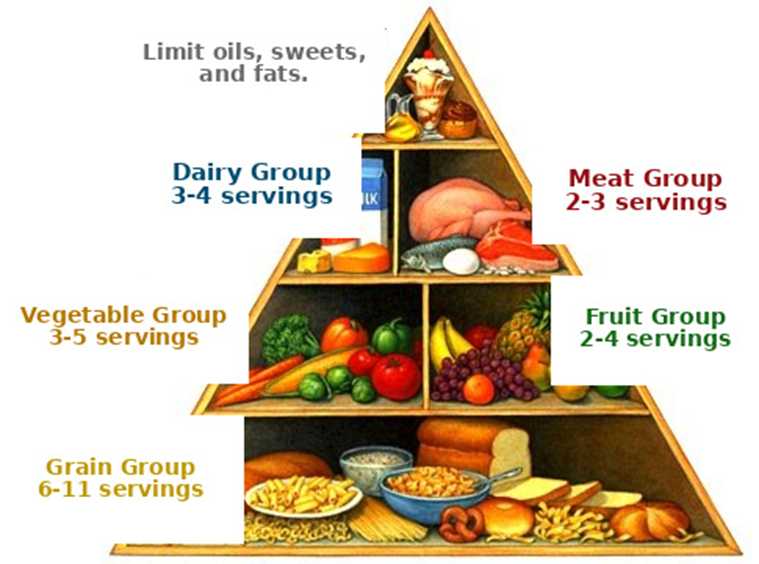
Educate patients about proper nutrition.
Educate the patient about foods permitted and foods to be avoided by patients with gastric and duodenal ulcers.
|
Foods to Avoid |
Permitted Foods |
|
Milk and dairy products Alcoholic beverages Tea and coffee Carbonated beverages Whole grains, bran, brown bread, and dry bread Salty and aged cheeses Fried, smoked, and salted meats Concentrated soups and sauces All raw vegetables, including onions, garlic, cabbage, cauliflower, cucumber, tomatoes, green peppers, radishes, turnips, lettuce, and legumes Pastries, pizza, and all rich or complex dough-based foods Hot condiments, tomato paste, olives, spices, pickles, mustard, and vinegar Sweets and sugar Dried fruits, particularly figs, coconut, and raisins |
Soft white bread or toast Plain biscuits Cooked cereals Rice and pasta Eggs Butter, cream, and vegetable oils Tender meat and young poultry Mashed and boiled potatoes Vegetables such as peas, carrots, spinach, and zucchini, provided they are boiled and mashed Fruits such as peaches, apples, pears, and apricots, provided they are cooked and have no peel or seeds Bananas may be served raw. Pudding, milk pudding, custard, and jelly
|
Gastroenteritis is inflammation of the stomach and intestines. Common causes include:
- Viruses
- Food or water contaminated with bacteria or parasites
- Medication side effects
Typical signs and symptoms include:
- Nausea or vomiting
- Diarrhea
- Abdominal cramps
- Low-grade fever (occasionally)
Depending on the cause, symptoms may last from one day to more than one week.
If you suspect that you have gastroenteritis:
- Sip fluids, such as a sports drink or water, to prevent dehydration. Drinking fluids too quickly may worsen nausea and vomiting; therefore, take small, frequent sips over several hours rather than drinking a large amount at once.
- Monitor urination. You should urinate at regular intervals, and your urine should be pale and clear. Infrequent, dark-colored urine is a sign of dehydration. Dizziness and lightheadedness are also signs of dehydration. Seek medical care if any of these signs or symptoms occur and you cannot drink enough fluids.
- Resume eating gradually. If you feel nauseated, try eating small amounts frequently. Alternatively, gradually begin with bland, easy-to-digest foods such as soda crackers, toast, gelatin, bananas, applesauce, rice, and chicken. Stop eating if nausea returns. Avoid milk and dairy products, caffeine, alcohol, nicotine, and fatty or spicy foods for several days.
- Get plenty of rest. Illness and dehydration may leave you weak and tired.
Seek medical care if:
- Vomiting lasts longer than two days.
- Diarrhea lasts longer than several days.
- The diarrhea becomes bloody.
- The temperature exceeds 39°C.
- Dizziness or fainting occurs on standing.
- Confusion develops or worsens.
- Troublesome abdominal pain develops or worsens.
If you suspect that your child has gastroenteritis:
- Allow your child to rest.
- Once your child stops vomiting, begin giving small amounts of oral rehydration solution. Do not use water alone or apple juice alone. Drinking fluids too quickly may worsen nausea and vomiting; therefore, give the child small, frequent sips
- over several hours rather than a large amount at once. Try using a dropper to administer oral rehydration solution instead of a bottle or cup.
- Gradually offer bland, easy-to-digest foods such as toast, rice, bananas, and potatoes. Avoid giving your child full-fat dairy products, such as whole milk and full-fat ice cream, and foods high in sugar, such as soft drinks and candy, because these may worsen diarrhea.
- If you are breastfeeding, continue to breastfeed your child. If your child is bottle-fed, offer a small amount of oral rehydration solution or the child’s usual infant formula.
References:
- Connor, M. J., Lischer, E., & Cerdá, J. (2021, August). Organizational and financial aspects of a continuous renal replacement therapy program. In Seminars in Dialysis. John Wiley & Sons, Ltd.
|
Protocol Title |
Low Back Pain |
||
|
Issue Date |
|
Version Number |
1 |
|
Revision Date |
|
Number of Pages |
4 |
|
Prepared by |
|
||
|
Head Nurse |
Medical Director Approval |
Unit Manager Approval |
|
|
|
|||
Nurse’s Role in Caring for a Patient with Low Back Pain:
· Patient Assessment:
- Perform a physical assessment of the different body systems, particularly the musculoskeletal system, according to the patient’s complaint.
- Perform a fall-risk assessment.
- Conduct psychological, spiritual, and nutritional assessments.
- Assess pain and reassess it in accordance with the policy.
· Nursing Procedures:
- Measure vital signs (blood pressure, blood glucose, pulse, respiratory rate, and temperature) and notify the physician of the results in accordance with the Critical Results Reporting Policy.
- Develop and implement a nursing care plan.
- Administer treatment as prescribed by the physician.
- Complete electronic documentation of all nursing forms in the system.
· Health Education:
You may be able to avoid back pain or prevent it from recurring by improving your physical condition and learning and practicing proper body mechanics.
To keep your back healthy and strong:
· Exercise regularly. Regular low-impact aerobic activities—those that do not strain or jolt your back—can increase back strength and endurance and allow your muscles to function more effectively. Walking and swimming are good choices. Ask your physician which activities are appropriate for you.
· Build muscle strength and flexibility. Abdominal and back-muscle exercises that strengthen your core help condition these muscles to work together like a natural corset for your back.
· Maintain a healthy weight. Excess weight strains the back muscles. If you are overweight, losing weight may help prevent back pain.
· Stop smoking. Smoking increases the risk of low back pain. The risk rises with the number of cigarettes smoked each day; therefore, quitting reduces this risk.
Avoid movements that twist or strain your back. Use your body correctly:
· Stand properly. Do not slouch. Maintain a neutral pelvic position. If you must stand for long periods, place one foot on a low footrest to reduce the load on the lower back, alternating feet. Good posture can reduce stress on the back muscles.
· Sit properly. Choose a seat with good lower-back support, armrests, and a swivel base. Placing a pillow or rolled towel behind your lower back can maintain its natural curve. Keep your knees and hips level. Change position frequently, at least every 30 minutes.
· Lift properly. Avoid lifting heavy loads whenever possible. When you must lift something heavy, let your legs do the work. Keep your back straight—without twisting—and bend only at the knees. Hold the load close to your body. Ask someone to assist if the object is heavy or difficult to lift.
References:
· Kazemi, S. S., Tavafian, S. S., Hiller, C. E., Hidarnia, A., & Montazeri, A. (2021). The effectiveness of social media and in‐person interventions for low back pain conditions in nursing personnel (SMILE). Nursing Open, 8(3), 1220-1231.
· Rabenbauer, L. M., & Mevenkamp, N. (2021). Factors in the Effectiveness of e-Health Interventions for Chronic Back Pain: How Self-Efficacy Mediates e-Health Literacy and Healthy Habits. Telemedicine and e-Health, 27(2), 184-192.
|
Protocol Title |
Persistent Vomiting |
||
|
Issue Date |
|
Version Number |
1 |
|
Revision Date |
|
Number of Pages |
4 |
|
Prepared by |
|
||
|
Head Nurse |
Medical Director Approval |
Unit Manager Approval |
|
|
|
|||
Vomiting
Nursing care for a patient experiencing vomiting:
· Patient Assessment:
- Perform a physical assessment of the different body systems according to the patient's presenting complaint, with particular emphasis on the gastrointestinal system.
- Perform a fall-risk assessment.
- Conduct psychological, spiritual, and nutritional assessments.
· Nursing Procedures:
- Measure vital signs (blood pressure, blood glucose, pulse, respiratory rate, and temperature) and notify the physician of the results in accordance with the Critical Results Reporting Policy.
- Measure weight and height and calculate body mass index (weight in kilograms / height in meters squared).
- Develop and implement a nursing care plan.
- Administer treatment as prescribed by the physician.
- Complete electronic documentation of all nursing forms in the system.
· Health Education:
Pregnant women experiencing morning nausea and vomiting may eat dry baked foods such as sesame breadsticks (“semeet”), or have a light protein snack before bedtime, such as cheese or lean meat. They should consult the physician regarding antiemetic medications to select one appropriate for pregnancy.
Vomiting associated with cancer therapy may be treated with specific medications compatible with the treatment regimen, as prescribed by the physician.
If vomiting accompanied by diarrhea persists for more than 24 hours, oral rehydration solution should be used, as prescribed by the physician, to protect the patient from dehydration.
Eat small meals throughout the day instead of three large meals.
Avoid solid foods that are difficult to digest.
Drink fluids gradually, beginning with warm fluids.
Rest after eating, keep the head elevated, and avoid lying down immediately after meals.
Avoid acidic juices, such as orange, grapefruit, and lemon juice, because they increase nausea and the urge to vomit.
Do not exercise or engage in vigorous movement after eating, as this may irritate the stomach and increase the urge to vomit.
People prone to motion sickness may experience increased nausea, dizziness, and the urge to vomit when sitting by a window and watching the rapid movement outside. Interior seats are therefore preferable to window seats.
References:
· Byrne, K., Renton, B., & Renton, B. (2021). An unusual cause of persistent vomiting. The multispecialty review journal for hospital doctors, 203, 202.
· Blackett, D. L. (2021). Perceptions of Using Complementary Alternative Medicine during Pregnancy for Nausea and Vomiting (Doctoral dissertation, Walden University).
· Reeves, P. T., Kovacic, K., Rogers, P., Sanghavi, R., Levinthal, D., Echelmeyer, S., & Li, B. U. K. (2021). Development and Assessment of a Low Literacy, Pictographic Cyclic Vomiting Syndrome Action Plan. The Journal of Pediatrics.
|
Protocol Title |
Diabetes Mellitus |
||
|
Issue Date |
|
Version Number |
1 |
|
Revision Date |
|
Number of Pages |
4 |
|
Prepared by |
|
||
|
Head Nurse |
Medical Director Approval |
Unit Manager Approval |
|
|
|
|||
Nurse’s Role in Caring for a Patient with Diabetes Mellitus
1- Patient Assessment:
- Perform a physical assessment of the different body systems according to the patient's presenting complaint.
- Assess pain and notify the physician if the pain score is 3 or higher.
- Perform a fall-risk assessment.
- Conduct psychological, spiritual, and nutritional assessments.
- Perform a geriatric assessment if the patient is 65 years of age or older.
2- Nursing Procedures:
- Measure vital signs (blood pressure, blood glucose, pulse, respiratory rate, and temperature).
- Measure the blood glucose level and notify the physician of the result.
- Measure height and weight and calculate body mass index (weight in kilograms / height in meters squared).
- Develop and implement a nursing care plan.
- Complete electronic documentation of all nursing forms in the system.
3- Health Education:
- Explain the concept of diabetes mellitus to the patient:
• Diabetes mellitus is a chronic condition in which the blood glucose level rises above the normal range. It results from a partial, complete, or relative deficiency of insulin, a hormone secreted by the islets of Langerhans in the pancreas. Insulin helps glucose enter the body’s cells, where it is converted into energy that enables movement. When the body has insufficient insulin, glucose accumulates in the blood and cannot be used effectively by the body; it consequently appears in the urine.
• Type 1 diabetes (juvenile diabetes): This insulin-dependent type occurs when the body is completely unable to produce insulin; therefore, insulin injections are required.
It is more common in young children (under 5 years of age).
• Type 2 diabetes (adult-onset diabetes): This type accounts for 90% of diabetes cases. The body can produce insulin, but not in sufficient quantities, and is also unable to use insulin efficiently. People with this type commonly have excess weight or obesity and a sedentary lifestyle.
• A third type occurs during pregnancy and is therefore known as gestational diabetes.
- Explain the risk factors that contribute to the disease:
Modifiable risk factors:
• Overweight or obesity.
• A sedentary occupation that requires sitting most of the time.
• Dietary factors.
• Smoking.
• A previous history of impaired fasting glucose or impaired glucose tolerance.
• Blood pressure above 140/90 mmHg.
• Dyslipidemia.
Non-modifiable risk factors:
• Age.
• Sex.
• A family history of type 2 diabetes.
• Genetic factors.
• A previous history of impaired blood glucose during pregnancy.
• Ethnicity.
- Explain the symptoms of diabetes mellitus to the patient:
· Frequent urination
· Thirst and dry throat.
· Weight loss despite a normal appetite.
· Fatigue with minimal exertion.
· Skin infections.
· Delayed wound healing.
- Educate the patient about how to prevent diabetes mellitus:
Adopt a healthier lifestyle:
- Follow a healthy diet that is low in fat and calories and high in dietary fiber, with emphasis on complex carbohydrates, whole grains, fruits, and vegetables.
- Lose excess weight.
- Engage in regular physical activity for at least 30 minutes daily.
- Avoid smoking.
- Avoid psychological stress.
Eat a healthy diet:
Following a healthy diet reduces the risk of type 2 diabetes and helps people with type 1 or type 2 diabetes live with and manage the condition.
A healthy diet contains a high proportion of fruits and vegetables and a low proportion of sugar and saturated fat.
Engage in physical activity (exercise and movement):
Physical activity helps prevent type 2 diabetes and reduce its complications. It also helps people with either type of diabetes manage the condition more effectively.
Engage in any form of physical activity for at least 30 minutes on most days.
Explain the complications of diabetes to the patient so they can be avoided:
• Diabetic ketoacidotic coma: This occurs when the blood glucose level rises and is accompanied by elevated ketone bodies and glucose in the urine.
• Heart disease.
• Diabetic foot.
• Diabetic retinopathy and other eye problems.
• Dental and gum problems.
• Diabetic kidney disease.
• Reproductive problems.
• Atherosclerosis.
• Peripheral neuropathy.
Educate the patient about diabetic foot care:
1. Inspect the feet daily: Check for scratches, blisters, or any change in color, either yourself or with the assistance of a relative if you have impaired vision.
2. Ask your treating physician: The feet should preferably be examined at every medical visit. Remember to ask about the condition of your toes, and assist your physician by removing your shoes and socks for the examination.
3. Wash the feet, toes, and spaces between the toes with lukewarm water and soap.
4. Dry them thoroughly. A moisturizing cream may be used for dry skin.
5. Trim the toenails straight across and avoid injuring the surrounding skin. Ask for assistance if you have impaired vision.
6. Do not walk barefoot, either indoors or outdoors.
7. Ensure that your socks are dry, clean, and seamless.
- Do not leave socks rolled up inside the shoes; air them out
to dry before wearing them again.
- Wool socks are preferable in winter and cotton socks in summer
rather than socks made of synthetic fibers.
8. Ensure that your shoes are comfortable when walking and are neither too tight nor too loose.
- They should have a wide toe box that provides sufficient room for the toes.
References:
Mensah, G. P., ten Ham‐Baloyi, W., van Rooyen, D., & Jardien‐Baboo, S. (2020). Guidelines for the nursing management of gestational diabetes mellitus: An integrative literature review. Nursing open, 7(1), 78-90.
Mensah, G. P., ten Ham‐Baloyi, W., van Rooyen, D. R., & Jardien‐Baboo, S. (2020). Guidelines for the nursing management of gestational diabetes mellitus: An integrative literature review. Nursing Open, 7(1), 78
|
Protocol Title |
Osteoarthritis |
||
|
Issue Date |
|
Version Number |
1 |
|
Revision Date |
|
Number of Pages |
4 |
|
Prepared by |
|
||
|
Head Nurse |
Medical Director Approval |
Unit Manager Approval |
|
|
|
|||
Nurse’s Role in Caring for a Patient with Osteoarthritis:
1- Patient Assessment:
- Perform a physical assessment of the different body systems according to the patient's presenting complaint.
- Assess pain and notify the physician if the pain score is 3 or higher.
- Perform a fall-risk assessment.
- Conduct psychological, spiritual, and nutritional assessments.
- Perform a geriatric assessment if the patient is 65 years of age or older.
2- Nursing Procedures:
- Measure vital signs (blood pressure, blood glucose, pulse, respiratory rate, and temperature).
- Measure height and weight and calculate body mass index (weight in kilograms / height in meters squared).
- Develop and implement a nursing care plan.
- Complete electronic documentation of all nursing forms in the system.
3- Health Education:
- Explain the condition to the patient:
Arthritis is a general term for conditions that affect the joints or the tissues surrounding a joint. There are more than one hundred types of arthritis, most of which cause pain and stiffness in and around the affected joint. Some types, such as rheumatoid arthritis, also affect the immune system and certain internal organs.
- Explain the causes and risk factors associated with the condition:
The causes of many types of arthritis have not been identified. However, gout results from excess uric acid in the body. Other factors, such as
genetics, lifestyle, and the environment, may influence the development of different types of arthritis.
Risk Factors:
Advanced age.
Sex: Most types of arthritis are more common in women, whereas gout is more common in men.
Genes and inherited traits.
Overweight and obesity.
Infection.
Occupation and occupational hazards.
Smoking.
- Explain the symptoms the patient may experience that require medical consultation:
Symptoms vary according to the type of arthritis and may develop suddenly or gradually over time. They may come and go or persist. Symptoms include pain, stiffness in and around the joints, and redness.
When should the patient see a physician?
When pain, stiffness, or swelling is felt or observed in one or more joints.
- Explain the importance of improving lifestyle habits:
Maintain a healthy weight by following a healthy dietary pattern.
Maintain regular physical activity.
Stop smoking.
Protect the joints from injury by performing exercises specifically designed for them.
Ensure that the workplace is free from fall hazards and provides adequate space, equipment, and tools suited to the individual’s physical capabilities.
References:
1. Mayo Clinic. (n.d.). Arthritis. Retrieved from [Mayo Clinic website](https://www.mayoclinic.org/diseases-conditions/arthritis/symptoms-causes/syc-20350772)
2. National Institute of Arthritis and Musculoskeletal and Skin Diseases (NIAMS). (n.d.). Arthritis. Retrieved from [NIAMS website](https://www.niams.nih.gov/health-topics/arthritis)
3. Centers for Disease Control and Prevention (CDC). (n.d.). Arthritis - Risk Factors. Retrieved from [CDC website](https://www.cdc.gov/arthritis/basics/risk-factors.html)
4. Arthritis Foundation. (n.d.). What Causes Arthritis? Retrieved from [Arthritis Foundation website](https://www.arthritis.org/diseases/what-is-arthritis)
5. WebMD. (n.d.). Arthritis Symptoms. Retrieved from [WebMD website](https://www.webmd.com/arthritis/arthritis-symptoms)
6. Arthritis Foundation. (n.d.). Healthy Living with Arthritis. Retrieved from [Arthritis Foundation website](https://www.arthritis.org/healthy-living): National Institute on Aging. (n.d.). Lifestyle Changes to Prevent Arthritis. Retrieved from [National Institute on Aging website](https://www.nia.nih.gov/health/lifestyle-changes-prevent-arthritis)
|
Protocol Title |
Coronary Artery Insufficiency |
||
|
Issue Date |
|
Version Number |
1 |
|
Revision Date |
|
Number of Pages |
4 |
|
Prepared by |
|
||
|
Head Nurse |
Medical Director Approval |
Unit Manager Approval |
|
|
|
|||
Nurse’s Role in Providing Nursing Care to a Patient with Coronary Artery Insufficiency
1- Patient Assessment:
- Perform a physical assessment of the different body systems, particularly the cardiovascular system, according to the
- patient’s complaint.
- Review the medication history for medications used to treat diabetes, hypertension, or kidney disease.
- Assess pain and notify the physician if the pain score is 3 or higher.
- Perform an age-appropriate fall-risk assessment for adults or children.
- Conduct psychological, spiritual, and nutritional assessments.
- Perform a geriatric assessment if the patient is 65 years of age or older, a pregnancy assessment for pregnant women, and a pediatric assessment for children under 5 years of age.
2- Nursing Procedures:
- Triage and classify cases to determine the priority of intervention.
- Measure vital signs (blood pressure, blood glucose, pulse, respiratory rate, and temperature).
- Measure height and weight and calculate body mass index (weight in kilograms / height in meters squared).
- Develop and implement a nursing care plan.
- Administer treatment as prescribed by the physician.
- Provide the patient with health education appropriate to the condition.
- Complete electronic documentation of all nursing forms in the system.
3- Health Education:
Explain the concept of heart disease to the patient:
Heart disease is a broad term used to describe a group of disorders affecting the heart. Conditions that fall under the umbrella of heart disease include:
- Cardiovascular diseases.
- Cardiac arrhythmias.
- Congenital heart defects.
- Cardiomyopathy.
- Heart disease caused by inflammation of the heart membranes.
- Valvular heart disease.
Explain the causes and risk factors for heart disease so the patient can avoid modifiable risks:
- Advanced age.
- Family history of heart disease.
- Smoking.
- Poor nutrition.
- Hypertension.
- High cholesterol.
- Diabetes mellitus.
- Obesity.
- Physical inactivity.
- Persistent stress.
Explain the complications of heart disease to the patient:
- Heart failure.
- Heart attack.
- Stroke.
- Aneurysm.
- Sudden cardiac arrest.
Educate patients about preventing heart disease:
Adopt a healthier lifestyle:
Ø Avoid smoking.
Ø Engage in regular physical activity, such as walking for at least 30 minutes.
Benefits of physical activity:
- Exercise helps maintain good vitality, lower cholesterol, control weight, and regulate blood glucose.
- Prevention of chronic diseases.
- Strengthening the heart muscle and stimulating blood circulation.
- Activities such as walking and jogging help dilate the airways in patients with asthma; patients should be cautioned to avoid strenuous exercise.
Ø Follow a healthy diet.
- Eat home-prepared meals and limit fast food.
- Do not allow yourself to become extremely hungry, as this may lead to consuming excessive quantities of food.
- Avoid eating greedily or to the point of excessive fullness.
- Limit drinking water during meals.
Ø Reduce high cholesterol by eating a varied, fiber-rich diet and limiting fat intake.
· Foods that raise LDL cholesterol:
- Fried foods.
- Sweets.
- Butter.
- Egg yolks.
- Meat.
· Foods that lower LDL cholesterol:
- Legumes.
- Green tea.
- Oats.
- Nuts.
- Avocado.
- Reduce and manage stress.
- Maintain normal blood pressure by following a healthy diet and reducing salt intake.
- Lose excess weight, because obesity places strain on the heart and makes it work harder.
References:
Todorova, M. T. (2021). Participation of the nurse in the prevention of patients with CVD through health education and monitoring of health related quality of life. European Journal of Cardiovascular Nursing, 20(Supplement_1), zvab060-107.
Chavez, P., Wolfe, D., & Bortnick, A. E. (2021). Management of Ischemic Heart Disease in Pregnancy. Current Atherosclerosis Reports, 23(9), 1-9.
Connor, M. J., Lischer, E., & Cerdá, J. (2021, August). Organizational and financial aspects of a continuous renal replacement therapy program. In Seminars in Dialysis. John Wiley & Sons, Ltd.
|
Protocol Title |
Anemia |
||
|
Issue Date |
|
Version Number |
1 |
|
Revision Date |
|
Number of Pages |
4 |
|
Prepared by |
|
||
|
Head Nurse |
Medical Director Approval |
Unit Manager Approval |
|
|
|
|||
Nurse’s Role in Providing Nursing Care to a Patient with Anemia
4- Patient Assessment:
- Perform a physical assessment of the different body systems according to the patient's presenting complaint.
- Review the medication history for drugs that suppress the bone marrow.
- Assess pain and notify the physician if the pain score is 3 or higher.
- Perform a fall-risk assessment for adults and children.
- Conduct psychological, spiritual, and nutritional assessments.
- Perform a geriatric assessment if the patient is 65 years of age or older, assess pregnant women, and assess children under 5 years of age.
5- Nursing Procedures:
- Measure vital signs (blood pressure, blood glucose, pulse, respiratory rate, and temperature).
- Measure height and weight and calculate body mass index (weight in kilograms / height in meters squared).
- Develop and implement a nursing care plan.
- Provide the patient with the health education appropriate to the condition.
- Complete electronic documentation of all nursing forms in the system.
6- Health Education:
- Explain anemia to the patient:
• Anemia is a condition in which the hemoglobin concentration in red blood cells is below the normal level for several possible reasons, such as bone-marrow dysfunction, increased
• destruction of red blood cells, or loss of large quantities of blood, as in hemorrhage.
- Explain the risk factors that contribute to the disease
Modifiable risk factors:
• Nutritional deficiency, including insufficient intake of iron, vitamin B12, or vitamin C.
• Intestinal disorders: In intestinal disorders, iron is not absorbed from the small intestine in sufficient quantities, which affects red blood cell production.
• Bleeding, involving the loss of large quantities of blood components.
• Smoking.
• Chronic diseases, such as renal insufficiency or cancer.
• Menstruation and pregnancy.
Non-modifiable risk factors:
• Age.
• Sex.
• Genetic disorders, such as sickle cell anemia and thalassemia.
- Explain the symptoms of anemia to the patient:
• Yellowing of the eyes; in advanced cases of anemia, the eyes may become reddish.
• Pale, yellowish, and cold skin.
• Difficulty breathing.
• General weakness and muscle fatigue.
• Change in stool color.
• Fatigue, exhaustion, and dizziness due to reduced oxygen carried by hemoglobin molecules.
• Low blood pressure.
• Increased heart rate as the body attempts to pump more blood to compensate for reduced oxygen, with chest pain, palpitations, and cardiac edema.
- Educate the patient about preventing anemia:
Adopt a healthier lifestyle:
- Follow a healthy diet rich in iron, vitamin B12, and folic acid to support hemoglobin stores, including red and white meat, fava beans, dried beans, and whole grains.
- Eat foods rich in folic acid, such as green fava beans, leafy green vegetables, wheat germ, and oranges.
- Eat foods rich in vitamin C: citrus and other fruits (grapefruit, kiwi, oranges, lemons, mandarins, and strawberries) and fresh raw vegetables (broccoli, tomatoes, and bell peppers).
Eat foods that provide approximately 0.5–1.5 mg of iron:
• White meat • Green peas • Tomato juice
• Dried apricots • Broccoli • Strawberries
• Raspberries • Whole-wheat germ
Eat foods that provide approximately 1.6–3 mg of iron:
• Steak • Roast beef • Red liver
• Baked potato • Green beans • Oatmeal
• Raisins
Eat foods that provide approximately 3–12 mg of iron:
• Shellfish: 4 large, 6 medium, or 9 small pieces.
• Spinach.
• Fortified cereals.
- Use iron supplements correctly and avoid excessive use.
- Prevent constipation associated with iron supplements through exercise and drinking milk.
- Engage in regular physical activity for at least 30 minutes daily.
Attend regular medical follow-up for the required examinations and to prevent disease progression and worsening of the condition.
- Avoid smoking.
- Avoid psychological stress.
Prevention of iron-deficiency anemia in infants:
Feed the infant breast milk or iron-fortified formula during the first year. Cow’s milk is not a source of iron and is not recommended for infants under one year of age.
Begin the prophylactic iron dose at 6 months of age in accordance with the Integrated Management of Childhood Illness (IMCI) program.
After 6 months of age, begin feeding the child iron-containing infant cereal or puréed meat at least once daily to improve iron intake.
For children over one year of age, ensure that the child does not drink more than 20 ounces (591 mL) of milk daily. Milk often replaces other foods, including iron-rich foods.
Explain the complications of anemia to the patient:
• Heart failure: An increased heart rate develops in an attempt to compensate for low oxygen levels, placing a greater burden on the heart muscle and progressively weakening it until it can no longer function effectively.
• Muscle numbness: This occurs because insufficient oxygen is delivered to the muscles.
• Delirium: This results from reduced oxygen delivery to the brain’s nerve cells and is a serious complication of worsening anemia.
References:
1. GAHAR Accreditation Standards for Primary Healthcare Units and Centers
2. Health Educator Reference Guide, 2018.
3. Nursing Procedural Manual (Central Administration of Nursing, 2017).
4. Physicians’ Protocol
-Pediatric Clinic Nursing Protocols
Protocol Title | Child with Anemia | ||
Issue Date |
| Version Number | 1 |
Revision Date |
| Number of Pages |
|
Prepared by |
| ||
Head Nurse | Medical Director Approval | Unit Manager Approval | |
| |||
Nurse’s Role in Providing Nursing Care to a Child with Anemia
Patient Assessment:
- Perform a physical assessment of the different body systems, particularly the cardiovascular system, according to the patient’s complaint.
- Review the medication history for drugs that suppress the bone marrow.
- Assess pain and notify the physician if the pain score is 3 or higher.
- Perform a fall-risk assessment for adults and children.
- Conduct psychological, spiritual, and nutritional assessments.
- Assess children younger or older than 5 years of age.
Nursing Procedures:
- Measure vital signs (blood pressure, blood glucose, pulse, respiratory rate, and temperature).
- Measure height and weight and calculate body mass index.
- Monitor the growth chart.
- Develop and implement a nursing care plan.
- Provide the patient with health education appropriate to the condition.
- Complete electronic documentation of all nursing forms in the system.
Health Education:
- Explain anemia to the patient:
• Anemia is a condition in which the hemoglobin concentration in red blood cells is below the normal level for several possible reasons, such as bone-marrow dysfunction, increased destruction of red blood cells, or loss of large quantities of blood, as in hemorrhage.
- Explain the risk factors that contribute to the disease:
Modifiable risk factors:
• Nutritional deficiency, including insufficient intake of iron, vitamin B12, or vitamin C.
• Intestinal disorders: In intestinal disorders, iron is not absorbed from the small intestine in sufficient quantities, which affects red blood cell production.
• Bleeding, involving the loss of large quantities of blood components.
• Smoking.
• Chronic diseases, such as renal insufficiency or cancer.
• Menstruation and pregnancy.
Non-modifiable risk factors:
• Age.
• Sex.
• Genetic disorders, such as sickle cell anemia and thalassemia.
- Explain the symptoms of anemia to the patient:
• Yellowing of the eyes; in advanced cases of anemia, the eyes may become reddish.
• Pale, yellowish, and cold skin.
• Difficulty breathing.
• General weakness and muscle fatigue.
• Change in stool color.
• Fatigue, exhaustion, and dizziness due to reduced oxygen carried by hemoglobin molecules.
• Low blood pressure.
• Increased heart rate as the body attempts to pump more blood to compensate for reduced oxygen, with chest pain, palpitations, and cardiac edema.
- Educate the patient about preventing anemia:
Adopt a healthier lifestyle:
- Follow a healthy diet rich in iron, vitamin B12, and folic acid to support hemoglobin stores, including red and white meat, fava beans, dried beans, and whole grains.
- Eat foods rich in folic acid, such as green fava beans, leafy green vegetables, wheat germ, and oranges.
- Eat foods rich in vitamin C: citrus and other fruits (grapefruit, kiwi, oranges, lemons, mandarins, and strawberries) and fresh raw vegetables (broccoli, tomatoes, and bell peppers).
Eat foods that provide approximately 0.5–1.5 mg of iron:
• White meat • Green peas • Tomato juice
• Dried apricots • Broccoli • Strawberries
• Raspberries • Whole-wheat germ
Eat foods that provide approximately 1.6–3 mg of iron:
• Steak • Roast beef • Red liver
• Baked potato • Green beans • Oatmeal
• Raisins
Eat foods that provide approximately 3–12 mg of iron:
• Shellfish: 4 large, 6 medium, or 9 small pieces.
• Spinach.
• Fortified cereals.
- Use iron supplements correctly and avoid excessive use.
- Prevent constipation associated with iron supplements through exercise and drinking milk.
- Engage in regular physical activity for at least 30 minutes daily.
Attend regular medical follow-up for the required examinations and to prevent disease progression and worsening of the condition.
- Avoid smoking.
- Avoid psychological stress.
Prevention of iron-deficiency anemia in infants:
Feed the infant breast milk or iron-fortified formula during the first year. Cow’s milk is not a source of iron and is not recommended for infants under one year of age.
After 6 months of age, begin feeding the child iron-containing infant cereal or puréed meat at least once daily to improve iron intake.
For children over one year of age, ensure that the child does not drink more than 20 ounces (591 mL) of milk daily. Milk often replaces other foods, including iron-rich foods.
Explain the complications of anemia to the patient:
• Heart failure: An increased heart rate develops in an attempt to compensate for low oxygen levels, placing a greater burden on the heart muscle and progressively weakening it until it can no longer function effectively.
• Muscle numbness: This occurs because insufficient oxygen is delivered to the muscles.
• Delirium: This results from reduced oxygen delivery to the brain’s nerve cells and is a serious complication of worsening anemia.
References:
Rupasinghe, M., Reath, J., Cvetkovski, B., Smith, S., Bosnic-Anticevich, S., Kritikos, V., & Abbott, P. (2021). Have we got the right focus in asthma care in general practice? A qualitative study. Australian Journal of General Practice, 50(6), 410-415.
Protocol Title | Child with Obesity | ||
Issue Date |
| Version Number | 1 |
Revision Date |
| Number of Pages |
|
Prepared by |
| ||
Head Nurse | Medical Director Approval | Unit Manager Approval | |
| |||
Nurse’s Role in Providing Nursing Care to a Child with Obesity
Patient Assessment:
- Perform a physical assessment of the different body systems according to the patient’s complaint.
- Assess pain and notify the physician if the pain score is 3 or higher.
- Perform a fall-risk assessment for children.
- Conduct psychological, spiritual, and nutritional assessments.
- Assess children younger or older than 5 years of age.
Nursing Procedures:
- Measure vital signs (blood pressure, blood glucose, pulse, respiratory rate, and temperature).
- Measure height and weight and calculate body mass index (weight in kilograms / height in meters squared).
- Monitor the growth chart.
- Develop and implement a nursing care plan.
- Provide the patient with health education appropriate to the condition.
- Complete electronic documentation of all nursing forms in the system.
Health Education:
Explain the concept of obesity to the patient or caregiver:
Overweight and obesity are defined as abnormal or excessive fat accumulation that presents a health risk.
Educate the patient or caregiver about the health consequences of overweight and obesity:
The health consequences of overweight and obesity include:
- Cardiovascular disease, including heart disease and stroke, which was the leading cause of death in 2012.
- Diabetes mellitus.
- Musculoskeletal disorders, particularly osteoarthritis—a rapidly progressive joint disease that can cause disability.
- Certain types of tumors.
- Obesity has adverse health effects in women; it reduces the likelihood of pregnancy and increases miscarriage rates.
Explain the causes of overweight and obesity to the patient or caregiver:
- Eating excessive quantities of high-calorie, low-nutrient foods and not exercising.
- Physical inactivity and societal changes.
- Easy access to unhealthy foods and beverages because they are inexpensive.
- Foods containing high levels of sugar, fat, and salt, and their widespread marketing.
Educate the patient about interventions to reduce the risks of overweight and obesity:
ü Healthy weight loss is not limited to following a diet or health program; it requires long-term lifestyle changes in daily eating and exercise habits.
· Limit foods that are high in calories and low in nutritional value.
· Eat more fruits and vegetables and reduce foods high in fat and sugar.
· Make simple, manageable lifestyle changes: Gradually adopt a healthy diet that is low in fat, sugar, and salt.
· Use vanilla or cinnamon to add flavor when reducing sugar.
· Drink more water—at least 8 cups distributed throughout the day.
· Children should not watch television while eating.
· Limit children’s total television viewing to less than two hours per day.
· Support breastfeeding.
· Increase physical activity, such as at least 10 minutes of walking three times daily, five days per week.
Children Under Two Years of Age:
Provide the mother with health education about the importance of breastfeeding.
⮘ Benefits of breastfeeding for the infant:
❑ Benefits of colostrum:
● Despite its small quantity, colostrum fully meets the newborn’s needs during the first few days by providing adequate
calories, protein, and vitamin A.
● Colostrum is highly beneficial in protecting the infant from many infectious diseases that may occur early in life because it contains high levels of antibodies against numerous bacteria and viruses.
● Colostrum has a laxative effect.
❑ Breast milk is ideal for preterm infants. It is rich in protein, antibodies, and lactoferrin, which help protect preterm infants from serious infections.
❑ Breast milk contains proteins that are easy to digest and metabolize.
❑ Breast milk contains antibodies (immunoglobulins), immune cells (macrophages), and immune-modulating substances (cytokines).
❑ Breast milk promotes the growth of beneficial bacteria in the infant’s intestines (Lactobacillus bifidus)—a prebiotic effect.
❑ Breast milk helps protect the child from obesity because it contains leptin, which promotes satiety and helps prevent excess weight gain.
❑ Breast milk contains a unique combination of nutrients and growth factors that support physical development and neurological maturation of the brain during the first six months by stimulating the growth and maturation of many nerve cells and nerve myelination.
❑ Breast milk contains lactose, which provides the infant with energy during growth and contributes to development of the nervous system.
❑ The iron in breast milk is sufficient for the infant’s needs during the first six months because breast milk contains lactoferrin and adequate vitamin C, which enhance iron absorption and help protect the infant from anemia.
❑ Breast milk helps protect the infant from rickets because it facilitates more effective absorption of vitamin D despite its low concentration and provides calcium and phosphorus in adequate, balanced proportions.
❑ Breastfeeding contributes to the child’s psychological stability and is reflected in the child’s behavior.
❑ Breastfeeding creates close contact and strengthens the bond of affection between the infant and mother.
❑ It supports the child’s cognitive and emotional intelligence, which increases with continued breastfeeding for two years.
● All these benefits are more effective when breastfeeding begins early, is exclusive during the first six months, and continues for at least two years.
⮘ Important Advice:
▪ The mother should begin breastfeeding immediately after birth because this positively affects milk production. Exclusive breastfeeding should continue for six months.
▪ Colostrum is produced for approximately three days after birth, after which milk production increases. If the breasts are not emptied regularly, the mother may experience breast pain, tingling, and swelling, sometimes accompanied by fever.
▪ Milk production increases with continued breastfeeding and is stimulated by the infant suckling at the breast.
Benefits of breastfeeding for the mother:
● Helps the uterus contract and return to its normal state.
● Helps reduce postpartum bleeding.
● Helps the mother regain her normal weight more quickly.
● Reduces breast engorgement and swelling and prevents related complications.
● Breastfeeding helps space pregnancies because prolactin suppresses ovarian activity and therefore inhibits ovulation. All three of the following conditions must be present to reliably prevent ovulation:
o The infant is less than six months old.
o Menstruation has not resumed.
o The infant breastfeeds regularly from both breasts, day and night—exclusive breastfeeding.
● Reduces the risk of breast and ovarian cancer.
● Breastfeeding is convenient, readily available, economical, and requires no heating or sterilization.
● Strengthens the emotional bond between mother and child.
⮘ Benefits of breastfeeding for the family:
x Saves the mother time, allowing her to care for the entire family.
x Saves money because it costs substantially less than formula feeding.
x Reduces the cost of healthcare for the infant.
⮘ Benefits of breastfeeding for the community:
▪ Reduces healthcare costs.
▪ Improves the health of the child and the community.
▪ Provides a natural method of family planning.
▪ Reduces government expenditure on infant formula.
Risks of Formula Feeding
❑ Formula feeding frequently leads to malnutrition because of errors in preparation and storage, contamination of artificial nipples, and use of unclean water to prepare feeding bottles. It may also involve incorrect practices, such as excessive dilution, adding sugar or starch, or failing to follow preparation instructions regarding the appropriate number of scoops for the infant’s age. These errors increase the risk that the newborn will receive insufficient milk and consequently develop malnutrition.
❑ Diarrheal diseases are more common—14 to 25 times more frequent—among formula-fed infants and 3 to 5 times more frequent among partially breastfed infants receiving mixed feeding.
❑ Mortality from diarrhea among formula-fed infants is 14 times higher than among exclusively breastfed infants.
❑ Even limited exposure to infant formula reduces the many benefits of breastfeeding. Formula alters the beneficial intestinal microbial environment (Lactobacillus bifidus), which supports absorption of the unique components of breast milk, particularly immune substances and micronutrients, and replaces it with an unfavorable microbial environment involving E. coli. This increases colic and damages the internal immune lining of the intestine under the influence of casein in formula.
❑ Respiratory diseases are more common among formula-fed infants, and mortality is four times higher in these children. Otitis media is six times more common and may lead to hearing loss and delayed learning.
❑ Bacterial and viral infections are markedly more common among formula-fed infants, who experience higher rates of serious conditions such as bacteremia, hepatitis, and meningitis than breastfed infants.
❑ Formula feeding increases the incidence of urinary tract and skin infections.
❑ Formula-fed infants are more susceptible to electrolyte disturbances, particularly during dehydration. Hypernatremia may lead to intracranial hemorrhage and seizures.
❑ Partial or complete feeding with formula or animal milk increases the future risk of diabetes mellitus, chronic intestinal inflammation, leukemia, hypertension, atherosclerosis, angina, and obesity.
❑ Allergy and asthma resulting from cow’s milk, which is used to prepare infant formula, are more common among formula-fed infants. In contrast, breastfeeding protects against gastrointestinal, respiratory, and skin allergies.
❑ Bottle feeding deprives the mother of the benefits of breastfeeding, increasing her risk of breast and ovarian cancer, and deprives both mother and child of emotional bonding.
❑ Formula feeding may reduce the child’s expected intelligence according to genetic potential and interfere with the emotional and psychological stability provided by exclusive breastfeeding. The difference may range from 5 to 12 intelligence-quotient points depending on gestational age, particularly in emotional and cognitive intelligence.
Correct Positioning
Correct positioning of the infant during breastfeeding:
The infant should face the breast while lying on one side, with the ear, shoulder, and hip aligned. The infant should be close to and facing the mother, with the buttocks supported.
Cradle Hold Cradle Hold |

Cross-Cradle Hold Cross-Cradle Hold Side-Lying Position Side-Lying Position |
|

Underarm (Football) Hold Underarm (Football) Hold |
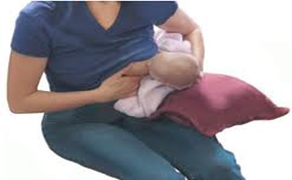
Good Attachment
Correct attachment to the breast:

The mother should hold the infant so that the infant’s nose is level with the nipple, stimulating the rooting reflex. The infant’s lips should open widely to take in the areola from below. The mother should then bring the infant’s head toward the areola so that it enters the mouth toward the back of the palate. The infant’s chin should touch and press against the breast, and both lips should be flanged outward.
Breastfeeding should be on demand:
- This means feeding whenever the infant wants or shows readiness to breastfeed, day or night, or whenever the mother wishes to feed, such as when she feels that her breasts are full.
- The mother should begin feeding when the infant shows hunger cues, such as sucking movements, bringing the hand to the mouth, restlessness, or agitation, rather than waiting until the infant cries.
Benefits of breastfeeding on demand:
- Reduced occurrence of problems such as breast engorgement.
- Earlier and increased milk production.
- Faster and greater infant weight gain.
- Easier adaptation to breastfeeding.
- Stronger emotional bonding between the infant and mother.
- To achieve this, rooming-in should be practiced:
Keep the mother and infant together day and night.
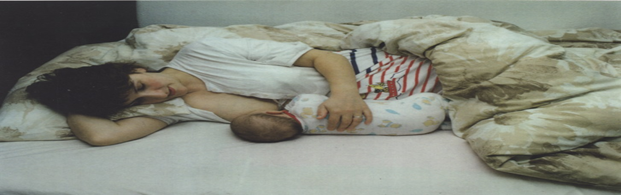
Exclusive Breastfeeding
Exclusive breastfeeding continues through the end of the sixth month and means:
❑ Do not give the infant any liquids or foods other than breast milk.
❑ Do not give the infant any artificial nipples, such as a feeding bottle with a teat, or a pacifier.
❑ Breastfeed 8 to 12 times in 24 hours, including at night.
❑ Do not restrict the number or duration of feeds.
Note:
• Giving the infant liquids or foods before initiating breastfeeding negatively affects the success of exclusive breastfeeding.
• Use of infant formula may expose the infant to allergies.
• Using feeding bottles or pacifiers may cause the infant to reject the mother’s breast because of nipple confusion, making the infant unable to open the mouth widely enough to take in a large portion of the areola.
Signs That Breast Milk Is Sufficient
Advise the mother to observe and record the number of wet diapers—more than six times daily—and bowel movements—four or more times daily—to reassure her that the infant is receiving enough milk. However, actual adequacy should be confirmed by regularly monitoring the infant’s weight gain on the growth chart.
Expression of Breast Milk
Reasons for expressing breast milk:
1. To feed an infant who cannot breastfeed, such as a preterm or low-birth-weight infant.
2. To relieve breast engorgement.
3. To store milk for feeding the infant while a working mother is absent.
4. To maintain milk production during maternal illness.
5. To increase breast-milk production.
6. To relieve breast fullness caused by milk accumulation.
Method of expressing breast milk:
• Breast milk may be expressed manually or with a breast pump. A warm shower or warm compresses applied to the breast for 3–5 minutes are recommended to facilitate milk flow.
• Prepare a container with a tight-fitting lid that has been thoroughly washed with hot water and detergent.
• Wash hands thoroughly with soap and water.
• Place the thumb on the breast above the areola and the index finger below the areola, opposite each other.
• Press the breast backward toward the ribs, then compress to express the milk. Continue for 3–5 minutes or until milk flow slows. Then compress the breast vertically relative to the previous position to ensure drainage of the axillary tail. Begin expressing the other breast in the same manner and repeat expression of both breasts.
• Store milk in small quantities in special plastic storage bags or small plastic containers designed for breast-milk storage. Label each container with the date and number, and use container No. 1 before No. 2.
• For prolonged storage, place the milk on a refrigerator shelf or in the freezer.
• Give expressed milk by spoon, dropper, or cup. Never use a feeding bottle, because this may cause the infant to refuse the breast.
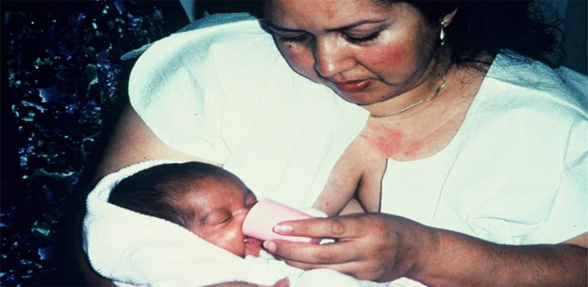
Essential Practices for Successful Breastfeeding
1. Initiate breastfeeding early, within the first hour after birth. After cesarean delivery, the mother should begin breastfeeding as soon as she has recovered from anesthesia.
2. Do not give the newborn any drink or food other than breast milk—exclusive breastfeeding—for six months.
3. Breastfeed on demand, day and night, without limiting the duration of feeds.
4. Keep the mother and infant together in the same room and at the bedside—rooming-in.
5. Bathing or washing the breasts once daily is sufficient. Avoid wiping the nipple and areola with soap or alcohol, because this removes the natural oils secreted by the areola that help the infant recognize the mother.
6. After breastfeeding, gently pat the breast dry or leave it uncovered for a few minutes to air-dry. Oils are unnecessary. A few drops of breast milk may be expressed onto the areola and nipple and left to dry.
Incorrect Breastfeeding Practices
1. Giving the newborn glucose or sugar-sweetened water after birth.
2. Giving the infant water, particularly during summer.
3. Giving the infant anise or caraway to relieve colic, which interferes with exclusive breastfeeding.
4. Stopping breastfeeding when the mother becomes ill or develops a fever.
5. Pacifiers may cause oral and dental deformities and promote oral fungal infection.
6. Scheduling breastfeeds, which conflicts with exclusive breastfeeding practices.
7. Introducing complementary foods before the sixth month.
8. Giving the infant complementary foods that are not appropriate for the infant’s age.
9. Not breastfeeding the infant at night because of the mistaken belief that the stomach needs rest.
Breastfeeding Assessment
⮘ What do you observe about the mother?
Her age, general health, nutrition, and social and financial circumstances.
⮘ What is the condition of the mother’s breasts?
Breast size and signs that the oxytocin reflex is active.
⮘ Also look for the following signs:
1. Fullness of the breast before feeding and softness afterward.
2. Persistent severe breast fullness, indicating that the infant is not removing milk from the breast.
3. Healthy appearance of the breast skin and nipples.
4. Redness of the skin or cracks in the nipple.
5. Nipple inflammation or a line appearing at the tip or side of the nipple when the infant releases the breast, which indicates poor attachment.
⮘ What do you observe about the infant?
Nasal obstruction, difficulty breathing, dehydration, tongue-tie, oral thrush, or cleft lip or palate.
⮘ How does the mother position the infant at the breast?
⮘ Does the infant appear to be well attached to the breast?
⮘ Is the infant suckling effectively?
⮘ How does the feed end, and does the infant appear satisfied?
The infant releases the breast spontaneously and appears satisfied and sleepy, or the mother removes the infant from the breast before the feed is complete. Infant feeding up to 6 months of age
x The infant should be exclusively breastfed through the end of the sixth month of life.
x Breastfeed according to the infant’s demand, day and night, at least 8 times in 24 hours.
x Breastfeed when the infant shows signs of hunger.
x At each feed, encourage the infant to empty one breast before moving to the other breast.
x Do not give the infant any food or liquids during the first six months, because breastfeeding meets the infant’s needs for both food and fluids.
Feeding the Child from 7 Months to the First Year of Life
● Continue breastfeeding according to the child’s needs.
● Begin complementary feeding at 7 months by offering small quantities. Introduce one food at a time and wait 3–4 days for the child to become accustomed to the new food. Do not reduce the number of breastfeeds in favor of family foods.
● Provide staple foods together with a variety of animal-source foods and other nutritious foods.
● Increase the quantity of food as the child grows older while continuing breastfeeding on demand.
1- At 6–8 months of age:
x Begin with 2–3 tablespoons of puréed or mashed food 2–3 times daily, gradually increasing the amount to half a cup.
2- At 8 months of age:
● Give small pieces that the child can pick up with the fingers. Allow the child to try self-feeding and provide assistance as needed.
3- At 9–11 months of age:
x Provide 3–4 meals daily of well-mashed foods and finger foods, with 1–2 small snacks between meals.
x Allow the child to eat from a separate plate.
x Help the child eat very slowly.
x When the child loses interest in food, address distracting environmental factors.
Note:
When complementary foods are introduced in the seventh month, the child requires additional water. Offer a cup of water after every meal.
❑ Feeding the Child from the First to the Second Year of Life
● Continue breastfeeding according to the child’s needs until 2 years of age.
● Continue offering 3–4 meals of nutritious mashed or puréed foods, from three-quarters of a cup to one cup per meal, together with 1–2 small snacks between meals.
● At each meal, give the child a staple food together with a variety of other nutritious foods.
● Feed the child from a separate plate and continue helping the child eat.
Feeding the Child from 2 to 5 Years of Age
- Give the child three family meals daily together with two nutritious snacks between meals.
- Offer a variety of foods. If the child refuses a new food, offer a taste several times, demonstrate that you enjoy the food, and do not force the child to eat.
- Offer reasonable quantities according to the child’s age, size, and activity level, increasing the quantities as the child grows.
Foods Recommended from 6 Months to 5 Years of Age
⮘ Continue breastfeeding until 2 years of age.
⮘ Staple foods provide energy and include grains and tubers.
⮘ Staple foods alone do not contain sufficient nutrients and should be accompanied by animal-source foods and other nutritious foods, such as:
◼ Animal-source foods: liver, meat, and eggs.
◼ Dairy products: cheese and yogurt.
◼ Legumes.
◼ Colorful leafy vegetables, including yellow and green vegetables.
◼ Fruit.
◼ Oils and fats.
◼ Ground nuts.
⮘ Give the child a variety of the foods listed above together with staple foods.
Preparing Safe and Hygienic Food
❑ Wash your hands with soap before preparing food, before feeding your child, and after using the toilet.
❑ Obtain clean drinking water and handle it safely. Boil the water for several seconds, then allow it to cool naturally without adding ice. This water is considered safe for the child to drink. Store it in clean, covered containers and serve it in a clean cup.
❑ Wash the child’s drinking cup and bowl thoroughly with soap and water or boil them.
❑ Do not use a feeding bottle, because it separates the child from the mother and is difficult to clean.
❑ Prepare food in clean utensils and feed the child with a clean spoon.
❑ Wash food-preparation surfaces with water, soap, and detergent after every use.
❑ Cook food thoroughly, particularly meat, poultry, eggs, and fish.
❑ Reheat cooked food thoroughly until it reaches boiling point.
❑ Cover leftover food or, preferably, refrigerate it. Discard food that has remained at room temperature for more than two hours.
❑ Avoid placing cooked food and raw food in the same container; use separate containers.
the breast before the infant has finished feeding.
References:
Alman, K. L., Lister, N. B., Garnett, S. P., Gow, M. L., Aldwell, K., & Jebeile, H. (2021). Dietetic management of obesity and severe obesity in children and adolescents: A scoping review of guidelines. Obesity Reviews, 22(1), e13132.
Stavridou, A., Kapsali, E., Panagouli, E., Thirios, A., Polychronis, K., Bacopoulou, F., ... & Tsitsika, A. (2021). Obesity in Children and Adolescents during COVID-19 Pandemic. Children, 8(2), 135.
Protocol Title | Child with Intestinal Parasites | ||
Issue Date |
| Version Number | 1 |
Revision Date |
| Number of Pages |
|
Prepared by |
| ||
Head Nurse | Medical Director Approval | Unit Manager Approval | |
| |||
Nurse’s Role in Providing Nursing Care to a Child with Intestinal Parasites
Patient Assessment:
- Perform a physical assessment of the different body systems according to the patient’s complaint.
- Assess pain and notify the physician if the pain score is 3 or higher.
- Perform a fall-risk assessment for children.
- Conduct psychological, spiritual, and nutritional assessments.
- Assess children younger or older than 5 years of age.
Nursing Procedures:
- Measure vital signs (blood pressure, blood glucose, pulse, respiratory rate, and temperature).
- Measure height and weight and calculate body mass index.
- Monitor the growth chart.
- Develop and implement a nursing care plan.
- Provide the patient with health education appropriate to the condition.
- Complete electronic documentation of all nursing forms in the system.
Health Education:
How are intestinal parasites transmitted from one child to another?
Children acquire intestinal worms through contact with soil contaminated by human feces from an infected person. Infection may occur when children ingest worm eggs, either by eating contaminated food—such as fruits and vegetables irrigated with water containing contaminated soil—or by directly ingesting contaminated soil. Children may also ingest the eggs of certain parasites through vegetables or meat that have not been thoroughly cooked, washed, or peeled, or through contaminated utensils and cooking equipment.
Symptoms of Intestinal Parasites
The child may have unexplained constipation or diarrhea. Parasites generally cause constipation more often than diarrhea, although some can alter the fluid balance in the intestines and cause diarrhea. Other possible signs include difficulty sleeping or waking repeatedly during the night; unexplained skin irritation or rash; grinding the teeth during sleep; abdominal, muscle, or joint pain; fatigue, exhaustion, depression, or recurrent apathy; and a diagnosis of iron-deficiency anemia.
Protecting the Child from Intestinal Parasites
Several measures can reduce the child’s risk of parasitic infection: Wash all fruits and vegetables with clean water before eating. Teach the child proper hygiene, including regular handwashing, especially before eating and after handling uncooked food, and handwashing after using the toilet. Cook food thoroughly, particularly meat and fish. Drink clean water, including bottled water. Avoid swallowing water from lakes or swimming pools and avoid swimming in unclean water. Do not use a microwave oven to cook meat, chicken, or fish.
References: Osorio-Pulgarin, M. I., Higuera, A., Beltran-Álzate, J. C., Sánchez-Jiménez, M., & Ramírez, J. D. (2021). Epidemiological and molecular characterization of Blastocystis infection in children attending daycare centers in Medellín, Colombia. Biology, 10(7), 669.
Assemie, M. A., Shitu Getahun, D., Hune, Y., Petrucka, P., Abebe, A. M., Telayneh, A. T., ... & Habtegiorgis, S. D. (2021). Prevalence of intestinal parasitic infection and its associated factors among primary school students in Ethiopia: A systematic review and meta-analysis. PLoS Neglected Tropical Diseases, 15(4), e0009379.
-Women’s Health Clinic Nursing Protocols
Protocol Title | Vulvovaginal Candidiasis Infection | ||
Issue Date |
| Version Number | 1 |
Revision Date |
| Number of Pages |
|
Prepared by |
| ||
Head Nurse | Medical Director Approval | Unit Manager Approval | |
| |||
Nurse’s Role in Providing Nursing Care to a Patient with Vulvovaginal Infection (Candidal Vaginitis and Trichomonas Vaginitis):
Patient Assessment:
- Perform a physical assessment of the different body systems according to the patient’s complaint, with particular focus on the reproductive system.
- Review the medication history for immunosuppressive medications, diabetes treatment, and long-term antibiotic use.
- Assess the use of hormonal contraceptive methods or an intrauterine device.
- Assess pain and notify the physician if the pain score is 3 or higher.
- Perform a fall-risk assessment for adults.
- Conduct psychological, spiritual, and nutritional assessments.
- Perform a geriatric assessment if the patient is 65 years of age or older.
Nursing Procedures:
- Measure vital signs (blood pressure, blood glucose, pulse, respiratory rate, and temperature).
- Measure height and weight and calculate body mass index.
- Develop and implement a nursing care plan.
- Provide the patient with health education appropriate to the condition.
- Complete electronic documentation of all nursing forms in the system.
Health Education:
- Explain vulvovaginal candidiasis and trichomoniasis to the patient:
Candidal vaginitis is an infection caused by a fungus known as Candida. Candida normally lives in the body—in areas such as the mouth, throat, intestines, and vagina, and
sometimes on the skin—without causing problems. However, Candida may multiply and cause infection if the vaginal environment changes in a way that promotes fungal growth.
Trichomonas vaginitis is an infection caused by a protozoan parasite known as Trichomonas. It is one of the most common sexually transmitted infections.
- Explain the risk factors that contribute to the disease:
The risk of infection is increased in:
· Pregnant women.
· Women who use hormonal contraceptives.
· Patients with diabetes mellitus.
· Patients with impaired immunity.
· Patients receiving long-term antibiotic therapy.
- Explain the symptoms of the condition to the patient:
· Vaginal itching or soreness.
· Pain during sexual intercourse.
· Pain or discomfort during urination.
· Abnormal, foul-smelling vaginal discharge. In candidiasis, the discharge is thick and resembles cottage cheese.
· Redness, swelling, and fissures of the vaginal wall may occur.
- Educate the patient about preventing the condition:
• Wear cotton underwear.
• Keep the genital area dry at all times.
• Avoid spicy foods.
• Limit antibiotic use to situations in which it is necessary and prescribed by a physician.
• Do not overuse chemical products such as vaginal douches, because they may alter vaginal acidity.
• Patients with diabetes should follow the physician’s instructions and take treatment regularly to limit hyperglycemia, which alters vaginal acidity.
• Change sanitary pads and tampons regularly.
References:
Gonçalves B, Ferreira C, Alves CT, Henriques M, Azeredo J, Silva S. Vulvovaginal candidiasis: epidemiology, microbiology and risk factorsexternal icon. Criti Rev Microbiol 2016;42:905-27.
Sobel JD. Vulvovaginal candidosisexternal icon. Lancet 2007;369:1961-71.
Pappas PG, Kauffman CA, Andes DR, Clark CJ, Marr KA, Ostrosky-Zeichner L, et al. Clinical practice guideline for the management of candidiasis: 2016 update by the Infectious Diseases Society of Americaexternal icon. Clin Infect Dis 2016;62:e1-50.
Benedict K, Jackson BR, Chiller T, Beer KD. Estimation of direct healthcare costs of fungal diseases in the United Statesexternal icon. Clin Infect Dis. 2018 Sep 10
Protocol Title | Pregnant Woman with Gestational Diabetes | ||
Issue Date |
| Version Number | 1 |
Revision Date |
| Number of Pages |
|
Prepared by |
| ||
Head Nurse | Medical Director Approval | Unit Manager Approval | |
| |||
2. Nurse’s Role in Providing Nursing Care to a Pregnant Woman with Gestational Diabetes:
Patient Assessment:
- Perform a physical assessment of the different body systems according to the patient’s complaint, with particular focus on the reproductive system.
- Assess pain and notify the physician if the pain score is 3 or higher.
- Perform a fall-risk assessment for adults.
- Conduct psychological, spiritual, and nutritional assessments.
- Perform an obstetric assessment.
Nursing Procedures:
- Measure vital signs (blood pressure, blood glucose, pulse, respiratory rate, and temperature).
- Measure height and weight and calculate body mass index.
- Develop and implement a nursing care plan.
- Direct the pregnant woman to complete the required laboratory tests according to the physician’s orders.
- Provide the patient with health education appropriate to the condition.
- Complete electronic documentation of all nursing forms in the system.
Health Education:
- Definition of gestational diabetes: Gestational diabetes is a type of diabetes first identified during pregnancy. It reflects the body’s inability to use insulin effectively, resulting in elevated blood glucose levels. If not controlled, gestational diabetes can lead to serious complications for both the mother and fetus.
The purpose of this protocol is to provide detailed guidance for managing gestational diabetes in order to reduce risks and improve health outcomes for both the mother and fetus.
- Nutrition and Self-Care
- Nutrition:
- Meal planning:
- The diet should provide a careful balance of carbohydrates, proteins, and fats, with emphasis on adequate fiber and vegetables.
- Dividing food intake into three main meals and three snacks helps maintain stable blood glucose levels.
- Avoid high-glycemic-index foods, such as sweets and baked goods, which cause a rapid rise in blood glucose.
- Physical activity:
- Regular exercise, such as walking for 30 minutes daily, can improve the body’s response to insulin.
- The physician should be consulted before beginning any exercise program to avoid activities that may pose a risk to the pregnancy.
Self-monitoring of blood glucose:
- Teach the patient how to use a blood glucose meter correctly and record the results.
- It is important to measure blood glucose at the following times:
- Before meals.
- Two hours after meals.
- On waking in the morning.
Optimal blood glucose targets:
- Before meals: 95 mg/dL or less.
- Two hours after meals: 120 mg/dL or less.
Medical Follow-Up and Continuing Care (Follow-Up Visits)
- Routine examinations:
- The patient should visit the physician regularly to monitor blood glucose levels and fetal growth.
- Ultrasound examination:
- Ultrasound examinations should be performed regularly by the physician to monitor fetal growth and assess amniotic fluid volume.
Potential complications:
- Blood pressure monitoring:
- Blood pressure should be monitored continuously to detect preeclampsia.
- Assessment of fetal growth:
- If excessive fetal growth (macrosomia) is suspected, the physician may provide recommendations regarding the timing of delivery.
Postpartum Care:
Postpartum maternal follow-up
- Blood glucose testing:
- A test should be performed 6–12 weeks after delivery to confirm that blood glucose levels have returned to normal or to diagnose any persistent glucose abnormality.
- Future recommendations:
- Advise the mother about the importance of maintaining a healthy weight, following a balanced diet, and exercising regularly to reduce the future risk of type 2 diabetes.
Infant follow-up:
- Blood glucose monitoring:
- The infant’s blood glucose level should be measured shortly after birth to ensure that hypoglycemia is not present.
- Routine examinations:
- Monitor the child’s growth regularly to ensure that no complications have resulted from gestational diabetes.
References:
- Pillay, J., Donovan, L., Guitard, S., Zakher, B., Gates, M., Gates, A., ... & Hartling, L. (2021). Screening for gestational diabetes: updated evidence report and systematic review for the US Preventive Services Task Force. JAMA, 326(6), 539-562.
- Barani, M., Sargazi, S., Mohammadzadeh, V., Rahdar, A., Pandey, S., Jha, N. K., ... & Thakur, V. K. (2021). Theranostic Advances of Bionanomaterials against Gestational Diabetes Mellitus: A Preliminary Review. Journal of Functional Biomaterials, 12(4), 54.
Protocol Title | Woman with Delayed Menstruation | ||
Issue Date |
| Version Number | 1 |
Revision Date |
| Number of Pages |
|
Prepared by |
| ||
Head Nurse | Medical Director Approval | Unit Manager Approval | |
| |||
3. Nurse’s Role in Providing Nursing Care to a Woman with Delayed Menstruation:
1- Patient Assessment:
- Perform a physical assessment of the different body systems according to the patient’s complaint, with particular focus on the reproductive system.
- Assess pain and notify the physician if the pain score is 3 or higher.
- Perform a fall-risk assessment for adults.
- Conduct psychological, spiritual, and nutritional assessments.
2- Nursing Procedures:
- Measure vital signs (blood pressure, blood glucose, pulse, respiratory rate, and temperature).
- Measure height and weight and calculate body mass index.
- Develop and implement a nursing care plan.
- Provide the patient with health education appropriate to the condition.
- Complete electronic documentation of all nursing forms in the system.
Health Education:
A delayed menstrual period is one of the most common causes of anxiety and concern among women, particularly those with regular cycles, and may increase suspicion of pregnancy in married women. Delayed menstruation is defined as a menstrual period occurring more than ten days later than the usual date in an adult woman.
A normal menstrual cycle lasts 28 days, plus or minus seven days. Therefore, a delay of up to 7 days may be considered the maximum normal delay or the normal range for a late period.
Menstrual bleeding is considered irregular if it occurs more frequently than every 21 days or lasts longer than 8 days. Missed, early, or late periods are also signs of an irregular cycle.
To determine whether menstruation is irregular, count from the last day of the previous period to the first day of the next period and repeat this for three consecutive months. If the number of days varies substantially from month to month, the cycle is irregular.
When is a delayed period considered normal?
It is entirely normal for a woman’s cycle to be irregular or delayed in the following circumstances:
When menstruation first begins.
When menopause begins. The average age at menopause is usually 52 years, although symptoms may appear 10–15 years before menstruation ceases. Menopause causes changes in hormone levels, particularly estrogen, which may lead to absent or irregular menstruation.
What should be done when menstruation is delayed?
Changes in the human body may require time or medical intervention before returning to normal. Variation in a woman’s menstrual cycle is common. Factors that affect cycle length include:
Adolescence.
Breastfeeding.
Approaching menopause.
Stress.
Travel.
Diet.
Illness and medications, including contraceptive medications.
If menstruation is delayed by more than several days, the woman’s cycle is usually regular, and pregnancy is possible, it is advisable to perform a home pregnancy test.
Home pregnancy tests vary considerably in sensitivity. For some people, several additional days may be required before a positive result appears. By one week after a missed period, all tests should be capable of detecting pregnancy.
Lifestyle and Home Remedies
Certain lifestyle factors—such as excessive exercise or extreme restriction of food intake—can cause amenorrhea. Aim for balance between work, recreation, and rest. Evaluate sources of stress and conflict
in your life. If you cannot reduce stress on your own, seek help from your family, friends, or physician.
Be aware of changes in your menstrual cycle and consult your physician if you have concerns. Keep a record of menstrual dates, noting the start date, duration, and any troublesome symptoms.
References:
Shen, H. H., Zhang, T., Yang, H. L., Lai, Z. Z., Zhou, W. J., Mei, J., ... & Li, M. Q. (2021). Ovarian hormones-autophagy-immunity axis in menstruation and endometriosis. Theranostics, 11(7), 3512.
Park, S., Yang, H. J., Kim, M. J., Hur, H. J., Kim, S. H., & Kim, M. S. (2021). Interactions between Polygenic Risk Scores, Dietary Pattern, and Menarche Age with the Obesity Risk in a Large Hospital-Based Cohort. Nutrients, 13(11), 3772.
-Dental Clinic Nursing Protocols
|
Protocol Title |
Tooth Extraction |
|||
|
Issue Date |
|
Version Number |
|
|
|
Effective Date |
|
Department |
|
|
|
Revision Date |
|
Number of Pages |
|
|
|
Prepared by |
Reviewed by |
Approved by |
||
|
|
|
|
||
|
|
|
|
||
1- Patient Assessment:
- Perform a physical assessment of the different body systems.
- Assess pain and notify the physician if the pain score is 3 or higher.
- Perform a fall-risk assessment.
- Conduct psychological, spiritual, and nutritional assessments.
- Perform a geriatric assessment if the patient is 65 years of age or older.
- Reassess pain immediately after extraction.
2- Nursing Procedures:
- Measure vital signs (blood pressure, temperature, pulse, and respiratory rate).
- Measure the blood glucose level and notify the physician of the result.
- Measure height and weight and calculate body mass index.
- Develop and implement a nursing care plan.
- Complete electronic documentation of all nursing forms in the system.
- Administer treatment as prescribed by the physician.
3- Health Education:
- Educate the patient about measures to follow before and after tooth extraction:
Pre- and post-extraction instructions provide several health benefits. Following them helps relieve pain more quickly, avoid complications such as infection, and accelerate wound healing.
Health Education
1. Avoid rinsing the mouth
● On the day of extraction, avoid rinsing or gargling with liquids and avoid spitting. Do not swallow saliva in the mouth, even if it has a slight taste of blood.
● Spitting or rinsing may dislodge the blood clot formed at the extraction site, slowing healing and potentially causing severe pain later.
2. Apply a gauze pad
● Bite firmly on the gauze pad placed over the extraction site for at least 30 minutes, using the opposing jaw to maintain pressure, and avoid speaking.
3. Stop smoking
● On the day of extraction, refrain from smoking for at least 3 hours after the procedure. Preferably, avoid smoking for 24 hours after extraction.
4. Refrain from eating
● Do not eat for two hours after tooth extraction. Thereafter, eat soft foods that are cold or lukewarm.
● Do not consume hot food or beverages. Food should preferably not contain hard particles such as nuts.
5. Avoid strenuous physical exercise
● On the day of extraction, avoid vigorous physical activity such as running, cycling, swimming, and similar activities. Also avoid prolonged exposure to sunlight.
6. Apply black tea
● If bleeding occurs, gently rinse the mouth with cold water, then place a gauze pad soaked in black-tea extract—or a plain black-tea bag with all attachments removed and soaked in water—over the site.
● Apply pressure with the tea bag against the extraction site for 30 minutes. Black tea contains substances that help constrict blood vessels and control bleeding.
7. Apply ice
● After surgical tooth extraction, place ice in a plastic bag wrapped in a towel or other cloth and apply it to the cheek over the extraction area for 10 minutes. Remove it for 10 minutes, then reapply it for another 10 minutes. This helps reduce swelling.
8. Rinse the mouth on the day after extraction
● Beginning one day after extraction, rinse the mouth after every meal and before bedtime, at least twice daily for one week.
● Rinse with half a cup of lukewarm water containing one-quarter teaspoon of salt, or with a weak chamomile-tea solution.
9. Insert a denture
● If a denture is inserted immediately after extraction, do not remove it during the first 24 hours except for a few minutes to rinse away food debris.
10. Consult the physician
● If unusual problems occur, such as bleeding or a severe headache, consult the physician immediately.
References:
• Bado,F.M.R.,Rebustini,F.,Azzi,R.G.,Ferreira, L.C.M., Souza,G.A.D.,Jamieson, L., &Mialhe, F.L. (2020). Cross-cultural adaptation and validataion of the Self-efficacy Scale to Brush Teeth at Night. Ciencia& Sauda Coletiva, 25, 4401-4410
|
Protocol Title |
Dental Abscess |
|||
|
Issue Date |
|
Version Number |
|
|
|
Effective Date |
|
Department |
|
|
|
Revision Date |
|
Number of Pages |
|
|
|
Prepared by |
Reviewed by |
Approved by |
||
|
|
|
|
||
|
|
|
|
||
Nurse’s Role in Caring for a Patient with a Dental Abscess
4- Patient Assessment:
- Perform a physical assessment of the different body systems.
- Assess pain and notify the physician if the pain score is 3 or higher.
- Perform a fall-risk assessment.
- Conduct psychological, spiritual, and nutritional assessments.
- Perform a geriatric assessment if the patient is 65 years of age or older.
5- Nursing Procedures:
- Measure vital signs (blood pressure, temperature, pulse, and respiratory rate).
- Measure the blood glucose level and notify the physician of the result.
- Measure height and weight and calculate body mass index.
- Develop and implement a nursing care plan.
- Complete electronic documentation of all nursing forms in the system.
6- Health Education:
- Explain the concept of a dental abscess to the patient:
A dental abscess is a pocket of pus, usually caused by a bacterial infection. It forms around the root of the affected tooth and requires treatment to prevent spread to the jaw. It is also referred to as a periapical or internal dental abscess and may cause severe pain that sometimes radiates to the ear or neck. If untreated, a dental abscess can rapidly become a serious condition.
- Explain the types of dental abscess to the patient:
Different types of dental abscess may result from different causes and appear in various locations around the tooth. The most common types are:
- Periapical abscess: An abscess at the tip or apex of the tooth root.
- Periodontal abscess: An abscess in the gum beside the tooth root that may spread to surrounding tissues and bone.
- Gingival abscess: An abscess affecting only the gingival tissue without involving the tooth or periodontal ligament. A periapical dental abscess usually results from untreated dental caries and may spread to surrounding tissues and bone.
- Educate the patient about the symptoms of a dental abscess:
Pain around the tooth or in the gum is a principal symptom of a dental abscess. Sudden pain may worsen over time if the abscess is left untreated. Other symptoms associated with an abscessed tooth include:
- Toothache or pain radiating to the jaw, ear, or neck.
- Pain when chewing or biting.
- Swollen gums.
- An unpleasant taste in the mouth or bad breath.
- Tooth and gum sensitivity.
- Fever.
- Enlarged lymph nodes under the jaw or in the neck.
- Increased pain when lying down.
- Difficulty swallowing or breathing.
- Sensitivity to hot and cold beverages.
- Swelling of the face or cheek.
- A pimple-like bump on the gum.
- Educate the patient about treatment of a dental abscess:
Treatment focuses on eliminating the infection and relieving pain. Depending on the symptoms, the dentist may begin with a dental X-ray to determine whether the infection has spread. A gum or tooth abscess is usually treated by drainage and elimination of the infection. Extraction of the affected tooth may be necessary if it cannot be saved by root-canal treatment. Antibiotics may be used if the infection has already spread around the involved teeth or if the immune system is weakened.
- Educate the patient about preventing a dental abscess:
Following a comprehensive oral-hygiene routine to prevent tooth decay is essential for preventing dental abscesses. Recommended measures include:
- Use fluoride toothpaste and brush the teeth twice daily.
- Replace the toothbrush every 3–4 months.
- Eat a healthy diet and avoid foods high in sugar and starch.
- Schedule regular dental visits for examinations and professional cleaning.
- Use an antiseptic mouthwash regularly.
Correct daily brushing with a toothbrush and toothpaste is the most important measure for maintaining oral and dental hygiene and preventing caries and resulting diseases. Proper toothbrush care is also important for maintaining a clean, healthy mouth. Dental health is a principal component of oral health and prevention and plays an important role in improving overall health.
1. Selecting a toothbrush
The size and shape of the toothbrush should suit the mouth and allow it to reach all tooth surfaces easily. It should have soft nylon bristles to avoid injuring or scratching the gums and teeth.
2. Selecting toothpaste:
All toothpastes share basic ingredients but differ in certain additional components, some of which may be more beneficial than others. Therefore,
consider the following when purchasing toothpaste:
· It should contain fluoride, which helps prevent tooth decay.
· Some toothpastes are intended for special situations, such as whitening toothpaste and toothpaste for sensitive teeth. Consultation with a dentist is recommended before use.
3- Replacing the toothbrush
Replace the toothbrush every three to four months or when the bristles become frayed to maintain cleaning effectiveness and prevent injury to gingival tissues.
4- Duration of tooth brushing
Brush the teeth twice daily for two minutes each time. Avoid brushing immediately after consuming citrus fruits to protect the enamel layer.
Guidelines for Toothbrush Care
· Do not share toothbrushes with others, because bacteria can be transmitted from one person to another, increasing the risk of infection, particularly in immunocompromised individuals.
· Rinse the toothbrush thoroughly with water after use.
· Store the toothbrush upright after cleaning to accelerate drying. If it is kept near other toothbrushes, ensure that the heads do not touch to prevent bacterial transmission between them.
· Avoid covering the toothbrush unnecessarily, such as placing it in a case, and do not store it in enclosed spaces, because a moist environment promotes bacterial growth.
· Do not attempt to sterilize the toothbrush by placing it in a dishwasher or microwave, because this may damage it.
· No studies have established that soaking a toothbrush in mouthwash or a toothbrush sanitizer provides additional benefits or causes harm to oral health.
Steps for Brushing the Teeth
The appropriate brushing technique varies according to the person’s condition and age. A dentist can explain the suitable method. In general, use the toothbrush as follows:
· Position the toothbrush at a 45-degree angle so that the bristles touch the gum line and the teeth.
· Gently brush two or three teeth at a time with a back-and-forth motion from the gum line to the end of the tooth, then repeat for the remaining teeth.
· Clean the posterior teeth (molars) by holding the brush at a 45-degree angle and using back-and-forth and circular movements over all inner surfaces.
· Clean the inner surfaces of the teeth with the tip of the brush, moving it vertically upward and downward.
· Clean the biting edges of the teeth, then clean the tongue using a tongue cleaner or the toothbrush.
References:
- https://www.merckmanuals.com/home/quick-facts-mouth-and-dental-disorders/tooth-disorders/dental-abscess Open link in new window
- https://www.nhs.uk/conditions/dental-abscess/ Open link in new window
- https://www.nidcr.nih.gov/health-info/tooth-decay/more-info/more-info Open link in new window
- https://www.betterhealth.vic.gov.au/health/conditionsandtreatments/dry-mouth-syndrome
- Bado,F.M.R.,Rebustini,F.,Azzi,R.G.,Ferreira, L.C.M., Souza,G.A.D.,Jamieson, L., &Mialhe, F.L. (2020). Cross-cultural adaptation and validataion of the Self-efficacy Scale to Brush Teeth at Night. Ciencia& Sauda Coletiva, 25, 4401-4410
|
Protocol Title |
Dental Calculus |
|||
|
Issue Date |
|
Version Number |
|
|
|
Effective Date |
|
Department |
|
|
|
Revision Date |
|
Number of Pages |
|
|
|
Prepared by |
Reviewed by |
Approved by |
||
|
|
|
|
||
|
|
|
|
||
Nurse’s Role in Caring for a Patient with Dental Calculus Accumulation
1- Patient Assessment:
- Perform a physical assessment of the different body systems.
- Assess pain and notify the physician if the pain score is 3 or higher.
- Perform a fall-risk assessment.
- Conduct psychological, spiritual, and nutritional assessments.
- Perform a geriatric assessment if the patient is 65 years of age or older.
2- Nursing Procedures:
- Measure vital signs (blood pressure, temperature, pulse, and respiratory rate).
- Measure the blood glucose level and notify the physician of the result.
- Measure height and weight and calculate body mass index.
- Develop and implement a nursing care plan.
- Complete electronic documentation of all nursing forms in the system.
3- Health Education:
- Explain the concept of dental calculus to the patient:
Dental calculus is a hard, rough layer that forms on the teeth as a result of accumulated plaque and minerals. It may be deposited on the visible portion of the tooth or below the gum line and appears yellow or brown. The posterior surfaces of the teeth and the spaces between teeth are common sites of accumulation. Because calculus is extremely hard, it cannot be removed by tooth brushing and must be removed by a dentist using special instruments. If left untreated, it may adversely affect gum and dental health.
- Explain the causes of dental calculus to the patient:
Calculus forms when inadequate oral hygiene allows plaque to accumulate on the teeth. Plaque is a thin film composed of sugary and starchy food residues mixed with bacteria that live in the mouth. Over time, minerals from saliva are deposited within the plaque, causing it to harden into dental calculus.
- Explain the symptoms of dental calculus to the patient:
· Symptoms include hard, rough deposits on the teeth, particularly near the gums or between the teeth. The deposits may appear yellow or brown because calculus is porous and becomes stained by foods and beverages.
· Bad breath.
· Swollen gums that bleed easily.
· Tooth sensitivity.
- Explain treatment of dental calculus to the patient:
Treatment involves professional removal using specialized ultrasonic or manual instruments, followed by deep cleaning of the enamel surface.
- Educate the patient about preventing dental calculus:
Correct daily brushing with a toothbrush and toothpaste is the most important measure for maintaining oral and dental hygiene and preventing caries and resulting diseases. Proper toothbrush care is also important for maintaining a clean, healthy mouth. Dental health is a principal component of oral health and prevention and plays an important role in improving overall health.
1. Selecting a toothbrush
The size and shape of the toothbrush should suit the mouth and allow it to reach all tooth surfaces easily. It should have soft nylon bristles to avoid injuring or scratching the gums and teeth.
2. Selecting toothpaste:
All toothpastes share basic ingredients but differ in certain additional components, some of which may be more beneficial than others. Therefore,
consider the following when purchasing toothpaste:
· It should contain fluoride, which helps prevent tooth decay.
· Some toothpastes are intended for special situations, such as whitening toothpaste and toothpaste for sensitive teeth. Consultation with a dentist is recommended before use.
3- Replacing the toothbrush
Replace the toothbrush every three to four months or when the bristles become frayed to maintain cleaning effectiveness and prevent injury to gingival tissues.
4- Duration of tooth brushing
Brush the teeth twice daily for two minutes each time. Avoid brushing immediately after consuming citrus fruits to protect the enamel layer.
Guidelines for Toothbrush Care
× Do not share toothbrushes with others, because bacteria can be transmitted from one person to another, increasing the risk of infection, particularly in immunocompromised individuals.
- Rinse the toothbrush thoroughly with water after use.
- Store the toothbrush upright after cleaning to accelerate drying. If it is kept near other toothbrushes, ensure that the heads do not touch to prevent bacterial transmission between them.
- Avoid covering the toothbrush unnecessarily, such as placing it in a case, and do not store it in enclosed spaces, because a moist environment promotes bacterial growth.
- Do not attempt to sterilize the toothbrush by placing it in a dishwasher or microwave, because this may damage it.
-No studies have established that soaking a toothbrush in mouthwash or a toothbrush sanitizer provides additional benefits or causes harm to oral health.
Steps for Brushing the Teeth
The appropriate brushing technique varies according to the person’s condition and age. A dentist can explain the suitable method. In general, use the toothbrush as follows:
· Position the toothbrush at a 45-degree angle so that the bristles touch the gum line and the teeth.
· Gently brush two or three teeth at a time with a back-and-forth motion from the gum line to the end of the tooth, then repeat for the remaining teeth.
· Clean the posterior teeth (molars) by holding the brush at a 45-degree angle and using back-and-forth and circular movements over all inner surfaces.
· Clean the inner surfaces of the teeth with the tip of the brush, moving it vertically upward and downward.
· Clean the biting edges of the teeth, then clean the tongue using a tongue cleaner or the toothbrush.
References:
· Candice Abellon. How to Remove Plaque and Tartar. Retrieved on the 28th of December, 2023
· Sara Lindberg. What’s the Difference Between Plaque and Tartar? Retrieved on the 28th of December, 2023.
· Aaron Clarius. Dental Calculus Causes & Treatment. Retrieved on the 28th of December, 2023.
· Zawn Villines. What are the differences between plaque and tartar? Retrieved on the 28th of December, 2023.
· Elizabeth Pratt. Plaque Removal and Preventing Tartar Buildup on Teeth. Retrieved on the 28th of December, 2023.
· Bado,F.M.R.,Rebustini,F.,Azzi,R.G.,Ferreira, L.C.M., Souza,G.A.D.,Jamieson, L., &Mialhe, F.L. (2020). Cross-cultural adaptation and validataion of the Self-efficacy Scale to Brush Teeth at Night. Ciencia& Sauda Coletiva, 25, 4401-4410
-Nursing Care Plans
1- Nursing care plan for a patient with oral inflammation.
2- Nursing care plan for a patient requiring health education.
3- Nursing care plan for a patient with elevated body temperature.
4- Nursing care plan for a patient with constipation.
5- Nursing care plan for a patient with diarrhea.
6- Nursing care plan for a patient with dehydration.
7- Nursing care plan for a patient with nausea and an urge to vomit.
8- Nursing care plan for a patient with anxiety.
9- Nursing care plan for a patient with pain.
10- Nursing care plan for a patient with shortness of breath.
11- Nursing care plan for a patient with sputum in the chest.
12- Nursing care plan for a patient with cough.
13- Nursing care plan for a patient with myocardial infarction.
14- Nursing care plan for a patient with chest pain.
15- Nursing care plan for a patient with general weakness due to a low blood hemoglobin level (anemia).
16- Nursing care plan for a patient with hypertension.
17- Nursing care plan for a patient with hypotension.
18- Nursing care plan for a patient in a hypoglycemic coma.
19- Nursing care plan for a patient in a hyperglycemic coma.
20- Nursing care plan for a family-planning client.
21- Nursing care plan for risk of falling.
Nursing Care Plan
Patient’s Full Name: Insurance Number:
|
No. |
Nursing Problem / Need |
Goal |
Time Available |
Interventions |
Evaluation |
|
1- Nursing care plan for a patient with oral inflammation. |
|||||
|
|
Oral inflammation |
Treat the inflammation. Reduce potential complications. |
15–30 minutes |
1. Identify the primary cause, for example: Poor oral hygiene or prolonged fasting. A specific treatment, such as chemotherapy. 2. Assess the patient’s mouth using a tongue depressor, noting the color and extent of inflammation. 3. Administer an analgesic as prescribed by the physician. 4. Educate the patient to rinse the mouth every four hours and before and after meals to reduce fungal growth. 5. Educate the patient about maintaining the oral mucosa by taking fluids and soft foods. |
Refer the patient as ordered by the physician. |
Nurse’s Name /
Nursing Care Plan
Full Name:
Insurance Number /
|
No. |
Nursing Problem / Need |
Goal |
Time Available |
Interventions |
Evaluation |
|
|
2- Nursing care plan for a patient requiring health education. |
||||||
|
|
Deficient patient knowledge regarding a specific matter, such as the condition or the prescribed diet. |
Increase the patient’s knowledge. Reduce the anxiety the patient may experience.
|
5–10 minutes |
1. Prepare the environment around the patient so that it is quiet and free from stressors. 2. First gain the patient’s trust through an appropriate manner of speaking. 3. Ask the patient about prior knowledge. 4. Determine the patient’s expectations. 5. Explain the requested information in short, factual, reassuring sentences. Use language the patient can understand and avoid technical terminology. 6. Select a time for the discussion when the patient is not experiencing distress or pain. 7. During the discussion, repeatedly ask whether any information is unclear. 8. Maintain eye contact with the patient while speaking. 9. If printed materials or books support the topic discussed by the nurse, provide them to the patient. 10. Involve the family in the explanation whenever possible. |
Assess the patient’s level of understanding by asking questions. Repeat the interventions if the patient did not understand them the first time. |
|
Nurse’s Name
Nursing Care Plan
Patient’s Full Name: Insurance Number:
|
No. |
Nursing Problem / Need |
Goal |
Time Available |
Interventions |
Evaluation |
|
3- Nursing care plan for a patient with elevated body temperature. |
|||||
|
3 |
Body temperature above the normal range (over 37.5°C). |
Reduce the temperature to the normal range and maintain it below 37.5°C. |
30 minutes–2 hours |
1. Measure temperature and pulse every 30 minutes until the temperature decreases. 2. Report temperature measurements to the physician. 3. Administer the required treatment as prescribed by the physician. 4. Apply tap-water compresses over pulse points. 5. Give oral fluids if permitted by the physician. 6. When the temperature falls below 37.5°C, notify the physician and discontinue the interventions. 7. Document the results of the interventions in the nursing notes. 8. If COVID-19 is suspected, the physician should issue a medical recommendation and refer the patient to an isolation hospital. |
Discontinue the procedure when the temperature returns to the normal range. If the temperature remains elevated, repeat the same interventions when possible or refer the patient as ordered by the physician.
|
Nurse’s Name
Nursing Care Plan
Patient’s Full Name: Insurance Number:
|
No. |
Nursing Problem / Need |
Goal |
Time Available |
Interventions |
Evaluation |
|
4- Nursing care plan for a patient with constipation. |
|||||
|
4 |
Altered bowel movement causing a sensation of bowel fullness, possibly accompanied by colic and gas. |
Maintain regular bowel movements. Prevent complications. |
1–2 hours |
1. Identify the primary cause of constipation, for example: Use of medications that may cause constipation as a side effect. A change in the usual bowel routine due to hospitalization. 2. Ask the patient about the previous bowel pattern. 3. Offer fiber-rich foods such as vegetables and fruit. 4. Educate the patient about the need for mobility and exercises appropriate to the patient’s condition. 5. Encourage the patient to drink fluids. 6. Educate the patient to establish a regular time for using the toilet. 7. Apply soothing ointments or creams if anal lesions are present, as ordered by the physician. 8. Administer laxatives as prescribed by the physician. 9. Auscultate bowel sounds. 10. Refer the patient for an enema when indicated and ordered by the physician. |
|
Nurse’s Name
Nursing Care Plan
Patient’s Full Name: Insurance Number:
|
No. |
Nursing Problem / Need |
Goal |
Time Available |
Interventions |
Evaluation |
|
5- Nursing Care Plan for a Patient with Diarrhea |
|||||
|
5 |
The patient has diarrhea and fluid loss and is at risk of dehydration. |
Restore the normal bowel pattern and protect the body from dehydration. |
1–2 hours |
1. Identify the cause of diarrhea, if possible. 2. Assess the number of bowel movements, color, odor, and contents. 3. Report the appearance, contents, and frequency of the diarrhea to the physician. 4. Obtain a stool analysis as ordered by the physician. 5. Administer the treatment prescribed by the physician. 6. Explain the effect of the treatment and the expected response. 7. Avoid foods that increase diarrhea, such as milk, fruit, and vegetables, until the diarrhea stops. 8. Administer oral fluids or intravenous fluids as ordered by the physician. 9. Observe for and report signs of dehydration. 10. Measure vital signs. 11- |
|
Nurse’s Name
Nursing Care Plan
Patient’s Full Name: Insurance Number:
|
No. |
Nursing Problem / Need |
Goal |
Time Available |
Interventions |
Evaluation |
|
6- Nursing care plan for a patient with dehydration. |
|||||
|
6 |
Severe body-fluid deficit. |
Maintain body fluids within the normal range. Fluid intake should be slightly greater than fluid output. |
2–3 hours |
1. Identify the primary cause of dehydration. 2. Measure vital signs. 3. Monitor the patient’s weight. 4. Observe for signs of dehydration, including poor skin turgor, weak pulse, intense thirst, low urine output, hypotension, and dry mucous membranes. 5. Administer intravenous fluids as prescribed by the physician. 6. For children, administer oral rehydration solution as ordered by the physician. 7. Encourage the patient to drink plenty of fluids and natural juices with the physician’s approval. 8. Implement medical orders for treatment of the cause of dehydration. 9. Refer the patient when necessary, as ordered by the physician. |
Assess skin characteristics. Assess vital signs. |
Nurse’s Signature
Nursing Care Plan
Patient’s Full Name: Insurance Number:
|
No. |
Nursing Problem / Need |
Goal |
Time Available |
Interventions |
Evaluation |
|
7- Nursing care plan for a patient with nausea and an urge to vomit. |
|||||
|
7 |
Uncomfortable sensation of nausea. Food intake below the body’s requirements because of vomiting. |
Maintain nutritional intake at a level appropriate for the body’s needs. Reduce the sensation of nausea and the urge to vomit. |
10–15 minutes |
1. Report the quantity, color, frequency, and contents of vomitus to the physician. 2. Administer treatment as prescribed by the physician. 3. Explain the purpose and effect of the medication. 4. Place a kidney basin beside the patient and a towel over the patient’s shoulder, ensuring that the patient’s head is turned to the side. 5. Provide general health education about preventing vomiting and nausea. 6. If COVID-19 is suspected, the physician should issue a medical recommendation and refer the patient to an isolation hospital. |
Assess for vomiting or nausea. If the problem persists, refer the patient as ordered by the physician. |
Nurse’s Signature
Nursing Care Plan
Patient’s Full Name: Insurance Number:
|
No. |
Nursing Problem / Need |
Goal |
Time Available |
Interventions |
Evaluation |
|
8- Nursing care plan for a patient with anxiety. |
|||||
|
8 |
Patient anxiety |
Eliminate or reduce anxiety. |
20–30 minutes |
1. Identify the primary cause of anxiety. 2. Speak to the patient calmly and reassuringly. 3. Use simple, brief sentences to help the patient understand the condition, and communicate only information authorized by the physician. 4. Do not appear nervous or rushed while speaking with the patient. 5. Listen to the patient and provide adequate attention. 6. If the patient cries during the discussion, allow the patient to express emotions. 7. Advise the patient to occupy time with activities such as watching television, listening to the radio, or reading newspapers. |
Assess the patient’s level of anxiety. If the problem persists, repeat the preceding interventions. |
Nurse’s Signature
Nursing Care Plan
Patient’s Full Name: Insurance Number:
|
No. |
Nursing Problem / Need |
Goal |
Time Available |
Interventions |
Evaluation |
|
9- Nursing care plan for a patient with pain. |
|||||
|
9 |
The patient is experiencing pain. |
Eliminate or reduce the patient’s pain. |
15–30 minutes |
1. Assess the pain in terms of location, type, frequency, and severity. Help the patient describe the pain and determine whether it is associated with a particular factor, such as movement. 2. Identify factors that precipitate the pain. 3. Ask whether the patient has experienced this pain before and how it was managed. 4. Notify the physician and provide sufficient information from the pain assessment. 5. Administer the treatment prescribed by the physician. 6. Provide psychological support to the patient. 7. Provide nursing care appropriate to the type of pain, for example: Avoid moving the painful area and support it with a pillow. Apply warm compresses to the painful area. |
|
Nurse’s Signature
Nursing Care Plan
Patient’s Full Name: Insurance Number:
|
No. |
Nursing Problem / Need |
Goal |
Time Available |
Interventions |
Evaluation |
|
10- Nursing care plan for a patient with shortness of breath. |
|||||
|
10 |
Shortness of breath
|
Maintain a normal respiratory rate and pattern. |
10–15 minutes |
2. Administer oxygen as prescribed by the physician. 3. Administer nebulizer therapy as prescribed by the physician. 4. Monitor vital signs. 5. Observe the patient. 1. Position the patient in semi-Fowler’s position. Respiratory characteristics: rate and depth. 6. Administer appropriate treatment as directed by the physician. 7. If secretions are present, observe the quantity, color, and odor of sputum. 8. If COVID-19 is suspected, the physician should issue a medical recommendation and refer the patient to an isolation hospital. |
Measure the respiratory rate. Assess the patient’s color. Measure blood oxygen saturation as ordered by the physician.
|
Nurse’s Signature
Nursing Care Plan
Patient’s Full Name: Insurance Number:
|
No. |
Nursing Problem / Need |
Goal |
Time Available |
Interventions |
Evaluation |
|
11- Nursing care plan for a patient with sputum in the chest. |
|||||
|
11 |
Sputum in the chest. |
Maintain a normal respiratory rate and pattern. |
10–15 minutes |
1. Position the patient comfortably in bed. 2. Monitor vital signs continuously. 3. Observe the patient’s color. 4. Observe the sputum—color, quantity, and odor. 5. Perform breathing exercises. 6. Administer oxygen as prescribed by the physician. 7. Administer treatment as prescribed by the physician. 8. Educate the patient to drink warm fluids. 9. Provide ongoing mouth care, skin care, and general hygiene. 10. Encourage the patient to cough to expel secretions. 11. Suction the airways. 12. If COVID-19 is suspected, the physician should issue a medical recommendation and refer the patient to an isolation hospital. |
Respiratory rate. Monitor the color, quantity, and odor of secretions. Assess the patient’s color. |
Nurse’s Signature
Nursing Care Plan
Patient’s Full Name: Insurance Number:
|
No. |
Nursing Problem / Need |
Goal |
Time Available |
Interventions |
Evaluation |
|
12- Nursing Care Plan for a Patient with Cough |
|||||
|
12 |
Presence of cough. |
Eliminate or reduce the patient’s cough. |
20–30 minutes |
1. Reassure the patient and listen attentively. 2. Perform breathing exercises. 3. Encourage the patient to cough to expel secretions. 4. Give warm fluids. Administer treatment as prescribed by the physician. 5. If COVID-19 is suspected, the physician should issue a medical recommendation and refer the patient to an isolation hospital. |
Assess the patient. If the problem persists, repeat the preceding interventions. |
Nurse’s Signature
Nursing Care Plan
Patient’s Full Name: Insurance Number:
|
No. |
Nursing Problem / Need |
Goal |
Time Available |
Interventions |
Evaluation |
|
13- Nursing Care Plan for a Patient with Myocardial Infarction |
|||||
|
13 |
Nursing Care for a Patient with Myocardial Infarction |
Provide first aid to reduce complications. |
10–15 minutes |
1. Obtain the patient’s medical history to confirm the condition and identify the location of pain, and assess and document a complete description of the pain. 2. Help the patient rest completely by providing reassurance and placing the patient in semi-Fowler’s position to reduce oxygen consumption. 3. Measure vital signs rapidly and accurately, noting skin color and the degree of sweating. 4. Obtain an electrocardiogram, preferably while the patient is in pain, and present it to the physician. 5. Insert one or two peripheral IV cannulas and obtain a blood sample for complete laboratory investigations. 6. Ask whether the patient has an aspirin allergy or has recently experienced bleeding from the nose or mouth or recently experienced symptoms of a stroke. 7. Administer medications, including analgesics, as directed by the physician. 8. Administer Dinitra as directed by the physician—one sublingual tablet. Measure blood pressure before administration to prevent hypotension. 9. Administer aspirin as ordered by the physician; the tablet should be chewed and swallowed. 10. Administer oxygen if the patient experiences shortness of breath, as prescribed by the physician. 11. Obtain another electrocardiogram and present it to the physician. 12. Continue all these interventions while arranging immediate referral to the nearest hospital, because the patient must be admitted to a coronary care unit for continued specialized care.
|
|
Nurse’s Signature
Nursing Care Plan
Patient’s Full Name: Insurance Number:
|
No. |
Nursing Problem / Need |
Goal |
Time Available |
Interventions |
Evaluation |
|
14- Nursing care plan for a patient with chest pain. |
|||||
|
14 |
Chest pain. |
Eliminate or reduce pain. |
15–20 minutes |
1. Position the patient sitting upright. 2. Administer oxygen as prescribed by the physician. 3. Administer treatment as directed by the physician. 4. Assess the type and severity of pain. Monitor vital signs. 5. Obtain an electrocardiogram. 6. Refer the patient as ordered by the physician. |
Vital signs. Type and severity of pain. |
Nurse’s Signature
Nursing Care Plan
Patient’s Full Name: Insurance Number:
|
No. |
Nursing Problem / Need |
Goal |
Time Available |
Interventions |
Evaluation |
|
15- Nursing care plan for a patient with general weakness due to a low blood hemoglobin level (anemia). |
|||||
|
15 |
General weakness due to a low blood hemoglobin level (anemia). |
Maintain the hemoglobin level within the normal range. Reduce complications. |
|
1. Observe for symptoms of anemia: Lethargy and poor concentration and comprehension. Palpitations. Pallor of the skin, nails, and lips. 2. Measure the blood hemoglobin level and obtain a complete blood count as directed by the physician. 3. Provide health education about: Important iron-rich foods, such as liver, blackstrap molasses, eggplant, and fresh vegetables. Foods containing vitamin C are preferable, including parsley, guava, oranges, and tomatoes. Reduce or avoid caffeine-containing products such as tea, coffee, cola, and chocolate. 4. Administer iron, as syrup or tablets, as ordered by the physician. 5. Provide information about the side effects of iron tablets, such as black discoloration of the stool. 6. Monitor vital signs.
|
Monitor hemoglobin. Monitor symptoms of anemia. |
Nurse’s Signature
Nursing Care Plan
Patient’s Full Name: Insurance Number:
|
No. |
Nursing Problem / Need |
Goal |
Time Available |
Interventions |
Evaluation |
|
1- Nursing care plan for a patient with hypertension. |
|||||
|
16 |
Hypertension |
Control blood pressure and prevent complications. |
30–45 minutes at every visit |
1. Provide health education about: Avoid foods high in sodium and reduce fat and cholesterol intake. Avoid caffeine-containing products such as tea, coffee, cola, and chocolate. Do not smoke. Provide a simple explanation of blood pressure and its effects on the heart, kidneys, blood vessels, and brain. 2. Follow an exercise program or walk for one hour daily, according to the patient’s condition. 3. Avoid stress and emotional agitation. Administer treatment as prescribed by the physician. 4. Measure vital signs. In chronic disease, monitor blood pressure at every visit and report the result to the physician. 5. If elevated blood pressure is detected for the first time, monitor it throughout the week and report the results to the physician for appropriate action. |
Assess the patient’s vital signs. Assess the dietary regimen being followed.
|
Nurse’s Signature
Nursing Care Plan
Patient’s Full Name: Insurance Number:
|
No. |
Nursing Problem / Need |
Goal |
Time Available |
Interventions |
Evaluation |
|
1- Nursing care plan for a patient with hypotension. |
|||||
|
17 |
Hypotension. |
Maintain blood pressure within the normal range. Prevent complications. |
15–30 minutes At every visit |
1. Drink more water. 2. Reduce alcoholic beverages. 3. Pay attention to body position: Move slowly from lying or squatting to standing, and avoid sitting with one leg crossed over the other. If symptoms begin when standing, cross your thighs in a scissors position and squeeze them together, or place one foot on a ledge or chair and lean forward as far as possible. These movements stimulate blood flow from the legs to the heart. 4. Eat small, low-carbohydrate meals, divided into several small portions throughout the day. 5. Educate the patient to exercise regularly, such as walking for at least 30 minutes. 6. Monitor vital signs. 7. Administer treatment as prescribed by the physician. |
Assess the patient’s vital signs. Assess the dietary regimen being followed. |
Nurse’s Signature
Nursing Care Plan
Patient’s Full Name: Insurance Number:
|
No. |
Nursing Problem / Need |
Goal |
Time Available |
Interventions |
Evaluation |
|
13- Nursing care plan for a patient in a hypoglycemic coma. |
|||||
|
18 |
Coma due to hypoglycemia. |
Maintain the blood glucose level within the normal range. Prevent complications. |
15–30 minutes |
1. Educate the patient about symptoms of hypoglycemia: - Loss of consciousness - Poor concentration - Dizziness and headache - Sweating - Difficulty speaking - Palpitations - Hunger and nausea - Tremors - Fatigue and exhaustion. 2. Advise the patient to consume a sugar-containing food or drink when these symptoms occur. 3. Educate the patient to divide food intake into multiple small meals throughout the day. 4. If insulin is used, identify the type of insulin and its duration of action. 5. Review the prescribed dose and adjust it as ordered by the physician. 6. Educate the patient to follow the prescribed diet and eat immediately after insulin administration. 7. In an emergency, insert a peripheral IV cannula. Administer 25% glucose as ordered by the physician. Measure random blood glucose and report the result to the physician. |
Monitor blood glucose. Monitor vital signs. Monitor signs of hypoglycemia.
|
Nurse’s Signature
Nursing Care Plan
Patient’s Full Name: Insurance Number:
|
No. |
Nursing Problem / Need |
Goal |
Time Available |
Interventions |
Evaluation |
|
1- Nursing care plan for a patient in a hyperglycemic coma. |
|||||
|
19 |
Coma due to hyperglycemia. |
Maintain the blood glucose level within the normal range. Prevent complications. |
30–45 minutes |
1. Identify the type of insulin used and its duration of action. 2. Administer insulin as ordered by the physician in an emergency. 3. Do not inject refrigerated insulin subcutaneously. 4. Educate the patient about symptoms of hyperglycemia and how to manage them. 5. Observe and record vital signs and perform a random blood glucose test. 6. Obtain urine and blood samples for tests available at the unit or center, and test the patient’s urine for acetone as directed by the physician. The patient’s breath usually has an acetone odor. 7. Administer insulin according to the test results and the physician’s orders. 8. Administer fluids if dehydration accompanies ketoacidotic coma, as prescribed by the physician. 9. Monitor the patient’s level of consciousness and observe for any deterioration. 10. Educate the patient’s family about diet, exercise, adherence to treatment, the importance of follow-up, personal hygiene and infection prevention, urine testing for glucose and acetone, and self-administration of insulin if the patient is able. 11. Refer the patient when needed, as directed by the physician. |
Assess urine color. Assess urine volume. Blood glucose.
|
Nurse’s Signature
Nursing Care Plan
Patient’s Full Name: Insurance Number:
|
No. |
Nursing Problem / Need |
Goal |
Time Available |
Interventions |
Evaluation |
|
Nursing Care Plan for a Family-Planning Client |
|||||
|
20 |
Obtain a contraceptive method. |
Family planning and contraception. |
According to the contraceptive method provided. |
Provide counseling about the family-planning method.
. |
|
Nurse’s Signature
Nursing Care Plan
Patient’s Full Name: Insurance Number:
|
No. |
Nursing Problem / Need |
Goal |
Time Available |
Interventions |
Evaluation |
|
Nursing Care Plan for Risk of Falling |
|||||
|
20 |
Risk of falling due to reduced level of consciousness, weakness, general collapse, dizziness, or weak leg muscles. Cerebral thrombosis, which may lead to serious injury. |
Protect the patient from the risk of falling. |
15–30 minutes |
Patient assessment: Use the fall-risk assessment form. Raise the bed side rails. Provide health education to the patient and family. Assess the patient’s mobility and capabilities. Assess the ability to move with nursing assistance. Ensure that floors are dry to prevent slipping. Use assistive devices, such as crutches, supports, or a wheelchair. Assess and document the movements the patient is capable of performing. Maintain a quiet environment and provide appropriate lighting whenever possible. Attempt to reduce the number of times staff need to approach the patient. Limit visits whenever possible. Reduce the patient’s fluid intake at night. Notify the physician if the problem persists. Perform a fall-risk assessment once per shift. Ensure that the room is well lit. Place all items needed by the patient within reach. Ensure that the floor surrounding the patient is dry. Place the call bell and emergency bell within the patient’s reach. |
Monitor risk factors that place the client at risk of falling.
|
Nurse’s Signature