the Prevention and Management of Iron Deficiency and Iron Deficiency Anemia in Infants, Children and Adolescents
| Site: | EHC | Egyptian Health Council |
| Course: | Pediatrics Guidelines |
| Book: | the Prevention and Management of Iron Deficiency and Iron Deficiency Anemia in Infants, Children and Adolescents |
| Printed by: | Guest user |
| Date: | Sunday, 20 September 2026, 7:51 PM |
Description
"last update: 17 Feb 2025" Download Guideline
Table of contents
- - Executive Summary
- - Recommendations
- - Acknowledgements
- - Abbreviations
- - Introduction
- - Methods
- - Evidence to recommendations: Considerations
- - Implementation Tools and Considerations
- - Limitations and suggestions for further research needs
- - Monitoring and evaluating the impact of the guideline.
- - References
- - Annexes
- Executive Summary
➡️Introduction
For most parts of the world, Iron Deficiency (ID) guideline recommendations are somewhat heterogeneous largely because different patient populations are addressed. The purpose of developing the Egyptian guidelines is to identify strategies and comprehensive actions needed across the life cycle to eliminate anemia as a major public health problem among infants, young children and adolescents based on the available evidence.
➡️Scope
This guideline focuses on prevention and management of Iron deficiency (ID) and Iron deficiency anemia (IDA) in infants, children and adolescents
➡️Guideline development process and methods
After reviewing all the inclusion and exclusion criteria and quality appraisal results, the GDG/ GAG recommended using the following source original clinical practice guidelines (CPGs):
1. WHO Guideline: Daily iron supplementation in adult women and adolescent girls. Geneva: World Health Organization; 2016.
2. Guideline: Daily iron supplementation in infants and children. Geneva: World Health Organization; 2016.
3. Patient Blood Management Guidelines: Module 6 – Neonatal and Paediatrics, National Blood Authority (NBA) (2016)
We conducted Adolopment for these guidelines: (Adoption, Adaptation, and Development)
- Adoption for most of the guideline recommendations.
- Development of Good Practice Statements
➡️Recommendations and Good Practice Statements (GPS)
This version of the CPG includes recommendations and good practice statements on the following four sub-sections:
A. Screening of Iron Deficiency and Iron Deficiency Anemia in Infants, Children and Adolescents
B. Diagnosis of Iron Deficiency and Iron Deficiency Anemia in Infants, Children and Adolescents
The guideline covers (Age group) Infants, children & adolescents less than 18 years
This guideline emphasis on
C. Treatment of Iron Deficiency and Iron Deficiency Anemia in Infants, Children and Adolescents
D. Prevention of Iron Deficiency and Iron Deficiency Anemia in Infants, Children and Adolescents
We can summarize the guidelines’ recommendations for the Prevention and Management of Iron Deficiency and Iron Deficiency Anemia in Infants, Children and Adolescents in the following:
▪️ Routine dietary history and clinical screening for symptoms and signs of iron deficiency anemia in infants, children and adolescents is recommended by the primary health care professional/ pediatricians in primary health care setting/ OPC, yearly school visits (GPS).
▪️ Laboratory screening of the general population for ID/IDA is not recommended. However, testing of infants, children and adolescents identified by clinical screening i.e. symptoms and signs is recommended (Very Low LOE, weak recommendation).
▪️ The presence of clinical manifestations of IDA in the presence of microcytic hypochromic anemia and low ferritin. Anemia is diagnosed if hemoglobin level is below the cut-off level for age and sex. Microcytosis is diagnosed if mean corpuscular volume is below -2SD for age related reference range. Iron deficiency is considered if serum ferritin level is below 12 ug/L in the absence of infection/ inflammation or below 30 ug/L in all age groups in the presence of infection/ inflammation. Oral iron therapy in a dose: 3-6 mg/kg / day for all ages. Forms: syrup; tablets (each preparation contains different elemental iron dose) (not exceed maximum dose). Time: 1hour before or 2 hours after meals with Vitamin C at daytime To be monitored after one month by CBC and reticulocytic count, then at 3, 6 months. If no response after one month: revise dose, compliance, tolerability, type of formula and consider change of formula for another month. Duration: for 3 months after recovery of hemoglobin (Very Low LOE, weak recommendation).
▪️ Daily iron supplementation of 10-12.5mg elemental iron for three consecutive months is recommended as a public health intervention in infants and young children aged 6-23 months, living in settings where anemia is highly prevalent (Moderate LOE, strong recommendation).
▪️ Daily iron supplementation of 30 mg elemental iron for three consecutive months is recommended as a public health intervention in preschool children aged 24 to 59 months, living in settings where anemia is highly prevalent (Very Low LOE, strong recommendation).
▪️ Daily iron supplementation of 30-60 mg elemental iron for three consecutive months is recommended as a public health intervention in school aged children aged 5-12 years, living in settings where anemia is highly prevalent (High Loe, strong recommendation).
▪️ Start complementary feeding with iron rich food. Avoid cow milk, goat milk, soy to infants under12 months of age. From 12 months, cow milk should not exceed 500 ml per day. For non- breast fed infants, iron fortified formula can play role in prevention and treatment of IDA (GPS).
▪️Tips for Oral iron intake (GPS)
- Lower and intermittent dose may be as effective and better tolerated
- To avoid gastric upset can be taken at night and increasing dose gradually
- Teeth staining can be avoided by brushing teeth and taking with water.
▪️ If oral iron is ineffective or is not tolerated consider other causes of anemia and refer to Hematologist (avoid parenteral iron therapy) (GPS).
▪️ Packed RBCs should be considered only after Hematologist opinion (GPS).
▪️Nutritional support with iron rich formulas, solid food and oral iron support 1-2mg/kg/day elemental iron should be used to treat asymptomatic iron deficiency anemia in infants (GPS).
▪️ Referral to hematologist should be considered in cases of severe anemia, history of recurrent bleeding or with failure of increase in the hemoglobin concentration after proper iron dose and proper way of administration (GPS).
- Recommendations
Table 3. Recommendations |
|
| |||
A. Screening |
|
| |||
N | Health questions | Source Guideline | Recommendations | Quality of evidence | Strength of Recommendation |
A1 | Does clinical screening for symptoms and signs of iron deficiency anemia in infants and children done by the primary health care professional/ pediatrician in primary health care setting/ outpatient clinic (OPC),improve the early detection of IDA and the neurodevelopmental outcome? | Clinical screening for symptoms and signs of iron deficiency anemia in infants and children done by the primary health care professional/ pediatricians in primary health care setting/ OPC improves the early detection of IDA and the neurodevelopmental outcome. | Very Low | Good practice statement
| |
A2 | Does clinical screening for symptoms and signs of iron deficiency anemia in adolescent females at yearly school visit, done by the primary health care professional/ pediatrician in primary health care setting/ OPC, improve the early detection of IDA?
|
| Clinical screening for symptoms and signs of iron deficiency anemia in adolescent females at yearly school visit, done by the primary health care professional/ pediatrician in primary health care setting/ OPC, improves the early detection of IDA. | Very Low | Good practice statement
|
A3 | Does routine dietary history checklist for iron containing food in infants, children and adolescents, done by the primary health care professional/ pediatrician in primary health care setting/ OPC, help identify dietetic problems, improve the early detection of ID/IDA and neurodevelopmental outcome?
|
| Routine dietary history checklist for iron containing food in infants, children and adolescents, without non -iron related comorbidities, done by the primary health care professional/ pediatrician in primary health care setting/ OPC, helps identify dietetic problems, improve the early detection of ID/IDA and neurodevelopmental outcome. | Very Low | Good practice statement
|
A4 | Is there a non-invasive, simple, safe, precise screening test for ID/IDA in infants, children and adolescents?
|
| - There is no one test considered gold standard for diagnosing iron deficiency or IDA, so official recommendations vary. - There is no sufficient evidence to recommend specific screen tests for IDA. - No studies evaluating the benefits or harms of screening programs for asymptomatic children | Very Low | Good practice statement
|
A5 | Does routine basic laboratory screening for ID/IDA in infants, children and adolescents, in primary health care setting or OPC improve the early detection of ID/IDA and the neurodevelopmental outcome? |
| Laboratory screening of the general population for ID/IDA is not recommended
| Very Low | Good practice statement
|
|
Table 3. Recommendations |
|
|
|||
|
B. Diagnosis |
|
|
|||
|
N |
Health questions |
Source Guideline |
Recommendations |
Quality of evidence |
Strength of Recommendation |
|
B1 |
What are the laboratory tests with the cut-off levels for diagnosis of IDA in infants, children and adolescents, in primary health care setting or OPC? |
WHO 2016 |
- Anemia is diagnosed if hemoglobin level is below the cut-off level for age and sex. - Microcytosis is diagnosed if mean corpuscular volume is below -2SD for age related reference range. - Iron deficiency is considered if serum ferritin level is below 12 ug/L in all age groups in the absence of infection/ inflammation. - Iron deficiency is considered if serum ferritin level is below 30 ug/L in all age groups in the presence of infection/ inflammation |
Very Low |
Weak (Conditional)
|
|
Table 4. Recommendations |
|
|
|||
|
C. Treatment and monitoring response |
|
|
|||
|
N |
Health questions |
Source Guideline |
Recommendations |
Quality of evidence |
Strength of Recommendation |
|
C1 |
What is the best treatment, dose and duration for treatment of ID and IDA in infants, school children and adolescents done in primary health care setting or general pediatric department to ensure successful treatment of ID and IDA? |
NBA 2016 |
Oral iron therapy: Dose: 3-6 mg/kg / day for all ages Forms: syrup; tablets (each preparation contains different elemental iron dose) (not exceed maximum dose) Time: 1hour before or 2 hours after meals with Vitamin C at daytime |
Low |
Good practice statement
|
|
C2 |
What is the most cost effective plan to monitor response to treatment of infants, school children and adolescents with identified ID and IDA, in primary health care setting or general pediatric department, to ensure successful treatment of ID and IDA?
|
NBA 2016 |
Monitoring: after one month by CBC and reticulocytic count, then at 3, 6 months. If no response after one month: revise dose, compliance, tolerability, type of formula and consider change of formula for another month Duration: for 3 months after recovery of hemoglobin Tips for Oral iron intake - Lower and intermittent dose may be as effective and better tolerated - To avoid gastric upset can be taken at night and increasing dose gradually - Teeth staining can be avoided by brushing teeth and taking with water
|
Low |
Good practice statement
|
|
C3 |
Does history taking about symptoms suggestive of possible gastrointestinal malabsorption, losses or inflammatory conditions in patients identified with IDA with no obvious dietetic problem help in diagnosing underlying undiagnosed etiology compared to simple dietetic history taking?
|
NBA 2016 |
If oral iron is ineffective or is not tolerated consider other causes of anemia and refer to Hematologist (avoid parenteral iron therapy)
Packed RBCs should be considered after Hematologist opinion |
Low |
Good practice statement
|
|
C4 |
When to consider referral to hematologist/ gastroenterologist / gynecologist, in infants, school children and adolescents with ID and IDA, in primary health care setting or general pediatric department?
|
|
Referral to hematologist should be considered in cases of severe anemia, history of recurrent bleeding or with failure of increase in the hemoglobin concentration after proper iron dose and proper way of administration |
Low |
Good practice statement
|
|
Table 4. Recommendations |
|
|
|||
|
D. Prevention by supplementation and diet |
|
|
|||
|
N |
Health questions |
Source Guideline |
Recommendations |
Quality of evidence |
Strength of Recommendation |
|
D1 |
Does routine iron supplementation help in preventing development of ID and IDA in infants, children and adolescent females in primary health care setting or general pediatric department? |
WHO 2016 |
Daily iron supplementation of 10-12.5mg elemental iron for three consecutive months is recommended as a public health intervention in infants and young children aged 6-23 months, living in settings where anemia is highly prevalent.
|
Moderate |
Strong
|
|
WHO 2016 |
Daily iron supplementation of 30 mg elemental iron for three consecutive months is recommended as a public health intervention in preschool children aged 24 to 59 months, living in settings where anemia is highly prevalent.
|
Very Low |
Strong
|
||
|
WHO 2016 |
Daily iron supplementation of 30-60 mg elemental iron for three consecutive months is recommended as a public health intervention in school aged children aged 5-12 years, living in settings where anemia is highly prevalent. |
High |
Strong
|
||
|
D2 |
Does routine dietary modification with high iron containing food help in preventing development of ID and IDA in infants, children and adolescent females in primary health care setting or general pediatric department? |
NBA 2016 |
Dietary prevention · Start complementary feeding with iron rich food · Avoid cow milk, goat milk, soy to infants under12 months of age · From 12 months, cow milk should not exceed 500 ml per day · For non- breast fed infants, iron fortified formula can play role in prevention and treatment of IDA
|
Low |
Good practice statement
|
- Acknowledgements
|
Egyptian Pediatric Clinical Practice Guidelines Committee (EPG) Guideline Development/ Adaptation Group (Clinicians subgroup) |
|||||
|
Name |
Affiliation, Area of expertise / Country / Primary location [work] |
Contribution |
|||
|
Prof. Galila Mokhtar |
Professor of Pediatrics, Pediatric Hematology and Oncology unit, Ain Shams University |
Editor, Clinical expert, GAG member |
|||
|
Dr. Ahmed Youssef |
Lecturer of pediatrics, General Organization for Teaching Hospitals and Institutes-Sahel Teaching Hospital |
Clinical expert GAG member |
|||
|
Prof. Ehab Khairy El khashab |
Professor of Pediatrics, Head of Pediatric Clinical Nutrition Unit, Ain Shams University |
Clinical expert GAG member |
|||
|
Prof. Enas Raafat |
Professor of child health, National Research Center |
Clinical expert GAG member |
|||
|
Prof. Ilham Youssry |
Professor of Pediatrics, Head of the Pediatric Hematology and BMT unit, Cairo University |
Clinical expert GAG member |
|||
|
Prof. Iman Ragab |
Professor of Pediatrics, Pediatric Hematology and Oncology Unit, Ain Shams University |
Clinical expert GAG member |
|||
|
Prof. Laila Sherief |
Professor of Pediatrics, Head of Pediatrics Hematology and Oncology unit, Zagazig University |
Clinical expert GAG member |
|||
|
Dr. Manar Mohamed Fathy |
Assistant professor of Pediatrics, Zagazig University |
Clinical expert GAG member |
|||
|
Prof. Mervat Abdallah Hesham |
Professor of Pediatric Hematology and Oncology, Head of Pediatric Department, Zagazig University |
Clinical expert GAG member |
|||
|
Dr. Nouran Yousef Salah |
Associate Professor of Pediatrics, pediatric Diabetes, Endocrinology and Metabolism unit, Ain Shams University |
Clinical expert GAG member |
|||
|
Prof. Rasha Abdel-Raouf |
Professor of Pediatrics and Pediatric Hematology, Cairo University |
Clinical expert GAG member |
|||
|
Prof. Sherein Abdelhamid Shalaby |
Professor of Pediatrics, head of Pediatrics department, Helwan University |
Clinical expert GAG member |
|||
|
Prof. Sonia Adolf Habib |
Professor of Pediatric Hematology, Department of Pediatrics, National Research Center |
Clinical expert GAG member |
|||
|
Ass Prof. Yasmin Gamal El Gendy |
Assistant Professor of Pediatrics and Clinical Nutrition, AinShams University, AFCM |
Clinical expert GAG member |
|||
|
Egyptian Pediatric Clinical Practice Guidelines Committee (EPG) Guideline Development/ Adaptation Group (Guideline Methodologists subgroup) |
|||||
|
Name |
Affiliation, Area of expertise / Country / Primary location [work] |
Contribution |
|||
|
Prof. Ashraf Abdel Baky |
Professor of Pediatrics Ain Shams University, Egypt Founder and Chair of EPG |
Overseeing the adolopment process of the guidelines, training and education of new members, revision of the final draft, and organizing online meetings of GDG |
|||
|
Prof. Tarek Omar
|
Vice Chair of the EPG committee Professor of Pediatrics and Pediatric Neurology, Alexandria University |
Overseeing the adolopment process of the guidelines, training and education of new members, revision of the final draft, and organizing online meetings of GDG |
|||
|
External Reviewers Group (ERG) |
|||||
|
External Reviewer(s) for Clinical Content |
|||||
|
|||||
|
Professor Khalil Abd El Khalek |
Cairo University |
||||
|
Professor Osama El Safy |
Zagazig University |
||||
|
Professor Ahmed Mansoor |
Almansoura University |
||||
|
International Peer Reviewers |
|||||
|
Professor Soad Khalil Al Jaouni |
Professor and Consultant of Hematology and Professor and Consultant of Hematology/Oncology, King Abdulaziz University (KAU) “Medical Center”, Deputy Chairman of Hematology Department, Head Division of Pediatric Hematology/Oncology |
||||
▪️ The GDG/ GAG acknowledge EPG for its help in completing this project.
▪️ We acknowledge WHO and National Blood Authority (NBA) (Australia) guidelines (the source original guidelines) for their cooperation in providing the permission for adapting our guidelines.
▪️ Finally, we wish the best for all our patients and their families who inspired us. It is for them this work is being finalized.
Funding
This work is not related to any pharmaceutical or industrial company. The members of the GDG/ GAG and their institutes and universities volunteered their participation and contributions.- Abbreviations
|
Adolopment |
Adoption-Adaptation-Development |
||
|
AGREE II |
Appraisal of Guidelines for Research and Evaluation Instrument |
||
|
CPG |
Clinical Practice Guideline |
||
|
DHS |
Demographic and Health Survey |
||
|
EDHS |
Egypt Demographic and Health Survey |
||
|
EMR |
Eastern Mediterranean region |
||
|
ENGC |
Egyptian National Guidelines Committee |
||
|
EPG |
Egyptian Pediatrics Clinical Practice Guidelines Committee |
||
|
EPG CPG |
EPG Clinical Practice Guideline |
||
|
ERG |
External Review Group |
||
|
GAG |
Guideline Adaptation Group |
||
|
GDG |
Guideline Development Group |
||
|
GPS |
Good Practice Statement |
||
|
GRADE |
Grading of Recommendations Assessment, Development and Evaluation |
||
|
Hb |
Hemoglobin |
||
|
ID |
Iron deficiency |
||
|
IDA |
Iron deficiency anemia |
||
|
OPC |
Outpatient clinic |
||
|
PICO |
population, intervention, comparison, and outcomes |
||
|
Patient population, intervention, professionals, outcomes, and healthcare context |
||
|
RIGHT |
A Reporting Tool for Practice Guidelines in Health Care |
||
|
WHO |
World health organization |
- Introduction
Infants and young children are vulnerable to anemia especially iron deficiency anemia (IDA), which represents a public health problem with defined impacts on the health of communities.1 Published evidence suggests that early infant feeding practices play a major role in the prevalence of iron deficiency (ID) and IDA.2,3 Anemia early in life, with or without iron depletion, is known to seriously affect children’s general health and immunity, retarding their growth and development by causing multiple disorders and abnormalities in different body systems.3–5
Anemia may be defined as haemoglobin (Hb) concentration 2 SD below the mean Hb concentration for a normal population of the same gender and age range. ID, the most common cause of anemia, is characterized by a depletion of iron in various body compartments and/or tissues. IDA evolves when ID is severe enough to significantly affect erythropoiesis.3- 6 IDA is a preventable and treatable condition; therefore, early diagnosis represents the cornerstone in protection from its adverse consequences and combating its contributing factors.
Globally, ID is the most common and widespread nutritional disorder affecting all age groups. Children in developing countries are particularly affected where prevalence as high as 50% has been reported among infants aged 12 months. IDA is a leading cause of mortality and morbidity among infants worldwide and some of its manifestations are possibly irreversible.7–14 In a systematic review done in 2012 to evaluate micronutrient deficiencies and food fortification in the Middle East, ID represented one of the three most common micronutrient deficiencies in the region in addition to iodine and vitamin A.15 According to WHO, in 2013 63% of children under 5 years in the Eastern Mediterranean region (EMR) had IDA and in some studies, anemia among preschool children showed similarly high rates.16
According to a UNICEF report, more than two billion individuals
have anemia worldwide and most of them have IDA, especially in underdeveloped
and developing countries, where 40-50% of children are iron deficient compared
with 6-20% in developed countries .17
In Egypt, High levels of anemia remain a critical issue of micronutrient
deficiencies affecting children below five years, women of reproductive age and
adolescents. Egypt Demographic and health survey (DHS) 2014 showed that 27.2
percent of children under-5 in Egypt have some degree of anemia, with 9.5
percent being moderately anemic and the remaining 17.8 percent mildly anemic.
While, girls age 5-19 years were somewhat more likely than boys in the age
group to be anemic (21 percent and 18 percent, respectively). Most anemic
children age 5-19 years were only mildly anemic. Among girls, the proportion
anemic was highest in the 12-14-year age group (25 %) and lowest among children
in the 10-11 age group (14 %). Among boys, the anemia level was highest in the
15-19 age group (22 %) and, similar to the pattern for girls, lowest in the
10-11 age group (10 %).18
The prevalence of anemia among children less than 5 years (% of children under 5) in Egypt was 31.70 in 2016. Its highest value over the past 26 years was 42.50 % in 1990, while its lowest value was 31.70 % in 2016.19
Iron transfer from mother to fetus occurs mainly during the third trimester of pregnancy and is stored mainly in the liver and bone marrow. Thus, the amount of iron present at birth depends on the gestational age and weight of the baby.17 Full-term infants usually have sufficient iron stores until 4–6 months of age. During the infantile growth spurt, human milk (which contains 0.2–0.3 mg/L of iron) may not provide enough iron to meet high demands for rapid growth and erythropoiesis. Therefore, existing iron stores are mobilized to meet the iron requirements of the infant mostly around the age of 4–6 months. This may result in stores being generally depleted by the age of 6 months, yet from 4 months to 12 months after birth, the infant’s blood volume doubles, causing a ‘physiologically dilution effect’ for red blood cells and Hb. Thus, at this age, dietary sources of iron become critical to keep up with the rapid rate of growth and red blood cell synthesis.20–22
Studies have shown that increased nutritional requirements during the growth spurt may often lead to a negative nutrient balance.2 In general, prolonged exclusive breast feeding (more than 6 months) predisposes to decreased dietary iron intake and may lead to iron depletion.20- 26
The diagnosis of iron deficiency is made primarily based on laboratory measurements; however, the tests used commonly have limitations because of their poor sensitivity or specificity, or because they are modified by conditions other than iron deficiency (such as inflammation). Therefore, combining several iron status indicators provides the best assessment of iron status. 2 A complete blood count may indicate low Hb levels. Serum ferritin reflects total body iron stores. The most useful single laboratory value for the diagnosis of iron deficiency may be plasma ferritin.
Infant feeding counseling offered to mothers and other caregivers on how to gradually increase consistency and quantity of foods also assists in prevention of micronutrient deficiency.26, 27 Preterm babies, as well as, those born small for gestational age, are particularly vulnerable to ID in their first months of life.2 ,28 ,29 Infants delivered by caesarean section are more likely to get ID, as their delivery is associated with reduced placental transfusion and poor iron-related hematological indices in both cord and peripheral blood.30
The treatment of IDA depends mainly on oral iron supplements, which are desirable as a first-line therapy. The most commonly used preparations are ferrous fumarate, ferrous sulfate, and ferrous gluconate and the main side effects are gastrointestinal disturbances. Treatment should be continued for at least 3 months at a dose of 3-6 mg/kg/day, best taken between meals on an empty stomach .2,7,31
Prevention and control strategies against IDA are mainly dependent on the timing of diagnosis and start of treatment.7 The WHO ‘Global Strategy for Infant and Young Child Feeding’ was developed as guidance to the prevention of micronutrient deficiencies including ID and IDA.26 Many studies indicate that incidence of IDA has significantly decreased over time due to promotion of breast feeding, improvement of overall nutritional status and use of iron-fortified baby foods.2
A recent systematic review of 29 guidelines was published in 2015.32 These guidelines were developed by professional associations throughout the world including the United States (n = 8), Europe (n = 6), Britain (n = 4), Canada (n = 3), other international organizations (n = 2), France (n = 2), Poland (n = 1), Australia (n = 1), Mexico (n = 1), and Japan (n = 1). Findings from this guideline summary reveal that, for the most part, Iron Deficiency (ID) guideline recommendations are somewhat heterogeneous largely because different patient populations were addressed. The purpose of developing the Egyptian guidelines was to identify strategies and comprehensive actions needed across the life cycle to eliminate anemia as a major public health problem among infants, young children and adolescents based on the available evidence.
➡️Purpose and Scope
These guidelines have been developed to standardize the delivery of services and to implement the guidance on the prevention, diagnosis and management of Iron deficiency (ID) and Iron deficiency anemia (IDA) in infants, children and adolescents.
It provides guidance to primary health care providers, pediatricians and specially trained nurses.
The guidelines aimed to assist the practitioners (Primary and secondary Health care practitioners working in governmental, non-governmental and private sectors) to apply the best available research evidence to clinical decisions about the prevention and management of iron deficiency and iron deficiency anemia in infants, children and adolescents.
This version of the guideline includes recommendations and good practice statements for prevention, diagnosis and management of Iron deficiency (ID) and Iron deficiency anemia (IDA) in infants, children and adolescents.
- Methods
➡️Methods of search:
A comprehensive search for guidelines was undertaken to identify the most relevant guidelines to consider for adaptation. Keywords used for search are: Anemia, Iron-deficiency, Iron-deficiency anemia, Pediatrics.
Inclusion / exclusion criteria followed in the search and retrieval of guidelines to be adapted:
• Selecting only evidence-based guidelines (guideline must include a report on methodology of development including the systematic literature searches and explicit links between individual recommendations and their supporting evidence)
• Selecting national and/or international guidelines
• Specific range of dates for publication (using Guidelines published or updated 2013 and later or the last 5 years)
• Selecting peer-reviewed publications only
• Selecting guidelines written in English language
• Excluding guidelines written by a single author
The following three categories of databases and websites were searched:
1. CPG databases and libraries (e.g., GIN, ECRI, SIGN, DynaMed, BIGG-REC PAHO)
2. Bibliographic databases (e.g., PubMed, Google Scholar)
3. Specialized professional societies (related to the pediatric subspecialty)
All retrieved Guidelines were screened and appraised using AGREE II instrument (www.agreetrust.org) by at least two members. The panel decided a cut-off point or rank the guidelines (any guideline scoring above 60% on the rigor dimension was retained)
After reviewing all the previous criteria the GDG/ GAG recommended using 3 guidelines:
1. WHO Guideline: Daily iron supplementation in adult women and adolescent girls. Geneva: World Health Organization; 2016.
2. Guideline: Daily iron supplementation in infants and children. Geneva: World Health Organization; 2016.
3. Patient Blood Management Guidelines: Module 6 – Neonatal and Paediatrics, National Blood Authority (NBA) (2016)
We did Adolopment for these guidelines: (Adoption, Adaptation, and Development)
- Adoption for most of the guideline recommendations.
- Development of Good Practice Statement
Contributors to the guideline development process:
Guideline Development Group (GDG)/ Guideline Adaptation Group (GAG):
The GDG/ GAG included two subgroups; the clinicians/ healthcare providers subgroup and the guideline methodologists’ subgroup.
➡️Clinicians Subgroups
The clinicians’ subgroup or clinical panel for this guideline included experts with a range of knowledge, technical skills and diverse perspectives in the field of Hematology and Nutrition.
The main functions of the clinical panel were adolopment of selected WHO and NBA Guidelines, determining the scope of the guideline and guideline, reviewing the evidence, and formulating evidence-informed recommendations in case of changing strength of recommendations.
➡️Guideline Methodologists Subgroup
There were 7 guideline methodologists with expertise in guidelines development, adaptation, GRADE and translation of evidence into recommendations. Methodologists provided orientation and overview of evidence-informed guideline development processes using the GRADE approach, guideline adaptation using the Adapted ADAPTE, provided AGREE II assessment of the source guidelines in collaboration with the clinicians subgroup, generation of the EtD frameworks whenever applicable.
➡️External Review Group:
The External Review Group for this guideline comprises 3 clinical national experts who have interest and expertise in as well as an eminent international reviewer.
They were identified by Egyptian Pediatric Clinical Practice Guidelines Committee (EPG) as people who can provide valuable insights during the guideline development process.
The External Review Group was asked to comment on (peer review) the final guideline to identify any criticism on the content and to comment on clarity and applicability as well as issues relating to implementation, dissemination, ethics, regulations, or monitoring, but not to change the recommendations formulated by the GDG/ GAG. The members of the External Review Group were required to submit declarations of interest before the peer review process.
➡️Guideline Development/ Adaptation Group meetings:
GDG/ GAG meetings were organized virtually (weekly/bimonthly). Due to the extensive scope of
the guideline, EPG was responsible for overseeing the adolopment process. the timetable and objectives of each meeting. GDG/ GAG meetings were also attended by members of the methodologists. Working rules for each contributor type were outlined by the chair at the start of each meeting, covering aspects such as vocal rights, voting, and evidence to decision and recommendation formulating processes.
➡️Declarations of interests:
Prospective members of the GDG/ GAG were asked to fill in and sign the standard WHO declaration of interest and confidentiality undertaking forms. All guideline members and methodologists were also asked to fill in and sign the standard WHO declaration-of-interests.
Members of the external review group will be asked to fill in and sign the standard WHO declaration-of-interests form before the peer review process.
➡️Evidence for the guideline:
We used the GRADE system (Grading of Recommendations, Assessment, Development and Evaluation) for assigning the quality of evidence and strength of recommendations that includes the following definitions.
Description of the interpretation of the GRADE four levels of certainty of evidence:
Table 1. Classification of the Quality of Evidence
|
High |
We are very confident that the true effect lies close to that of the estimate of the effect. |
|
Moderate |
We are moderately confident in the effect estimate; the true effect is likely to be close to the estimate of the effect, but there is a possibility that it is substantially different. |
|
Low |
Our confidence in the effect estimate is limited; the true effect may be substantially different from the estimate of the effect. |
|
Very Low |
We have very little confidence in the effect estimate; the true effect is likely to be substantially different from the estimate of the effect. |
Table 2. Classification of the Strengths of Recommendations
|
Strong |
The desirable effects of an intervention clearly outweigh the undesirable effects (or vice versa), so most patients should receive the recommended course of action. |
|
Conditional |
There is uncertainty about the trade-offs. The clinician and patient need to discuss the patient's values and preferences, and the decision should be individualized. |
➡️Developing good practice statements:
The GDG/ GAG also developed good practice statements for this guideline, which are actionable messages relevant to the guideline questions. The justification for each good practice statement was carefully considered by the GDG/ GAG with an emphasis that they are clearly needed. Good practice statements were developed, guided by the following GRADE criteria:
1- Message is really necessary with regard to actual healthcare practice
2- Have large net positive consequence (relevant outcomes and downstream consequences) (GRADE EtD domains)
3- Collecting and summarizing the evidence is a poor use of time and resources
4- Include a well-documented, clear rationale connecting indirect evidence
5- Are clear and actionable statements.
The GDG/ GAG collectively drafted and finalized good practice statements with relevant justifications and remarks to help with their interpretation, with close support and input from the consultant and guideline methodologists.
We have used the Reporting Items for Practice Guidelines in Healthcare (RIGHT) extension for adapted guidelines (RIGHT-Ad@pt Tool) as a reporting checklist for this guideline adaptation process as recommended by the EQUATOR network.
- Evidence to recommendations: Considerations
The GDG/ GAG was guided by the results of the AGREE II appraisals of the eligible CPGs and thoroughly reviewed the recommendations of the original source WHO CPGs in consideration of local contextual factors related to the national Egyptian health system like burden of the disease, equity, acceptability, feasibility, and other relevant factors. Also, GDG/ GAG develops group of good practice statements to improve acceptability and feasibility.
- Implementation Tools and Considerations
To improve healthcare provision, quality, safety, and patient outcome, evidence-based recommendations must not only be developed, but also disseminated and implemented at national and local levels and integrated into clinical practice.
Dissemination involves educating related healthcare providers to improve their awareness, knowledge and understanding of the guideline’s recommendations. It is one part of implementation, which involved translation of evidence-based guidelines into real life practice with improvement of health outcomes for the patients.
Implementation requires an evidence-based strategy involving professional groups and stakeholders and should consider the local cultural and socioeconomic conditions. Cost-effectiveness of implementation programs should be assessed.
Specific steps need to be followed before clinical practice recommendations can be integrated into local clinical practice, particularly in low resource settings.
Steps of implementing ……… diagnosis, treatment, and prevention strategies into the Egyptian health system:
1. Develop a multidisciplinary working group.
2. Assess the status of nutritional care delivery, care gaps and current needs.
3. Select the material to be implemented, agree on the main goals, identify the key recommendations for diagnosis, treatment and prevention and adapt them to the local context or environment.
4. Identify barriers to, and facilitators of implementation.
5. Select an implementation framework and its component strategies.
6. Develop a step-by-step implementation plan:
▪️ Select the target populations and evaluate the outcome.
▪️ Identify the local resources to support the implementation.
▪️ Set timelines.
▪️ Distribute the tasks to the members.
▪️ Evaluate the outcomes.
7. Continuously review the progress and results to determine if the strategy requires modification.
Guideline implementation strategies will focus on the following: -
1. For Practitioners
▪️ Educational meetings: conferences, lectures, workshops, grand rounds, seminars, and symposia.
▪️ Educational materials: printed or electronic information (software).
▪️ Web-based education: computer-based educational activities.
▪️ A trained person meets with providers in their practice setting to provide information with the intention of changing the provider’s practice. The information may include feedback on the performance of the provider(s).
▪️ Reminders: the provision of information verbally, on papers or on a computer screen to prompt a health professional to recall information or to perform or avoid a particular action related to patient care.
▪️ Optimize professional-patient interactions, through mass media campaigns, reminders, and education materials.
▪️ Practice tools: tools designed to facilitate behavioral/practice changes, e.g., flow charts.
2. For Patients and care givers
▪️ Patient education materials (Arabic booklet): Printed/electronic information aimed at the patient/consumer, family, caregivers, etc.
▪️ Reminders: the provision of information verbally, on papers or electronically to remind a patient/consumer to perform a particular health-related behaviors.
▪️ Mass media campaigns.
3. For Nurses
▪️ Educational meetings: lectures, workshops or traineeships, seminars, and symposia.
▪️ Educational materials: printed.
▪️ A trained person meets with nurses in their practice setting to provide information with the intention of changing the provider’s practice.
▪️ Reminders: the provision of information verbally, on paper or on a computer screen to prompt them to recall information or to perform or avoid a particular action related to patient care.
▪️ Practice tools: tools designed to facilitate behavioral/practice changes.
4. For Stakeholders
Plans have been made to contact with all the health sectors in Egypt including all sectors of the Ministry of Health and Population, National Nutrition Institute, University Hospitals, Ministry of Interior, Ministry of Defense, Non-Governmental Organizations, Private sector, and all Health Care Facilities.
▪️ Information and communication technology: Electronic decision support, order sets, care maps, electronic health records, office-based personal digital assistants, etc.
▪️ Any summary of clinical provision of health care over a specified period may include recommendations for clinical action. The information is obtained from medical records, databases, or observations by patients. Summary may be targeted at the individual practitioner or the organization.
▪️ Administrative policies and procedures.
▪️ Formularies: Drug safety programs, electronic medication administration records.
5. Other activities to assist the implementation of the adapted guideline’s recommendations include:
▪️ International initiative: Dissemination of the presented adapted CPG internationally via sending the final adapted CPG to the Guidelines International Network (GIN) Adaptation Working Group and contacting the CPG developers.
▪️ Gantt chart has been designed to manage the dissemination and implementation stages for the adapted CPG over an accurate time frame (Appendix).
➡️Guideline Implementation Tools
Educational materials based on this Adapted CPG for the Prevention and Management of Iron Deficiency and Iron Deficiency Anemia in Infants, Children and Adolescents have been made available in several forms including:
1. Table summarizing guideline recommendations for health care workers
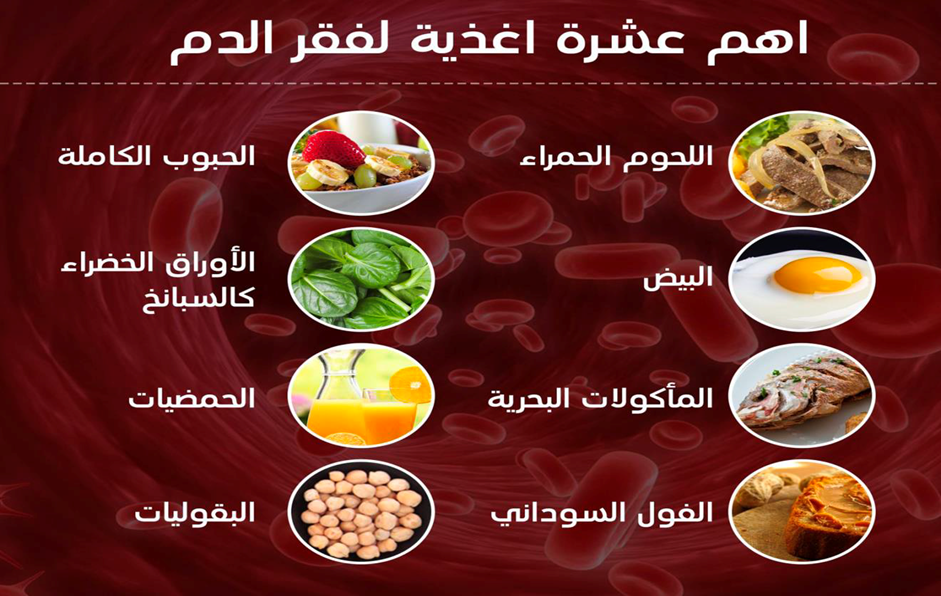
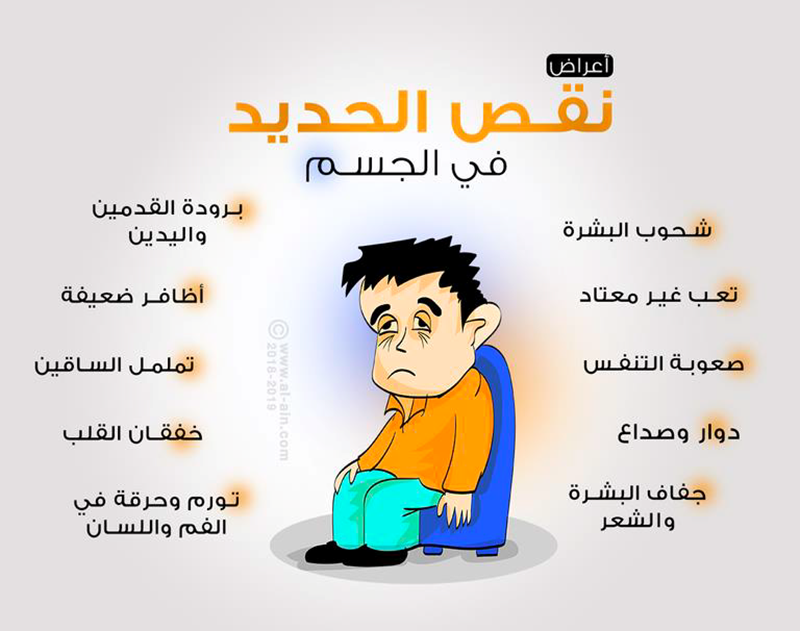
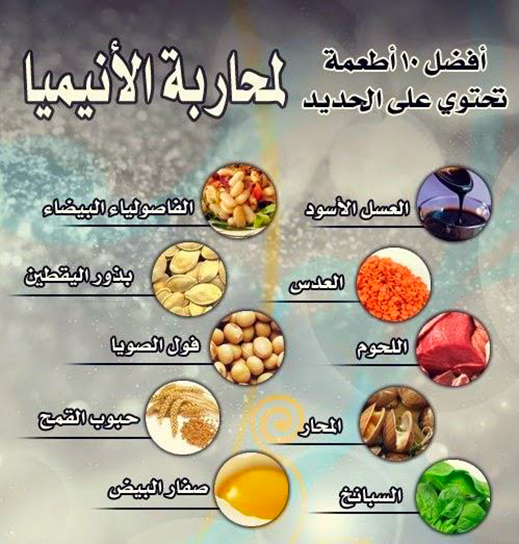
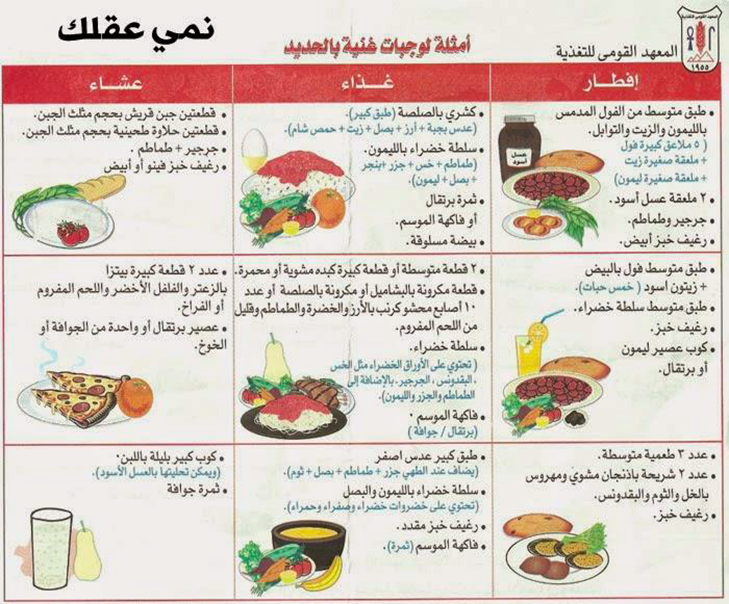
2. Tables for healthcare workers demonstrating : clinical presentation, risk factors, normal age- and gender-related red cell indices, lower limits for hemoglobin and hematoctrit values, dietary reference intake for iron, foods to increase iron intake and iron absorption, tips to optimize oral iron therapy, monitoring response to treatment.
3. Arabic Educational materials for nurses and mothers
Table 1: Summary of recommendations of the Egyptian pediatric clinical practice guidelines Prevention and Management of Iron Deficiency and Iron Deficiency Anemia in Infants, Children and Adolescents.
|
Screening |
|
Clinical screening for symptoms and signs of iron deficiency anemia, in infants and children, done by the primary health care professional/ pediatricians in primary health care setting/ OPC, improves the early detection of IDA and the neurodevelopmental outcome. |
|
Clinical screening for symptoms and signs of iron deficiency anemia, in adolescent females, at yearly school visit, done by the primary health care professional/ pediatrician in primary health care setting/ OPC, improves the early detection of IDA. |
|
Routine dietary history checklist, for iron containing food in infants, children and adolescents, without non-iron related comorbidities, done by the primary health care professional/ pediatrician in primary health care setting/ OPC, helps identify dietetic problems, improve the early detection of ID/IDA and neurodevelopmental outcome. |
|
- There is no one test considered gold standard for diagnosing iron deficiency or IDA, so official recommendations vary. - There is no sufficient evidence to recommend specific screen tests for IDA. No studies evaluating the benefits or harms of screening programs for asymptomatic children. |
|
- Laboratory screening of the general population for ID/IDA is not recommended. Laboratory testing of infants, children, and adolescents at high risk (identified by clinical screening i.e., symptoms and signs) is recommended. |
|
Diagnosis** |
|
Anemia is diagnosed if hemoglobin level is below the cut-off level for age and sex. |
|
Microcytosis is diagnosed if mean corpuscular volume is below -2 SD for age related reference range. |
|
Iron deficiency is considered if serum ferritin level is below 12 ug/L in all age groups in the absence of infection/ inflammation. |
|
Iron deficiency is considered if serum ferritin level is below 30 ug/L in all age groups in the presence of infection/ inflammation. |
|
Treatment |
|
Oral iron therapy: Dose: 3-6 mg/kg / day for all ages Forms: syrup; tablets (each preparation contains different elemental iron dose) (not exceed maximum dose) Time: 1hour before or 2 hours after meals with Vitamin C at daytime Monitoring: after one month by CBC and reticulocytic count, then at 3, 6 months. If no response after one month: revise dose, compliance, tolerability, type of formula and consider change of formula for another month. Duration: for 3 months after recovery of hemoglobin. Tips for Oral iron intake - Lower and intermittent dose may be as effective and better tolerated. - To avoid gastric upset, can be taken at night, and increasing dose gradually. - Teeth staining can be avoided by brushing teeth and taking with water.
|
|
- If oral iron is ineffective or is not tolerated, consider other causes of anemia, and refer to Hematologist (avoid parenteral iron therapy).
Packed RBCs should be considered after Hematologist opinion. |
|
Nutritional support with iron rich formulas, solid food, and oral iron support 1-2 mg/kg/day elemental iron should be used to treat asymptomatic iron deficiency anemia in infants. |
|
Referral |
|
Referral to hematologist should be considered in cases of severe anemia, history of recurrent bleeding or with failure of increase in the hemoglobin concentration after proper iron dose and proper way of administration |
|
Prevention of ID and IDA |
|
Daily iron supplementation of 10-12.5 mg elemental iron daily (Drops/syrups) for three consecutive months is recommended as a public health intervention in infants and young children aged 6-23 months, living in settings where anemia is highly prevalent****. |
|
Daily iron supplementation of 30 mg elemental iron daily (Drops/syrups/tablets) for three consecutive months is recommended as a public health intervention in preschool children aged 24 to 59 months, living in settings where anemia is highly prevalent****. |
|
Daily iron supplementation of 30-60 mg elemental iron daily (Drops/syrups/tablets) for three consecutive months is recommended as a public health intervention in school aged children aged 5-12 years, living in settings where anemia is highly prevalent*****. Daily iron supplementation 30–60 mg elemental iron daily (Tablets), for three consecutive months in a year, is recommended as a public health intervention in menstruating adult women and adolescent girls, living in settings where anemia is highly prevalent*****, for the prevention of anemia and iron deficiency.
|
|
Dietary prevention · Start complementary feeding with iron rich food. · Avoid cow milk, goat milk, soy to infants under12 months of age. · From 12 months, cow milk should not exceed 500 ml per day. · For non-breast-fed infants, iron fortified formula can play a role in prevention and treatment of IDA.
|
Adapted from: “World Health Organization. (2016). Guideline: daily iron supplementation in adult women and adolescent girls. World Health Organization. https://apps.who.int/iris/handle/10665/204761”, “Guideline: Daily iron supplementation in infants and children. Geneva: World Health Organization; 2016.”, “National Blood Authority (NBA) (2016). Patient Blood Management Guidelines: Module 6 – Neonatal and Paediatrics. NBA, Canberra, Australia.”
Table 2: Clinical findings in iron deficiency/iron deficiency anemia.
|
Skin Pallor
|
Nails Koilonychia |
|
Musculoskletal system Decreased effort capacity Exercise limitation |
Increased absorption of heavy metals Lead intoxication
|
|
Cardiovascular system Increased cardiac output Tachycardia Cardiomegaly
|
Gastrointestinal system Loss of appetite Angular stomatitis Atrofic glossitis Dysphagia Pica Gluten enteropathy Plummer-Vinson syndrome
|
|
Central nervous system Irritability-malaise
Fainting Breath holding spell Sleep disturbance Attention deficit Learning difficulty Behavioral disorder Decrease in perception functions Retardation in motor and mental developmental tests
|
Immune
system disorders T lymphocyte and polymorphonuclear leukocyte dysfunction
|
Aladhadhi AM, Etaiwi ST, Alqahtani KM, Bajafar AA, Nono AF, Aldrees SA, Almutawa SM, Alghraibi SA. Pediatrics Iron deficiency anemia from diagnosis to treatment. The Egyptian Journal of Hospital Medicine (October 2018) Vol. 73 (8), Page 7268-7273
Table 3a: Risk factors for IDA by cause.
|
3.1 Increased iron demands · Prematurity · Infancy · Adolescence, especially in females Pregnancy · Lactation · Regular blood donation · Competitive athletics
3.2 Diminished iron supply · Prolonged breastfeeding without iron supplementation beyond the fourth month of life · Consumption of infant formula low in iron · Introduction of fresh cow’s milk before the first birthday · Daytime bottle use beyond the twelfth month of life · Bottle use in bed · Preferred consumption of poultry over red meat, vegan and vegetarian diets
3.3 Blood loss · Traumatic or operative blood loss · Gastrointestinal bleeding: Inflammatory bowel diseases (IBDs), stomach cancer, colon cancer, colonic polyps, non-steroidal anti- inflammatory drugs, chronic Helicobacter pylori infection, hookworm infection, angiodysplasia · Gynecological bleeding: Menorrhagia, uterine fibroids, endometrial carcinoma, use of intrauterine devices over contraceptive pills for birth control · Urological bleeding: Schistosomiasis, bladder cancer, glomerulonephritis, kidney trauma · Pulmonary bleeding: Lung tuberculosis, congenital lung malformations, lung cancer, idiopathic pulmonary hemosiderosis, Goodpasture’s syndrome, etc. · Bleeding diathesis (congenital or acquired)
3.4 Malabsorption of iron · Celiac disease (gluten sensitive enteropathy) · Atrophic gastritis, gastric surgery · Decreased gastric acidity (e.g., antacids, H2 blockers, protein-pump inhibitors) · Iron Refractory Iron Deficiency Anemia (IRIDA) |
Mantadakis E, Chatzimichael E, Zikidou P. Iron Deficiency Anemia in Children Residing in High and Low-Income Countries: Risk Factors, Prevention, Diagnosis and Therapy. Mediterr J Hematol Infect Dis. 2020 Jul 1;12(1):e2020041. doi: 10.4084/MJHID.2020.041. PMID: 32670519; PMCID: PMC7340216.
Table 3b: Main risk factors for IDA in low-income and developed countries.
|
Low-income countries |
Developed countries |
|
Prolonged breastfeeding without iron supplementation beyond the 4th month of life |
Gastrointestinal bleeding of any etiology as per Table 3a |
|
Limited consumption of meat and fish |
Genitourinary bleeding of any etiology as per Table 3a |
|
Diets rich on cereal, or legume-based flours, excess dietary fiber |
Iron malabsorption of any etiology as per Table 3a |
|
tea |
|
|
Multiparity |
|
|
Hookworm infestation |
|
|
Schistosomiasis |
|
|
Malaria (contributes to IDA by causing intravascular hemolysis
with hemoglobinuria) |
|
|
Chronic or repeated infections (functional iron deficiency due to chronic inflammation) |
|
Mantadakis E, Chatzimichael E, Zikidou P. Iron Deficiency Anemia in Children Residing in High and Low-Income Countries: Risk Factors, Prevention, Diagnosis and Therapy. Mediterr J Hematol Infect Dis. 2020 Jul 1;12(1):e2020041. doi: 10.4084/MJHID.2020.041. PMID: 32670519; PMCID: PMC7340216.
Table 4: Normal age- and gender-related red cell indices for children
|
|
Females and males |
females |
males |
|||||||
|
Age (years) |
1–1.9 |
2–4.9 |
5–7.9 |
8–11.9 |
12-14.9 |
15-17.9 |
>18 |
12-14.9 |
15-17.9 |
>18 |
|
RBC count Mean |
4.34 |
4.34 |
4.41 |
4.52 |
4.47 |
4.48 |
4.42 |
4.71 |
4.92 |
4.99 |
|
-2SD |
3.8 |
3.7 |
3.1 |
3.8 |
3.9 |
3.9 |
3.8 |
4.1 |
4.2 |
4.3 |
|
Mean Corpuscular volume Mean (fl) |
79 |
81 |
82 |
84 |
86 |
88 |
90 |
85 |
87 |
89 |
|
-2SD |
67 |
73 |
74 |
76 |
77 |
78 |
81 |
77 |
79 |
80 |
Based on the US second National Health and Nutrition Examination Survey (NHANES II) after excluding those with abnormal tests related to iron; Yip R, Johnson C, Dallman PR. Age-related changes in laboratory values used in the diagnosis of anemia and iron deficiency. American Journal of Clinical Nutrition, 1984, 39:427-436.
Table 5 : Lower limits for hemoglobin and hematoctrit values specified by the World Health Organization by age and gender
|
Hemoglobin Hematocrit (g/dL) (%) |
Hemoglobin Hematocrit (g/dL) (%) |
Groups by age and gender
|
|
33 |
11 |
Children aged between 6-59 months Children aged between 5-11 years Children aged between 12-14 years Girls aged >15 years |
|
34 |
11.5 |
Boys aged >15 years |
|
36 |
12 |
Children aged between 6-59 months Children aged between 5-11 years Children aged between 12-14 years Girls aged >15 years |
|
36 |
12 |
Boys aged >15 years |
|
39 |
13 |
Children aged between 6-59 months Children aged between 5-11 years Children aged between 12-14 years Girls aged >15 years |
Özdemir N. Iron deficiency anemia from diagnosis to treatment in children. Turk Pediatri Ars. 2015 Mar 1;50(1):11-9. doi: 10.5152/tpa.2015.2337. PMID: 26078692; PMCID: PMC4462328.
Table 6: Dietary Reference Intake for Iron
|
LIFESTAGE GROUP |
AI (mg/day) |
UL (mg/day) |
SELECTED FOOD SOURCES |
ADVERSE EFFECTS OF EXCESSIVE CONSUMPTION |
SPECIAL CONSIDERATIONS |
|
Infants |
|
|
Heme sources: meat, poultry, fish Nonheme sources: dairy, eggs, plant-based foods, breads, cereals, breakfast foods |
GI distress |
Persons with decreased gastric acidity may be at increased risk for deficiency. Cow's milk is a poor source of bioavailable iron and is not recommended for children <1 yr old. Neurocognitive deficits have been reported in infants with iron deficiency. RDA for females increases with menarche related to increased losses during menstruation. Vegans and vegetarians might require iron Supplementation or intake of iron fortified foods. GI parasites can increase iron losses via GI bleeds. Iron supplements can interfere with zinc absorption, and vice versa; if supplements are being used, the doses should be staggered. |
|
0-6 mo |
0.27 |
40 |
|||
|
7-12 mo |
11 |
40 |
|||
|
Children |
|
|
|||
|
1-3 yr |
7 |
40 |
|||
|
4-8 yr |
10 |
40 |
|||
|
Males |
|
|
|||
|
9-13 yr |
8 |
40 |
|||
|
14-18 yr |
11 |
45 |
|||
|
19-21 yr |
8 |
45 |
|||
|
Females |
|
|
|||
|
9-13 yr |
8 |
40 |
|||
|
14-18 yr |
15 |
45 |
|||
|
19-21 yr |
18 |
45 |
|||
|
Pregnancy |
|
|
|||
|
≤18 yr |
27 |
45 |
|||
|
19-21 yr |
27 |
45 |
|||
|
Lactation |
|
|
|||
|
≤18 yr |
10 |
45 |
|||
|
19-21 yr |
9 |
45 |
AI: Adequate Intake, mo: month(s), RDA: Recommended Dietary Allowances, UL: Tolerable Upper Intake Levels, yr: year(s)
Adapted from “Food and Nutrition Board, US Institute of Medicine: Dietary reference intakes for water, potassium, sodium, chloride, and sulfate (website). http://www.nap.edu/openbook.php?record_id=10925 ; and Ross AC, US Institute of Medicine, Committee to Review Dietary Reference Intakes for Vitamin D and Calcium: Dietary reference intakes: calcium, vitamin D, Washington, DC, 2011, National Academies Press, pp xv, 536.”
TABLE 7 : Foods to Increase Iron Intake and Iron Absorption
|
|
Elemental Iron, mg |
|
Cereals |
|
|
Baby food, brown rice cereal, dry, instant, 1 tbsp |
1.8 |
|
Baby food, oatmeal cereal, dry, 1 tbsp |
1.6 |
|
Baby food, rice cereal, dry, 1 tbsp |
1.2 |
|
Baby food, barley cereal, dry, 1 tbsp |
1.1 |
|
Table food, heme iron |
|
|
Clams, canned, drained solids, 3 oz |
23.8 |
|
Chicken liver, cooked, simmered, 3 oz |
9.9 |
|
Oysters, Eastern canned, 3 oz |
5.7 |
|
Beef liver, cooked, braised, 3 oz |
5.6 |
|
Shrimp, cooked moist heat, 3 oz |
2.6 |
|
Beef, composite of trimmed cuts, lean only, all grades, cooked, 3 oz |
2.5 |
|
Sardines, Atlantic, canned in oil, drained solids with bone, 3 oz |
2.5 |
|
Turkey, all classes, dark meat, roasted, 3 oz |
2.0 |
|
Lamb, domestic, composite of trimmed retail cuts, separable lean only, choice, cooked, 3 oz |
1.7 |
|
Fish, tuna, light, canned in water, drained solids, 3 oz |
1.3 |
|
Chicken, broiler or fryer, dark meat, roasted, 3 oz |
1.1 |
|
Turkey, all classes, light meat, roasted, 3 oz |
1.1 |
|
Veal, composite of trimmed cuts, lean only, cooked, 3 oz |
1.0 |
|
Chicken, broiler or fryer, breast, roasted, 3 oz |
0.9 |
|
Fish, salmon, pink, cooked, 3 oz |
0.8 |
|
Table food, nonheme iron |
|
|
Oatmeal, instant, fortified, cooked, 1 cup |
14.0 |
|
Blackstrap molasses,a 2 tbsp |
7.4 |
|
Tofu, raw, regular, ½ cup |
6.7 |
|
Wheat germ, toasted, ½ cup |
5.1 |
|
Ready-to-eat cereal, fortified at different levels, 1 cup |
∼4.5 to 18 |
|
Soybeans, mature seeds, cooked, boiled, ½ cup |
4.4 |
|
Apricots, dehydrated (low-moisture), uncooked, ½ cup |
3.8 |
|
Sunflower seeds, dried, ½ cup |
3.7 |
|
Lentils, mature seeds, cooked, ½ cup |
3.3 |
|
Spinach, cooked, boiled, drained, ½ cup |
3.2 |
|
Chickpeas, mature seeds, cooked, ½ cup |
2.4 |
|
Prunes, dehydrated (low-moisture), uncooked, ½ cup |
2.3 |
|
Lima beans, large, mature seeds, cooked, ½ cup |
2.2 |
|
Navy beans, mature seeds, cooked, ½ cup |
2.2 |
|
Kidney beans, all types, mature seeds, cooked, ½ cup |
2.0 |
|
Molasses, 2 tbsp |
1.9 |
|
Pinto beans, mature seeds, cooked, ½ cup |
1.8 |
|
Raisins, seedless, packed, ½ cup |
1.6 |
|
Prunes, dehydrated (low moisture), stewed, ½ cup |
1.6 |
|
Prune juice, canned, 4 fl oz |
1.5 |
|
Green peas, cooked, boiled, drain, ½ cup |
1.2 |
|
Enriched white rice, long-grain, regular, cooked, ½ cup |
1.0 |
|
Whole egg, cooked (fried or poached), 1 large egg |
0.9 |
|
Enriched spaghetti, cooked, ½ cup |
0.9 |
|
White bread, commercially prepared, 1 slice |
0.9 |
|
Whole-wheat bread, commercially prepared, 1 slice |
0.7 |
|
Spaghetti or macaroni, whole wheat, cooked, ½ cup |
0.7 |
|
Peanut butter, smooth style, 2 tbsp |
0.6 |
|
Brown rice, medium-grain, cooked, ½ cup |
0.5 |
a: Source of iron value was obtained from a manufacturer of this type of molasses.
Source of iron values in foods: US Department of Agriculture, Agricultural Research Service. USDA National Nutrient Database for Standard Reference, Release 20: Nutrient Data Laboratory home page. Available at: www.ars.usda.gov/ba/bhnrc/ndl.
Adapted from “Baker RD, Greer FR; Committee on Nutrition American Academy of Pediatrics. Diagnosis and prevention of iron deficiency and iron-deficiency anemia in infants and young children (0-3 years of age). Pediatrics. 2010 Nov;126(5):1040-50. doi: 10.1542/peds.2010-2576. Epub 2010 Oct 5. PMID: 20923825.”
Table 8 : Selected Good Vitamin C Sources to Increase Iron Absorption
|
Fruits |
Vegetables |
|
Citrus fruits (eg, orange, tangerine, grapefruit) |
Green, red, and yellow peppers |
|
Pineapples |
Broccoli |
|
Fruit juices enriched with vitamin C |
Tomatoes |
|
Strawberries |
Cabbages |
|
Cantaloupe |
Potatoes |
|
Kiwifruit |
Leafy green vegetables |
|
Raspberries |
Cauliflower |
Baker RD, Greer FR; Committee on Nutrition American Academy of Pediatrics. Diagnosis and prevention of iron deficiency and iron-deficiency anemia in infants and young children (0-3 years of age). Pediatrics. 2010 Nov;126(5):1040-50. doi: 10.1542/peds.2010-2576. Epub 2010 Oct 5. PMID: 20923825.
Table 9: Plant foods that reduce iron absorption.
|
Oxalate-rich foods
|
Beverages: Coffee, tea (especially black tea) Cereals: Wheat bran Chocolate Fruits: Strawberries Herbs: Rhubarb, oregano, basil, parsley Vegetables: Beans, beets (roots and leaves), celery, spinach, kale Nuts: Peanuts Oilseeds: Soybeans |
|
Polyphenol-rich foods
|
Beverages:
Coffee, green tea, black tea, red wine, cider Apples, blackberries, raspberries, blueberries, black currant, strawberry, kiwi, cherry, plum, pear, apricot, peach, black Fruits: grape, red grape Herbs: Rhubarb, peppermint, parsley Vegetables: Potato, red cabbage, yellow onion, tomato, broccoli, beans, green or white, chicory, artichoke, curly kale, leek, celery, capsicum pepper Nuts: Walnuts Oilseeds: Soybeans Spices |
|
Phytate-rich foods
|
Cereals: Wheat, oats, rice, corn (maize), barley, sorghum, rye, millet, soybean Nuts: Walnuts, peanuts, nuts Oilseeds: Soybeans, linseed, sesame seed, sunflower meal Vegetables: Dried beans, lentils, peas, chickpeas |
|
Calcium-rich foods
|
Fruits:
Figs |
Mantadakis E, Chatzimichael E, Zikidou P. Iron Deficiency Anemia in Children Residing in High and Low-Income Countries: Risk Factors, Prevention, Diagnosis and Therapy. Mediterr J Hematol Infect Dis. 2020 Jul 1;12(1):e2020041. doi: 10.4084/MJHID.2020.041. PMID: 32670519; PMCID: PMC7340216.
Table 10: TIPS FOR OPTIMIZING ORAL IRON THERAPY
|
· Calculation of dosage should always consider elemental iron content of product.
|
|
· To maximize absorption, iron supplements should:
o Be taken on an empty stomach with full glass of water or fruit juice, if appropriate (e.g., one hour before or two hours after meals). o Be taken in the morning or earlier in the day. o Be taken with a supplement or dietary source of Vitamin C (e.g., fruit juice, oranges, tomatoes). o NOT be taken with Calcium products (e.g.: supplements, certain antacids) or foods (e.g., dairy products such as milk, cheese, yogurt). o NOT be taken with high-oxalate foods (e.g., coffee, tea, spinach, kale, broccoli).
|
|
· Oral iron can cause nausea, vomiting, dyspepsia, constipation, diarrhea, metallic taste or dark stools. If your patient is experiencing GI based adverse effects, consider the following: o Start at a lower dose (e.g., one tablet once daily) and titrate up slowly (i.e., every four to five days). o Switch to liquid form for smaller dose titrations. o Switch to another preparation with less elemental iron. o Recommend taking iron with small snack or with meals (however food will decrease iron absorption by 40%). o Take at bedtime (however, iron absorption is lowest in evening when Hepcidin hormone levels are highest). o Could consider polysaccharide iron complex as an option however, it is more expensive and its effectiveness is no better than other iron salts.
|
Adapted from “Towards Optimized practice, Iron Deficiency Anemia, Clinical Practice Guidelines, March 2018. https://actt.albertadoctors.org/media/tc4lq52r/ida-cpg.pdf”
Table 11: MONITORING OF RESPONSE TO ORAL IRON THERAPY
|
Order a CBC and reticulocytes at two to four weeks to see if the patient is responding to replacement regimen.
|
|
Indicators of response to (i.e., targets for) iron therapy include: · Reticulocytosis in four days · Increasing hemoglobin >1gm/dl in four weeks
|
|
Correction of IDA should be observed within two to four months if appropriate iron dosages are administered, and underlying cause of iron deficiency is addressed. |
Adapted from “Towards Optimized practice, Iron Deficiency Anemia, Clinical Practice Guidelines, March 2018. https://actt.albertadoctors.org/media/tc4lq52r/ida-cpg.pdf”
- Limitations and suggestions for further research needs
Future research recommendations for the Prevention and Management of Iron Deficiency and Iron Deficiency Anemia in Infants, Children and Adolescents include:
▪️ Implementation of strategies for screening ID/IDA among infants , children, and adolescents.
▪️ Implementation of strategies to enforce prevention of ID/IDA among infants, children, and adolescents.
These recommendations aim to address specific challenges and characteristics of the Egyptian context, potentially leading to more effective prevention and management strategies for ID/IDA among infants , children, and adolescents.
➡️Challenges
▪️ Availability of inexpensive iron-rich dietary products.
▪️ Availability of medicinal iron preparations for prophylactic and therapeutic use.
Strengthen the evidence base of the next update of this guideline by generating GRADE summary of finding tables, evidence profiles, and EtD frameworks.
- Monitoring and evaluating the impact of the guideline.
▪️ The following is performance measure or indicator for implementing this adapted CPG for ID/IDA among infants , children, and adolescents:
➡️Adherence to ID/IDA Guidelines
▪️ Numerator: Number of children with IDA who received treatment as per guideline recommendations.
▪️ Denominator: Total number of children diagnosed with IDA
▪️ Data Source: Hospital or clinic patient records.
These key performance indicators are designed to measure the effectiveness and adherence to the guidelines, the efficiency of the treatment in terms of resource utilization (hospital stay), and the success of the treatment in preventing further complications (readmissions).
➡️Updating of the guideline
The EPG …GAG has decided to conduct the next review of this adapted CPG for updates after five years. This should be carried out in 2025 after checking for updates in the source CPGs, consultation of expert opinion on the changes needed for updating according to the newest evidence and recommendations published in this area and the clinical audit and feedback from implementation efforts in the aforementioned local healthcare settings except if any breakthrough evidence- based recommendations are published before that date. The process will be guided by the Checklist for the Reporting of Updated Guidelines (CheckUp) Tool that is freely provided by the AGREE Enterprise and by the Reporting Items for Practice Guidelines in Healthcare (RIGHT) extension for adapted guidelines RIGHT-Ad@pt Checklist.
- References
1- Cogswell M ,Egli I , Egli I , et al . Worldwide prevalence of anaemia, WHO vitamin and mineral nutrition information system, 1993-2005. Public Health Nutr 2009;12:444–54.doi:10.1017/S1368980008002401
2- ZetterströmR . Iron deficiency and iron deficiency anaemia during infancy and childhood. ActaPaediatr 2004;93:436–9.doi:10.1080/08035250410027535
3- Baker RD , Greer FR . Committee on Nutrition American Academy of Pediatrics.Diagnosis and prevention of iron deficiency and iron-deficiency anemia in infants and young children (0-3 years of age). Pediatrics 2010;126:1040–50.doi:10.1542/peds.2010-2576
4- Halterman JS ,Kaczorowski JM , Aligne CA , et al . Iron deficiency and cognitive achievement among school-aged children and adolescents in the United States. Pediatrics 2001;107:1381–6.doi:10.1542/peds.107.6.1381
5- Szajewska H ,Ruszczynski M , Chmielewska A . Effects of iron supplementation in non-anemic pregnant women, infants, and young children on the mental performance and psychomotor development of children: a systematic review of randomized controlled trials. Am J ClinNutr 2010;91:1684–90.
6- WHO. Anaemia.2013 www.who.int/topics/anaemia/en.
7- WHO.Micronutrient deficiencies.2013 www.who.int/nutrition/topics/ida/en/index.
8- World Health Organization. Malnutrition: the global picture. Geneva: World Health Organization, 2000.
9- Yip R .The challenge of improving iron nutrition: limitations and potentials of major intervention approaches.Eur J ClinNutr 1997;51Suppl 4:516–24.
10- Lawson MS , Thomas M , Hardiman A . Iron status of Asian children aged 2 years living in England. Arch Dis Child 1998;78:420–6.doi:10.1136/adc.78.5.420
11- Karr MA , Mira M , Alperstein G , et al . Iron deficiency in Australian-born children of Arabic background in central Sydney. Med J Aust 2001;174:165–8.
12- Booth IW ,Aukett MA . Iron deficiency anaemia in infancy and early childhood. Arch Dis Child 1997;76:549–54.doi:10.1136/adc.76.6.549
13- Anemia prevention and control. WHO 2013 http://www.who.int/medical_devices/initiatives/anaemia_control/en/index.html
14- Stoltzfus RJ . Iron deficiency: global prevalence and consequences. Food Nutr Bull 2003;24:S99–103.doi:10.1177/15648265030244S206
15- Mirmiran P ,Golzarand M , Serra-Majem L , et al . Iron, iodine and vitamin a in the middle East; a systematic review of deficiency and food fortification. Iran J Public Health 2012;41:8–19.
16- WHO. Anaemia. 2013 www.emro.who.int/healthtopics/anaemia/index.html
17- United Nations International Children′s Fund (UNICEF). Iron deficiency anemia worldwide; 2002. Available at :https://www.unicef.org/.
18- Egypt Ministry of Health and Population, El-Zanaty and Associates, Egypt Demographic and Health Survey 2014, (Cairo, 2014).
19- World Health Organization, Global Health Observatory Data Repository/World Health Statistics(https://www.indexmundi.com/facts/egypt/indicator/SH.ANM.CHLD.ZS)
20- FomonSJ ,Zlotkin SH Dallman PR . Changing iron needs from birth through adolescence. In: FomonSJ ,Zlotkin SH , eds. Nutritional anemias. nestle nutrition workshop series. New York: Vevey/Raven Press, 1992.
21- ZlotkinS .Clinical nutrition: 8. The role of nutrition in the prevention of iron deficiency anemia in infants, children and adolescents. CMAJ 2003;168:59–63.
22- SuskindRM ,LewinterSuskind L Dallman PR . Nutritional anemias in childhood: iron, folate and vitamin B12. In: SuskindRM ,LewinterSuskind L , eds. Textbook of pediatric nutrition. 2ndedn. New York: Raven Press, 1993:91–105.
23- AggettPJ , Barclay S , Whitley JE . Iron for the suckling. ActaPaediatrScandSuppl 1989;361:96–102.doi:10.1111/apa.1989.78.s361.96 .
24- Kim HJ , Kim DH , Lee JE , et al . Is it possible to predict the iron status from an infant’s diet history? PediatrGastroenterolHepatolNutr 2013;16:95–103.doi:10.5223/pghn.2013.16.2.95
25- World Health Organization. Infant young child feeding counselling: An integrated course. Geneva, Switzerland: World Health Organization, 2006
26- Noh SJ , Na B , Kim MJ . Iron deficiency and early, low-dose iron supplementation in breast-fed infants. Korean J Pediatr Gastroenterol Nutr 2008;11:169–78.
27- Male C ,Persson LA , Freeman V , et al . Euro-Growth Iron Study Group. Prevalence of iron deficiency in 12-mo-old infants from 11 European areas and influence of dietary factors on iron status (Euro-Growth study).Acta Paediatr 2001;90:492–8.doi:10.1080/080352501750197601
28- Chang JH , Cheong WS , Jun YH , et al . Weaning food practice in children with iron deficiency anemia. Korean J Pediatr 2009;52:159–66.doi:10.3345/kjp.2009.52.2.159 .
29- WHO. Global strategy for Infant and young child Feeding.2013 www.who.int/nutrition/topics/global_strategy/en/index.html (accessed 16 Oct 2014).
30- WHO publications. Infant and young children feeding, a tool for assessing national practices, policies andprogrammes. http://www.who.int/nutrition/publications/inf_assess_nnpp_ref_eng.pdf.
31- VendtN ,Grünberg H , Leedo S , et al . Prevalence and causes of iron deficiency anemias in infants aged 9 to 12 months in Estonia. Medicina 2007;43:947–52.
32- Peyrin-Biroulet L, Williet N, Cacoub P, Guidelines on the diagnosis and treatment of iron deficiency across indications: a systematic review, The American Journal of Clinical Nutrition, Volume 102, Issue 6, December 2015, Pages 1585–1594, https://doi.org/10.3945/ajcn.114.103366
 References of
materials used in creating this EBCPG
References of
materials used in creating this EBCPG
1- ADAPTE Resource Toolkit versions 2.0 (2009) Available from:
www.g-i-n.net/document-store/adapte-resource-toolkit-guideline-adaptation-version-2 (Version 2.0 downloaded free without registration).
2- Yasser Sami Amer YS, Elzalabany MM, Omar TEI, Ibrahim AG and DowidarNL.The ‘Adapted ADAPTE’: an approach to improve utilization of the ADAPTE guideline adaptation resource toolkitin the Alexandria Center for Evidence-Based Clinical Practice Guidelines. Journal of Evaluation in Clinical Practice 2015; 21: 1095 – 1106.
3- AGREE (II)Instrument(if used) available from thewww.agreecollaboration.org/instrument/ (downloaded free).
4- World Health Organization (2016) Guideline: daily iron supplementation in adult women and adolescent girls. World Health Organization. https://apps. who. int/ iris/ handle/ 10665/ 204761
5- Guideline: Daily iron supplementation in infants and children. World Health Organization, Geneva, 2016
6- National Blood Authority (NBA) (2016) Patient blood management guidelines: module 6—neonatal and paediatrics. NBA, Canberra, Australia
- Annexes
Annex Table 1.
Declaration of Conflict of Interests
The members of the guideline development/ adaptation group and the external review group have no academic, financial, or competing interests to declare and none of them were involved in the development of the original source guideline(s).
Any identified potential COI has been reported below.
|
Egyptian Pediatric Clinical Practice Guidelines Committee (EPG) Guideline Adaptation Group (Clinical subgroup) |
|||
|
Name |
Affiliation, Area of expertise / Role, Country / Primary location [work] |
Declaration of interests |
|
|
Interest identified |
Management plan & decision |
||
|
Prof. Galila Mokhtar |
Professor of Pediatrics, Pediatric Hematology and Oncology unit, Ain Shams University |
None |
Not Applicable |
|
Dr. Ahmed Youssef |
Lecturer of pediatrics, General Organization for Teaching Hospitals and Institutes-Sahel Teaching Hospital |
None |
Not Applicable |
|
Prof. Ehab Khairy El khashab |
Professor of Pediatrics, Head of Pediatric Clinical Nutrition Unit, Ain Shams University |
None |
Not Applicable |
|
Prof. Enas Raafat |
Professor of child health, National Research Center |
None |
Not Applicable |
|
Prof. Ilham Youssry |
Professor of Pediatrics, Head of the Pediatric Hematology and BMT unit, Cairo University |
None |
Not Applicable |
|
Prof. Iman Ragab |
Professor of Pediatrics, Pediatric Hematology and Oncology Unit,Ain Shams University |
None |
Not Applicable |
|
Prof. Laila Sherief |
Professor of Pediatrics, Head of Pediatrics Hematology and Oncology unit, Zagazig University |
None |
Not Applicable |
|
Dr. Manar Mohamed Fathy |
Assistant professor of Pediatrics, Zagazig University |
None |
Not Applicable |
|
Prof. Mervat Abdallah Hesham |
Professor of Pediatric Hematology and Oncology, Head of Pediatric Department, Zagazig University |
None |
Not Applicable |
|
Dr. Nouran Yousef Salah |
Associate Professor of Pediatrics, pediatric Diabetes, Endocrinology and Metabolism unit, Ain Shams University |
None |
Not Applicable |
|
Prof. Rasha Abdel-Raouf |
Professor of Pediatrics and Pediatric Hematology, Cairo University |
None |
Not Applicable |
|
Prof. Sherein Abdelhamid Shalaby |
Professor of Pediatrics, head of Pediatrics department, Helwan University |
None |
Not Applicable |
|
Prof. Sonia Adolf Habib |
Professor of Pediatric Hematology, Department of Pediatrics, National Research Center |
None |
Not Applicable |
|
Ass Prof. Yasmin Gamal El Gendy |
Assistant Professor of Pediatrics and Clinical Nutrition, AinShams University, AFCM |
None |
Not Applicable |
|
Guideline Adaptation Group (Methodology Subgroup) |
|||
|
Prof. Ashraf Abdel Baky |
Professor of Pediatrics Ain Shams University, Egypt Founder and Chair of EPG |
None |
Not Applicable |
|
Prof. Tarek Omar
|
Vice Chair of the EPG committee Professor of Pediatrics and Pediatric Neurology, Alexandria University |
None |
Not Applicable |
|
External Review Group |
|||
|
Professor Khalil Abd El Khalek |
Cairo University |
None |
Not Applicable |
|
Professor Osama El Safy |
Zagazig University |
None |
Not Applicable |
|
Professor Ahmed Mansoor |
Almansoura University |
None |
Not Applicable |
|
International Peer Reviewers |
|
|
|
|
Professor Soad Khalil Al Jaouni |
King Abdulaziz University (KAU) “Medical Center” |
None |
Not Applicable |
➡️Web annexes
The following annexes can be added as a package of standalone supplementary documents.
➡️Keywords: The MeSH terms for "Guideline for the prevention and management of iron deficiency and iron deficiency anemia in infants, children and adolescents" on PubMed are: Anemia, Iron-deficiency, Pediatrics