Promoting Youth and Adolescent Health
| Site: | EHC | Egyptian Health Council |
| Course: | دلائل الإجراءات لتمريض الرعاية الاولية |
| Book: | Promoting Youth and Adolescent Health |
| Printed by: | Guest user |
| Date: | Thursday, 5 November 2026, 2:37 AM |
Description
"last update: 3 March 2025" تحميل الدليل
- Prepared by
Primary healthcare guide
Under supervision
- Prof. Dr. Mohamed Latif, CEO of the Egyptian Health Council
Dr. Kawthar Mahmoud, Head of the Egyptian Nursing Syndicate - Member of the Senate
Prepared by
|
Title |
Name |
NO. |
|
Dean Of Faculty Nursing, Professor of Medical and Surgical Nursing, Tanta University |
Dr Afaf Abdel Aziz Abdel Aziz Basal |
1 |
|
Professor Of Critical Care Nursing |
Prof.Dr/Zeinab Hussain Ali |
2 |
|
Professor And Head of the Department of Medical Surgical Nursing. Faculty-. Benha University |
Amal Said Taha Refaie |
3 |
|
Supervisor Of the Education Sector at Port Said University |
Amal Ahmed Khalil Morsy |
4 |
|
Professor Of Medical Surgical Nursing- Faculty of Nursing- Cairo University |
Dr. Hanan Ahmed Al Sebaee |
5 |
|
Head of central administration on secondment at MOHP |
Dr Neveen ab drab al0nabi Mohamed |
6 |
|
Director Of Primary Health Care Nursing Department at MOHP. |
Maysa Hosny Ahmed Tammam |
7 |
|
Supervisor Of Technical Education- EHA |
Nancy Alaa Eldeen Abd-Elbaset Ali |
8 |
|
Supervisor Of Nursing Services Development- EHA |
Sherien Mohamed Saad |
9 |
|
Assistant Professor of Maternity and Neonatal Health Nursing - Faculty of Nursing- Ain Shams University |
Assist.Perof. Dr./Heba Mahmoud Mohammed |
10 |
|
General manager of general administration of health institutes affairs |
Dr Mai Galal Ibrahim Al-Assal |
11 |
|
Participants |
||
|
Member of nursing administration - EHA |
Mr. Mohamed Al-Sayed Abdel Hamid |
12 |
|
nursing specialist at the General Administration of Nursing - MOHP |
Mrs. Shaima Hassan gamal Mady |
13 |
|
nursing specialist at the General Administration of Nursing - MOHP |
Mrs. Salwa Nasser Fahim Attia |
14 |
|
nursing specialist at the General Administration of Nursing - MOHP |
Mr. tarek Ramadan Rashad El Gamal |
15 |
|
nursing specialist at the General Administration of Nursing - MOHP |
Mr. Mahmoud Muhammad Ali Afifi |
16 |
|
nursing specialist at the General Administration of Nursing - MOHP |
Mr. Ahmed Abdel Tawab Attia |
17 |
|
nursing specialist at the General Administration of Nursing - MOHP |
Mr. Muhammad Jamal Al-Shaar |
18 |
- Definition of Adolescence
The World Health Organization (WHO) defines adolescence as the phase of human growth and development that transitions between childhood and adulthood, spanning ages 10 to 19 years.
- Stages of Adolescence
· Early Adolescence (10–14 years): Characterized by rapid biological changes.
· Middle Adolescence (14–19 years): The stage where biological changes are completed.
· Late Adolescence (19–24 years): The stage where the young man or woman becomes an adult in appearance and behavior.
-General Objective of Youth and Adolescent Health Programs
Improving the health status of youth and adolescents, promoting a healthy lifestyle and sound health-related behaviors to reduce the negative impacts of risky behaviors.
-Vision
An Egyptian society where youth and adolescents enjoy physical, psychological, social, and spiritual well-being.
-Mission
Providing a package of health services for adolescents that promotes their health by providing information, early detection, and intervention for problems, supported by healthcare providers, families, youth institutions, and local communities.
-Core Values
The core values underpinning health services are:
· Excellence in everything we do.
· Honesty and integrity in communication and striving to create an environment of mutual understanding.
· Respect for adolescents, their families, and society by preserving individual dignity, supporting choices, and respecting diversity.
· Care for youth and adolescents by listening to them, understanding their perspectives, showing interest in what they say, and providing understanding and support for their ideas and proposals.
· Teamwork and partnership by involving youth, adolescents, and families in care, collaborating within teams, and cooperating with other governmental and non-governmental entities and communities serving youth and adolescents.
· Accountability for all our actions toward youth, adolescents, colleagues, and communities.
-Sub-Objectives
· Reduce the prevalence of anemia.
· Reduce early marriage and pregnancy among married adolescents.
· Reduce violence and gender-based violence during adolescence.
· Reduce harmful practices such as female genital mutilation (FGM).
· Improve reproductive health by addressing menstrual problems, sexually transmitted infections (STIs), etc.
· Enhance antenatal care for married adolescent females.
· Improve health-related behaviors – for example, promoting physical activity, healthy dietary behaviors, and reducing smoking and substance abuse.
· Reduce psychological and behavioral disorders including depression and suicide.
· Raise awareness of and control communicable and non-communicable diseases.
Services Provided through Youth Health Counseling Clinics
Services include counseling on:
· Introduction to adolescence
· Sound healthy behavior
· Proper nutrition
· Reproductive health services and sexually transmitted infections
· Mental health problems
· Oral and dental health services
· Major non-communicable diseases and prevention methods
· Control of communicable diseases
· Health education
Characteristics of Services Provided
· Easily Accessible: Adolescents can readily obtain the provided services.
· Acceptable: Health services are delivered in ways that meet adolescents' expectations.
· Equitable: All adolescents, not just specific groups, can access necessary health services.
· Appropriate: Health services provided match adolescent needs.
· Effective: Appropriate health services are delivered correctly and contribute positively to promoting adolescent health.
The Nurse's Role in Youth- and Adolescent-Friendly Clinics
1. In Service Awareness and Outreach
· Introduce services provided to youth and adolescents through primary healthcare centers and units.
· Encourage visitors (mothers and fathers) to have their children benefit from awareness-raising services.
· Focus on the fact that awareness services cover all topics of interest to this age group.
· Inventory entities with youth gatherings within the geographic scope of the center (schools, youth centers, cultural palaces, NGOs, etc.) and introduce them to available services.
· Publicize youth and adolescent activities inside and outside the center.
· Orient the healthcare team within the center regarding services provided for the target age group (10–24 years).
· Coordinate and cooperate with youth-related entities to increase visits and implement joint activities.
2. In Service Delivery
· Possess effective communication and interpersonal skills.
· Guide visiting youth and adolescents to receive services appropriate to their needs.
· Provide counseling and awareness services within the trained health service package framework.
· Prepare educational messages regarding priority problems facing this age group and deliver them suitably.
· Raise health awareness regarding adolescence, reproductive health, STIs, communicable/non-communicable diseases, oral and dental health, and healthy lifestyles.
· Conduct awareness seminars inside and outside the health unit/center.
· Educate parents on how to deal with youth and adolescents and acquire support skills.
3. In Follow-up and Service Evaluation
· Measure satisfaction of youth and adolescents visiting the service.
· Identify priority problems facing this age group.
· Maintain daily registration of visits across clinics and record cases in the daily attendance register.
· Prepare weekly activity reports on visits for the age group (10–24 years) inside the center or unit.
· Send weekly statistics to the school health and adolescent officer at the health administration/medical district (categorized by gender, age groups 10–14, 15–19, 20–24 years, reasons for visits, and service types).
· State positives, negatives, difficulties, overcoming measures, and improvement proposals quarterly.
The Nurse's Role in Nutrition for Youth and Adolescents
Raising awareness on:
· Importance of a healthy, balanced diet.
·
Fast
food and its risks.
First: The Healthy Balanced Diet
Specifications of a Healthy Balanced Diet:
· Contains all nutrients according to allowances for each individual based on age, gender, physical effort, physiological state, and appropriate dietary fiber.
· Diverse, appetizing, and visually appealing.
· Aligned with prevailing community dietary habits.
· Safe, free from chemical/biological contaminants or harmful substances.
· Aligned with family economic status.
The Three Basic Food Groups
|
Food Group |
Primary Function & Energy Contribution |
Key Components & Examples
|
|
Group 1: Energy Group |
Primary source of energy (85–90%). Supplies energy for activity, movement, and vital processes. |
Grains and products (wheat, rice, corn), tubers (potatoes, sweet potatoes, taro), sugars, animal fats, and vegetable oils. Wheat bread is staple in Egypt. |
|
Group 2: Building Group |
Primary source of animal and plant protein. Supplies limited energy (10–15%). Necessary for growth and cell repair. |
Dairy (calcium source), meats/poultry/fish (iron source), eggs, legumes (fava beans, lentils, chickpeas). |
|
Group 3: Protection Group |
Primary source of vitamins, minerals, and fiber. Essential for disease prevention and immunity. Min 400g/day for adults. |
Fresh vegetables (Vitamin C), fruits, and functional foods playing roles in preventing chronic and cancerous diseases. |
Assessment of Student Nutritional Status
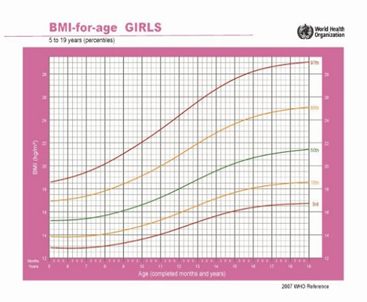
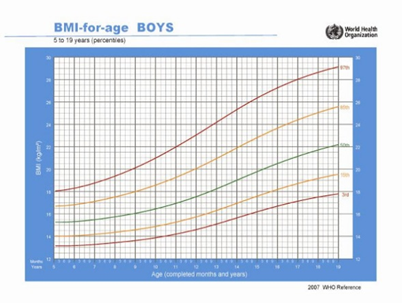
Nutritional status and growth must be monitored periodically for early detection of deviations from normal levels using weight, height, and BMI-for-age charts (such as WHO 2007 reference growth charts for boys and girls).
Healthy Nutrition Messages
· Brown bread is better than white bread due to higher vitamins, minerals, and fiber.
· Fresh foods are better than preserved/canned foods.
· Quench thirst with water (at least 8 cups daily) to prevent obesity from sweetened drinks.
· Combining vitamin C-rich foods with iron-rich foods increases iron absorption and prevents anemia.
· Avoid drinking tea during or immediately after meals as it inhibits iron absorption.
· Combining grains and legumes in one meal matches animal protein quality (e.g., bread with ful medames, falafel, koshary, or bessara).
· White meats (fish, poultry, rabbits) are better than red meats.
· Overconsumption of calorie-dense fast foods leads to malnutrition, obesity, and anemia.
· Calcium-rich foods from childhood prevent osteoporosis in later life.
· Vegetables and fruits rich in antioxidant vitamins (A, C, E) and minerals prevent chronic diseases.
· Whole fruit is better than fruit juice due to dietary fiber.
· Always use iodized salt to prevent iodine deficiency disorders.
·
Exercise
or brisk walk for 30–60 minutes daily alongside a balanced diet.
Second: Fast Foods and Their Dangers
Fast foods contain quick-preparation, high-calorie items (shawarma, burgers, falafel, pastries, pizza, fried chicken, sodas, sweetened juices, french fries). Risks include:
· Modern Diseases: Excessive fats, sugars, and proteins paired with low fiber lead to obesity, early diabetes, heart disease, atherosclerosis, and cancer (colon/breast).
· High Blood Pressure: Due to high sodium content.
· Constipation and Indigestion: Eaten in a rush without proper chewing and lacking fiber.
· Food Poisoning Risks: Lack of proper storage, refrigeration, and hygiene promotes bacterial contamination (e.g., Salmonella/typhoid).
· Reduced Family Bonding: Loss of shared family dining time.
Healthy Fast Food Alternatives
· Choose pizzas with more vegetables, less meat/cheese, and thin crust.
· At burger restaurants, choose whole wheat buns, small size, grilled instead of fried, avoid fries/sodas, and substitute with fruit or unsweetened juice.
· Choose fresh vegetable salads, avoiding heavy dressings like mayonnaise.
· Choose fruit-based desserts or small portions, limited to twice a week.
· Avoid food additives (colors, flavor enhancers).
- Nutritional Problems Among Adolescents
· Protein-energy malnutrition (Underweight)
· Stunting (Short stature)
· Nutritional iron-deficiency anemia
· Obesity (Excess calories)
1. Underweight
Results from insufficient protein and calorie intake, leading to general weakness, delayed growth, and weakened immunity.
2. Stunting (Short Stature)
Caused by chronic malnutrition across generations (affecting 32% of world children and 19% of Egypt children). Associated with delayed academic achievement, weak immunity, reduced performance, and micronutrient deficiencies.
Detection: Compare height/weight growth rates (boys grow ~10.3cm/year or 28cm in puberty; girls grow ~9cm/year or 25cm in puberty) using growth charts.
3. Iron-Deficiency Anemia
Caused by iron and protein deficiency. Most prevalent in Egypt and developing countries.
· Causes: Inadequate iron intake, absorption-inhibiting foods, blood loss (menstruation/parasites).
· Symptoms: Dizziness, blurred vision, headache, lack of concentration, fatigue, paleness, low hemoglobin.
· Effects on Students: Impairs academic performance, memory, concentration, physical/mental fitness, and future reproductive health.
· Treatment: Increase iron and folic acid intake (liver, red meat, vegetables, eggplant, artichoke), combine with vitamin C, avoid tea/sodas with meals.
4. Obesity
Excess calorie intake exceeding expenditure, driven by high-calorie foods, poor dietary habits, and sedentary lifestyles.
· Measurement: BMI is the most appropriate method.
· Complications: Joint pain, diabetes, skin infections, varicose veins, cardiovascular disease, premature aging, gallstones, fatty liver, menstrual irregularities, and psychological problems.
· Treatment: Hypocaloric diets and increased physical exercise.
Key Health Education Topics in Educational Facilities
· Regularity in morning breakfast
· Oral and dental health
· Reduction of fast food
· Nutritional balance
· Obesity
· Behavioral and psychological problems of adolescents
· Anemia
· Sports and health fitness
· Personal and general hygiene
· Smoking prevention
· Safety and injury prevention
· First aid training
· Health behaviors and relation to disease