Nursing Care for Adult Mental Health
| Site: | EHC | Egyptian Health Council |
| Course: | دلائل الإجراءات لتمريض الرعاية الاولية |
| Book: | Nursing Care for Adult Mental Health |
| Printed by: | Guest user |
| Date: | Thursday, 5 November 2026, 2:40 AM |
Description
"last update: 4 March 2025" تحميل الدليل
- Prepared by
Primary healthcare guide
Under supervision
- Prof. Dr. Mohamed Latif, CEO of the Egyptian Health Council
Dr. Kawthar Mahmoud, Head of the Egyptian Nursing Syndicate - Member of the Senate
Prepared by
|
Title |
Name |
NO. |
|
Dean Of Faculty Nursing, Professor of Medical and Surgical Nursing, Tanta University |
Dr Afaf Abdel Aziz Abdel Aziz Basal |
1 |
|
Professor Of Critical Care Nursing |
Prof.Dr/Zeinab Hussain Ali |
2 |
|
Professor And Head of the Department of Medical Surgical Nursing. Faculty-. Benha University |
Amal Said Taha Refaie |
3 |
|
Supervisor Of the Education Sector at Port Said University |
Amal Ahmed Khalil Morsy |
4 |
|
Professor Of Medical Surgical Nursing- Faculty of Nursing- Cairo University |
Dr. Hanan Ahmed Al Sebaee |
5 |
|
Head of central administration on secondment at MOHP |
Dr Neveen ab drab al0nabi Mohamed |
6 |
|
Director Of Primary Health Care Nursing Department at MOHP. |
Maysa Hosny Ahmed Tammam |
7 |
|
Supervisor Of Technical Education- EHA |
Nancy Alaa Eldeen Abd-Elbaset Ali |
8 |
|
Supervisor Of Nursing Services Development- EHA |
Sherien Mohamed Saad |
9 |
|
Assistant Professor of Maternity and Neonatal Health Nursing - Faculty of Nursing- Ain Shams University |
Assist.Perof. Dr./Heba Mahmoud Mohammed |
10 |
|
General manager of general administration of health institutes affairs |
Dr Mai Galal Ibrahim Al-Assal |
11 |
|
Participants |
||
|
Member of nursing administration - EHA |
Mr. Mohamed Al-Sayed Abdel Hamid |
12 |
|
nursing specialist at the General Administration of Nursing - MOHP |
Mrs. Shaima Hassan gamal Mady |
13 |
|
nursing specialist at the General Administration of Nursing - MOHP |
Mrs. Salwa Nasser Fahim Attia |
14 |
|
nursing specialist at the General Administration of Nursing - MOHP |
Mr. tarek Ramadan Rashad El Gamal |
15 |
|
nursing specialist at the General Administration of Nursing - MOHP |
Mr. Mahmoud Muhammad Ali Afifi |
16 |
|
nursing specialist at the General Administration of Nursing - MOHP |
Mr. Ahmed Abdel Tawab Attia |
17 |
|
nursing specialist at the General Administration of Nursing - MOHP |
Mr. Muhammad Jamal Al-Shaar |
18 |
- Introduction to Mental Health
Concepts of Mental Health
Mental Health
Mental health is a relatively stable state in which an individual is psychologically and socially well-adjusted with themselves and their environment. It is characterized by a sense of happiness with oneself and with others. The individual is able to achieve self-actualization, utilize their abilities and potential to the fullest extent possible, cope effectively with the demands of life, maintain an integrated and well-balanced personality, and demonstrate normal behavior.
Mental Illness
Mental illness is a psychological disorder of functional origin that manifests as various psychological and physical symptoms. It affects an individual's behavior, impairs psychological adjustment, and interferes with the ability to lead a normal life within the community.
Mental illness varies in type and severity. It may be mild, resulting in some unusual personality traits or behaviors, or it may be severe enough to lead to homicide or suicide. Treatment depends on the type, extent, and severity of the illness.
Normality
Normality is the ability of an individual to achieve psychological adjustment with themselves and their environment, experience happiness, and establish sound life goals and a healthy philosophy of life while striving to achieve them. Normal behavior refers to behavior that is common, accepted, and characteristic of the majority of people.
Abnormality
Abnormality refers to deviation from normal behavior and departure from psychological well-being. It is considered a pathological condition that poses a risk to the individual and society and requires appropriate intervention to protect the individual or the community.
Characteristics of a Mentally Healthy Personality
1. Adjustment: Includes personal adjustment, reflected by self-satisfaction, and social adjustment, including family, school, occupational, and other areas of life.
2. Happiness with Oneself: A sense of happiness and psychological comfort resulting from a positive past, a satisfying present, and an optimistic future.
3. Happiness with Others: Love, trust, respect, and acceptance of others, as well as the ability to establish healthy, stable social relationships such as friendships and to fulfill appropriate social roles.
4. Self-Actualization and Utilization of Abilities: Understanding oneself, objectively evaluating one's abilities, capacities, and potential, accepting personal limitations and individual differences, maintaining healthy self-esteem, and setting realistic goals, aspirations, and a practical philosophy of life.
5. Ability to Cope with Life's Demands: Maintaining a realistic and objective outlook toward life, dealing effectively with daily challenges, living in the present, demonstrating insight and positive flexibility, and coping successfully with everyday frustrations.
6. Psychological Integration: Achieving complete, coordinated, and harmonious functioning of the personality as a whole (physically, mentally, emotionally, and socially), while enjoying good health and normal growth and development.
7. Balanced Behavior: Demonstrating normal and socially acceptable behavior, improving psychological adjustment, and maintaining self-control and emotional regulation.
8. Living in Peace and Security: Experiencing both inner and outer peace, embracing life positively, enjoying it, and planning for the future with confidence and hope.
Basic Principles of Psychiatric Nursing
- Avoid judging or punishing the patient because of their behavior.
- Encourage the patient to express their feelings freely.
- Listen attentively and show genuine interest in what the patient says.
- Provide reassurance to the psychiatric patient.
- Help reduce the patient's anxiety and tension.
- Encourage mental and physical activity.
- Establish and maintain a professional therapeutic relationship throughout the treatment period.
- Maintain consistency in dealing with the patient.
- Nurses should develop insight into their own behavior and the underlying motives behind it.
- Treat the patient as a human being rather than as a collection of symptoms.
- Verify the accuracy and reliability of information related to the patient.
- Protect the patient from self-harm or harming others.
- Avoid comparing the patient's behavior with that of other patients.
- Provide a safe therapeutic environment for the patient.
- Neurotic Disorders and Psychotic Disorders
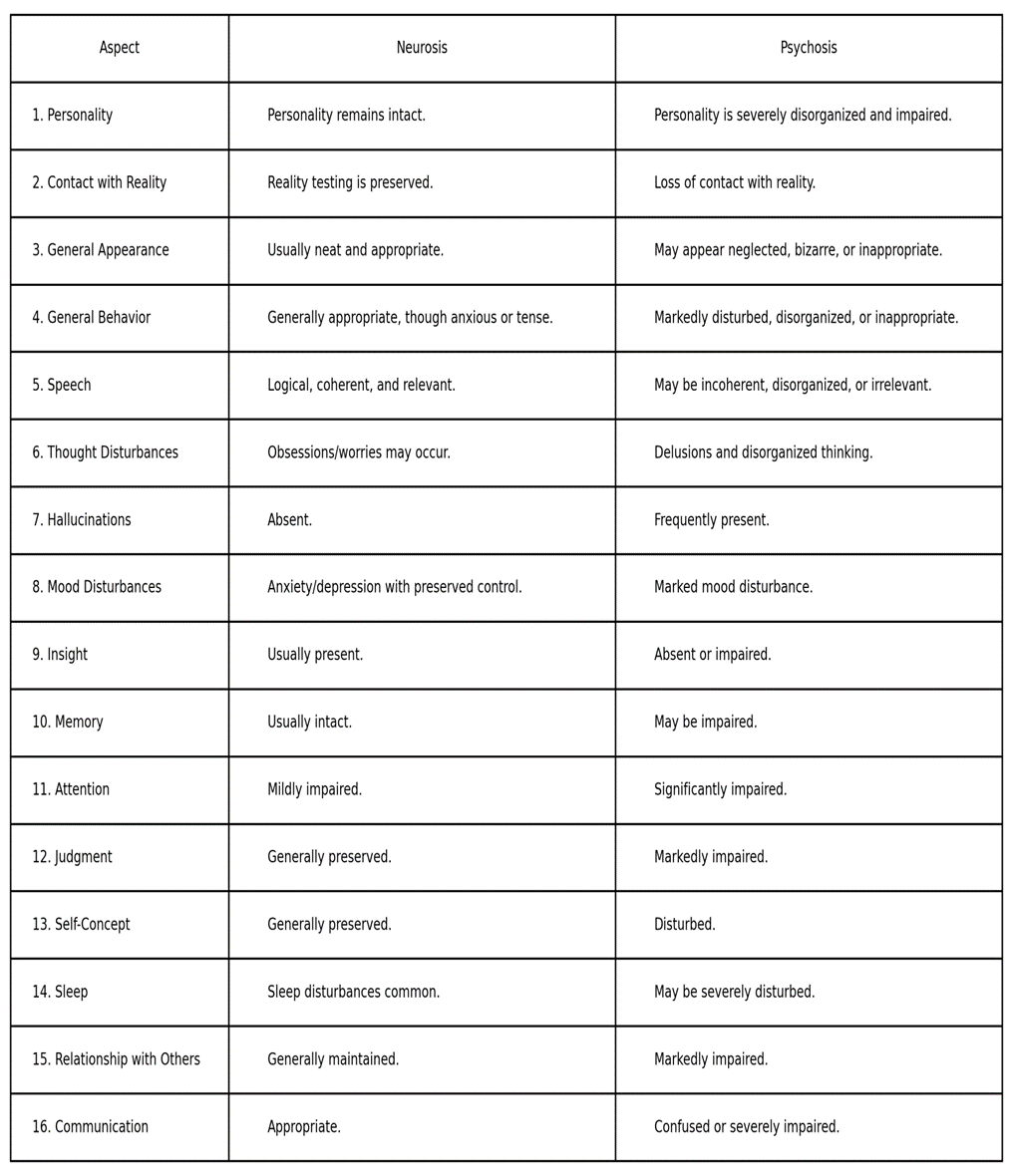
1. Neurotic Disorders (Neurosis)
Neurotic disorders are personality disturbances that manifest through various psychological and physical symptoms, including anxiety, obsessions, intrusive thoughts, irrational fears (phobias), excessive indecisiveness, unfounded doubts, and compulsive behaviors that the patient feels driven to perform against their will.
These disorders may also present with functional loss of one of the senses, such as hearing or vision, or paralysis of a limb, such as an arm or leg, without any identifiable physical or neurological cause.
The most common neurotic disorders include:
- Anxiety disorders
- Hysteria (Conversion Disorder)
- Obsessive-Compulsive Disorder (OCD)
2. Psychotic Disorders (Psychosis)
Psychotic disorders are severe disturbances affecting the entire personality. They are characterized by profound impairment in thinking and overall cognitive functioning, particularly the ability to perceive reality accurately. They are also associated with marked disturbances in emotional functioning, significant impairment in self-control, hallucinations, delusions, and false beliefs.
These disturbances interfere with an individual's ability to manage personal affairs and prevent successful social, family, occupational, and other forms of adjustmentDifferences Between Neurosis and Psychosis
- Nursing Care for Patients with Depression

Definition of Depression
Depression is a mood disorder characterized by profound sadness accompanied by intense feelings of frustration, hopelessness, and despair.
Types of Depression
1. Reactive Depression
Also known as Neurotic Depression.
This type of depression develops in response to a stressful life event such as
the loss of a loved one, loss of employment, financial loss, or similar
circumstances.
2. Psychotic Depression
A type of depression accompanied by delusions, hallucinations, and impaired
contact with reality.
3. Manic-Depressive Psychosis
(Bipolar Disorder)
The patient experiences episodes of depression alternating with episodes of
mania. In some cases, only depressive episodes occur, accompanied by agitation,
hallucinations, and delusions.
Problems Experienced by Patients with Depression
- Sleep disturbances: early morning awakening, insomnia, or excessive sleeping.
- Appetite disturbances: changes in eating patterns resulting in weight gain or weight loss.
- Constipation.
- Problems related to personal hygiene.
- Reduced activity and physical movement.
- Slowed thinking.
- Low self-confidence.
- Sadness and anger.
- Suicidal tendencies.
- Delusions or hallucinations in some types of depression.
Nursing Care
1. Maintaining Adequate Nutrition, Fluid Intake, and Elimination
- Observe the patient's food and fluid intake and identify any abnormalities.
- Determine the patient's preferred foods and attempt to provide them along with fruit juices.
- If the patient eats excessively, establish a meal schedule and serve appropriate portions at designated meal times.
- Monitor bowel elimination and manage any problems such as constipation.
- Encourage the patient to consume adequate amounts of fluids.
2. Maintaining an Appropriate Balance Between Sleep, Rest, and Activity
- If the patient spends most of the time in bed, regulate sleeping hours and assist the patient in waking up at the scheduled time.
If the patient is unable to sleep:
1. Establish regular sleep and rest hours.
2. Promote sleep by using measures such as a warm bath before bedtime and warm milk.
3. A brief conversation before bedtime may reduce anxiety and provide reassurance.
4. Limit daytime sleeping.
5. Maintain a quiet environment at night and minimize excessive noise.
6. Administer medications if necessary.
3. Protecting the Patient from Self-Harm
- Maintain a safe environment for the patient.
- Closely observe the patient, particularly during shift changes, holidays, the early stages of antidepressant therapy, sudden behavioral changes, and night shifts.
- Assess the patient for suicidal ideation or suicidal tendencies.
4. Assisting the Patient in Regaining Self-Confidence
- Maintain the patient's personal appearance through daily bathing and proper oral hygiene, facial care, nail care, clean clothing, and overall personal hygiene.
- Encourage participation in simple activities that can be completed easily within a short period, involving a small number of patients and without competition or comparison with others, according to the patient's abilities and interests.
- Praise the patient and provide material or emotional support upon successful completion of activities.
5. Reducing Feelings of Depression
- Encourage the patient to express feelings, listen attentively, and demonstrate acceptance.
- Spend time sitting with the patient, even if silent, allowing the patient to feel comfortable with your presence, and encourage talking or crying.
- Assist the patient in problem-solving, decision-making, behavior modification, and developing effective coping strategies for managing daily stress.
- Instructions to be Provided by the Nurse to the Caregiver of a Patient with Epilepsy at Home
Nursing Care for Patients with Epilepsy
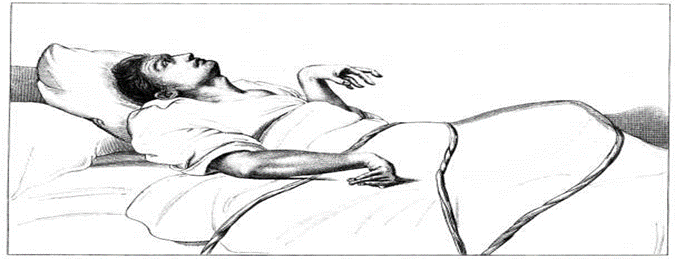
Types of Epilepsy
- Petit Mal Epilepsy (Absence Seizures): This type usually begins during childhood and may sometimes persist beyond adolescence. The condition may pass unnoticed or remain undiagnosed.
- Grand Mal Epilepsy (Generalized Tonic-Clonic Seizures): This type is characterized by convulsive seizures involving most parts of the body. Seizures occur suddenly, although some patients may experience warning signs (auras) before the onset of a seizure.
Causes of Epilepsy
In Infants and Children
- Asphyxia.
- Infections.
- Fever.
- Hypoglycemia or vitamin B deficiency.
- Pertussis (whooping cough).
- Brain tumors.
- Photosensitive epilepsy (triggered by flashing lights) and emotional stress.
- Excessive use of electronic devices.
In Adults
- Infections.
- Head trauma or head injury.
- Stroke.
- Brain tumors.
- Radiation exposure.
- Eclampsia.
- Hypertension.
- Cerebral atherosclerosis.
- Alcohol use.
Signs and Symptoms
- Preictal Symptoms (Aura): The patient experiences a warning sensation indicating that a seizure is about to occur.
- Ictal Signs and Symptoms: Loss of consciousness, a loud cry, sudden fall to the ground, generalized muscle convulsions lasting approximately 20 seconds, apnea with cyanosis of the face, urinary incontinence, tongue biting with bleeding, and excessive salivation.
- Postictal Symptoms: The patient regains consciousness with no recollection of the seizure, experiences muscle weakness, and may fall into a deep sleep.
- Epilepsy does not affect the patient's intellectual or physical abilities; however, psychological support is essential to help the patient cope with the condition.
Preventive Nursing Care Between Seizures
1. Organize the patient's daily activities and avoid hazardous activities such as swimming, driving, or working at heights.
2. Diet: If the patient is prone to seizures, provide soft, easy-to-swallow foods to minimize the risk of choking during a seizure.
3. Prevent and treat constipation, and encourage small, easily digestible meals.
4. Ensure regular administration of prescribed antiepileptic medications.
5. Avoid tight clothing, belts, and neckties.
6. Remove and store dentures outside the patient's mouth during sleep.
7. Observe, count, and document the frequency of seizures.
Nursing Care During a Generalized Tonic-Clonic Seizure
1. If the patient experiences an aura, assist the patient to lie flat on the back in the nearest safe place, preferably on the floor, and place a pillow under the head to prevent injury.
2. If dentures are present, remove them. Insert a rubber tongue depressor or another non-breakable object between the patient's jaws only if feasible before jaw clenching. Ensure that the tongue remains inside the mouth and is not obstructing the airway. If the jaws are already tightly closed, do not attempt to force the mouth open until the convulsions have ceased.
3. Loosen tight clothing, belts, neckties, and collar buttons.
4. Support the patient's arms against the chest during convulsions. The nurse should support the patient's shoulders, while another staff member supports the thighs (pelvic region) to help prevent fractures and joint dislocations during the seizure.
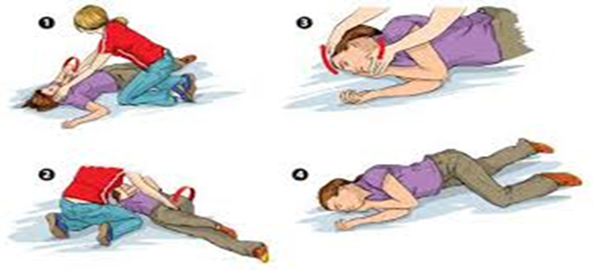
5. Turn the patient's head and neck gently to one side to maintain a patent airway and reduce the risk of aspiration once breathing resumes.
6. If the seizure occurs during sleep, remove any bedding covering the patient's face and position the patient appropriately to prevent suffocation.
7. Observe and document the seizure carefully, including its characteristics, stages, and duration.
8. Notify the physician if the seizure is prolonged, recurrent, or associated with complications or injuries.
Nursing Care After a Generalized Tonic-Clonic Seizure
1. Transfer the patient to a quiet room where adequate rest can be provided. Maintain personal hygiene and change clothing if urinary or fecal incontinence occurred during the seizure.
2. Clear saliva from the mouth and remove any foreign material. Use suction when necessary to maintain a patent airway.
3. Perform a thorough assessment for any injuries sustained during the seizure.
4. Administer oxygen if indicated, particularly in the presence of respiratory distress or cyanosis.
5. Monitor and record vital signs.
6. Observe the patient closely until full consciousness is regained.
7. Document the seizure comprehensively, including all relevant observations and interventions.
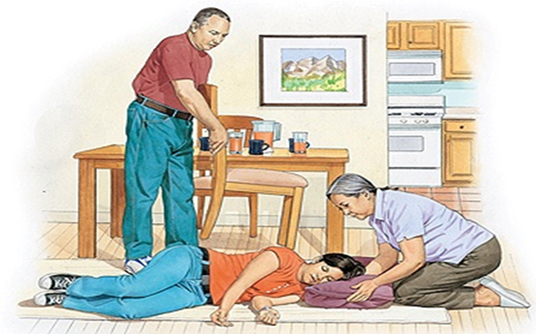
1. Do not attempt to restrain the patient's movements during a seizure.
2. Protect the patient from self-injury by laying the patient on the floor or bed and removing any sharp objects or nearby furniture.
3. Place the patient in the lateral (side-lying) position with the head slightly extended backward to allow saliva to drain and maintain a patent airway.
4. Loosen tight clothing and remove eyeglasses if worn.
5. Do not attempt to administer any medication during the seizure or try to awaken the patient.
6. Reassure and comfort the patient after the seizure has ended.
7. Record the patient's condition during the seizure and the duration of the seizure, as this information is valuable for the treating physician.
General Instructions Provided by the Nurse to the Family of a Child with Epilepsy
1. Explain the nature of epilepsy to the child in a simple, age-appropriate manner and answer any questions.
2. Avoid making the child feel ashamed of the condition or giving the impression that the family is hiding the illness from friends or relatives.
3. Do not make the child feel that epilepsy is an obstacle to playing, attending school, or maintaining social relationships, and do not allow the child to use the illness as an excuse to avoid activities that can be performed safely.
4. Treat the child in the same manner as siblings and avoid giving the impression that the child is receiving special treatment because of the illness.
5. Explain the condition to the child's siblings, as they may have concerns about their brother or sister or mistakenly believe that epilepsy is contagious or always hereditary.
School
1. Inform the teacher about the child's epilepsy, including the names and doses of prescribed medications and the appropriate actions to take if a seizure occurs.
2. Provide the name of the treating physician and contact information in case consultation is required.
3. Advise the teacher to notify the physician if the child appears excessively drowsy or exhibits any abnormal behavior.
4. Allow the child to participate in sports activities with peers and do not unnecessarily restrict participation.
Swimming
1. No child, whether healthy or affected by epilepsy, should swim in deep water without supervision by a responsible adult who is a competent swimmer. This precaution is especially important for children with epilepsy because of the risk of seizures during swimming.
2. A child with epilepsy should not lock the bathroom door while bathing to facilitate immediate assistance if a seizure occurs.
Eating Disorders
Individuals with eating disorders experience disturbances in eating behaviors as well as abnormal thoughts and feelings related to food. Eating disorders are characterized by an intense drive for thinness, a pathological fear of gaining weight, and a loss of control over eating behavior. Although the majority of individuals receiving treatment are female, eating disorders can also affect males.
Eating disorders typically begin during adolescence but may also develop during adulthood. Recovery is possible, and early counseling and treatment are essential because eating disorders can result in serious physical and psychological complications.
Types of Eating Disorders
- Anorexia Nervosa
- Bulimia Nervosa
- Binge Eating Disorder
Emotional and Psychological Effects of Eating Disorders
- Difficulty participating in activities involving food and engagement in maladaptive eating-related behaviors.
- Social isolation resulting from self-imposed withdrawal and reluctance to establish personal relationships.
- Fear of rejection if others become aware of the disorder.
- Mood swings, personality changes, emotional instability, and depression.
Therefore, it is essential to recognize the early warning signs and seek prompt treatment for anorexia nervosa and bulimia nervosa.
What Treatment Is Available?
Eating disorders can be treated effectively. Early intervention improves recovery outcomes. Since many medical conditions may alter eating behavior, the first step is a comprehensive physical examination by a physician. Once an eating disorder has been diagnosed, management often involves a multidisciplinary team because the disorder affects both physical and psychological health. This team may include psychiatrists, psychologists, primary care physicians, dietitians, social workers, occupational therapists, and nurses.
Treatment is likely to include:
- Nutritional education to help re-establish healthy eating habits.
- Psychological therapy to help individuals modify their thoughts, feelings, and behaviors related to the eating disorder.
- Antidepressant medications, when indicated, to alleviate symptoms of depression and anxiety.
- Interpersonal therapy (IPT) to help patients understand how interpersonal relationships influence their emotions and eating behaviors.
- Hospitalization may be required for individuals with severe malnutrition resulting from inadequate nutritional intake.
- Family members and friends of individuals with eating disorders may experience confusion and emotional distress; therefore, support, education, and community understanding are essential components of comprehensive treatment.