الارشادي لغطاء المريض
| الموقع: | EHC | Egyptian Health Council |
| المقرر الدراسي: | دلائل الاجراءات التمريضية لقسم العمليات |
| كتاب: | الارشادي لغطاء المريض |
| طبع بواسطة: | Guest user |
| التاريخ: | الأحد، 20 سبتمبر 2026، 5:05 PM |
الوصف
"last update: 9 March 2025" تحميل الدليل
- اعداد
دليل العمليات
تحت اشراف
- أ.د/ محمد لطيف الرئيس التنفيذي للمجلس الصحي المصري - د/ كوثر محمود نقيب عام التمريض المصري – عضو مجلس الشيوخ
اعداد
م | الاسم | الوظيفة |
1 | أ.د /امل احمد خليل مرسي | نائب رئيس الجامعة لشئون التعليم والطلاب – جامعة بورسعيد |
2 | أ.د / عفاف عبد العزيز عبد العزيز بصل | عميد كلية التمريض –استاذ تمريض باطنه وجراحي جامعة طنطا |
3 | أ.د/ زينب حسين على محمد سعد | وكيل الكلية لشئون البيئة وخدمة المجتمع – كلية التمريض – جامعه حلوان |
4 | أ.د/ امل سعيد طه رفاعي | أستاذ ورئيس قسم التمريض الباطني الجراحي – جامعة بنها |
5 | أ.د/ حنان احمد السباعي على | استاذ التمريض التمريض الباطني الجراحي- كلية التمريض – جامعة القاهرة |
6 | د /نيفين عبدربه النبي محمد عبد النبي | رئيس الإدارة المركزية ندباَ –وزاره الصحة |
7 | د /مايسة حسني احمد تمام | مدير عام للإدارة ندباَ – وزاره الصحة |
8 | د /نانسي علاء الدين عبد الباسط على | المشرف على التعليم الفني- الهيئة العامة للرعاية الصحية |
9 | د/ شيرين محمد محمد سعدالدين | المشرف على تطوير الخدمات التمريضية –الهيئة العامة للرعاية الصحية |
10 | د/ مى محمود العسال | مدير عام الإدارة العامة لشئون المعاهد الفنية الصحية |
11 | أ.م.د/ هبة محمود محمد | أستاذ مساعد تمريض صحة الام وحديثي الولادة –كلية التمريض - جامعة عين شمس |
المشاركين | ||
12 | /أأدهم عبد الناصر عكاشة | عضو إدارة التمريض بالهيئة العامة للرعاية الصحية |
13 | /أجهاد أكرم حسين | عضو إدارة التمريض بالهيئة العامة للرعاية الصحية فرع الأقصر |
- تغطية المريض عامة
الغرض :
لخلق منطقة تكون بمثابة حاجز ضد غزو البكتيريا للجرح.
الاحتياجات المطلوبة :
لفافة الفوط المطلوبة.
لفافات إضافية.
كلبس فوطة من صينية الآلات.
غطاء مفتوح للجرح عند الحاجة.
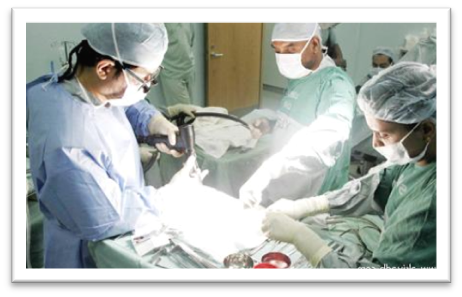
الخطوات :
1. راجع على جدول العمليات المبينة لاستعمال لفافة الفوط الصحيحة لهذه العملية.
2. التمريض المناول تفتح اللفافة التمريض المعقم لتأخذ منها كما هو مشروح فى خطوات فتح لفافات الفوط.
3. الأغطية المعقمة الموجودة فى لفافة البياضات ترتب حسب استعمالها.
4. يقوم التمريض المعقم والجراح أو مساعد الجراح بفرش الأغطية بعد تجهيز جلد المريض
- من الأفضل أن يقوم بهذه العملية (الفرش) شخصين معقمين.
5. يجب أن تناول التمريض المعقم الغطاء المعقم للجراح لفرشه من جانبه على أن يضع الغطاء من جانبه على ترابيزة العمليات.
- التأكد من عدم الميل على المريض للتغطية.
6. عند فك الأغطية امسح بمساحة كبيرة وقف بالخلف بعيد عن ترابيزة العمليات.
7. امسك الأغطية بطول الذراع وفى وضع مرتفع لتجنب لمس أشياء غير معقمة. وليس مرتفع جدا فيلمس كشاف العمليات.
8. تجنب نفض الأغطية لفتحها.
9. يجب مسك أغطية صغيرة من الركنين للسماح بأن تفتح.
10. يجب أن تفتح وتفك للأغطية المتوسطة، الكبيرة أو لفتح البطن بواسطة التمريض المعقم.
أ- يمسك الجراح إحدى الأطراف.
ب- يمسك الجراح و التمريض المعقم معاً الأغطية ويفردها كاملاً ويضعها على المريض.
ت- التأكد من عدم إسقاط الأغطية على سطح غير معقم قبل أن تفرد كاملة.
11. اصنع كم من طرف الغطاء أو لف طرف الغطاء على قفاز اليد عند وضع على المريض يجب ثنى الجزء المفتوح من غطاء القدم بحيث يكون على شكل كم لوضع اليد المقفازة فيه.
12. الفوط المستخدمة لتغطية العجان يجب أن توضع بواسطة جفت الشاش.
13. عند فتح الأغطية يجب التأكد من عدم وجود بلل أو ثقوب أو تمزق فيها.
- لو كان الغطاء مبلل أو ممزق يطرح جانباً.
- إذا كان الغطاء قد وضع على المريض قبل اكتشاف التمزق قبل اكتشاف التمزق أو البلل يضع غطاء آخر عليه.
14. الأغطية يجب وضعها على منطقة جفتة ويجب أن تبقى جافة أثناء العمليات .
- إذا تبلل الغطاء غطى المساحة المبللة بغطاء جاف.
15. يجب تغطية ترابيزة العملية بطبقتين من الأغطية وأيضاً القطع الإضافية والأذرع الخاصة بالتخدير وشاشة التخدير.
- طبقات إضافية من الأغطية توضع حول مكان العملية وأماكن معرضة للبلل (للرطوبة).
16. عند وضع الغطاء فى مكان يجب عدم إعادة وضعه.
- إذا كانت المساحة غير مغطاة جيداً استعمل أغطية إضافية.
17. إذا كان هناك أى شك فى تعقيم الأغطية يجب تغييرها أو تغطيتها فوراً.
18. إذا استعمل غطاء مقطوع يمكن وضعه على الجلد إما قبل وضع الأغطية فى مكانها أو بعد وضعها على المريض.
19. استعمال مشبك الفوط لمسك الأغطية من عند مكان الجروح.
أ- إذا استعمل غطاء مقطوع على أغطية القماش يمكن عدم استعمال مشبك الفوطة.
ب- يجب التأكد بالقيام بشبك القماش فقط وليس جلد المريض معه.
ت- التأكد من عدم تحريك مشبك الفوط من مكان لآخر طالما شبك فى الأغطية.
20. يجب أن تدلى الأغطية20 سم على الأقل من جانب ترابيزة العمليات.
- إذا لم يستعمل أغطية إضافية.
- يجب التأكد من أن قدم مائدة العمليات، مسند الذراع، حاجز التخدير كلهم مغطاة جيداً بالأغطية.
21. إذا لم يتوفر حاجز التخدير يمكن استعمال حاملين للمحاليل .
- اشبك الفوطة (الحاجز) بالقوائم بمشبك الفوط.
22. تخرج التروللى المستخدم لتنظيف الآلات من حجرة العمليات مع افراد هيئة التمريض الداخليين ويمرر عجل التروللى على الملاءة المبللة بمطهر وينظف قبل أخذه إلى الحجرة مخزن الأدوات غير النظيفة.
- كما ترفع الملاءة أيضا لحجرة الأدوات غير النظيفة.
23. حجرة العمليات تكون جاهزة للاستعمال حالما تجف الأرض.
24. إذا لم يكن من الممكن تواجد تمريض مناول (خارج غرفة العمليات) يمكن للتمريض المناول داخل الغرفة بعد تنظيف حجرة العمليات أن ترفع الماسك والمريلة وتغيير القفازات.
25. تخرج خارج الحجرة لتعمل فى زجاجات الشفط والعينات...إلخ
26. طالما خرج التمريض المناول من غرفة العمليات فلا يدخلها مرة أخرى.
27. إذا وجدت أن الحالة ملوثة بعد بدء الجراحة يجب تبليغ رئيسة العمليات التى سوف ترتب الحصول على معدات إضافية ومواد مطهرة.
- الطرق المثلى لتغطية المريض لعمليات معينة
غطاء لعمليات البطن، عملية بالصدر، الكلى، استئصال غضروف بالظهر.
الأغطية المطلوبة :
4 فوط
1غطاء كبير للجزء الأسفل للعملية.
1 غطاء متوسط لفوق مكان العملية.
2 غطاء متوسط للجوانب.
1 ملاءة شق بطن.
الخطوات :
1. ضع 4 فوط واحدة بعد الأخرى حول مكان العملية تاركا مساحة كافية للعملية دون تعريض زائد للمنطقة.
2. افتح الغطاء الكبير وضعه على المريض وتحت مكان العملية.
3. افتح غطاء متوسط معقم ويوضع على المريض فوق مكان العملية.
4. ضع الغطائين المتوسطين على جوانب المريض لتكون مربع حول مكان العملية.
5. أمن الأغطية بمشبك الفوط . وضع مشبك واحد على كل زاوية من المربع المكون للأغطية.
6. افتح ملاءة شق البطن فى اتجاه القدم أو رأس المائدة.
7. ضع ملاءة شق بطن على الأغطية الأخرى بحيث يكون مكان الثقب فى مكان العملية محددة بالأغطية.
8. غطى القدم أولاً ثم اتجه نحو الرأس.
9. غطى باقى المناطق المكشوفة من جسم المريض بالفوط.
- أغطية الوجه
الأغطية المطلوبة :
1 غطاء متوسط (معقم) غطاء رأس
2 فوطة
3 فوطة
1 ملاءة مفتوحة للبطن
2 فوطة تثنى لتأخذ شكل لفافة.
1 غطاء كبير.
الخطوات:
1. عند انتهاء إخصائى التخدير من وضع المريض على جهاز البنج، يقوم شخص غير معقم برفع رأس المريض عن ترابيزة العمليات.
2. ضع غطاء متوسط و2 فوطة كلهم معاً تحت رأس المريض وتحت الأكتاف.
3. اثنى مقدمة الفوطة على كل جانب من الوجه وعلى الجبهة لتغطى الشعر وأكبر قدر من الجلد.
4. أمن الفوط بماسك الفوط.
5. ضع 2 فوطة مثنية على شكل لفافة، على إحدى جانبى الرقبة وادفع بعناية فى الفراغ الذى بين الرقبة والأكتاف.
- هذا لملىء الفراغ الذى يمكن للبكتيريا أن تغزو فيه لامتصاص أى دم أو إفرازات.
6. ضع 3 فوط حول مكان العملية لتكون مثلث تاركاً مساحة كافية للعملية ولكن لا تكشف المنطقة.
7. أمن الفوط بمشابك فوطة.
8. افتح الغطاء الكبير وضعه على المريض أسفل مكان العملية ويطوى الغطاء المتوسط تحت الرأس.
- الغطاء لعمليات الأسنان
الأغطية اللازمة :
1 غطاء متوسط الحجم
2 فوط
1 غطاء حجم كبير
الخطوات :
1. ضع الغطاء المتوسط الحجم وفوطتين تحت الرأس مثل عمليات الوجه.
2. ثبت بمشابك فوط.
3. افرد غطاء كبير من أول ذقن المريض وتحت الرأس فوق الغطاء والمتوسط.
4. ثبت الرثنين بمشابك فوط.
- تغطية الكتف
الأغطية اللازمة :
2 فوطة
3 غطاء متوسط الحجم
1 غطاء متوسط الحجم
1 غطاء كبير
1 ملاءة شق بكن
رباط معقم
الخطوات :
1. يرفع التمريض المناول الذراع من الناحية المصابة.
2. ضع غطاء متوسط الحجم على الذراع وتحته وإفراده تحت الكتف والصدر.
3. افرد فوطة ليضع التمريض المناول الذراع بدون لمس الفوطة. لف الذراع وثبت الفوطة برباط معقم.
4. قد يساعد شخص معقم فى وضع الرباط المعقم.
5. إفرد غطاء متوسط الحجم وضعه فوق الصدر وشاشة التخدير فوق موقع الجراحة .
6. افرد غطاء كبير وضعه على البطن والرجلين تحت مكان العملية.
7. ضع فوطة على الصدر لعمل مربع حول مكان العملية مع ترك مكان العمليى مع ترك مكان كافى لإجراء الجراحة.
8. ثبت الفوط بماسك فوط عند كل ركن من الأركان الأربعة للغطاء.
9. إفرد ملاءة شق بطن وإخراج الذراع من لفتحة.
10. غطى الأجزاء المكشوفة بفوط.
- تغطية اليد
الأغطية اللازمة :
1 فوطة
2 غطاء متوسط الحجم
1 غطاء كبير
الخطوات :
1. يرفع التمريض المناولة الذراع إلى أعلى مع سنده من عند الكوع.
2. ضع غطاء متوسط مطوى فوق الذراع وتحته.
3. إفرد فوطة ليضع عليها التمريض المناول الذراع دون أن تلمس الفوطة.
4. لف الذراع من الجزء الأسفل إلى المعصم مع ترك مكان كافى لإجراء الجراحة.
5. ثبت الفوطة بماسك فوط.
6. ضع الذراع على مسند وافرد غطاء متوسط الحجم وضع الذراع عليه فوق مكان الجراحة.
7. ثبت غطاء متوسط الحجم بماسك فوط على اليد من الناحيتين.
8. إفرد غطاء العملية الكبير وصفه فوق الصدر والبطن.
9. غطى الأماكن المكشوفة بفوط.
- تغطية الفخذ
الأغطية اللازمة :
3 فوط
3 أغطية حجم متوسط
1 غطاء كبير
1 غطاء شق بطن
1 فوطة مطوية لعمل باك
رباط معقم
الخطوات :
1. يمسك التمريض المناول الرجل المصابة لفوق.
2. ضع غطائين متوسطين الحجم فوق ترابيزة العمليات تحت الرجل المصابة وفوق الرجل السليمة.
3. افرد غطاء متوسط الحجم واطويه ليضع التمريض المناولة عليه الرجل دون أن تلمس الغطاء المعقم.
4. يرفع التمريض المعقمة الرجل.
5. ضع فوطة حول الفخذ.
6. اقفل الفوط بماسك فوط.
7. افرد غطاء كبير وضعه فوق المريض على مكان العملية.
8. ضع فوطة تحت الفخذ وفوطة فوق الفخذ لعمل مربع حول مكان العملية مع ترك مكان كافى لإجراء الجراحة.
9. اقفل بماسك فوط.
10. افرد غطاء شق البطن وشد الرجل من الفتحة.
11. غطى الأماكن المكشوفة بفوط.
12. فى حالة عدم بتر الرجل تغطى مثل جراحة شق البطن.
- لف القدم والكاحل
الأغطية اللازمة :
عدد 2 فوط
2 فوطة متوسطة الحجم
1 غطاء كبير
1غطاء شق بطن
شرابات أو رباط معقم
الخطوات :
1. يرفع التمريض المناول الرجل لأعلى.
2. ضع غطائين متوسطين الحجم فوق الرجل المصابة وفوق الرجل السليمة.
3. لف الرجل بفوطة وثبتها برباط معقم أو شرابات.
4. تمسك الفوطة بعناية ليضع التمريض المناول قدم المريض عليها بدون أن تلمس الفوطة .
5. لف الرجل بالفوطة فوق مكان الجراحة.
6. ثبت الفوطة بمثبت فوط (كلبس).
7. إفرد غطاء متوسط الحجم وضعه على الرجل فوق مكان الجراحة.
8. ثبت الغطاء بمشبك (مثبت الفوط).
9. افرد غطاء شق البطن وضع الطرف الأول على رأس الطاولة وشد الرجل من الفتحة.
10. غطى الأماكن المكشوفة من جسم المريض بالفوطة.
- تغطية الساق
الأغطية المطلوبة :
2 غطاء حجم المتوسط
1 غطاء حجم كبير
2 فوطة
1 فوطة مطوية لعمل (باك)
ضماد معقم أو كيس على شكل شراب
الخطوات :
1. يرفع التمريض المناول الساق من القدم إلى أعلى .
2. ضع غطائين متوسطى الحجم على ترابيزة العمليات ولفهم حول الأردف .
3. فى حالة إصابة ساق واحدة ضع الغطاء تحت الرجل المصابة وفوق الرجل السليمة.
4. إفرد فوطة ليضع التمريض المناول القدم عليها بدون أن تلمس الفوطة ، لف الفوطة حول القدم إقفليها برباط معقم .
5. فى حالة إجراء جراحة للرجل الثانية كرر نفس الخطوات .
6. فى حالة إصابة الرجلين يوضع الغطاء المطوى بين الرجلين على العجان .
7. إفرد الغطاء الكبير وضعه فوق المريض .
8. ثبت الغطاء الكبير بالغطاء المتوسط بواسطة مشابك .
9. غطى كل الأماكن المكشوفة بفوطة .
- أغطية الأذن والعين
بتغطية الأذن أو العين تتبع خطوات تغطية الوجه ما عدا أن العين والأذن تكون مكشوفة.
- خطوة نمرة 5 يمكن حذفها.
- غطاء لجراحة الشق الحصوى
الأغطية اللازمة :
2 كيس رجل
2 كيس متوسطة الحجم
1 فوطة
1 غطاء بفتحات
1 غطاء مطوى
الخطوات :
1. يرفع شخص غير معقم الأرداف إلى أعلى.
2. ضع غطاء متوسط الحجم مطوى تحت الأرداف.
3. افتح كيس الرجل وافصل أطرافه وضع القدم بداخله ثم اجذبه.
4. ضع فوطة فوق العانة أسفل البطن مع عمل مربع حول مكان العملية.
5. ثبت الأغطية بماسك فوط وضع ماسك الفوط عند كل ركن من الأركان الأربعة للمربع.
6. افرد الغطاء ملاية شق وضعه على المريض على أن تكون الفتحات فوق مكان العملية.
- أغطية الرقبة
أغطية إضافية :
4 فوط
1 غطاء متوسط
1 غطاء كبير ملاءة
1 ملاءة شق بطن
2 فوطة مطوية كالكلبس.
الخطوات :
1. ضع 2 فوطة كالكلبس كل واحدة على جانب من الرقبة.
- هذه لملأ الفراغ بين الرقبة والأكتاف حيث يمكن للبكتيريا غزوها أو لامتصاص أى دم أو تصريف.
2. ضع 4 فوط كل واحدة حول مكان العملية ليكونوا مربع تاركاً مساحة كافية للعملية ولكن مبالغ فيها.
3. افتح غطاء متوسط وضعه على الوجه فوق مكان العملية.
4. افتح غطاء كبير وضعه على الصدر أسفل مكان العملية.
5. أمن الأغطية بمشابك ( كل مشبك على إحدى أركان المربع المكون للأغطية ).
6. افتح ملاءة شق البطن بحيث يكون أسفل الغطاء ناحية رأس المائدة وضعها
7. على كل الأغطية بحيث تكون الفتحة على مكان العملية.
8. غطى كل المساحات الغير مغطاة بفوط إضافية.
- تغطية الركبة
الأغطية اللازمة :
2 غطاء متوسط
1 رباط كبير
رباط معقم أو شرابات
الخطوات :
1. يرفع التمريض المناول الرجل من القدم
2. أطول غطاء متوسط الحجم وضعه تحت الرجل المصابة وفوق السليمة ثم إلى وسط الورك.
3. أطول غطاء متوسط الحجم ليضع التمريض المناول الساق والقدم عليه بدون أن تلمس الغطاء. لف الساق والقدم بالغطاء تحت مكان الجراحة.
4. يرفع أى شخص معقم الرجل للف الغطاء بالرباط المعقم.
5. ثبت الغطاء من الناحيتين بمشابك.
- التغطية لجراحة الثدى و الصدر
الأغطية المطلوبة :
3 فوط
3 أغطية متوسطة
1 غطاء كبير
1 شق البطن
1 فوطة مطوية على شكل كيس
الخطوات :
1. يمسك التمريض المناول الذراع المصاب وسنده من الكوع.
2. ضع غطاء (ملاءة) متوسطة مثنية اثنين على مسند الذراع تحت الذراع الممتدة حتى أسفل الأكتاف والصدر.
3. ضع الذراع على مسند الذراع وأمنه بحزام المعصم.
4. ضع الفوطة المثنية فى شكل كيس تحت الإبط وادفعها حتى تأخذ مكانها.
- هذا لملأ المساحة الفارغة تحت الإبط حيث يمكن للبكتريا مهاجمة الجرح ولتمتص كل الدم والعرق.
5. افتح غطاء متوسط وضعه على المريض أعلى مكان العملية.
6. افتح غطاء كبير وضعه على المريض أسفل مكان العملية.
7. أمن الأغطية بماسك فوط ضع ماسك فوط على كل ركن من المربع المكون من الأغطية.
8. افتح ملاءة شق البطن وضعها على الأغطية بحيث تكون الفتحة على مكان العملية.
9. غطى كل المساحات الغير مغطاة بفوط إضافية، قد يحتاج مسند الذراع إلى فوط إضافية ليغطى كاملاً.
- تغطية الكوع
الأغطية اللازمة :
1 فوطة
3 غطاء متوسط الحجم
1 غطاء كبير
1 ملاءة شق البطن
رباط معقم
الإجراء:
1. يرفع التمريض المناولة الذراع من اليد.
2. افرد الغطاء المتوسط وضعه على صدر المريض وتحت الذراع والإبط.
3. ضع فوطة حول الجزء الأعلى من الذراع وثبته بماسك فوط.
4. اطوى غطاء متوسط ليضع التمريض المناول الجزء الأسفل من الذراع، اليد عليه دون أن تلمس الغطاء.
5. لف الذراع واليد تحت مكان العملية مع ترك مكان كافى لإجراء الجراحة.
6. ثبت رباط معقم.
7. شخص معقم آخر يمكنه مسك الذراع عند وضع الرباط المعقم.
8. افرد غطاء متوسط الحجم على الصدر والذراع.
9. ثبت الأغطية حول الذراع بماسك فوط.
10.افرد غطاء العملية الكبير وشد اليد من الفتحة.
11. غطى الأماكن المكشوفة بفوط كثيرة.