الارشادي لعمليات النساء والتوليد
| الموقع: | EHC | Egyptian Health Council |
| المقرر الدراسي: | دلائل الاجراءات التمريضية لقسم العمليات |
| كتاب: | الارشادي لعمليات النساء والتوليد |
| طبع بواسطة: | Guest user |
| التاريخ: | الأحد، 20 سبتمبر 2026، 5:06 PM |
الوصف
"last update: 9 March 2025" تحميل الدليل
- اعداد
دليل العمليات
تحت اشراف
- أ.د/ محمد لطيف الرئيس التنفيذي للمجلس الصحي المصري - د/ كوثر محمود نقيب عام التمريض المصري – عضو مجلس الشيوخ
اعداد
م | الاسم | الوظيفة |
1 | أ.د /امل احمد خليل مرسي | نائب رئيس الجامعة لشئون التعليم والطلاب – جامعة بورسعيد |
2 | أ.د / عفاف عبد العزيز عبد العزيز بصل | عميد كلية التمريض –استاذ تمريض باطنه وجراحي جامعة طنطا |
3 | أ.د/ زينب حسين على محمد سعد | وكيل الكلية لشئون البيئة وخدمة المجتمع – كلية التمريض – جامعه حلوان |
4 | أ.د/ امل سعيد طه رفاعي | أستاذ ورئيس قسم التمريض الباطني الجراحي – جامعة بنها |
5 | أ.د/ حنان احمد السباعي على | استاذ التمريض التمريض الباطني الجراحي- كلية التمريض – جامعة القاهرة |
6 | د /نيفين عبدربه النبي محمد عبد النبي | رئيس الإدارة المركزية ندباَ –وزاره الصحة |
7 | د /مايسة حسني احمد تمام | مدير عام للإدارة ندباَ – وزاره الصحة |
8 | د /نانسي علاء الدين عبد الباسط على | المشرف على التعليم الفني- الهيئة العامة للرعاية الصحية |
9 | د/ شيرين محمد محمد سعدالدين | المشرف على تطوير الخدمات التمريضية –الهيئة العامة للرعاية الصحية |
10 | د/ مى محمود العسال | مدير عام الإدارة العامة لشئون المعاهد الفنية الصحية |
11 | أ.م.د/ هبة محمود محمد | أستاذ مساعد تمريض صحة الام وحديثي الولادة –كلية التمريض - جامعة عين شمس |
المشاركين | ||
12 | /أأدهم عبد الناصر عكاشة | عضو إدارة التمريض بالهيئة العامة للرعاية الصحية |
13 | /أجهاد أكرم حسين | عضو إدارة التمريض بالهيئة العامة للرعاية الصحية فرع الأقصر |
- تشريح الجهاز الإنجابي
مقدمة
الجهاز الإنجابي يختلف عن غيره من أجهزة الجسم لأنه غير نشط حتى البلوغ. الغدد الجنسية الأساسية أو الغدد التناسلية هي المبيضين في الإناث. حيث تنتج هذه الغدد الخلايا الجنسية أو الخلايا المنوية وكذلك هرمونات الجنس. يلعب هرمونات الجنس الاستروجين والبروجستيرون لدى الإناث دورًا حيويًا في كلاً من تطور وأداء الأعضاء الإنجابية وفي السلوك الجنسي. تؤثر هذه الهرمونات أيضًا على نمو وتطور العديد من الأعضاء والأنسجة الأخرى في الجسم.
الجهاز الإنجابي الأنثوي
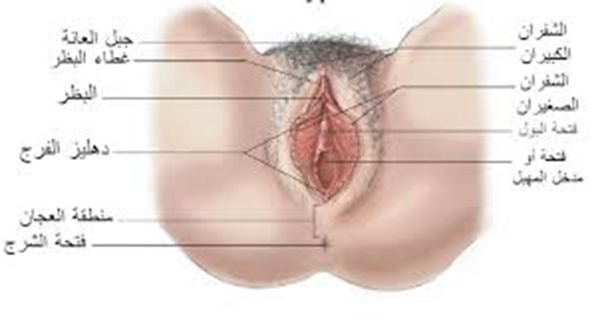
تشريح الجهاز الإنجابي الخارجي
1. جبل العانة : مونس فينيريس:
- طبقة من الدهون تغطي العانة وتغطى بالجلد والشعر.
- يحمي العانة.
2. شفرة البظر الكبرى:
- الشفرتان الخارجيتان للبظر.
- ثنيتان دهنيتان من الجلد يمتدان إلى الخلف من مونس فينيريس إلى الشق الخلفي.
- الجلد الخارجي مغطى بالشعر، بينما السطح الداخلي أملس وخالٍ من الشعر ويحتوي على غدد دهنية وغدد عرق.
3. شفرة البظر الصغرى:
- الشفرتان الداخليتان للبظر.
- ثنيتان رقيقتان من الجلد المعدل يحتويان على فتحتين الرئيسيتين لل urethra والمهبل.
- يحمي المهبل وال urethra والبظر.
4. البظر:
- جسم صغير تحت العانة.من النسيج ذو حساسية جنسية عالية.
- الطرف الخارجي للبظر محمي ومغطى بثنية الجلد تسمى الطية البظرية، مشابهة للطية البظرية في نهاية القضيب.
- تلتقي الشفرتان الصغيرتان عند البظر، وهو مشابه للقضيب في الذكور.
5. دهليز الفرج
- المنطقة بين الجوانب الداخلية للشفرتين الصغيرتين والقوس.
6. الغشاء البكاري:
- غشاء رقيق يقع على بعد 2 سم من الغار، يحدد الجهاز التناسلي الخارجي من الداخلي ويغلق جزئيًا فتحة المهبل.
تشريح الجهاز الإنجابي الداخلي
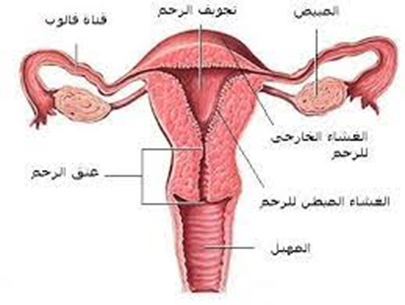
- يتكون الجهاز التناسلي الداخلي من:
1. المهبل
2. عنق الرحم
3. الرحم
4. قناة فالوب
5. المبيض
المهبل
- أنبوب عضلي من البظر إلى الرحم بزاوية 60 درجة مع المستوى الأفقي.
- المهبل يربط عنق الرحم بالجهاز التناسلي الخارجي ويقع بين المثانة والامعاء.
- الوظائف:
- كممر لتدفق الدم الشهري ولسائل الرحم.
- كممر الولادة أثناء المخاض.
- يصبح مهبل مبلل بمساعدة غدة بارثولين أثناء الجماع الجنسي.
- الطول:
- الجدار الأمامي: 8-9 سم.
- الجدار الخلفي: 10-11 سم.
عنق الرحم
- عنق الرحم يربط الرحم بالمهبل.
- الجزء المطول السفلي للرحم بقياس 2.5-3 سم.
- عنق الرحم هي التجويف الذي يتواصل من الأعلى مع تجويف الرحم وفي الأسفل مع المهبل
العلاقات التشريحية لعنق الرحم
- أمامية: المثانة وجيب مهبلي مثاني.
- خلفية: جيب دوغلاس.
- جانبية: الرباط العريض..
تشريح الرحم
- يُعرف الرحم بالشكل الموزي بحجم قبضة اليد. يتكون من الغشاء الداخلي والوسطى الغشاء الخارجي. يتضمن أنسجة غنية بالدم التي تتخلص منها كل شهر خلال الدورة الشهرية. العضلات القوية للرحم تتوسع لاستيعاب الجنين وتدفعه خلال قناة الولادة.
- قياساته: 7.5 × 5.0 × 2.5 سم في القطر الطولي والأفقي والأمامي الخلفي. يزداد حجمه قليلًا في الحوامل المتعددة.
- وزنه الطبيعي: 50-60 غرام.
أقسام الرحم
1. القمة (Fundus): المنطقة المستديرة فوق مدخل أنابيب فالوب.
2. الجسم (Body): الجزء الرئيسي للرحم.
3. المفترق (Isthmus): المنطقة الضيقة بين الجسم وعنق الرحم.
4. العنق (Cervix): الجزء المطول السفلي للرحم.
موضع الرحم
- يُحافظ على الرحم في وضعية منحنية أمامية (AVF)، حيث توجد الفتحة الخارجية على مستوى الشوكة الحرقفية.
- الانحناء الأمامي: الرحم مائل أمامية إلى محور المهبل.
- الانحناء الأمامي: جسم الرحم منحني إلى الأمام على عنق الرحم.
العلاقات التشريحية للجسم الرحمي
- أمامية: المثانة وجيب مهبلي مثاني.
- خلفية: جيب دوغلاس.
- جانبية: الرباط العريض.
علم الأنسجة للرحم
1. الغشاء الداخلي (Endometrium): وهى الطبقة المبطنة للرحم يحتوي على غدد أنبوبية. يظهر تغييرات دورية مع الدورة الشهرية تحت تأثير الهرمونات المبيضية.
2. middle (Myometrium): يتكون من ثلاث طبقات: العضلات الطولية الخارجية، طبقة من الألياف العضلية المتقاطعة المحيطة بالأوعية الدموية، والعضلات الدائرية الداخلية.
3. الغشاء الخارجي (Perimetrium): يلتصق بالغشاء البريتوني أمامية من القمة حتى المفترق، حيث يصبح فصيلًا ويعكس على السطح العلوي للمثانة لتشكيل جيب مهبلي مثاني.
دعم الرحم
- الرباطات الرحمية:
1. الرباط العريض.
2. الرباط الدائري.
3. الرباط المبيضي.
أنابيب فالوب
- أنابيب منعقدة بطول 10 سم تقع في الجزء العلوي الحر من الرباط العريض.
- يلتحم الرباط مع قرون الرحم، والنهاية الخارجية الحرة منحنية نحو المبيض.
- يخدم كمسار لخروج البويضة ويمثل موقع الإخصاب بواسطة الحي
أنابيب فالوب
- تعمل كمسار للبويضة إلى الرحم وهي موقع الإخصاب بواسطة الحيوانات المنوية. يُعرف أيضًا بالأنابيب المبيضية أو أنابيب الرحم. يستغرق البويضة المخصبة حوالي 6-10 أيام لتعبر أنابيب فالوب وتنغرس في بطانة الرحم.
أجزاء أنابيب فالوب (4 أجزاء)
1. الجزء الخلوي (Interstitial part): يثقب جدار الرحم، ضيق جدًا، بدون غشاء بريتوني وتغطية عضلية طويلة.
2. المفترق (Isthmus): جزء مستقيم وضيق وجدران سميك لاتجاه الرحم.
3. الجزء المستعرض (Ampulla): أوسع جزء يحدث فيه الإخصاب.
4. الجزء المبوق (Infundibulum): النهاية الخارجية تفتح في تجويف البريتون عبر الفتحة الأنبوبية، محاطة بالزائدات، واحدة منها طويلة وموجهة نحو المبيض.
وظائف الأنابيب
- جمع البويضات في وقت التبويض بواسطة النهاية الحرة للزائدات.
- نقل البويضات عبر تجويف الأنبوب بواسطة الحركات الدودية والشعرية.
- إنتاج إفرازات ضرورية لتفعيل الحيوانات المنوية وتغذية البويضات خلال رحلتها، بواسطة الخلايا المبطنة.
العلاقات التشريحية
- محاطة من الأعلى بالأنسجة الأمعائية، ومن الأسفل بالرباط العريض ومحتوياته. يمتزج من الداخل مع قرون الرحم، ومن الخارج يحدده الجدار الحوضي.
- المبيضين يقعان خلفية وسفلى بالنسبة لأنابيب فالوب.
المبيضين
- الغدد الجنسية الأنثوية. تنتج وتطرد البويضة كل شهر.
- المولود الأنثوي يولد بحوالي 400,000 بويضة غير ناضجة تسمى الجريبات.
- خلال العمر، تطرح المرأة 400-500 بويضة ناضجة للإخصاب.
- الجريبات في المبيضين تنتج الهرمونات الجنسية الأنثوية، البروجستيرون والإستروجين. هذه الهرمونات تحضر الرحم لزرع البويضة المخصبة.
تشريح المبيض
- شكل اللوز، يقع في حفرة المبيض على الجدار الحوضي (حفرة المبيض).
- قياساته: 3×2×1 سم.
- السطح أبيض مائل إلى الروز ومتجعد بسبب النشاط التبويضي الشهري.
العلاقات التشريحية
- المبيض محاط:
- من الداخل بأنابيب فالوب.
- من الخارج بالجدار الحوضي.
- من الأعلى والأمام يحيطها الأمعاء الدقيقة.
- من الأسفل تحده حفرة المبيض حيث يمر الحالب والأوعية الإلياكية الداخلية.
عضلات اسفل الحوض
- جميع الأنسجة الواقعة بين تجويف الحوض وسطح العانة والفرج.
- تشمل:
- البريتون الحوضي.
- الدهون والأنسجة الخلوية خارج البريتون.
- عضلات الرفع والقس.
- الرباط المثلث (الغشاء البولي التناسلي).
- عضلات الفرج.
- الدهون والفاشيا تحت الجلد.
- العملية القيصرية
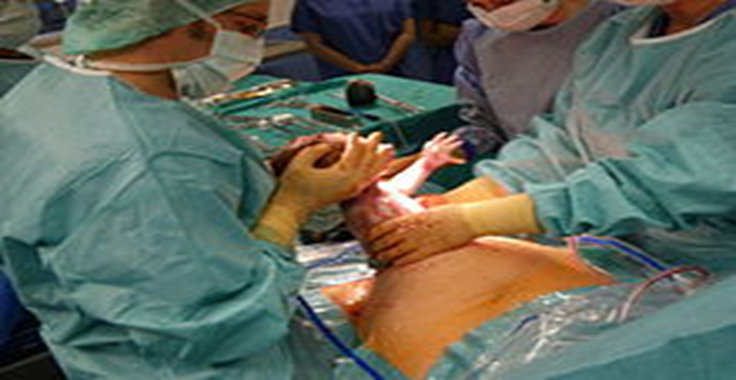
· المقدمة
· التعريف
· أسباب إجراء العملية القيصرية
· أنواع الولادة القيصرية
· المخاطر
o المخاطر على الأم
o المخاطر على الطفل
· الطريقة
· الوقاية من المضاعفات
· العناية التمريضية لما بعد القيصريه
مقدمة
تعدّ الولادة القيصرية(بالإنجليزية: Cesarean section) واختصارًا C-section من العمليات الجراحية الكبرى، وعلى الرغم من أنها قد تكون مُنقذة لحياة كلٍ من الأم وطفلها، إلاّ أنها أيضاً قد ترتبط ببعض التأثيرات الجانبية التى قد تستغرق فترةً طويلةً للتعافي منها، حيث يرى الأطباء أنّ الشفاء التام من الولادة القيصرية يستغرق من 4 - 6 أسابيع، إلاّ أن الكثير من الأبحاث تُشير إلى أن وقت التعافي الكلي أطول من هذه المدة، وهنا تجدر الإشارة إلى أن طول فترة التعافي قد يختلف من إمرأة لأُخرى، ولكن يُمكن للأم أن تتعافى بشكلٍ أسرع من خلال تركيزها على رعاية نفسها وطفلها، وإعطاء جسمها الراحة التي يحتاجها للتعافي، وحصولها على الرعاية الطبية اللازمة
التعريف:
الولادة القيصرية هي عملية جراحية يقوم خاللها الطبيب بشق بطن ً لهذه العملية والتي وفي بعض ً ّ ما يخطط الطبيب مسبقا ورحم األم الستخراج طفلها. عادة األحيان قد تصبح ضرورية أثناء المخاض
الولادة القيصرية هي نوع من أنواع الولادة غير الطبيعية، وفيها يقوم الجراح بعملية جراحية، حيث يتم فيها شق البطن والرحم لاستخراج الجنين عند تعذر الولادة الطبيعية.
أسباب إجراء العملية القيصرية
ليست كل الحالات التالية تتطلب إجراء العملية القيصرية بشكل إجباري ولكن يتم اللجوء إلى إجراء العملية القيصرية حينما تكون الولادة الطبيعية متعذرة حيث تحمل مخاطرة للأم أو الطفل. و من أهم الدوافع والأوضاع الموجبة لإجراء العملية القيصرية هي:
أسباب ترجع الى الام
- تخطي عمر الجنين أربعين أسبوعاً وعدم بدء الولادة
- طول مدة المخاض والمخاض لا يتقدم. توقف المخاض من أكثر الأسباب الشائعة للولادة القيصرية. ربما لا يفتح عنق الرحم بما يكفي رغم الانقباضات القوية التي تحدث على مدى عدة ساعات.
- إذا وجدت مشاكل صحية:
- إذا وجد مشكلة صحية حادة؛ مثل: مشاكل القلب
- إصابة الأم بالإيدز
- تسمم الحمل، ارتفاع ضغط الدم إلى درجات عالية تشكل خطراً على صحة الأم الحامل
- إصابة الأم بأحد الأمراض الجنسية كالهربس والتي قد تنتقل إلى الجنين خلال الولادة الطبيعية عبر المهبل.
- في حال الانسداد الميكانيكي. إذا وجد ورم ليفي كبير يسد قناة الولادة، أو كسر بشدة في الحوض أدى الى ضيق في الحوض
- تمزق جدار الرحم
- فشل الولادة بالأدوات (باستخدام الجفت او الشفاط) حيث أن ولادةً قد تتم بواسطة هذه الأدوات وإن لم تفلح تتحول الحالة إلى الجراحة القيصرية
- تمزق سابق لجدار الرحم.
- جراحة قيصرية كلاسيكية سابقة (طولية).
- مشاكل سابقة مع تعافي العِجان بسبب ولادة سابقة أو مرض كرونز
- رحم ذو قرنين.
- حالات نادرة من ولادة بعد موت الأم
- تعب المرأة وتوقفها عن الاشتراك الفعال في عملية الولادة.
أسباب ترجع الى الجنين
- .إذا كان الجنين أو الأجنة في وضع غير طبيعي وتعذر الولادة بشكل طبيعي. إذا كانت قدماه أو إليتاه داخل قناة الولادة في المقدمة (وضعية مقعدة) أو إذا أخذ الجنين وضعًا جانبيًا، أو كان كتف الجنين في المقدمة (وضعية مستعرضة).
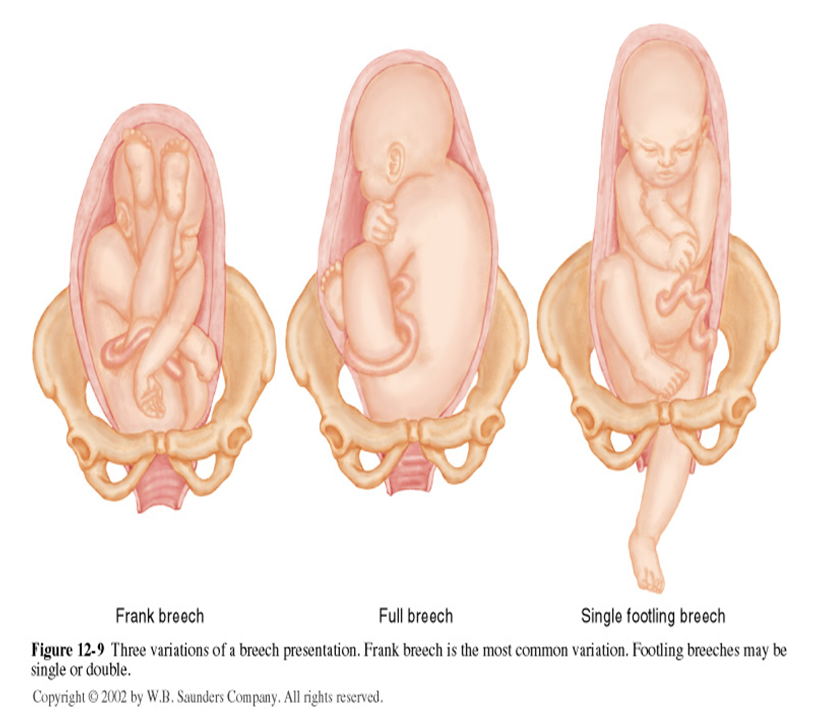
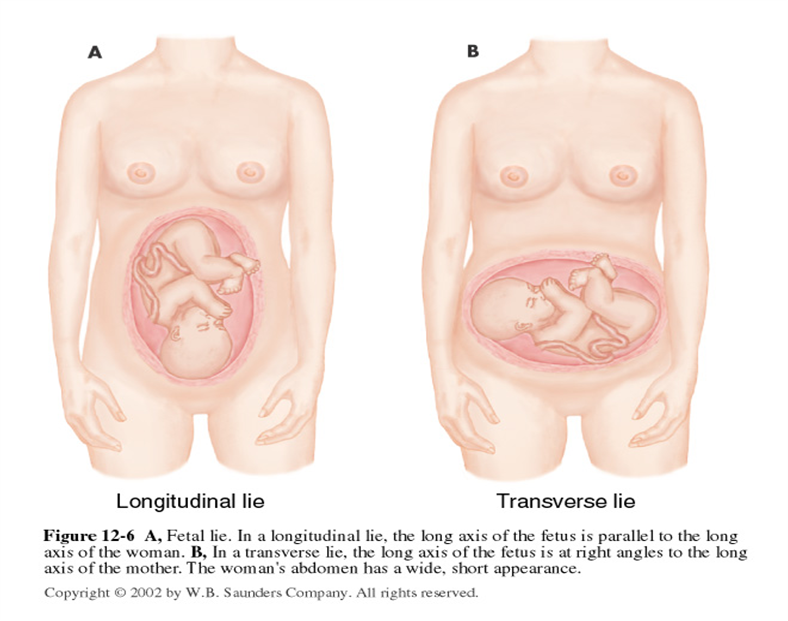
- كبر حجم الجنين وزيادة وزنه (أكثر من 4 كغ) وعدم تناسبه مع حوض الأم.
- مشاكل في الحبل السري كالأوعية المتقدمة و تدلي الحبل السري.
· تعدد المواليد: الحمل لأكثر من جنين داخل الرحم وكان الطفل الأول في وضعٍ غير طبيعي أو الحمل في ثلاثة أطفال أو أكثر
· إذا كان الجنين لا يحصل على أكسجين كافٍ. التغير في ضربات قلب الجنين.
· أو كان الطفل مصابًا باستسقاء دماغي حاد؛ وهو حالة يمكن أن تجعل الرأس كبيرًا بشكل غير معتاد.
· إذا كان هناك مشكلة في الحبل السري. : إذا انزلقت عروة من الحبل السري عبر عنق الرحم تسبق طفلكِ.
أسباب ترجع الى المشيمة
· مشاكل في المشيمة: مثل المشيمة المنزاحة إذا كانت المشيمة تغطي فتحة عنق الرحم ، أو المشيمة الملتصقة.
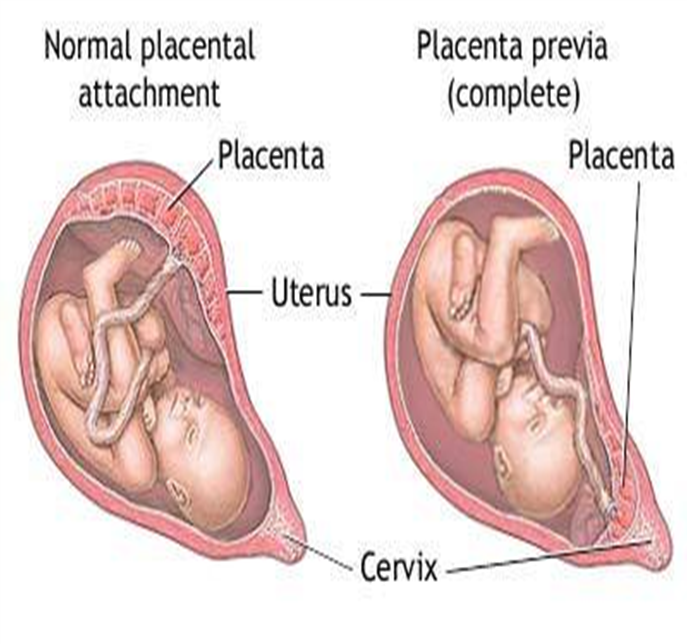
أسباب أخرى مثل:
· عدم وجود مهارة التوليد حيث أن أخصائيي التوليد ليسوا بمهارة لتأدية الولادات المِقعدية أو بسبب تعدد الولادات.. الخ (في معظم الحالات تستطيع النسوة أن يلدن مهبلياً تحت هذه الظروف، إلا أن الجراحة القيصرية المخطط لها تحمل مخاطر أقل لموت الطفل لولادات المقعد مقارنة بالولادة المهبلية)
أنواع الولادة القيصرية
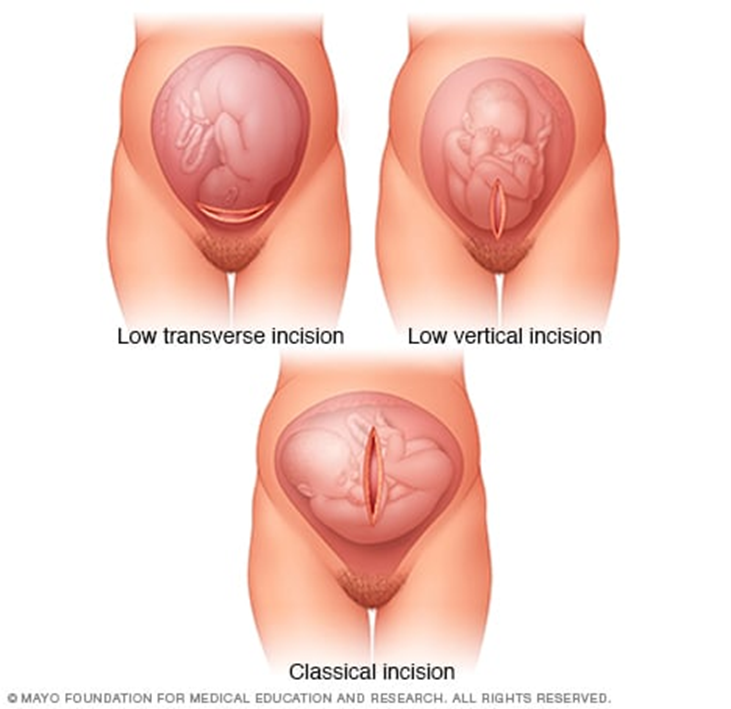
1. عملية القيصريّة الكلاسيكيّة: (Classic Cesarean section) إجراء شق جراحيّ طويل وعموديّ في منتصف البطن، بحيث يكون الجرح عموديًا للجلد وكذلك للرحم، ليتمّ استخراج الجنين، ويُشار إلى عدم اتّباع هذه الطريقة مؤخراً في الغالب، بسبب كبر حجم الشّق وارتفاع خطر المضاعفات الصحيّة المصاحبة للعمليّة مثل زيادة فرصة حدوث الفتق لسنوات بعد إجراء العملية، وذلك بسبب ضعف عضلات جدار البطن، ومن مشاكل هذا النوع من الجراحة أيضًا: عدم أمان الولادة الطبيعيّة في الحمل المستقبليّ.
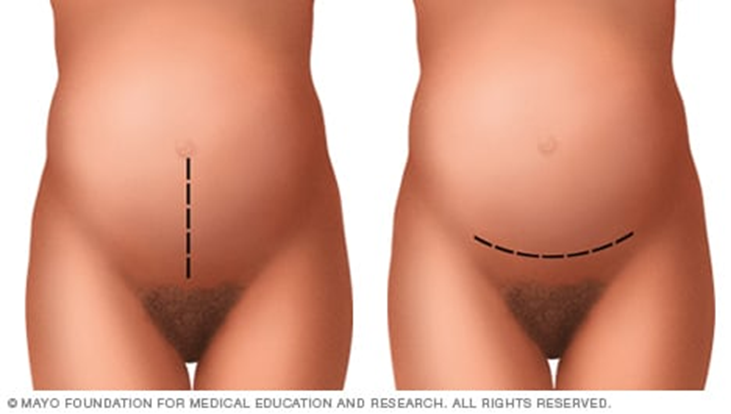
3. الشق العموديّ المنخفض: ( Low vertical incision) تتشابه هذه الطريقة مع طريقة العملية القيصريّة الكلاسيكيّة ولكن يكون موقع الشق أدنى ممّا هو الحال في الكلاسيكية، ويُلجأ إليها في الحالات التي يتموضع فيها الجنين بطريقة غير اعتياديّة في الرحم
الطريقة
تستغرق هذه الجراحة غالبًا 30 - 40 دقيقة، حيث يقوم طبيب النساء بإجراء الجراحة القيصرية مباشرة بعد بدء تأثير المخدر، كما يأتي:
1. تحت تأثير التخدير العام أو الموضعي تبعاً لوضع المرأة الصحي يتم إحداث شق جراحي في البطن فوق منطقة العانة مباشرة ، ويبدأ الطبيب بشق طبقات الجلد ثم طبقات ما تحت الجلد، حتى يصل إلى عضلات البطن وجدار الرحم.
2. يتم إخراج الجنين بشكل سريع كما يتم قطع الحبل السري وإخراج المشيمة بأكملها أثناء ذلك.
3. يبدأ الطبيب بخياطة جدار الرحم بواسطة غرز صلبة وتستطيع الصمود لفترة طويلة، ثم يتم خياطة جدار البطن وعضلاته والطبقات الجلدية.
4. يتم إغلاق الشق الموجود في الجلد بواسطة دبابيس معدنية ويتم وضع الضمادات عليه.
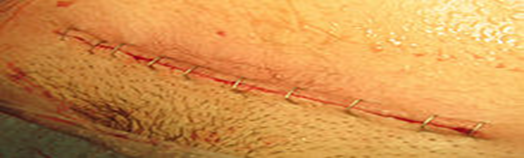
مخاطر العملية القيصرية
- .المخاطر على الأم
وذلك لأن جميع الأمهات المصابات بأمراض شديدة في الغالب يطلب منهن إجراء العملية القيصرية، فلذلك يصعب التمييز هنا عن سبب وفاة الأم ، هناك اختلاف في النتائج الخطيرة على الأم (كتوقف نبضات القلب، الأورام الدموية، واستئصال كما في جميع العمليات الجراحية التي تتم في البطن
⬅️ تزداد احتمالية حدوث مشاكل في الحمل التالي لديهن بالمقارنة مع النساء اللواتي ولدن ولادة طبيعية فقط سابقا.
⬅️ الالتصاقات: حدوث التصاقات بين الرحم والمبيض، الأمعاء الدقيقة، وتقريبا أي نسيج في البطن أو الحوض و ينتج عنة:
o العقم: والذي ممكن أن يحصل عندما تلف الالتصاقات نسج المبيض والأنابيب فتمنع الطريق الطبيعي لمرور البويضة من المبيض إلى الرحم.
o ألم الحوض المزمن: والذي يمكن أن يحصل عند وجود الالتصاقات في الحوض. تقريبا 50% من حالات انسداد الأمعاء الدقيقة: اضطراب في الحركة المعوية الطبيعية، والذي يمكن أن يحصل عندما تلف أو تشد الالتصاقات قد تسبب مضاعفات ك.
o الالتصاقات الأمعاء الدقيقة.
⬅️العدوى. بعد الخضوع لولادة قيصرية، قد تتعرض النفساء لاحتمالية عدوى ببطانة الرحم (التهاب بطانة الرحم).
⬅️ نزيف فترة النفاس. قد تسبب عملية الولادة القيصرية نزيفًا شديدًا خلال الولادة وبعدها.
⬅️ التفاعلات تجاه المخدر. يمكن حدوث تفاعلات ضارّة مع أي نوع من أنواع المخدر.
⬅️ الجلطات الدموية. قد تزيد عملية الولادة القيصرية من احتمالية التجلط الوريدي العميق، خاصة بالساقين أو أعضاء الجسم بمنطقة الحوض (تخثر الأوردة العميقة). وإذا انتقلت جلطة دموية إلى الرئتين وعملت على انسداد تيار الدم (الانصمام الرئوي)، فقد يكون هذا الضرر مهددًا للحياة.
⬅️ عدوى الجروح. وفقًا لعوامل الخطورة لدي السيدة وما إذا كنتِ بحاجة لعملية ولادة قيصرية طارئة، قد تكون عرضة لاحتمالية شديدة للإصابة بعدوى في موضع الجراحة.
⬅️ الإصابة الجراحية. يمكن أن تحدث إصابات جراحية - وإن كانت أمرًا نادر الحدوث - في المثانة أو الأمعاء خلال الولادة القيصرية. إذا أصيبتِ بإصابة جراحية خلال الولادة القيصرية، فقد يلزم الخضوع لجراحة إضافية.
⬅️ زيادة المخاطر خلال فترة الحمل في المستقبل. بعد الخضوع لولادة قيصرية، قد تواجه خطورة عالية للإصابة بمضاعفات خطيرة في الحمل اللاحق بمعدل يزيد عمّا قد يحدث بعد الولادة المهبلية. وكلما خضعتِ لعملية الولادة القيصرية، ارتفعت احتمالية الإصابة بمشيمة منزاحة والإصابة بحالة تتصل فيها المشيمة بصورة غير طبيعية بجدار الرحم (مشيمة ملتصقة) ومن ثم احتمالية استئصال الرحم.
⬅️ احتمالية التعرض لتمزّق الرحم على طول خط الندبة الباقية من جراحة ولادة قيصرية سابقة (تمزّق الرحم) إذا حاولتِ الخضوع لولادة مهبلية عقب الولادة القيصرية .
المخاطر على الطفل
إن الولادة المبكرة قبل الاسبوع ال 39 من الحمل، والتي تتم بوجود ضرورة طبية تشكل خطراً أكيداً على الجنين و تتضمن:
⬅️ زيادة معدل وفيات الأجنة
o مشكلات التنفس. إن الأطفال الذين يولدون بعمليات قيصرية مجدولة أكثر عرضة للإصابة بسرعة التنفس العابرة متلازمة ضيق التنفس — وهي مشكلة بالتنفس يتم تمييزها من خلال التنفس السريع غير الطبيعي في الأيام القليلة الأولى من الولادة. والتي تحتاج إلى الدعم التنفسي، الحاجة إلى إدخال الوليد إلى العناية المشددة
o قد يعاني المولود من قلة الأوكسجين عند تأخر الولادة القيصرية.
⬅️ الإصابة الجراحية. قد تحدث خدوش عرضية في جلد الطفل أثناء الجراحة، إلا أن ذلك نادر
⬅️ زيادة معدل الوفيات خلال الطفولة المبكرة كنتيجة للولادات المبكرة .
الوقاية من المضاعفات
⬅️ تعد الوقاية بالمضادات الحيوية فعالة في حالات التهاب بطانة الرحم وعدوى الجهاز البولي وعدوى الجروح حيث تمنع حوالي 3 من 4 حالات
⬅️ يعتقد بعض الأطباء أن توسيع عنق الرحم بالإصبع أو بالملقط أثناء الجراحة القيصيرية سيمنع إعاقة حركة دم النفاس (السائل النفاسي)، وبذلك يفيد الأم بتقليل خطر الوفاةة
العناية التمريضية بعد العملية القيصريه
بعد انتهاء العمليّة القيصريّة ُنقل من غرفة العلميّات إلى غرفة أخرى مخصّصة للتعافي وتحتاج المرأة من مقدمى الرعاية الصحية كالاتى:
التتقييم الصحى للسيدة بعد الولادة وذلك من خلال :
1. ملاحظة العلامات الحيوية ضغط الدم، والتنفّس، ونبض بشكلٍ دوريّمن 4 الى 6 ساعات بعد الولادة
2. ملاحظة الرحم بعد الولادة :
⬅️ حالته : من الطبيعى أن يكون منقبض , صلب وكروى.
⬅️ حجمة: في نهاية الأسبوع الأول يصل حجمة الى 500 جرام وبنهاية الأسبوع الثانى يصل الى 350 جرام ومن الثانى الى الأسبوع السادس يرجع الى حجمة الطبيعى من 50 الى 60 جرام
⬅️ مكانة
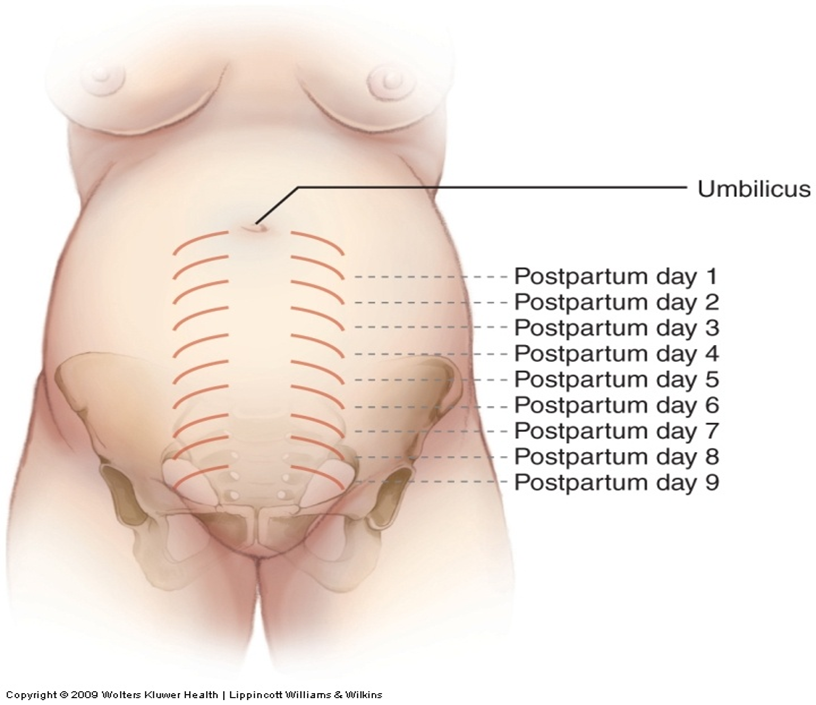
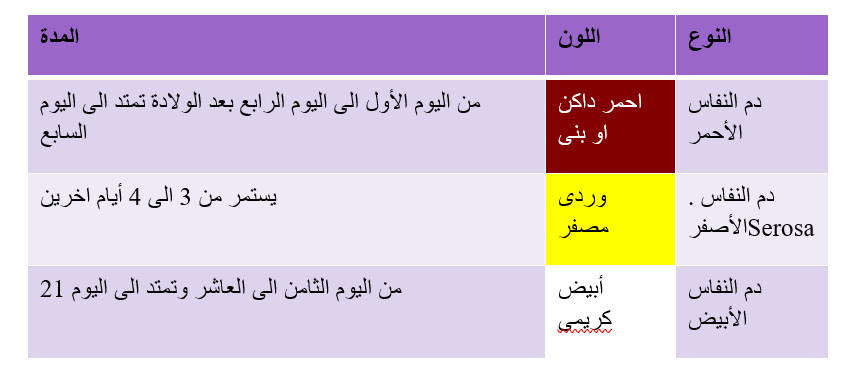
3. ملاحظة دم النفاس:
⬅️ تقييم الكمية لملاحظة حدوث نزيف بعد الولادة
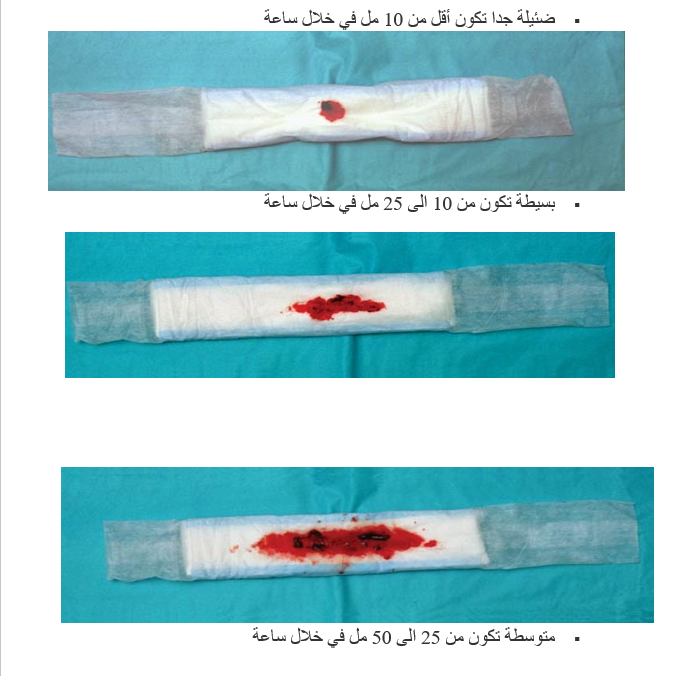
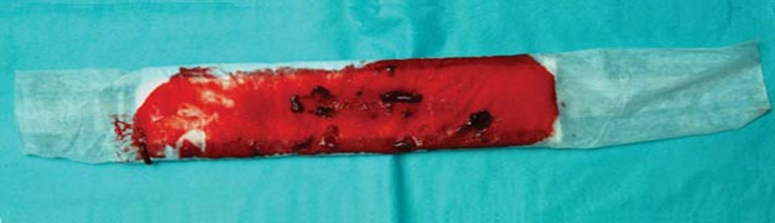
· شديد تكون أكثر من 50 مل في خلال ساعة
· ملاحظة النوع ولونة
4. ملاحظة الألم بعد الولادة:
حيث أن تشعر السيدة بتقلصات في البطن تشبه ألم الدورة الشهريه وذلك بسسبب انقباضات الرحم بعد الولادة لمساعدتة للرجوع الى حالتة وحجمه ومكانه الطبيعى قبل الحمل
5. ملاحظة حركة الأمعاء: حيث أن السيدة بعد الولادة تعنى من حدوث الإمساك وذلك بسبب عدم تناولة للطعام قبل العلمية بالأضافة الى التخدير وتراخى جدار البطن بعد الولادة
6. ملاحظة التبول: بعد الولادة تفقد السيدات المياة المخزنة بالجسم عن طريق التعرق الشديد وخصوصا ليلا وأيضا عن طريق التبول فلابد من اخراج 2500 الى 3000 مل من البول خلال الساعات الاولى بعد الولادة.فلذلك لابد من ملاحظة وتقييم كمية السوائل الداخلة والخارجة لتجنب حدوث احتباس هذه السوائل داخل الجسم
7. ملاحظة الأطراف السفلى ( الساقين ): ملاحظة حدوث اى علامة من علامات جلطات الساقين مثل التورم , الاحمرار, السخونة حيث أن السيدات تكون أكثر عرضة لحدوث لجطات الساقين بعد الولادة
8. ملاحظة الثديين بعد الولادة: تقييم حجم وحالة الثديين لامكانية الرضاعة بعد الولادة من حيث الثدى و أيضا وجود اللبن
9. تقييم الجرح : ملاحظة الجرح بعد العملية من حيث تغطيتة وعدم وجود نزيف كما ملاحظة الأنابيب المتصلة بالجرح مثل الريدفاك اذا وجدت
ملاحظة الجانب العاطفي
مشاعر الأمهات بعد الولادة
· تجربة عاطفية صعبة.
· القلق والحزن والإحباط والتعب.
· كآبة الأمومة (حزن ما بعد الولادة).
· الاكتئاب بعد الولادة.
الأعراض
· استمرار المشاعر السلبية بعد أسبوعين.
· تأثير على رعاية الطفل.
· الدعم النفسي من العائلة والأصدقاء.
· استشارة معالج نفسي.
· التحدث بصدق عن المشاعر.
العلاج المبكر.
· الملاحظة
· الاكتئاب بعد الولادة ليس ضعفًا.
· يُمكن العلاج.
· الدعم النفسي يساهم في التعافي.
ب . تُقدّيم الرعاية اللازمة للمرأة بعد الولادة:
1. يُفضّل نهوض المرأة من الفراش والمشي خلال يوم واحد من إجراء العمليّة وزوال أثر التخدير للمساعدة على التخفيف من الألم، والحدّ من خطر تشكّل الجلطات الدمويّة، ولتحفيز حركة الأمعاء، والحدّ من ألم غازات البطن، ويتمّ خلال هذه المرحلة تقديم مسكنات الألم المناسبة للمرأة للتخفيف من ألم العمليّة، وقد تعاني من الإعياء أو الغثيان نتيجة التخدير، ويُنصح بحصول المرأة على كميّة كافية من السوائل بعد العمليّة للحدّ من خطر الجلطات الوريدية العميقة، والوقاية من الإمساك
2. تُزال القسطرة في حال استخدامها أيضاً في أقرب فرصة ممكنة :بقاء قسطرة البول داخل المثانة لمدة 24 ساعة تقريباً بعد الخروج من العملية ولأنّه قد يكون من الصعب على الأم الذهاب للحمام مباشرةً بعد العملية، أو قد لا تشعر بأنها بحاجة للذهاب للحمام بسبب تأثير التخدير فإنّه ينبغي ترك القسطرة لمدة 24 ساعة تقريباً بعد الجراحة
3. تتمّ مراقبة الجرح بشكلٍ دوريّ خلال هذه الفترة للتأكد من عدم الإصابة بالعدوى او حدوث نزيف وتغطية جرح بالضماد لمدة 24 ساعة على الأقل
4. تناول الطعام والشراب بمجرد الشعور بالجوع أو العطش، ومع ذلك فقد تضطر الأم في بعض الحالات إلى الانتظار بضع ساعات قبل أن يسمح لها لحين خروج الغازات او عمل تبرز للتأكد من حركة الأمعاء
5. النظافة الشخصية :
الاعتناء بمنطقة العجان باستخدام المطهرات بالطريقة الموضحة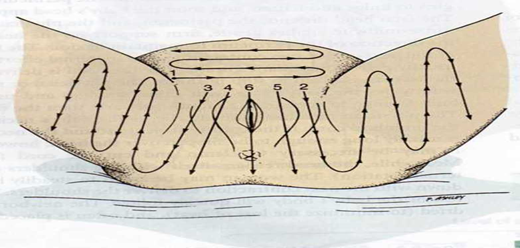
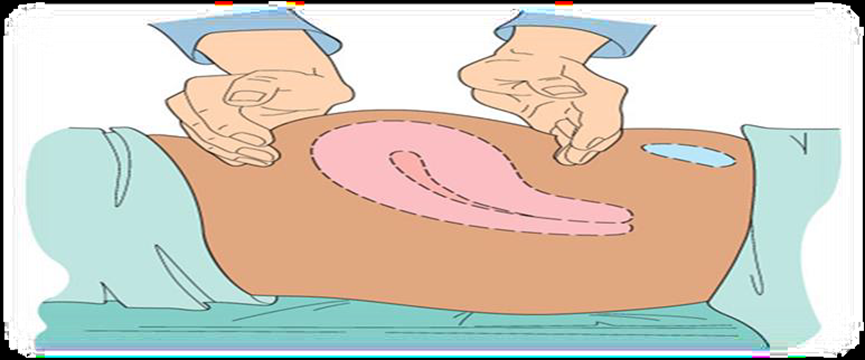
6. ملاحظة حالة الرحم وعمل تدليلك رحمى كل ربع ساعة في الساعة الأولى بعد الولادة ثم كل ساعتين
7. الرضاعة الطبيعية :
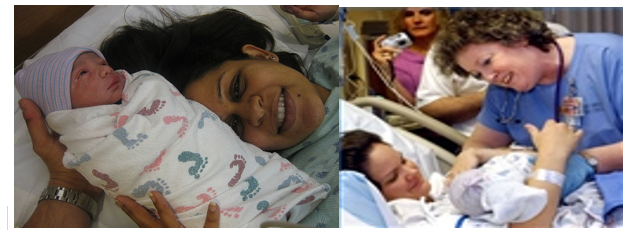
اتصال الأم المباشر بالطفل على مدار أيام تواجدها في المستشفى يمكن للمرأة البدء في إرضاع طفلها طبيعياً على الفور تقريباً بعد الولادة القيصرية؛ إذ إنّ الجسم يُنتج الحليب بسرعة كما هو الحال بعد الولادة الطبيعية، ولكن هناك بعض الأمور التي يجب مراعاتها أثناء الرضاعة الطبيعية والتي تشمل :
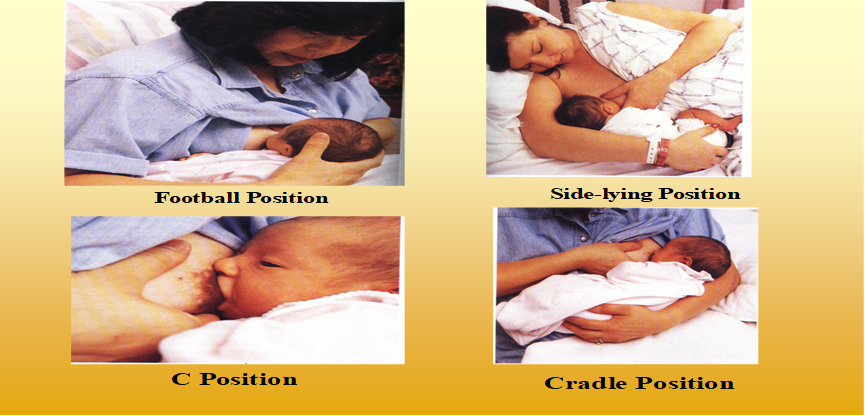
· وضعية الرضاعة: قد يكون من الصعب إيجاد وضعية مريحة لإرضاع الطفل بسبب موقع الجرح، لذا يُمكن الاستعانة بوسادة ووضعها على المعدة لتخفيف تأثير وزن الطفل على البطن أو تجربة إحد الوضعيات التالية:
· وضعية كرة القدم: بهذه الوضعية يكون عنق الطفل في راحة اليد وباقي جسمه على الذراع، بينما تكون قدمي الطفل وساقي تحت الذراع، بعد ذلك يُمكن رفعه بمستوى الصدر وإرضاعه. الوضعية الجانبية: الاستلقاء وجهاً لوجه مع الطفل واستخدام اليد لتقريب الثدي إلى فم الطفل، ويمكن الاستعانة بوسادة ووضعها خلف ظهر الطفل لمنعه من التقلّب.
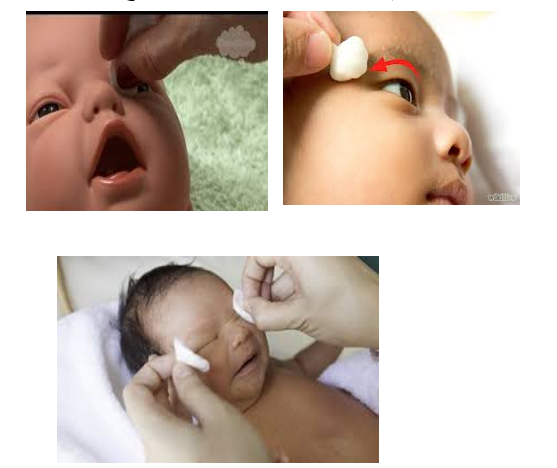
- العناية بالطفل بعد الولادة
1. تنظيف العينين باستخدام قطنة مبلله من الداخل الى الخارج
2. وضع قطرة مطهرة ثلاث مرات يوميا لمدة 7 أيام
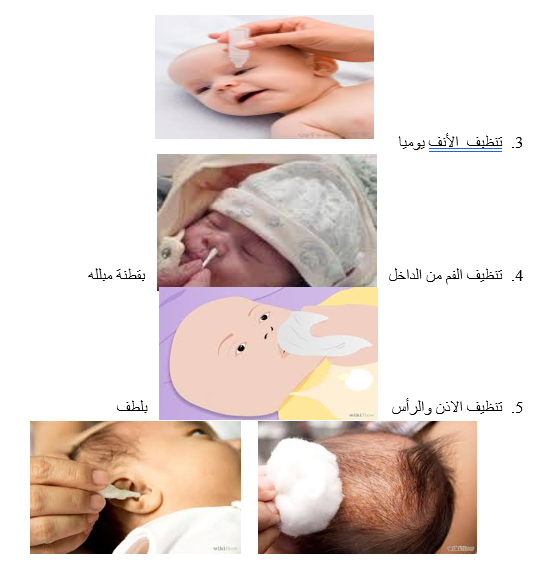
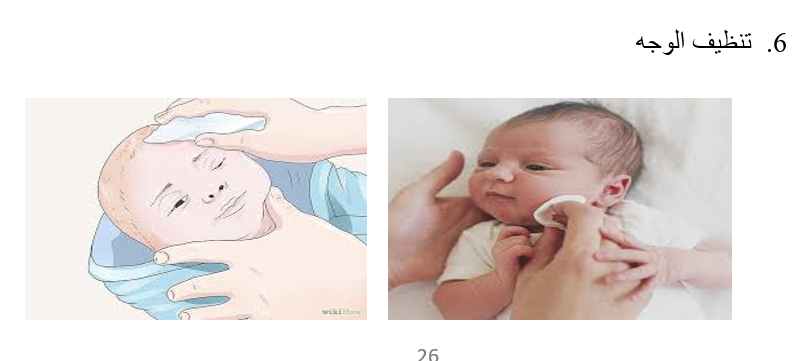
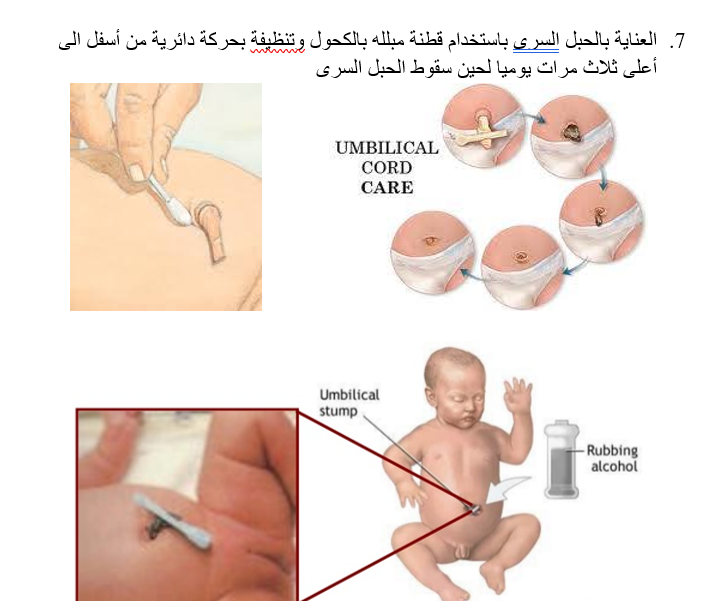
8. تنظيف منطقة الحفاض
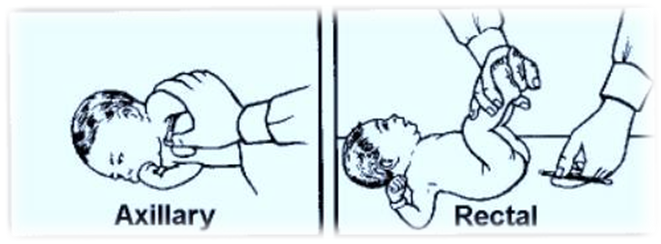
9. قياس العلامات الحيويه للطفل( الحراة , النبض, التنفس)
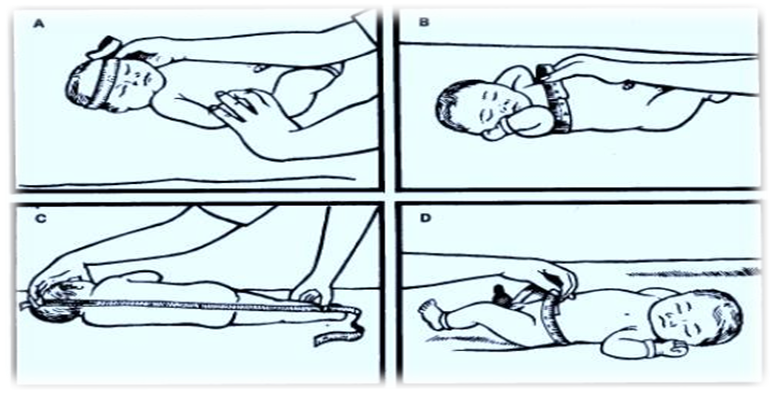
10. قياس أطوال الطفل
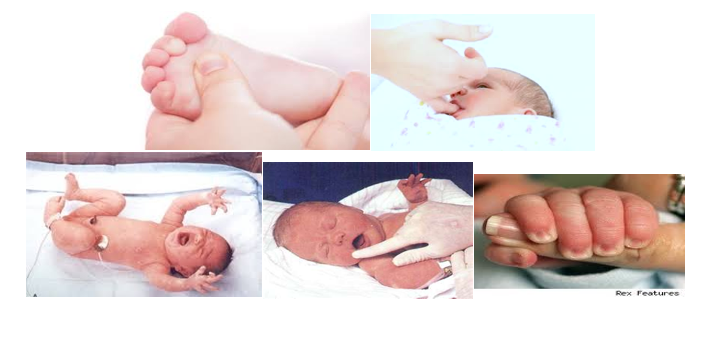
11. ملاحظة صحة الجهاز العصبى للطفل من خلال رود الأفعال العصبية
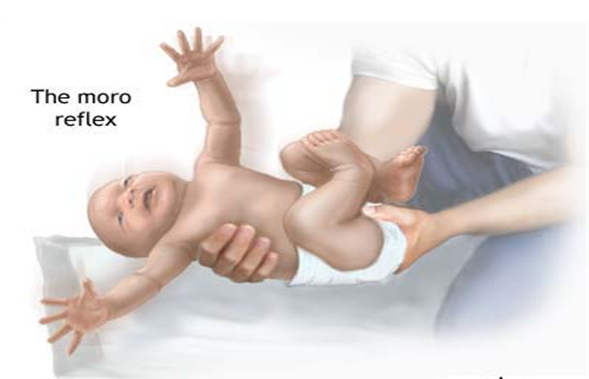
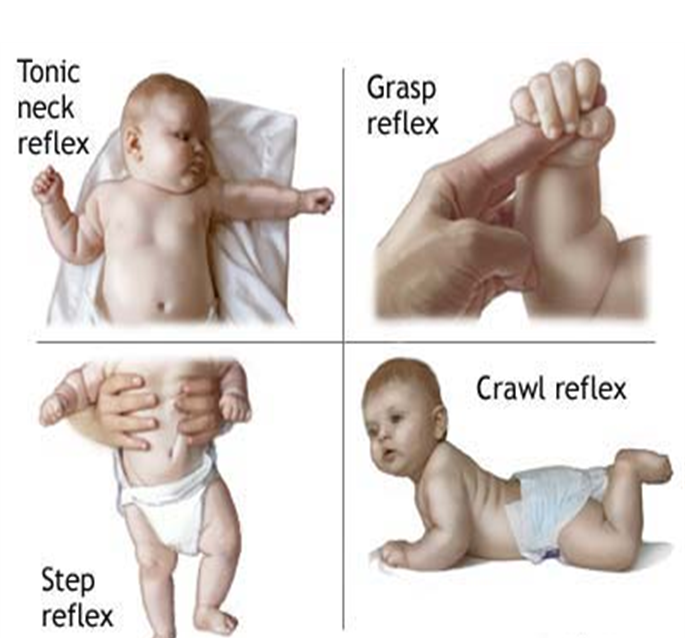
التثقيف الصحى للسيدات بعد الخروج من المستشفى :
1. تحتاج المرأة ما يتراوح بين 6-8 أسابيع في العادة لتتعافى بشكل كامل من جرح العمليّة القيصريّة لتتمكن من ممارسة نشاطها الطبيعيّ، وخلال الأيام الأولى بعد إجراء العمليّة قد تعاني من ألم واحتقان في منطقة الجرح, يمكن اتّباع النصائح الآتية للمساعدة على التعافي:
⬅️ استخدام القربة أو تطبيق الكمّادات الدافئة على منطقة الجرح للتخفيف من الألم، بعد استشارة الطبيب، بالإضافة إلى استخدام مسكنات الألم عند الحاجة مثل دواء ودواء الآيبوبروفين (وبعض الأدوية الأخرى الآمنة خلال الرضاعة.
إراحة الجسم، وتجنّب الإجهاد وحمل الأوزان الثقيلة التي تزيد عن وزن الطفل، ومحاولة إبقاء كل ما تحتاجه الأم خلال هذه الفترة سهل الوصول وبالقرب منها.⬅️ دعم منطقة البطن خلال العطاس، والسعال، والضحك
⬅️ الحرص على شرب كميّات كافية من السوائل لتعويض النقص الحاصل أثناء الولادة وأثناء الرضاعة.
⬅️ الحرص على شرب كميّات كافية من السوائل لتعويض النقص الحاصل أثناء الولادة وأثناء الرضاعة.
⬅️ تجنّب ممارسة العلاقة الجنسيّة لما يصل إلى ستة أسابيع بعد العمليّة القيصريّة للوقاية من الإصابة بالعدوى.
⬅️ تجنّب قيادة المركبات حتى التأكد من إمكانيّة التحكّم بها بشكلٍ كامل مثل تحريك المقود والضغط على المكابح، والتفاف الجسم لمراقبة المركبات المحيطة دون الحاجة إلى استخدام مسكنات الألم، وعادة ما يكون ذلك ممكنًا بعد مرور أسبوعين على الولادة.
2. تجنب الرفع أو الانحناء وحمل الأشياء الثقيلة: ينبغي على الأم عدم رفع أو حمل أي شيء يتجاوز حجمه حجم رضيعها، كما تحتاج الأم إلى المساعدة في أعمال المنزل التي تتطلب التمدد إلى الأعلى3. ممارسة التمارين الرياضية:
⬅️ تمارين خفيفة بعد أيام.
⬅️ تجنب التمارين الشديدة والرفع والأعمال الشاقة لمدة 6-8 أسابيع.
⬅️ استشارة الطبيب قبل بدء التمارين.
⬅️ مراقبة جسمك وتجنب الألم. والتي تشمل ما يأتي:
⬅️ تمارين التنفس العميق: يُمكن أخذ 2-3 أنفاس بطيئة وعميقة كل نصف ساعة، حيث تساهم هذه التمارين في منع احتقان الرئة نتيجة الجلوس في السرير لوقتٍ طويل.
⬅️ تمارين التمدد الخفيفة: حيث يُمكن الاستناد إلى الجدار ورفع كلا الذراعين ببطء فوق الرأس إلى حين الشعور بأن العضلات البطن تتمدد والاستمرار بهذه الوضعية لمدة 5 ثوان، ثم الاسترخاء، ويمكن تكرار هذا التمرين حتى 10 مرات في اليوم، لما له من أثرٍ في تعزيز مرونة عضلات البطن خاصة في الجزء المحيط بالغرز
4. التغذية السليمة: تحتاج المرأة بعد خضوعها لولادة قيصرية للإكثار من تناول السوائل للحفاظ على رطوبة الجسم ومن أجل إدرار الحليب في حال كانت تتبع الرضاعة الطبيعية لتغذية طفلها، كذلك تحتاج لتناول الأطعمة الصحية لتتمكن من استعادته طاقتها وصحتها، ومن بين الأطعمة التي ينبغي عليها تناولها: الأطعمة الغنية بالألياف، كالحبوب، والفواكه، والخضروات، التي من شأنها منع إصابتها بالإمساك5. النوم الجيد: من المهم جداً للأم الحصول على قسط كافٍ من الراحة والنوم، وعليها الحرص على استغلال الفترة التي يكون فيها الطفل نائماً لتنام هي الأُخرى أو تأخذ قسطاً من الراحة على الأقل
6. النظافة الشخصية :
⬅️ الاعتناء بمنطقة العجان وتغيير الفوط الصحية بملا لايزيد من 6 الى 8 ساعات
⬅️ العناية وتنظيف الثدي قبل وبعد الرضاعة
⬅️ الأستحمام بماء دافئ مع تجفيف منطقة الجرح جيدا بعد الأستحمام
7. السيطرة على الألم: أخذ بعض المسكنات الآمنة للمرأة لأخذها بعد خروجها من المستشفى، وهذه المسكنات عادةً ما تكون كافيةً للسيطرة على الألم بعد استشارة الطبيب8. السيطرة على النزيف: قد تعاني الأم من نزيفٍ مهبلي غزيرٍ جداً خلال الأسبوع الأول من العملية، وقد تساهم ممارسة التمارين الرياضية في زيادة غزارة النزيف أيضاً، لهذا تُنصح المراة باستخدام الفوط الصحية ذات القدرة الامتصاصية العالية، ومن الجدير بالذكر أن خلال هذا الوقت قد تُلاحظ المرأة أيضاً وجود قطعٍ من الدم خاصةً بعد إرضاع طفلها وبعد الاستيقاظ من النوم، ولكن في حال ملاحظة أن عدد قطع الدم كثيرٌ او في حال كان النزيف شديداً جداً لدرجة امتلاء الفوطة الصحية كل ساعة من الزمن، فإنّه من الأفضل مراجعة الطبيب، ويُذكر أنّه بعد انقضاء الأسبوع الأول يخف النزيف المهبلي تدريجياً، كما يتغير لون الدم من اللون الأحمر إلى الأحمر الداكن، ثم إلى البني، ثم إلى الأبيض المُصفّر، في هذه الأثناء يمكن استخدام الفوط الصحية العادية، وبشكلٍ عام قد يستمر النزيف لمدة تصل إلى ستة أسابيع
9. العناية بجرح العملية: في حال أُغلق الجرح باستخدام الدبابيس المعدنية فإنّه من المتوقع أن تتم إزالتها بعد 3-7 أيام من الجراحة، أما في حال إغلاقه باستخدام الخيوط الجراحية فعادة ما يتم امتصاصها من قبل الجسم ولا حاجة لإزالتها من قبل الطبيب، في هذه الأثناء كل ما على الأم القيام به هو اتباع تعليمات الطبيب الخاصة بالعناية بالجرح والتي قد تشمل
⬅️ تنظيف الجرح وتعقيمه بلطف يومياً أو يوماً بعد يوم وتغيير الضماد.
⬅️ ارتداء ملابس فضفاضة ومريحة. ارتداء ملابس داخلية فضفاضة وقد يكون من المريح أكثر أن تُغطي هذه الملابس الجرح.
⬅️ مراقبة أيّة علامات تدل على إصابة الجرح بالعدوى والتي تشمل احمرار الجرح أو الجلد المحيط به، أو تورمه، أو الشعور بألمٍ به، أو ارتفاع درجة .
10. العناية بالطفل :ومتابعة جدول التطعيمات وملاحظة علامات الخطر لدى الطفل مثل ارتفاع درجة الحرارة , رفض الرضاعة, تغير في نمط الحياة اليوميه( التبرز و النوم), وجود نزيف من الحبل السرى أو رائحة كريهه , واحدوث الصفراءمراجعة الطبيب في حال ملاحظة أي من العلامات الاتيه التي :
⬅️ تدل على الإصابة بالعدوى في منطقة الجرح، مثل: ارتفاع درجة حرارة الجسم، وزيادة شدّة الألم، والنزيف، وانتفاخ واحمرار الجرح، أوخروج صديد.
⬅️ علامات ر أعراض اكتئاب ما بعد الولادة (مثل فقدان الشهيّة، وتقلبات المزاج، والإعياء، وفقدان الشعور بالمرح والسعادة، وخاصة إذا استمر ظهور هذه الأعراض، أو في حال تأثيرها في قدرة المرأة على أداء مهامّها اليومية بما في ذلك العناية بمولودها، بالإضافة إلى ورود بعض الأفكار حول إيذاء النفس أو الجنين؛
⬅️ ملاحظة علامات الخطر عند الطفل- عمليات أمراض النساء
عملية كحت والتوسيع
\تعريف
التوسيع والكورتاج ( D&C) ، هو إجراء جراحي صغير يفتح (يوسع) عنق الرحم ويزيل بعناية الأنسجة من داخل الرحم. يمكن إزالة الأنسجة باستخدام الشفط أو أداة معدنية تسمى ملعقة كحت.
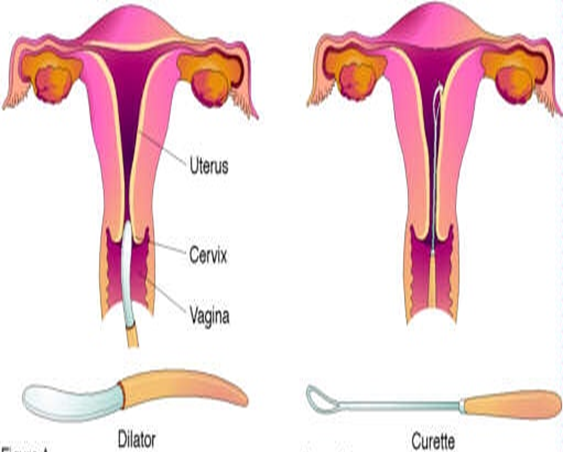
أجزاء الجسم المعنية
1. المهبل
2. عنق الرحم
3. الرحم
أين يتم إجراء D&C؟
يمكن إجراء D&C في مكتب مقدم الرعاية الصحية، أو مركز الجراحة، أو المستشفى.
دواعى اجرائها:
هو الإجراء الجراحي النسائي الشائع، ويستخدم كأداة تشخيصية أو علاجية.
مؤشرات تشخيصية
1. انسداد عنق الرحم.
2. التصاقات داخل الرحم.
3. خزعة بطانة الرحم للكشف عن الأمراض مثل السل والأمراض الخبيثة لعنق الرحم.
4. كخطوة أولى قبل أي عملية مثل الكحت وتفريغ الرحم.
5. تحديد وقت التبويض في حالة العقم.
6. الكشف عن سبب انقطاع الطمث.
مؤشرات علاجية
1. إزالة بوليب أو جزء كبير من الأنسجة.
2. إفراغ محتويات الرحم الحامل.
3. إجهاض غير مكتمل.
4. بقايا من مبني الحمل.
5. إجلاء ورم الماء.
الالام الدورة الشديدة.
6. العقم بسبب انسداد عنق الرحم.
7. تصريف الدم المتراكم.
8. إزالة جهاز منع الحمل داخل الرحم.
موانع المطلقة
1. الحمل الرحمي المرغوب فيه.
2. عدم القدرة على رؤية فتحة عنق الرحم.
3. المهبل المسدود.
موانع الاستعمال نهائيا
1. انسداد عنق الرحم الشديد.
2. تشوهات عنق الرحم/الرحم.
3. التدمير السابق لبطانة الرحم.
4. اضطرابات النزيف.
5. التهاب الحوض الحاد (ماعدا لإزالة محتويات بطانة الرحم المصابة).
6. ورم عنق الرحم المسدود.
طريقة التوسيع والكورتاج (D&C)
لتحضير لعملية التوسيع والكورتاج (D&C) - اللوازم المطلوبة:
1. البيتادين
2. • الشاش المعقم
3. • حاوية تحتوي على الفورمالين للعينة
4. • قفاز معقم (بأحجام مختلفة والعديد من الأرقام)
5. • عبوة معقمة للتغليف والملابس
6. • علبة معقمة للأداة
7. • قسطرة نيلتون
الأدوات الجراحية (16 أداة)
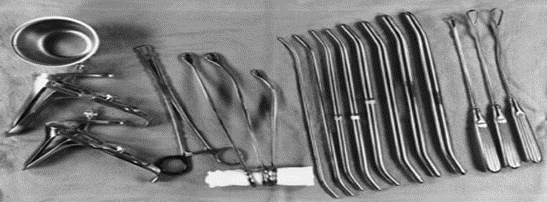
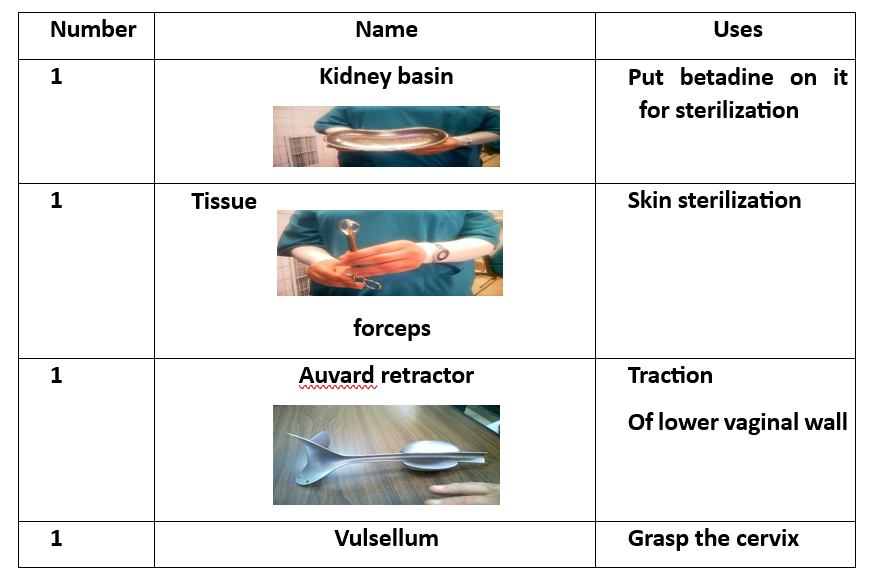
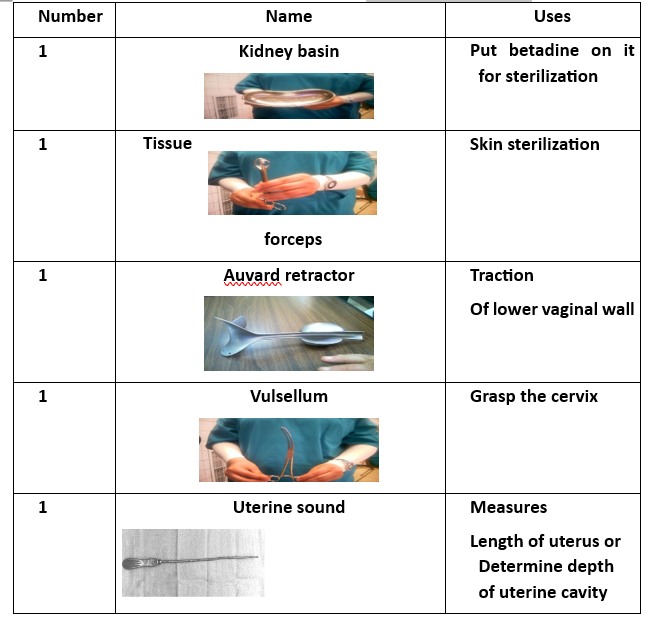
1. حوض لجمع الأدوات
2. ملقط الأنسجة
3. ممدد أوفار
4. مشبك عنق الرحم (فولسيلوم)
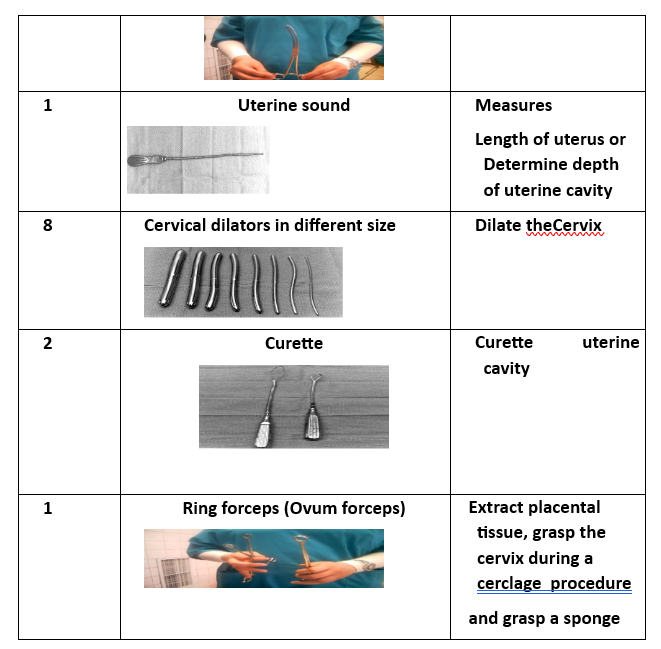
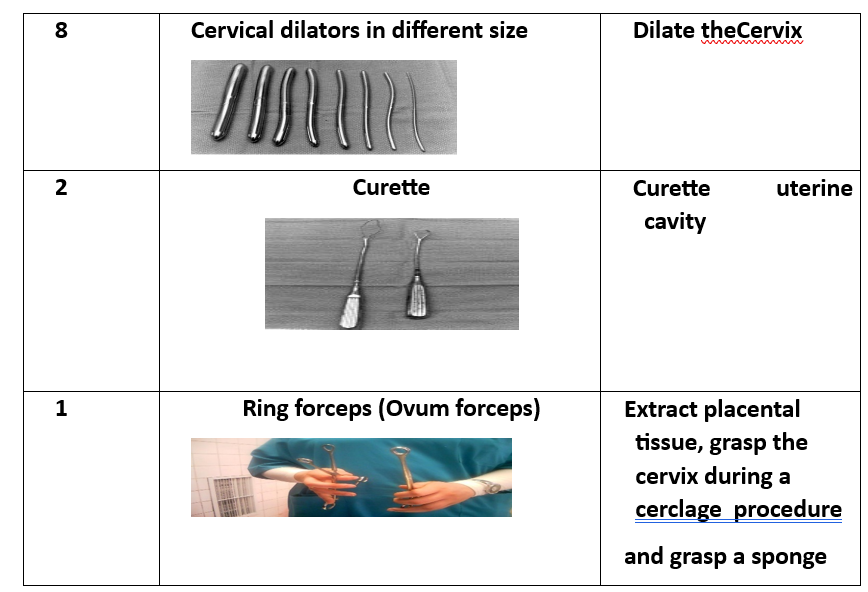
5. مجس رحمي sound
6. 8 موسعات عنق رحم بأحجام مختلفة
7. ملعقة كحت (2)
8. ملقط بويضة (أوفوم فورسبس)
خطوات العملية
1. إعداد لوازم العملية:
2. فحص يدوي لتقييم حالة الرحم.
3. إفراغ المثانة البولية باستخدام قسطرة معدنية.
4. وضع ممد أوفار المهبلي.
5. تحديد موقع عنق الرحم في المهبل وامساكه بمشبك فولسيلوم رأسياً.
6. قياس طول تجويف الرحم باستخدام سوند رحمية.
7. توسيع عنق الرحم إذا لزم الأمر باستخدام ممدات بأحجام مختلفة.
8. كشط تجويف الرحم باستخدام الكورتاج حتى إفراغه الكامل. يظهر الفقاقيع الهوائية في الدم المهبلي كعلامة جيدة لخلو التجويف. يمكن استخدام ملقط البويضة لتفريغ محتوى الرحم بالدوران بعد الامساك.
9. أخذ عينة الكشط لتحليل الخزعة.
10. تنظيف منطقة الفرج باستخدام البيتادين ووضع منشفة لصحة المريضة وإزالة الأدوات.
المضاعفات الشائعة
1. الألم غير المعتاد.
2. الحمى.
3. انقطاع الطمث الثانوي في السنين الإنجابية.
المضاعفات النادرة
1. العدوى أو السبتيسيميا.
2. صدمة عصبية.
3. ثقب الرحم (ثقب في جدار الرحم) قد يحدث أثناء إجراء السوند أو التوسيع أو إدخال الكورتاج.
4. تمزق عنق الرحم قد يؤدي إلى التهاب عنق الرحم والنزيف.
5. متلازمة آشيرمان (التصاقات داخل الرحم).
6. انقطاع الطمث الدائم بسبب إزالة الطبقة القاعدية لبطانة الرحم.
الرعاية التمريضية
التحضير قبل الجراحة
1. التقييم:
- أخذ التاريخ الكامل وشرح الإجراء للمريضة.
- الفحص البدني.
- الدراسات التشخيصية: تعداد الدم الكامل، تحديد مجموعة الدم وعامل Rh، تحليل البول، تحقق من توازن السوائل.
2. تحضير المريضة:
- يجب أن تفهم المريضة العقلية وال مخاطر وفوائد الإجراء المتوقع.
- يجب أن تكون المريضة بدون طعام لمدة 6 ساعات قبل الجراحة.
- إزالة المجوهرات والمعادن.
- تحضير الأمعاء عبر الحقنة.
- تحضير المثانة (القسطرة).
- مراقبة العلامات الحيوية.
الرعاية التمريضية بعد الجراحة
1. يجب أن تبقى المريضة في المستشفى لمدة ساعة إلى 4 ساعات.
2. مراقبة النزيف المهبلي.
3. تقييم مستوى الوعي.
4. مراقبة العلامات الحيوية وتحديد الموضع.
5. إدارة أدوية الأوكسيتوسين لضمان تقلص الرحم وتقليل النزيف.
6. مراقبة نوع ومعدل السوائل الوريدية.
7. مراقبة الألم والتشنجات وتقديم المسكنات حسب توجيهات الطبيب.
8. إعطاء المضادات الحيوية حسب الحاجة.
9. قد تكون لازمة عمليات نقل الدم لصدمة أو فقر الدم.
10. إذا كانت المريضة سلبية Rh، يجب إعطاؤها حقنة مناعية ضد D ضمن 72 ساعة من الإجهاض.
11. الإبلاغ عن أي ألم حاد مستمر.
12. رعاية منطقة الفرج يجب أن تكون مستمرة.
13. تحقق من لون وكمية الدم على منشفة الفرج.
التثقيف الصحي
التعليمات عند الخروج من المستشفى بعد الإجهاض:
1. الإشارة إلى مجموعات دعم مهنية.
2. تشجيع المريضة على الإبلاغ عن النزيف الشديد أو البرتقالي أو الغامق.
3. تهدئة المريضة بأن الإفراز القليل والداكن قد يستمر لمدة أسبوعين.
4. توجيه المريضة بعدم إدخال أي شيء إلى المهبل حتى يتوقف النزيف.
5. قد تعاني المريضة من تقلبات المزاج والاكتئاب.
6. يجب تجنب الحمل لمدة سنة بعد عملية D&C.
7. الاتصال بالطبيب إذا حدثت الحمى أو الألم البطني أو النزيف المهبلي الشديد أو الإفراز المهبلي ذو الرائحة الكريهة.
تعريف ربط عنق الرحم ( (Cerclage
هي إجراء جراحي يتم لمرأة حامل تعاني من عنق الرحمالمفتوح، لتعزيز العنق الضعيف باستخدام خيط خياطة (شريط نيون).
أنواع طرق ربط عنق الرحم
1. ماكدونالد (McDonald): تتم للمرأة الحامل التي لديها عنق رحم طبيعي.
2. شيرودار (Shirodkar): تتم للمرأة الحامل التي لديها عنق رحم قصير.
وقت ربط عنق الرحم
قبل الأسبوع 12 من الحمل، يتم الإجراء عبر المهبل.
- بعد الأسبوع 12 من الحمل، يتم الإجراء عبر البطن.
تقنية إجراء ربط عنق الرحم
التحضير ربط عنق الرحم
البيتادين
• الشاش المعقم
• شريط نايلون
• قفاز معقم (بأحجام مختلفة والعديد من الأرقام)
• عبوة معقمة للتغليف والملابس
• علبة معقمة للأداة
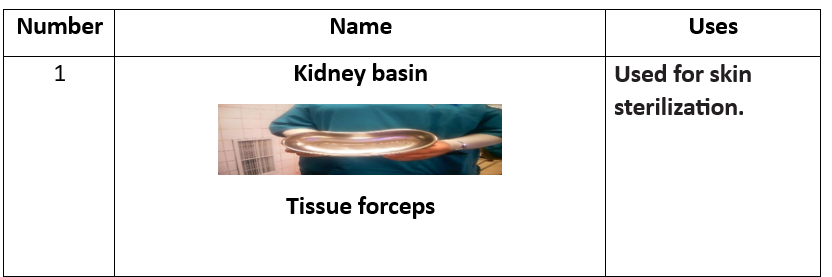
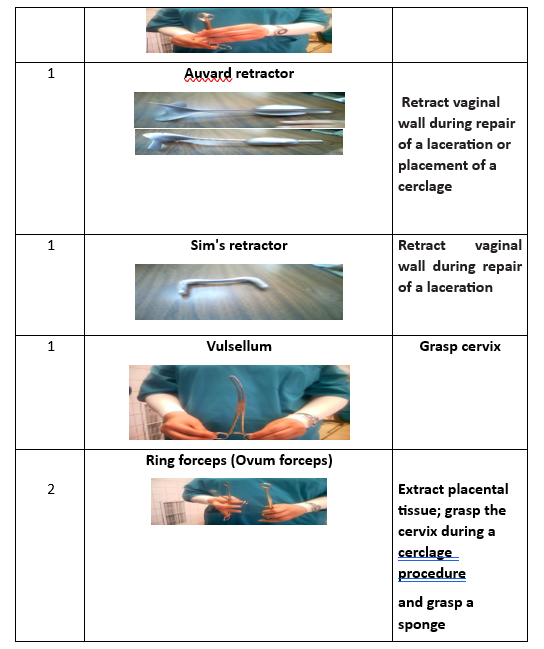
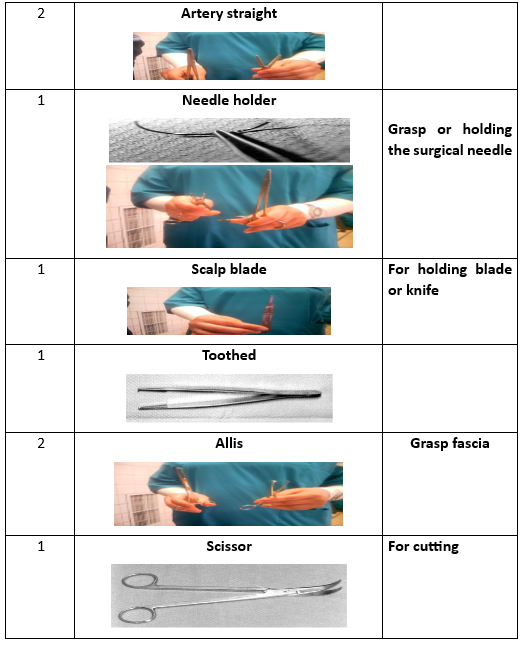
الأدوات الجراحية (16 أداة)
1. حوض لجمع الأدوات.
2. ملقط الأنسجة.
3. ممد أوفار.
4. ممد سيمز.
5. مشبك عنق الرحم.
6. مقص.
7. مقبض الإبرة.
8. شفرة скаلب.
9. ملقط أسنان.
10. ملقط إصبع.
11. ملقط بويضة.
12. قسطرة معدنية.
13. مشبك ستрайت.
14. مشبك آليس.

تقنية شيرودار
1. إفراغ المثانة البولية بالقسطرة المعدنية.
2. وضع ممد مهبلي أوفار.
3. تحديد موقع عنق الرحم وامساكه من الأمام والخلف بمشبك بويضة مزدوج.
4. استخدام ممد مهبلي زاوي لتحسين الرؤية.
5. شق أفقي في الغشاء المخاطي على الشفة الأمامية لعنق الرحم عند انعكاس المثانة.
6. تزييت الخيط ووضعه على مستوى المخرج الداخلي لعنق الرحم، وربطه في الخلف لمنع التآكل المحتمل في المثانة، وإغلاق الخيط في الأمام.
تقنية ماكدونالد
1. الخطوات مشابهة للتقنية السابقة.
2. الخياطة العنقية في الخلف قريبة من الرباط العضلي الحوضي للرحم دون عبور تجويف الحوض.
3. الخياطة من أربعة إلى خمسة خيوط في شكل حقيبة، أخذ خيط كافي من النسيج الضام دون دخول قناة عنق الرحم، وترك الخيط طويلًا لسهولة إزالته.
تقنية ربط عنق الرحم عبر البطن
1. فتح البطن بعد الأسبوع 12 من الحمل عبر شق رأسي في الطبقة البطنية والبريتونية.
2. انقسام غشاء المثانة بالمقص الحاد.
3. دفع الأمعاء إلى الأعلى وتماسك قاع الرحم إلى الأعلى.
4. مرور الإبرة من الأمام إلى الخلف على كل جانب مع الخيط العنقي الرحمي، وربطه في الخلف بفصلة مربعة واحدة على السطح البريتوني الخلفي.
5. فحص الإصابات والنزيف.
6. إغلاق الشق البطني.
مضاعفات ربط عنق الرحم
1. فشل الخياطة.
2. العدوى مثل التهاب المشيمة والسلى.
3. التمزق.
4. انفجار الأغشية المبكرة.
5. العمل المبكر.
الرعاية التمريضية
التحضير قبل الجراحة
1. التقييم:
- أخذ التاريخ الكامل (المرضى الذين يعانون من هذه الحالة لا يظهرون تقلصات رحم أو أعراض أخرى للولادة).
- الفحص البدني.
- الفحص البولي: يكشف عن علامات وأعراض عنق رحم ممتد، قد يصاحبه مشكلة خلقية مثل: عنق رحم قصير، رحم مزدوج أو رحم ذو شكل معدل.
- الدراسات التشخيصية: صحة الجنين، فحوصات الدم والبول والكيماويات. مسحة عنق الرحم لاكتشاف أي شذوذ (الأمراض المنقولة جنسياً)، تخطيط القلب والصورة الشعاعية لتقييم الوظائف القلبية والرئوية.
2. تحضير المريضة:
- يجب أن تفهم المريضة العقلية ومخاطر وفوائد الإجراء المحدد والإدارة المتوقعة إذا لم يتم الإجراء.
- توجيه الأم بتجنب الجماع لمدة 7 أيام على الأقل قبل الجراحة ووقت الخياطة في الأسبوع 12 عبر المهبل، وبعد الأسبوع 12 عبر البطن.
- توجيه الأم بتجنب المهام الشاقة للحفاظ على الراحة.
- يجب أن تكون المريضة بدون طعام لمدة 6 ساعات قبل الجراحة.
- إزالة المجوهرات والمعادن.
- تحضير الأمعاء عبر الحقنة.
- تحضير المثانة (القسطرة).
- التصوير بالموجات فوق الصوتية لاستبعاد تشوهات الجنين.
- مراقبة معدل ضربات قلب الجنين وعلامات الحياة الأساسية للمريضة.
- ملاحظة النزيف المهبلي.
- وضع المريضة في وضعية الليثوتومي.
- تحضير الجلد بالبيتادين 10%.
- تغطية المريضة وفقًا للإجراء.
- إعطاء المضادات الحيوية حسب الوصفة الطبية حول وقت الجراحة.
الرعاية التمريضية بعد الجراحة
1. تقييم مستوى الوعي.
2. مراقبة العلامات الحيوية وتحديد الموضع.
3. إدارة المسكنات والأكسجين حسب الحاجة.
4. قياس المدخل والخروج.
5. مراقبة النزيف المهبلي.
6. تقييم وجود ونوعية نغمة قلب الجنين.
التثقيف الصحي
1. توجيه الأم بالذهاب إلى المستشفى على الفور إذا ظهرت أي علامات غير طبيعية مثل:
- انفجار السائل.
- نقص حركة الجنين.
- الحمى.
- الإفراز المهبلي غير الطبيعي (الرائحة الكريهة).
2. توجيه الأم بالذهاب في الأسبوع 37 لإزالة الخيط قبل الولادة.
3. توجيه الأم بأهمية التغذية الجيدة في هذه الفترة (فترة الحمل) مثل:
- زيادة الخضروات في النظام الغذائي.
- زيادة البروتين.
- زيادة استهلاك الحليب لتر أو ترين يوميًا.
- زيادة استهلاك السوائل.
- الاستئصال الرحمي
مقدمة
الاستئصال الرحمي هو إجراء جراحي لازالة الرحم. لا يمكن للمرأة الحمل بعد هذه العملية. الاستئصال الرحمي هو إجراء جراحي كبير له مخاطر وفوائد، ويؤثر على التوازن الهرموني للمرأة والصحة العامة لمدى الحياة. لذلك، يوصى بالاستئصال الرحمي كوسيلة أخيرة لمعالجة بعض الحالات غير القابلة للعلاج في الجهاز التناسلي. تم إجراء حوالي 30,500 استئصال رحمي في إنجلترا في عامي 2012 و 2013. يعد الاستئصال الرحمي أكثر شيوعًا لدى النساء في العقد الخامس من العمر.
تعريف
هو إجراء جراحي لازالة الرحم عبر شق بطني أو مهبلي.
وبائيات المرض
- الاستئصال الرحمي هو ثاني أكثر العمليات الجراحية شيوعًا لدى النساء في الولايات المتحدة.
- واحدة من كل ثلاث نساء في الولايات المتحدة تخضع لاستئصال رحمي بحلول سن 60.
- يتم إجراء أكثر من 600,000 عملية استئصال رحمي سنويًا.
- أكثر من 90% من العمليات تتم لظروف غير خبيثة.
- أكثر من 70% تشمل أيضًا إزالة المبايض جراحيًا.
مؤشرات الاستئصال الرحمي
مؤشرات طب النساء
1. انفجار الرحم.
2. النزيف بعد الولادة غير القابل للسيطرة.
3. انسداد المشيمة.
مؤشرات أمراض النساء
1. الالتهابات: بعض حالات السل التناسلي.
2. الأورام: حميدة (أورام المبايض، الليوميوما) أو خبيثة (عنق الرحم، الجسم والمبايض).
3. الانزلاق: بعض حالات انزلاق الرحم المزمن أو العكس.
4. بعض حالات النزيف الرحمي الوظيفي.
أنواع الاستئصال الرحمي
1. استئصال رحمي جزئي (subtotal): يزيل جسم الرحم، تاركًا عنق الرحم في مكانه. يُستخدم ل النزيف بعد الولادة و انفجار الرحم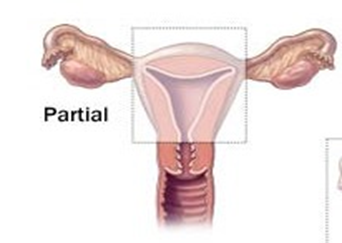
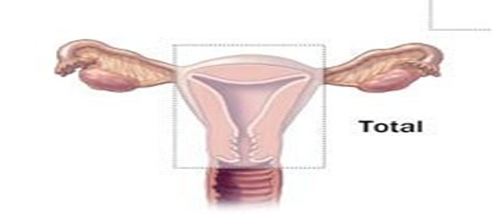
2. استئصال رحمي كلي (total): يزيل جسم الرحم وعنق الرحم، وهو أفضل من الاستئصال الرحمي الجزئي.
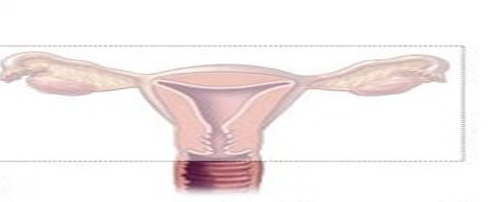
3. استئصال رحمي شامل (pan hysterectomy): استئصال رحمي كلي مع إزالة المبايض. الاستئصال الرحمي البطني الكلي مع إزالة المبايض والقنوات السلكية (TAHBSO).
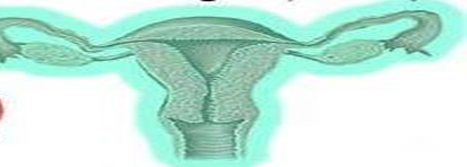
4. استئصال رحمي جذري (radical): يُستخدم خصيصًا في حالات السرطان النسائي الغازي. يزيل الرحم، القنوات السلكية، المبايض، ثلثي المهبل العلوي، والغدد الليمفاوية الحرقفية والخُصية.
5. استئصال رحمي فائق الجرأة (ultra-radical):
- الاستئصال الأمامي: إزالة المثانة.
- الاستئصال الخلفي: إزالة المثانة والامعاء.
الفرق بين الاستئصال الرحمي الكلي والجزئي
الاستئصال الرحمي الجزئي
1. إزالة الرحم مع الاحتفاظ بالعنق.
2. زيادة خطر الإصابة بسرطان العنق.
3. زيادة خطر الإصابة بالتهاب العنق والتهاب المهبل.
4. تقنية أسهل وأقصر.
5. تقليل خطر الإصابة بإصابات المثانة والحالب.
6. تقليل خطر الإصابة ببروز الحوض.
7. تقليل خطر الإصابة بالتهاب الحوض.
8. تقليل خطر الإصابة بالألم أثناء الجماع.
الاستئصال الرحمي الكلي
1. إزالة الرحم مع العنق.
2. لا خطر من الإصابة بسرطان العنق.
3. لا خطر من التهاب العنق والتهاب المهبل.
4. تقنية أكثر صعوبة وأطول.
5. زيادة خطر الإصابة بإصابات المثانة والحالب.
6. زيادة خطر الإصابة ببروز الحوض.
7. زيادة خطر الإصابة بالتهاب الحوض.
8. زيادة خطر الإصابة بالألم أثناء الجماع.
طرق الاستئصال الرحمي
1. الاستئصال الرحمي البطني (AH).
2. الاستئصال الرحمي المهبلي (VH).
3. الاستئصال الرحمي بالمنظار (LH).
الاستئصال الرحمي البطني
1. الشق في الجدار البطني.
2. رؤية جيدة للبطن.
3. زيادة خطر المضاعفات.
4. وجود cicatrix كبيرة بعد الشفاء.
العوامل التي تؤثر على اختيار الاستئصال الرحمي البطني
1. أمراض المبايض.
2. عدم حركة الرحم.
3. السرطان.
4. الليوميوما الكبيرة.
5. نقص الخبرة أو الثقة.
6. الالتصاقات الحوضية.
7. الاستئصال الرحمي الجذري.
8. الاستئصال الرحمي في الحمل.
9. الحالات الطارئة.
10. التهاب الحوض المزمن.
11. الليوميوما المتعددة.
تقنية الاستئصال الرحمي البطني
1. وضع المريضة على الظهر.
2. التخدير العام.
3. فحص بطني وحوضي دقيق تحت التخدير.
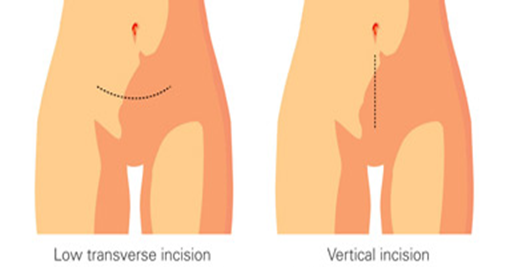
4. الشق الجراحي:
- رأسي في حالات السمنة المفرطة أو التهاب بطانة الرحم المتوقع أو المريضات ذوات العمليات البطنية السابقة.
- عرضي في حالات الأمراض الحميدة المحصورة.
5. استكشاف الأعضاء البطنية العليا، خاصة الكبد والطحال والغدد الليمفاوية البطنية.
6. وضع المناشف لرفع الأعضاء البطنية.
7. تصفيح الأربطة الدائرية وربطها.
8. شق الغشاء البريتوني بين الأربطة الدائرية والمثانة.
9. فصل طبقات المبايض واكتشاف الحالب وربط الأوعية المبايضية إذا لزم الأمر.
10. شق المبايض نحو الرحم مكشوفًا الأوعية الرحمية.
11. تصفيح الأوعية الرحمية وربطها عند مستوى العُنق الداخلي.
12. تصفيح الأربطة الحوضية وربطها.
13. شق الغشاء البريتوني بين الأربطة الحوضية والرحم.
14. تحرير المستقيم من الخلف.
15. إزالة الرحم بالكامل عن طريق شق المهبل تحت عنق الرحم.
16. إغلاق المهبل بالخيط الممتص مع تثبيت الأربطة الحوضية والمستقيمة لمنع انزلاق الحوض.
هذه الخطوات تشكل الإجراء الجراحي لاستئصال الرحم البطني. يجب أن يتم الإجراء من قبل جراح متخصص في طب النساء.
تقنية الاستئصال الرحمي البطني
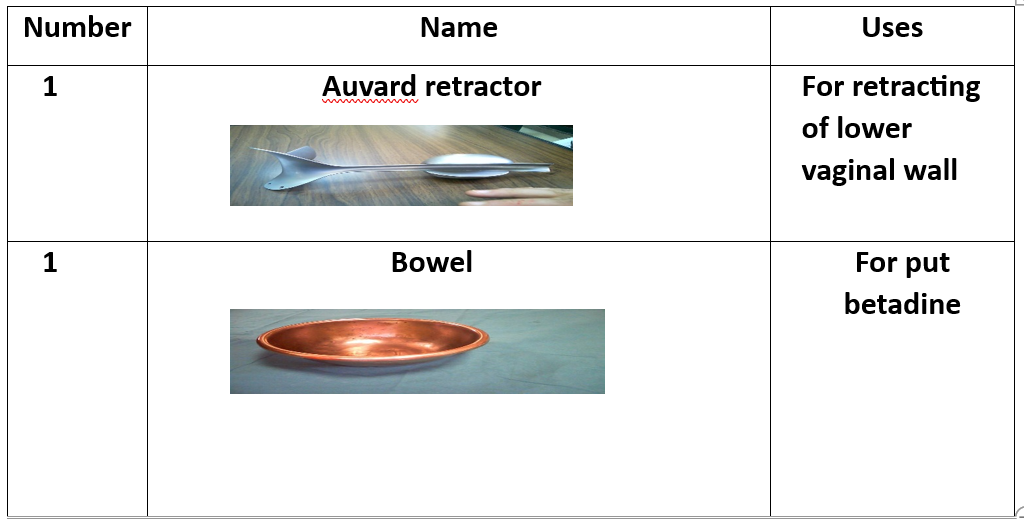
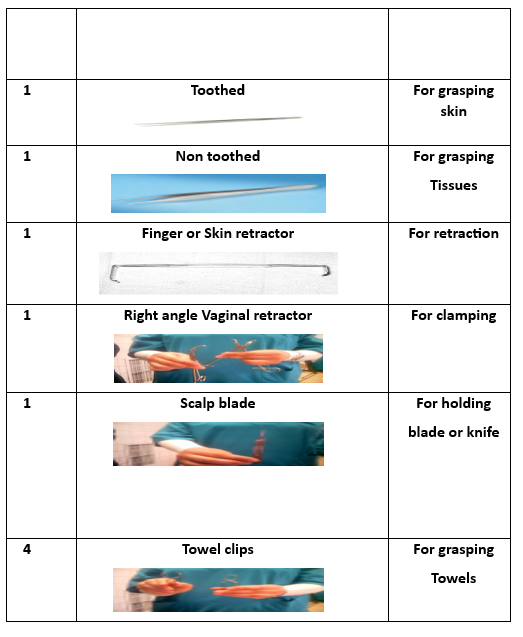
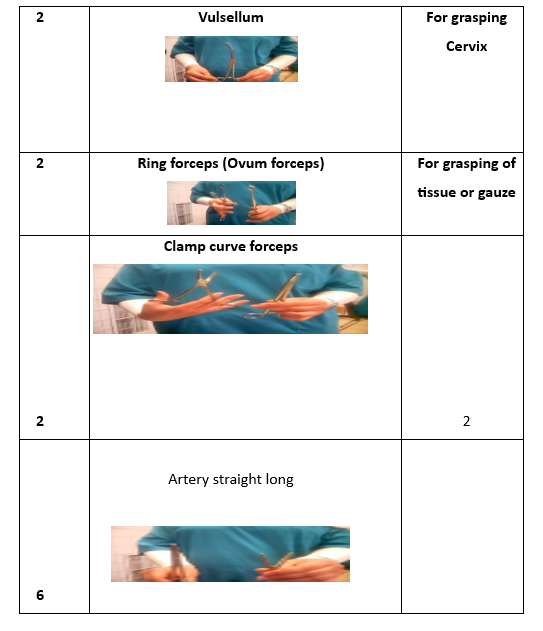
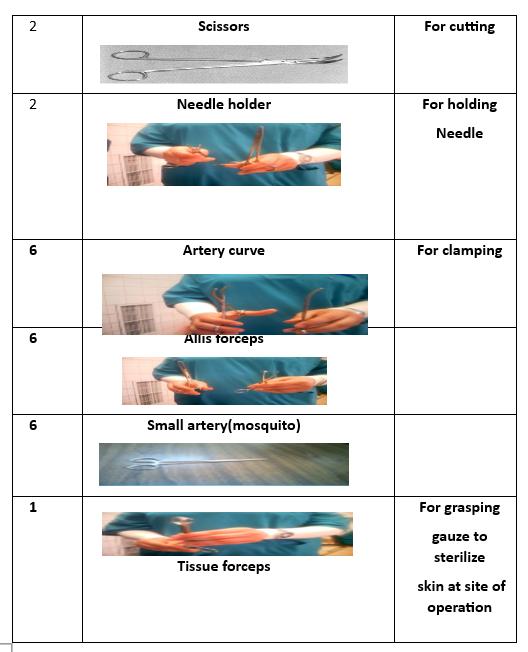
الأدوات الجراحية (47 أداة)
حوض لجمع الأدوات. ملقط الأنسجة. حامل الرحم. ملقط أسنان. ملقط غير أسنان. شفرة скаلب. مقص. مشبك. مشبك فولسيلوم. مقبض الإبرة. مشبك بويضة. ممد ديفير. مشبك كوكر. مشبك آليس. مشبك منحني. مشبك مستقيم. | 1 Kidney basin 1 Tissue forceps 1 Uterine holder 1Toothed 1 Non toothed 1 Scalp blade 1 Scissor 1 Dissector 1 Vulsellum 2 Needle holders 2Rings(Ovum-forceps) 2 Deaverd retractors 2 Right angle clamps 4 Towel clips 4 Kocher forceps 4 Allis 6 Clamps curved 6 Arteries straight 6 Arteries curved
|
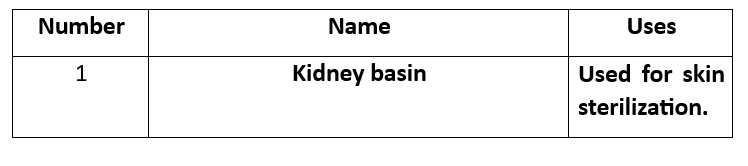
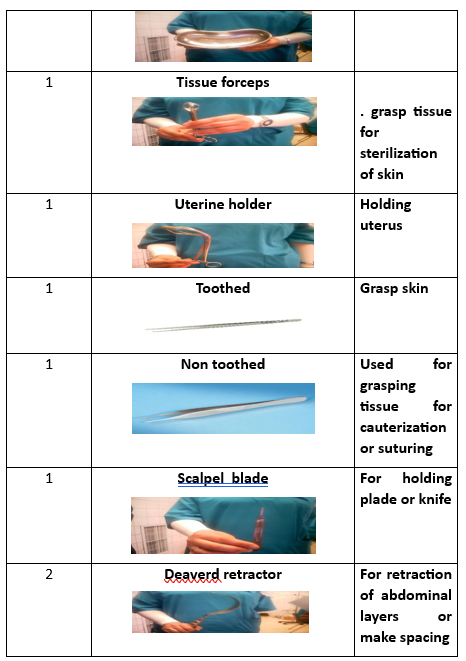
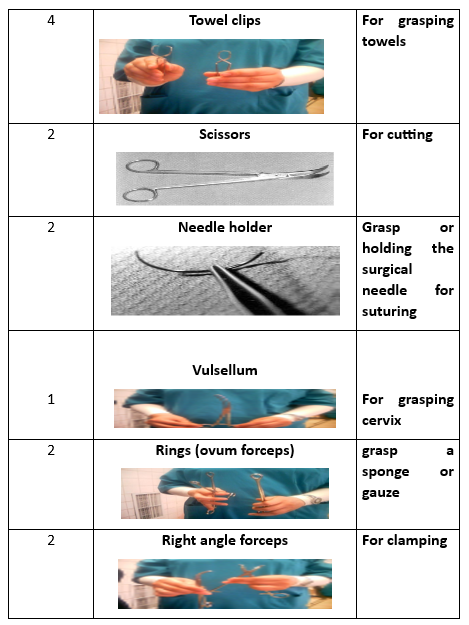
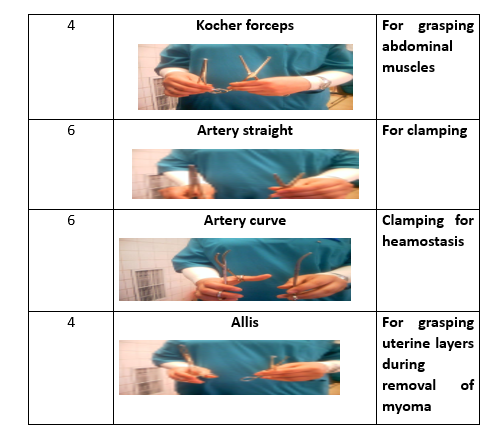
المعدات التحضيرية
خطوات العملية
1. تحضير المريضة.
2. التخدير العام.
3. الفحص البطني والحوضي.
4. الشق الجراحي (رأسي أو عرضي).
5. فتح الفاسكيا وإنشاء مستوى بطني.
6. شق الرحم الرأسي وتقريب حوافه.
7. تصفيح وربط الأربطة الدائرية والمبايضية.
8. تكرار الخطوات للجانب الآخر.
9. زالة الرحم.
10. شق عنق الرحم.
11. إزالة العنق.
12. إغلاق المهبل.
13. غسل موقع العملية.
14. إغلاق الحوض والبطن.
عملية الاستئصال الرحمي المهبلي
التعريف
هي عملية جراحية تتم عبر القناة المهبلية، حيث يُزال الرحم من خلال شق في أعلى المهبل.
المؤشرات
1. بعض حالات انزلاق الرحم.
2. بعض حالات النزيف الرحمي الوظيفي.
3. بعض حالات سرطان الجسم الرحمي.
المزايا
1. عدم وجود جروح بطنية.
2. انخفاض حدوث مضاعفات الأمعاء.
3. يمكن معالجة الانزلاق الجنسي في نفس الوقت.
العيوب
1. غير آمنة وصعبة في وجود الالتصاقات الحوضية.
2. لا يمكن إزالة المبايض في بعض الحالات.
3. لا يمكن إجراؤها إذا كان حجم الرحم أكبر من 14 أسبوعًا من الحمل.
العوامل المؤثرة على اختيار العملية
1. انزلاق الرحم من الدرجة الثالثة.
2. حجم الرحم الصغير.
3. خبرة الطبيب.
تقنية العملية
خطوات العملية
1. التحضير.
2. التخدير.
3. الفحص البطني والحوضي.
4. وضع الممد.
5. شق المهبل حول عنق الرحم.
6. كشف الغشاء البريتوني.
7. تصفيح الأربطة الحوضية والرحمية.
8. إزالة الرحم والمبايض.
9. إغلاق المهبل.
10. غسل موقع العملية.
11. إزالة الأدوات.
مزايا وعيوب تقنيات الاستئصال الرحمي المختلفة
الاستئصال الرحمي البطني
المزايا:
1. لا يوجد حد ل حجم الرحم.
2. يمكن الجمع مع جراحة التقليل والاستمرار.
3. لا زيادة في المضاعفات بعد الجراحة.
العيوب:
1. أطول فترة استشفاء.
2. خطر النزيف أعلى مقارنة بالتقنيات الأخرى.
3. التفضيل للتقنيات المهبلية أو المنظارية لمرضى السمنة.
الاستئصال الرحمي المهبلي
المزايا:
1. أقصر وقت للعملية.
2. أقصر فترة استشفاء.
3. أقل ألم و تكلفة أقل.
4. أقل تكلفة.
العيوب:
1. محدودية حجم الرحم.
2. محدودية تقييم المبايض والرحم.
3. محدودية إمكانية الجمع مع جراحة أخرى.
الاستئصال الرحمي المنظاري شبه الكلي
المزايا:
1. عودة سريعة إلى الحياة الطبيعية.
2. لا يوجد دليل على تحسين الوظيفة الجنسية.
العيوب:
1. ضرورة فحص سرطان عنق الرحم الدوري.
2. إمكانية النزيف الدوري.
3. عدم وجود دليل على تقليل انزلاق الحوض.
الاستئصال الرحمي المنظاري المساعد المهبلي
المزايا:
1. إمكانية إجراء العملية لرحم أكبر.
2. إمكانية الجمع مع جراحة أخرى.
العيوب:
1. تكلفة أعلى من التقنية المهبلية.
2. لا يُنصح لمرضى أمراض القلب والرئة.
الاستئصال الرحمي المنظاري الكلي
المزايا:
1. أقصر مدة الاستشفاء.
2. إمكانية تشخيص وعلاج أمراض الحوض الأخرى.
3. عودة سريعة إلى الحياة الطبيعية.
العيوب:
1. زيادة وقت الجراحة.
2. خطر الإصابة بالحالب أو المثانة.
3. يتطلب مهارات جراحية عالية.
الاستئصال الرحمي المنظاري ذو البوابة الواحدة
المزايا:
1. تحسينات جمالية.
2. لا يوجد تحسينات سريرية واضحة.
العيوب:
1. يحتاج إلى المزيد من البحث.
الاستئصال الرحمي بمساعدة الروبوت
المزايا:
1. معدل مضاعفات مشابه للتقنية المنظارية التقليدية.
2. قد يؤدي إلى فترات استشفاء أقصر.
العيوب:
1. أوقات جراحية أطول.
2. تكلفة أعلى.
3. يحتاج إلى المزيد من البحث
مضاعفات الاستئصال الرحمي
1. الصدمة.
2. النزيف.
3. العدوى.
4. مضاعفات الأمعاء مثل التوسع المعدي الحاد.
5. مضاعفات الرئة مثل الالتهاب الرئوي والانحلال الرئوي.
6. تخثر الأوردة (DVT، SVT).
7. مضاعفات التخدير بعد العملية.
8. مضاعفات متأخرة مثل إفراز المهبل، انزلاق الحوض، وألم الظهر.
9. أعراض انقطاع الطمث مثل الحزن والتهيج (في النساء الأصغر سنًا).
إدارة التمريض للنساء الخاضعات للاستئصال الرحمي
الرعاية قبل العملية
1. تقييم فهم المريضة للإجراء.
2. توضيح الإجراء وتقديم الدعم العاطفي.
3. تنظيف البطن والمنطقة الحوضية.
4. إدارة الأدوية قبل العملية.
5. التأكد من التوقيع على استمارة الموافقة.
الرعاية بعد العملية
1. تقييم النزيف.
2. مراقبة العلامات الحيوية.
3. تقييم الإفراز المهبلي.
4. تقييم الجروح والصوت المعوي.
5. تشجيع الحركة المبكرة.
6. تشجيع شرب السوائل.
7. تعليم المريضة كيفية العناية بالمنطقة الحوضية.
8. تقييد النشاط البدني لمدة 4-6 أسابيع.
9. شرح الأعراض التي يجب الإبلاغ عنها للطبيب.
10. تقديم معلومات حول علاج الاستبدال الهرموني إذا لزم الأمر.
11. تشجيع الفحوصات النسائية المنتظمة.
- انواع انزلاق الأعضاء الحوضية
سقوط الرحم
مقدمة
سقوط لأعضاء الحوضية هو انزلاق أحد الأعضاء الحوضية أو أكثر من موقعه الطبيعي، مما يؤدي إلى بروز الأعضاء في المهبل. الأعضاء المتأثرة هي الرحم، المهبل، الأمعاء والمثانة، بسبب ضعف العضلات والأربطة الداعمة.
تعريف
سقوط الأعضاء الحوضية (Pelvic Organ Prolapse) هو انزلاق أو بروز الأعضاء الحوضية خارج الحدود التشريحية الطبيعية.
عوامل الحفاظ على الأعضاء في مكانها
1. وضع الرحم الطبيعي.
2. عضلات الحوض العميقة.
3. الأربطة الداعمة للرحم والمهبل والمبايض.
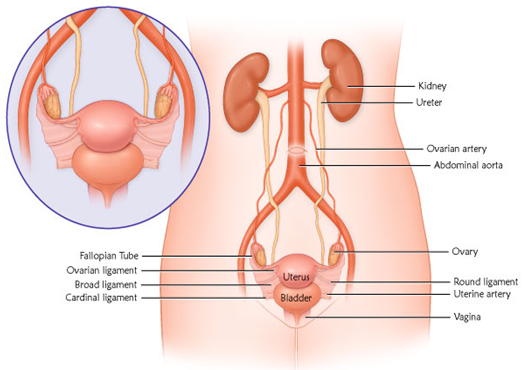
أسباب الانزلاق
1. العوامل المسبقة: الضعف الخلقي، الإصابات أثناء الولادة، التهاب الحوض.
2. العوامل الناشطة: زيادة الضغط الحوضي، الورمات الحوضية، السمنة.
المجموعات المعرضة للخطر
1. العمر: قبل 18 سنة، بعد انقطاع الطمث، الحوامل.
2. الأمراض الطبية: أمراض الرئة، اليرقان، الإمساك المزمن.
3. التاريخ الولادي: الولادات المتكررة، الحمل المتعدد.
تصنيف انزلاق الأعضاء الحوضية
1. انزلاق المهبل:
- انزلاق الجدار الأمامي (Cystocele).
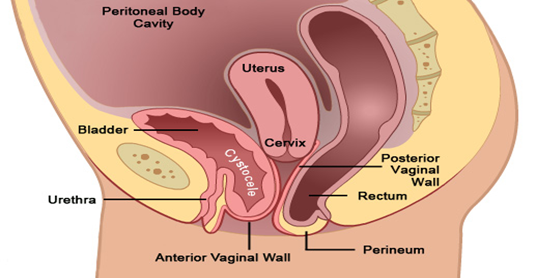
- انزلاق الجدار الخلفي (Rectocele).
- انزلاق الرحم.
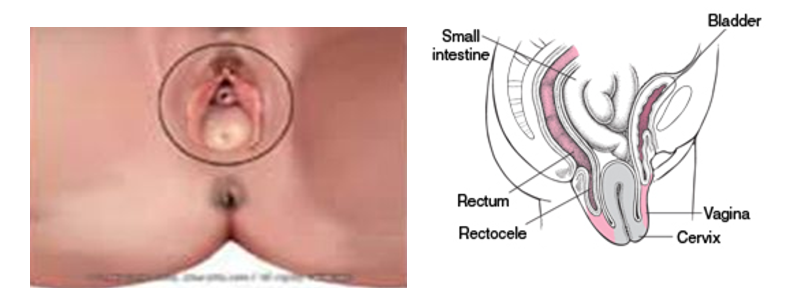
2. انزلاق المبايض.
3. انزلاق المهبل الكلي.
الأعراض
1. بروز الأعضاء في المهبل.
2. ألم الحوض.
3. صعوبة التبول.
4. صعوبة الجماع.
العلاج
1. التمارين الحوضية.
2. الأجهزة الداعمة (Pessary).
3. الجراحة.
4. تغيير نمط الحياة.
نواع انزلاق الأعضاء الحوضية
انزلاق الجدار الأمامي للمهبل
1. انزلاق المثانة (Cystocele): انزلاق الثلث العلوي من الجدار الأمامي للمهبل مع المثانة.
2. انزلاق المثانة والحوض (Cystourethrocele): انزلاق كامل الجدار الأمامي للمهبل مع المثانة والحوض.
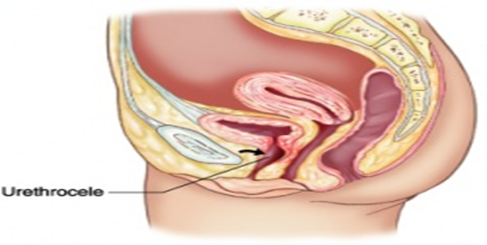
3. انزلاق الحوض (Urethrocele): انزلاق الثلث السفلي من الجدار الأمامي للمهبل مع الحوض.
انزلاق الجدار الخلفي للمهبل
1. انزلاق الأمعاء (Rectocele): انزلاق الجدار الأمامي للأمعاء مع الثلث الأوسط من الجدار الخلفي للمهبل.
2. انزلاق الأمعاء والبريتون (Enterocelle): انزلاق الثلث العلوي من الجدار الخلفي للمهبل مع البريتون والأمعاء.
الانزلاق المشترك
1. انزلاق المثانة والأمعاء (Cystorectocele): انزلاق الجدار الأمامي والخلفي للمهبل.
انزلاق الحوض بعد استئصال الرحم
1. انزلاق الحوض: انزلاق سقف المهبل بعد استئصال الرحم.
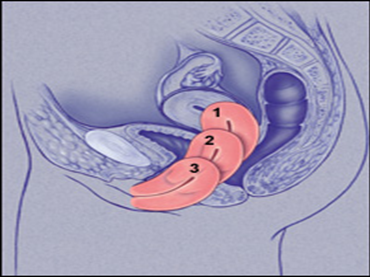
انزلاق الرحم
1. الدرجة الأولى: انزلاق خفيف لفتحة الرحم.
2. الدرجة الثانية: انزلاق حتى خروج الرأس من المهبل.
3. الدرجة الثالثة: انزلاق كامل للرحم (بروسيدنتيا).
الانزلاق المشترك للرحم والمهبل
1. انزلاق الرحم ثم المهبل.
2. انزلاق المهبل ثم الرحم.
انزلاق المبايض
الأعراض السريرية
1. شعور بالثقل أو الضغط في الحوض.
2. ألم مزمن في الحوض والبطن والظهر.
3. ألم خلال الجماع.
4. إفراز غير عادي من المهبل.
5. الإمساك.
6. التبول العشوائي أو التكراري.
7. الشعور بالانزلاق أو السقوط.
لإدارة الطبية
دارة انزلاق الأعضاء الحوضية
الإدارة الطبية
تعتمد العلاقة المثلى لانزلاق الأعضاء الحوضية على:
العوامل التالية:
1. شدة الأعراض السريرية.
2. شدة الانزلاق.
3. عمر المريضة وحالتها الصحية.
4. رغبة المريضة في الإنجاب.
الإدارة المحافظة
1. تمارين الحوض (كيجل): تحسين عضلات الحوض وتقليل انزلاق الأعضاء.
2. الأجهزة الداعمة (بيساري):
- مصنوعة من البلاستيك أو المطاط والسيليكون.
- تُستخدم لدعم الأنسجة البروزية مؤقتًا.
- يمكن تركها لمدة تصل إلى سنة.
- الشكل الشائع هو الحلقة، متوفرة في أحجام وأشكال مختلفة.
لإدارة المحافظة
1. جهاز كولبكسين (Colpexin Sphere): جهاز مهبلي يدعم عضلات الحوض ويحسن التمارين.
2. أجهزة داعمة (بيساري):
- مؤشرات الاستخدام: الحمل، اختبار العلاج، انتظار الجراحة.
- مضادات الاستطباب: التهاب الحوض الحاد، عدم راحة المريضة.
- مضاعفات: تقرحات المهبل، سجن البيساري.
3. كريمات الإستروجين المهبلية:
- لانزلاق خفيف، لمدة 4-6 أسابيع.
الإدارة الجراحية
1. تصحيح الانزلاق الأمامي (Anterior Colporrhaphy).
2. تعليق الحوض (Burch Colposuspension).
3. جراحة الشريط (Sling).
4. استئصال الرحم عبر المهبل.
5. تثبيت الرحم إلى العجز (Sacrohysteropexy).
عمليات القسم الأوسط
1. عمليات انزلاق الرحم:
- استئصال الرحم عبر المهبل.
- تثبيت الرحم إلى العجز.
2. عمليات انزلاق المهبل:
- تثبيت المهبل إلى العجز.
المخاطر والتعليمات
1. استشارة الطبيب.
2. متابعة دورية.
3. تقليل الوزن الزائد.
4. ممارسة تمارين الحوض.
عمليات القسم الخلفي
1. تثبيت المهبل إلى العجز (Sacrocolpopexy): عبر التقنيات المفتوحة والروبوتية واللابروسكوبية.
2. تثبيت المهبل إلى رابطة العجز (Sacrospinous fixation): عبر المهبل والبطن.
عمليات علاج انزلاق القبو والامعاء
1. تثبيت القبو إلى العجز.
2. تثبيت القبو إلى رابطة العجز.
3. تثبيت القبو إلى عضلة الiliococcygeus.
4. تثبيت القبو عبر التقلص العضلي (McCall culdoplasty).
5. تثبيت القبو عبر رابطة الرحم والعجز (Uterosacral ligament suspension).
عمليات علاج انزلاق المهبل
1. تثبيت المهبل إلى عضلة الiliococcygeus.
2. إعادة بناء العضلات الحوضية (Perineorrhaphy).
3. عمليات إغلاق المهبل (Obliterative operations).
عمليات القسم الخلفي
1. تصحيح الانزلاق الخلفي.
2. إصلاح العيوب الفاسلة.
3. وضع الشبكة في الجدار الخلفي للمهبل.
العلاجات التقليدية
1. إصلاح الجدار الأمامي والخلفي للمهبل.
2. تثبيت القبو إلى العجز.
3. تثبيت المهبل إلى رابطة العجز.
تقنية العلاج الجراحي الكلاسيكي
المعدات واللوازم
1. بيتادين (مطهر).
2. مناشف معقمة.
3. قفازات جراحية معقمة (حجم مختلف وعدد كبير).
4. حقيبة معقمة للتعقيم والكسوة.
5. حقيبة معقمة للأدوات الجراحية.
6. خيوط جراحية وإبر.
7. مناشف معقمة للتدريس.
عملية الإصلاح الكلاسيكي
الأدوات الجراحية
1. أدوات استئصال الرحم عبر المهبل (50 أداة).
2. أدوات إضافية:
- 4 من أدوات Breisky لفتح الشقوق.
- قثطرة معدنية.
- ملقط مزدوج الأسنان.
- ملقط مفرد الأسنان.
- مقص dissector.
خطوات العملية
أ) إصلاح الجدار الأمامي للمهبل عبر المهبل:
1. إفراغ المثانة باستخدام القثطرة المعدنية.
2. شق محوري في الغشاء المهبلي الأمامي.
3. فصل الغشاء المهبلي عن العضلات الحوضية.
4. كشف المثانة وال urethra.
5. دعم الأنسجة حول المثانة.
6. إزالة الجلد الزائد.
7. التحقق من النزيف والتخلص من الأدوات.
ب) إصلاح الجدار الخلفي للمهبل عبر المهبل:
1. إفراغ المثانة.
2. وضع أدوات Breisky.
3. وضع الملاقط في الشفرين.
4. شق مثلثي الشكل في الجلد.
5. فصل العضلات الحوضية عن الغشاء المهبلي الخلفي.
6. تقدم الشق حتى حافة المستقيم.
7. خياطة العضلات الحوضية.
8. إغلاق الشق.
9. تقوية عضلات الحوض.
10. التحقق من النزيف والتخلص من الأدوات.
مضاعفات الإدارة الجراحية لانزلاق الأعضاء الحوضية
1. انزلاق المثانة تحت الضغط (SUI).
2. الألم أثناء الجماع (Dyspareunia) أو عدم القدرة على الجماع (Apareunia).
3. فشل العملية الجراحية بسبب:
- تقنية جراحية سيئة.
- عدم التعرف على انزلاق الأمعاء أو عدم علاجه.
- تقصير الجدار الأمامي للمهبل.
- الحمل بعد العملية.
- ضعف الدعم بسبب العدوى أو التطور.
مضاعفات انزلاق الأعضاء الحوضية
1. تكوين الكيراتين في المهبل.
2. تقرحات الضغط.
3. تضخُم وتطول الرقبة الرحمية.
4. الالتهاب والتورم في الرقبة الرحمية.
5. انسداد المجاري البولية (ضغط المثانة على الحالب، التهاب الحالب والكلية).
6. سجن الانزلاق.
7. سرطان الرقبة الرحمية أو المهبل.
لإدارة التمريضية لانزلاق الأعضاء الحوضية
بناء علاقة مريض-ممرضة إيجابية
1. تكوين علاقة ثقة مع المريضة وعائلتها.
2. أخذ تاريخ المريضة وتفحصها جسديًا ومراجعة الفحوصات.
3. توجيه المريضة لمنع انزلاق الأعضاء الحوضية.
الوقاية في مراحل الحياة المختلفة
1. الطفولة: التغذية السليمة، تجنب الإمساك، الرعاية الصحية.
2. المراهقة: الحفاظ على الحمل الصحي، تجنب الحمل المبكر.
3. الحمل: الرعاية قبل الولادة، تجنب الأمراض المنقولة جنسياً.
4. الولادة: رعاية المثانة والrectum، تمارين التنفس.
5. بعد الولادة: غسل الحوض، التغذية السليمة، تمارين كيجل.
6. انقطاع الطمث: الفحص الدوري، فحص الخلايا، العلاج بالهرمونات.
توجيهات المريضة حول استخدام البيساري
1. تجنب إدخال أي شيء في المهبل.
2. الفحص الدوري لمنع الالتهاب والعدوى.
3. رعاية البيساري: إزالة البيساري لتنظيفه، استشارة الطبيب.
توجيهات المريضة حول العلاج بالهرمونات
1. فوائد وعيوب العلاج بالهرمونات.
2. أهمية فحص الخلايا والتصوير.
3. تناول العلاج بانتظام.
4. تجنب التوقف المفاجئ للعلاج.
تغيير نمط الحياة
1. تمارين الحوض بانتظام.
2. الحفاظ على وزن صحي.
3. تناول الأطعمة الغنية بالألياف.
4. تجنب التدخين والكحول.
5. تجنب الوظائف التي تتطلب رفع الأثقال.
الإدارة التمريضية للمريضات الخاضعات للجراحة
قبل الجراحة
1. تقييم المريضة.
2. التثقيف الصحي.
3. إعداد المريضة للجراحة.
4. إجراء الفحوصات اللازمة.
بعد الجراحة
1. مراقبة المريضة.
2. التثقيف الصحي.
3. رعاية الجرح.
4. تناول الأدوية.
5. متابعة المريضة.
منع تكرار الانزلاق
1. تأخير الحمل.
2. استخدام وسائل منع الحمل.
3. تجنب زيادة الضغط الداخلي.
4. تمارين الحوض بانتظام.
5. الحفاظ على وزن صحي.
6. تناول الأطعمة الغنية بالألياف.
- منظار البطن النسائى(اللاباروسكوبي النسائي )
المقدمة
اللاباروسكوبي النسائي هو إجراء جراحي غير باضع يُعد المعيار الذهبي لتشخيص وعلاج العديد من الحالات النسائية، مثل الورم المبيضي، الحمل خارج الرحم، العقم، التهاب بطانة الرحم، الليوميوما، انزلاق الأعضاء الحوضية، وعدم التحكم في التبول. يسمح هذا الإجراء برؤية واضحة للأعضاء الحوضية والبطنية، مما يقلل من خطر الإصابات ويحسن جودة الحياة للمرأة.
تعريف اللاباروسكوبي النسائي
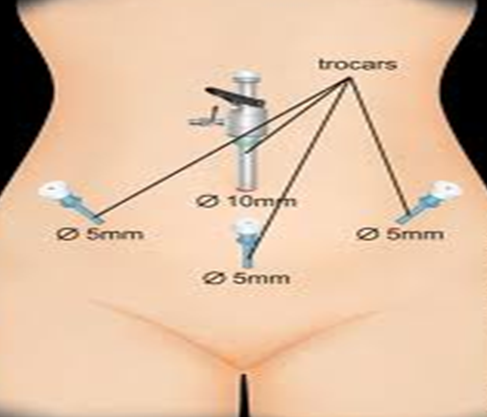
هو تقنية داخلية تسمح برؤية مباشرة وتفحص الحوض والبطن من خلال شقوق صغيرة في السرة والمنطقة المحيطة بها.
مؤشرات اللاباروسكوبي النسائي
تُصنف مؤشرات اللاباروسكوبي إلى تشخيصية وعلاجية، وفقًا لأهداف الإجراء، وتشمل:
المؤشرات التشخيصية
1. التهاب بطانة الرحم.
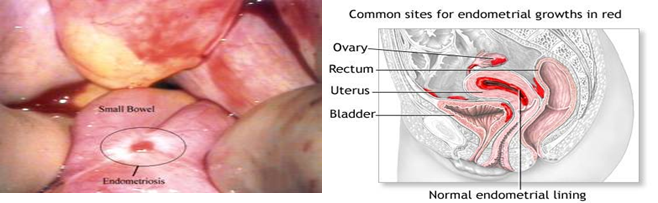
2. الالتصاقات في الحوض والجهاز التناسلي.
3. الحمل خارج الرحم.
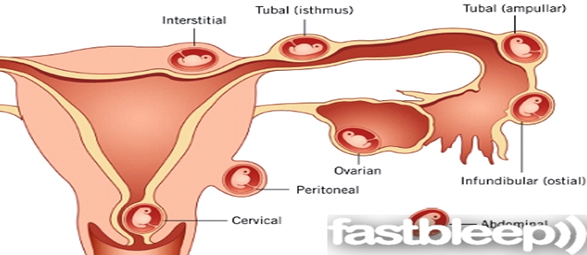
4. العقم.
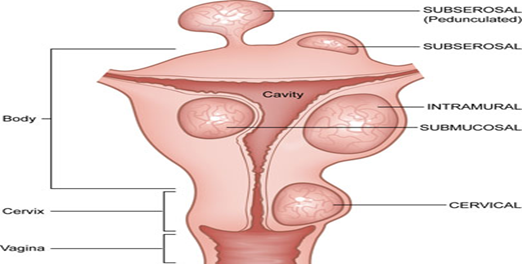
5. الليوميوما.
6. الكشف المبكر عن السرطان النسائي.
7. انزلاق الأعضاء الحوضية وعدم التحكم في التبول.
8. متلازمة المبيض المتعدد الكيسات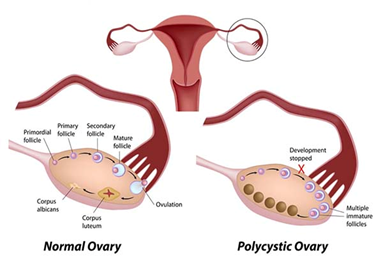
المؤشرات العلاجية
1. استئصال الورم المبيضي.
2. علاج الحمل خارج الرحم.
3. تصحيح الالتصاقات.
4. استئصال الليوميوما.
5. علاج انزلاق الأعضاء الحوضية.
6. علاج عدم التحكم في التبول
المؤشرات العلاجية للاباروسكوبي النسائي
1. علاج التهاب بطانة الرحم عن طريق الاستئصال الجراحي أو الكوتريزاسيون أو تقنية الليزر.
2. علاج الالتصاقات (Adhesinolysis).
3. جراحة القناة الفالوبية:
- علاج الحمل خارج الرحم.
- علاج الالتصاقات.
- استئصال القناة الفالوبية.
- تصحيح القناة الفالوبية.
4. استئصال الليوميوما باللاباروسكوبي.
5. مساعدة اللاباروسكوبي في استئصال الرحم عبر المهبل (LAVH).
6. علاج اضطرابات الحوض:
- إصلاح الانزلاق الداخلي.
- تعليق الحوض المهبلي.
- علاج عدم التحكم في التبول (SUI).
- تعليق الرحم (Hysteropexy).
7. حفر أو تصريف الكيس المبيضي بالكي أو الكوتريزاسيون أو استئصاله
موانع الاستخدامات للاباروسكوبي النسائي
تُصنف منع الاستخدامات للاباروسكوبي النسائي إلى:
المنع المطلق
1. سد الأمعاء.
2. أمراض القلب الشديدة.
3. جراح غير متمرس.
4. التهاب البطن المنتشر.
5. صدمة نقص حجم الدم.
6. نزيف داخلي في البطن.
7. أمراض التهاب الحوض الحادة.
8. سل التباعدي.
9. الدورة الشهرية.
10. اضطرابات التخثر.
11. زيادة الضغط داخل الجمجمة.
المنع النسبي
1. كتلة كبيرة في الحوض أو البطن.
2. الحمل بعد الأسبوع 16.
3. جراحة سابقة في البطن.
4. ثقبة السرة.
5. أمراض الرئة المزمنة.
6. الالتصاقات الشديدة.
7. السمنة المفرطة.
8. شنت البطن.
أنواع اللاباروسكوبي النسائي
1. التقنية المغلقة: يتم إجراؤها عن طريق إدخال إبرة في السرة وإطفاء الحوض بالغاز ثاني أكسيد الكربون، ثم إدخال المثقاب الحاد وإدوات أخرى لتحقيق الأهداف التشخيصية والعلاجية.
- تنقيه اجراء منظار البطن النسائى(اللاباروسكوبي النسائي )
تقنيات اللاباروسكوبي النسائي
1. الوصول المفتوح (Open Access): طريقة طورها هاسون، تستخدم في الحالات التالية:
- المريضات اللاتي خضعن لجراحة سابقة في البطن.
- الكشف عن مصدر النزيف المجهول أثناء الجراحة.
- ثقبة السرة.
- الالتصاقات حول السرة.
- يتم إجراء هذه التقنية عن طريق اختبار بالمر وتحديد نقطة الدخول، ثم إدخال المثقاب والقنولة.
2. اللاباروسكوبي بالتروكار المخدوش (Blunt Trocar): يُستخدم عند عدم وجود الالتصاقات حول السرة.
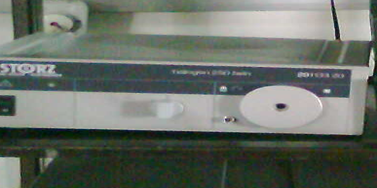
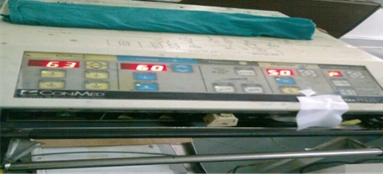
3. اللاباروسكوبي بالاتصال (Contact Laparoscopy): تقنية أقل شيوعًا، تتضمن إدخال إبرة فيرس لتحريض الحوض بالغاز ثاني أكسيد الكربون، ثم إدخال المثقاب والقنولة.
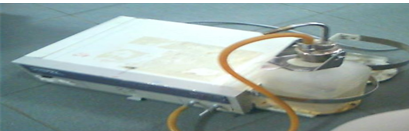
4. اللاباروسكوبي البانورامي (Panoramic Laparoscopy): تقنية توفر إطلالة واسعة أثناء الجراحة، مما يقلل من وقت الجراحة ويفيد في تقليل النزيف، ويسمح بإجراء التدخلات الجراحية في وقت التشخيص
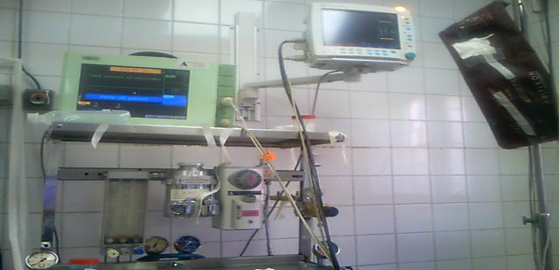
محتوى وحدة اللاباروسكوبي
1. وحدة الكاميرا والشاشة:
- شاشة العرض
- وحدة الكاميرا
- جهاز التسجيل
2. جهاز الضغط الهوائي (Insufflator)
3. مصدر الضوء:
- لتحسين الرؤية داخل الحوض
4. وحدة الكوتري والشفط والري:
- الكوتري (دياثيرمي)
- آلة الشفط
- آلة الري
5. جهاز التخدير:
- جهاز التخدير
- إمدادات الجهاز:
- لارينجوسكوب
- أنابيب السحب
- قنية الوريد
- محاقن مختلفة الأحجام
- أنابيب الهواء
- أقطاب جهاز تخطيط القلب
- قفازات مطاطية
- جل KY لتحسين الاتصال
- شريط لاصق لثبيت القنية والأنابيب
6. الحوض المائي:
- حوضان لتعقيم الأدوات (باستخدام سيديكس)
- حوض لغسل الأدوات (باستخدام المحلول الملحي)
7. أغطية الحماية:
- 3 أغطية للقوائم
- 6 مناشف
- 4 ملابس جراحية
- منشفة مفتوحة
- شريحة لتحمل العدسة
Video monitor camera unit
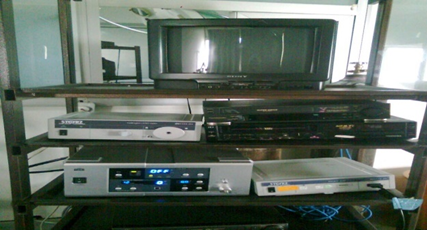
Includes:
A-Monitor (used with camera unit for reflect the image of intra-abdominal cavity)

B- Camera unit
(for reflect the image of intra-abdominal cavity)
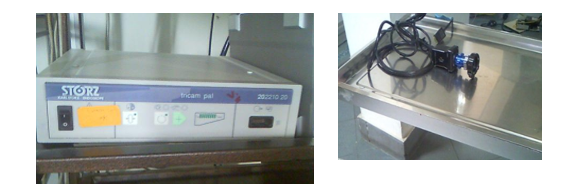
C-Vdeo (for record laparoscopy procedure) 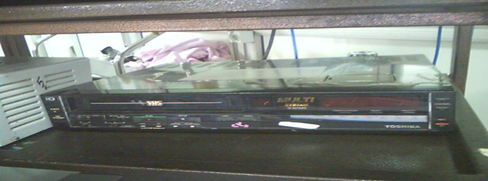
Insufflators machine
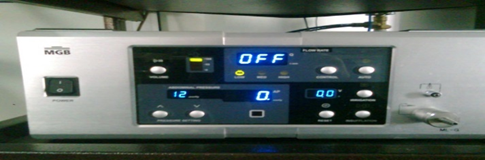
Source of light
For good visualization of intra-abdominal cavity
Electro Cautery or diathermy
جهاز شطف والتشفيط
عربة التخدير
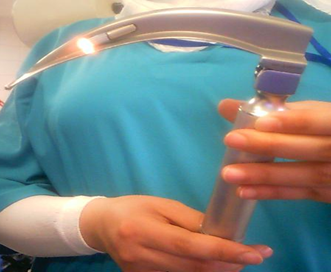
⬅️ أدوات اللاباروسكوبي:
- طاولة المهبل
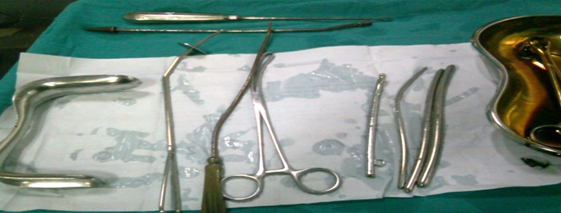
· أدوات الطاولة المهبلية
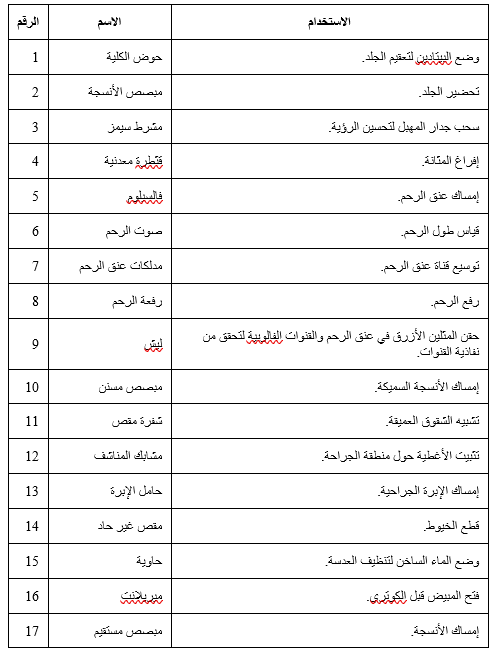
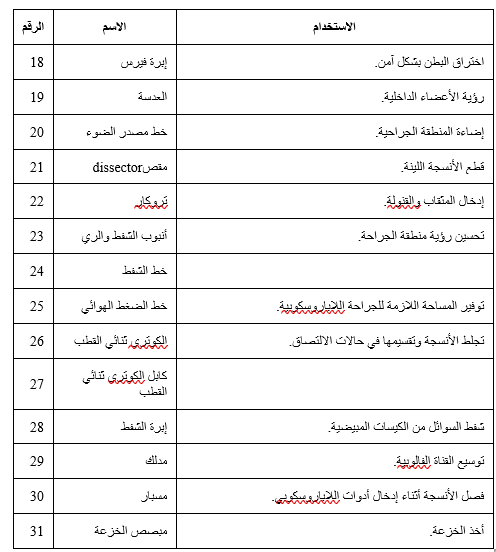
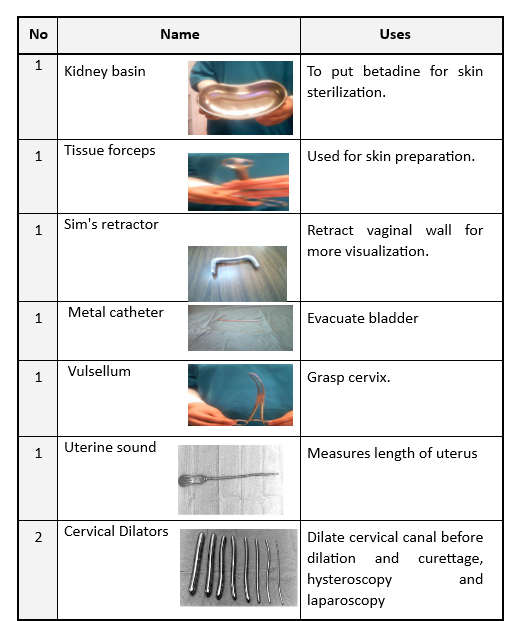
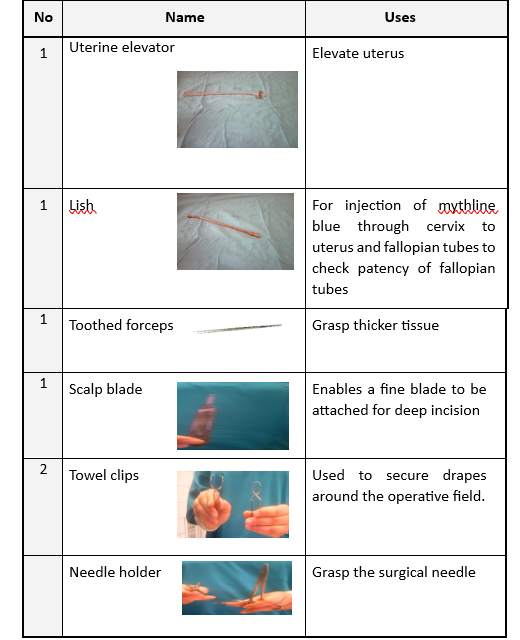
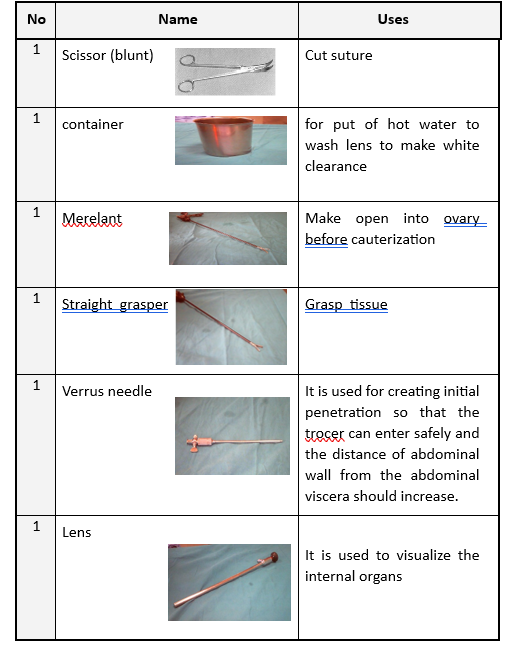
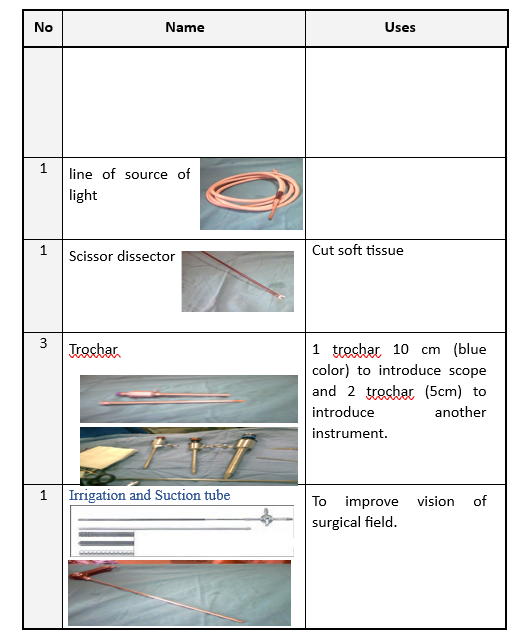
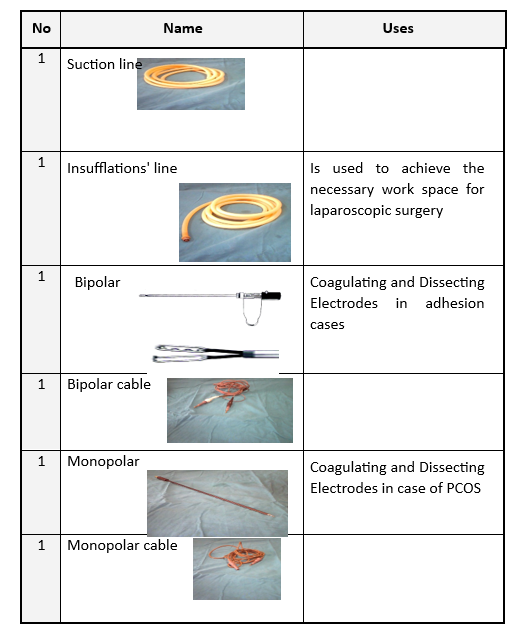
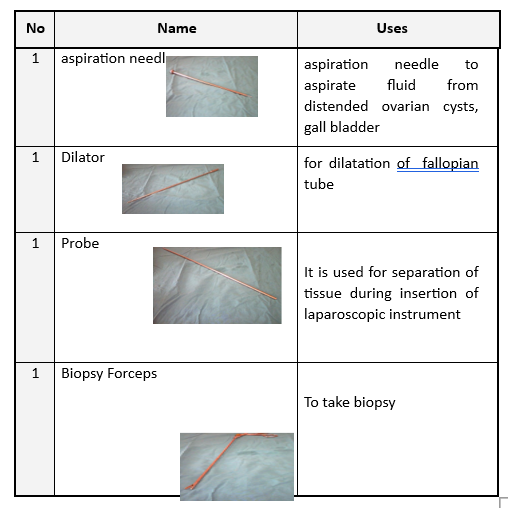
تقنية إجراء اللاباروسكوبي النسائي
1. تعقيم الجلد بالبيتادين في وضعية الليثوتومي.
2. تغطية المنطقة.
3. وضع مشرط سيمز.
4. إفراغ المثانة بالقثطرة المعدنية.
5. إمساك عنق الرحم بالفالسيلوم.
6. قياس طول الرحم بالصوت.
7. توسيع عنق الرحم إذا لزم الأمر.
8. وضع رفعة الرحم وربطها بالفالسيلوم.
9. تغيير القفازات ووضع المريضة في وضعية الاستلقاء.
10. حقن الكايلوكايين وتشق السرة.
11. اختبار الضغط الهوائي وتضخيم الحوض بالغاز ثاني أكسيد الكربون.
12. إدخال المثقاب والقنولة.
13. إدخال المثقاب الثاني والثالث.
14. اختبار المثلين الأزرق والري والشفط.
15. إجراء العملية.
16. فحص النزيف وإزالة الأدوات.
17. غلق الجروح وتنظيفها.
مزايا اللاباروسكوبي النسائي
1. تشخيص سريع للحالات النسائية.
2. تقليل المضاعفات.
3. جروح أصغر.
4. ألم أقل.
5. تعافي سريع.
عيوب اللاباروسكوبي النسائي
1. محدودية حركة الجراح.
2. تعتمد على خبرة الجراح.
3. تكلفة الأدوات.
4. الحاجة إلى تدريب خاص.
5. مضاعفات المحطة.
مضاعفات اللاباروسكوبي النسائي
المضاعفات الصغيرة
1. الغثيان والقيء.
2. عدوى خفيفة.
3. نزيف خفيف.
4. ألم في الصدر والكتف.
5. حروق الجلد.
6. تشكيل cicatrix مؤلم.
المضاعفات الكبيرة
1. إصابة الأوعية الدموية.
2. عدوى شديدة.
3. تضرر الأعضاء.
4. إصابة الأمعاء.
5. انفجار الغازات.
6. مضاعفات التخدير.
7. إصابة الأعصاب.
إدارة التمريض للنساء الخاضعات للاباروسكوبي
الرعاية قبل الجراحة
1. تقييم المريضة.
2. إيقاف الأدوية المضادة للتجلط.
3. تحضير الأمعاء.
4. تحضير المثانة.
5. الاستحمام.
6. تثقيف المريضة.
الحذر عند التعامل مع أدوات اللاباروسكوبي
1. استخدام الأدوات فقط من قبل الممرضات المدربات.
2. التعامل برفق.
3. تجنب التكدس.
4. تنظيف العدسات البصرية.