Ear, Nose, and Throat (ENT) Surgeries
| Site: | EHC | Egyptian Health Council |
| Course: | دلائل الاجراءات التمريضية لقسم العمليات |
| Book: | Ear, Nose, and Throat (ENT) Surgeries |
| Printed by: | Guest user |
| Date: | Sunday, 20 September 2026, 5:06 PM |
Description
"last update: 9 March 2025" تحميل الدليل
- Prepared by
Operation Room guide
Under supervision
- Prof. Dr. Mohamed Latif, CEO of the Egyptian Health Council
Dr. Kawthar Mahmoud, Head of the Egyptian Nursing Syndicate - Member of the Senate
Prepared by
|
Title |
Name |
NO. |
|
Dean Of Faculty Nursing, Professor of Medical and Surgical Nursing, Tanta University |
Dr Afaf Abdel Aziz Abdel Aziz Basal |
1 |
|
Professor Of Critical Care Nursing |
Prof.Dr/Zeinab Hussain Ali |
2 |
|
Professor And Head of the Department of Medical Surgical Nursing. Faculty-. Benha University |
Amal Said Taha Refaie |
3 |
|
Supervisor Of the Education Sector at Port Said University |
Amal Ahmed Khalil Morsy |
4 |
|
Professor Of Medical Surgical Nursing- Faculty of Nursing- Cairo University |
Dr. Hanan Ahmed Al Sebaee |
5 |
|
Head of central administration on secondment at MOHP |
Dr Neveen ab drab al0nabi Mohamed |
6 |
|
Director Of Primary Health Care Nursing Department at MOHP. |
Maysa Hosny Ahmed Tammam |
7 |
|
Supervisor Of Technical Education- EHA |
Nancy Alaa Eldeen Abd-Elbaset Ali |
8 |
|
Supervisor Of Nursing Services Development- EHA |
Sherien Mohamed Saad |
9 |
|
Assistant Professor of Maternity and Neonatal Health Nursing - Faculty of Nursing- Ain Shams University |
Assist.Perof. Dr./Heba Mahmoud Mohammed |
10 |
|
General manager of general administration of health institutes affairs |
Dr Mai Galal Ibrahim Al-Assal |
11 |
|
Participants |
||
|
Head of nursing administration at EHA |
Mr. Adham Abdel Nasser Okasha |
12 |
|
member of the Nursing administration at EHA, luxor branch |
Mr. Gehad Akram Hussein |
13 |
- Ear, Nose, and Throat (ENT) Surgeries
Ear, Nose, and Throat (ENT) Surgeries
Types:
- Tonsillectomy (Removal of the tonsils).
- Adenoidectomy (Removal of the adenoids).
- Insertion of Ear Tubes.
- Tympanoplasty (Eardrum repair).
Tonsils and Adenoids
The tonsils are small, almond-sized tissue masses located on each side at the back of the throat, which you can see. The adenoids are similar tissues located at the back of the nose, which are not visible when looking into the mouth.
Both the tonsils and adenoids help protect the body from germs. However, the body has many other protective mechanisms, so even without the tonsils and adenoids, your child will still be well-protected from infections.
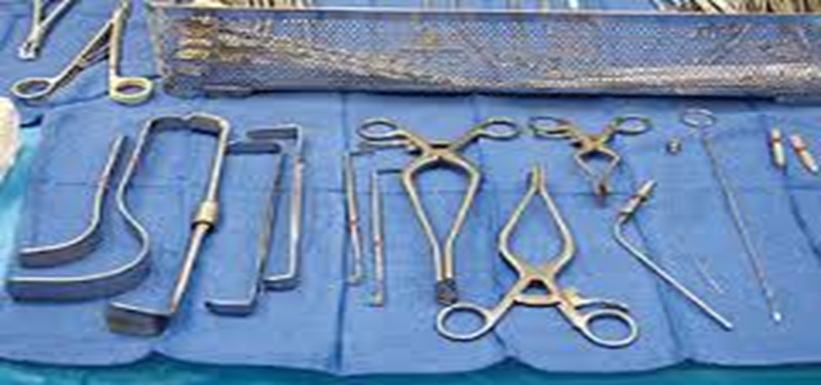
Causes:
- Difficulty breathing and sleeping at night due to enlarged tonsils and adenoids.
- Difficulty swallowing caused by swollen tonsils.
- Recurrent tonsil infections and inflammation.
- Abscess in one or both tonsils.
Ear Tube Surgery
These tubes are placed in the eardrum, connecting the outer ear to the middle ear. Their main function is to ventilate the middle ear when the Eustachian tube (which connects the middle ear to the back of the nose) is not functioning properly.
To protect the ear from water when a tube is in place, a piece of cotton should be placed in the outer ear canal and coated with petroleum jelly or any available hand cream to seal it effectively.
Eardrum Repair (Tympanoplasty)
This surgical procedure is used to repair a hole or tear in the eardrum (tympanic membrane). It can also be performed to repair or replace the three small bones behind the eardrum (ossicles).
The eardrum is a thin membrane between the outer and middle ear that vibrates when sound waves hit it. Infections, injuries, or surgery can damage the eardrum or middle ear bones, which may lead to hearing loss and an increased risk of ear infections.
Types of Eardrum Repair Surgery:
1. Eardrum Patch (Myringoplasty)
If the hole or tear in the eardrum is small, the doctor may attempt to patch it with gel or tissue paper-like material. This procedure takes approximately 10 to 30 minutes.
Important Note:
- The surgeon may use a laser to carefully remove excess tissue or scar tissue accumulated in the middle ear.
- A small tissue graft from a vein or muscle sheath may be used to cover the hole in the eardrum.
- The surgeon may either repair the eardrum through the ear canal or make a small incision behind the ear to access the eardrum.
- This procedure typically takes 2 to 3 hours.
2. Ossicular Chain Reconstruction
If the three small bones in the middle ear are damaged due to ear infections or trauma, the surgeon will also perform reconstruction to restore their function.