Organ Transplantation
| Site: | EHC | Egyptian Health Council |
| Course: | دلائل الاجراءات التمريضية لقسم العمليات |
| Book: | Organ Transplantation |
| Printed by: | Guest user |
| Date: | Sunday, 20 September 2026, 5:06 PM |
Description
"last update: 9 March 2025" تحميل الدليل
- Prepared by
Operation Room guide
Under supervision
- Prof. Dr. Mohamed Latif, CEO of the Egyptian Health Council
Dr. Kawthar Mahmoud, Head of the Egyptian Nursing Syndicate - Member of the Senate
Prepared by
|
Title |
Name |
NO. |
|
Dean Of Faculty Nursing, Professor of Medical and Surgical Nursing, Tanta University |
Dr Afaf Abdel Aziz Abdel Aziz Basal |
1 |
|
Professor Of Critical Care Nursing |
Prof.Dr/Zeinab Hussain Ali |
2 |
|
Professor And Head of the Department of Medical Surgical Nursing. Faculty-. Benha University |
Amal Said Taha Refaie |
3 |
|
Supervisor Of the Education Sector at Port Said University |
Amal Ahmed Khalil Morsy |
4 |
|
Professor Of Medical Surgical Nursing- Faculty of Nursing- Cairo University |
Dr. Hanan Ahmed Al Sebaee |
5 |
|
Head of central administration on secondment at MOHP |
Dr Neveen ab drab al0nabi Mohamed |
6 |
|
Director Of Primary Health Care Nursing Department at MOHP. |
Maysa Hosny Ahmed Tammam |
7 |
|
Supervisor Of Technical Education- EHA |
Nancy Alaa Eldeen Abd-Elbaset Ali |
8 |
|
Supervisor Of Nursing Services Development- EHA |
Sherien Mohamed Saad |
9 |
|
Assistant Professor of Maternity and Neonatal Health Nursing - Faculty of Nursing- Ain Shams University |
Assist.Perof. Dr./Heba Mahmoud Mohammed |
10 |
|
General manager of general administration of health institutes affairs |
Dr Mai Galal Ibrahim Al-Assal |
11 |
|
Participants |
||
|
Head of nursing administration at EHA |
Mr. Adham Abdel Nasser Okasha |
12 |
|
member of the Nursing administration at EHA, luxor branch |
Mr. Gehad Akram Hussein |
13 |
- Organ Transplantation
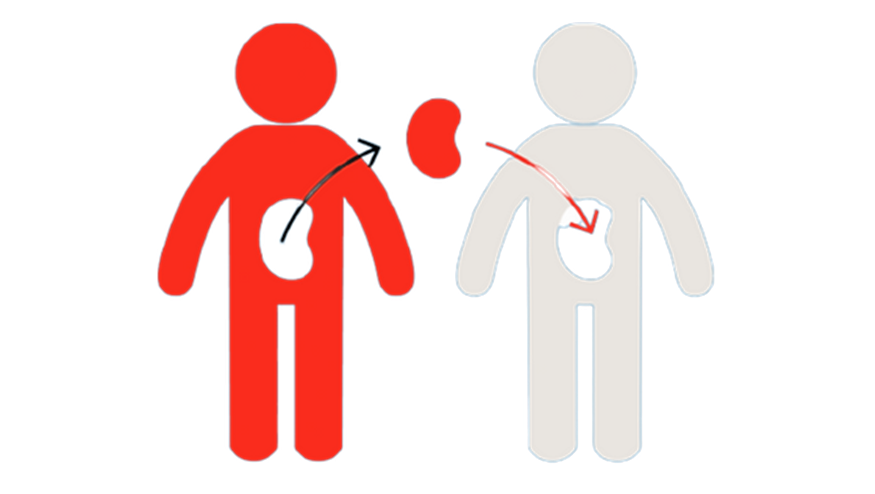
Organ transplantation includes the transplantation of the kidney, pancreas, liver, heart, lungs, intestines, face, and hands. In some cases, dual transplants are performed, such as a kidney-pancreas transplant or a heart-lung transplant.
- Kidney transplantation is the most common type of organ transplant.
- Intestinal transplantation is the least common.
- Requirements for Organ Transplant
Kidney Transplantation Centers:
- Must have a highly qualified team of physicians assisted by a well-trained nursing staff.
- Must be equipped with at least three dialysis machines.
- Must have basic urological endoscopy capabilities, including:
- Bladder endoscopy
- Stent removal
- Kidney tube placement
- Ureteroscopy when needed
Liver, Pancreas, and Intestinal Transplantation Centers:
- Must have an advanced gastrointestinal endoscopy unit, including:
- Upper and lower GI endoscopy
- Varices treatment via endoscopy
- Diagnostic, interventional, and therapeutic ERCP (Endoscopic Retrograde Cholangiopancreatography)
Special Conditions:
- Intestinal transplant centers can only be established in licensed liver transplant centers.
- Pancreas transplant centers can only be established in licensed liver or kidney transplant centers.
- Nursing Care Procedures for Post-Transplant Patients
Nursing care for organ transplant patients requires careful planning and continuous monitoring to ensure transplant success and prevent complications. Below are the key nursing procedures:
1. Comprehensive Patient Assessment
- Review medical history and previous surgeries.
- Conduct clinical and laboratory tests.
- Assess psychological condition and social support system.
2. Health Education
- Explain the transplant procedure and what to expect postoperatively.
- Educate the patient on the importance of immunosuppressive medications and how to take them properly.
3. Preoperative Care
- Ensure all preoperative preparations are completed, including fasting and final medical tests.
- Monitor vital signs to confirm the patient’s stability before surgery.
4. Postoperative Care
- Monitor vital signs regularly.
- Inspect the surgical site for signs of infection.
- Observe for organ rejection symptoms, such as fever, pain, or unusual discomfort.
5. Medication Management
- Ensure strict adherence to immunosuppressive therapy and educate the patient about potential side effects.
- Monitor blood drug levels when necessary.
6. Psychological and Social Support
- Provide emotional support to the patient and family.
- Help them manage stress and psychological challenges related to the transplant.
7. Continuous Follow-Up
- Schedule regular check-ups with transplant specialists.
- Perform routine tests to detect early signs of complications.
Each patient requires individualized care, making close collaboration with the medical team essential for optimal outcomes.