الارشادي لنظافة غرفه العمليات
| الموقع: | EHC | Egyptian Health Council |
| المقرر الدراسي: | دلائل الاجراءات التمريضية لقسم العمليات |
| كتاب: | الارشادي لنظافة غرفه العمليات |
| طبع بواسطة: | Guest user |
| التاريخ: | الأحد، 20 سبتمبر 2026، 5:06 PM |
الوصف
"last update: 9 March 2025" تحميل الدليل
- اعداد
دليل العمليات
تحت اشراف
- أ.د/ محمد لطيف الرئيس التنفيذي للمجلس الصحي المصري - د/ كوثر محمود نقيب عام التمريض المصري – عضو مجلس الشيوخ
اعداد
م | الاسم | الوظيفة |
1 | أ.د /امل احمد خليل مرسي | نائب رئيس الجامعة لشئون التعليم والطلاب – جامعة بورسعيد |
2 | أ.د / عفاف عبد العزيز عبد العزيز بصل | عميد كلية التمريض –استاذ تمريض باطنه وجراحي جامعة طنطا |
3 | أ.د/ زينب حسين على محمد سعد | وكيل الكلية لشئون البيئة وخدمة المجتمع – كلية التمريض – جامعه حلوان |
4 | أ.د/ امل سعيد طه رفاعي | أستاذ ورئيس قسم التمريض الباطني الجراحي – جامعة بنها |
5 | أ.د/ حنان احمد السباعي على | استاذ التمريض التمريض الباطني الجراحي- كلية التمريض – جامعة القاهرة |
6 | د /نيفين عبدربه النبي محمد عبد النبي | رئيس الإدارة المركزية ندباَ –وزاره الصحة |
7 | د /مايسة حسني احمد تمام | مدير عام للإدارة ندباَ – وزاره الصحة |
8 | د /نانسي علاء الدين عبد الباسط على | المشرف على التعليم الفني- الهيئة العامة للرعاية الصحية |
9 | د/ شيرين محمد محمد سعدالدين | المشرف على تطوير الخدمات التمريضية –الهيئة العامة للرعاية الصحية |
10 | د/ مى محمود العسال | مدير عام الإدارة العامة لشئون المعاهد الفنية الصحية |
11 | أ.م.د/ هبة محمود محمد | أستاذ مساعد تمريض صحة الام وحديثي الولادة –كلية التمريض - جامعة عين شمس |
المشاركين | ||
12 | /أأدهم عبد الناصر عكاشة | عضو إدارة التمريض بالهيئة العامة للرعاية الصحية |
13 | /أجهاد أكرم حسين | عضو إدارة التمريض بالهيئة العامة للرعاية الصحية فرع الأقصر |
- التنظيف اليومى لغرفة العمليات
الأدوات اللازمة :
- فوط نظيف.
- فرش نظيف .
- موب وجردلين ، واحد به مياه وصابون والثانى به مياه للشطف .
- جردل به ماء ومحلول مطهر.
الإجراء :
1. يقوم العامل يوميا صباحا بتنظيف الحوائط وترابيزة العمليات والأرض وحوض التعقيم بإستخدام الماء والصابون وفوطة نظيفة وجافة ويقوم بغسلها وتجفيفها والحفاظ عليها فى المخزن الخاص بأدوات النظافة ويقم بالتخلص من الماء الناتج عن عملية التنظيف .
2. يقوم العامل بتنظيف برطمات الشفط والكشافات وضغاطات البيتادين بالماء والصابون ثم تطهيرها بالكلور بتركيز 5000جزء فى المليون.
3. يقوم العامل بين الحالة والأخرى بإخراج النفايات من غرفة العمليات بعد ربطها وكتابة رقم الغرفة عليها
4. يقوم العامل بتنظيف ترابيزة العمليات وتطهيرها بإستخدام كلور مخفف بنسبة 5000جزء فى المليون .
5. يقوم التمريض المناول بتنظيف وتطهير ترابيزة الالات وجهاز التخدير قبل وبعد الإجراء الجراحى بإستخدام كلور مخفف بنسبة 5... جزء فى المليون.
6. العامل يقوم فى حالة الإنسكابات الدموية بإتباع تعليمات الإنسكابات الدموية كما هو مبين فى السياسة الخاصة بالإنسكابات الدموية.
7. يقوم العاملين بجناح العمليات بعمل جرد اسبوعى لجناح العمليات بالكامل يشمل الحوائط والأسطح والأرضيات .
- التنظيف الإسبوعى لغرفة العمليات
الأدوات اللازمة:
· فوط نظيفة.
· فرشاه حادة .
· موب وجردلين ، واحد به مياه دافئة ومطهر والثانى للشطف .
· جردل به مياه ومطهر .
(هذا الإجراء يستحسن أن يقوم به شخصين.)
الإجراء :
1. نظف الاثاث جيداً بما فى ذلك الاشياء المثبته فى الحائط أو السقف . (لعدم لمس خارج القفاز المتسخ باليد)
2- ضع الاثاث فى وسط الغرفة .
3- نظف الحائط مبتدأ من المدخل بجانب الباب ، إبدأ من أعلى متجهاً إلى أسفل نظف بحركة دائرية ، نظف الأبواب والشبابيك . (لعدم لمس خارج القفاز المتسخ باليد)
4- ضع الأثاث فى جانب الغرفة بجوار الباب.
5- نظف نصف الأرضية ثم أشطفها وجففها.
6- ضع كمية من الماء ومحلول مطهر على الأرض بين المكان النظيف والمكان الذى لم ينظف بعد ومر الأثاث فوق المحلول المطهر .
7- نظف النصف الثانى من الغرفة بنفس الطريقة.
8- نظف جميع الأدوات التى استعملت فى التنظيف. (لا يجب إستعمال أدوات غير نظيفة)
- إزالة مخلفات العمليات بعد الإنتهاء من الحالة
الأدوات المستخدمة :
· كيس خاص بالملايات فى العمليات قبل بداية العملية
الخطوات المتبعة :
1. إزالة الملايات المستخدمة بعد الجراحة .
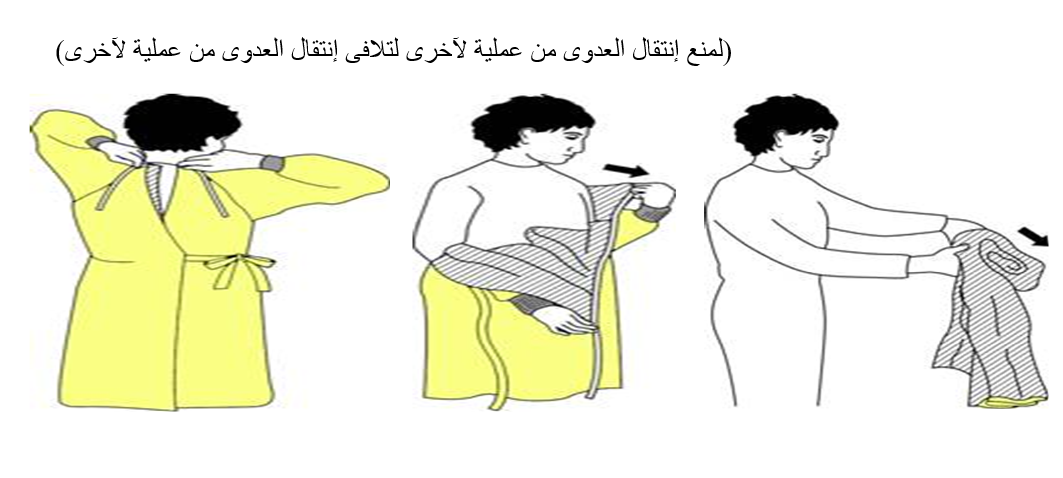
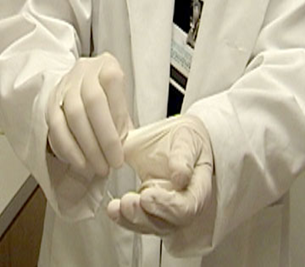
2. بمجرد إنتهاء العملية التمريض المعقم أو الجراح سوف يزيل الأغطية من على المريض مثل أن ينزع عن نفسه الجاون والجوانتى .
3. سوف يتأكد من فك الإسورة المعدنية فى يد المريض .
4. للتأكد من ضياع هذه المشابك المعدنية وذلك لتسهيل عمل المغسلة
5. يتأكد من إزالة المشابك المعدنية المثبتة على الأغطية المعقمة التى على المريض.
6. يتأكد من إزالة كل المشارط المستخدمة من على المريض.
7. يجب إزالة الجاون يلف من الناحية الملوثة إلى الناحية المقابلة لوضعه فى الكيس الخاص به .
8. كل الأشياء المستخدمة والملايات والأدوات والآلات والإناء والجهاز المستخدم لتعليق المحاليل يجب إزالته وتنظيفه وإعادته على الوضع الصحيح.
9. بعد إزالة كل الملايات من على المريض توضع فى الحقيبة الخاصة بعد ذلك يطوى الكيس أو الحقيبة وتزال كل الأشياء الغير نظيفة لتكون جاهزة لرجوعها إلى المغسلة.
(للحماية والوقاية من إنتقال العدوى والميكروبات من حالة إلى حالة أخرى)
10. لا يتم إزالة أى ملايات من غرفة العمليات قبل إنتهاء العملية .
11. إذا إستخدم إناء بلاستيك أو معدنى لوضع الملايات والأشياء المستعملة يجب عليها غسلها بالمنظفات قبل إستخدامها.
(وذلك لتلافى العدوى والميكروبات وإنتقالها من عملية لعملية أخرى أو من مريض لآخر)
12. يستخدم وعاء أزرق خاص بالملايات لكل عملية كيس بلاستيك نظيف يستخدم لكل عملية واحد نظيف