Biosecurity in Poultry Farms
| Site: | EHC | Egyptian Health Council |
| Course: | Vet. Public Health and Preventative Medicine Guidelines |
| Book: | Biosecurity in Poultry Farms |
| Printed by: | Guest user |
| Date: | Sunday, 20 September 2026, 5:51 PM |
Description
"last update: 11 March 2026" Download Guideline
Table of contents
- - Acknowledgement
- - Scope
- - Introduction
- - Purpose
- - Objectives
- - Major sources for disease and pathogen transmission
- - Biosecurity approaches
- - Levels of biosecurity
- - Zones on Farm
- - Maximum Security Practices
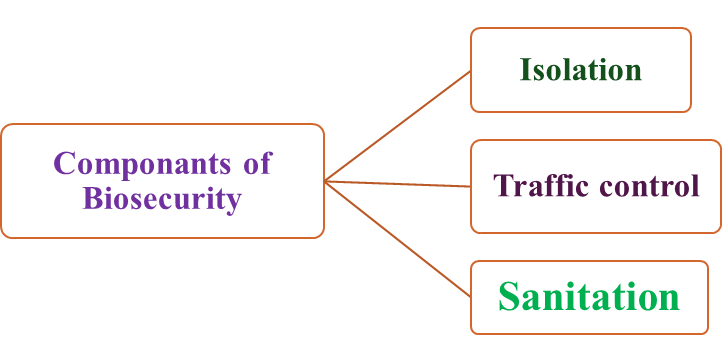
- - Management factors in disease prevention (Componants of biosecurity)
- 1- Isolation
- II- Traffic control
- III- Sanitation
- - Cleaning
- - Disinfection
- - How do I choose a disinfectant?
- - The main types of disinfectants that can be used
- - How susceptible are the microorganisms to various disinfectants
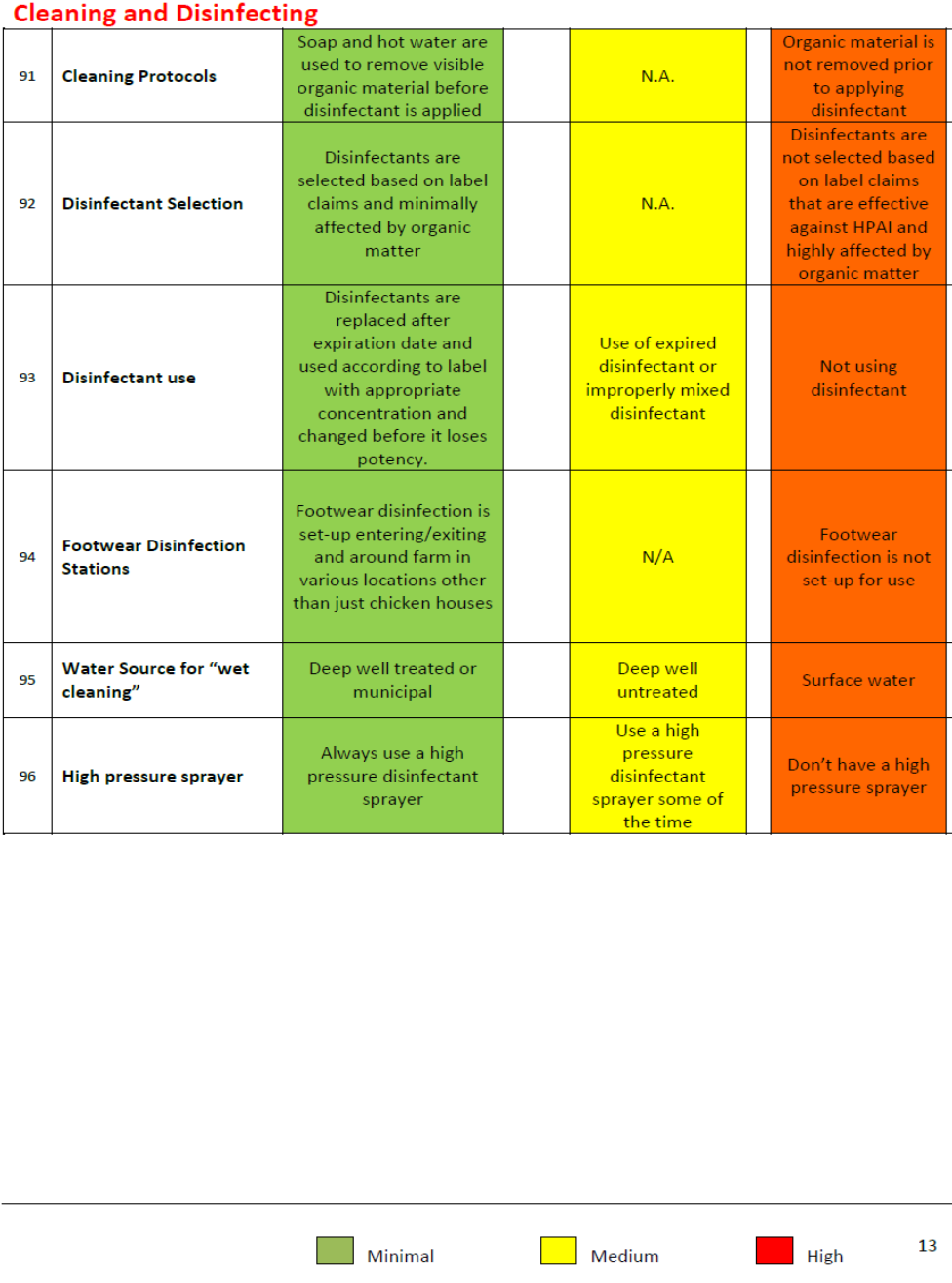
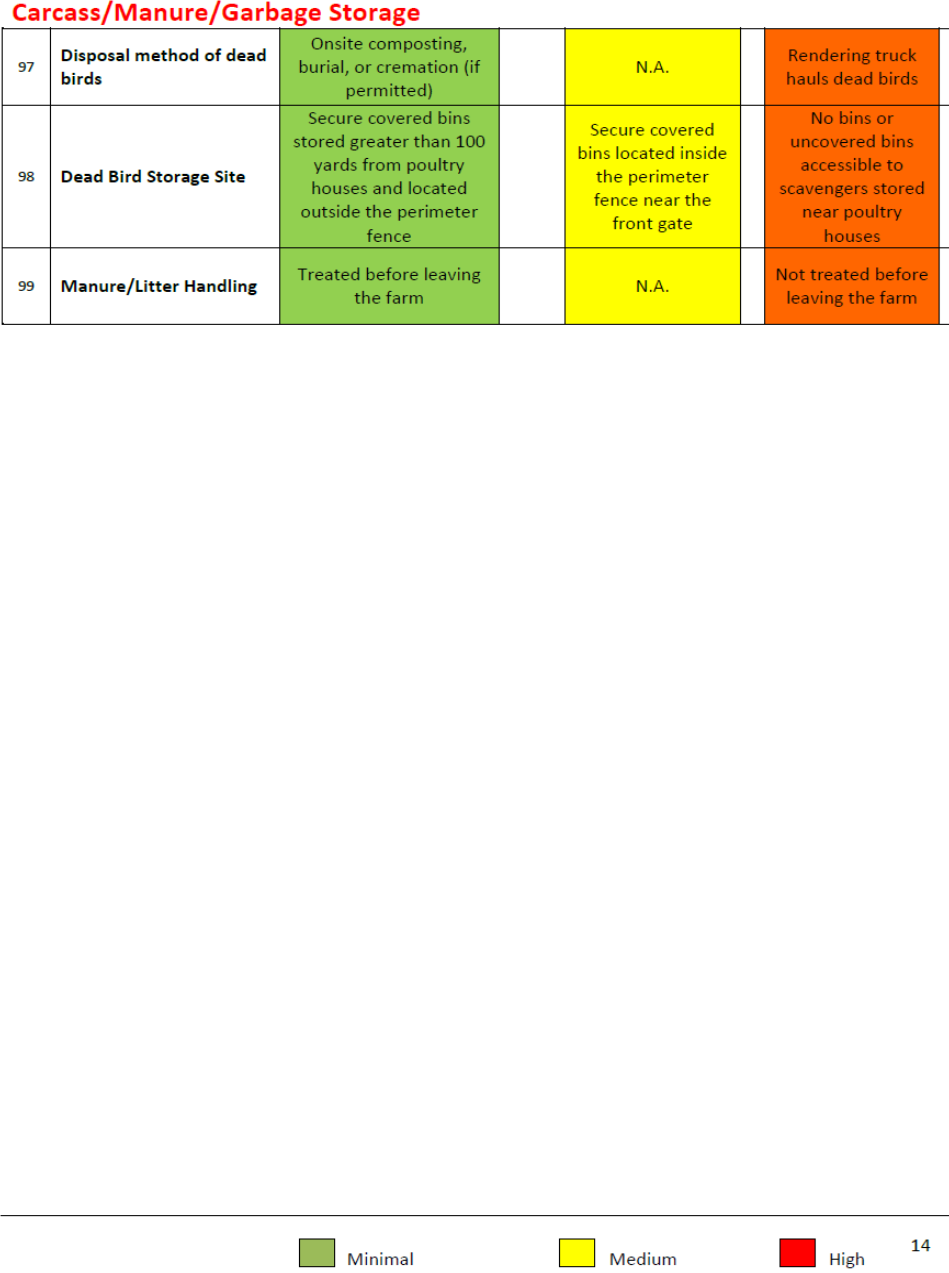
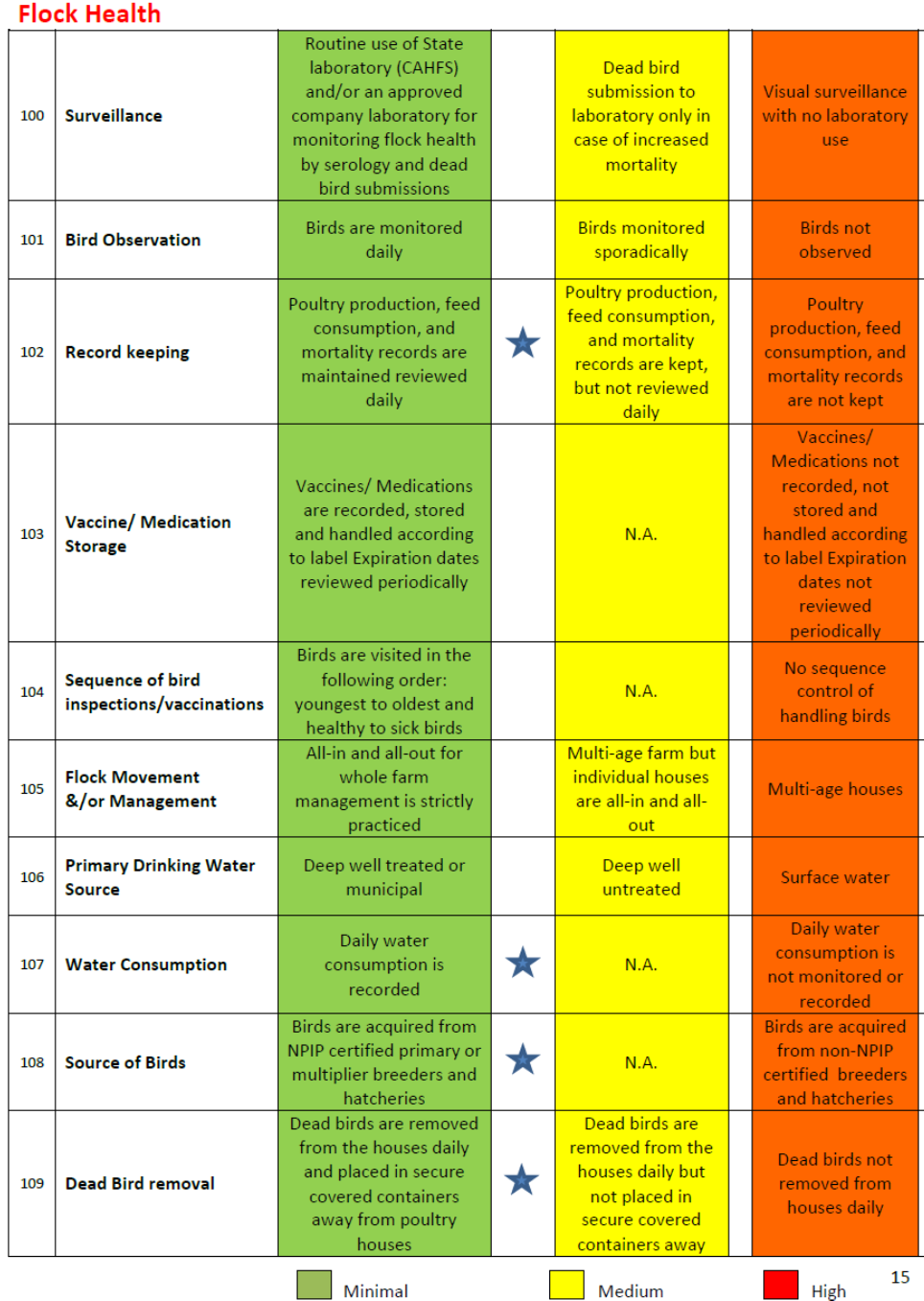
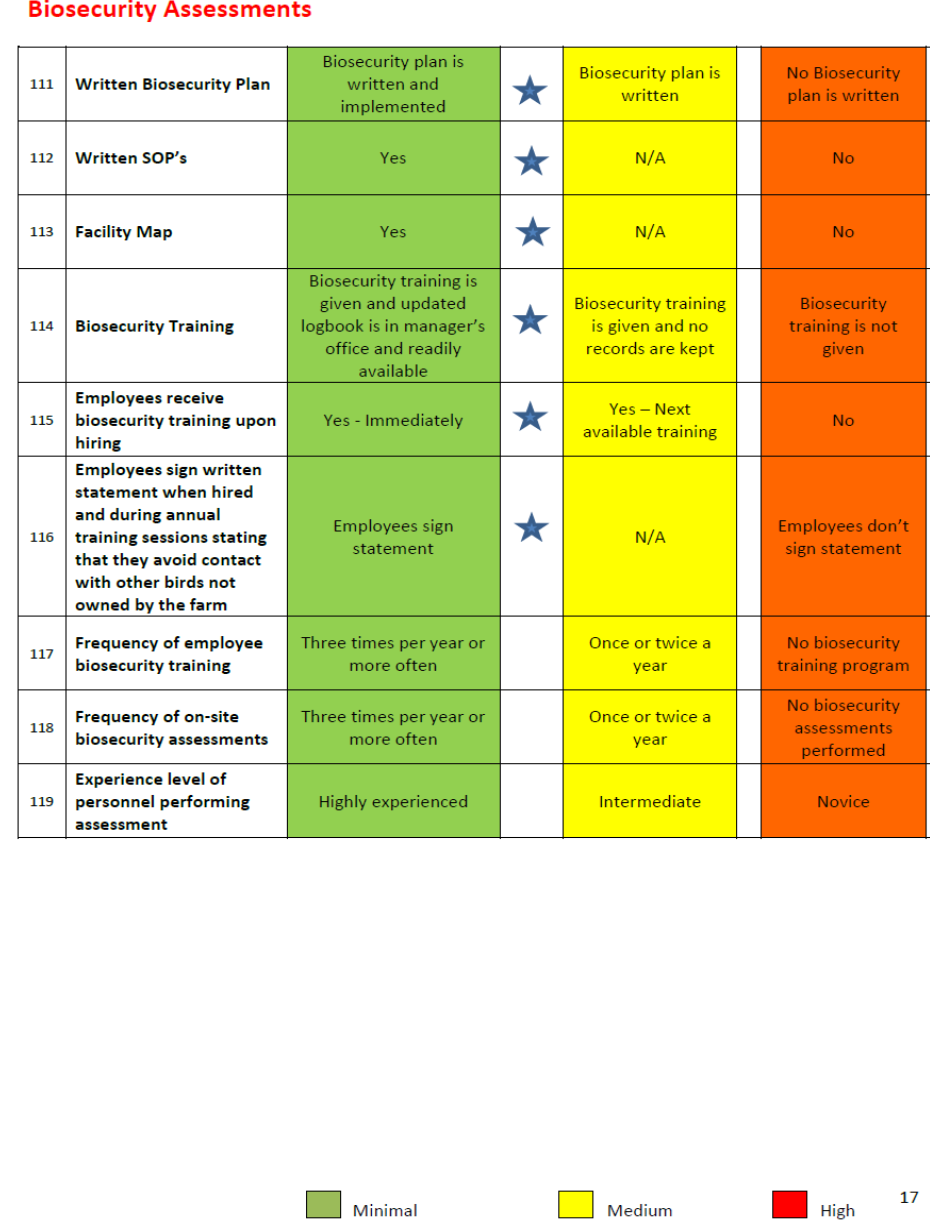
- - Disinfectant selection table
- - Appendix
- - References
- Acknowledgement
We would like to acknowledge the committee of the National Egyptian Guidelines for Veterinary Medical Interventions, Egyptian Health Council for adapting this guideline.
Executive Chief of the Egyptian Health Council: Prof. Mohamed Mustafa Lotief.
Head of the Committee: Prof. Ahmed M Byomi
The rapporteur of the Committee: Prof. Mohamed Mohamedy Ghanem.
Scientific Group Members: Prof. Nabil Yassien, Prof. Ashraf Aldesoky Shamaa, Prof. Amany Abbas, Prof. Dalia Mansour, Dr Essam Sobhy Dr Mohamed Elsharkawy, Prof. Dr Gamal A. Sosa., Dr Naglaa Radwan, Dr Hend El Sheikh
Editor/Author: Prof. Usama M. K. Zahran and Prof. Ahmed M. Byomi
- Scope
Over the last few decades the poultry industry – supported by technological advances in genetic selection, feed quality, growing methods, processing and marketing – has outstripped all other agricultural commodities in both, developed and developing countries. This is mainly due to poultry being the most efficient protein-producing (meat and eggs) domestic species with the lowest feed conversion ratio. The majority of the small-scale broiler farms and all most backyards were far from the implementation of biosecurity measures. Biosecurity situation needs a combined effort from stakeholders, poultry keepers in (backyard) to improve biosecurity level for these sectors. Biosecurity implementation requires experience throughout awareness, training, known the resources of higher risk and loss of profit
- Introduction
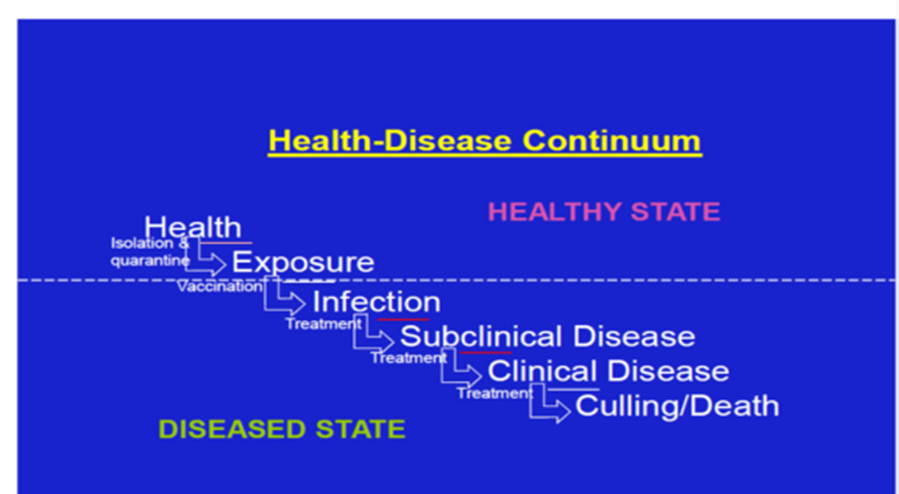
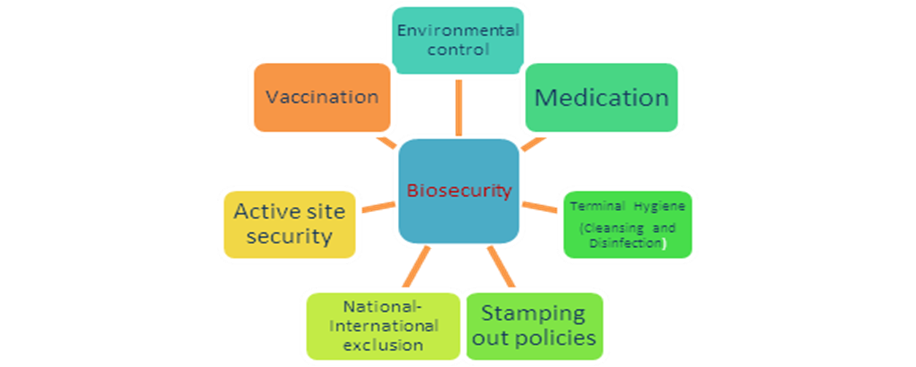
Poultry sectors in Egypt characterized by a huge diversity of production with different scales, bird species, biosecurity measures, production inputs, and outputs. Recently, the commercial poultry sector has encountered considerable and multiple challenges. However, the continuous threats of infectious diseases severely affecting poultry, including Newcastle Disease Virus (NDV), Hyper Virulent Gumboro Disease (IBDV) or Mycoplasma, and in some cases diseases that affect humans, such as H5N1 Avian Influenza (HPAI), Campylobacter or Salmonella, pose a significant economic threat to the industry. Preventing and controlling the incursion of such diseases into poultry farms or the spread of diseases between farms requires the implementation of measures, such as biosecurity, vaccination and preventative medication.
The term “biosecurity” refers to a set of management and physical measures designed to reduce the risk of introduction, establishment and spread of animal diseases, infections or infestations to, from and within an animal population. Biosecurity is the cheapest, most effective means of disease control available. No disease prevention program will work without it.
- Purpose
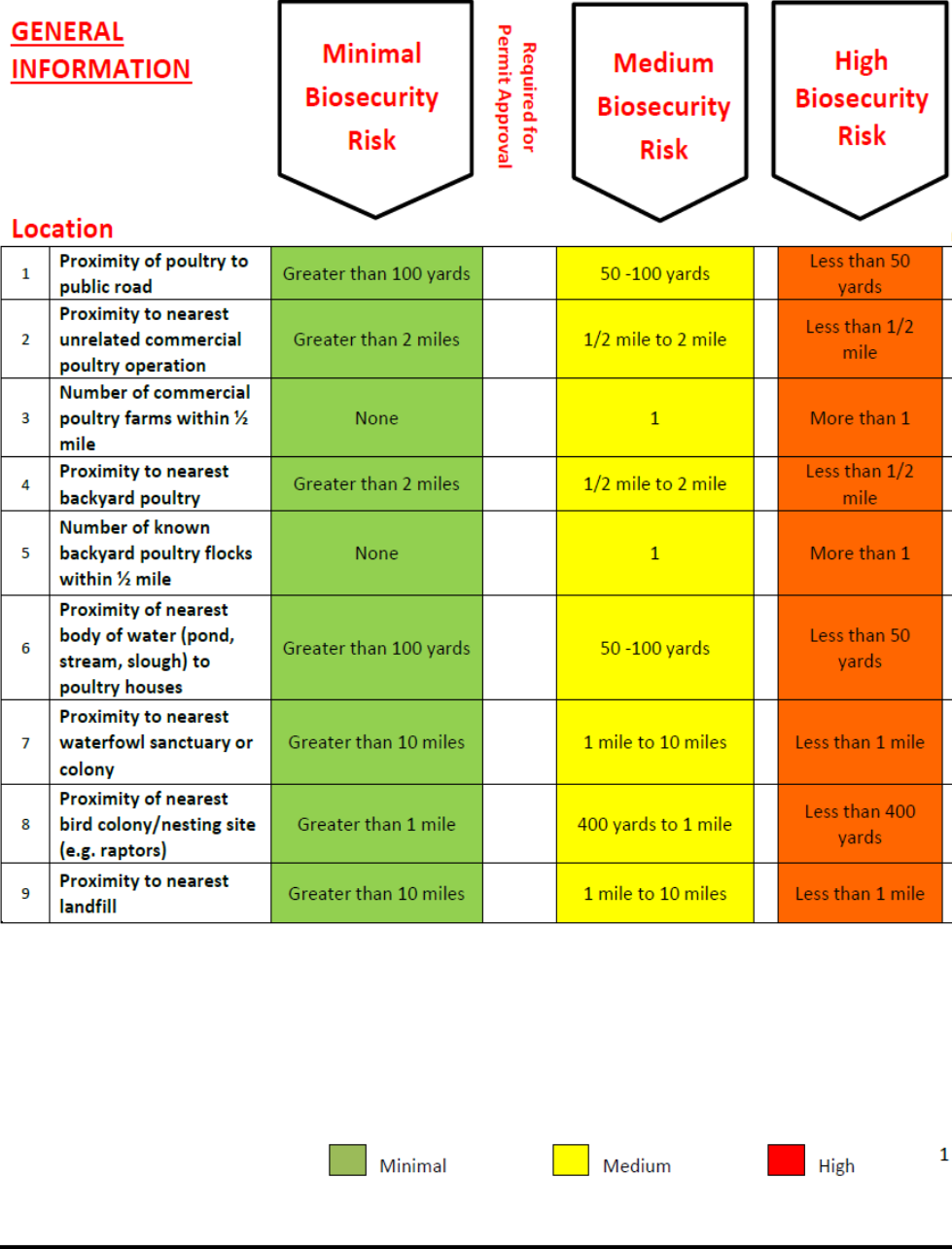
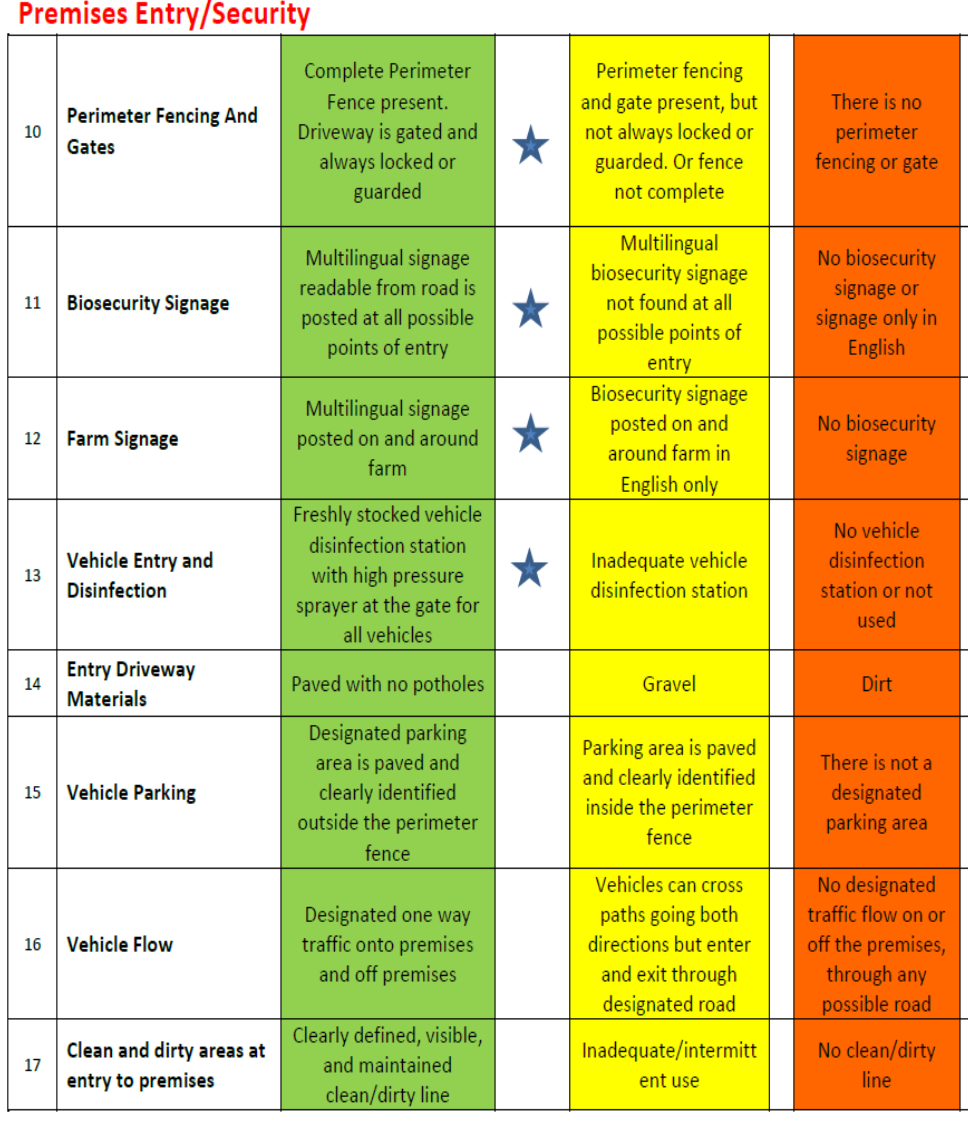
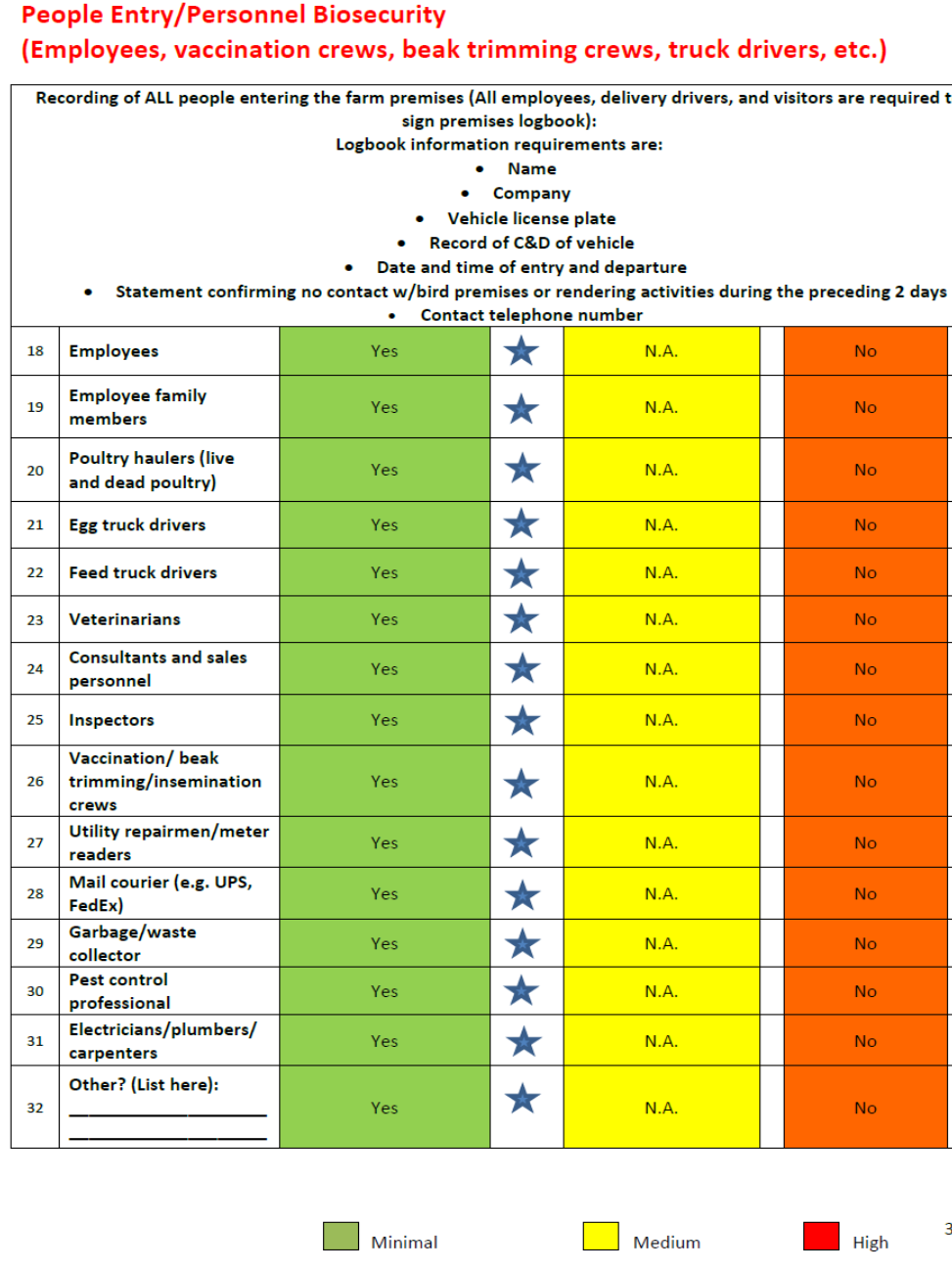
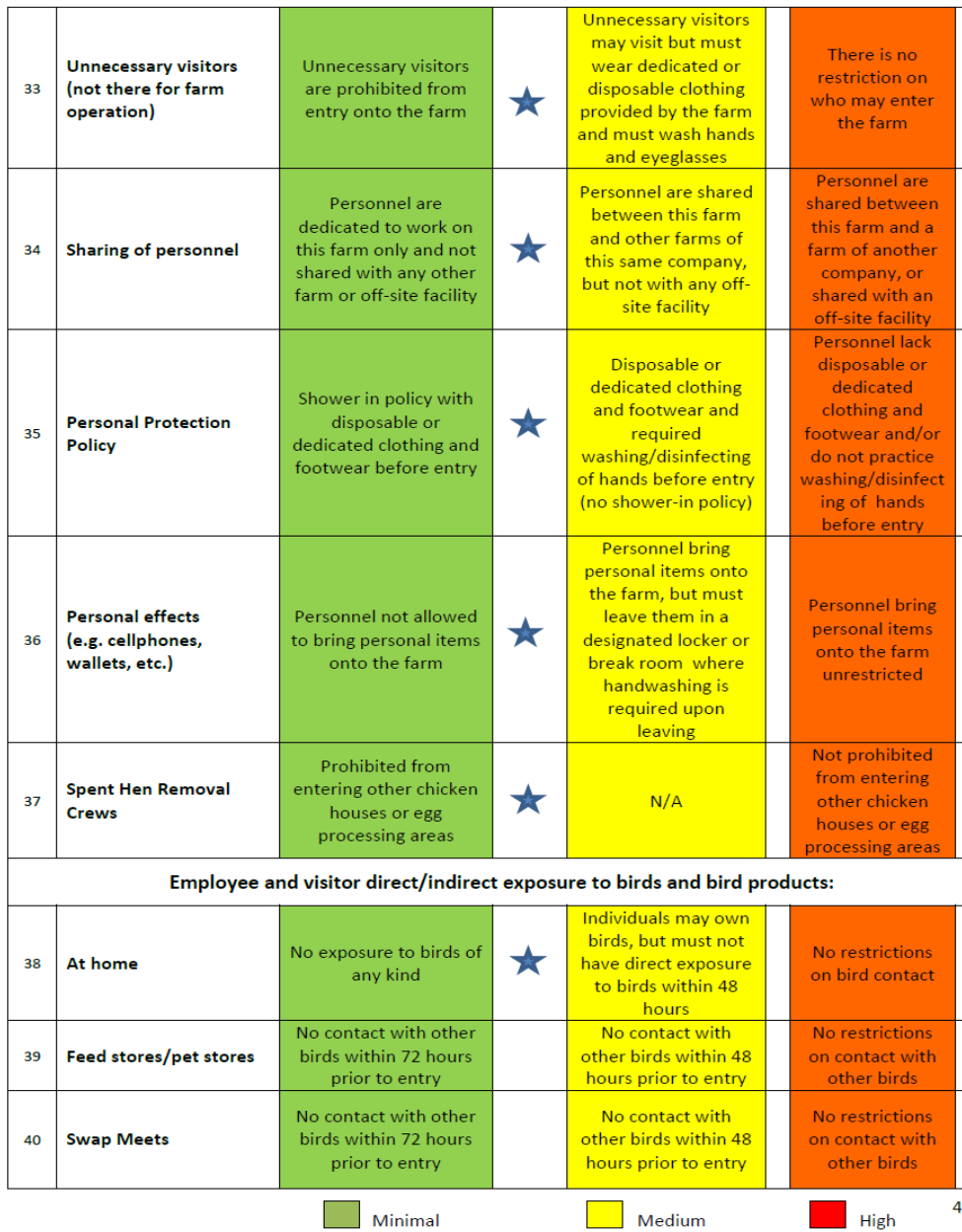
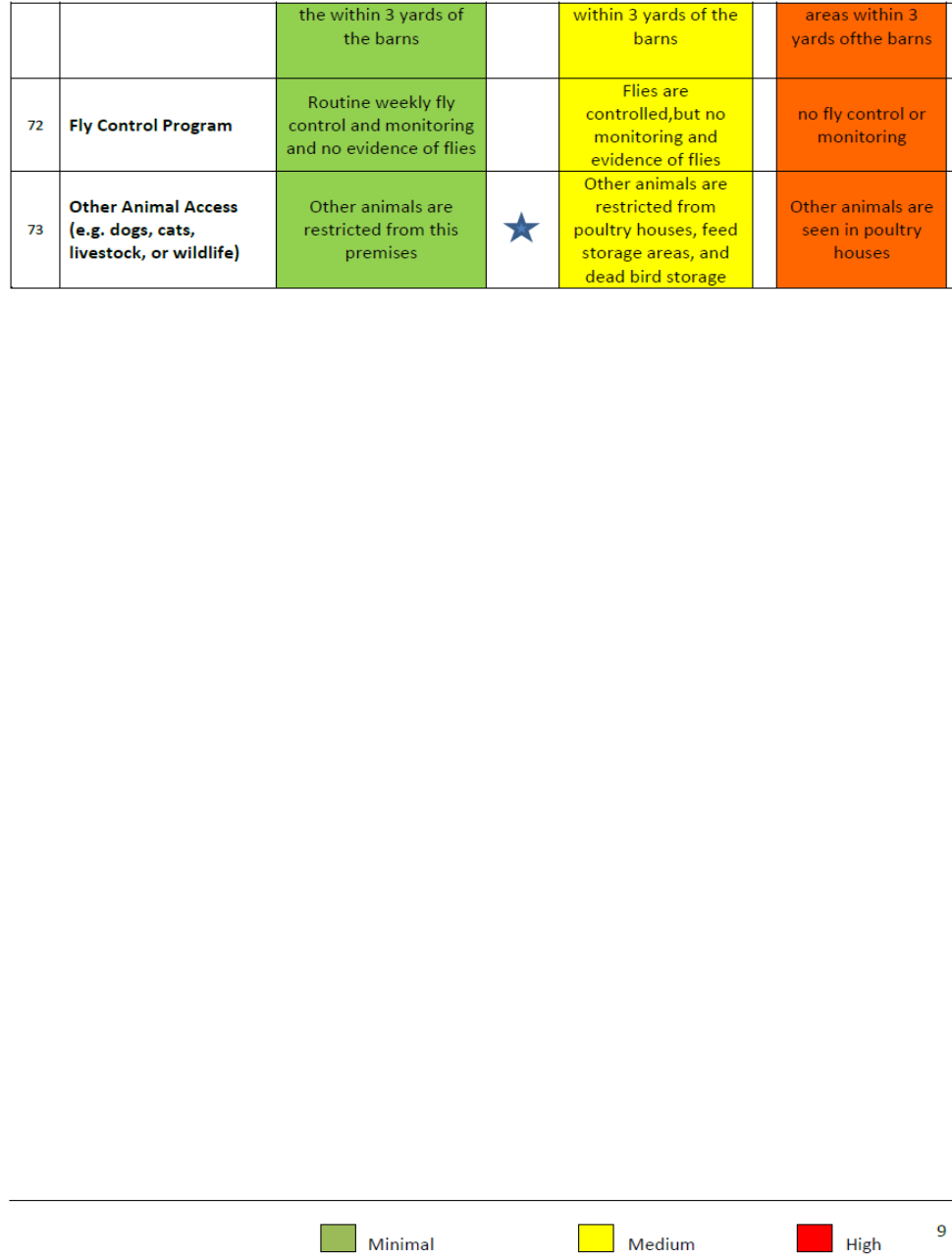
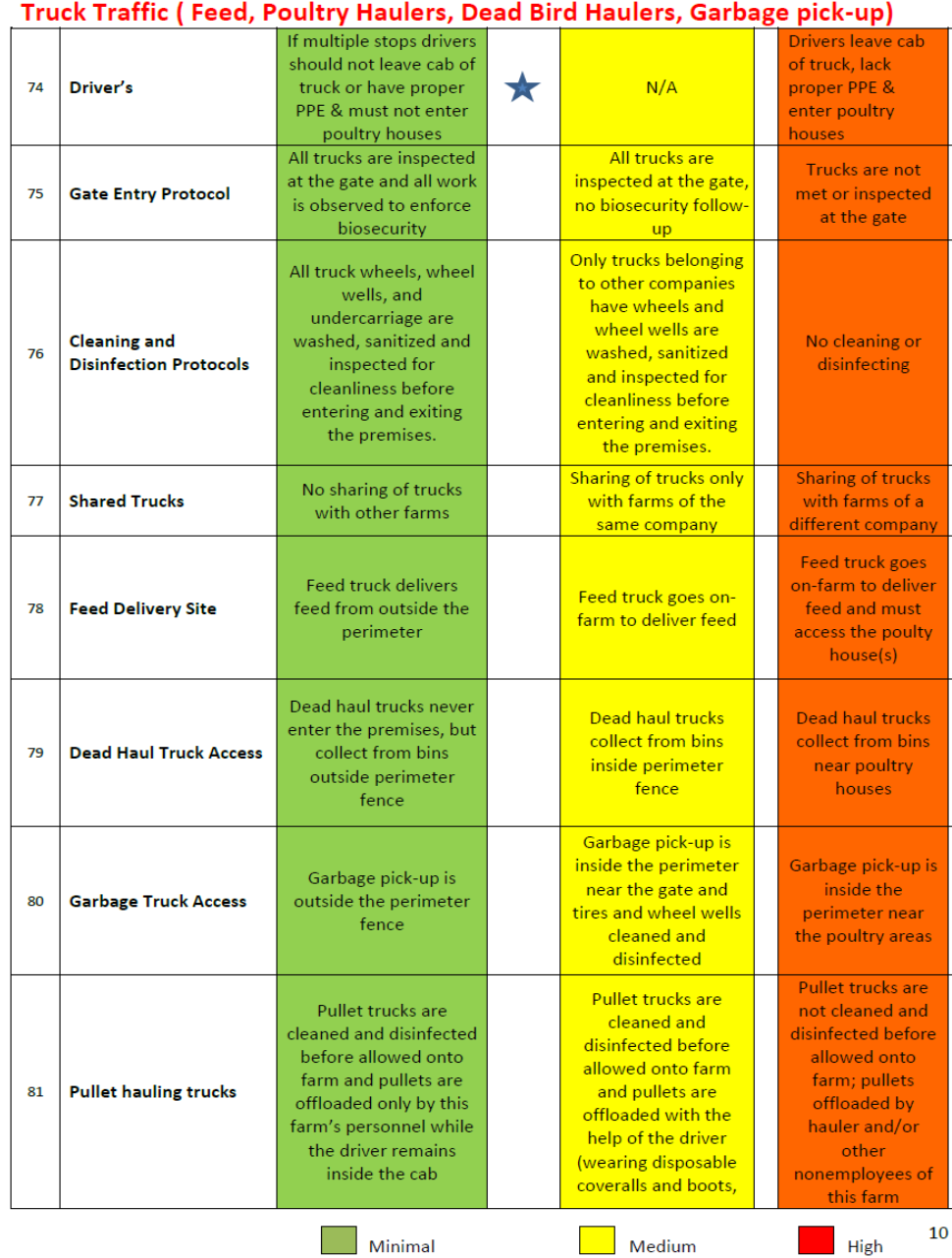
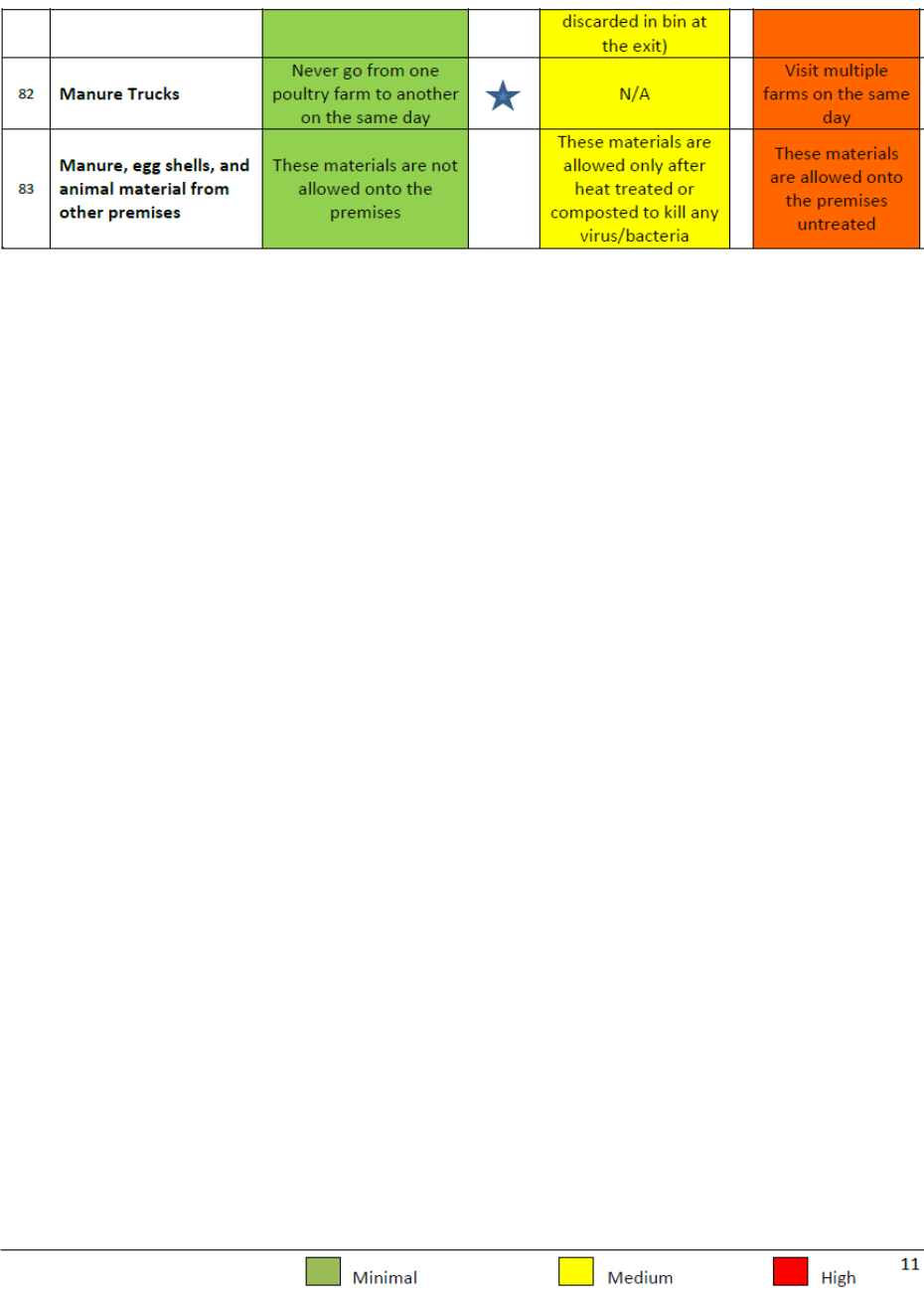
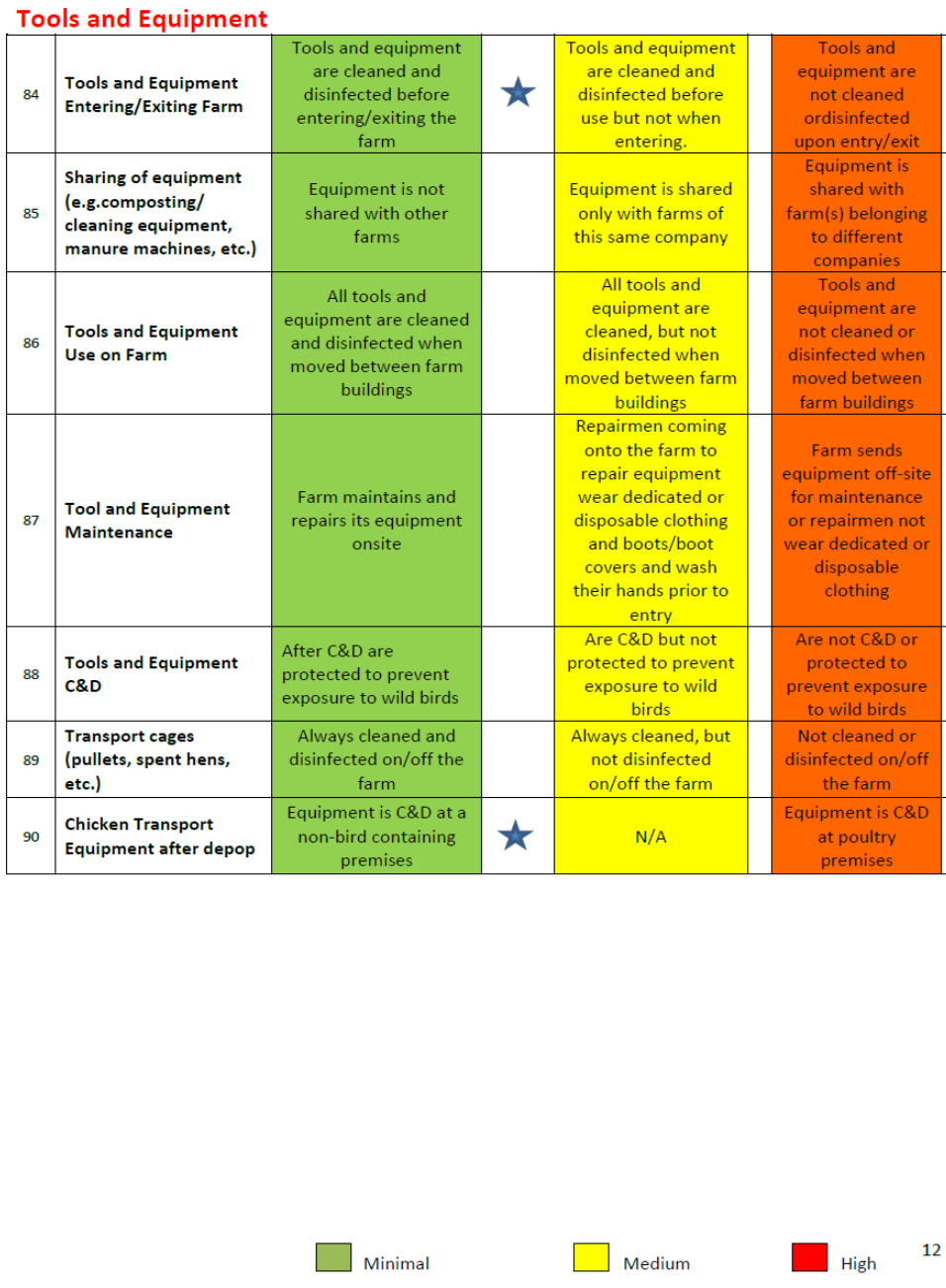
This Guide allows the producer or farm manager the opportunity to assess their current level of on-farm biosecurity. Their answers will provide them with an idea of where there are areas of weakness that require attention or practices that fall below current industry standards. They should develop a plan to address those specific areas that need improvement.
- Objectives
1- To prevent the introduction of infectious disease agents to poultry farms.
2- To prevent the spread of disease agents from an infected area to an uninfected area.
3- To minimize the incidence and spread of microorganisms of public health significance.
It is essential that a risk assessment be conducted for each enterprise to establish what level of risk exists in each phase of its operations and to identify and implement control measures appropriate to these levels of risk.
- Major sources for disease and pathogen transmission
1. Poultry: Transfer of birds from production area to production area
• Dead bird disposal
2. Other animals
• Wild birds
• Feral and domestic animals, including other livestock and pets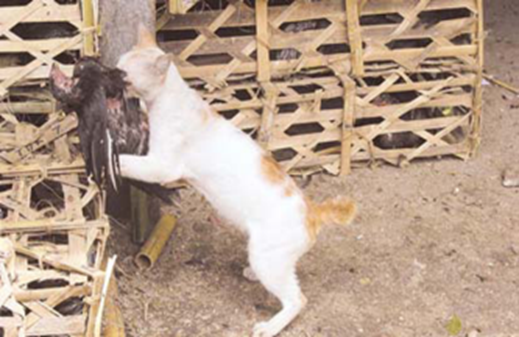
• Insects
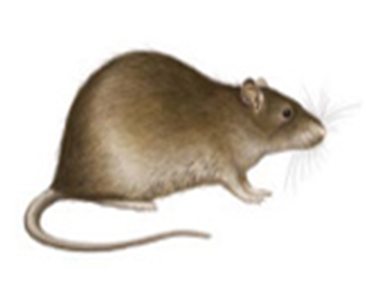
• Rodents—rats/mice
• Domestic birds
3. People:
• Farm personnel and family members living on site
• Contractors, maintenance personnel, neighbours, serviceperson, visitors
• Disease can be transmitted by, for example, hands, boots, clothing, and dirty hair
4. Equipment
5. Contaminated premises through soil or old litter
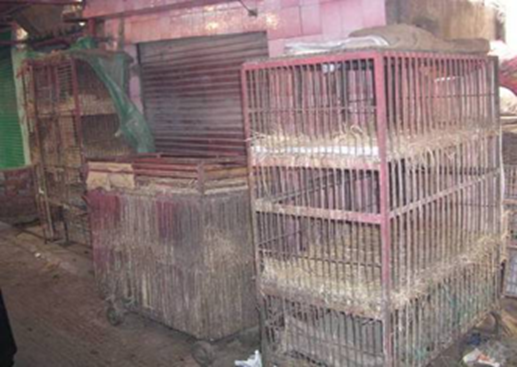
5. Vehicles
6. Air
• Transmission as an aerosol or dust.
7. Water supply:
• Water supplies may become contaminated with feces from contact with avian or other
animal species.
8. Feed:
• Feed may be contaminated by the raw materials used, post-production and during transport,
or by exposure to rodents and birds on the property. Bacteria and mould in poor quality or
damaged feed may also be a concern.
- Biosecurity approaches
A. Conceptual biosecurity
1. It is best to build farm in an isolated area, at least three km away from nearest poultry in the case of breeder farm and 1.6 km in the case of commercial layer and broiler farm.
2. In the case of breeders, the farm should be away from the major road ways that may be used to transport commercial and backyard poultry.
3. Maintain enough distance between breeders and grow-out farms and facilities such as hatcheries and feed mills.
B. Structural biosecurity
1. Fencing of farm perimeter to prevent unwanted visitors. The production area must have a perimeter fence or otherwise well-defined boundary.
2. Sign boards indicating ‘Biosecurity area’, ‘visitors are not allowed’ are to be displayed at breeding stocks and hatcheries of each species.
3. The farm should be designed in such a way that it has sufficient ventilation and should have access to sunlight.
4. Foot dips of uniform size must be provided at the entry of all the poultry sheds.
5. Ideally, lay out of the farm should be such that at farm entry point brooder shed should be followed by shed for growers and lastly for adult birds.
6. Hatchery should be located at least 500 ft. away from other sheds.
7. Distance between two different sheds of same type should be 30 ft. and of different type should be 100ft
8. Test water source for minerals, bacteria, chemical contamination and pathogen load.
9. Concrete stage with suitable water and power supply for sanitation of vehicles.
10. Suitable location for storage of bagged feed.
11. All-weather roads within the farm to ease cleaning and to prevent spreading of microbes by vehicles and foot wear.
12. Direction of long axis: This depends on geographical location of the farm.
13. Facility for post-mortem examination near to the incinerators and separate laboratory with suitable facilities and manpower are also required for regular monitoring and surveillance of diseases at the farm level.
14. Safe housing, with suitable wild birds and rodent proofing.
15. Feed, litter and equipment should be stored in a section separated from live bird area to prevent contamination.
16. A three meter boundary of land around the building must be kept free of all vegetation to prevent rodent and wild life activity.
17. There should be single window system for sale of all poultry & poultry products with sale counter at gate. Client and their vehicle should not be allowed in any case to visit farm or hatchery.
C. Operational biosecurity
Encompasses the standard operating procedures (SOPs) that minimize the chance of virus entering the poultry house and compliance with those SOPs.
1. Operation manuals should be developed for day-to-day activities carried out in feed mills, hatcheries, breeding and grow-out facilities incorporating emergency plans.
2. Proper decontamination and disinfection of equipment, houses etc., following depletion of flock.
3. In breeder farms, all visitors and workers require to shower and use clean farm clothes to prevent cross contamination between them.
4. Maintain record for visitors and their purpose.
5. In commercial broiler unit, a minimum inter flock interval of two weeks is recommended.
6. Use an effective integrated pest management program to control pest and rodent through biological, chemical and mechanical means.
7. Appropriate program of disease diagnosis and proper vaccination schedule should be implemented.
8. In small scale egg production unit, follow all-in-all-out system. If it is not possible, pullets should be obtained from a source free of vertically transmitted diseases.
9. Recycling of egg packing materials etc. should be decontaminated at the point of entry of farm.
10. Routine disease monitoring procedures like postmortem examination and periodic serum antibody assay to determine immune status of the flock.
11. Regular culling of unhealthy, unproductive and diseased birds.
- Levels of biosecurity
➡️Level 1- routine biosecurity procedures
These procedures should be implemented and followed on a daily basis. They give a high
degree of assurance that diseases and pathogens will not be carried into poultry production
areas and will reduce the risk of transmission between production areas. These should be
seen as a minimum requirement.
➡️Action plan for suspected emergency animal disease
Each owner must establish and document clear guidelines regarding the circumstances when
an emergency animal disease alert should be raised (e.g. an unusual increase in mortality or
drop in production), and who must be informed.
➡️Level 2- high risk biosecurity procedures
In the event of an outbreak of an emergency disease or serious endemic disease, high risk
biosecurity procedures will be implemented.
- Zones on Farm
➡️Controlled Access Zone (CAZ)
The area around the house (s) that includes the feed and fuel tanks with a clearly identified entry point that can be closed if necessary. The CAZ should extend at least 15 meters from the barn in all directions.
➡️ Restricted Area (RA)
The defined area inside the barn that is clearly identified by a physical barrier. The area must at least include the production area. Farmers must be able to control access to the restricted area (locked door, alarm, etc).
- Maximum Security Practices
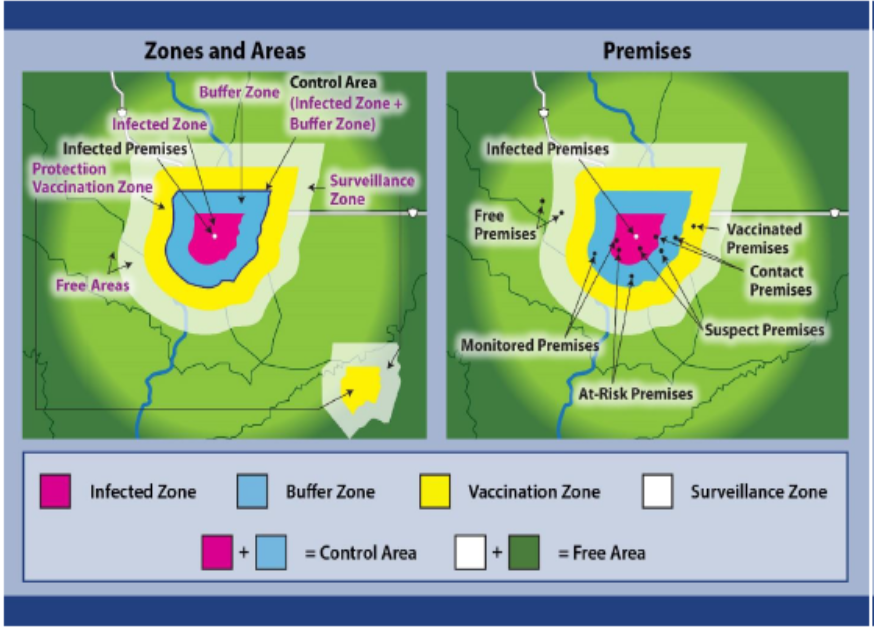
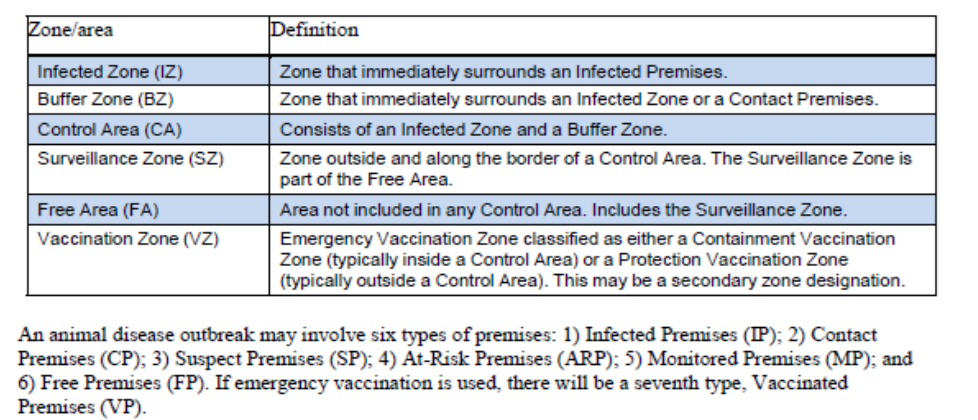
➡️Infected Zone
The area in a 3km radius from the infected premise (s). All susceptible species in the zone are under quarantine. There is the possibility of a pre-emptive cull in all or a portion of the zone but will depend on the disease, proximity of farms, and chance of spread. The radius is adjusted to geography, epidemiology, climate, and resources to control the epidemic.
➡️Restricted Zone
The area from the edge of the infected zone in a 10 km radius from the infected premise(s) for most diseases. It could extend as far as 60 km depending on the disease, method of spread, epidemiology, climate, geography, etc. Enhanced surveillance activities are in effect.
➡️Security Zone
Includes the area between the restricted zone and the boundary of the control area.
➡️Control Area
The area within which movement restrictions apply. It includes the infected, restricted, and security zones.
- Management factors in disease prevention (Componants of biosecurity)
1- Isolation
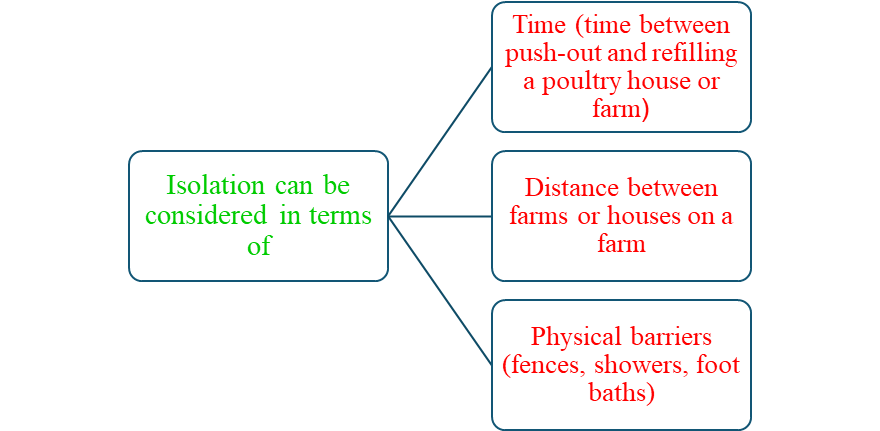
The principle of isolation refers to the confinement of animals within a controlled environment. A fence keeps your birds in, but it also keeps other animals out. Isolation also applies to the practice of separating birds by age group. In large poultry operations, all-in/all-out management styles allow simultaneous depopulation of facilities between flocks and allow time for periodic clean-up and disinfection to break the cycle of disease.
A- Time (time between push-out and refilling a poultry house or farm).
1. There should be ample time separating succeeding flocks on a premise to prevent the transmission of disease agents.
1. How long a house should be out of production? Depends on the risk to the new birds of becoming infected.
1. Some disease causing agents will persist in the environment longer than others.
2. All-in/all-out management allow simultaneous depopulation of facilities between flocks and allow time for periodic clean up and disinfection.
B- Distance between farms or houses on a farm.
1. Restrict access to your farm and your birds.
1. Consider fencing off the Area where your birds are to form a barrier between clean and dirty areas. The clean area is the immediate area surrounding your birds. The Dirty area must be considered infected with germs. A fence keeps your birds in, but it also keeps other animals out.
Isolation also applies to the practice of separating birds by age group.
* Allow only people who take care of your birds to come into contact with them and prevent visitors. If visitors have to gain access to your farm, be sure that they wash up first and clean their shoes.
1. Game birds and migratory waterfowls should not have contact with your flock because they carry germs and diseases.
2. The direction of prevailing winds and upstream contamination of any water on the premise should be considered when determining risk.
C- Physical barriers (fences, showers, foot baths)
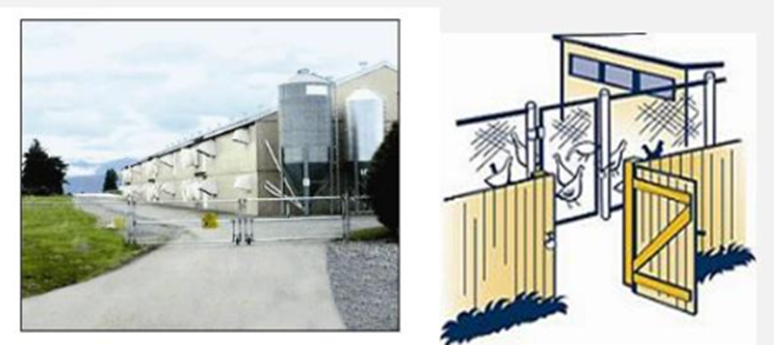
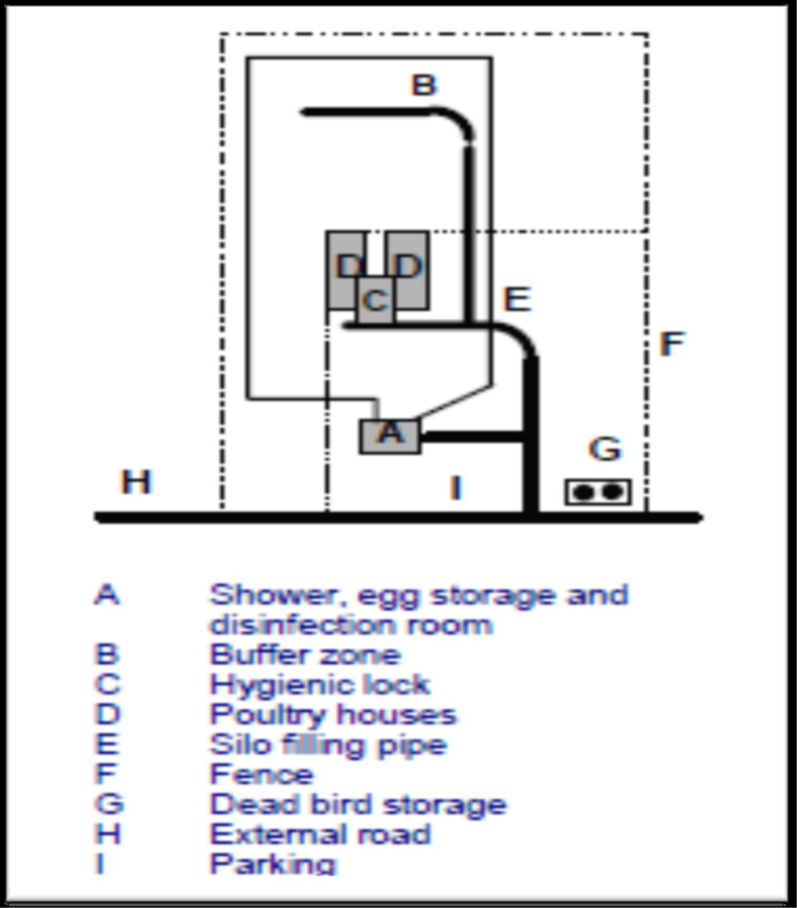
Barriers are very effective at limiting the spread of pathogens. Securing buildings, removing feed and harborage for pests, including stagnant water, and tall grasses will help to create a barrier around the flock.
1. Vertebrate vector control programs should focus on the control and exclusion of rodents and free-flying birds from the poultry house
2. Invertebrate vector control should focus on abatement from the poultry house and the immediate surrounding environment.
1. Barriers should be created to prevent the carriage of disease agents into poultry houses by humans. Disease agents are carried on clothing, hair and footwear.
1. A boot dipping station that includes a brush and a dip with a disinfectant agent can prevent the entry of disease agents on boots. Disinfectants in boot dips should be changed daily.
1. Every flock should have its own equipment.
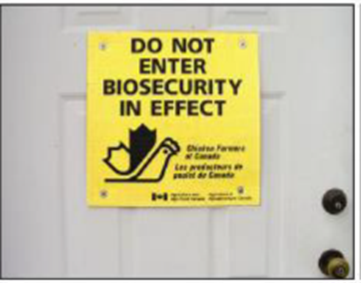
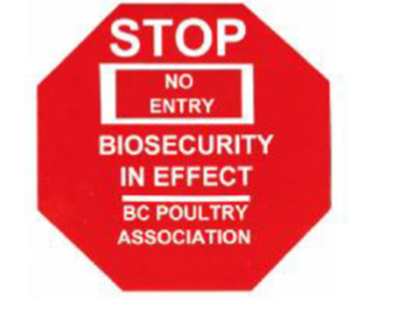
➡️Approved Signage:
Approved restricted access signs shall be posted at all barn entrances.
The barn entrance is a high disease transmission risk area and is the last line of defense in preventing disease transmission. It is therefore appropriate to post signs to limit non-essential access.
➡️Guidelines:
a. Entrance signs will identify that the area beyond the entrance is a restricted access zone.
b. Entrance signs must be readily visible, clean and legible.
II- Traffic control
Includes both the traffic onto your farm and the traffic patterns within the farm. People and equipment that come onto poultry facilities can mechanically carry with them many potentially devastating diseases.
Included in this group:
1- Feed delivery trucks and their drivers.
2- Vector control personnel.
3- Hatchery trucks and drivers.
4- Transport trucks and drivers.
5- Veterinarians and other consultants.
6- Visitors such as school tours.
7- Utility personnel and equipment repairmen
8- Curious or lost people.
1. For controlling traffic coming onto the farm:
1- Direct the flow of on-farm traffic from youngest to the oldest birds. Direct the traffic flow from resident to the isolation area. Provide the gates with wheel baths containing a suitable disinfectant.
2- To control human traffic, it is more effective to use signs which must be clear and posted in areas where people can notice them. Fencing and gates can help to prevent wandering into areas of the farm.
3- Establish a “clear zone” Free of vegetation around the farm to discourage rodent and Insect
from approaching the buildings.
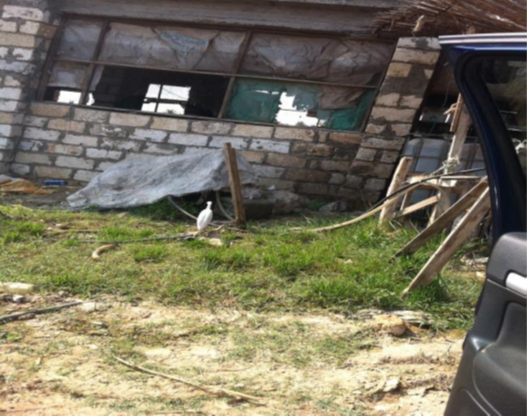
4- Clothing should be provided for visitors of the farm. Coveralls that cover all street clothing and plastic or rubber boots that cover visitor shoes should be worn.
Visitors should be asked to completely clean and disinfect hands before entering the farm.
5- People, who have been to other poultry farms should be turned away from the farm.
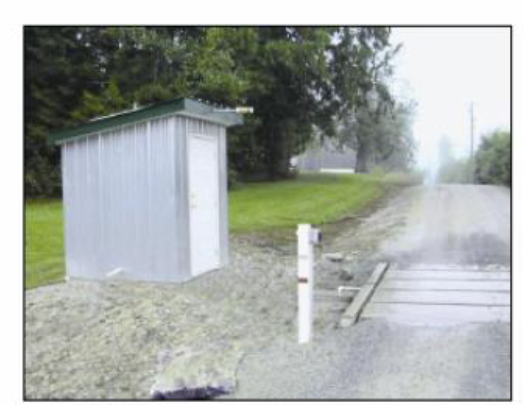
Wheel dip
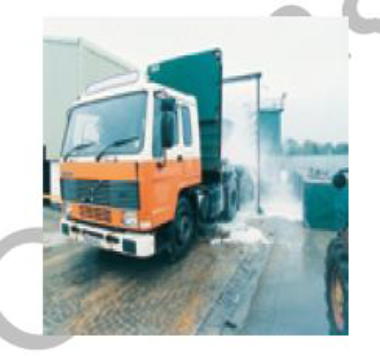
Vehicle disinfection
III- Sanitation
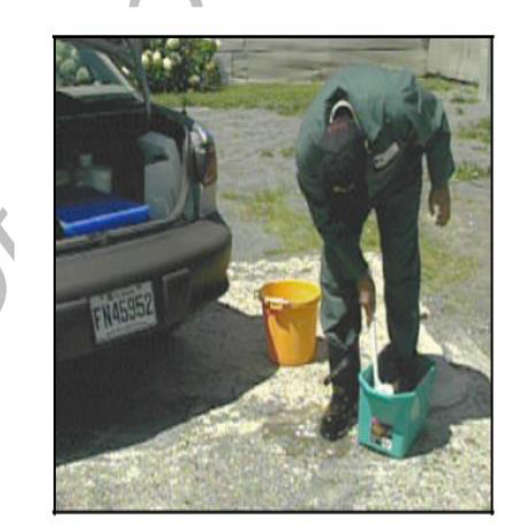
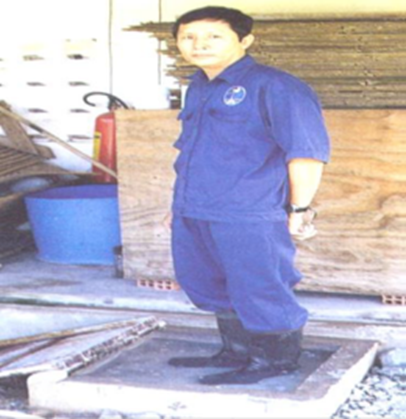
This addresses the disinfection of materials, people and equipment entering the farm and the cleanliness of the personnel on the farm. The goal of farm sanitation is to maintain a healthy environment for the chicken flock. It reduces. It can be achieved by:
III. a. Daily removal and disposal of dead birds to prevent contact with insects, rodents or animals that might present in the farm.
III. b. The area around poultry sheds should be kept clean from vegetation, food waste and litter.
III. c. Water Testing should be done at regular intervals.
III. d. Proper ventilation with adequate air flow in all sheds is recommended.
III. e. Feeding pans and drinking equipment used in the shed area should be kept clean daily
III. f. Scrubbing should be done and then application of hot water followed by disinfection with an effective disinfectant.
III. g. Poultry equipment such as egg crates, cages, shovels or rakes, should not be shared between family or neighboring farms. Plastic or metal equipment may be preferred over wooden material.
III. h. Clean feeders and waterers daily.
- Cleaning
▪️Dry clean all surfaces before entering the cleaning/disinfection area.
- Scrape/dry brush to remove all visible dirt and organic matter.
▪️Wash all surfaces and rinse within the identified cleaning/disinfection area.
- Wash items thoroughly with detergent using a soft brush, cloth or sponge.
- Rinse items with clean water.
- Contain runoff water. Do not allow runoff water to drain into other water sources or into
“clean” uncontaminated areas.
- Allow items to dry prior to disinfection.
- Disinfection
➡️Why is disinfection important?
Because by reducing pathogen numbers, we can reduce the potential for diseases to occur in our poultry flocks. Cleaning prior to disinfection exposes the pathogens to the disinfectant.
What disease agents should we be concerned about?
Viruses, bacteria, fungi and parasites. It is important to identify the pathogens we want to eliminate, as certain disinfectants are ineffective against certain disease agents.
➡️How do I disinfect my premises?
Prepare fresh solutions of the disinfectant of choice according to the product label to ensure efficacy.
Apply disinfectant solution to all surfaces with a low pressure sprayer, or by wiping, or immersing the items in the solution.
Use high pressure sprayers with caution to avoid further spread or aerosolization of the disease agent.
Ensure all areas are covered thoroughly with the solution and remain “wet” throughout the necessary contact time; reapply if necessary.
➡️Rinse and Dry
Rinse thoroughly with clean warm water – rinsing is essential as detergents or disinfectants dried on components may cause deterioration of rubber or metal parts if not completely removed.
Allow items to air dry.
- How do I choose a disinfectant?
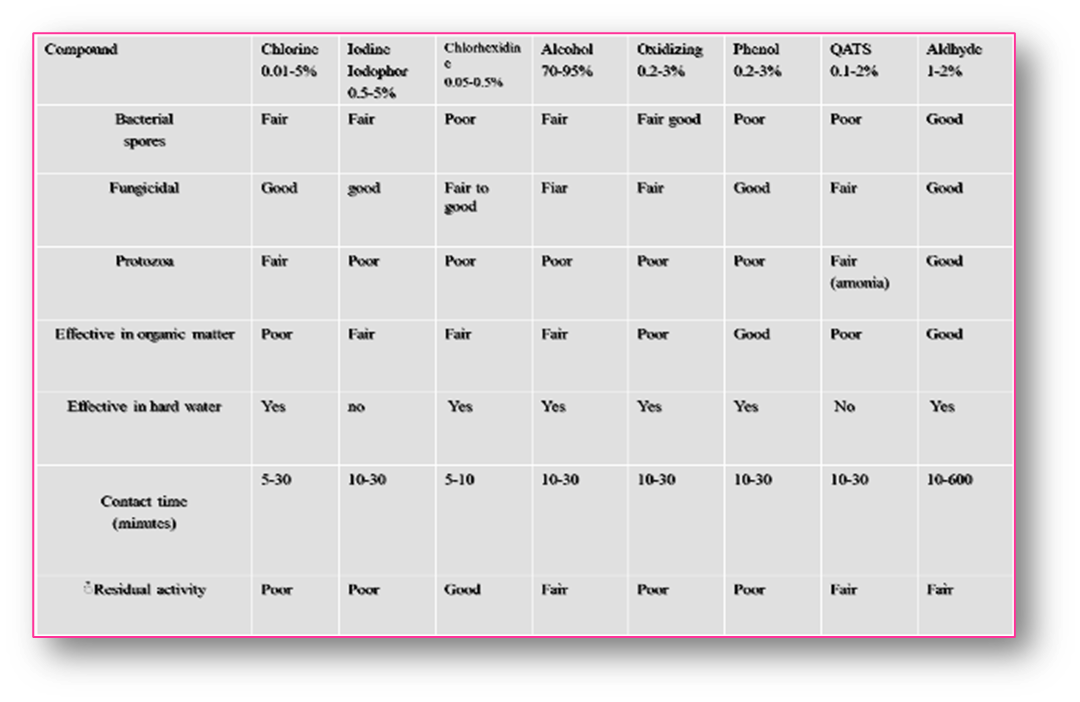
1. Efficacy (germicidal power of the disinfectant)
2. Activity against the organic matter
3. Toxicity to man and animals
4. Residual activity
5. Effect on fabric and metals
6. Solubility in water (acidity, alkalinity, pH)
7. Contact time.
8. Temperature
9. Cost.
- The main types of disinfectants that can be used
1. Aldhydes (i.e., formalin, formaldhyde and glutaradhyde).
1. Chlorine –releasing agents (i.e., sod. Hypochlorite, chlorine dioxide, and chloramine).
1. Iodophors (i.e., povidone-iodine).
1. Phenols and bis-phenols (i.e., triclosan and hexachlorophan)
1. Quaternary ammonium compounds.
1. Pyroxygens (H2O2 and peracetic acid).
- How susceptible are the microorganisms to various disinfectants
The descending order of resistance of disease agents is:
1-Coccdial oocyst.
2- Spores (i.e. clostridial diseases) and acid-fast bacteria (i.e., Mycobacterium avium).
3- Gram-negative bacteria (i.e., Pseudomonas, E.coli, Salmonella).
4- Fungi (i.e., Candida and Aspergillus).
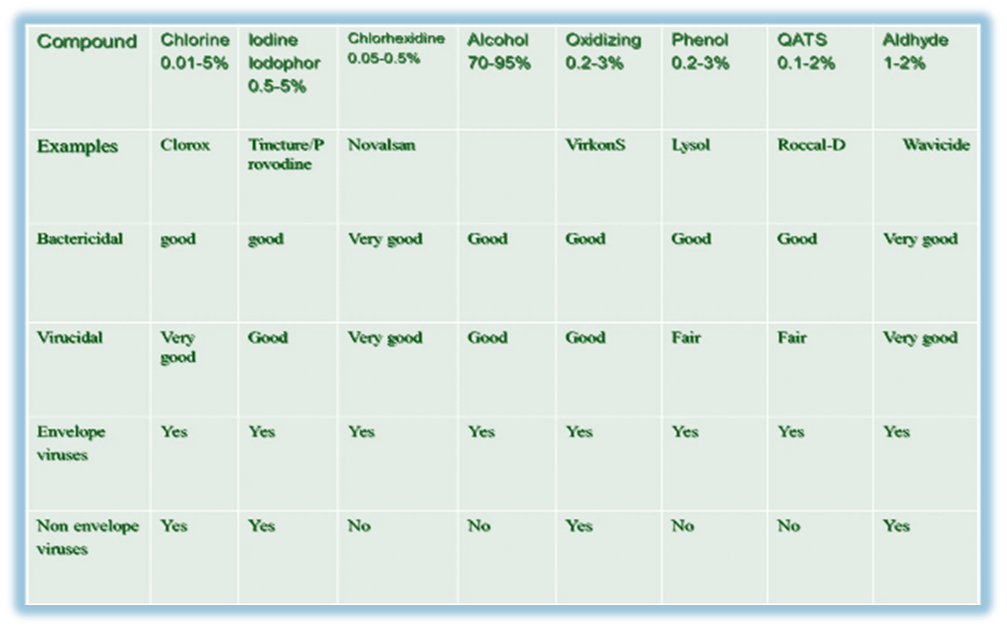
5- Non-enveloped viruses (i.e.,enterovirus & adenovirus)
6- Gram-positive bacteria (i.e., Staph aureus).
7- Lipid enveloped viruses (i.e., Avian influenza virus)
- Disinfectant selection table
- Appendix
General Information:
Name of Farm:____________________________________________________
Type of Operation:_________________________________________________
Breed:_____________
Population on Farm:________________________
Sex: M___________F__________
Ages: M_________________________ F____________________________
Description of Operation (Layout):____________________________________
Governarate:______________________________________________________
Vaccination Status:________________________________________________
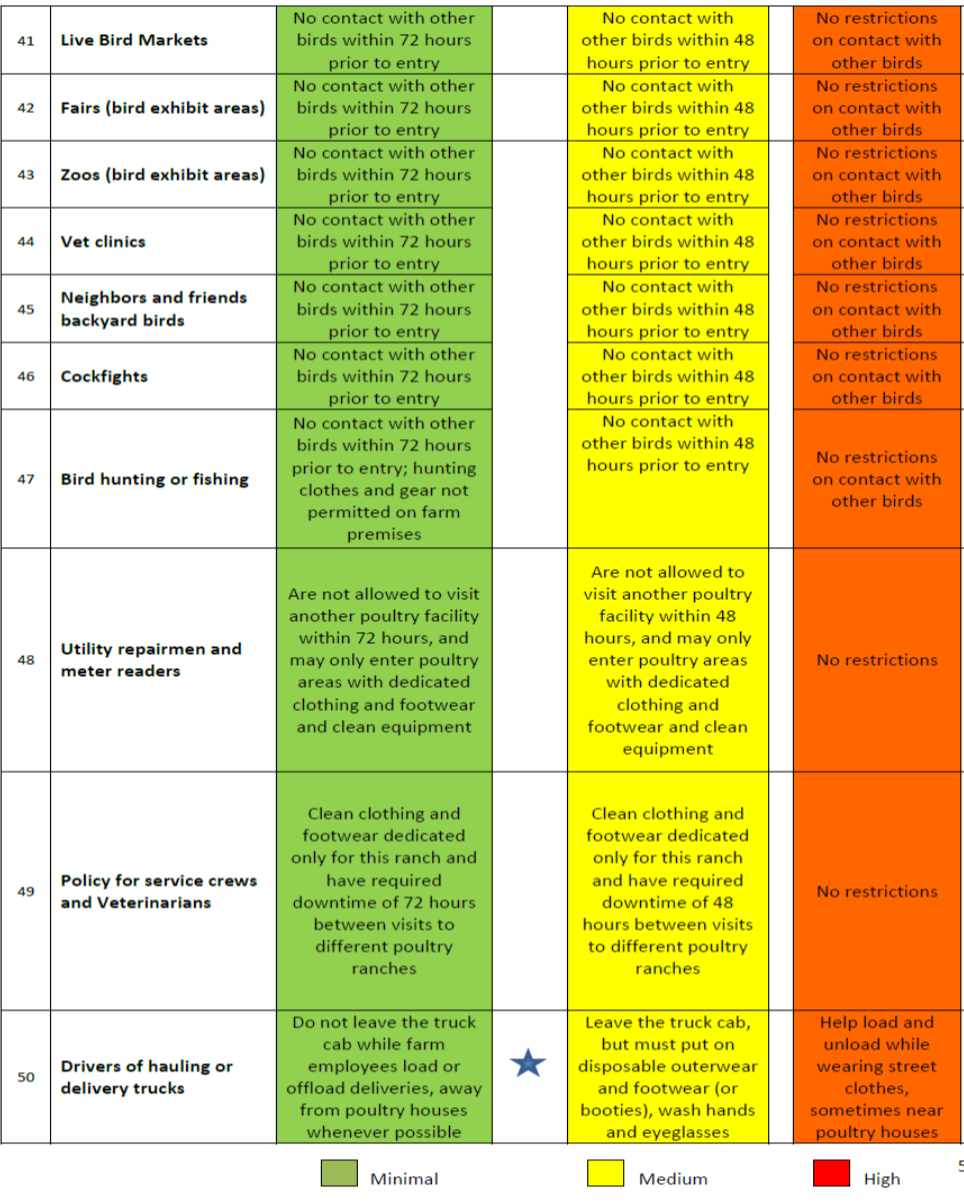
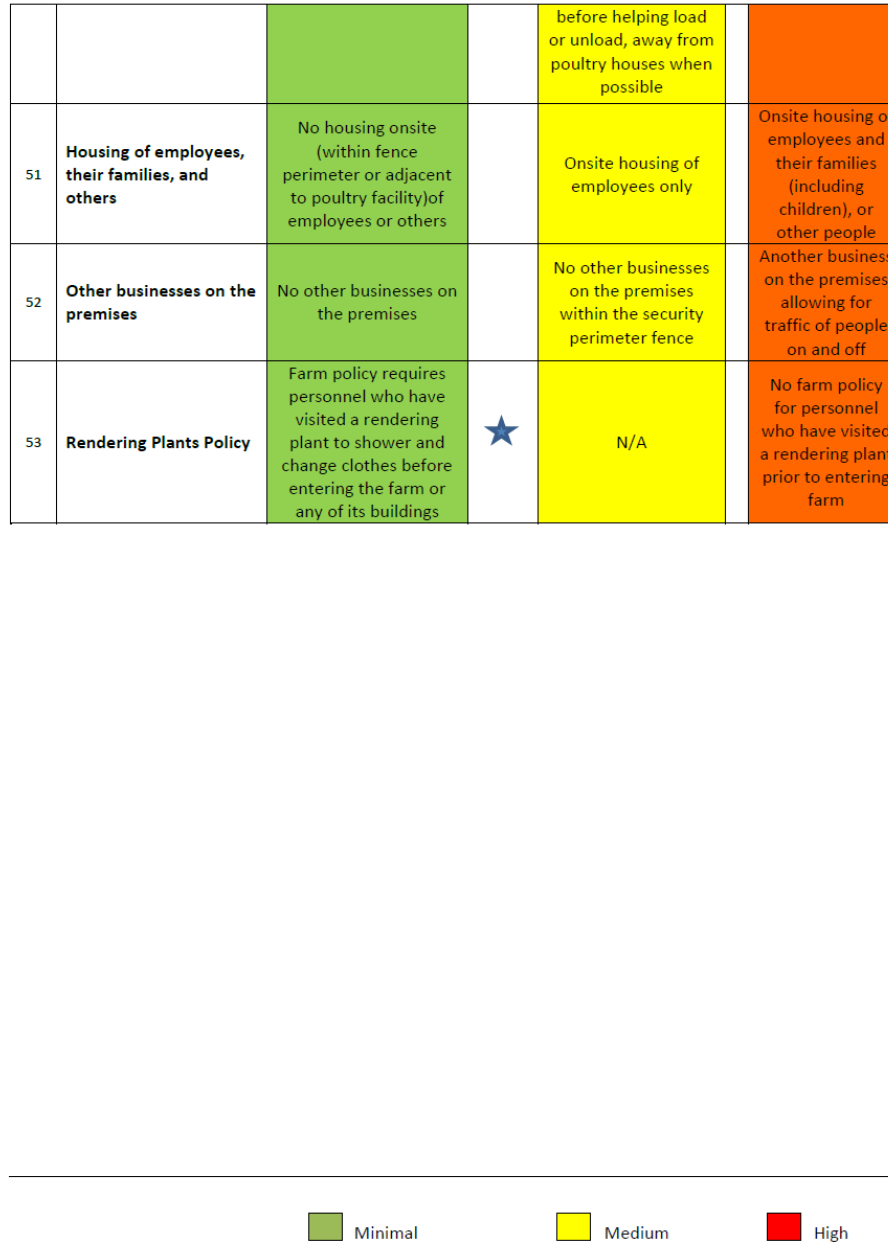
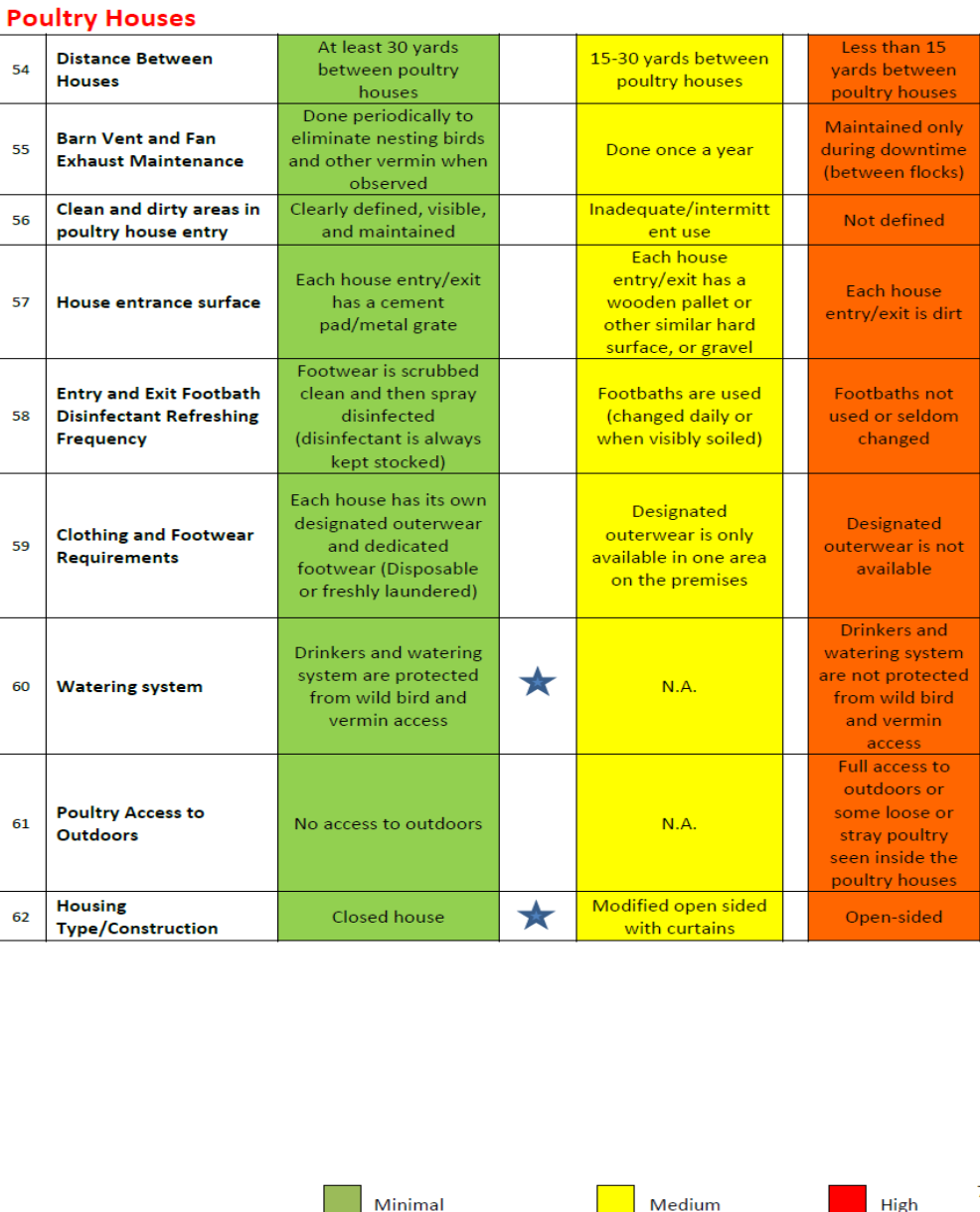
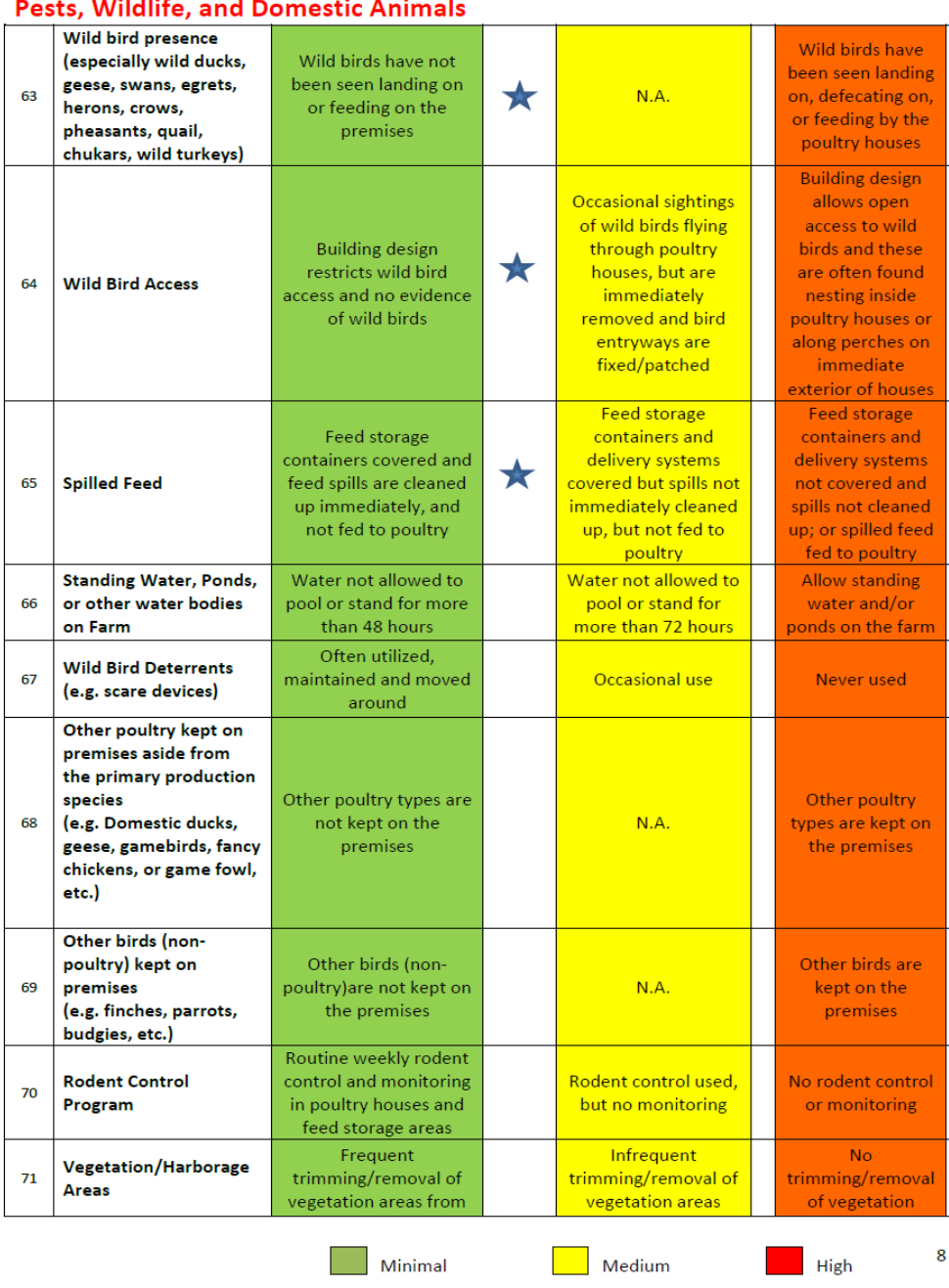
- References
Australian Government, Department of Agriculture, Fisheries and Forestry, (2009):. National Farm Biosecurity Manual p o u l t r y p r o d u c t i o n. A cooperative initiative between the Commonwealth Department of Agriculture, Fisheries and Forestry, Animal Health Australia and the Poultry Industry.
CDFA. (2016): Poultry Facility Biosecurity Risk Assessment Guide “General Principals of Biosecurity. V2 06/02/2016.
Conan, A., Goutard, F. L., San Sorn and Sirenda Vong. (2012): Biosecurity measures for backyard poultry in developing countries: a systematic review BMC Veterinary Research. 8:240.
Dorea, F. C., Berghaus, R., Hofacre, C. and Cole, D. J. (2010): Survey of biosecurity protocols and practices adopted by growers on commercial poultry farms in Georgia, U. S. A. Avian Dis., 54(3):1007_15.
FAD PReP/NAHEMS Guidelines: Biosecurity (2016).
General Guidelines for Biosecurity at Central Poultry Development Organizations (Basic Tenets can be applied to State Poultry Farms and Private Poultry Farms), (2015): Department of Animal Husbandry, Dairying & Fisheries Ministry of Agriculture and Farmers’ Welfare, Government of India.
Kwang Myung Jeon , Jinwoo Jung , Chang-Min Lee , Dae Sung Yoo (2023): Identification of Pre-emptive Biosecurity Zone Areas for Highly Pathogenic Avian Influenza Based on Machine Learning-Driven Risk Analysis. doi:10.20944/preprints202310.1557.v1
USDA APHIS, (2014): Foreign Animal Disease Preparedness and Response Plan Guidelines: Cleaning and Disinfection. https://www.aphis.usda.gov/animal_health/emergency_management/downloads/nahems
USDA, APHIS, VS; Iowa Poultry Association; the University of Minnesota Secure Food System Team. (2014): INFORMATION MANUAL FOR IMPLEMENTING POULTRY BIOSECURITY. http://www.cfsph.iastate.edu/About/contact.php.
Van Steenwinkel, S., Ribbens, S., Ducheyneb, E., Goossens, E. and Dewulf, J. (2011): Assessing biosecurity practices, movements and densities of poultry sites across Belgium, resulting in different farm risk-groups for infectious disease introduction and spread. Prev. Vet. Med., 98 : 259–270
Yonatan, S. (2011): Farm Biosecurity for Better Performance and Higher Profit. Ceva Chick Program on line, Issue No.35 / March 2011.