The Egyptian Pediatic Advanced Life Support
| Site: | EHC | Egyptian Health Council |
| Course: | Pediatrics Guidelines |
| Book: | The Egyptian Pediatic Advanced Life Support |
| Printed by: | Guest user |
| Date: | Sunday, 20 September 2026, 9:43 PM |
Description
"last update: 8 September 2026" Download Guideline
Table of contents
- - Acknowledgement
- - Abbreviations
- - Glossary
- - Executive Summary
- - Introduction
- - Scope and Purpose
- - Target audience
- - Methods
- - Evidence assessment
- - Recommendations
- - Implementation considerations
- - Research gaps
- - Monitoring and evaluating the impact of the guideline
- - Updating of the guideline
- - Annexes
- - References
- Acknowledgement
We would like to acknowledge the Committee of National Egyptian Guidelines, Ministry of Health and the scientific Committee for adapting this Guideline
Chair of the Guideline Development Group:Doha Emam
Members of the Guideline Development Group: Eman I.El-Desoki Mahmoud, Gamal Abbas, Wessam Abdel Aziz, Ahmed Harkan
- Abbreviations
ABCDE: Airway, Breathing, Circulation, Disability, Exposure.
ABG: Arterial-blood-gas (analysis)
AED: Automated external defibrillator
AHA: American Heart Association
ASAP: As soon as possible
AVPU: Alert-Verbal-Pain-Unresponsive
BBB: Behaviour, Breathing, Body colour
BLS: Basic Life Support
BMI: Body mass index
BP: Blood pressure
CoSTR: Consensus on Science with Treatment Recommendations
CPR: Cardiopulmonary resuscitation
ECG: Electrocardiogram
ECMO: Extracorporeal membrane oxygenation
ECPR: Extracorporeal cardiopulmonary resuscitation
EEG: Electroencephalography
EMS: Emergency medical service
ERC: European Resuscitation Council
ETAT: Emergency Triage Assessment and Treatment
ETCO2: End-tidal carbon dioxide
FiO2: Fraction of inspired oxygen
GCS: Glasgow Coma Scale
HOPE: Hypothermia Outcome Prediction after Extracorporeal life support
HOTT: Hypotension, Oxygenation (hypoxia), Tension pneumothorax and cardiac Tamponade
HR: Heart rate min 1
ICU: Intensive care unit
IHCA: In-hospital cardiac arrest
ILCOR: International Liaison Committee on Resuscitation
IM: Intramuscular
IO: Intraosseous
IV: Intravenous
MAP: Mean arterial pressure
NIBP: Non-invasive blood pressure
NLS: Newborn Life Support
OHCA: Out-of-hospital cardiac arrest
PaCO2: Partial pressure of carbon dioxide in arterial blood
PALS: Paediatric advanced life-support
PAT: pediatric assessment triangle
PaO2: Partial pressure of oxygen in arterial blood
PBLS: Paediatric basic life support
PCR: Polymerase chain reaction
PEA: Pulseless electrical activity
PEEP: Positive end expiratory pressure
PEWS: Pediatric Early Warning Score
PLS: Paediatric Life Support
PLS WG: Paediatric Life Support Writing Group
POCUS: Point-of-care ultrasound
pVT: Pulseless ventricular tachycardia
ROSC: Return of spontaneous circulation
RR: Respiratory rate min 1
RRS/RRT: Rapid Response System/ Rapid Response Team
SBAR: Situation, Background, Assessment, Recommendation
SGA: Supraglottic airway device
SpO2: Arterial oxygen saturation as measured by pulse oximetry
SvO2: Mixed venous oxygen saturation
SVT: Supraventricular tachycardia
VF: Ventricular fibrillation
VT: Ventricular tachycardia- Glossary
· Advanced Airway: Endotracheal tube or supraglottic airway device.
· Aliquots: small carefully measured boluses/
· Defibrillation: Delivery of an unsynchronized shock to terminate VF or pulseless VT.
· PAT: Pediatric assessment triangle
· Refractory VF/pVT: Persistent VF or pulseless VT after the third defibrillation shock.
· ROSC: Restoration of a sustained spontaneous circulation after cardiac arrest.
• Waveform Capnography: Continuous measurement of exhaled CO₂ used to confirm airway placement and monitor CPR quality.
- Executive Summary
This guideline standardizes the approach to critically ill and arrested pediatric patients in Egypt, based on ERC 2025, AHA 2025, ILCOR, and CoSTR, adapted to local practice
1. Recognition
of critically ill child
A.
Rapid
Response System (RRS/RRT)
· We advise that hospitals caring for pediatric inpatients to implement a pediatric Rapid Response System (RRS) to support early recognition and escalation of deteriorating children outside ICU/PICU. (Conditional)
· The pediatric RRS advise include: (1) standardized vital-sign monitoring, (2) age-appropriate early warning criteria (e.g., PEWS), (3) a clear activation pathway, (4) a designated responder team, and (5) quality monitoring/audit.(Conditional)
|
· We suggest hospitals caring for pediatric inpatients to establish and train a pediatric Rapid Response Team (RRT) with pediatric expertise (e.g., pediatrician/ICU physician, critical care nurse, respiratory therapist where available), adapted to local staffing and resources.(Conditional) |
|
· Pediatric RRT (or on duty paediatrician) activation criteria should be simple, standardized, age-appropriate, and available 24/7, based on abnormal vital signs, mental status change, increased oxygen requirement, staff concern, or elevated PEWS. (Strong) |
|
· Pediatricians should be supported by regular simulation-based multidisciplinary training, including escalation, communication, airway, and shock response. (Strong) |
|
· We advise institutions to monitor RRT (paediatricians) performance through quality indicators including response time, unplanned PICU transfer, ward cardiac arrest, and escalation delays,unneeded PICU admission. (Good Practice Statement) |
B. Early recognition and triage:
|
· All acutely ill children should undergo rapid initial assessment using a structured paediatric triage or quick-look approach. The Paediatric Assessment Triangle (PAT) may be used for rapid recognition of a potentially critically ill child, followed by an ABCDE assessment when indicated. (Strong) · Reassess the child after every intervention and whenever there is concern about deterioration, repeating the ABCDE assessment as appropriate. (Strong) |
C. Airway and Breathing :
|
· Airway patency should be assessed immediately in all critically ill children, with positioning, suction, and airway adjuncts used as needed. (Strong) |
|
· Oxygen should be administered to children with hypoxemia, severe respiratory distress, shock, seizures, or altered mental status. (Strong) |
|
· Oxygen therapy is asdvised to be titrated according to clinical response and pulse oximetry where available, avoiding unnecessary hyperoxia. (Conditional) |
|
· High-flow nasal oxygen (HFNC) or non-invasive ventilation (NIV) is considered early in moderate respiratory distress where available. (Conditional) |
|
· Early intubation is considered in apnea, exhaustion, failure of oxygenation/ventilation, refractory shock, or reduced consciousness with loss of airway protection. (Conditional) |
D. Circulation and shock:
· Consider IV access early in all critically ill children; IO access use without delay when IV access is not rapidly achieved. (Conditional)
· Children with shock should receive isotonic crystalloid in cautious aliquots of 10mL/kg with reassessment after each bolus. (Strong)
· Repeated unmonitored fluid boluses should be avoided, especially when cardiogenic shock, severe anemia, or myocarditis is suspected. (Strong)
· Early vasoactive support is considered in fluid-refractory shock or when fluid overload/cardiogenic shock is suspected. (Conditional)
|
· Shock management should be etiology-directed (septic, hypovolemic, hemorrhagic, cardiogenic, obstructive, anaphylactic). (Strong) |
E. Sepsis and Septic shock:
|
· Sepsis should be recognized early in any child with suspected infection and organ dysfunction or abnormal perfusion. (Strong) |
|
· Broad-spectrum antibiotics should be administered as early as possible after recognition of septic shock. (Strong) |
|
· Fluid resuscitation in septic shock should be cautious and guided by repeated reassessment. (Strong) |
|
· Vasoactive support advised that not to be delayed in fluid-refractory septic shock. (Conditional) |
F. Disability:
· Neurologic status should be assessed using AVPU or GCS in all critically ill children. (Strong)
· Hypoglycemia should be corrected immediately in children with reduced consciousness, seizures, shock, or severe illness. (Strong)
· Temperature abnormalities (fever or hypothermia) should be identified and treated early. (Strong)
G. Seizures and Neurologic emergencies:
|
· Actively seizing childen advise to receive immediate first-line benzodiazepine therapy. (Conditional) |
|
|
· If IV access is unavailable, buccal or rectal or intranasal benzodiazepines is suggested. (Conditional) |
|
|
· Blood glucose should be checked early in all children with altered consciousness or seizures. (Strong) |
|
|
· Consider second-line antiseizure therapy administered early in persistent seizures/status epilepticus. (Conditonal)
H. Trauma |
|
|
· Critically injured children should be managed using pediatric trauma ABCDE principles with simultaneous hemorrhage control. (Good practice statement) |
|
|
· Cervical spine protection should be maintained when trauma mechanism suggests risk. . (Good practice statement) |
|
|
· Early transfer planning should begin immediately in children requiring trauma surgery, neurosurgery, or PICU support beyond local capability. . (Good practice statement) |
|
2. Pediatric Cardiac Arrest Management
|
· Bag-mask ventilation is recommended as initial airway management during pediatric cardiac arrest. (Strong) · High-quality CPR (rate 100–120/min, depth 1/3 chest diameter, full recoil, minimal interruptions) is essential for all pediatric cardiac arrest patients. (Strong) |
|
· Chest compression fraction should be maximized, minimizing interruptions to <10 seconds during rhythm checks or interventions. (Strong) |
|
· Rhythm analysis should be performed every 2 minutes with immediate resumption of CPR after shock or rhythm check. (Strong) |
|
· Early defibrillation is advised for pediatric VF/pulseless VT as soon as a defibrillator is available. (Conditional) |
|
· Use of manual defibrillator is preferred; AED with pediatric attenuator is acceptable if manual defibrillator is unavailable. (Conditional) |
|
· Epinephrine should be administered for non-shockable rhythms (PEA/asystole) as early as possible and repeated every 3–5 minutes. (Strong) |
|
· In shockable rhythms, epinephrine should be given after the third shock. (Strong) |
|
· Amiodarone (or lidocaine) is recommended for refractory VF/pVT after defibrillation attempts. (Conditional) |
|
· Advanced airway (ETT or supraglottic airway) may be considered by experienced providers if it does not interrupt chest compressions. (Conditional) |
|
· Consider Continuous waveform capnography to confirm tube placement and monitor CPR quality when advanced airway is in place. (Conditional) |
|
· Reversible causes of cardiac arrest (4 Hs & 4 Ts) should be actively identified and treated during resuscitation. (Strong) |
|
· Extracorporeal CPR (ECPR) may be considered in selected pediatric in-hospital cardiac arrest cases in specialized centers. (Conditional) |
3. Post–Cardiac Arrest (ROSC) Care
|
· Oxygen therapy should be titrated after ROSC to avoid both hypoxemia and hyperoxia, targeting normal oxygen saturation appropriate for age. (Strong) |
|
· Ventilation should be adjusted to maintain normocapnia; both hypo- and hypercapnia should be avoided after ROSC. (Strong) |
|
· Invasive blood pressure monitoring is advised in critically ill post–cardiac arrest children to guide hemodynamic management when available. (Conditional) |
|
· Hypotension after ROSC should be identified and treated urgently using isotonic fluids to maintain age-appropriate perfusion. (Strong) |
|
· We suggest early initiation of vasoactive infusions (e.g., epinephrine, norepinephrine) is recommended in persistent post-arrest shock. (Conditional) |
|
· Targeted temperature management should be used in comatose children after ROSC, with strict avoidance of fever. (Strong) |
|
· Continuous temperature monitoring is recommended for all post–cardiac arrest pediatric patients. (Strong) |
|
· Sedation and analgesia should be provided to prevent pain, agitation, and increased metabolic demand after ROSC. (Strong) |
|
· Blood glucose should be monitored and both hypo- and hyperglycemia should be avoided in post-arrest care. (Strong) |
|
· Continuous EEG monitoring may be considered in comatose children to detect subclinical seizures or status epilepticus. (Conditional) |
|
· Clinical and electrographic seizures is advised to be actively treated after ROSC. (Conditional) |
|
· Early neuroprognostication should be avoided immediately after ROSC; neurological outcome assessment should be delayed until after stabilization. (Strong) |
|
· Multimodal neurological assessment (clinical exam, EEG, imaging, biomarkers) is suggested for prognosis rather than a single modality. (Conditional) |
|
· Consider early evaluation for underlying cause of arrest (cardiac, respiratory, metabolic, toxic, infectious) and treat. (Conditional) |
|
· Hemoglobin and oxygen-carrying capacity considered to be optimized; transfusion may be considered in post-arrest anemia with poor perfusion. (Conditional) |
|
· Early consultation with pediatric intensive care, cardiology, neurology, and relevant specialties is advised. (Conditional) |
|
· Family communication and structured post-resuscitation counseling should be provided early after stabilization. (Strong) |
- Introduction
Advanced Life Support (ALS) is a core component of modern resuscitation practice, encompassing the structured assessment and management of critically ill patients, peri-arrest deterioration, and cardiac arrest through timely, evidence-based, and team-coordinated intervention. ALS builds upon the foundations of Basic Life Support (BLS) and early defibrillation, integrating advanced airway management, manual defibrillation, vascular access, pharmacologic therapy, rhythm recognition, and post-resuscitation care within a system-based approach to improve survival and neurological outcomes1.
Despite major advances in resuscitation science, outcomes after cardiac arrest remain highly dependent not only on technical interventions, but also on the quality of systems that support early recognition, rapid response, coordinated teamwork, and continuity of care. Contemporary resuscitation guidelines emphasize that high-quality chest compressions, minimal interruptions, early defibrillation, effective oxygenation and ventilation, prompt treatment of reversible causes, and structured post–cardiac arrest care remain the pillars of successful ALS2.
The Egyptian Advanced Life Support Guidelines have been developed to provide a standardized, evidence-based national framework for the management of pediatric life-threatening emergencies and cardiac arrest across Egypt. These guidelines aim to unify clinical practice across prehospital, emergency, inpatient, and critical care settings, while promoting consistency in training, team performance, and systems of care. Their purpose is to support healthcare professionals in delivering safe, effective, and reproducible advanced life support adapted to the realities of Egyptian healthcare practice.
- Scope and Purpose
The Egyptian Pediatric Advanced Life Support (ALS) Guidelines aim to provide a standardized, evidence-based approach to the recognition and management of critically ill children and children with cardiac arrest across Egypt.
The objectives of the guidelines are to:
- Standardize resuscitation practice across prehospital, emergency, inpatient, and critical care settings
- Adapt international evidence to the Egyptian healthcare context, resources, and systems of care
- Improve patient outcomes through timely recognition, structured intervention, and high-quality team-based resuscitation
- Support healthcare professionals with practical, clear, and context-relevant algorithms for pediatric emergency care
- Promote consistency in training and clinical practice across institutions and disciplines
- Strengthen systems of care by improving communication, escalation, and post-resuscitation management
- Enhance patient safety and quality of care through evidence-based, reproducible emergency response
- Provide a national reference framework for education, implementation, audit, and quality improvement in advanced life support
- Target audience
These guidelines are intended to support
clinicians from the pediatric
departments, ICUs, emergency and anesthesiology departments, in delivering safe, effective, and
context-appropriate advanced life support while promoting a unified national
standard for resuscitation practice in Egypt.
- Methods
A comprehensive search for guidelines was undertaken to identify the most relevant guidelines to consider for
adaptation.
Inclusion/exclusion criteria followed in the search and retrieval of guidelines to be adapted:
· Selecting only evidence-based guidelines (guideline must include a report on systematic literature searches and explicit links between individual recommendations and their supporting evidence)
· Selecting only national and/or international guidelines
· Specific range of dates for publication (using Guidelines published or updated in the last 10 years)
· Selecting peer reviewed publications only
· Selecting guidelines written in English language
· Excluding guidelines written by a single author not on behalf of an organization in order to be valid and comprehensive, a guideline ideally requires multidisciplinary input
· Excluding guidelines published without references as the panel needs to know whether a thorough literature review was conducted and whether current evidence was used in the preparation of the recommendations.
The following characteristics of the retrieved guidelines were summarized in a table:
• Developing organization/authors
• Date of publication, posting, and release
• Country/language of publication
• Dates of the search used by the source guideline developers
All retrieved Guidelines were screened and appraised using AGREE II instrument (www.agreetrust.org) by at least two members. the panel decided a cut-off point or rank of the guidelines (any guideline scoring above 50% on the rigor dimension was retained). The GDG decided to adapt the ERC 202513, AHA 202520, ILCOR14, and CoSTR14 recommendations adapted to the local context.
- Evidence assessment
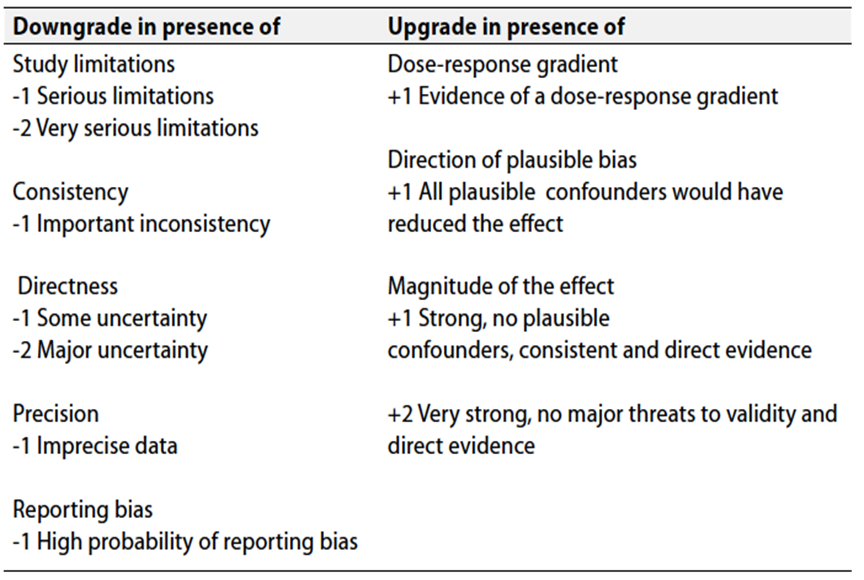
According to WHO handbook for Guidelines we used the GRADE (Grading of Recommendations, Assessment, Development and Evaluation) approach to assess the quality of a body of evidence, develop and report recommendations. GRADE methods are used by WHO because these represent internationally agreed standards for making transparent recommendations. Detailed information on GRADE is available through the GRC secretariat and on the following sites:
■ GRADE working group: https://www.gradeworkinggroup.org/
■ GRADE online training modules:http://cebgrade.mcmaster.ca/
Table 1: Quality of evidence in GRADE
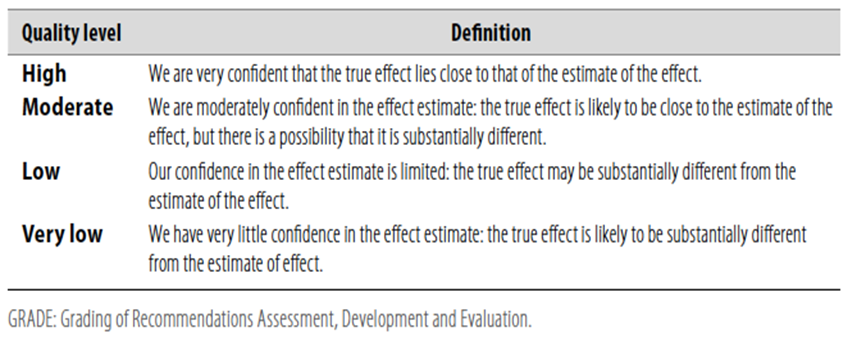
Table 2: Significance of the four levels of evidence
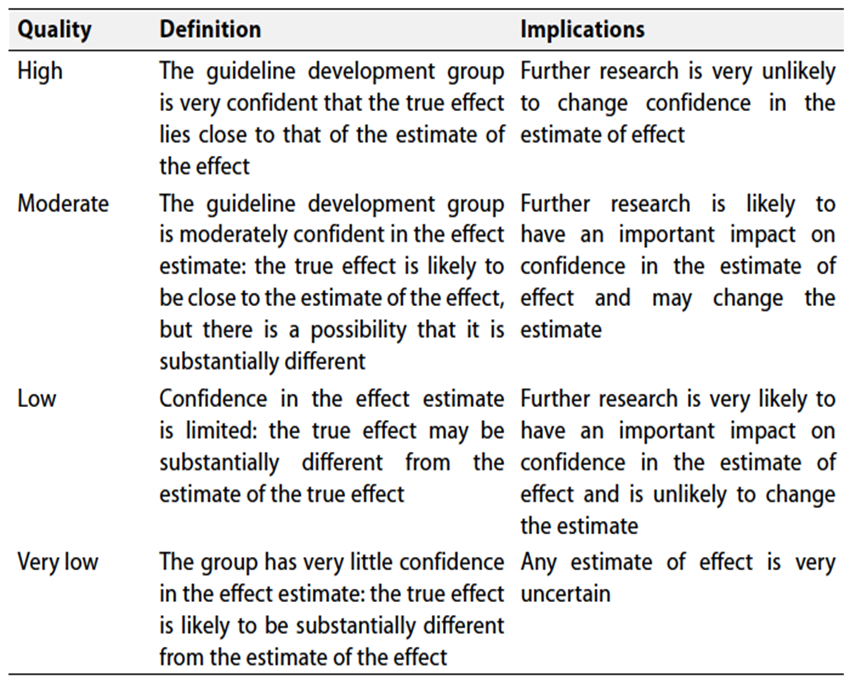
Table 3 Factors that determine How to upgrade or downgrade the quality of evidence
- Recommendations
The strength of the recommendation
The strength of a recommendation communicates the importance of adherence to the recommendation.
- Strong recommendations
With strong recommendations, the guideline communicates the message that the desirable effects of adherence to the recommendation outweigh the undesirable effects. This means that in most situations the recommendation can be adopted as policy.
- Conditional recommendations
These are made when there is greater uncertainty about the four factors above or if local adaptation has to account for a greater variety in values and preferences, or when resource use makes the intervention suitable for some, but not for other locations. This means that there is a need for substantial debate and involvement of stakeholders before this recommendation can be adopted as policy.
- When not to make recommendations
When there is lack of evidence on the effectiveness of an intervention, it may be appropriate not to make a recommendation.|
SECTION 1: Recognition of critically ill child: 1. Rapid Response Team (RRT) / Rapid Response System (RRS): |
|
Recommendation |
Strength |
Level of Evidence |
Reference |
|
We advise that hospitals caring for pediatric inpatients to implement a pediatric Rapid Response System (RRS) to support early recognition and escalation of deteriorating children outside ICU/PICU. Rational: Pediatric deterioration is commonly preceded by abnormal physiological signs, and delayed recognition remains a major contributor to preventable ward deterioration, unplanned PICU admission, and in-hospital cardiac arrest.3,4,5 |
Conditional |
Moderate |
Canadian Paediatric Society (PMC)6 |
|
The pediatric RRS advised to include: (1) standardized vital-sign monitoring, (2) age-appropriate early warning criteria (e.g., PEWS), (3) a clear activation pathway, (4) a designated responder team, and (5) quality monitoring/audit. |
Conditional |
Moderate |
Canadian Paediatric Society (PMC)6 |
|
We suggest hospitals caring for pediatric inpatients to establish and train a pediatric Rapid Response Team (RRT) with pediatric expertise (e.g., pediatrician/ICU physician, critical care nurse, respiratory therapist where available), adapted to local staffing and resources. |
Conditional |
Moderate |
Canadian Paediatric Society (PMC)6 |
|
Pediatric RRT (or on duty paediatrician) activation criteria should be simple, standardized, age-appropriate, and available 24/7, based on abnormal vital signs, mental status change, increased oxygen requirement, staff concern, or elevated PEWS. |
Strong |
Moderate |
National RRS Standards / CPS7 (Istitlaa) |
|
Pediatricians should be supported by regular simulation-based multidisciplinary training, including escalation, communication, airway, and shock response. |
Strong |
Moderate |
Canadian Paediatric Society (PMC)8 |
|
We advise institutions to monitor RRT (paediatricians) performance through quality indicators including response time, unplanned PICU transfer, ward cardiac arrest, and escalation delays,unneeded PICU admission. |
Good practice statement |
|
Expert consensus / RRS standards (Istitlaa)9,10,11,12 |
2. Early Recognition and Triage:
|
Recommendation |
Strength |
Level of Evidence |
Reference |
|
All acutely ill children should undergo rapid initial assessment using a structured paediatric triage or quick-look approach. The Paediatric Assessment Triangle (PAT) may be used for rapid recognition of a potentially critically ill child, followed by an ABCDE assessment when indicated. |
Strong |
Low/very low |
ERC 202513 /Expert Consensus |
|
Reassess the child after every intervention and whenever there is concern about deterioration, repeating the ABCDE assessment as appropriate. |
Strong |
Low/very low |
ERC 202513 /Expert Consensus |
3. Airway and Breathing:
|
Recommendation |
Strength |
Level of Evidence |
Reference |
|
Airway patency should be assessed immediately in all critically ill children, with positioning, suction, and airway adjuncts used as needed. |
Strong |
Moderate |
ERC 202513 |
|
Oxygen should be administered to children with hypoxemia, severe respiratory distress, shock, seizures, or altered mental status. |
Strong |
Moderate |
ERC 202513 |
|
Oxygen therapy advised to be titrated to clinical response and pulse oximetry where available, avoiding unnecessary hyperoxia. |
Conditional |
Moderate |
ERC 202513 ILCOR CoSTR14 |
|
High-flow nasal oxygen (HFNC) or non-invasive ventilation (NIV) considered early in moderate respiratory distress where available. |
Good Practice Statement |
WHO ETAT / expert consensus (NCBI)15 |
|
|
Early intubation is considered in apnea, exhaustion, failure of oxygenation/ventilation, refractory shock, or reduced consciousness with loss of airway protection. |
Conditional |
Low |
Expert consensus / PALS principles (NCBI)15, 16 |
4. Circulation and Shock:
|
Recommendation |
Strength |
Level of Evidence |
Reference |
|
Consider IV access early in all critically ill children; IO access to be used without delay when IV access is not rapidly achieved. |
Conditional |
Moderate |
WHO ETAT (NCBI)15 |
|
Children with shock should receive isotonic crystalloid in cautious aliquots of 10mL/kg with reassessment after each bolus. |
Strong |
Moderate |
ERC 202513 |
|
Repeated unmonitored fluid boluses should be avoided, especially when cardiogenic shock, severe anemia, or myocarditis is suspected. |
Strong |
Moderate |
WHO ETAT (NCBI)15 |
|
Early vasoactive support is advised in fluid-refractory shock or when fluid overload/cardiogenic shock is suspected. |
Conditional |
Moderate |
SSC Pediatric Sepsis (Society of Critical Care Medicine (SCCM))17 |
|
Shock management should be etiology-directed (septic, hypovolemic, hemorrhagic, cardiogenic, obstructive, anaphylactic). |
Strong |
Low |
WHO ETAT / expert consensus (NCBI)16 |
5. Sepsis and Septic Shock:
|
Recommendation |
Strength |
Level of Evidence |
Reference |
|
Sepsis should be recognized early in any child with suspected infection and organ dysfunction or abnormal perfusion. |
Strong |
Moderate |
SSC Pediatric Sepsis (Society of Critical Care Medicine (SCCM))17 |
|
Broad-spectrum antibiotics should be administered as early as possible after recognition of septic shock. |
Strong |
Moderate |
SSC Pediatric Sepsis (Society of Critical Care Medicine (SCCM))17 |
|
Fluid resuscitation in septic shock should be cautious and guided by repeated reassessment. |
Strong |
Moderate |
WHO ETAT / SSC (NCBI)15,16 |
|
Vasoactive support advised not to be delayed in fluid-refractory septic shock. |
Conditional |
Moderate |
SSC Pediatric Sepsis (Society of Critical Care Medicine (SCCM))17 |
6. Disability / Glucose / Temperature:
|
Recommendation |
Strength |
Level of Evidence |
Reference |
|
Neurologic status should be assessed using AVPU or GCS in all critically ill children. |
Strong |
Low |
WHO ETAT / expert consensus (NCBI)15,16 |
|
Hypoglycemia should be corrected immediately in children with reduced consciousness, seizures, shock, or severe illness. |
Strong |
Moderate |
WHO ETAT (NCBI)15 |
|
Temperature abnormalities (fever or hypothermia) should be identified and treated early. |
Strong |
Low |
WHO ETAT / expert consensus (NCBI)15,16 |
1. Seizures and Neurologic Emergencies
|
Recommendation |
Strength |
Level of Evidence |
Reference |
|
Actively seizing children advise to receive immediate first-line benzodiazepine therapy. |
Conditional |
High |
WHO ETAT (World Health Organization)15 |
|
If IV access is unavailable, buccal or rectal or intranasal benzodiazepines is suggested. |
Conditional |
High |
WHO ETAT (NCBI)13 |
|
Blood glucose should be checked early in all children with altered consciousness or seizures. |
Strong |
Moderate |
WHO ETAT (NCBI)15 |
|
Consider second-line antiseizure therapy administration early in persistent seizures/status epilepticus. |
Conditional |
Moderate |
WHO ETAT (NCBI)16 |
8. Trauma:
|
Recommendation |
Strength |
Level of Evidence |
Reference |
|
Critically injured children should be managed using pediatric trauma ABCDE principles with simultaneous hemorrhage control. |
Good practice statement |
Low |
ATLS / expert consensus18,19 |
|
Cervical spine protection should be maintained when trauma mechanism suggests risk. |
Good practice statement |
Low |
ATLS / expert consensus 18,19 |
|
Early transfer planning should begin immediately in children requiring trauma surgery, neurosurgery, or PICU support beyond local capability. |
Good practice statement |
Low |
Expert consensus18 |
SECTION 2: Cardiac arrest management in pediatric
|
Recommendation |
Type of Recommendation |
Level of Evidence |
References |
|
Bag-mask ventilation is recommended as initial airway management during pediatric cardiac arrest. |
Strong |
Moderate |
ERC Paediatric Life Support 202513 |
|
High-quality CPR (rate 100–120/min, depth 1/3 chest diameter, full recoil, minimal interruptions) is essential for all pediatric cardiac arrest patients. |
Strong |
Moderate |
ERC Paediatric Life Support 202513; AHA PALS 202520; ILCOR 202514 |
|
Chest compression fraction should be maximized, minimizing interruptions to <10 seconds during rhythm checks or interventions. |
Strong |
Moderate |
ERC 202513; AHA PALS 202520 |
|
Rhythm analysis should be performed every 2 minutes with immediate resumption of CPR after shock or rhythm check. |
Strong |
Low |
ERC 202513 |
|
Early defibrillation is recommended for pediatric VF/pulseless VT as soon as a defibrillator is available. |
Conditional |
Moderate |
ERC Paediatric Life Support 202513; AHA PALS 202520 |
|
Use of manual defibrillator is preferred; AED with pediatric attenuator is acceptable if manual defibrillator is unavailable. |
Conditional |
Moderate |
ERC 202513; ILCOR 202514 |
|
Epinephrine should be administered for non-shockable rhythms (PEA/asystole) as early as possible and repeated every 3–5 minutes. |
Strong |
Moderate |
ERC 202513; AHA PALS 202520 |
|
In shockable rhythms, epinephrine should be given after the third shock. |
Strong |
Moderate |
ERC 202513; ILCOR 202514 |
|
Amiodarone (or lidocaine) is recommended for refractory VF/pVT after defibrillation attempts. |
Conditional |
Low |
ERC 202513; AHA PALS 202520 |
|
Advanced airway (ETT or supraglottic airway) may be considered by experienced providers if it does not interrupt chest compressions. |
Conditional |
Low |
ERC 202513 |
|
Consider Continuous waveform capnography to confirm tube placement and monitor CPR quality when advanced airway is in place. |
Conditional |
Moderate |
ERC 202513; AHA PALS 202520 |
|
Reversible causes of cardiac arrest (4 Hs & 4 Ts) should be actively identified and treated during resuscitation. |
Strong |
Low |
ERC 202513; ILCOR 202514 |
|
Extracorporeal CPR (ECPR) may be considered in selected pediatric in-hospital cardiac arrest cases in specialized centers. |
Conditional |
Low |
ERC 202513; AHA PALS 202520 |
SECTION 3: Pediatric Post–Cardiac Arrest Care (After ROSC)
|
Recommendation |
Type of Recommendation |
Level of Evidence |
References |
|
Oxygen therapy should be titrated after ROSC to avoid both hypoxemia and hyperoxia, targeting normal oxygen saturation appropriate for age. |
Strong |
Moderate |
ERC Paediatric Life Support 202513; AHA PALS 202520; ILCOR 202514 |
|
Ventilation should be adjusted to maintain normocapnia; both hypo- and hypercapnia should be avoided after ROSC. |
Strong |
Moderate |
ERC 202513; AHA PALS 202520 |
|
Invasive blood pressure monitoring is considered in critically ill post–cardiac arrest children to guide hemodynamic management when available. |
Conditional |
Low |
ERC 202513; AHA PALS 202520 |
|
Hypotension after ROSC should be identified and treated urgently using isotonic fluids to maintain age-appropriate perfusion. |
Strong |
Moderate |
ERC 202513; AHA PALS 202520 |
|
We suggest early initiation of vasoactive infusions (e.g., epinephrine, norepinephrine) in persistent post-arrest shock. |
Conditional |
Moderate |
ERC 202513; ILCOR 202514 |
|
Targeted temperature management should be used in comatose children after ROSC, with strict avoidance of fever. |
Strong |
Moderate |
ERC 202513; AHA PALS 202520 |
|
Continuous temperature monitoring is recommended for all post–cardiac arrest pediatric patients. |
Strong |
Moderate |
ERC 202513 |
|
Sedation and analgesia should be provided to prevent pain, agitation, and increased metabolic demand after ROSC. |
Strong |
Low |
ERC 202513 |
|
Blood glucose should be monitored and both hypo- and hyperglycemia should be avoided in post-arrest care. |
Strong |
Moderate |
ERC 202513; AHA PALS 202520 |
|
Continuous EEG monitoring may be considere in comatose children to detect subclinical seizures or status epilepticus. |
Conditional |
Low |
ERC 202513 |
|
Clinical and electrographic seizures should be actively treated after ROSC. |
Strong |
Moderate |
ERC 202513 |
|
Early neuroprognostication should be avoided immediately after ROSC; neurological outcome assessment should be delayed until after stabilization. |
Strong |
Moderate |
ERC 202513; ILCOR 202514 |
|
Multimodal neurological assessment (clinical exam, EEG, imaging, biomarkers) is suggested for prognosis rather than a single modality. |
Conditional |
Low |
ERC 202513 |
|
Consider early evaluation for underlying cause of arrest (cardiac, respiratory, metabolic, toxic, infectious) and treat. |
Conditional |
Moderate |
ERC 202513; AHA PALS 202520 |
|
Hemoglobin and oxygen-carrying capacity considered to be optimized; transfusion may be considered in post-arrest anemia with poor perfusion. |
Conditional |
Low |
ERC 202513 |
|
Early consultation with pediatric intensive care, cardiology, neurology, and relevant specialties is advised. |
Conditional |
Low |
ERC 202513 |
|
Family communication and structured post-resuscitation counseling should be provided early after stabilization. |
Strong |
Low |
ERC 202513 |
- Implementation considerations
Health System Organization
- Establish a hospital-wide Pediatric Rapid Response System (RRS) integrated into emergency, wards, and PICU.
- Define clear escalation pathways from ward → RRT → PICU.
- Assign a clinical governance lead for pediatric resuscitation in each institution.
- Ensure 24/7 availability of resuscitation capability in all hospitals receiving children.
2. Human Resources & Team Structure
- Minimum composition of pediatric resuscitation capability:
- Pediatric-trained physician (or emergency physician trained in PALS)
- Critical care nurse
- Airway-skilled provider
- Define clear team roles (team leader, airway, compressor, medication nurse, recorder).
- Ensure backup coverage for nights, weekends, and resource-limited settings.
3. Training & Competency Maintenance
- Mandatory PALS/ERC-based certification for all staff involved in pediatric emergencies.
- Regular simulation-based training (in-situ preferred) for:
- Cardiac arrest scenarios
- RRT activation scenarios
- Post-ROSC stabilization
- Structured team debriefing after every cardiac arrest.
- Competency reassessment at regular intervals (e.g., every 6–12 months).
4. Early Warning Systems (PEWS Implementation)
- Adoption of a standardized Pediatric Early Warning Score (PEWS) across institutions.
- Integration into:
- Nursing charts
- Electronic medical records (if available)
- Define clear thresholds for escalation and RRT activation.
- Mandatory response time targets after trigger activation.
5. Equipment and Infrastructure
- Ensure availability of:
- Pediatric airway equipment (age-appropriate sizes)
- Defibrillators with pediatric capability or attenuators
- Standardized resuscitation carts (“crash carts”) in all pediatric areas.
- Research gaps
Despite strong international guidance, several critical gaps exist in pediatric resuscitation science, particularly relevant to Egypt and similar healthcare systems:
1. Rapid Response Systems (RRT/RRS)
- Lack of local data on effectiveness of RRT implementation in Egyptian hospitals
- Need for studies on:
- Optimal Pediatric Early Warning Score (PEWS) thresholds in local populations
- Cost-effectiveness of RRT deployment in resource-limited settings
- Impact on preventable ICU admissions and cardiac arrests
2. Recognition of Critically Ill Children
- Validation of early warning scoring systems in Egyptian pediatric populations
- Research on:
- Sensitivity/specificity of PEWS in emergency departments
- Integration of digital monitoring systems and AI alerts
3. Pediatric Cardiac Arrest Management
- Limited regional data on:
- Optimal epinephrine timing in low-resource systems
- Outcomes of in-hospital vs out-of-hospital pediatric arrest in Egypt
- Need for:
- National pediatric cardiac arrest registry
- Prospective observational resuscitation studies
4. Post–Cardiac Arrest Care
- Evidence gap in:
- Targeted temperature management strategies in resource-limited ICUs
- Neurological prognostication tools in pediatric settings
- Need for:
- Standardized post-ROSC care bundles
- Biomarker and EEG-based prognostic studies in Egyptian PICUs
- Monitoring and evaluating the impact of the guideline
A. Facility based indicators:
Pediatric Resuscitation Audit Checklist
|
Hospital |
|
Department |
|
|
Date |
|
Auditor |
|
|
Case/Code Number |
|
||
|
Comments |
|
||
1. Recognition of Clinical Deterioration
|
Audit Item |
Yes
|
No |
N/A |
|
1-Rapid response team |
☐ |
☐ |
☐ |
|
2-Vital signs documented regularly (age-appropriate) |
☐ |
☐ |
☐ |
|
3-Structured deterioration recognition system if available (PEWS) or equivalent(Abnormal vital signs identified and documented) |
☐ |
☐ |
☐ |
|
4-Escalation pathway activated according to hospital policy (Senior clinician notified) (ASA) |
☐ |
☐ |
☐ |
|
5-Time from deterioration recognition to escalation recorded |
☐ |
☐ |
☐ |
|
6-Reassessment documented after intervention |
☐ |
☐ |
☐ |
2. Initial Response
|
Audit Item |
Yes |
No |
N/A |
|
7-Airway assessed promptly |
☐ |
☐ |
☐ |
|
8-Oxygen administered when indicated |
☐ |
☐ |
☐ |
|
9-Monitoring attached (ECG, SpO₂, BP) |
☐ |
☐ |
☐ |
|
10-IV access obtained promptly or IO( if available and when IV access difficult) |
☐ |
☐ |
☐ |
|
11-VBG &Blood glucose measured |
☐ |
☐ |
☐ |
3.Cardiac Arrest Management
|
Audit Item |
Yes |
No |
N/A |
|
12-Code blue team |
☐ |
☐ |
☐ |
|
13-Cardiac arrest recognized promptly |
☐ |
☐ |
☐ |
|
14-CPR started immediately of arrest recognition |
☐ |
☐ |
☐ |
|
15-Correct compression rate to ventilation (15:2) |
☐ |
☐ |
☐ |
|
16-Rhythm and pulse checks limited to ≤10 seconds |
☐ |
☐ |
☐ |
|
17-Defibrillator attached rapidly when indicated |
☐ |
☐ |
☐ |
|
18-Shock joules delivered according to guidelines |
☐ |
☐ |
☐ |
|
19-CPR resumed immediately after shock delivery for 2 min. |
☐ |
☐ |
☐ |
|
20-Adrenaline administered according to guidelines |
☐ |
☐ |
☐ |
|
21-Reversible causes (4Hs & 4Ts) considered |
☐ |
☐ |
☐ |
|
22-Time elapsed from starting chest compression until rhythm check 2min |
☐ |
☐ |
☐ |
4.Post-ROSC Care
|
Audit Item |
Yes |
No |
N/A |
|
23-Return of spontaneous circulation (ROSC) documented |
☐ |
☐ |
☐ |
|
24-Airway: Oxygenation optimized; target SpO2 94-98% |
☐ |
☐ |
☐ |
|
25-Breathing: Ventilation optimized;co2 35-45mmHg |
☐ |
☐ |
☐ |
|
26-Circulation: Blood pressure monitored aim MAP>10th percentile |
☐ |
☐ |
☐ |
|
27-Blood glucose monitored (normoglycemic) |
☐ |
☐ |
☐ |
|
28-Temperature monitored(36-37.5) |
☐ |
☐ |
☐ |
|
29-Neurological status assessed and documented GCS |
☐ |
☐ |
☐ |
|
30-Family informed appropriately |
☐ |
☐ |
☐ |
5. Equipment and Medication Readiness
|
Audit Item |
Yes |
No |
N/A |
|
31-Pediatric resuscitation trolley available |
☐ |
☐ |
☐ |
|
32-Daily equipment check documented |
☐ |
☐ |
☐ |
|
33-Defibrillator functional checked daily |
☐ |
☐ |
☐ |
|
34-Oxygen source available and functional |
☐ |
☐ |
☐ |
|
35-Bag-mask devices available in pediatric size |
☐ |
☐ |
☐ |
|
36-Airway equipment available in appropriate pediatric sizes |
☐ |
☐ |
☐ |
|
37-Emergency drugs available and not expired |
☐ |
☐ |
☐ |
Documentation and Debriefing
|
Audit Item |
Yes |
No |
N/A |
|
38-Arrest record completed |
☐ |
☐ |
☐ |
|
39-Critical interventions timed and documented |
☐ |
☐ |
☐ |
|
40-Drugs documented accurately |
☐ |
☐ |
☐ |
Compliance Summary
Total Applicable Items: __________
Total Yes Responses: __________
Compliance Score (%) = (Yes ÷ Applicable Items) × 100
Overall Rating: __________________
B. High authority based indicators
1. System
Performance Indicators (RRS/RRT)
1. System Performance Indicators (RRS/RRT)
|
Indicator |
Definition |
Target |
|
RRT activation rate |
Number of RRT calls per 1000 admissions |
Institution-specific benchmark |
|
Time from trigger to RRT arrival |
Minutes from call to bedside response |
≤ 5–10 min |
|
Appropriate activation rate |
% of RRT calls meeting PEWS/criteria |
>80% |
|
Missed deterioration cases |
Patients who arrested without prior RRT activation |
Should decrease over time |
|
Repeat RRT calls within 24h |
Recurrent instability after first RRT |
Monitor trend ↓ |
2. Early Recognition of Deterioration
|
Indicator |
Definition |
Target |
|
PEWS compliance rate |
% of patients with documented PEWS |
>90% |
|
Escalation compliance |
% of abnormal PEWS with documented escalation |
>85–90% |
|
Time from abnormal vitals to action |
Delay in response to deterioration |
<30–60 min |
|
Unplanned ICU transfer |
Transfer from ward without prior ICU planning |
Decrease over time |
3. Cardiac Arrest Quality Indicators
|
Indicator |
Definition |
Target |
|
Time to CPR initiation |
Collapse → first chest compression |
<1 minute |
|
Time to first defibrillation (VF/pVT) |
Collapse → shock delivery |
<3–5 minutes in monitored patients |
|
CPR quality compliance |
Adequate rate, depth, recoil |
>80–90% adherence |
|
Chest compression fraction |
% time compressions delivered |
>80% |
|
EtCO₂ during CPR (if available) |
Marker of CPR quality |
Documented in ≥80% of arrests |
|
ROSC rate |
Return of spontaneous circulation |
Institution benchmark |
4. Medication & Advanced Intervention Indicators
|
Indicator |
Definition |
Target |
|
Epinephrine timing compliance |
Given within recommended interval |
>80% compliance |
|
Correct dosing accuracy |
Weight-based drug accuracy |
>90% |
|
Airway success rate |
Successful advanced airway placement |
Documented + first-pass success tracked |
|
Interruption time during advanced airway insertion (ETT, LMA) |
CPR pause during intubation |
<10 seconds |
5. Post–Cardiac Arrest Care Indicators
|
Indicator |
Definition |
Target |
|
Oxygen titration compliance |
Avoidance of hyperoxia/hypoxia |
>85% |
|
Hemodynamic stability achieved |
SBP appropriate for age after ROSC |
Increasing trend |
|
Time to vasoactive support |
ROSC → vasopressor start in shock |
<15–30 min |
|
Fever prevention compliance |
Temperature maintained <38°C |
>90% |
|
Neurological monitoring use |
EEG / neuro assessment documented |
Increasing utilization |
|
Seizure detection and treatment |
Documented seizure management after ROSC |
>90% treated promptly |
6. Outcome Measures (Clinical Impact)
|
Outcome |
Definition |
Target |
|
Survival to ROSC |
Any sustained ROSC after arrest |
Improve over baseline |
|
Survival to ICU discharge |
Survival after arrest admission |
Increase trend |
|
Survival to hospital discharge |
Final survival outcome |
Increase trend |
|
Neurologically favorable survival |
CPC 1–2 or age-appropriate function |
Key quality endpoint |
|
Pediatric in-hospital cardiac arrest rate |
Arrests per 1000 admissions |
Decrease over time |
- Updating of the guideline
This guideline will be updated periodically. This will be done whenever strong
new evidence is available and necessitates update.
- Annexes
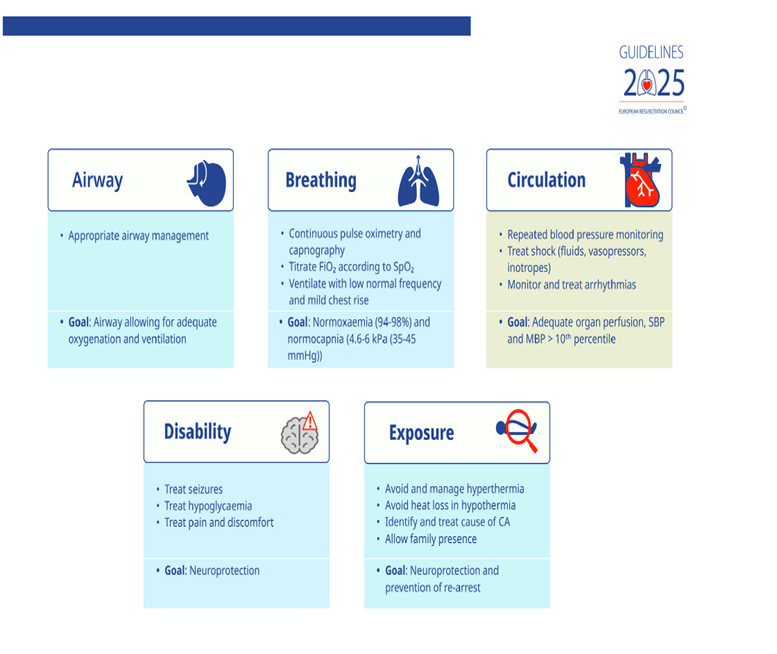
Management of critically ill child using ABCDE approach1
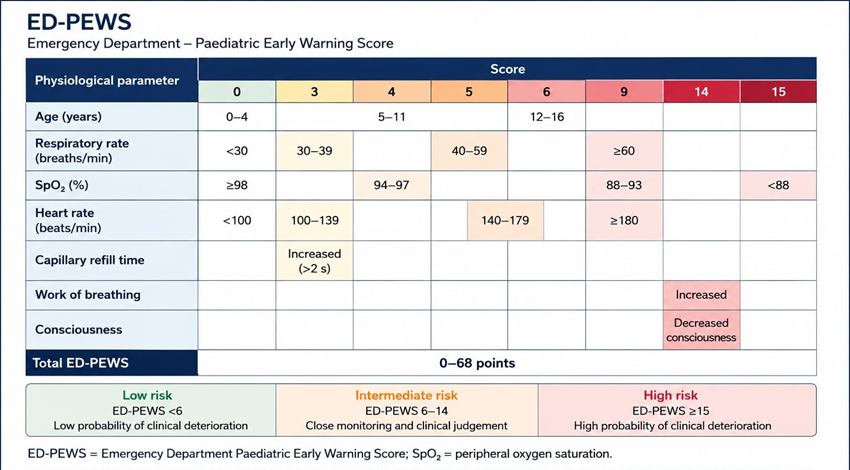
Emergency Department Pediatric Early Warning score21
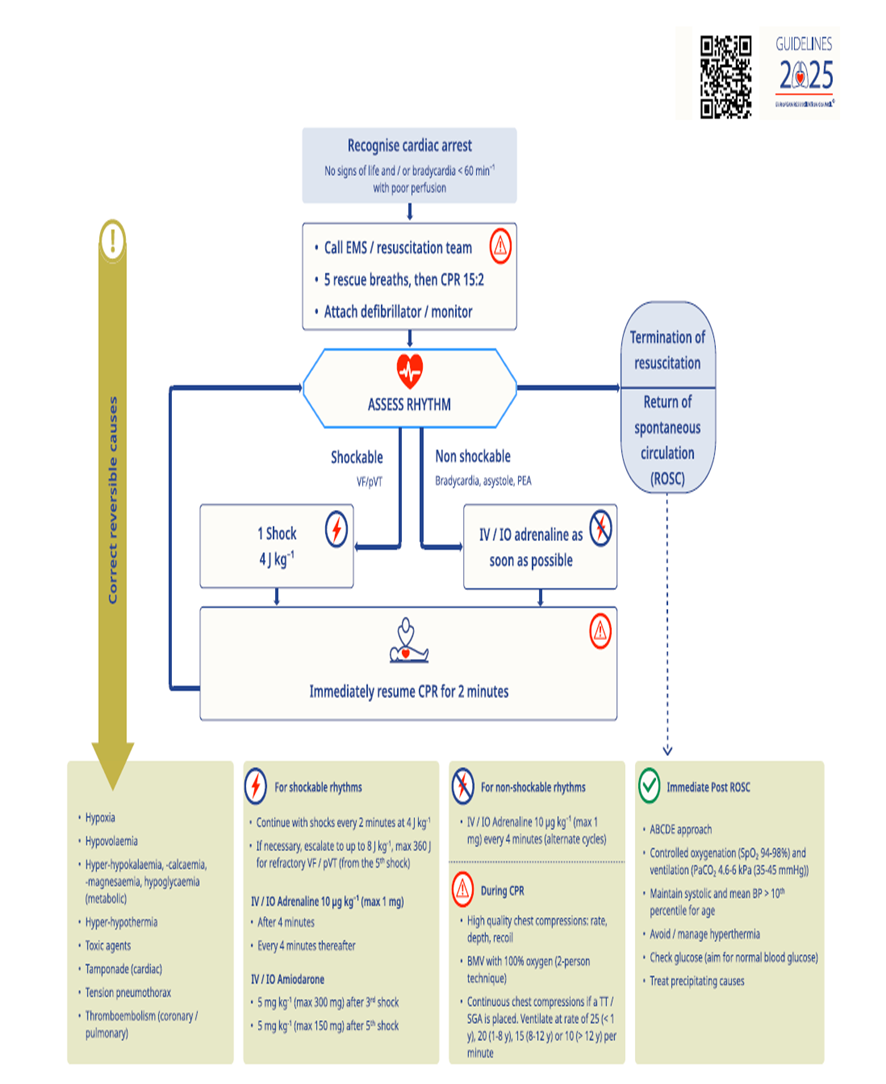
ALS algorithm, ERC guidelines1
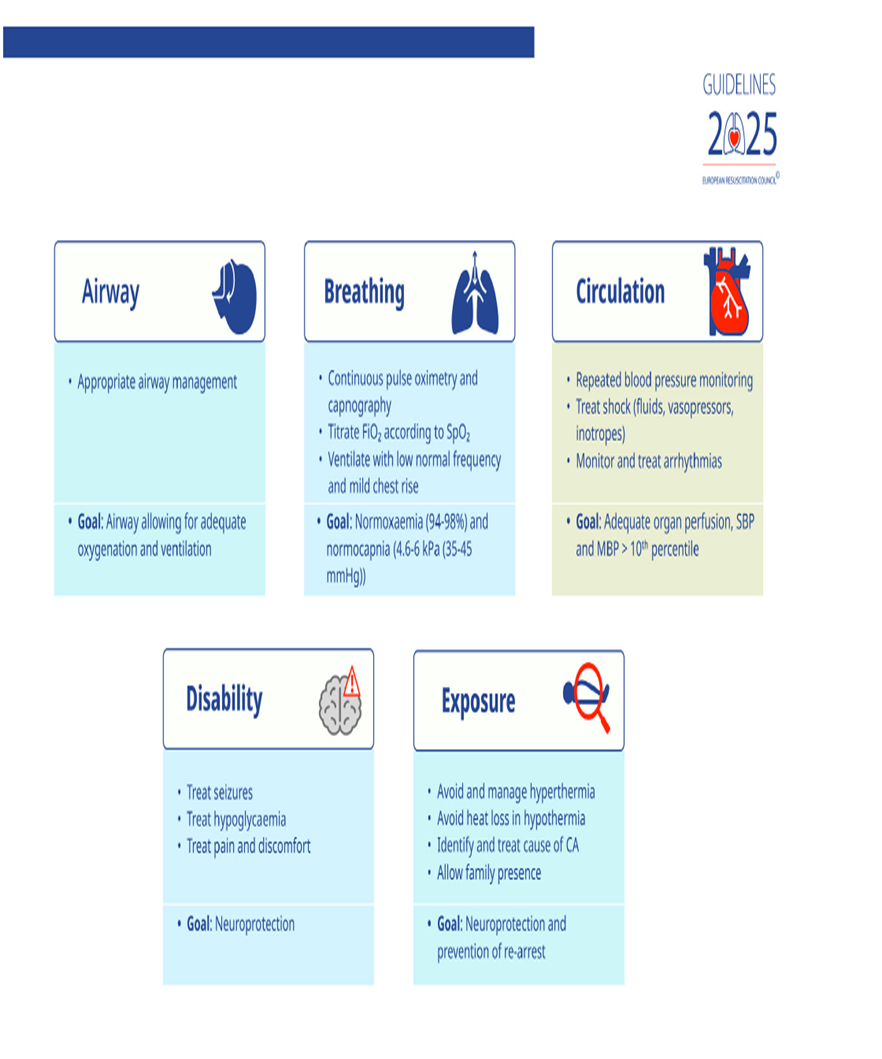
Immediate post resuscitation care1
- References
1. Guidelines on Cardiopulmonary Resuscitation 2025. European Resuscitation Council.
2.Jasmeet Soar, Joyce Yeung, Keith Couper, et al. Adult Advance Life support guidelines, Resuscitation council UK, 2025.
3.Adam Cheng and Angelo Mikrogianakis. Rapid response systems for pediatrics: suggestions for optimal organization and training.Pediatric child health, 15 Feb. 2018; 23 (1):51-57.doi:10.1093/pch/pxx133.
4. Sharek PJ, Parast LM, Leong K, et al.Effect of a rapid response team on hospital-wide mortality and code rates outside the ICU in a children’s hospital. JAMA. 2007;298(19):2267–2274. doi:10.1001/jama.298.19.2267
5. Brilli RJ, Gibson R, Luria JW, et al.Implementation of a medical emergency team in a large pediatric teaching hospital prevents respiratory and cardiopulmonary arrests outside the intensive care unit.Pediatric Critical Care Medicine. 2007;8(3):236–246.doi:10.1097/01.PCC.0000262947.71278.45
6.
Cheng A, Mikrogianakis A; Canadian Paediatric Society, Acute Care Committee.
Rapid response systems for paediatrics: Suggestions for optimal organization
and training. Paediatrics & Child Health. 2018;23(1):51–57.
doi:10.1093/pch/pxx133
7. Tibballs J, Kinney S.Reduction of hospital mortality and of preventable cardiac arrest and death on introduction of a pediatric medical emergency team.Pediatric Critical Care Medicine. 2009;10(3):306–312.doi:10.1097/PCC.0b013e318198b02c
8. Canadian Paediatric Society, Acute Care Committee.Rapid response systems for paediatrics: Suggestions for optimal organization and training.
9. Ottawa: Canadian Paediatric Society; 2018.Available at: Canadian Paediatric Society Position Statement.
10. Kotsakis A, Lobos AT, Parshuram C, et al.; Ontario Pediatric Critical Care Response Team Collaborative.Implementation of a multicenter rapid response system in pediatric academic hospitals is effective.Pediatrics. 2011;128(1):72–78. doi:10.1542/peds.2010-0756
11. Duncan H, Hutchison J, Parshuram CS.The Pediatric Early Warning System score: A severity of illness score to predict urgent medical need in hospitalized children. Journal of Critical Care. 2006;21(3):271–278.doi:10.1016/j.jcrc.2006.06.007
12. Akre M, Finkelstein M, Erickson M, Liu M, Vanderbilt L, Billman G. Sensitivity of the Pediatric Early Warning Score to identify patient deterioration. Pediatrics. 2010;125(4):e763–e769.doi:10.1542/peds.2009-0338
13. European Resuscitation Council (ERC).ERC Guidelines 2025: Paediatric Life Support. Resuscitation. 2025;215(Suppl 1):110767. doi:10.1016/j.resuscitation. 2025.110767 .
14. International Liaison Committee on Resuscitation (ILCOR).
Pediatric Life Support Consensus on Science and Treatment Recommendations
(CoSTR), 2025. Resuscitation. 2025.
15. WHO. Paediatric Emergency Triage, Assessment and Treatment (ETAT): Care of Critically Ill Children. Geneva: World Health Organization; 2016.
16. WHO. Guideline Updates on Paediatric Emergency Triage, Assessment and Treatment. NCBI Bookshelf.
17. Surviving Sepsis Campaign. International Guidelines for the Management of Septic Shock and Sepsis in Children. SCCM.
18. Resources for Optimal Care of the Injured Patient. Chicago, IL: American College of Surgeons; 2022.Provides trauma system standards, transfer criteria, trauma team activation, and escalation principles relevant to pediatric trauma systems.
19.Rozzelle CJ, Aarabi B, Dhall SS, et al. Management
of pediatric cervical spine and spinal cord injuries. Neurosurgery.
2013;72(Suppl 2):205–226.
doi:10.1227/NEU.0b013e318277096c.
20. American Heart Association (AHA).2025 AHA Guidelines for CPR and ECC: Pediatric Advanced Life Support. Circulation. 2025.
21. Zachariasse JM, Nieboer D, Maconochie IK, et al. Development and validation of a Paediatric Early Warning Score for use in the emergency department: a multicentre study. Lancet Child Adolesc Health. 2020;4(8):583-591. doi:10.1016/S2352-4642(20)30139-5.