Nile tilapia propagation
| Site: | EHC | Egyptian Health Council |
| Course: | Aquatic animal medicine Guidelines |
| Book: | Nile tilapia propagation |
| Printed by: | Guest user |
| Date: | Thursday, 5 November 2026, 3:36 AM |
Description
"last update: 29 September 2026" Download Guideline
- Acknowledgment
We would like to acknowledge the committee of National Egyptian Guidelines for Veterinary Medical Interventions, Egyptian Health Council for adapting this guideline.
Executive Chief of the Egyptian Health Council: Prof. Mohamed Mustafa Lotief.
Head of the Committee: Prof. Ahmed M Byomi
The rapporteur of the Committee: Prof. Mohamed Mohamedy Ghanem.
Scientific Group Members: Prof. Gamal A. Sosa., Prof. Nabil Yassien, Prof. Ashraf Aldesoky Shamaa, Prof. Amany Abbass, Prof. Dalia Mansour, Dr. Essam Elmarakby, Dr. Mohamed Elsharkawy, Dr. Naglaa Radwan, Dr. Hend El Sheikh
Authors: Mohamed Faisal1,2; Adel A. Shaheen1, Amany A. Abbass1; Amel M. El Asely1; Eman A. Abd El-Gawad1; Hiam S. Elabd1; Aya F. Matter1; Hadeer A. Youssef1, and Amira M. El-Daim1.
1Department of Aquatic Animal Medicine, Faculty of Veterinary Medicine, Benha University, Egypt.
2College of Veterinary Medicine, Michigan State University, USA.
- Scope
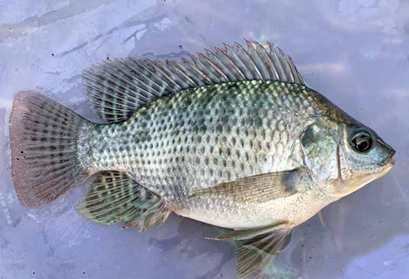
Nile tilapia (Oreochromis niloticus) is
the most farmed species in Egypt's aquaculture industry, which has expanded
quickly in recent decades.
Egypt is the world's third-largest producer of tilapia, behind China and
Indonesia, and its aquaculture is vital to the country's economy and food
security.
- Summary
Tilapia is a highly versatile fish that is farmed worldwide, particularly Nile tilapia holding a great economic promise to provide food and nutritional security and create rural employment. In Egypt, Nile tilapia is the primary cultivable species. The Egyptian aquaculture is directed by three types of fish which comprising more than 95 % of total production; tilapias represent (75.54 %), mullets (12.74 %), and carps (6.59 %). Recently, Egypt's tilapia production was estimated to have exceeded 1.1 million tonnes that accounts for over 9 % of global aquaculture production. There are two main types of grow-out systems to culture fish up to marketable size; intensive or semi-intensive. Semi-intensive production in earthen ponds is the most applied aquaculture system in Egypt, accounting for over 80% of total aquaculture output. In case of semi-intensive tilapia production, fish relies on natural food for early fry rearing. Meanwhile, the intensive method of tilapia production uses concrete ponds and tanks, and fish require nutritionally complete feeds.
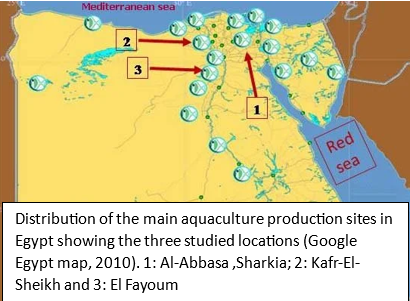
In Egypt most tilapia farms are located in Kafrelsheikh, Beheira, Dakahlia, Sharkia and El Fayoum Governorates.
- Introduction
Tilapia is native to Africa, but it was introduced into other tropical, sub-tropical and temperate areas of the world during the second half of the 20th century (El-Sayed, 2006). Several drawings from the Egyptian tombs discover that the culture of tilapia dates back 3000 years ago (El-Sayed, 2013). Around 22 species of tilapia have been farmed globally, Nile tilapia is the most cultured species.
3.1. Biology of Nile tilapia
Nile tilapia is a freshwater fish belonging to the Cichlidae family. It is the most cultured warm water fish due to it possesses many characteristics including fast growth rates, high tolerance to a wide range of environmental conditions (dissolved oxygen, temperatures, and salinity), resistance to stress and diseases, good quality meat, capability to reproduce in captivity, a short reproduction period, feed at a low trophic level and ability to fed on artificial feeds immediately after yolk-sac absorption (Ng and Romano, 2013; El-Sayed, 2019). There are several different strains used in aquaculture, however, GIFT (genetically improved farm tilapias) strain developed by ICLARM (World Fish Center) is regarded as a good strain for its fast growth and high fillet yields (Ibrahim et al., 2012)
Nile tilapia exhibits diurnal behavior and are opportunistic omnivores grazers that feed mainly on Phytoplankton, algae, zooplankton and detritus, because of their feeding patterns they do not accumulate toxins in their bodies. The Farmed Nile tilapia is sold at around 400–500 g, which they reach sexual maturity in ponds at around 5–6 months. The lower lethal temperature for Nile tilapia is 11-12 °C, while the optimal water temperature for growth and health ranges from 28 - 30 °C. During the spawning season of mature male Nile tilapia (Oreochromis niloticus) develops reddish coloration on their body (ventral surface of head and belly) and fins (pectoral, dorsal, and caudal) as secondary sex characteristics.
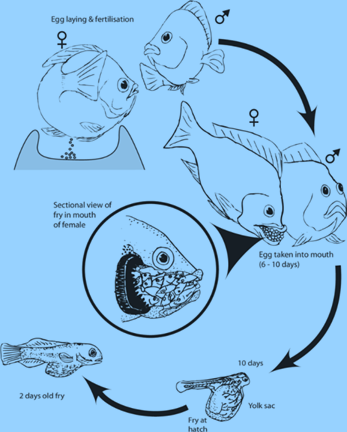
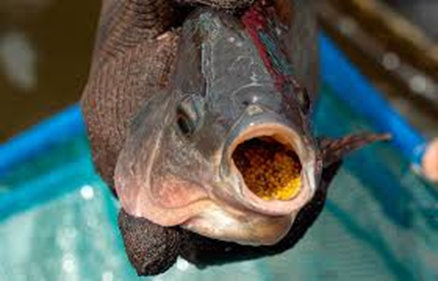
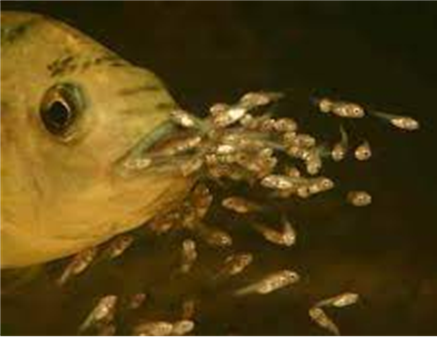
Based on their reproductive behavior, the commercial species of tilapia have been classified into three major categories: (1) maternal mouth brooders (Oreochromis species) means females picked up fertilized eggs into their mouth, incubated 3-5 days, hatched and larvae brooding for 10-12 days ; (2) biparental mouth brooders (Sarotherodon species) means both male and females picked up fertilized eggs into their mouth; and (3) substrate spawner (Tilapia species) means female laying eggs on a solid surface rather than brooding them in their mouth (Popma and Masser,1999). Being a maternal mouth brooder, the number of eggs per spawn is small in comparison with most other pond fishes. The egg number is proportionate to the body weight of the female. Female weighing 100 g will produce about 100 eggs per spawn, while that weighing 600-1 000 g can produce 1000 to 1500 eggs.
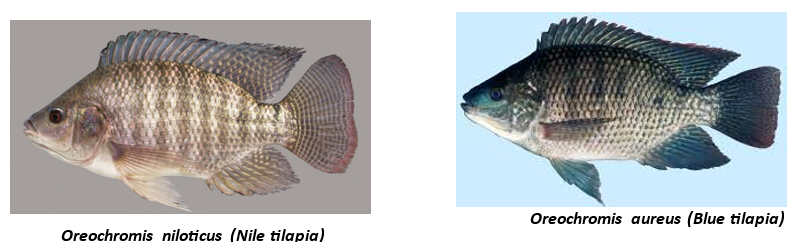
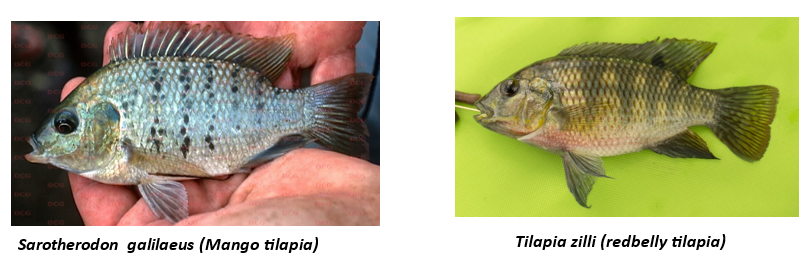
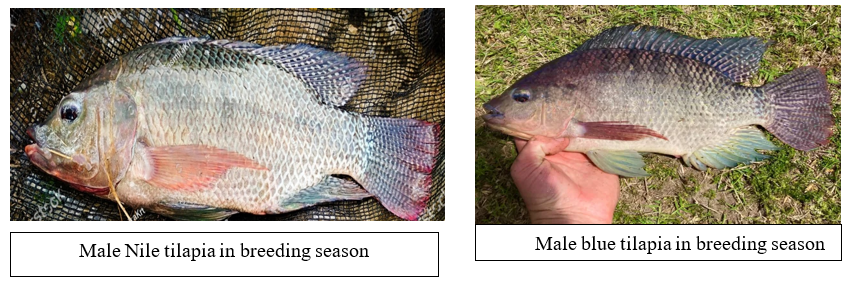
Table 1: Nile Tilapia (O. niloticus) characteristics that can generally be used to distinguish from Blue Tilapia (Trewavas 1983)
|
Nile Tilapia |
Blue Tilapia |
|
|
Number of dorsal spines |
16-18 (mode 17) |
15-16 (mode 16) |
|
Total dorsal fin rays |
29-31 (mode 30) |
27-30 (mode 28) |
|
Banding on caudal fin |
Distinct, regular dark stripes |
No distinct bands/stripes |
|
Male breeding coloration |
Head and body: Reddish coloration across their body (ventral) and fins. |
Head: Metallic blue |
|
Dorsal fin margin |
Dark grey or black |
Vermillion (Intense red-orange) |
3.2. Natural Breeding
Temperature and sunlight are the most important factors that influence spawning. Spawning activity begins when the water temperature reaches 24 °C with optimum temperature of 25-28°C, and broodstocks reach sexual maturity. Optimal reproductive performance takes place in a normal daylength cycle, which is 12 hours of sunlight and 12 hours of darkness. The breeding process begins when the male establishes a territory by digging a craterlike spawning nest and guards his territory. The ripped female responds by spawning in the nest, and immediately after fertilization by the male, the female collects the eggs into her mouth and moves off. The female incubates the eggs in her mouth and broods the fry after hatching (10 – 12 days) until the yolk sac is absorbed. Incubating and brooding are completed in 1 to 2 weeks, depending on temperature. After fry are released, they may swim back into her mouth if danger threatens (El-Sayed, 2019). The male stays in his territory, guarding the nest, and is able to fertilize eggs from a succession of females. The female may spawn continuously, if there is no decline in water temperature (cold period). During the female is brooding eggs, she eats little or nothing led to decrease in growth rate.
- It is important to maintain the correct stocking density and sex ratio of broodstock in ponds or hapas for efficient seed production. Males are aggressive in nature and consequently, the paired mating sometimes leads to injuries of high value broodstock. Therefore, cutting of premaxilla (upper lip) of the male is done to eliminate this offensive behavior (Thodesen et al., 2011). The stocking rat is every 1 male for 3 to 4 females, but a ratio of one male for every two females is optimal for synchronous spawning and high fertilization rate. In Hybridization breeding program that occurs between two species of tilapia (O. aureus male and O. niloticus female), the stocking rate is every 1 male for 1 female.
3.3. Hatchery production (Semi-Artificial breeding)
- In tilapia, hormones are not used to induce spawning because of its asynchronous breeding. For seed production, hatchery tanks made from fiberglass, plastic, glass, concrete, or wood (range from 4 to 100 m2 and up to 1.5 m deep) are used. The broodfish are stocked at rate of one female to one male or up to 7-10 females at an age of 4-5 months. The most common sex ratios used are one male to four female broodfish (FAO, 2010). The stocking density for broodstock varies depending on the type of facilities used for hatchery production. In ponds, stocking density of broodfish is 2 fish/ m2 (1:1), In hapas, 6 fish/ m2 (3:3) and 10 fish/ m2 (5:5) in case of fiberglass tanks. Hapas in ponds are cheap to construct and more convenient to manage in commercial tilapia hatcheries. In Egypt, a range of hapa sizes typically 7 m × 3 m × 1 m are used (Nasr-Allah et al., 2012).
- The male digs a nest of the fine gravel on the aquarium and drives off the females for courtship, spawning and fertilization require less than 2 hours, then females collect eggs in their mouth and incubated for 3-5 days; after that Catch breeders and forcibly opening their mouth to release the larvae / sac-larvae /eggs. This method significantly increases seed production compared with natural incubation of eggs. Due to tilapia eggs are negatively buoyant and, in the absence of a current to suspend them in the water column, they will sink quickly, clump together and fungal infection develops, therefore, up-welling Zuger-type hatching jars have been used for tilapia eggs.
- Egg loading rates range from 650 to 1 350 eggs per liter in small incubators, and up to 4 000 eggs per liter in large incubators. Water flow rates are 1 L/min in small incubators and 1 L/s per 10 000 eggs in large incubators. About 50 hours after transformation to the container at 25-27 C the eggs hatch. Sac-fry harvested from broodfish also must be held in the hatchery (8-10 days) until yolk sac absorption is complete. When the fry reached a total length in size of 6 to 7 mm (1 to 2 grams) they can be moved to the nursery tanks (Salin and Yakupitiyage, 2023).
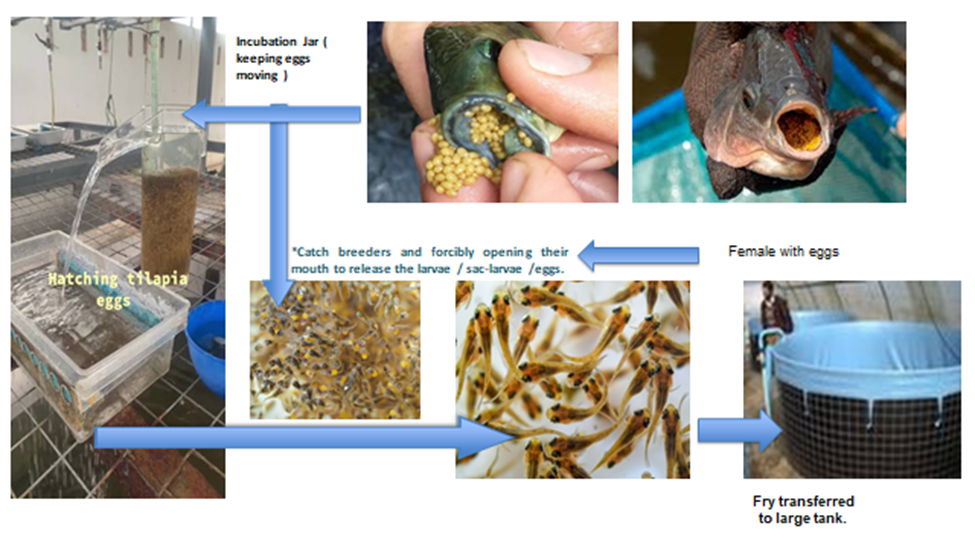
In semi-artificial propagation, female from which eggs are taken become ready to spawn 1-2 week after, So, the female can spawn 10 -12 times / year compared to 4 - 5 times/ year in natural propagation in pond.
- Maintenance of good water quality is critical to successful hatchery operations. In addition, careful broodstock selection and management are the key factors of hatchery to ensure maximum survival and enhanced reproductive performance, including proper gonadal development, high fecundity and high fry survival. The farmer should select the broodfish genetically pure fish, large fish, free from any physical deformities or Injuries, diseases or parasites, and fast-growing stock. Moreover, avoid broodfish that are too old and have spawned several times, cull broodstock older than 1.5 to 2 years as fecundity drops as fish get older (Salin and Yakupitiyage, 2023)
- The performance and reproductive efficiency of tilapia broodstock depend greatly on the quality of their diet. The broodstock needs relatively higher levels of protein in their diets, generally in the range of 30%–45% for Nile tilapia. Feeding rates significantly influence hatchery efficiency and profitability, so it’s recommended to increase the feeding rate immediately after harvesting the eggs or sac-fry, followed by decreasing feeding rate or no feeding at all for fish raised in good fertilized earthen pond (Macintos and Little, 1995).
- Nursing of Nile Tilapia fry
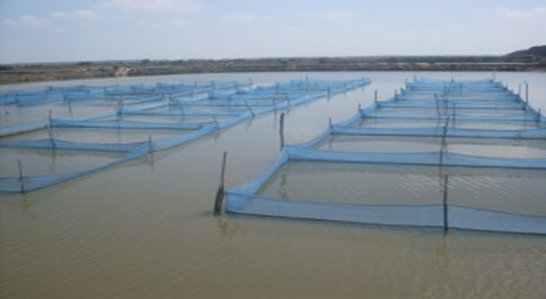
Newly hatched fry is reared in nursery hapas set in earthen ponds and sex reversed by feeding them17α-methyltestosterone incorporated feed (60 mg/kg feed). Handling tilapia fry in a stress-free manner is crucial for maximizing the production of good quality fish. Stress reduction helps improve survival rates, growth, and overall health of the fry (Salin and Yakupitiyage, 2023). After sex reversal, fish (0.1–0.2 g) are nursed in hapas at a stocking density of 1000–2000 fry/m2. Hapa sizes vary, but most are in 8 x 5 m. Fish are fed a mixture of fishmeal and rice bran at a ratio of 1:2–3. Pond culture is one of the most widely used methods for growing tilapia (El‐Sayed and Fitzsimmons, 2023). Tilapia fry is also nursed in small ponds at approximately 20-25 fish/m2 for 2-3 months to an average size of 30-40 g. Ponds are drained, dried and limed at 500 kg/ha. After filling it with water, fertilize the pond with inorganic fertilizers (super phosphate) or organic fertilizer to stimulate plankton growth. Fingerlings are fed commercial feed (30% protein) at an initial rate of 8-15 percent of biomass per day, which is gradually decreased to a final rate of 4-9% per day. Polyculture culture Nile tilapia with carp can reach or exceed 5 tonnes/ha (FAO, 2002). During the grow-out phase, fish attain a marketable size which varies according to whether the fish sold in local or international markets, or the fish are being used as raw materials for additional processing. Farmers able to sell fish around 200–300g at the local market, meanwhile, for producing tilapia fillet will demand 800 g fish.
- Grow-out systems for Nile tilapia
Fish welfare and the surrounding environment can be significantly impacted by the production strategy utilized to raise Nile tilapia. fish can be cultured in Land based facilities such as ponds and rice fields or Water based system were using of existing water bodies such as cages and pens. Commercial systems may earthen ponds, along with cages, tanks, raceways and recirculating systems, depending on the location and climate (El-Sayed & Fitzsimmons, 2023).
5.1. Earthen pond culture systems
Earthen ponds in fish farms consist of:
1-Rearing ponds are larger (0.06-0.1 hectare in size and 1.5 to 2.0 m in depth.
2-Auxiliary ponds
· Brood stock segregation ponds.
· Spawning ponds.
· Nursery ponds for newly hatched fry.
· Holding ponds for fry.
· Storage ponds for marketable fish.
Site selection for earthen pond construction is one of the most important factors should receive great attention
1-Pond Topography
The shape and location of the pond affects construction cost, drainage, and water quality.
The Best topography is:
- Land slope: Gently sloping land 1-3% is ideal. Flat land also used but needs more excavation.
- Location: Elevated area above flood level. Easy to fill and drain by gravity.
- Access: Close to farm roads for feed, harvesting, and equipment.
2-Pond Soil
Soil controls water retention, seepage, and pond fertility.
The most suitable soil type for fish ponds:
- Texture: heavy clay soil (Heavy clay soil contains over 35% fine clay particles (lutum) and forms a dense, sticky mass that drains very slowly), Clay-loam or silty-clay (fine-textured earth types contained 30-40% clay content with high nutrient levels and strong water-holding capacities, but they differ in particle makeup and how they handle moisture)
- Permeability: Low seepage rate <3 mm/day and holds water without liner.
- pH: 6.5 to 8.0. If too acidic <5.5 add agricultural lime. If too alkaline >8.5 use gypsum.
- Organic matter: 2-5%. Good for natural food production.
- Avoid: Sandy soil >70% sand - high seepage. Peaty soil - acid and unstable. Saline-sodic soil - causes high pH and poor productivity.
Quick field test in Egypt: Take wet soil and make a ball. If it holds shape and can be rolled into a ribbon means good clay-loam soil.
The Ball and Ribbon Test (Texture)
This hand test estimates the amounts of sand, silt, and clay in soil
· Take a tablespoon of soil in your palm and remove any stones or roots.
· Add drops of water gradually and knead the soil until it feels like moist putty or plasticine.
· Try to squeeze it into a smooth ball.
· Push the ball between your thumb and forefinger, squeezing it upward to form a thin ribbon and results as follow:
- If it cannot form a ball, it is sand (common in newly reclaimed desert lands in Egypt).
- If it forms a short, weak ribbon that breaks quickly (< 2.5 cm), it is loam or sandy loam.
- If it forms a long, flexible ribbon (> 5 cm), it is clay (common in the Nile Delta and Valley).
3- During site selection it’s important to take in consideration the following:
- Sources of electricity, Manpower (workers).
- Transportation methods.
- Markets.
- Site security.
- Potential impact on surrounding environment.
Earthen Pond preparation:
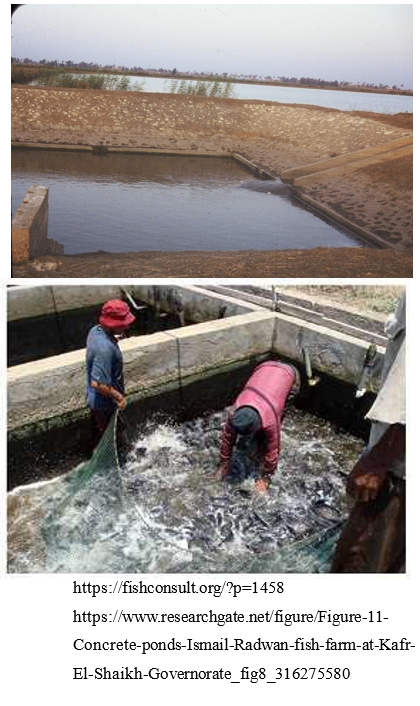
- Size: The most important factors affecting and determining rearing pond size are:
- Quantity of water and extent of land available.
- Cost of construction per unit area.
- Time required for filling and draining the pond.
- Shape is affected by:
- Topography of the area should be entirely above the water table to prevent ground water from seeping into the pond, to assure complete draining of the pond at harvest, and to facilitate both water fill and drain by gravity.
- The method of fish harvesting.
- The ratio between the length of embankments and the area covered by water, A rectangular shape of the pond (length: width in 3:1) is considered to be ideal.
- Pond depth: The minimum depth of pond is usually 0.8-1.8 m, (allow adequate light penetration and increase pond productivity) and increased to 2.5-3.5 m when water supply is seasonal. Shallow pond showed aquatic plants develop, and water temperature increase in early afternoon hours at summer.
- Pond bottom must be sloped about 1-2% toward deeper drain end to facilitate water drain. Harvesting sump is the deepest area near the outlet usually about 10-20 cm and occupying 0.5- 1% of the total pond area. This harvesting sump able to collect all fish before harvesting. In concrete ponds it called catch basins.
- Water inlet and Water outlet
- Embankments: the width it depends on types of vehicles, equipment that pass over it (6 m), secondary one 4 m, the height of embankment generally about 0.5 m higher than the anticipated water level, and the inner slope of the it (height/width ratio 1:2) and the outside slope (height/width ratio 1: 2.5) to prevent erosion due to wave of water.
3. Source of Water
Water quality and quantity is the most critical factor in Egypt.
A Study showed highest survival and growth of larvae with mixed water. Ground water alone is too cold and low in nutrients. Drainage water alone has high ammonia and pollutants (Ali et.al,2020) briefly: Mixed water: A ratio of 1:1 ground water to agricultural drainage water is preferable for Nile tilapia survival and growth. Ground water / Tubewell: Good quality but low in natural food, cold in winter 18-20°C, high pumping cost and needs fertilization. Agricultural drainage water: Must be tested for ammonia, heavy metals, pesticides, industrial waste and usually needs aging 7-10 days in reservoir pond (need reservoir/storage pond per 5-10 production ponds). Also, Nile canal water used in some areas but depends on season and upstream use.
- Water parameters for breeding and rearing of Nile tilapia in Egypt:
1. Temperature
For rearing Nile tilapia fish, the optimal range is 26°C to 30°C.
For growth of fry and juveniles 25°C to 29°C is recommended, with best growth 27°C to 30°C.
For breeding, spawning starts above 24 °C , but best results are at 28-30°C.
2. Dissolved Oxygen (DO)
In earthen ponds DO was recorded between 5.4 to 7.9 mg/L.
The optimum for intensive culture aim for >5 mg/L.
3. pH
The general optimal range for rearing Nile tilapia is 7.0 to 8.0.
Tilapia can tolerate a wider range of 5.5 to 9.0 without major effects on growth, but for breeding and hatchery work must keep it at 7.0 to 8.5.
4. Salinity
Nile tilapia is freshwater fish but tolerates brackish water. For fry rearing in Egypt, best growth was at 5 to 10 ppt. It is recommended not above 10 ppt.
Growth is reduced above 8 ppt and mortality increases above 14 ppt.
For breeding, best fecundity and hatchability at hatcheries in Egypt usually use <5 ppt (fresh to low-brackish water).
5. Ammonia, and alkalinity and hardness.
-For healthy tilapia, Total Ammonia Nitrogen (TAN) should ideally remain below 0.5 mg/L, and un-ionized ammonia (NH3) must stay below 0.02mg/L (with optimal levels 0.01 mg/L).
-Water hardness measures calcium and magnesium mineral levels, while alkalinity measures the capacity of water to neutralize acid, mainly via carbonates and bicarbonates
Alkalinity should be >20 mg/L CaCO3, and hardness <50 mg/L CaCO3 for good culture conditions.
Hardness-to-Alkalinity Ratio: Ideally, total hardness should equal or exceed total alkalinity (a ratio of 1/1 or higher) to keep the pH stable and prevent high pH spikes during heavy photosynthesis.
5.2. Cage culture system
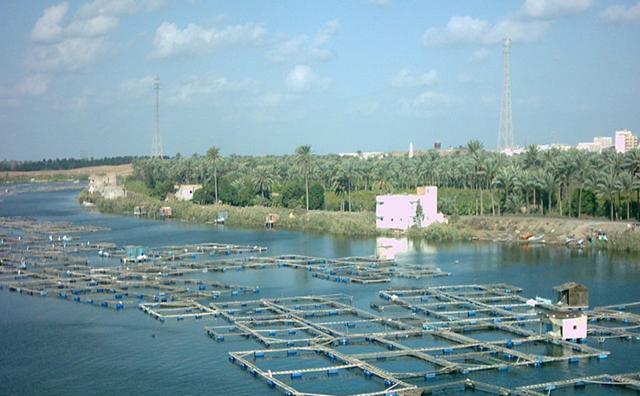
Nile tilapia is also cultured in cages installed in freshwater rivers, irrigation canals, reservoirs and Lakes compared to pond culture, investment in cage farms is lower than that of pond culture. Moreover, there is sufficient water flow and no accumulation of metabolic waste, overcome problem of overpopulation, easy management and harvesting. However, the cost of food is high because natural food plays a least role in Tilapia nutrition in cage culture (El-Sayed, 2019).
Risk of disease and parasites, fish escaping from the cages, a greater chance of poaching, and a high potential for environmental pollution were also reported disadvantages for cage culture. Small sized fish (0.25 g) are stocked in 2 mm mesh nylon cages at densities (3000/m3) that grow up to 10 g in 6 weeks. Then transfer this fish into cages with 4 mm mesh cages at socking densities 2500 fish/m3 to grow up to 25 g fingerlings in 4 more weeks. In four weeks, 50–60 g fingerlings can be produced by stocking these fish at a rate of 1,500 fish/m3. Start by giving the fish powdered feed containing 30%–40% crude protein, three to four times daily for satiation, then become bigger, feed them with pellets containing 28%–32% protein (Salin and Yakupitiyage, 2023).
5.3. Raceways culture
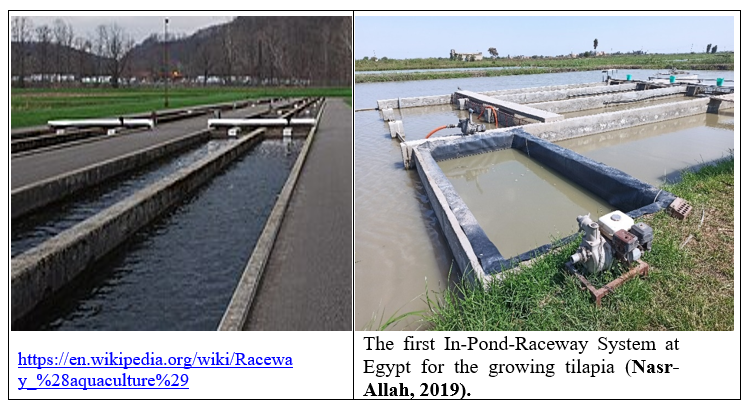
Tilapias are also cultured in tanks and raceways of varying sizes and shapes. This system depends on continuous, high-volume water exchange to keep optimal water quality at high stocking densities. The advantages of raceways are effective removal of solid waste, easy harvesting and fish sampling, and control water parameters. Stocking density in raceways ranges from 160-185 kg/m3.
The In-Pond Raceway System (IPRS) is a fish culture technology developed to increase production efficiency and yield (Vignesh et al., 2024). In this system, raceway cells are constructed in a bigger earthen pond, and the water is continuously circulated through the raceways. The large pond acts as a natural biofilter to treat waste-product and maintain the water qualities. The first In-Pond-Raceway System was established by WorldFish at Abbassa - Sharqia Governorate Egypt for the growing tilapia (Nasr-Allah, 2019). The system was composed of two production cells (12x3x1.5 m) that were installed in one feddan pond at stocking rate of 200 fish/m3 with average cell production 3398 kg/cell.
Nile tilapia harvesting
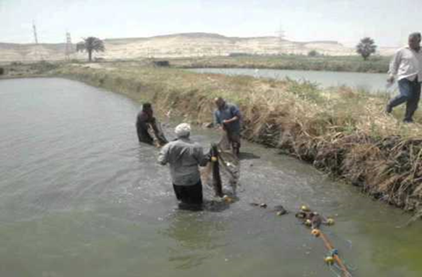
Nile tilapia are usually ready for harvest after 5 to 8 months, once they reach a market size of 300 to 500 grams.
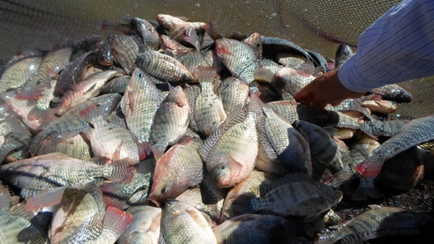
Complete harvests are necessary in ponds and are done by seining in combination with draining because it is difficult to use seining alone as tilapia escaping seine nets. Meanwhile, partial harvests of tanks, raceways and recirculation systems, which maximize production are applied.
The pond should be dried between each production cycles or treated with pesticides to kill tilapia fry to avoid remainder to the next production cycle.
- Challenges facing Nile Tilapia aquaculture
6. 1 Seasonality of the climate
- Summer temperatures (25–30 °C) are very suitable for growth and reproduction of Nile tilapia, meanwhile, in cold weather (winter), surface water temperatures fall between 7–10 °C that causing stress and leading to high mortalities if low temperatures persist (Saleh, 2007).
- Several solutions have been applied by farmers for overwintering including cover small ponds with greenhouses to increase water temperatures and facilitate early spawning of tilapia, other operators have established tank based spawning systems, enclosed by greenhouses and often supplied with heated water (Sadek, 2011), and others increase pond depth to 2.5 m and hence keep the water warm at pond bottom for fish, however, in some cases they can lead to thermal stratification and low oxygen level at the bottom. So, it’s necessary to use aerators in deeper ponds to break up stratification and mix warmer, oxygenated water from the surface with the bottom water.
6. 2 - Filamentous algal growth
Tilapia does not stir up the water, so the ponds remain clear and the light penetrates to the bottom. As a result, filamentous algae often develops and this creates difficulties in harvesting small fry and also reduce oxygen level in ponds causing asphyxia. To avoid this problem male carp averaging 500 g. (250-300 /ha) can be introduced in tilapia spawning ponds.
6. 3 - Overpopulation
- Mixed-sex populations progress a large size variance among harvested fish, which affects marketability. Moreover, the presence of female tilapia leads to uncontrolled reproduction, excessive recruitment of fingerlings, competition for food, and stunting of the original stock, which may not reach marketable size. To overcome this problem some points can be considered:
1- Rearing mixed male and female tilapia and marketing them before they attain sexual maturity.
2- Introduction of some predators such as African catfish, Nile perch, or duck to control the problem of wild spawning.
3- Cage culture of Tilapia avoids problems with overbreeding because eggs fall through the cage meshes.
4- Intensive tank culture avoids overpopulation problems, because there is no space for males to set up spawning area.
5- Rearing male monosex populations. All male populations are usually used for growing out purposes on commercial farms because of males grow approximately 40 % faster compared to sexually matured females. For producing all male tilapia population, several methods can be applied such as:
a. Manual separation of sexes
Sex can be separated before they reach sexual maturity. However, it is difficult for even skilled farmers due to it is done in fish larger than 40-50 g, time consuming, causing stress, and inaccurate.
b. Hybridization
Hybridization is a process of breeding between different strains for producing male hybrid with high growth rate, cold tolerance to 10 °C, better catchability as O. aureus is difficult to catch by seining and burrowing into the mud, high and Marketability due to hybrid male is lighter than parents (Nwachi and Esa, 2016).
The common crossbreeding occurs between Nile Tilapia × Blue Tilapia (O. aureus)
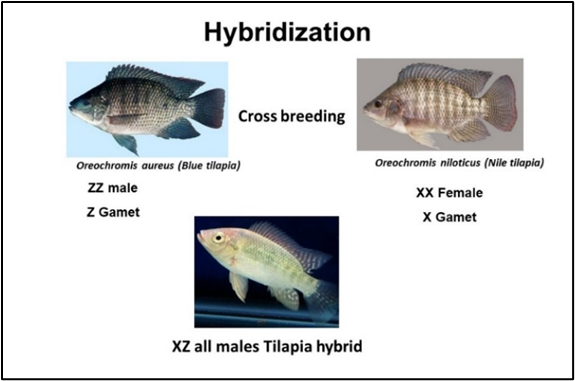
and Nile Tilapia × Mozambique Tilapia (O. mossambicus). Tilapias have different sex-determining mechanism which is the key to produce all male population. The species differ in chromosomal pattern, the Nile tilapia (Oreochromis niloticus) has mammalian-type XY chromosome system with heterogamety male XY and homogamety female XX, while Oreochromis aurous (Blue tilapia) has Bird-like type WZ chromosomal system with heterogamety female WZ, where the males are ZZ and females are WZ (Mair et al., 1991; El-Zaeem S.Y and Salam G.M., 2013). Hybridization occurs between two species of tilapia to produce an all-male hybrid population. Breeding of O. niloticus female and O. aureus male produces 80-90 % males, with the growth vigor of O. niloticus and the cold tolerance of O. aureus, the reason for this may be due impure broodstock and autosomal sex modifying genes. The produced hybrid showed market appeal (lighter than parents), superior growth rate (grow about 25-30 % better than either parent), higher disease resistance and greater environmental tolerance (tolerance of low temperature to 10 °C and higher salinity) compared to the purebred tilapia species (Anjar et al., 2023). The hybrid fed like O. niloticus mainly herbivore along the whole water column that is important in poly culture system.
c. Sex reversal
Sex reversal is a breeding program used for obtaining mono-sex population which is desirable if one sex grow faster than other. This program used in tilapia culture to produce all-male populations.
1. Hormonal sex reversal (Direct sex reversed fry)
Sex reversal has become a widely used method of producing monosex tilapia populations. In tilapia, sex is labile during the first 28 days of their life cycle and administration of hormone (androgen or estrogen) during this period can reverse the majority of fry to the desirable sex, and hormonal sex reversal of fry affected by several factors including fish species, hormone dosage, way of application, water temperature and exposure period.
The most common hormones used to produce all-male tilapia populations are methyl or ethyl testosterone (30 - 60 mg/kg of feed). An initial feeding rate of 20-30 percent body weight per day from the first exogenous feeding is gradually decreased to 10-20 percent by the end of 3-4 weeks sex-reversal period. Immersion in hormone solutions has also been used for sex reversal (Wassermann and Afonso, 2003). In addition, non-steroidal compounds, such as aromatase inhibitors (letrozole) and tamoxifen (anti-estrogen) have potential for production of monosex population in tilapia (El Asely et al., 2007), as well as exposure to high temperature of 36 rearing water during the first four weeks of their life can produce all male tilapia population ( Abbass and Radwan, 2004).
2. YY male tilapia technology (Sex reversed brood stock)
The production of YY males (GMT) is genetically engineered way used to produce 100% male offspring with two Y chromosomes. The process involves treating the tilapia fry during the first four weeks of their life with estrogens (female
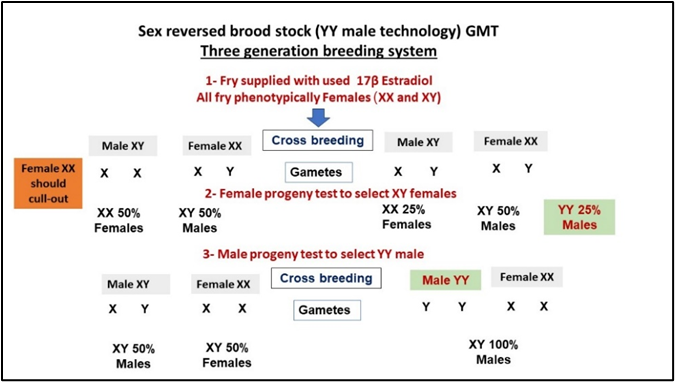
hormones) to produce all female fry population (phenotypically females) that are XX and XY. When feminized males XY are propagated with normal XY males, the produced progeny will have the following genotypes: 1 XX females: 2 XY males: 1 YY male, males were selected based on their phenotypic traits including the shape of genital papilla and number of orifices (Abucay and Mait, 2004). Breeding of produced males XY and YY with normal Females XX (Male progeny test) used to select YY male. Cross breeding YY males with normal XX females will result in all-XY male offspring. Producing YY males without using hormone during the growing phase with no risks in the hatchery environment, increase consumer acceptance (Mair et al., 1995).
- References
Abucay, S.J. and G.C. Mair. (2004): Methods of identifying males with YY genotype in Oreochromis niloticus L. Production of YY-male using atypical fish L. In: R.B. Bolivar, G.C. Mair & K. Fitzsimmons (eds.). Proceedings of the 6th International Symposium on Tilapia in Aquaculture Philippine International Convention Center Roxas Boulevard, Manila, September 12-16.
Ahmed A. A. Ali ; Yasser T.A. Moustafa; Soha M. Ahmed (2020): Evaluating the influence of different water sources on water quality, survival and growth rates of Nile tilapia (Oreochomis niloticus) larvae in tilapia hatcheries. Egyptian Journal for Aquaculture Egyptian Journal for Aquaculture P-ISSN: 2090-7877 E-ISSN: 2636-3984 www.eja.journals.ekb.eg/ Ali et al., 2020; 10 (1):45-64 DOI: 10.21608/eja.2020.25601.1018
Amany A. Abbass and Hasnaa A. Radwan (2004): Effect of high rearing water temperature on the sex ratio and cytogenetic picture of Nile tilapia, Oreochromis niloticus, fry. J. Egypt. Vet. Med. Assoc. Vol. 64, No.4: 7-19, (2004).
Ammar, A .A. ; Khattaby, A. A. and Ahmed, K. M.2 (2020): Effect of initial weights and stocking densities on growth parameters and culture economics of Nile tilapia fish raised in earthen ponds. Egyptian Journal for Aquaculture 2020; 10 (4):57-71.
Anjar, R., Ayi, Y., and Iskandar (2023): Survival, Growth, Meristic and Morphometric Characteristics of Hybrids Between Black and White Nile Tilapia Strains. Asian Journal of Fisheries and Aquatic Research, Volume 24, Issue 5, Page 31-39, 2023.
El Asely AM, Abbass AA, Shaheen AA. (2007): Effect of dietary administration of steroidal and non-steroidal compounds on sex ratio of Oreochrornis niloticus. Benha Veterinary medical journal, 8(2), 37-50.
Elnady M. A. ; Abdel-Wahed R.K. ; Salem M. A. and Basma, S. (2021): Influence of Water Temperature and Salinity on Rearing of Nile Tilapia Fry under Biofloc Culture System. Egyptian Journal of Aquatic Biology & Fisheries Zoology Department, Faculty of Science, Ain Shams University, Cairo, Egypt. ISSN 1110 – 6131 Vol. 25(6): 61 – 77 (2021).
El-Sayed, A. (2013): Tilapia feed management practices in sub-Saharan Africa. In: Hasan, M.R. & New, M.B. (Eds.) On-farm feeding and feed management in aquaculture. FAO Fisheries and Aquaculture Technical Paper No.583. Rome: FAOBooks, pp. 377–405.
El-Sayed, A.F.M. (2006): Tilapia culture. Wallingford, UK: CABI Publishing.
El-Sayed, A.-F.M. (2019): Tilapia Culture, 2nd ed.; CABI Publishing: Wallingford, UK, 2019; pp. 1–293.
El‐Sayed, A.F.M. and Fitzsimmons, K., (2023): From Africa to the world—The journey of Nile tilapia. Reviews in Aquaculture, 15, pp.6-21.
El-Sayed, A.M. (2019): Tilapia Culture, Chapter 4: Pond construction, 2nd Edition._ Academic Press.
El-Zaeem S.Y and Salam G.M. (2013): Production of genetically male tilapia through interspecific hybridization between Oreochromis niloticus and O. aureus. Iranian Journal of Fisheries Sciences 12(4) 802- 812 2013
FAO (2002): Fishery Statistics. Aquaculture production. 90(2).
FAO (2010): Food and Agriculture Organization of the United Nations, Rome, 2010.
FAO (2018): Tilapia Aquaculture in Egypt: Best Management Practices.FAO Fisheries and Aquaculture Circular No. 1156. Rome.
Ibrahim, N.A., Abou Zaid, M.Y., Khaw, H.L., El-Naggar, G.O., and Ponzoni, R.W. (2012): Relative performance of two Nile tilapia (Oreochromis niloticus Linnaeus) strains in Egypt: the Abbassa selection line and the Kafr El Sheikh commercial strain. Aquacult. Res. 1–10
Macintos, D. J. and Little, D. C. (1995): Nile tilapia (Oreochromis niloticus). In Bromage NR and Roberts JR, eds. Brood stock management and egg and larval quality. Oxford: Blackwell Sciences. 277–320.
Macmillan, J.R. & Huddleston, T. (1992): Site selection for aquaculture in the Nile Delta. World Aquaculture. 23(3): 28-33.
Mair G. C., Scott A., Penman D. J., Beardmore J. A. and Skibinski D.O.F., (1991): Sex determination in the genus Oreochromis I: Sex reversal, gynogenesis, and triploidy in O. niloticus L. Theoretical and Applied Genetics, 82, 144-152.
Mair, G.C., Abucay, J.S., Beardmore, J.A. and Skibinski, D.O. (1995): Growth performance trials of genetically male tilapia (GMT) derived from YY-males in Oreochromis niloticus L.: On station comparisons with mixed sex and sex reversed male populations. Aquaculture, 137(1-4), pp.313-323.
Nasr-Allah, A. M. (2019) Tilapia production using climate smart aquaculture system in Egypt, In-Pond Raceway System (IPRS) (Abstract). 4th International Conference on Sustainable Development of Livestock Production Systems "Smart and Precise Farming", Animal and Fish Production Department, Faculty of Agriculture, Alexandria University, November 19-21, 2019, Alexandria, Egypt.
Nasr-Allah, A.M., Dickson, M., Al-Kenawy, D.A., Mohamed, M.F., and El Naggar, G. (2012): Valuechain analysis of Egyptian fish seed production. Study ReportWorldFish Center.
Ng, W.K. and Romano, N. (2013): A review of the nutrition and feeding management of farmed tilapia throughout the culture cycle. Reviews in Aquaculture, 5(4), 220–254.
Nwachi, O.F and Esa, Y. (2016): A Review of Production Protocols Used in Producing Economically Viable Monosex Tilapia. Journal of Fisheries and Aquatic Science, 11(JANUARY), 1–11.
Popma, T. and Masser. M. ( 1999): “Tilapia: life history and biology.” Southern Regional Aquacultural Center. 283 pp.
Salin, K.R. and Yakupitiyage, A. (2023): A manual for Nile tilapia seed production and grow-out aquaculture. Penang, Malaysia: WorldFish. Manual: 2023-31.
Sara H., Seham El-Kassas, Haitham G. Abo-Al-Ela, Safaa E. A. , Usama A.I. and Radi A. M. (2024): Temperature and feeding frequency: interactions with growth, immune response, and water quality in juvenile Nile tilapia. BMC Veterinary Research (2024) 20:520.
Thodesen, J., Da-Yong, M., Rye, M., Wang, Y.X., Yang, K.S., Bentsen, H.B. and Gjedrem, T. (2011): Genetic improvement of tilapias in China: genetic parameters and selection responses in growth of Nile tilapia (Oreochromis niloticus) after six generations of multi-trait selection for growth and fillet yield. Aquaculture 322-323: 51-64.
Trewavas, E. (1983) Tilapiine fishes of the genera Sarotherodon, Oreochromis, and Danakilia. Publication No. 898. British Museum of Natural History, London, UK.
Vignesh, P., Ezhilarasi, V. and Antony, C., (2024) In Pond Raceway System (IPRS)-an option for a profitable and an eco-friendly aquaculture. Journal of Aquaculture in the Tropics, 39(1-4), pp.50-57.
· https://www.globalseafood.org/advocate/egypt-tilapia-blueprint-africa/
· https://www.veterinariadigital.com/en/articulos/tilapia-reproductive-cycle/
· https://www.google.com/search?q=tilapia+larvae++and+eggs+hatching&sca_esv