الاسعافات الأولية لحالات النزيف
| الموقع: | EHC | Egyptian Health Council |
| المقرر الدراسي: | دلائل الاجراءات التمريضية لقسم الاستقبال والطوارئ |
| كتاب: | الاسعافات الأولية لحالات النزيف |
| طبع بواسطة: | Guest user |
| التاريخ: | الأحد، 20 سبتمبر 2026، 5:06 PM |
الوصف
"last update: 18 March 2025" تحميل الدليل
- اعداد
تحت اشراف
- أ.د/ محمد لطيف الرئيس التنفيذي للمجلس الصحي المصري - د/ كوثر محمود نقيب عام التمريض المصري – عضو مجلس الشيوخ
تمت المراجعة
- أ.د/ شريف وديع ناشد مستشار وزير الصحة للطوارئ والرعاية العاجلة
اعداد
م | الاسم | الوظيفة | |
1 | أ.د /امل احمد خليل مرسي | نائب رئيس الجامعة لشئون التعليم والطلاب – جامعة بورسعيد | |
2 | أ.د / عفاف عبد العزيز عبد العزيز بصل | عميد كلية التمريض –استاذ تمريض باطنه وجراحي جامعة طنطا | |
3 | أ.د/ زينب حسين على محمد سعد | وكيل الكلية لشئون البيئة وخدمة المجتمع – كلية التمريض – جامعه حلوان | |
4 | أ.د/ امل سعيد طه رفاعي | أستاذ ورئيس قسم التمريض الباطني الجراحي – جامعة بنها | |
5 | أ.د/ حنان احمد السباعي على | استاذ التمريض التمريض الباطني الجراحي- كلية التمريض – جامعة القاهرة | |
6 | د /نيفين عبدربه النبي محمد عبد النبي | رئيس الإدارة المركزية ندباَ –وزاره الصحة | |
7 | د/ مايسة حسني احمد تمام | مدير عام للإدارة ندباَ – وزاره الصحة | |
8 | د/ نانسي علاء الدين عبد الباسط على | المشرف على التعليم الفني- الهيئة العامة للرعاية الصحية | |
9 | د /شيرين محمد محمد سعدالدين | المشرف على تطوير الخدمات التمريضية –الهيئة العامة للرعاية الصحية | |
10 | د/مى محمود العسال | مدير عام الإدارة العامة لشئون المعاهد الفنية الصحية | |
11 | أ.م.د/ هبة محمود محمد | أستاذ مساعد تمريض صحة الام وحديثي الولادة –كلية التمريض - جامعة عين شمس | |
المشاركين | |||
12 | د/ عزة جلال أحمد | مدير إدارة التمريض العلاجي- وزارة الصحة | |
13 | /أأحمد محمد أحمد النوبي | عضو إدارة التمريض الهيئة العامة للرعاية الصحية فرع الأقصر | |
14 | أ / أنغام حمدي عبد الخالق | أخصائي تمريض بالإدارة العامة للتمريض- وزارة الصحة | |
15 | أ /أحمد محمد حسين مبارز | أخصائي تمريض بالإدارة العامة للتمريض- وزارة الصحة | |
16 | أ /عبد العظيم السعيد عبد العظيم الحنفي | أخصائي تمريض بالإدارة العامة للتمريض- وزارة الصحة | |
17 | أ / شوكت يسرى حسين | أخصائي تمريض بالإدارة العامة للتمريض- وزارة الصحة | |
18 | أ / كريم أحمد صادق | أخصائي تمريض بالإدارة العامة للتمريض | |
- تعريف النزيف الداخلى
النزيف الداخلي هو خروج الدم من الشرايين أو الأوردة أو الأوعية الشعرية إلىأماكن داخل الجسم مثلا داخل البطن.
قد يحدث نتيجة لإصابة كالكسر أو الهرس أو إصابة نافذة أو بسبب حالة طبية كنزفقرصه معدية و هناك أعضاء داخلية كالطحال و الكبد مثلا قد تتأذى من ضربة تصيب الجسم دون وجود دليل خارجي على ذلك.
والنزف الداخلى قد يكون اشد خطورة من النزف الخارجي. و بالرغم من أن الدم لا يضيع خارج الجسم إلا انه يغادر الجهاز الدوري بحيث تعافى الأعضاء الحيوية من نقص الأكسجين كما أن الدم المتجمع في الداخل قد يحدث مضاعفات إذا ضغط علىالأنسجة الحيوية فمثلا قد يضغط الدم المتجمع في الجمجمة على الدماغ و يحدث فقدا للوعي.
- علامات النزيف الداخلي
1- تختلف تبعا لكمية النزف و معدل فقدان الدم.
2- يصعب التعرف على النزيف الداخلي أكثر من النزيف الخارجي حيث انه ليس من السهل ملاحظة العلامات و قد تستغرق وقتاً قبل ظهورها و تشمل علامات النزيف الداخلي:-
◀️ وجود رضوض أو تغير لون الجلد في المنطقة المصابة.
◀️ وجود آلم أو تورم أو صلابة في الأنسجة الدقيقة اللينة مثل تلك الموجودة في البطن.
◀️ القلق أو الأرق.
◀️ وجود نبض سريع و ضعيف.
◀️ سرعة التنفس البسيط أو النهجان.
◀️ برودة الجلد أو رطوبته أو شحوبه أو ازرقانه.
◀️ الغثيان والتقيؤ.
◀️ العطش الشديد.
◀️ انخفاض في مستوى الوعي.
- الاسعافات الأولية للنزيف الداخلى
1- إذا بدا أن الإصابة بسيطة ضع عليها ثلجاً أو كمادة باردة للمساعدة في تخفيف الألم والتورمعلى أن تضع قطعة قماش بين الثلج أو الكمادة الباردة وجلد المصاب لتمنع تلف الجلد.
2- اعمل على نقل المصاب مباشرة إلى المستشفى لأنه ليس من الممكن عادة معالجه النزف الداخلي بواسطة الإسعاف الأولى. وأثناء انتظارك لوصول المساعدة الطبية:-
- لا تتسبب في أي أذى آخر للمصاب.
- الراحة التامة و عدم تحريك المصاب قدر الاستطاعة.
- ارقد المصاب على الأرض واجعل رأسه مداراً إلى جهة واحدة و انصحه بعدم التحرك.
- ارفع رجليه إذا كانت إصابته تسمح بذلك لكي تساعد على وصول الدم إلى الأعضاءالحيوية.
- فك أي ملابس ضيقة حول العنق و الصدر و الخصر طمئن المصاب و اشرح له ضرورة الاسترخاء بالنسبة له.
- راقب أساسيات الإنعاش
- حافظ على درجة الحرارة الطبيعية للجسم.
- لا تعط المصاب أي شئ عن طريق الفم.
اعمل على نقل المصاب بسرعة إلى المستشفى. احمله على نقالة مع الاحتفاظ بوضع المعالجة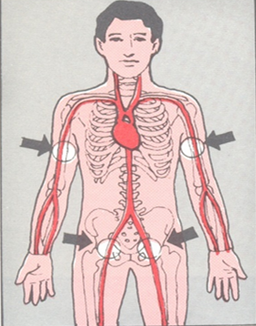
خطوات العمل :
1- يتم تحديد نوع النزيف (شريانى- وريدى) ومكانه( داخلى – خارجى) و سببه (حادث- مابعد عملية جراحية)
2- يتم الضغط المباشر على الجرح بإستخدام ضمادة معقمة فى حالة النزيف الخارجى .
3- هناك ثلاثة طرق عملية توقف من النزيف وتقلل خطورته وهى :
◀️ الضغط المباشر باليد على مكان النزف
◀️ الضغط فى أماكن معينة من الجسم
◀️ إستخدام ضاغطات الشرايين
4- تركيب كانيولا طرفية ذات مقاس كبير او اكثر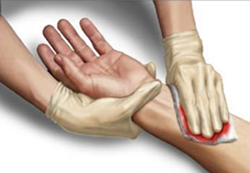
5- أخذ عينة دم من المريض لتحليل صورة دم وأخذ الفصيلة لحجز دم للمريض
6- وضع المريض تحت الملاحظة للضغط والنبض والحرارة والتنفس
7- لا تحاول مسح الدم من مكان الجرح أو تقوم بخلع الضمادة أو قطعة القماش إذا ابتلت تماماً بالدم وذلك لتفادى إستمرار النزف بسبب :
◀️ الإقلال من الضغط على المكان لمدة معينة
التعارض مع عملية التجلط الطبيعية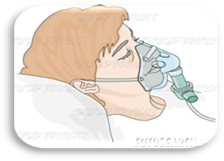
كيفية إسعاف المصاب بنزيف داخلى :
1- تعالج الصدمة وتدفئة المريض
2- لا يعطى المصاب أى شيئ عن طريق الفم
3- يجب إعطاء المصاب أكسجين
4- يتم تعويض المريض بالسوائل حسب التعليمات
5- عمل خريطة سوائل لحساب كمية السوائل الداخلة والخارج
ملاحظة العلامات الحيوية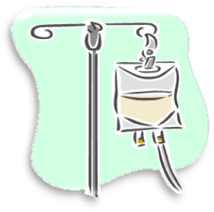
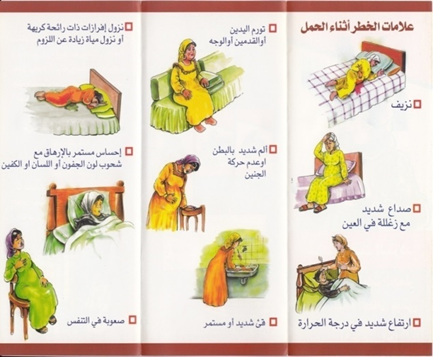
- الاعراض المنذرة اثناء الحمل
- نزيف مهبلي : إن حدوث النزيف في أي وقت خلال الحمل يمكن أن يكون مؤشراً على مضاعفات خطيرة :
• نزيف مع أو من دون ألم حاد ومستمر لفترة طويلة في جانب واحد من البطن، قد يكون علامة على حدوث الحمل خارج الرحم (حيث بدأ الجنين في النمو خارج الرحم) وهو حالة صحية طارئة.
• نزيف شديد ، خاصة مع ألم في الظهر أو البطن يدوم مدة طويلة، قد يكون حالة إجهاض.
• في مرحلة متأخرة من الحمل، قد يعني النزيف أن المشيمة (وهي الجزء الذي يغذي الجنين ويمدّه بالأوكسجين في الرحم) قد بدأت في الإبتعاد عن جدار الرحم، كما يُمكن أن يكون علامة على حدوث ولادة مبكرة (المخاض الذي يبدأ قبل الأسبوع 37).
2. إرتفاع في حرارة جسمك.
3. مشاكل في الرؤية : إن الرؤية المزدوجة، وغير الواضحة، والضعيفة، ورؤية بقع مضيئة أو أضواء تدوم أكثر من ساعتين يمكن أن تكون علامة على الإصابة بتسمّم الحمل.
4- توّرم اليدين والوجه والعينين : تختبر غالبية النساء التوّرم أو الانتفاخ (ويسمى أوديما) أثناء الحمل، فلو أحسستِ بذلك يمكن أن يكون ذلك مؤشراً لحدوث تسمّم الحمل.
5- صداع شديد : إذا كان لديكِ صداع يستمر لأكثر من ساعتين أو ثلاث ساعات وتشعرين أيضاً باضطرابات في الرؤية وانتفاخ مفاجئ في يديك وعينيك ووجهك، فقد تعانين من تسمّم الحمل.
6- تقيؤ حاد : إذا كنت تتقيئين أكثر من مرتين إلى ثلاث مرات في اليوم في مرحلة مبكرة من الحمل، قد تصابين بالجفاف، وربما تحتاجين إلى دخول المستشفى إن التقيؤ الذي يبدأ في مرحلة متأخرة من الحمل مع حرارة وألم تحت الأضلاع فقط، يحتمل أن يكون من علامات تسمّم الحمل.
7- الإغماء أو الدوار : قد تكونين مصابة بانخفاض في ضغط الدم، تحدثي مع ممرضة التوليد أو الطبيب لمعرفة أية أسباب أخرى محتملة.
8- عطش كبير مع قليل من البول أو بدونه : قد يكون ذلك علامة على حدوث الجفاف (وهو نقص السوائل في الجسم)، كما يمكن أن يكون علامة على الإصابة بسكري الحمل، وهو حالة تظهر أثناء الحمل وتزيد مخاطر حصول مضاعفات لك ولطفلك.
9- ألم أو حرقة في البول : إذا كنت تعانين من ارتفاع في الحرارة أيضاً، وارتعاش وألم في الظهر، قد تكونين مصابة بالتهاب في مجرى البول، وهذا يؤثر على الكليتين، والمثانة أو غيرها من أجزاء الجهاز البولي ويجب معالجة هذه الحالة بالمضادات الحيوية.
10- تسرّب السائل من المهبل : إن تسرّب السائل من المهبل قبل الأسبوع 37 من الحمل يعني أن كيس الماء الذي يحمي طفلك في الرحم قد انفجر في وقت مبكر جداً، وسوف يدخلك طبيبك وممرضة التوليد إلى المستشفى، حيث تحصلين على علاج للوقاية من التقاط التهاب ويتمّ تحضيرك لاحتمال ولادة مبكرة.
11- ألم في البطن، مع أو من دون غثيان أو تقيؤ : لو كان الألم قوياً أو حاداً، فقد يكون مؤشراً على عسر هضم حاد، أو فيروس في المعدة، أو تسمّم غذائي.
12- ألم في أسفل البطن : إن الألم في جانب واحد أو في الجانبين معاً يمكن أن يكون من علامات الحمل خارج الرحم، والإجهاض، والمخاض المبكر، أو انفصال المشيمة عن جدار الرحم.
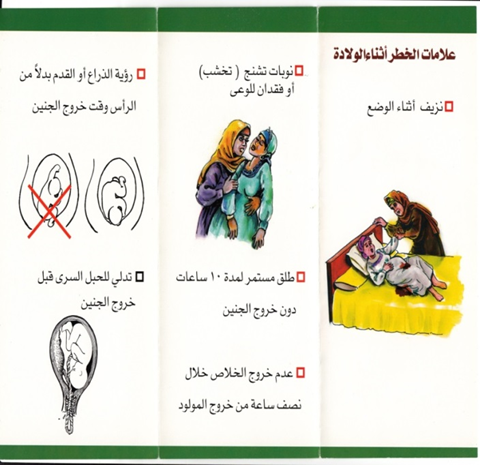
1- عدم تحرك الطفل أو قلّة حركته : لو توقف طفلك عن الحركة بعد الأسبوع 21 من الحمل أو خفّت حركته لمدة أطول من 24 ساعة، يكون طفلك في محنة.
- الاعراض المنذرة اثناء الولادة
. النزيف : يمكن أن تدل على انفصال المشيمة .
2. تمزق الغشاء ( ماء الرأس ) : تدفق الماء من المهبل، فربما يكون تمزقا مبكرا وعليك الحث للولادة إذا لم يتطور الإنجاب بسرعة .
3. تقلصات الرحم الزائدة في تكرارها وقوتها ومدتها : في المرحلة المبكرة تدوم التقلصات من 15 إلى 20 ثانية، وفي المرحلة اللاحقة، ستزداد إلى 40 50 ثانية من 2 إلى 3 مرات كل 5 دقائق، في هذا الوقت عليك التركيز على تقنيات التنفس ( أسلوب لاميز ) لتبسيط الألم والاسترخاء . إذا أصبح الألم قويا، يمكنك طلب دواء مسكن للألم .
4 . نوبات تشنج او فقدان للوعى.
5.عدم خروج الخلاص بعد خروج الجنين بنصف ساعة.
6. رؤية الذراع او القدم بدلا من الراس وقت خروج الجنين.
7. تدلى الحبل السرى قبل خروج الجنين.
- اسعاف النزيف المهبلي
◀️ ارفع منطقة الحوض بوضع وسادة.
◀️ عمل كمادات باردة على أسفل البطن.
◀️ ضم الفخذين جيدًا بدلا من الضغط المباشر