
كتاب
دليل الاجراءات التداخلية لحديثي الولاده
- قسطرة الاوعية بالحبل السري
عند الحاجة إلى تركیب قساطر السُرة، یجب الالتزام بتطبیق قواعد التحكم في العدوى أثناء تركیبھا والتعامل الیومي معھا،للحد من احتمالیة الإصابة بالتسمم الدموي، كما ینبغي الاعتماد على القساطر الوریدیة الطرفیة (الكانیولا) كلما أمكن ذلك.
الھدف من تركیب قسطرة الورید السري(Umbilical vein catheter - UVC)
- تغییر الدم
- إعطاء محالیل ذات تركیز عالي
- قیاس الضغط الوریدي المركزي (Central venous pressure - CVP)
- إعطاء أدویة الإفاقة في غرفة الولادة
الھدف من تركیب قسطرة الشریان السري(Umbilical artery catheter - UAC)
- سحب عینة لتحلیل الغازات بالدم
- قیاس الضغط الشریاني المستمر
الأدوات :
یتم تحضیر صینیة معقمة خاصة بتركیب قسطرة السرة، تحتوي على:
✔ ید مشرط
✔ مشرط مقاس) ١١ (
✔ عدد ٢ جفت ألیس (Allis forceps) واحد مستقیم والآخر منحني
✔ عدد ٢ جفت موسكیتو (Mosquito forceps)
✔ عدد ١ جفت بسِن (Toothed iris forceps)
✔ عدد ١ مقص خیط
✔ عدد ١ ماسك إبر
✔ فوط معقمة
✔ عدد ٦ مثبت فوط صغیر
✔ ٤ × ٤شاش معقم
✔ عدد ٢ سرنجة مقاس ٥ سم ٣
✔ خیط حریر (0-3) بإبرة منحنیة
✔ مازورة قیاس
✔ قسطرة سرة مقاس٣,٥ للشریان السري و) ٥، ٦ ، ٨ ) للورید السري
✔ وصلة ثلاثیة
✔ قناع وجھ ) ماسك( جاون، وقفاز معقم
✔ شریط لاصق )بلاستر)
✔ ٢ وحدة ھیبارین لكل مللیلتر محلول ملح) محلول ملح مع ھیبارین ( ١
✔ تحضیر المحالیل في جھاز الحقن ومضخة محالیل إذا كان الھدف إعطاء محالیل ذات تركیز عالي من خلال قسطرة السرة
✔ تحضیر الدم، إذا كان الھدف عمل تغیر دم للولید بعد عمل فحوصات الدم اللازمة
✔ تحضیر الأدویة اللازمة، إذا كان الھدف إعطاء أدویة الإفاقة في غرفة الولادة
الخطوات :
⊠ الحرص على إتمام جمیع الخطوات تحت تعقیم كامل
⊠ تُغسل الأیدي روتینیًا، ویتم إحضار صینیة الأدوات
⊠ یوضع الولید في وضع أفقي على ظھره في مكان مطھر )تحت جھاز التدفئة( ویتم ضبط درجة الحرارة بین 36-37 °م وتفرش تحتھ فوطة معقمة.
⊠ تُثبت أطراف الولید الأربعة
⊠ یتم تحدید مسافة دخول القسطرة بمعرفة الطبیب
⊠ تُغسل الأیدي جراحیًا، ویتم ارتداء قفاز معقم
⊠ یتم استخدام مادة مطھرة مثل بوفیدون الیود (بیتادین) لتطھیر موضع الإدخال، وتترك لمدة ٣ دقائق
⊠ یتم فتح صینیة المعدات والحفاظ علیھا معقمة
⊠ یتم سحب ٥ مللیلتر من محلول الملح والھیبارین، ویتم ملء القسطرة والوصلة الثلاثیة
⊠ تُوضع الفوط المعقمة حول السرة وتثبت
⊠ یجب ترك رأس الولید بدون غطاء من أجل الملاحظة، ویتم توصیل الولید بجھاز المراقبة المرئیة للقلب والتنفس )المونیتور( للمتابعة.
⊠ یُرفع الحبل السري عمودیًا، ویُطھر بكحول إیثیلي ٧٠ ٪ وبیتادین
⊠ یتم خلع القفاز وغسل الیدین مرة أخرى
⊠ یتم ارتداء قفاز معقم مرة أخرى
⊠ یتم مساعدة الطبیب أثناء عملیة إدخال القسطرة
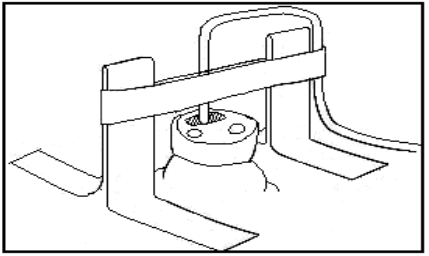
⊠ تُثبت القسطرة بالشریط اللاصق بالبلاستر) على ھیئة الكوبري كما موضح في الصورة (
⊠ یتم عمل أشعة لمعرفة وضع القسطرة بالضبط
⊠ یتم توصیل الخط الوریدي بالقسطرة، أو حسب الھدف من تركیب القسطرة.
بعض النقاط الھامة الخاصة بقسطرة أوعیة السرة :
▘ یراعى تسجیل تاریخ تركیب القسطرة في سجلات المتابعة
▘ یجب عدم وضع أي نوع من المضادات الحیویة الموضعیة على شكل مراھم أو كریمات على موضع تركیب قسطرة السرة، وذلك لاحتمال الإصابة بالعدوى الفطریة أو تنشیط المقاومة للمضادات الحیویة.
▘ یجب القیام بإجراء فحص یومي للكشف عن احتمالیة الإصابة بالعدوى التھاب أو نزیف، أو قصور الدورة الدمویة أي تغییر في لون الجلد في الأطراف السفلي
▘ یجب إخراج القسطرة فورًا في الحالات الآتیة :
- عدم الاحتیاج إلیھا.
- القساطر الشریانیة قبل الیوم الخامس.
- القساطر الوریدیة عند الیوم الرابع عشر، علمًا بأن الخطورة تزداد كلما زادت فترة بقاء القسطرة.
▘ یحظر تغییر القسطرة بأخرى بمجرد نزعھا بسبب ظھور علامات عدوى الدم المرتبطة بالقسطرة أو قصورالدورة الدمویة بالأطراف السفلي أو تجلط الدم. ویمكن استبدال قسطرة السرة الوریدیة في حالة عدم عملھا بكفاءة فقط، إذا لم یكن ھناك أي علامة لحدوث عدوى.
▘ یجب عدم ترك القسطرة مفتوحة، لتجنب المخاطر التي قد تنتج عن دخول ھواء بالقسطرة
▘ یجب ضخ محلول یحتوي على ھیبارین بصفة دائمة عند استعمال قسطرة السرة الشریانیة ) ٠,٢٥ وحدة/مللیلتر(
▘ ویجب ألا یتوقف ھذا الضخ أبدًا طوال فترة تواجدھا.
▘ إذا ظھر التھاب في مكان دخول القسطرة، فیجب أخذ عینة لعمل مزرعة من مكان الإدخال
▘ یجب عمل مزرعة للدم من القسطرة، وكذلك من عینة دم تؤخذ من ورید طرفي؛ إذا كان ھناك احتمال أن تكون
▘ القسطرة ھي سبب التلوث. وإذا أزیلت القسطرة؛ تؤخذ مزرعة من طرف القسطرة.
المسئول:
· هيئة التمريض.
