كتاب
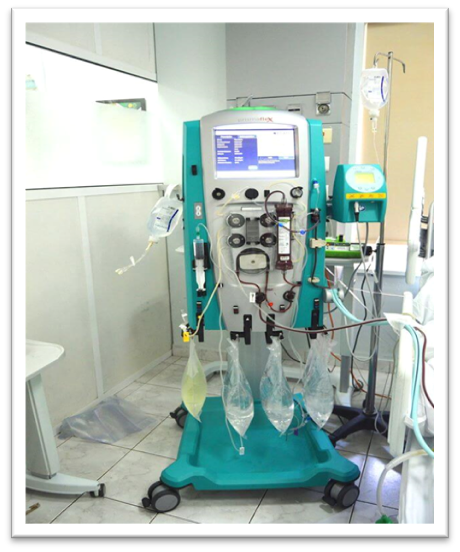
ماكينة الغسيل الكلوى المستمر
متطلبات الإكمال
"last update: 10 March 2025"
- إجراءات العلاج CRRT
⬅️ يتضمن إجراء العلاج المستمر ببدائل الكلى (CRRT) عدة خطوات تكون مشابهه كثيرا لبدء جلسات الغسلي الكلوى الدموى :
- تحضير المريض: قبل البدء بـ CRRT، يتم تقييم العلامات الحيوية للمريض وحالة السوائل ومستويات الإلكتروليت. يتم إدخال قسطرة غسيل الكلى في الوريد، عادةً في الرقبة أو الفخذ، ويتم توصيل القسطرة بجهاز CRRT.
- معدل تدفق الدم: يتم ضبط معدل تدفق الدم لضمان إزالة السموم والنفايات بشكل كافٍ. يتم ضخ الدم من جسم المريض عبر القسطرة إلى مرشح الدم أو جهاز غسيل الكلى، حيث يتم تصفيته وتنقيته.
- استبدال السوائل: تتم إضافة السوائل البديلة إلى الدم المنقى للحفاظ على التوازن الطبيعي للكهارل والسوائل. يتم ضبط معدل استبدال السوائل بناءً على حالة السوائل لدى المريض ومستويات الإلكتروليت.
- منع تخثر الدم: تُستخدم مضادات التخثر، مثل الهيبارين أو السيترات، لمنع تجلط الدم في مرشح الدم أو جهاز غسيل الكلى. يتم مراقبة جرعة مضادات التخثر بعناية لتجنب مضاعفات النزيف أو التخثر.
- المراقبة والتعديلات: تتم مراقبة العلامات الحيوية للمريض وحالة السوائل ومستويات الإلكتروليت ومعدل تدفق الدم بشكل مستمر. يتم تعديل جهاز CRRT حسب الحاجة للحفاظ على معايير العلاج المثالية وتجنب المضاعفات.
- التوقف: يمكن إيقاف علاج CRRT بمجرد تحسن وظائف الكلى لدى المريض أو إذا تم نقل المريض إلى شكل آخر من أشكال العلاج ببدائل الكلى، مثل غسيل الكلى المتقطع أو غسيل الكلى البريتوني.
يعد CRRT إجراءً معقدًا ومتخصصًا للغاية ويتطلب مراقبة دقيقة وتعديلات لضمان النتائج المثلى للمريض. يتم إجراء العلاج من قبل فريق من المتخصصين في الرعاية الصحية، بما في ذلك أطباء الكلى والممرضات ، الذين يعملون معًا لتقديم أفضل رعاية ممكنة للمريض.
يقوم CRRT ببعض العمل الذي تقوم به الكلى السليمة بشكل طبيعي. فهو يقوم بتصفية وتنظيف دم المريض بلطف عن طريق إزالة الفضلات والسوائل الزائدة. وهذا يحافظ على توازن المواد الكيميائية والشوارد، مثل البوتاسيوم والفوسفور، في دم طفلك. لا يعمل CRRT في الواقع على تحسين وظائف الكلى لدى المريض، ولكنه بدلاً من ذلك يحافظ على كل شيء في جسمه في خط مستقيم حتى تستعيد الكلى وظيفتها.
يتم توصيل القسطرة الوريدية المركزية بجهاز يقوم بتدوير بعض دم المريض في حلقة خارج الجسم. بعد تصفية الدم وتنظيفه، يتم إعادته إلى الجسم
⬅️ هناك مواقف يتم فيها فصل المريض عن جهاز CRRT. وتشمل هذه:
· إذا كان يحتاج إلى إجراء اختبار أو إجراء. سيتم إعادة تشغيل الجهاز بعد ذلك.
· التغيير الروتيني للأنابيب والفلتر للحفاظ على عمل النظام بشكل جيد. لا يتطلب هذا سوى فترة قصيرة من إيقاف تشغيل الجهاز.
· في بعض الأحيان، تدخل جلطات دموية صغيرة في الفلتر والأنابيب وتمنع الجهاز من العمل بشكل جيد. تقوم الممرضة بتغيير الأنابيب والفلتر إذا حدث هذا.
قد ينطلق إنذار الجهاز أثناء CRRT. لا تكون معظم الإنذارات بسبب حالة طارئة. عادة ما تكون مخصصة لتنبيه الممرضة لتغيير أكياس المحلول. قد ينطلق إنذار الجهاز أيضًا لإخبار الممرضة بتغيير وضع المريض أو فحص القسطرة للمساعدة في سير العلاج بسلاسة.