
Book
Equipment used in the reception and emergency department
- The policy for using the monitor
| Policy no. | Managing Patients with Angina | Policy name | ||
| No. of pages |
| Review Date: |
| Issue Date and Number: |
| section | ||||
Purpose:
1. Measurement of vital signs
2. Electrocardiogram (ECG)
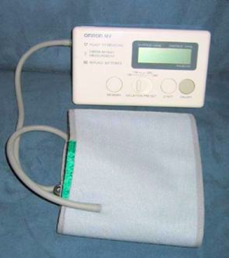
3. Measurement of blood pressure using a cuff around the patient's arm. Normal blood pressure is 120/80 ± 20/15
4. Measurement of body temperature using thermometers. Normal temperature is from 36.5°C to 37.5°C
5. Measurement of blood oxygen levels
Work procedures:
· Connecting the electrodes and sensors:
- Connect the ECG electrodes to the patient’s chest to monitor heart activity.
- Place the pulse oximeter on the patient’s finger to measure blood oxygen levels.
- Use the NIBP device to measure blood pressure periodically.
- If necessary, connect additional sensors like the respiratory rate monitor or central venous pressure catheter.
· Turning on the monitor:
- Turn on the device after connecting all electrodes and sensors.
- Ensure the device recognizes all connected sensors and displays the readings correctly.
· Reading the data:
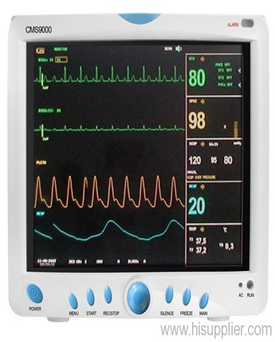
- The monitor displays a range of data such as:
- Heart rate (HR): Displayed in beats per minute.
- Oxygen saturation (SpO2): Displayed as a percentage.
- Blood pressure (BP): Typically displayed as two numbers, systolic and diastolic.
- Respiratory rate (RR): Displayed as breaths per minute.
- ECG: Displays the electrical activity of the heart.
- Ensure you understand each of these readings and their significance for the patient’s condition.
· Setting the alarms:
- The device can be set to trigger an alarm if readings go beyond normal limits. Make sure to adjust the thresholds according to the patient's medical condition.
· Continuous monitoring:
- Continuously monitor the device to ensure readings stay within safe limits.
- If the monitor shows sudden changes or abnormal readings, take immediate action according to medical procedures.
· Recording the data:
- You may need to record the data displayed on the monitor periodically to track the patient’s condition or for review by the physician. If working in intensive care, it’s important to receive comprehensive training on using the monitor and understanding how to respond to changes in the readings.
Definition:
The medical monitor is an electronic medical device used for medical observation, continuously displaying physiological data on its screen.
types:
1- Analog monitoring devices:
They were used in the past, where the device only displayed the heart's rhythm. After making specialized modifications, there was a monitor that measured blood pressure and another to measure the pulse. These devices were widely used and helped save many lives, but there were several obstacles in their way, such as electrical interference, the lack of alarms, and their high cost.
2- Digital Monitoring Devices:
With the presence of digital signal processing technology, medical monitors have developed significantly. All models have become digital, with the advantages of miniaturization and portability. Their measurements now include pulse rate, blood oxygen level, blood pressure, temperature, and electrocardiogram.
3- Monitors attached to a pacemaker.
These devices are often used in the emergency and reception unit to save time and effort in transferring the patient from one device to another..
1. The individuals who use these devices the most:
· Patients in critical care units.
· Patients in dialysis units.
· Patients in operating rooms.
· Patients in recovery rooms.
· Patients in emergency units until they are classified.
· Pediatric patients in neonatal intensive care units.
