Book
The Procedural Approach For Respiratory Diseases
- Nursing Care for Patients with Chronic Obstructive Pulmonary Disease (COPD)
Chronic Obstructive Pulmonary Disease (COPD):
COPD is a group of chronic, non-infectious
lung diseases that cause significant disruption in the airways, leading to
difficulty breathing. COPD is one of the leading causes of death globally, and
it is primarily caused by smoking. However, it is preventable and manageable if
caught early and the risk factors are controlled.
COPD typically results from one or both of the following conditions:
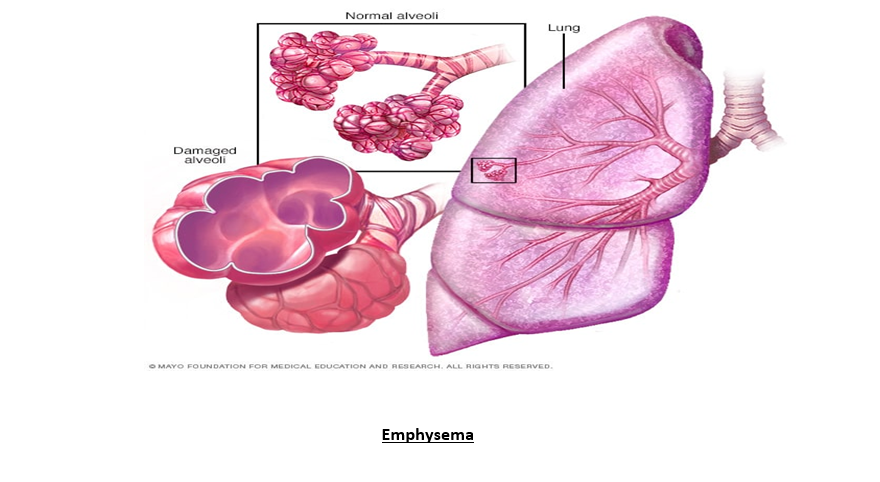
- Emphysema:
Emphysema is a condition where the alveoli are damaged, leading to difficulty in breathing due to the loss of tissue and impaired function of the lungs. It is one of the most common causes of COPD and leads to chronic airway obstruction. - Chronic Bronchitis:
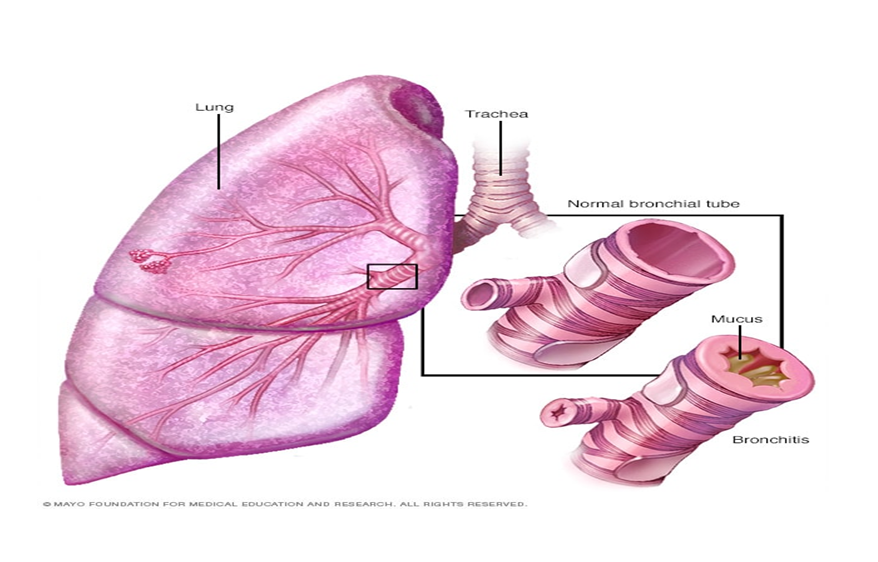
Chronic bronchitis is characterized by long-term inflammation of the bronchial lining, resulting in persistent coughing with mucus production, difficulty breathing, and wheezing. The condition is considered chronic if it lasts for at least three months over two consecutive years.
Causes of COPD:
COPD is most commonly caused by smoking, including cigarettes, cigars, and pipes. The longer the duration of smoking, the higher the likelihood of developing COPD. Other causes include:
- Secondhand smoke exposure
- Exposure to polluted air or dust
- Inhalation of irritating chemicals
- Inhalation of fumes from burning fuel in poorly ventilated homes
- Family history of COPD
- Genetic factors, such as a deficiency in alpha-1 antitrypsin, a protein that helps protect the lungs from damage. About 5% of people with COPD have this deficiency, which can also affect the liver.
Physiology of COPD:
Air enters the lungs through the trachea and bronchi, where it passes into
smaller bronchioles and ends in the alveoli. The alveoli are lined with very
thin walls and surrounded by capillaries, where gas exchange occurs—oxygen from
the air moves into the blood, and carbon dioxide from the blood is expelled
during exhalation. COPD causes the loss of elasticity in the airways and
alveoli, leading to air trapping during exhalation, which affects breathing
efficiency.