
كتاب
العمل الإجرائي لرسم القلب
- كهربية القلب
تعريف كهربية القلب :
أنقباض اي عضلة يكون مصاحب بتيارات كهربائية تسمي (depolarization) أي مزيل الاستقطاب و هذه التيارات يمكن ان تُسجل بواسطة أقطاب كهربائية (electrodes) وتكون هذه الأقطاب موصلة بسطح الجسم ، ولهذا فيمكن ان نسجل الانقباض لعضلات الجسم كله
و بالتالي اذا اردنا تسجيل انقباض عضلات القلب فقط بوضوح فلابد ان يكون الشخص مستريح و جميع عضلات جسمه الاخري منبسطة.
و بالرغم من ان القلب يحتوي علي 4 حجرات ، فسنراه في التصوير الكهربائي حجرتان فقط لأن الاذينين ينقبضان معا و البطينين ايضا.
النبض الطبيعي :
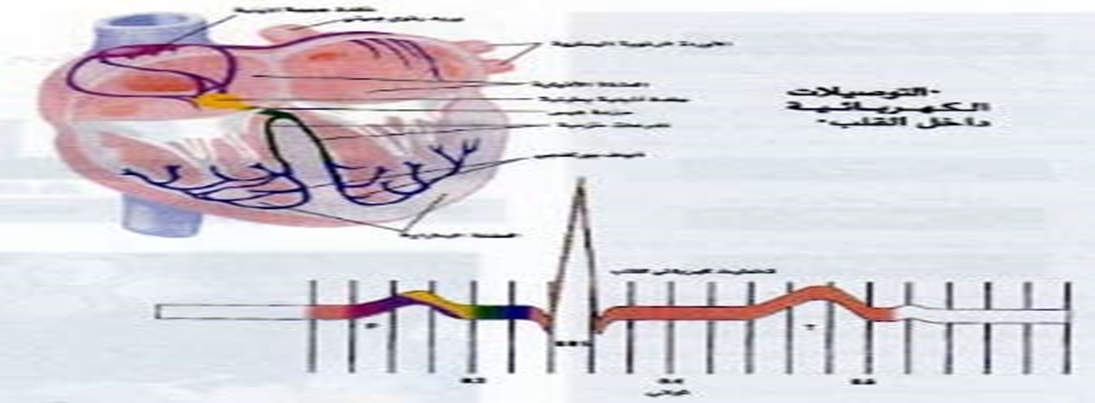
تنبع ضربات القلب الايقاعية المنتظمة من داخل نسيج عضلة القلب نفسها فهي ذاتية الحركة حيث يبدأ النبض الطبيعي بإشارة كهربائية تُصدر من مولد ومنظم كهربائي عصبي عضلي متخصص ، صغير الحجم جداً يقع في جدار الأذين الأيمن يسمى (العقدة الجيبية الأذينية) أوsinoatrial node، بمعدل 60-100 نبضة / إشارة كهربائية في الدقيقة . وتنتشر هذه الإشارة الكهربائية بسرعة كبيرة للأذينين مما يجعلهما ينقبضان لدفع الدم من الأذينين للبطينين ثم تنتقل تلك الإشارة الكهربائية إلى مستقبل وفي نفس الحال يعتبر مولداً احتياطياً صغير الحجم ويسمى (العقدة الأذينية البطينية) أو atrioventricular node جداً يقع بين البطينين والأذينين والتي تسمح بمرور الإشارة الكهربائية عن طريق توصيلات كهربائية تتفرع من العقدة البطينية الأذينية إلى البطينين في جزء من الثانية مما يجعلهما ينقبضان لدفع الدم من البطينين لخارج القلب والبطين الأيمن يدفع بالدم غير المؤكسد للرئتين ليتم أكسدته والبطين الأيسر يدفع بالدم المؤكسد لجميع أجزاء الجسم لتستفيد من الدم المؤكسد الذي يعود بعد أنتزاع الأوكسجين منه للجزء الأيمن من القلب وهكذا تكتمل دورة واحدة للدم.
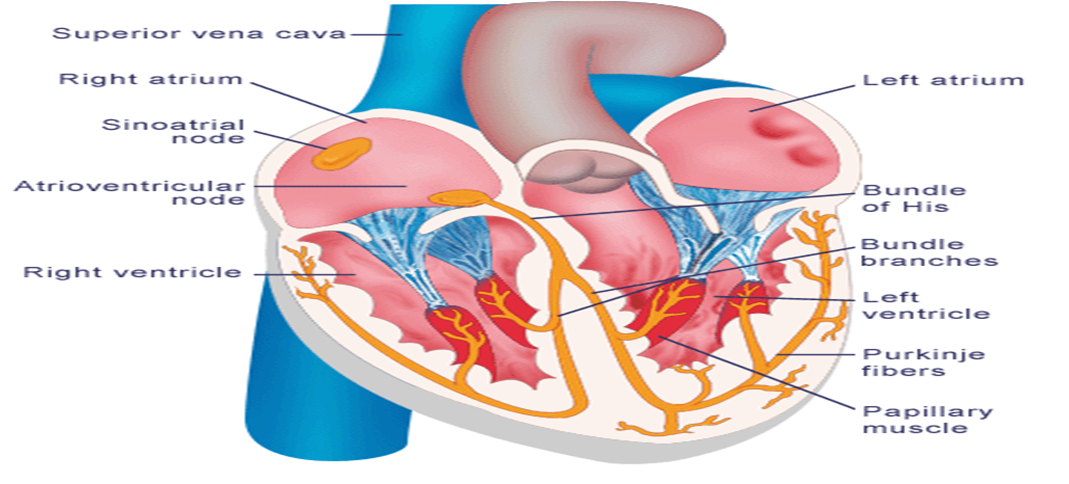
وبالتالي في الانسان الطبيعي تنشأ الاشارات الكهربية من ( العقدة الجيب أذينية) وفي هذا الحين يسمي النظام ب(النظم القلبي) أو (sinus rhythm) ، اما في بعض الحالات المرضية يمكن ان تنشأ التيارات من مصدر اخر مثل ( العقدة الاذينية البطينية) و يسمي النظام في هذا الحين ب( النظم العقدي) أو nodal rhythm أو ممكن ينبع من اي مصدر اخر مثل عضلات البطين نفسه و هذا قد يكون بسبب فشل العقدة الجيب اذينية في اصدار نبضات أو وجود مصدر خارجي - في اي مكان اخر في القلب - ينبض بمعدل اعلي من منظم ضربات القلب الاساسي فيأخذ مكانه وبالتالي في الانسان الطبيعي تنشأ الاشارات الكهربية من ( العقدة الجيب أذينية) وفي هذا الحين يسمي النظام ب(النظم القلبي) أو (sinus rhythm ) ، اما في بعض الحالات المرضية يمكن ان تنشأ التيارات من مصدر اخر مثل ( العقدة الاذينية البطينية) و يسمي النظام في هذا الحين ب( النظم العقدي) أو ( nodal rhythm ) أو ممكن ينبع من اي مصدر اخر مثل عضلات البطين نفسه و هذا قد يكون بسبب فشل العقدة الجيب اذينية في اصدار نبضات أو وجود مصدر خارجي - في اي مكان اخر في القلب - ينبض بمعدل اعلي من منظم ضربات القلب الاساسي فيأخذ مكانه.
