كتاب
العمل الإجرائي لحالات الولاده
- افاقة الوليد
المقدمة
معظم الأطفال الذين يولدون حديثا يتم خروجهم بنجاح من داخل الرحم إلى خارج الرحم الى الحياة دون مساعدة خاصة ولا يحتاجون الى افاقة خاصة وتعتبر اول 60 ثانية من حياة الوليد هي "الحظة ذهبية" لإفاقة الوليد الناجحة ويتم فيها تقييم الخطوات الاولية و اعادة التقييم و من المهم تجنب تأخير في بدء التهوية، لأن هذه هي الخطوة الأكثر أهمية لنجاح عملية إنعاش حديثي الولادة .
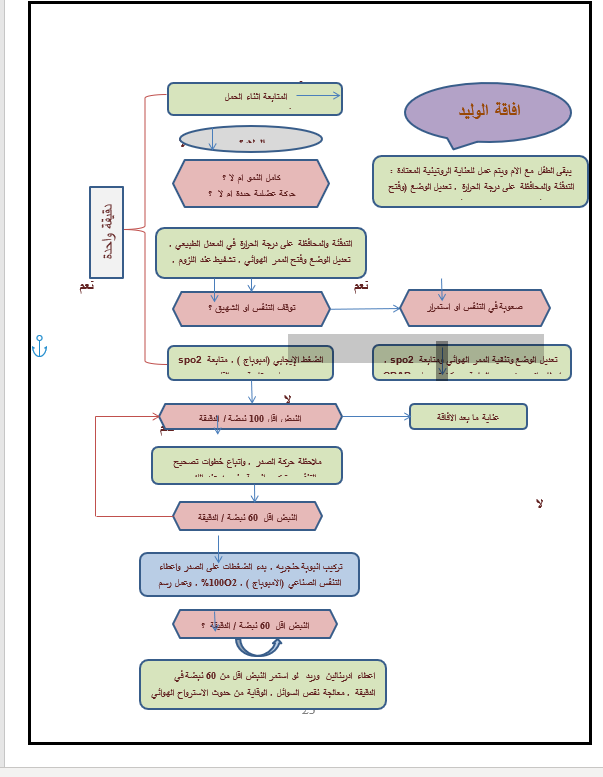
تحديد الاحتياجات لبدء افاقة الوليد
⬅️ يعتمد هذا على التقييم المبدئ السريع من خلال الاجابة على الثلاث أسئلة الاتية :
1-فترة حمل كاملة ام لا ؟
2-يوجد حركة عضلية جيدة ام لا ؟
3-يتنفس ويبكى ام لا ؟
إذا كانت الإجابة على جميع الأسئلة ب " نعم " ، يتم بقاء الوليد مع الأم وتقديم الرعاية الروتينية .
⬅️ ويتم عمل الاتي ( تجفيف الوليد ، يتم وضع الجلد إلى الجلد مع الأم، والتجفيف بالفوطة القطنية المعقمة للمحافظة على درجة الحرارة, ملاحظة التنفس والنشاط، واللون باستمرار) .
⬅️ إذا كانت الإجابة ب " لا " على أي من هذه الأسئلة
⬅️ يجب أن يتم نقل الوليد الى السرفو لتوفير التدفئة واتباع الإجراءات التالية ( 4 خطوات ) في تسلسل :
1- الخطوات الاولى في استقرار الوليد (التدفئة والحفاظ على درجة الحرارة في المعدل الطبيعي ، تعديل وضع الطفل ، تنقية الممر الهوائي (التشفيط ) عند وجود افرازات، التجفيف , الاستثارة )
2- توفير الاكسجين والتهوية الجيدة
3- بدء الضغطات على الصدر
4- اعطاء الادوية ( الادرينالين )
⬅️ يتم تأخير ربط الحبل السرى بعد الولادة لأكثر من 30 ثانية للوليد سواء كان كامل النمو او ناقص النمو والذين لا يحتاجون الى افاقة الوليد .
بدء خطوات افاقة الوليد
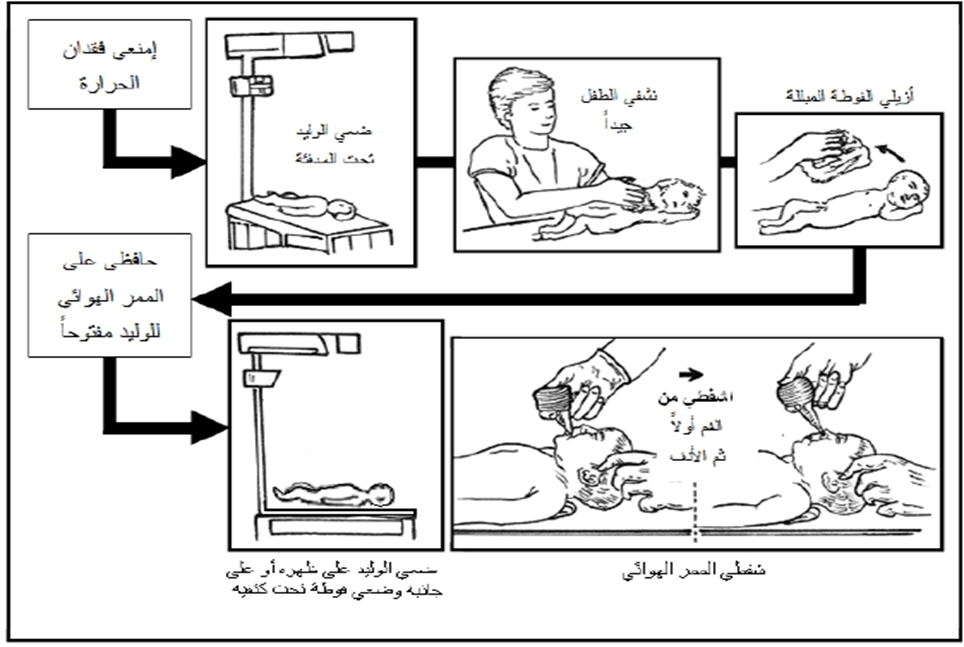
⬅️ يتم استقبال الوليد في فوطة معقمة ودافئة من طبيب النسا والتوليد (المحافظة على درجة حرارة الوليد ) , مع مراعاة عدم حمله من قدميه ورأسه لأسفل .
⬅️ وضع الوليد على ظهره تحت جهاز التدفئة ورأسه في اتجاه مسئول الافاقة .
⬅️ تجفيف الوليد برفق باستخدام فوطة معقمة ودافئة , مع مراعاة تجفيف الرأس جيدا ثم التخلص من الفوط المبللة .
⬅️ المحافظة على الممر الهوائي مفتوحا عن طريق وضع فوطه تحت كتفيه (وضع الاستنشاق) .
⬅️ التشفيط برفق من فم الوليد اولا ثم انفه لمدة لا تزيد عن 5ثوانى .
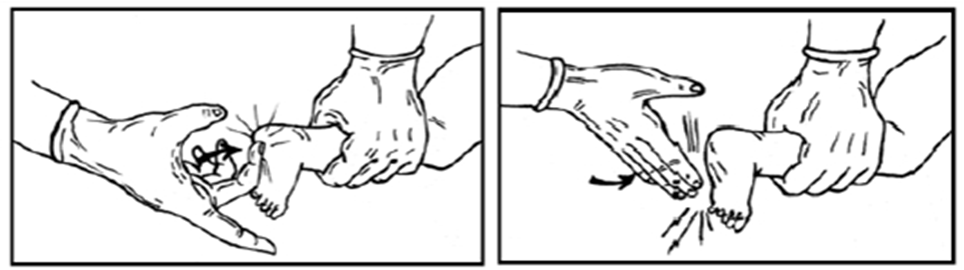
⬅️ القيام بعمل تنبيه للوليد بدعك ظهره او الضرب برفق على قدميه برفق في حال عدم قدرته على التنفس بصورة تلقائية .
⬅️ في حالة اصطباغ السائل الأمنيوسي والوليد بالعقى وكان الوليد مرتخيا يتم عمل خطوات الافاقة كاملة على السرفو ، ويتم بدء بالقيام بعملية التهوية للرئتين باستخدام الامبوباج والماسك اذا كان الطفل لا يتنفس و معدل ضربات القلب اقل من 100 نبضة في الدقيقة , ( اصبح تركيب الانبوبة الحنجرية لتشفيط العقى غير مفضل ) .
التقييم
⬅️ يتم تقييم حالة الوليد من ناحية ( عدد ضربات القلب , الجهد المبذول في التنفس , اللون ).
⬅️ ويعتبر ارتفاع معدل ضربات القلب اثناء عملية الافاقة اهم مؤشر يدل على نجاح هذه العملية ومن المهم التقييم المستمر لمعدل ضربات القلب أثناء الافاقة حيث انه يستخدم ايضا لتقييم الجهاز التنفسي وتحديد مدى الحاجة إلى التدخلات اللاحقة ويتم التقييم من خلال وضع ثلاث وصلات (الالكترود ) الموصلة بالمونيتور لرسم القلب لمتابعة معدل النبض لأنها اكثر دقة من عد النبض بالطريقة التقليدية , وتقيم الجهد المبذول في التنفس عن طريق وجود توقف للتنفس ام لا؟ (apnea ) وتقيم لون الوليد (هل يوجد زرقة ام لا ) .
الاستمرار في خطوات الافاقة
⬅️ اذا كان لا يوجد توقف للتنفس (apnea ) ومعدل ضربات القلب اكثر من 100 نبضة في الدقيقة ولكن يوجد صعوبة في التنفس او يعانى من الزرقة المركزية يتم عمل (تعديل الوضع وتنقية الممر الهوائي ومتابعة نسبة تشبع الدم بالأكسجين spo2 , اعطاء اكسجين حر حسب اوامر الطبيب ويمكن توصيل CPAP حسب الحاجة), ثم يتم تقيم الوليد وعند وجود تحسن يتم عمل عناية ما بعد الافاقة واذا لم يتحسن او انخفض معدل ضربات القلب اقل من 100 نبضة في الدقيقة يتم عمل تهوية للرئتين باستخدام الامبوباج .
⬅️ اذا كان يوجد تنفس (apnea ) ومعدل ضربات القلب اقل من 100 نبضة في الدقيقة يتم عمل تهوية للرئتين باستخدام الامبوباج والماسك مع متابعة النبض ومتابعة نسبة تشبع الدم بالأكسجين spo2 كما يلى :-
⬅️ التأكد من وضع رأس الوليد في وضع التنشق , ووضع فوطة تحت كتفيه اذا لزم الامر , مع التأكد من ان ممرات الهواء مفتوحة وخالية من الافرازات .
⬅️ يوضع الماسك ذو الحجم المناسب على وجه الوليد بحيث يغطى الذقن والفم والانف معا وليس العينين , مع القيام بعملية التهوية باتباع منظومة ( نفس – 2 – 3 ) مع مراعاة اعتصار القربة بقوة المناسبة للوليد .
⬅️ يلاحظ ارتفاع الصدر اثناء عملية التهوية بالامبوباج مع التعديل من قوة الاعتصار حسب درجة ارتفاع الصدر وتركيب انبوبة حنجريه عند اللزوم .
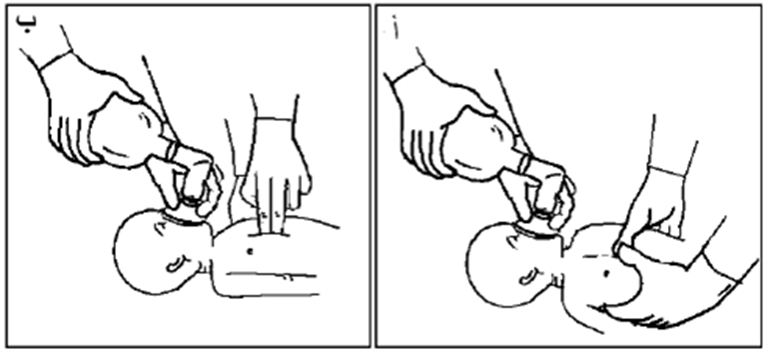
⬅️ يتم تقييم معدل ضربات القلب وعند وجود تحسن يتم عمل عناية ما بعد الافاقة واذا لم يتحسن بالرغم من التأكد من التهوية الفعالة واستمر ومعدل ضربات القلب اقل من 100 نبضة في الدقيقة يتم الاستمرار في عمل تهوية للرئتين باستخدام الامبوباج والماسك اما اذا انخفض معدل ضربات القلب اقل من60 نبضة في الدقيقة فيتم تركيب انبوبة حنجريه اذا لم يتم تركيبها مسبقا ويبدئ فورا في عمل الضغط الصدري (تدليك القلب ) مع استمرار التهوية كما يلى :-
وضع اصبعي الابهام على الثلث الاسفل من عظمة القص , ولف اليدين حول القفص الصدري للوليد , حيث يلتقى اصابع اليدين خلف ظهر الوليد , او بوضع اصبعي الوسطى والسبابة لأحدى اليدين على الثلث الاسفل من عظمة القص , مع وضع اليد الاخرى لتسند ظهر الوليد , ثم القيام بضغط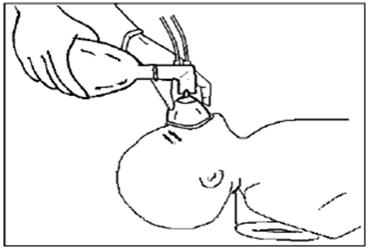
⬅️ القفص الصدري حوالى ثلث المسافة الكلية الى العمود الفقري .
⬅️ يتم التنسيق بين الشخص الذى يقوم بعمل الضغط الصدري والشخص الذى يقوم بعمل التهوية باتباع منظومة ( ضغطة , 2 , 3, نفس ) والتي تستغرق كل منها حوالى ثانيتين بأجمالي 120 خطوة في الدقيقة ( 90 ضغطة مقابل 30 نفس في الدقيقة ).
⬅️ يتم استخدام هذه المنظومة ( ضغطة , 2 , 3, نفس ) اذا كان قصور الجهاز التنفسي (compromise of gas exchange ) هو السبب الاول والرئيسي في عمليه الافاقة اما اذا كان قصور القلب (cardiac problem ) هي السبب الاول والرئيسي فيتم استخدام منظومة المعدل الاعلى للضغطات ( 15 ضغطة : 2 نفس )
⬅️ اذا استمر معدل ضربات القلب اقل من 60 نبضة في الدقيقة يتم تركيب قسطرة سرة ويتم اعطاء ادرينالين وريد , ومعالجة نقص السوائل , الوقاية من حدوث الاسترواح الهوائي .
خامسا : اعطاء الادوية
⬅️ اذا استمر معدل ضربات القلب اقل من 60 نبضة في الدقيقة يتم تركيب قسطرة سرة بواسطة طبيب الاطفال ويتم اعطاء الادرينالين المخفف وريد ( الجرعة حسب تعليمات الطبيب ) , ومعالجة نقص السوائل بإعطاء ممددات الحجم حسب تعليمات الطبيب (مثل محلول ملح طبيعي 0,9 % او لبنات الرينجر ) .
" ملحوظة "
اذا تطلبت حالة الوليد القيام بعملية التهوية باستخدام الامبوباج لفترة طويلة , يجب وضع انبوبة التغذية (رايل ) لإزالة انتفاخ المعدة حتى لا يضغط على الحجاب الحاجز مما يمنع التمدد الكامل للرئتين .
انهاء عملية الافاقة
⬅️ توقف جميع اعمال الافاقة اذا لم يتنفس الوليد او ينبض قلبه بعد مرور 15 دقيقة من القيام بمجهودات الافاقة الكاملة , ويتم اعطاء الدعم النفسي المطلوب للام والاهل .
⬅️ اذا استجابة الوليد لأعمال الافاقة , فيجب ان يظل تحت جهاز التدفئة مع الملاحظة , حتى يتم الاطمئنان على استقرار حالته .
⬅️ يمكن اصطحاب الوليد الى وحدة رعاية حديثي الولادة لاستكمال الرعاية المطلوبة اذا لزم الامر , مع الاستمرار في مراقبة العلامات الحيوية وملاحظة أي علامات غير طبيعية مثل ( توقف التنفس , زيادة الجهد المبذول في التنفس , زرقة مركزية ) وابلاغ الطبيب فورا .
تقديم العناية الروتينية للوليد بعد ثبات العلامات الحيوية
⬅️ العناية بالحبل السرى
⬅️ اعطاء فيتامين ك
⬅️ وضع قطرة مطهرة للعين
⬅️ المحافظة على استقرار درجة حرارة جسم الوليد
⬅️ بدء الرضاعة الطبيعية
⬅️ العمل على تقوية صلة الام بوليدها بعد الولادة مباشرة
⬅️ تشجيع ملامسة الجلد بين الام والوليد
⬅️ اثبات شخصية الوليد
⬅️ وزن الوليد
بعد انتهاء خطوات الافاقة
⬅️ يجب التخلص من الادوات التي تم استخدامها للوليد , كل في المكان المخصص له .
⬅️ تنظيف وتطهير جهاز التدفئة .
⬅️ تطهير الامبوباج والكمامات ونصل المنظار الحنجري .
⬅️ القيام بتسجيل مدة الافاقة وما تم فعله لإفاقة الوليد في تذكرة الام او في تذكرة الوليد في حالة دخوله الوحدة .
⬅️ احلال ما تم استخدامه من ادوات بشنطة الافاقة عند الوصول الى وحدة رعاية حديثي الولادة .