كتاب
دليل العناية بمشكلات الجهاز التنفسي
- العناية التمريضية للطفل على جهاز تنفس صناعي
|
تقوم فكرة التنفس الصناعى على استخدام جهاز يتم ضبطه، توصيله بالأنبوبة الحنجرية، حيث يقوم بدفع غاز الأكسجين المخلوط بالهواء المضغوط، لتكوين الغاز المستنشق، وذلك بمعدل وضغط مناسبين خلال فترة زمنية محددة. دواعى وضع الوليد على جهاز التنفس الصناعى ▘ الإضطراب الحاد فى وظائف الجهاز التنفسى : - الضغط الجزئى للأكسجين في الدم الشريانى (PaO2)أقل من 50 ملليمتر زئبقي على الرغم من أن تركيز الأكسجين المعطى للوليد من 80 %-100%. - الضغط الجزئى لثاني أكسيد الكربون (PaCO2) في الدم الشريانى أكثر من 60-65 ملليمتر زئبقي. - حمضية الدم الشريانى(arterial pH) أقل من 7.35. ▘ حالات صعوبة التنفس الشديدة و إنجذاب الصدر مع توقع فشل بعملية التنفس، بعد مراجعة الطبيب. ▘ توقف التنفس لفترات طويلة أو إزدياد معدل حدوث نوبات توقف التنفس. أنظمة التنفس الصناعى :
دورالممرضة : 1. معرفة ضبط و تدوين قراءات جهاز التنفس الصناعى :
2. المساعدة فى إدخال الأنبوبة الحنجرية : يتم توصيل جهاز التنفس الصناعى بالأنبوبة الحنجرية، ويكمن دور الممرضة فى مساعدة الطبيب أثناء إدخالها، ومتابعتها بعد التركيب، لذا يجب عليها معرفة كيفية اختيار المقاس المناسب للطفل و تحديد مسافة دخولها بالقصبة الهوائية، و العناية بها. دور الممرضة قبل إدخال الأنبوبة الحنجرية : 1. تحديد مقاس الأنبوبة الحنجرية : ▘ يعتمد مقاس الأنبوبة الحنجرية على وزن الطفل، وعمره الرحمى حسب الجدول الموضوع : المقاس المناسب للأنبوبة الحنجرية حسب العمر الجنينى ووزن الطفل.
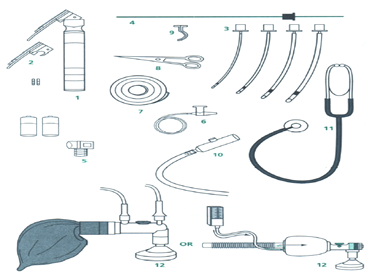
2. تحضيرالأدوات المستخدمة أثناء تركيب الأنبوبة الحنجرية : ▘ منظار حنجري يعمل بكفاءة مع وجود حجر بطارية زيادة. ▘ نصل منظار حنجرى مستقيم و منحنى مقاس (1) و (صفر). ▘ أنابيب حنجرية مقاسات (2.5)، (3) ، (3.5) ، (4). ▘ جهاز تشفيط. ▘ انابيب تشفيط مقاسات (5)، (6) ، (8) ، (10). ▘ بلاستر. ▘ مقص. ▘ سماعة طبيب. ▘ أمبوباج ذو ماسك مناسب. ▘ مصدر للأكسجين أنواع قرب الإنعاش (الأمبوباج) والماسكات المستخدمة : ▘ الخصائص العامه لقرب و ماسكات الانعاش لحديثي الولادة : · حجم القربة (200 الي 750 مل) · قدرة الاكسجين 90%-100% · قدرتها علي تجنب الضغط الزائد · الماسك مناسب (مبطن، مناسبة لوزن الوليد و عمره الجنينى). 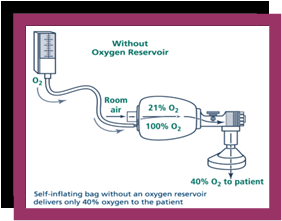
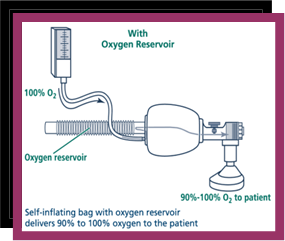
3. تحديد مسافة دخول الأنبوبة الحنجرية : ▘ عند تركيب الأنبوبة عن طريق الفم، فإن الطول المناسب يمكن حسابه ً من خلال المعادلة الآتية : الطول المناسب = 6 سم + وزن الطفل بالكيلو جرام. ▘ عند تركيب الانبوبة عن طريق الأنف م فإن الطول المناسب يمكن حسابه ً من خلال المعادلة الآتية : الطول المناسب = 2+6 سم + وزن الطفل بالكيلو جرام. دور الممرضة أثناء تركيب الأنبوبة الحنجرية : 1. وضع الوليد أثناء تركيب الأنبوبة الحنجرية 2. يتم وضع الوليد على الظهر (وضع التنشق) مع وضع ملاءة ملفوفة تحت كتيفية و شد الرقبة قليلاً للخلف لفتح المجرى الهوائى . 3. يتم التشفيط من الفم والأنف وذلك لإزالة الأفرازات المخاطية المتراكمة ولتسهيل الرؤية عند تركيب الأنبوبة الحنجرية 4. يجب متابعة الحالة العامة للوليد أثناء تركيب الأنبوبة الحنجرية مع ملاحظة الآتى : ▘ لون الطفل ▘ معدل التنفس ▘ نسبة تشبع الدم بالأكسجين ▘ معدل النبض 5. توصيل الأمبوباج بمصدر الأكسجين. 6. وضع ماسك الأمبوباج ذو مقاس مناسب على وجه الوليد، بحيث يغطى الذقن، و الفم، و الأنف معاً. 7. تثبيت الماسك بواسطة أصبعى أبهام وسبابة اليد اليسرى، وإصبع الوسطى يقوم بسند الفك السفلى للطفل، وشد الذقن قليلاً للخلف، لفتح المجرى الهوائى. 8. مسك قربةالأمبوباج باليد اليمنى، والقيام بعصرها بأصابع الأبهام، والسبابة، والوسطى، بمعدل 60 نفس فى الدقيقة، مع مراعاة إعتصار القربة بالقوة المناسبة لحجم الطفل، وحالته. 9. ملاحظة حركة الصدر أثناء عمل التهوية بالأمبوباج، ويتم تعديل قوة الأعتصار حسب درجة إرتفاع الصدر. 10. 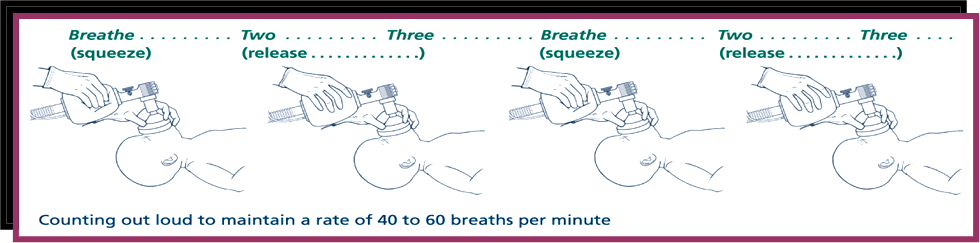 معدل التهوية أثناء تركيب الأنبوبة الحنجرية إدخال الأنبوبة الحنجرية : 1. فتح المنظار الحنجرى، ومناولته للطبيب. 2. شد رقبة الوليد قليلاً للخلف، لفتح المجرى الهوائى. 3. مناولة الطبيب الأنبوبة الحنجرية. 4. الضغط قليلاً على الحنجرة، لسهولة تركيب الأنبوبة إذا لزم الأمر. 5. إستعدى للتشفيط، فى حالة صعوبة الرؤية، نتيجة تراكم الإفرازات المخاطية. 6. حساب وقت محاولة تركيب الأنبوبة الحنجرية. دور الممرضة بعد تركيب الأنبوبة الحنجرية : 1. توصيل الأمبوباج بالأنبوبة الحنجرية مباشر وإعطاء تنفس صناعى. 2. سماع صوت دخول الهواء على الناحيتين. 3. تركيب أنبوبة معدية (رايل) ، وسحب الهواء من المعدة. 4. متابعة الوظائف الحيوية للوليد ونسبة تشبع الدم بالأكسجين. 5. تثبيت الأنبوبة الحنجرية، عند مسافة الدخول المحسوبة 6. تجهيز جهاز التنفس الصناعى، ومراجعة قراءات الجهاز مع الطبيب. 7. تشفيط الممرات الهوائية. 8. عمل أشعة للوليد، حسب تعليمات الطبيب. 9. يتم تدوين ما يلى بتذكرة الطفل: ▘ وقت تركيب الأنبوبة الحنجرية والمقاس. ▘ مقاس الأنبوبة الحنجرية وطريقة تركيبها (من الفم أو الأنف). ▘ مستوى دخول أو تثبيت الأنبوبة من الأنف أو الفم بالسنتيميتر. ▘ الملاحظات أثناء تركيب الأنبوبة الحنجرية والأدوية المعطاة. ▘ علامات استجابة الوليد للتنفس الصناعى المضاعفات الناتجة عن تركيب الأنبوبة الحنجرية وكيفية منع حدوثها
الرعاية التمريضية الروتينية المطلوبة للوليد على جهاز التنفس الصناعى : يجب على الممرضة متابعة النقاط الاتية عند الفحص الروتينى للوليد فى بداية كل شفت 1. متابعة ضبط الجهاز : ▘ التأكد من قراءات الجهاز لما هو مدون بتذكرة الطفل . ▘ التأكد من أن الوصلات مثبتة جيداً مع بعضها. ▘ التأكد من أن الوصلات خالية من بخار الماء المتكثف وتفريغها عند اللزوم. ▘ الإستجابة للإنذارات تبعاً للجدول الآتى وإبلاغ الطبيب المعالج فوراً أنواع إنذارات جهاز التنفس الصناعي، و الإجراء المتبع للتعامل معها:
2. سحب عينة غازات الدم : يحتاج الوليد على جهاز التنفس الصناعى للتقييم المستمر لحالته العامه، ووظائف التنفس، من خلال مؤشرات نتائج غازات الدم، و مستوى الأكسجة، و توازن الحمضيات والقلويات بالدم، و مقارنتها بالمعدلات الطبعية لها، وبذلك يتم تعديل قراءات الجهازحسب احتياج الوليد، لذا يجب على الممرضة أن تكون على دراية كافية بأهمية عمل تحليل غازات الدم، وأيضاً المعدلات الطبيعية لها. المعدلات الطبيعية لغازات الدم فى حديثى الولادة:
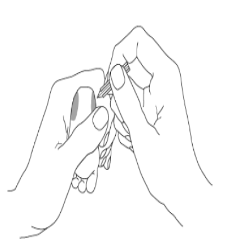
▘ يتم الحصول على عينة غازات الدم وتحليلها خلال 10-15 دقيقة من بدء التنفس الصناعى. ▘ يتم تحليل الغازات بالدم كل 6 ساعات وحسب تعليمات الطبيب، الا اذا حدث أي تغير مفاجئ فى حالة الوليد. ▘ يتم تحليل الغازات بالدم كل 10-15 دقيقة عند تغيير أوضاع وقراءات الجهاز. كيفية سحب عينة غازات الدم : يمكن سحب عينة غازات الدم من كعب القدم كبديل لغازات الدم الشريانية, ويجب على الممرضة أخذ الإحتياطات اللازمة أثناء سحب عينة غازات الدم من كعب القدم، حتى لا تؤثر على نتائج غازات الدم، وتتبع ما يلى: ▘ يجب تدفئة مكان سحب العينة، وذلك بلف قطنة مبلل بماء دافئ (42 درجة مئوية) حولها، قبل سحب العينة لمدة 5 دقائق. ▘ تجنب الإفراط فى هبرنة الأنبوبة الشعرية. ▘ تطهير مكان سحب العينة قبل الوخز بالكحول، ويترك حتى يجف جيداً. ▘ وخز كعب القدم وخزة واحدة من أحد الجانبين، وليس من المنتصف ▘ التخلص من نقطة الدم الأولى، مع تجنب تعصير كعب القدم. ▘ تملئ الأنبوبة الشعرية بالدم، مع تجنب دخول فقاعات الهواء بالعينة. ▘ إرسال العينة للمعمل فور إستكمال سحبها. ▘ الضغط على مكان الوخز بعد سحب العينة. 3. العناية بالانبوبة الحنجرية : ▘ التأكد من تثبيتها جيداً، بأقل كمية بلاستر، وبدون جذب أو شد للشفة أو الأنف. ▘ ملاحظة وجود جروح بالجلد حول الشفة أو الأنف مكان التثبيت. ▘ تغيير مكان التثبيت من اليمين الى اليسار والعكس يومياً، لتفادى التهاب الجلد. ▘ التاكد من عدم إنسداد الأنبوبة الحنجرية بالإنثناء، أو بتراكم الإفرازات اللزجة. ▘ التشفيط من الأنبوبة الحنجرية كل 3-4 ساعات أو عند الحاجة. ▘ سماع صوت التنفس بالناحيتين كل 2- 4 ساعات. ▘ ملاحظة علامات الخروج المفاحئ للأنبوبة الحنجرية من مكانها، (زرقة، إنخفاض نسبة تشبع الدم بالأكسجين، تدهورمفاجئ لحالة الوليد ، إنتفاخ البطن ، بكاء مسموع ، إنخفاض حركة الصدر ، إنخفاض معدل ضربات القلب). 4. متابعة العلامات الحيوية : ▘ توصيل الوليد بجهاز المراقبة المرئية للقلب و التنفس ▘ ملاحظة العلامات الحيوية كل 3 ساعات، خاصةً المجهود المبذول فى عملية التنفس وضغط الدم. ▘ ملاحظة لون الوليد، و نسبة تشبع الدم بالأكسجين . 5. العلاج الطبيعى على الصدرو التشفيط : ▘ يتم عمل علاج طبيعى على الصدر. ▘ يتم التشفيط حسب الحاجة . 6. التغذية : ▘ من الممكن ان يتناول الوليد التغذية عن طريق الانبوبة المعدية، حسب حالته، وطبقا لتعليمات الطبيب. 7. تغيير وضع الوليد : ▘ يجب تغيير وضع الوليد كل 2ساعه، على جانبية أو على الظهر أو البطن وفقا لجدول التقليب، وذلك لتفادى تراكم الإفرازات، مع مراعاة التثبيت الجيد للأنبوبة الحنجرية، و الحفاظ عليها. فطام الوليد من جهاز التنفس الصناعى : يراعى فطام الوليد قبل فصله من على جهاز التنفس الصناعى عن طريق تقليل معدلات ضبط الجهاز (الضغط ، نسبة تركيز الأكسجين المستنشق ، و معدل التنفس تدريجياً) لتحفيز التنفس التلقائى للوليد. فصل الوليد من على جهاز التنفس الصناعى : عند إقرار الطبيب فصل الوليد من جهاز التنفس الصناعى، يجب على الممرضة مراعاة الآتى: ▘ يتم إيقاف التغذية بالرايل لمدة ساعتين قبل إخراج الأنبوبة الحنجرية. ▘ يتم عمل علاج طبيعى للصدر ويتم التشفيط قبل إخراج الأنبوبة الحنجرية مباشرةً. ▘ يتم سحب الأنبوبة أثناء الشهيق. ▘ تتم ملاحظة حالة التنفس بعد فصل الوليد بصورة متكررة. ▘ يتم تحليل غازات الدم بعد إخراج الأنبوبة بنصف ساعة. ▘ يتم إبلاغ الطبيب عند ظهور أى مشكلة. المشاكل المحتملة الحدوث مع إستخدام جهاز التنفس الصناعى : ▘ إنسداد الأنبوبة الحنجرية بالإفرازات أو بالإنثناء. ▘ النزع المفاجئ للأنبوبة أو خروجها من مكانها. ▘ الأسترواح الصدرى والامفزيما نتيجة إستخدام ضغط عالى. ▘ إنخفاض معدل ضخ القلب للدم نتيجة ارتفاع الضغط داخل الرئة. |