
كتاب
إصابات الولاده
- إصابات الرقبة والكتف
كسر عظمة الترقوة
تحدث بسبب شد الولید بطریقة عنیفة من منطقة الذراع أو الكتف أثناء نزوله بالرأس أو المقعدة.
الأعراض :
– عدم قدرة الولید على تحریك الذراع المصاب.
– إحساس الولید بالألم عند إمساك الذراع المصاب أو محاولة تحریكه
– سماع صوت احتكاك العظام عند منطقة العظمة المكسورة.
– اختفاء رد الفعل الانعكاسي(مورو)في الجانب المصاب.
– تكون بروز عظمي عند منطقة التحام الكسر ما بین الیوم السابع إلى الیوم العاشر.
دور الممرضة :
- استدعاء الفني المختص لعمل أشعة عادیة على عظمة الترقوة.
- تثبیت وتجنب تحریك الذراع والكتف بالجانب المصاب لمدة تتراوح من ٧ – 10 أيام
إصابة الضفیرة العصبیة الذراعیة
عبارة عن شلل یشمل عضلات الطرف العلوي )الذراعین( ,یظھر عقب حدوث تمزق بالضفیرة العصبیة الذراعیة للفقرات وقد یصاحبه شلل الحجاب الحاجز حیث إنھ یُغذى بنفس الضفیرة العصبیة– العنقیة الخامسة والسادسة )الشلل الإربي،(Erb’s palsyویعتبر الشلل الذراعي العنقي من أكثر أشكال إصابات الولادة شیوعًا بین حدیثي الولادة.
الأعراض :
– غالبًا ما یكون الولید المصاب كبیرًا في الحجم، ویعاني من الاختناق الولیدي.
– یولد الطفل وأحد ذراعیه ملقٍ بجواره وملاصقٍ لجسمه ولا یستطیع رفع كتفه أو ثني مرفقه أو تدویر الذراع باتجاه الخارج.
– یأخذ الذراع المصاب وضعاً ممیزاً، حیث یكون الكتف ھابطًا، الذراع مُدارًا للداخل مع فرد مفصل الكوع، الرسغ یكون مثنیًا، والید ملفوفة للداخل وإلى الوراء
– قد یظھر على الولید صعوبة التنفس نتیجة شلل في الحجاب الحاجز.
دور الممرضة :
تثبیت الذراع المصاب والحفاظ علیھ بدون حركة لمدة أسبوع إلى أسبوعین مع وضعھ بصورة معاكسة لتلك التي تظھر على الولید.
استدعاء الطبیب المختص للقیام بعمل جلسات علاج طبیعي للذراع المصاب بعد مرور أسبوعین والاستمرار لمدة تصل إلى ٣ شھور، وذلك للحفاظ على مرونة العضلات والمفاصل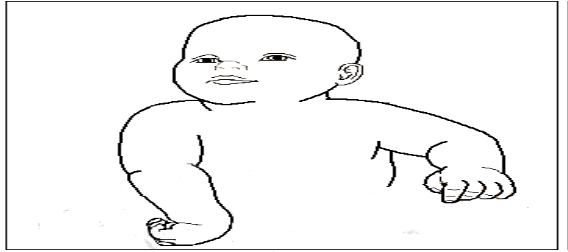
الشلل الإربي
