كتاب
رعاية مرضى الأورام الذين لديهم فتحات صناعية
- أنواع اليوروستومي
هناك عدة أنواع من عمليات اليوروستومي ،ولكل منها خصائص وفوائد فريدة خاصة بها. فيمايلي بعض من الأنواع الأكثر شيوعًا:
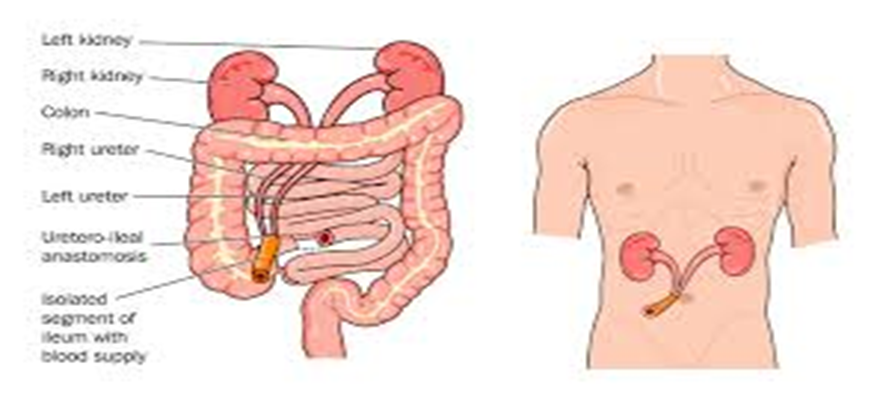
* يوروستومي الحلقة الإيلية
* النوع الأكثر شيوعًا
* الإجراء: يتم جلب جزءمن الأمعاء الدقيقة (الإليوم) إلى جدارالبطن، مما يؤدي إلى إنشاء الإستوما .ثم يتم جمع البول في كيس خارجي.
* المزايا: إجراء بسيط، خطر منخفض للمضاعفات ،وسهل الإدارة.
* يوروستومي من الأمعاء (أقل شيوعًا)
* الإجراء: يتم إنشاء كيس من الأمعاء لتخزين البول، ويتم وضع صمام عند الإستوما للتحكم في تدفق البول.
* المزايا: يسمح بمزيد من التحكم في إنتاج البول،ويقلل من الحاجة إلى تغيير الكيس بشكل متكرر، ويحسن نوعية الحياة.
* يوروستومي الجلدية (أقل شيوعًا)
* الإجراء: يتم إنشاء الإستوما مباشرة من جلد البطن.
* المزايا: يمكن أن يكون خيارًا جيدًا لبعض المرضى، ولكنه قد يتطلب رعاية أكثر تكرارًا ويمكن أن يكون مرتبطًا بمعدلات أعلى من المضاعفات.
* يوروستومي عبر الجلد (مشابه لليوروستومي الجلدية)
* الإجراء:
يتم إنشاء الإستوما من خلال الجلد ،ولكن غالبًا مايتم استخدامه للتصريف المؤقت أو في الحالات التي يكون فيها الحل الدائم غير مناسب.
يعتمد إختيار نوع اليوروستومي على عدة عوامل، بما في ذلك:
* السبب الأساسي لخلل وظيفة المثانة
* الصحة العامة للمريض
* تفضيلات المريض وأسلوب حياته