Book
Care for cancer patients with artificial openings
- Nursing Care for Urostomy Patients
Preoperative Care:
- Education: Comprehensive education should be provided about the urostomy procedure, including the benefits, risks, and potential complications.
- Psychological Support: Any concerns or anxieties the patient may have about the surgery and its impact on their lifestyle should be discussed.
- Physical Assessment: A thorough physical assessment should be conducted to identify any underlying health conditions that may affect the urostomy procedure.
Postoperative Care:
- Pain Management: Monitor pain levels and administer appropriate pain relief medications as prescribed.
- Stoma Care: Teach the patient proper stoma care techniques, including inspection, skin care, and device changes.
- Urine Output: Monitor urine output to ensure adequate kidney function and prevent complications.
- Nutritional Support: Provide guidelines on nutrition to maintain hydration and support healing.
- Psychological Support: Offer psychological support and encouragement to help the patient adapt to the changes associated with the urostomy.
Ongoing Care:
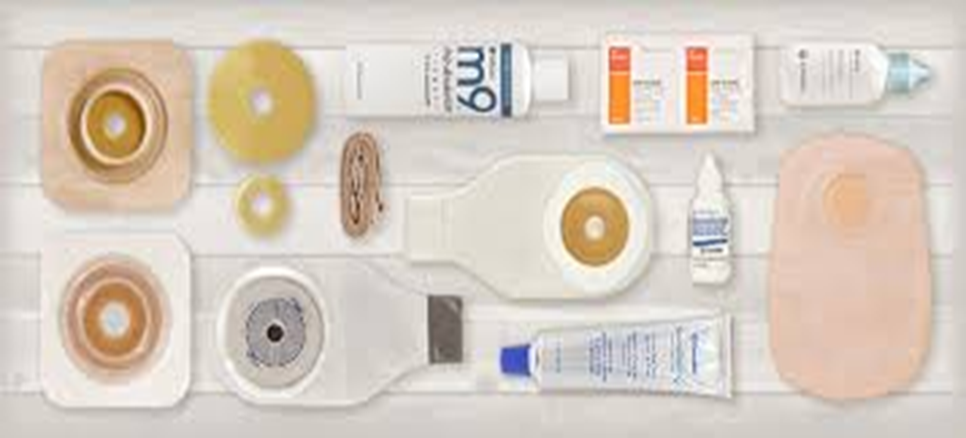
- Urostomy Appliance Fitting: Assist the patient in choosing the correct type and size of urostomy appliance.
- Skin Care: Provide education on preventing and managing skin irritation around the stoma.
- Self-care: Teach the patient self-care techniques, including changing the pouch, stoma care, and managing potential complications.
- Home Health Care: Coordinate home health care services as necessary to provide ongoing support and monitoring.
- Referrals: Refer the patient to support groups, therapists, or other specialists as needed.
Basic Nursing Skills:
- Wound Care: Proper wound care techniques are essential to manage the stoma and prevent complications.
- Urostomy Care: Nurses must be knowledgeable about the various types of surgeries and appropriate care techniques for each.
- Patient Education: Effective communication and patient education are critical to ensuring the patient understands and follows care instructions.
- Assessment and Monitoring: Nurses should be able to assess the patient's condition, monitor vital signs, and identify any potential complications.