
Book
Protocols for the Most Common Diseases in Primary Healthcare Facilities
-Family Medicine Clinic Nursing Protocols
|
Protocol Title |
Hypertension |
||
|
Issue Date |
|
Version Number |
1 |
|
Revision Date |
|
Number of Pages |
4 |
|
Prepared by |
|
||
|
Head Nurse |
Medical Director Approval |
Unit Manager Approval |
|
|
|
|||
· Patient Assessment:
- Perform a physical assessment of the different body systems according to the patient's presenting complaint.
- Conduct a psychosocial assessment and evaluate the educational needs of the patient and family.
- Assess pain and notify the physician if the pain score is 3 or higher.
- Perform a fall-risk assessment.
- Conduct psychological, spiritual, and nutritional assessments.
- Perform a geriatric assessment if the patient is 65 years of age or older.
· Nursing Procedures:
- Measure vital signs (blood pressure, blood glucose, pulse, respiratory rate, temperature, and oxygen saturation) and notify the physician of the results in accordance with the Critical Results Reporting Policy, when applicable.
- Measure height and weight and calculate body mass index (weight in kilograms / height in meters squared).
- Develop and implement a nursing care plan.
- Administer treatment as prescribed by the physician.
- Provide the patient with health education appropriate to the condition.
- Complete electronic documentation of all nursing forms in the system.
· Health Education:
- Explain the concept of hypertension to the patient:
Definition of Blood Pressure:
Blood pressure is the force generated within the large blood vessels (arteries) when the heart pumps blood so that it circulates throughout the body.
Narrowing of the arteries causes blood pressure to rise.
• When the heart muscle contracts to propel oxygenated blood throughout the body, the pressure generated by the heart reaches its highest level; this is known as systolic blood pressure.
• When the heart muscle relaxes before the next contraction, this is known as diastolic blood pressure.
• Hypertension is the level of blood pressure at which treatment with antihypertensive medication provides more benefit than harm.
• Blood pressure is considered elevated when it remains above the normal range during physical and psychological rest.
• High blood pressure is called the “silent killer” because it usually causes no symptoms until an advanced stage of the disease.
Prehypertension is the stage in which the blood pressure reading is slightly higher than usual. If your reading is 139/89 mmHg, you are in the prehypertension stage. The condition may worsen in the future and become chronic or long-term; therefore, it is important to consult a physician about how to maintain a normal blood pressure level and prevent the disease.
Normal adult blood pressure: 120/80 mmHg, with a variation of ±20/15 mmHg.
|
Systolic Blood Pressure |
Age Group |
|
40-60 |
Preterm infants |
|
50-70 |
Neonates (0 to 1 month) |
|
70-100 |
Infants (1 to 12 months) |
|
70-110 |
Toddlers (1 to 3 years) |
|
80-110 |
Preschool children (3 to 6 years) |
|
80-120 |
School-age children (6 to 12 years) |
|
100-120 |
Adolescents (over 12 years) |
- Educate the patient about the prevention of hypertension:
Adopt a healthier lifestyle:
1- Lose excess weight.
2- Exercise regularly (walking).
5- Abstain from alcohol.
6- Stop smoking.
7- Take medications regularly as prescribed.
8- Follow a healthy diet:
- Discontinue unhealthy eating habits.
- Organize meals and eating times.
- Avoid excessive intake of sugars, fats, and salt.
- Increase the intake of potassium-rich foods, such as bananas, oranges, and dates. However, patients with renal failure must avoid foods high in potassium and phosphorus.
- Eat fresh fruit and vegetables whenever possible.
- Reduce dietary salt intake.
-Avoid convenience foods, fast food, canned foods, and preserved foods.
- Avoid pickles and high-salt foods, such as salted fish and salted nuts,
ketchup, potato chips, etc.
-Maintain a healthy weight appropriate for age and height, and lose excess weight by following a balanced diet.
-The diet should contain as little animal fat and salt as possible while remaining rich in all essential nutrients, including potassium, magnesium, and calcium.
-Increase the intake of fruit and vegetables.
-Avoid fats, particularly saturated fats of animal origin.
-Increase the intake of potassium-rich foods. It is therefore recommended to eat more fruit and vegetables because they are rich in potassium (4-5 servings daily), such as bananas, oranges, dark leafy vegetables, legumes, dairy products, and meat.
-Eat “oily” fish:
Eating fish, particularly oily fish such as mackerel, salmon, and tuna, helps lower blood pressure and reduces blood viscosity and the tendency to clot because these fish contain unsaturated fatty acids known as omega-3. Eating fish at least once a week is therefore recommended.
-Calcium:
Maintaining an adequate daily dietary intake of calcium helps prevent hypertension. Dietary calcium deficiency has been associated with elevated blood pressure.
Adults require 800-1,200 mg of calcium per day.
Low-fat milk and dairy products are recommended.
-Fiber: Eat fiber-rich foods (fruit and vegetables) every day.
-Daily sodium intake should not exceed 2.4 g.
-Daily fat intake should not exceed 30% of the total daily calories appropriate for the body, to prevent elevated blood lipids and atherosclerosis. Therefore, reduce overall fat intake.
Reduce saturated fats, such as butter, ghee, cream, etc., to 10% or less of total fat intake because they directly raise blood cholesterol, thereby contributing to atherosclerosis and hypertension.
-Avoid hydrogenated oils (commercial shortening).
|
Reduce: Fats Salt Sweets and sugary foods |
|
Increase: Fruit Vegetables Fiber-rich foods in general. |
|
Consume in moderation: Whole grains. Fish Poultry Red meat Nuts |
9- Reduce psychological stress.
- Explain the factors that contribute to hypertension:
Modifiable risk factors:
Unhealthy diet:
· A diet high in sodium (salt) and low in potassium increases the risk of developing hypertension.
· Most of the sodium we consume comes from fast food and processed and canned foods.
· Inadequate potassium intake can also raise blood pressure. Potassium is found in foods such as bananas, potatoes, legumes, and yogurt
- Physical activity:
· Insufficient physical activity contributes to weight gain, which in turn can lead to elevated blood pressure.
Obesity:
· Obesity is an excessive proportion of body fat. It can cause hypertension and is assessed by calculating body mass index. It may also lead to heart disease and diabetes mellitus.
Smoking:
· Smoking in all forms increases the risk of hypertension.
· Smoking can damage the heart and blood vessels.
· Nicotine raises blood pressure, while carbon monoxide inhaled during smoking reduces the amount of oxygen carried by the blood.
Excessive alcohol consumption:
· Excessive alcohol consumption can raise blood pressure.
Non-modifiable risk factors:
· Genetic factors and family history of the disease
Certain traits are passed from one generation to the next through genes; this is known as heredity.
· Other factors include:
v Age: Blood pressure tends to rise with age, and the risk of hypertension increases as a person gets older.
- Explain the complications of hypertension so that the patient can help prevent them:
-Angina pectoris.
-Myocardial infarction (heart attack).
-Cardiac arrest and shortness of breath.
-Irregular heartbeat.
-Stroke.
-Cognitive impairment.
-Peripheral arterial disease (damage to the major blood vessels in the legs).
-Kidney damage.
-Eye damage (visual impairment caused by bleeding from retinal blood vessels).
- Explain the effect of persistent hypertension on the heart:
When hypertension persists for a long period, the heart muscle becomes thicker because it must work harder to overcome the increased pressure. The thickened heart muscle also becomes stiffer and functions less efficiently than a normal heart muscle.
- Educate the patient about first aid for epistaxis (nosebleed):
· Sit upright and lean the head forward toward the chest, and avoid swallowing the blood.
· Pinch both nostrils between the thumb and index finger just above the bleeding site for 10 minutes. Keep the mouth open for breathing while applying pressure. An ice pack may be placed over the bridge of the nose.
· Have the patient spit out any blood that has accumulated in the throat.
· After the bleeding stops, explain the importance of avoiding forceful breathing through the nose.
· If the bleeding does not stop within 30 minutes, transfer the patient to a medical facility.
References:
Arslan, G., & Mollaoğlu, M. (2021). Evaluating sleep quality in patients with hypertension. Primary Health Care, 31(3).
Oliveros, E., Patel, H., Kyung, S., Fugar, S., Goldberg, A., Madan, N., & Williams, K. A. (2020). Hypertension in older adults: Assessment, management, and challenges. Clinical cardiology, 43(2), 99-107
|
Protocol Title |
Bronchial Asthma |
||
|
Issue Date |
|
Version Number |
1 |
|
Revision Date |
|
Number of Pages |
4 |
|
Prepared by |
|
||
|
Head Nurse |
Medical Director Approval |
Unit Manager Approval |
|
|
|
|||
Nursing Care Protocol for a Patient with an Asthma Exacerbation (Bronchial Asthma)
· Patient Assessment:
- Perform a physical assessment of the different body systems, with particular emphasis on the respiratory system, according to the patient's presenting complaint.
- Review the medication history for drugs used to treat nasal or chest allergies.
- Conduct a psychosocial assessment and evaluate the educational needs of the patient and family.
- Assess pain and notify the physician if the pain score is 3 or higher.
- Perform a fall-risk assessment.
- Conduct psychological, spiritual, and nutritional assessments.
- Perform a geriatric assessment if the patient is 65 years of age or older, a pregnancy assessment for pregnant women, and a pediatric assessment for children under 5 years of age.
· Nursing Procedures:
Triage and prioritize patients in accordance with the Patient Triage and Prioritization Policy.
- Measure vital signs (blood pressure, blood glucose, pulse, respiratory rate, temperature, and oxygen saturation) and notify the physician of the results in accordance with the Critical Results Reporting Policy, when applicable.
- Measure height and weight and calculate body mass index (weight in kilograms / height in meters squared).
- Develop and implement a nursing care plan.
- Administer treatment as prescribed by the physician.
- Provide the patient with health education appropriate to the condition.
- Complete electronic documentation of all nursing forms in the system.
· Health Education:
Lifestyle and home care (avoid triggers by doing the following):
1- Use air conditioning to reduce the amount of airborne tree pollen entering the home. If air conditioning is unavailable, keep windows closed during pollen season.
2- Reduce household dust that may worsen nighttime symptoms by modifying bedroom furnishings. For example, cover pillows, mattresses, and bed frames with dust-proof covers; avoid using pillows
and feather-filled blankets. Remove carpeting throughout the home and replace it with hardwood or linoleum flooring. Use washable curtains and blinds.
3- Maintain an optimal humidity level.
4- Prevent mold spores: Clean damp areas in the bathroom, kitchen, and throughout the home to prevent mold growth. Remove decaying leaves or damp firewood from the yard.
5- Reduce exposure to pet dander: If you are allergic to dander, avoid pets with fur or feathers.
6- Clean regularly: Clean the home at least once a week. If cleaning is likely to stir up dust, wear a mask or ask someone else to clean. Wash bedding regularly.
7- Cover your nose and mouth when the weather is cold outside.
Lifestyle and home care (exercise regularly).
Having asthma does not mean that you must be less active. Appropriate treatment can prevent asthma attacks and control symptoms during physical activity.
Regular exercise can strengthen the heart and lungs and help relieve asthma symptoms. When exercising in cold weather, wear a face covering to warm the air you breathe.
Lifestyle and home care (maintain a healthy weight).
Excess weight can worsen asthma symptoms and increase the risk of other health problems.
Control heartburn and gastroesophageal reflux disease (GERD).
Acid reflux, which causes heartburn, may damage the airways in the lungs and worsen asthma symptoms.
If you experience frequent heartburn, discuss treatment options with your physician.
Coping and Support:
1- Pace yourself: Take breaks between tasks and avoid activities that worsen your symptoms.
2- Prepare a daily task list. This may help prevent feelings of stress. Reward yourself for achieving simple goals.
3- Talk with other people who have the same condition so you know that you are not alone.
4- If your child has asthma, be encouraging. Focus on what your child can do rather than what the child cannot do. Ask teachers to help your child manage asthma.
Take medications regularly.
Long-term asthma-control medications are taken daily. They provide day-to-day control of asthma and reduce the likelihood of an asthma attack. These medications include inhaled corticosteroids and others.
· References:
- Asthma. National Heart ,lung ,and blood Instituto- https:// www. Nih. Gov/ health: topics/ asthma .Accessed march 25-2020.
- MacGeorge, C. A., King, K., Andrews, A. L., Sterba, K., Johnson, E., Brinton, D. L., ... & Ford, D. (2021). School nurse perception of asthma care in school-based telehealth. Journal of Asthma, 1-8.
- Rukahu, F. (2021). Nurses' role and their knowledge in caring for severe asthma patients.
- Rupasinghe, M., Reath, J., Cvetkovski, B., Smith, S., Bosnic-Anticevich, S., Kritikos, V., & Abbott, P. (2021). Have we got the right focus in asthma care in general practice? A qualitative study. Australian Journal of General Practice, 50(6), 410-415.
|
Protocol Title |
Gastritis |
||
|
Issue Date |
|
Version Number |
1 |
|
Revision Date |
|
Number of Pages |
4 |
|
Prepared by |
|
||
|
Head Nurse |
Medical Director Approval |
Unit Manager Approval |
|
|
|
|||
Nursing Care Protocol for a Patient with Abdominal Pain
· Patient Assessment:
- Perform a physical assessment of the different body systems, particularly the gastrointestinal system, according to the patient’s complaint.
- Review the medication history for medications used to treat gastritis or abdominal pain.
- Conduct a psychosocial assessment and evaluate the educational needs of the patient and family.
- Assess pain and notify the physician if the pain score is 3 or higher.
- Perform a fall-risk assessment.
- Conduct psychological, spiritual, and nutritional assessments.
- Perform a geriatric assessment if the patient is 65 years of age or older, assess pregnant women, and assess children younger and older than 5 years of age.
· Nursing Procedures:
- Measure vital signs (blood pressure, blood glucose, pulse, respiratory rate, temperature, and oxygen saturation) and notify the physician of the results in accordance with the Critical Results Reporting Policy, when applicable.
- Measure height and weight and calculate body mass index (weight in kilograms / height in meters squared).
- Develop and implement a nursing care plan.
- Administer treatment as prescribed by the physician.
- Provide the patient with health education appropriate to the condition.
- Complete electronic documentation of all nursing forms in the system.
· Health Education:
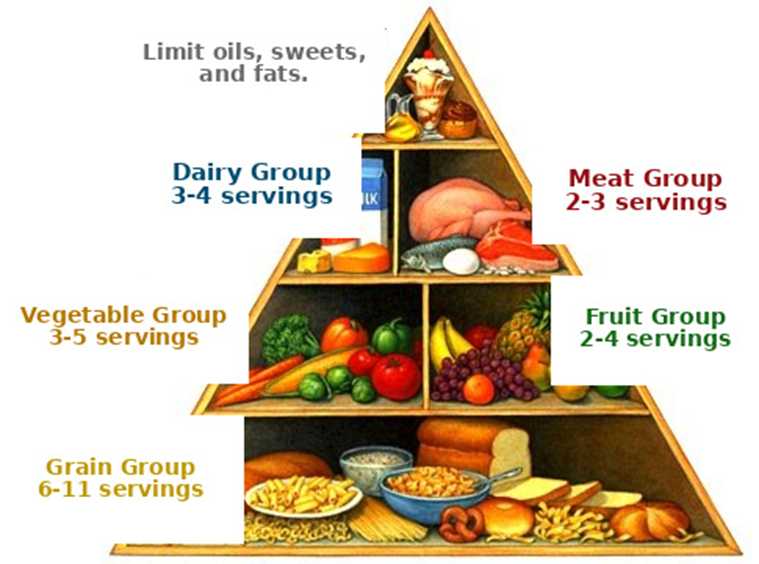
Educate patients about proper nutrition.
Educate the patient about foods permitted and foods to be avoided by patients with gastric and duodenal ulcers.
|
Foods to Avoid |
Permitted Foods |
|
Milk and dairy products Alcoholic beverages Tea and coffee Carbonated beverages Whole grains, bran, brown bread, and dry bread Salty and aged cheeses Fried, smoked, and salted meats Concentrated soups and sauces All raw vegetables, including onions, garlic, cabbage, cauliflower, cucumber, tomatoes, green peppers, radishes, turnips, lettuce, and legumes Pastries, pizza, and all rich or complex dough-based foods Hot condiments, tomato paste, olives, spices, pickles, mustard, and vinegar Sweets and sugar Dried fruits, particularly figs, coconut, and raisins |
Soft white bread or toast Plain biscuits Cooked cereals Rice and pasta Eggs Butter, cream, and vegetable oils Tender meat and young poultry Mashed and boiled potatoes Vegetables such as peas, carrots, spinach, and zucchini, provided they are boiled and mashed Fruits such as peaches, apples, pears, and apricots, provided they are cooked and have no peel or seeds Bananas may be served raw. Pudding, milk pudding, custard, and jelly
|
Gastroenteritis is inflammation of the stomach and intestines. Common causes include:
- Viruses
- Food or water contaminated with bacteria or parasites
- Medication side effects
Typical signs and symptoms include:
- Nausea or vomiting
- Diarrhea
- Abdominal cramps
- Low-grade fever (occasionally)
Depending on the cause, symptoms may last from one day to more than one week.
If you suspect that you have gastroenteritis:
- Sip fluids, such as a sports drink or water, to prevent dehydration. Drinking fluids too quickly may worsen nausea and vomiting; therefore, take small, frequent sips over several hours rather than drinking a large amount at once.
- Monitor urination. You should urinate at regular intervals, and your urine should be pale and clear. Infrequent, dark-colored urine is a sign of dehydration. Dizziness and lightheadedness are also signs of dehydration. Seek medical care if any of these signs or symptoms occur and you cannot drink enough fluids.
- Resume eating gradually. If you feel nauseated, try eating small amounts frequently. Alternatively, gradually begin with bland, easy-to-digest foods such as soda crackers, toast, gelatin, bananas, applesauce, rice, and chicken. Stop eating if nausea returns. Avoid milk and dairy products, caffeine, alcohol, nicotine, and fatty or spicy foods for several days.
- Get plenty of rest. Illness and dehydration may leave you weak and tired.
Seek medical care if:
- Vomiting lasts longer than two days.
- Diarrhea lasts longer than several days.
- The diarrhea becomes bloody.
- The temperature exceeds 39°C.
- Dizziness or fainting occurs on standing.
- Confusion develops or worsens.
- Troublesome abdominal pain develops or worsens.
If you suspect that your child has gastroenteritis:
- Allow your child to rest.
- Once your child stops vomiting, begin giving small amounts of oral rehydration solution. Do not use water alone or apple juice alone. Drinking fluids too quickly may worsen nausea and vomiting; therefore, give the child small, frequent sips
- over several hours rather than a large amount at once. Try using a dropper to administer oral rehydration solution instead of a bottle or cup.
- Gradually offer bland, easy-to-digest foods such as toast, rice, bananas, and potatoes. Avoid giving your child full-fat dairy products, such as whole milk and full-fat ice cream, and foods high in sugar, such as soft drinks and candy, because these may worsen diarrhea.
- If you are breastfeeding, continue to breastfeed your child. If your child is bottle-fed, offer a small amount of oral rehydration solution or the child’s usual infant formula.
References:
- Connor, M. J., Lischer, E., & Cerdá, J. (2021, August). Organizational and financial aspects of a continuous renal replacement therapy program. In Seminars in Dialysis. John Wiley & Sons, Ltd.
|
Protocol Title |
Low Back Pain |
||
|
Issue Date |
|
Version Number |
1 |
|
Revision Date |
|
Number of Pages |
4 |
|
Prepared by |
|
||
|
Head Nurse |
Medical Director Approval |
Unit Manager Approval |
|
|
|
|||
Nurse’s Role in Caring for a Patient with Low Back Pain:
· Patient Assessment:
- Perform a physical assessment of the different body systems, particularly the musculoskeletal system, according to the patient’s complaint.
- Perform a fall-risk assessment.
- Conduct psychological, spiritual, and nutritional assessments.
- Assess pain and reassess it in accordance with the policy.
· Nursing Procedures:
- Measure vital signs (blood pressure, blood glucose, pulse, respiratory rate, and temperature) and notify the physician of the results in accordance with the Critical Results Reporting Policy.
- Develop and implement a nursing care plan.
- Administer treatment as prescribed by the physician.
- Complete electronic documentation of all nursing forms in the system.
· Health Education:
You may be able to avoid back pain or prevent it from recurring by improving your physical condition and learning and practicing proper body mechanics.
To keep your back healthy and strong:
· Exercise regularly. Regular low-impact aerobic activities—those that do not strain or jolt your back—can increase back strength and endurance and allow your muscles to function more effectively. Walking and swimming are good choices. Ask your physician which activities are appropriate for you.
· Build muscle strength and flexibility. Abdominal and back-muscle exercises that strengthen your core help condition these muscles to work together like a natural corset for your back.
· Maintain a healthy weight. Excess weight strains the back muscles. If you are overweight, losing weight may help prevent back pain.
· Stop smoking. Smoking increases the risk of low back pain. The risk rises with the number of cigarettes smoked each day; therefore, quitting reduces this risk.
Avoid movements that twist or strain your back. Use your body correctly:
· Stand properly. Do not slouch. Maintain a neutral pelvic position. If you must stand for long periods, place one foot on a low footrest to reduce the load on the lower back, alternating feet. Good posture can reduce stress on the back muscles.
· Sit properly. Choose a seat with good lower-back support, armrests, and a swivel base. Placing a pillow or rolled towel behind your lower back can maintain its natural curve. Keep your knees and hips level. Change position frequently, at least every 30 minutes.
· Lift properly. Avoid lifting heavy loads whenever possible. When you must lift something heavy, let your legs do the work. Keep your back straight—without twisting—and bend only at the knees. Hold the load close to your body. Ask someone to assist if the object is heavy or difficult to lift.
References:
· Kazemi, S. S., Tavafian, S. S., Hiller, C. E., Hidarnia, A., & Montazeri, A. (2021). The effectiveness of social media and in‐person interventions for low back pain conditions in nursing personnel (SMILE). Nursing Open, 8(3), 1220-1231.
· Rabenbauer, L. M., & Mevenkamp, N. (2021). Factors in the Effectiveness of e-Health Interventions for Chronic Back Pain: How Self-Efficacy Mediates e-Health Literacy and Healthy Habits. Telemedicine and e-Health, 27(2), 184-192.
|
Protocol Title |
Persistent Vomiting |
||
|
Issue Date |
|
Version Number |
1 |
|
Revision Date |
|
Number of Pages |
4 |
|
Prepared by |
|
||
|
Head Nurse |
Medical Director Approval |
Unit Manager Approval |
|
|
|
|||
Vomiting
Nursing care for a patient experiencing vomiting:
· Patient Assessment:
- Perform a physical assessment of the different body systems according to the patient's presenting complaint, with particular emphasis on the gastrointestinal system.
- Perform a fall-risk assessment.
- Conduct psychological, spiritual, and nutritional assessments.
· Nursing Procedures:
- Measure vital signs (blood pressure, blood glucose, pulse, respiratory rate, and temperature) and notify the physician of the results in accordance with the Critical Results Reporting Policy.
- Measure weight and height and calculate body mass index (weight in kilograms / height in meters squared).
- Develop and implement a nursing care plan.
- Administer treatment as prescribed by the physician.
- Complete electronic documentation of all nursing forms in the system.
· Health Education:
Pregnant women experiencing morning nausea and vomiting may eat dry baked foods such as sesame breadsticks (“semeet”), or have a light protein snack before bedtime, such as cheese or lean meat. They should consult the physician regarding antiemetic medications to select one appropriate for pregnancy.
Vomiting associated with cancer therapy may be treated with specific medications compatible with the treatment regimen, as prescribed by the physician.
If vomiting accompanied by diarrhea persists for more than 24 hours, oral rehydration solution should be used, as prescribed by the physician, to protect the patient from dehydration.
Eat small meals throughout the day instead of three large meals.
Avoid solid foods that are difficult to digest.
Drink fluids gradually, beginning with warm fluids.
Rest after eating, keep the head elevated, and avoid lying down immediately after meals.
Avoid acidic juices, such as orange, grapefruit, and lemon juice, because they increase nausea and the urge to vomit.
Do not exercise or engage in vigorous movement after eating, as this may irritate the stomach and increase the urge to vomit.
People prone to motion sickness may experience increased nausea, dizziness, and the urge to vomit when sitting by a window and watching the rapid movement outside. Interior seats are therefore preferable to window seats.
References:
· Byrne, K., Renton, B., & Renton, B. (2021). An unusual cause of persistent vomiting. The multispecialty review journal for hospital doctors, 203, 202.
· Blackett, D. L. (2021). Perceptions of Using Complementary Alternative Medicine during Pregnancy for Nausea and Vomiting (Doctoral dissertation, Walden University).
· Reeves, P. T., Kovacic, K., Rogers, P., Sanghavi, R., Levinthal, D., Echelmeyer, S., & Li, B. U. K. (2021). Development and Assessment of a Low Literacy, Pictographic Cyclic Vomiting Syndrome Action Plan. The Journal of Pediatrics.
|
Protocol Title |
Diabetes Mellitus |
||
|
Issue Date |
|
Version Number |
1 |
|
Revision Date |
|
Number of Pages |
4 |
|
Prepared by |
|
||
|
Head Nurse |
Medical Director Approval |
Unit Manager Approval |
|
|
|
|||
Nurse’s Role in Caring for a Patient with Diabetes Mellitus
1- Patient Assessment:
- Perform a physical assessment of the different body systems according to the patient's presenting complaint.
- Assess pain and notify the physician if the pain score is 3 or higher.
- Perform a fall-risk assessment.
- Conduct psychological, spiritual, and nutritional assessments.
- Perform a geriatric assessment if the patient is 65 years of age or older.
2- Nursing Procedures:
- Measure vital signs (blood pressure, blood glucose, pulse, respiratory rate, and temperature).
- Measure the blood glucose level and notify the physician of the result.
- Measure height and weight and calculate body mass index (weight in kilograms / height in meters squared).
- Develop and implement a nursing care plan.
- Complete electronic documentation of all nursing forms in the system.
3- Health Education:
- Explain the concept of diabetes mellitus to the patient:
• Diabetes mellitus is a chronic condition in which the blood glucose level rises above the normal range. It results from a partial, complete, or relative deficiency of insulin, a hormone secreted by the islets of Langerhans in the pancreas. Insulin helps glucose enter the body’s cells, where it is converted into energy that enables movement. When the body has insufficient insulin, glucose accumulates in the blood and cannot be used effectively by the body; it consequently appears in the urine.
• Type 1 diabetes (juvenile diabetes): This insulin-dependent type occurs when the body is completely unable to produce insulin; therefore, insulin injections are required.
It is more common in young children (under 5 years of age).
• Type 2 diabetes (adult-onset diabetes): This type accounts for 90% of diabetes cases. The body can produce insulin, but not in sufficient quantities, and is also unable to use insulin efficiently. People with this type commonly have excess weight or obesity and a sedentary lifestyle.
• A third type occurs during pregnancy and is therefore known as gestational diabetes.
- Explain the risk factors that contribute to the disease:
Modifiable risk factors:
• Overweight or obesity.
• A sedentary occupation that requires sitting most of the time.
• Dietary factors.
• Smoking.
• A previous history of impaired fasting glucose or impaired glucose tolerance.
• Blood pressure above 140/90 mmHg.
• Dyslipidemia.
Non-modifiable risk factors:
• Age.
• Sex.
• A family history of type 2 diabetes.
• Genetic factors.
• A previous history of impaired blood glucose during pregnancy.
• Ethnicity.
- Explain the symptoms of diabetes mellitus to the patient:
· Frequent urination
· Thirst and dry throat.
· Weight loss despite a normal appetite.
· Fatigue with minimal exertion.
· Skin infections.
· Delayed wound healing.
- Educate the patient about how to prevent diabetes mellitus:
Adopt a healthier lifestyle:
- Follow a healthy diet that is low in fat and calories and high in dietary fiber, with emphasis on complex carbohydrates, whole grains, fruits, and vegetables.
- Lose excess weight.
- Engage in regular physical activity for at least 30 minutes daily.
- Avoid smoking.
- Avoid psychological stress.
Eat a healthy diet:
Following a healthy diet reduces the risk of type 2 diabetes and helps people with type 1 or type 2 diabetes live with and manage the condition.
A healthy diet contains a high proportion of fruits and vegetables and a low proportion of sugar and saturated fat.
Engage in physical activity (exercise and movement):
Physical activity helps prevent type 2 diabetes and reduce its complications. It also helps people with either type of diabetes manage the condition more effectively.
Engage in any form of physical activity for at least 30 minutes on most days.
Explain the complications of diabetes to the patient so they can be avoided:
• Diabetic ketoacidotic coma: This occurs when the blood glucose level rises and is accompanied by elevated ketone bodies and glucose in the urine.
• Heart disease.
• Diabetic foot.
• Diabetic retinopathy and other eye problems.
• Dental and gum problems.
• Diabetic kidney disease.
• Reproductive problems.
• Atherosclerosis.
• Peripheral neuropathy.
Educate the patient about diabetic foot care:
1. Inspect the feet daily: Check for scratches, blisters, or any change in color, either yourself or with the assistance of a relative if you have impaired vision.
2. Ask your treating physician: The feet should preferably be examined at every medical visit. Remember to ask about the condition of your toes, and assist your physician by removing your shoes and socks for the examination.
3. Wash the feet, toes, and spaces between the toes with lukewarm water and soap.
4. Dry them thoroughly. A moisturizing cream may be used for dry skin.
5. Trim the toenails straight across and avoid injuring the surrounding skin. Ask for assistance if you have impaired vision.
6. Do not walk barefoot, either indoors or outdoors.
7. Ensure that your socks are dry, clean, and seamless.
- Do not leave socks rolled up inside the shoes; air them out
to dry before wearing them again.
- Wool socks are preferable in winter and cotton socks in summer
rather than socks made of synthetic fibers.
8. Ensure that your shoes are comfortable when walking and are neither too tight nor too loose.
- They should have a wide toe box that provides sufficient room for the toes.
References:
Mensah, G. P., ten Ham‐Baloyi, W., van Rooyen, D., & Jardien‐Baboo, S. (2020). Guidelines for the nursing management of gestational diabetes mellitus: An integrative literature review. Nursing open, 7(1), 78-90.
Mensah, G. P., ten Ham‐Baloyi, W., van Rooyen, D. R., & Jardien‐Baboo, S. (2020). Guidelines for the nursing management of gestational diabetes mellitus: An integrative literature review. Nursing Open, 7(1), 78
|
Protocol Title |
Osteoarthritis |
||
|
Issue Date |
|
Version Number |
1 |
|
Revision Date |
|
Number of Pages |
4 |
|
Prepared by |
|
||
|
Head Nurse |
Medical Director Approval |
Unit Manager Approval |
|
|
|
|||
Nurse’s Role in Caring for a Patient with Osteoarthritis:
1- Patient Assessment:
- Perform a physical assessment of the different body systems according to the patient's presenting complaint.
- Assess pain and notify the physician if the pain score is 3 or higher.
- Perform a fall-risk assessment.
- Conduct psychological, spiritual, and nutritional assessments.
- Perform a geriatric assessment if the patient is 65 years of age or older.
2- Nursing Procedures:
- Measure vital signs (blood pressure, blood glucose, pulse, respiratory rate, and temperature).
- Measure height and weight and calculate body mass index (weight in kilograms / height in meters squared).
- Develop and implement a nursing care plan.
- Complete electronic documentation of all nursing forms in the system.
3- Health Education:
- Explain the condition to the patient:
Arthritis is a general term for conditions that affect the joints or the tissues surrounding a joint. There are more than one hundred types of arthritis, most of which cause pain and stiffness in and around the affected joint. Some types, such as rheumatoid arthritis, also affect the immune system and certain internal organs.
- Explain the causes and risk factors associated with the condition:
The causes of many types of arthritis have not been identified. However, gout results from excess uric acid in the body. Other factors, such as
genetics, lifestyle, and the environment, may influence the development of different types of arthritis.
Risk Factors:
Advanced age.
Sex: Most types of arthritis are more common in women, whereas gout is more common in men.
Genes and inherited traits.
Overweight and obesity.
Infection.
Occupation and occupational hazards.
Smoking.
- Explain the symptoms the patient may experience that require medical consultation:
Symptoms vary according to the type of arthritis and may develop suddenly or gradually over time. They may come and go or persist. Symptoms include pain, stiffness in and around the joints, and redness.
When should the patient see a physician?
When pain, stiffness, or swelling is felt or observed in one or more joints.
- Explain the importance of improving lifestyle habits:
Maintain a healthy weight by following a healthy dietary pattern.
Maintain regular physical activity.
Stop smoking.
Protect the joints from injury by performing exercises specifically designed for them.
Ensure that the workplace is free from fall hazards and provides adequate space, equipment, and tools suited to the individual’s physical capabilities.
References:
1. Mayo Clinic. (n.d.). Arthritis. Retrieved from [Mayo Clinic website](https://www.mayoclinic.org/diseases-conditions/arthritis/symptoms-causes/syc-20350772)
2. National Institute of Arthritis and Musculoskeletal and Skin Diseases (NIAMS). (n.d.). Arthritis. Retrieved from [NIAMS website](https://www.niams.nih.gov/health-topics/arthritis)
3. Centers for Disease Control and Prevention (CDC). (n.d.). Arthritis - Risk Factors. Retrieved from [CDC website](https://www.cdc.gov/arthritis/basics/risk-factors.html)
4. Arthritis Foundation. (n.d.). What Causes Arthritis? Retrieved from [Arthritis Foundation website](https://www.arthritis.org/diseases/what-is-arthritis)
5. WebMD. (n.d.). Arthritis Symptoms. Retrieved from [WebMD website](https://www.webmd.com/arthritis/arthritis-symptoms)
6. Arthritis Foundation. (n.d.). Healthy Living with Arthritis. Retrieved from [Arthritis Foundation website](https://www.arthritis.org/healthy-living): National Institute on Aging. (n.d.). Lifestyle Changes to Prevent Arthritis. Retrieved from [National Institute on Aging website](https://www.nia.nih.gov/health/lifestyle-changes-prevent-arthritis)
|
Protocol Title |
Coronary Artery Insufficiency |
||
|
Issue Date |
|
Version Number |
1 |
|
Revision Date |
|
Number of Pages |
4 |
|
Prepared by |
|
||
|
Head Nurse |
Medical Director Approval |
Unit Manager Approval |
|
|
|
|||
Nurse’s Role in Providing Nursing Care to a Patient with Coronary Artery Insufficiency
1- Patient Assessment:
- Perform a physical assessment of the different body systems, particularly the cardiovascular system, according to the
- patient’s complaint.
- Review the medication history for medications used to treat diabetes, hypertension, or kidney disease.
- Assess pain and notify the physician if the pain score is 3 or higher.
- Perform an age-appropriate fall-risk assessment for adults or children.
- Conduct psychological, spiritual, and nutritional assessments.
- Perform a geriatric assessment if the patient is 65 years of age or older, a pregnancy assessment for pregnant women, and a pediatric assessment for children under 5 years of age.
2- Nursing Procedures:
- Triage and classify cases to determine the priority of intervention.
- Measure vital signs (blood pressure, blood glucose, pulse, respiratory rate, and temperature).
- Measure height and weight and calculate body mass index (weight in kilograms / height in meters squared).
- Develop and implement a nursing care plan.
- Administer treatment as prescribed by the physician.
- Provide the patient with health education appropriate to the condition.
- Complete electronic documentation of all nursing forms in the system.
3- Health Education:
Explain the concept of heart disease to the patient:
Heart disease is a broad term used to describe a group of disorders affecting the heart. Conditions that fall under the umbrella of heart disease include:
- Cardiovascular diseases.
- Cardiac arrhythmias.
- Congenital heart defects.
- Cardiomyopathy.
- Heart disease caused by inflammation of the heart membranes.
- Valvular heart disease.
Explain the causes and risk factors for heart disease so the patient can avoid modifiable risks:
- Advanced age.
- Family history of heart disease.
- Smoking.
- Poor nutrition.
- Hypertension.
- High cholesterol.
- Diabetes mellitus.
- Obesity.
- Physical inactivity.
- Persistent stress.
Explain the complications of heart disease to the patient:
- Heart failure.
- Heart attack.
- Stroke.
- Aneurysm.
- Sudden cardiac arrest.
Educate patients about preventing heart disease:
Adopt a healthier lifestyle:
Ø Avoid smoking.
Ø Engage in regular physical activity, such as walking for at least 30 minutes.
Benefits of physical activity:
- Exercise helps maintain good vitality, lower cholesterol, control weight, and regulate blood glucose.
- Prevention of chronic diseases.
- Strengthening the heart muscle and stimulating blood circulation.
- Activities such as walking and jogging help dilate the airways in patients with asthma; patients should be cautioned to avoid strenuous exercise.
Ø Follow a healthy diet.
- Eat home-prepared meals and limit fast food.
- Do not allow yourself to become extremely hungry, as this may lead to consuming excessive quantities of food.
- Avoid eating greedily or to the point of excessive fullness.
- Limit drinking water during meals.
Ø Reduce high cholesterol by eating a varied, fiber-rich diet and limiting fat intake.
· Foods that raise LDL cholesterol:
- Fried foods.
- Sweets.
- Butter.
- Egg yolks.
- Meat.
· Foods that lower LDL cholesterol:
- Legumes.
- Green tea.
- Oats.
- Nuts.
- Avocado.
- Reduce and manage stress.
- Maintain normal blood pressure by following a healthy diet and reducing salt intake.
- Lose excess weight, because obesity places strain on the heart and makes it work harder.
References:
Todorova, M. T. (2021). Participation of the nurse in the prevention of patients with CVD through health education and monitoring of health related quality of life. European Journal of Cardiovascular Nursing, 20(Supplement_1), zvab060-107.
Chavez, P., Wolfe, D., & Bortnick, A. E. (2021). Management of Ischemic Heart Disease in Pregnancy. Current Atherosclerosis Reports, 23(9), 1-9.
Connor, M. J., Lischer, E., & Cerdá, J. (2021, August). Organizational and financial aspects of a continuous renal replacement therapy program. In Seminars in Dialysis. John Wiley & Sons, Ltd.
|
Protocol Title |
Anemia |
||
|
Issue Date |
|
Version Number |
1 |
|
Revision Date |
|
Number of Pages |
4 |
|
Prepared by |
|
||
|
Head Nurse |
Medical Director Approval |
Unit Manager Approval |
|
|
|
|||
Nurse’s Role in Providing Nursing Care to a Patient with Anemia
4- Patient Assessment:
- Perform a physical assessment of the different body systems according to the patient's presenting complaint.
- Review the medication history for drugs that suppress the bone marrow.
- Assess pain and notify the physician if the pain score is 3 or higher.
- Perform a fall-risk assessment for adults and children.
- Conduct psychological, spiritual, and nutritional assessments.
- Perform a geriatric assessment if the patient is 65 years of age or older, assess pregnant women, and assess children under 5 years of age.
5- Nursing Procedures:
- Measure vital signs (blood pressure, blood glucose, pulse, respiratory rate, and temperature).
- Measure height and weight and calculate body mass index (weight in kilograms / height in meters squared).
- Develop and implement a nursing care plan.
- Provide the patient with the health education appropriate to the condition.
- Complete electronic documentation of all nursing forms in the system.
6- Health Education:
- Explain anemia to the patient:
• Anemia is a condition in which the hemoglobin concentration in red blood cells is below the normal level for several possible reasons, such as bone-marrow dysfunction, increased
• destruction of red blood cells, or loss of large quantities of blood, as in hemorrhage.
- Explain the risk factors that contribute to the disease
Modifiable risk factors:
• Nutritional deficiency, including insufficient intake of iron, vitamin B12, or vitamin C.
• Intestinal disorders: In intestinal disorders, iron is not absorbed from the small intestine in sufficient quantities, which affects red blood cell production.
• Bleeding, involving the loss of large quantities of blood components.
• Smoking.
• Chronic diseases, such as renal insufficiency or cancer.
• Menstruation and pregnancy.
Non-modifiable risk factors:
• Age.
• Sex.
• Genetic disorders, such as sickle cell anemia and thalassemia.
- Explain the symptoms of anemia to the patient:
• Yellowing of the eyes; in advanced cases of anemia, the eyes may become reddish.
• Pale, yellowish, and cold skin.
• Difficulty breathing.
• General weakness and muscle fatigue.
• Change in stool color.
• Fatigue, exhaustion, and dizziness due to reduced oxygen carried by hemoglobin molecules.
• Low blood pressure.
• Increased heart rate as the body attempts to pump more blood to compensate for reduced oxygen, with chest pain, palpitations, and cardiac edema.
- Educate the patient about preventing anemia:
Adopt a healthier lifestyle:
- Follow a healthy diet rich in iron, vitamin B12, and folic acid to support hemoglobin stores, including red and white meat, fava beans, dried beans, and whole grains.
- Eat foods rich in folic acid, such as green fava beans, leafy green vegetables, wheat germ, and oranges.
- Eat foods rich in vitamin C: citrus and other fruits (grapefruit, kiwi, oranges, lemons, mandarins, and strawberries) and fresh raw vegetables (broccoli, tomatoes, and bell peppers).
Eat foods that provide approximately 0.5–1.5 mg of iron:
• White meat • Green peas • Tomato juice
• Dried apricots • Broccoli • Strawberries
• Raspberries • Whole-wheat germ
Eat foods that provide approximately 1.6–3 mg of iron:
• Steak • Roast beef • Red liver
• Baked potato • Green beans • Oatmeal
• Raisins
Eat foods that provide approximately 3–12 mg of iron:
• Shellfish: 4 large, 6 medium, or 9 small pieces.
• Spinach.
• Fortified cereals.
- Use iron supplements correctly and avoid excessive use.
- Prevent constipation associated with iron supplements through exercise and drinking milk.
- Engage in regular physical activity for at least 30 minutes daily.
Attend regular medical follow-up for the required examinations and to prevent disease progression and worsening of the condition.
- Avoid smoking.
- Avoid psychological stress.
Prevention of iron-deficiency anemia in infants:
Feed the infant breast milk or iron-fortified formula during the first year. Cow’s milk is not a source of iron and is not recommended for infants under one year of age.
Begin the prophylactic iron dose at 6 months of age in accordance with the Integrated Management of Childhood Illness (IMCI) program.
After 6 months of age, begin feeding the child iron-containing infant cereal or puréed meat at least once daily to improve iron intake.
For children over one year of age, ensure that the child does not drink more than 20 ounces (591 mL) of milk daily. Milk often replaces other foods, including iron-rich foods.
Explain the complications of anemia to the patient:
• Heart failure: An increased heart rate develops in an attempt to compensate for low oxygen levels, placing a greater burden on the heart muscle and progressively weakening it until it can no longer function effectively.
• Muscle numbness: This occurs because insufficient oxygen is delivered to the muscles.
• Delirium: This results from reduced oxygen delivery to the brain’s nerve cells and is a serious complication of worsening anemia.
References:
1. GAHAR Accreditation Standards for Primary Healthcare Units and Centers
2. Health Educator Reference Guide, 2018.
3. Nursing Procedural Manual (Central Administration of Nursing, 2017).
4. Physicians’ Protocol