
Book
Promoting Youth and Adolescent Health
The Nurse's Role in Nutrition for Youth and Adolescents
Raising awareness on:
· Importance of a healthy, balanced diet.
·
Fast
food and its risks.
First: The Healthy Balanced Diet
Specifications of a Healthy Balanced Diet:
· Contains all nutrients according to allowances for each individual based on age, gender, physical effort, physiological state, and appropriate dietary fiber.
· Diverse, appetizing, and visually appealing.
· Aligned with prevailing community dietary habits.
· Safe, free from chemical/biological contaminants or harmful substances.
· Aligned with family economic status.
The Three Basic Food Groups
|
Food Group |
Primary Function & Energy Contribution |
Key Components & Examples
|
|
Group 1: Energy Group |
Primary source of energy (85–90%). Supplies energy for activity, movement, and vital processes. |
Grains and products (wheat, rice, corn), tubers (potatoes, sweet potatoes, taro), sugars, animal fats, and vegetable oils. Wheat bread is staple in Egypt. |
|
Group 2: Building Group |
Primary source of animal and plant protein. Supplies limited energy (10–15%). Necessary for growth and cell repair. |
Dairy (calcium source), meats/poultry/fish (iron source), eggs, legumes (fava beans, lentils, chickpeas). |
|
Group 3: Protection Group |
Primary source of vitamins, minerals, and fiber. Essential for disease prevention and immunity. Min 400g/day for adults. |
Fresh vegetables (Vitamin C), fruits, and functional foods playing roles in preventing chronic and cancerous diseases. |
Assessment of Student Nutritional Status
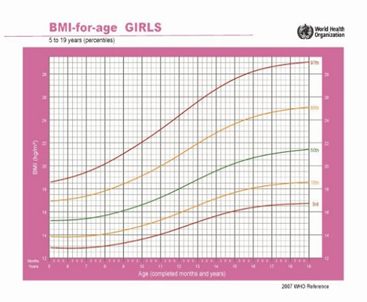
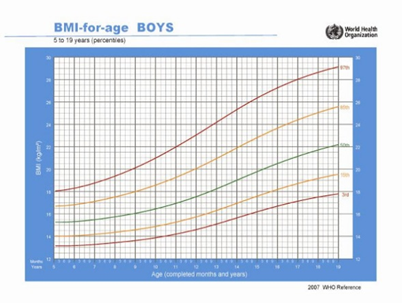
Nutritional status and growth must be monitored periodically for early detection of deviations from normal levels using weight, height, and BMI-for-age charts (such as WHO 2007 reference growth charts for boys and girls).
Healthy Nutrition Messages
· Brown bread is better than white bread due to higher vitamins, minerals, and fiber.
· Fresh foods are better than preserved/canned foods.
· Quench thirst with water (at least 8 cups daily) to prevent obesity from sweetened drinks.
· Combining vitamin C-rich foods with iron-rich foods increases iron absorption and prevents anemia.
· Avoid drinking tea during or immediately after meals as it inhibits iron absorption.
· Combining grains and legumes in one meal matches animal protein quality (e.g., bread with ful medames, falafel, koshary, or bessara).
· White meats (fish, poultry, rabbits) are better than red meats.
· Overconsumption of calorie-dense fast foods leads to malnutrition, obesity, and anemia.
· Calcium-rich foods from childhood prevent osteoporosis in later life.
· Vegetables and fruits rich in antioxidant vitamins (A, C, E) and minerals prevent chronic diseases.
· Whole fruit is better than fruit juice due to dietary fiber.
· Always use iodized salt to prevent iodine deficiency disorders.
·
Exercise
or brisk walk for 30–60 minutes daily alongside a balanced diet.
Second: Fast Foods and Their Dangers
Fast foods contain quick-preparation, high-calorie items (shawarma, burgers, falafel, pastries, pizza, fried chicken, sodas, sweetened juices, french fries). Risks include:
· Modern Diseases: Excessive fats, sugars, and proteins paired with low fiber lead to obesity, early diabetes, heart disease, atherosclerosis, and cancer (colon/breast).
· High Blood Pressure: Due to high sodium content.
· Constipation and Indigestion: Eaten in a rush without proper chewing and lacking fiber.
· Food Poisoning Risks: Lack of proper storage, refrigeration, and hygiene promotes bacterial contamination (e.g., Salmonella/typhoid).
· Reduced Family Bonding: Loss of shared family dining time.
Healthy Fast Food Alternatives
· Choose pizzas with more vegetables, less meat/cheese, and thin crust.
· At burger restaurants, choose whole wheat buns, small size, grilled instead of fried, avoid fries/sodas, and substitute with fruit or unsweetened juice.
· Choose fresh vegetable salads, avoiding heavy dressings like mayonnaise.
· Choose fruit-based desserts or small portions, limited to twice a week.
· Avoid food additives (colors, flavor enhancers).