
Book
Nursing Care for Adult Mental Health
- Instructions to be Provided by the Nurse to the Caregiver of a Patient with Epilepsy at Home
Nursing Care for Patients with Epilepsy
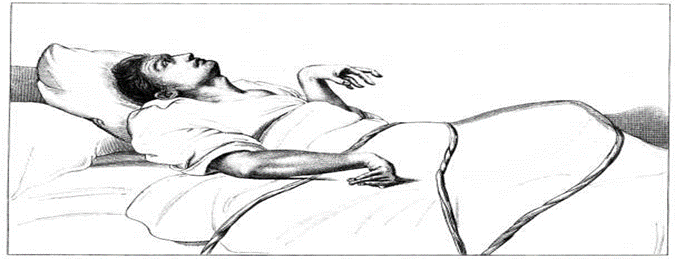
Types of Epilepsy
- Petit Mal Epilepsy (Absence Seizures): This type usually begins during childhood and may sometimes persist beyond adolescence. The condition may pass unnoticed or remain undiagnosed.
- Grand Mal Epilepsy (Generalized Tonic-Clonic Seizures): This type is characterized by convulsive seizures involving most parts of the body. Seizures occur suddenly, although some patients may experience warning signs (auras) before the onset of a seizure.
Causes of Epilepsy
In Infants and Children
- Asphyxia.
- Infections.
- Fever.
- Hypoglycemia or vitamin B deficiency.
- Pertussis (whooping cough).
- Brain tumors.
- Photosensitive epilepsy (triggered by flashing lights) and emotional stress.
- Excessive use of electronic devices.
In Adults
- Infections.
- Head trauma or head injury.
- Stroke.
- Brain tumors.
- Radiation exposure.
- Eclampsia.
- Hypertension.
- Cerebral atherosclerosis.
- Alcohol use.
Signs and Symptoms
- Preictal Symptoms (Aura): The patient experiences a warning sensation indicating that a seizure is about to occur.
- Ictal Signs and Symptoms: Loss of consciousness, a loud cry, sudden fall to the ground, generalized muscle convulsions lasting approximately 20 seconds, apnea with cyanosis of the face, urinary incontinence, tongue biting with bleeding, and excessive salivation.
- Postictal Symptoms: The patient regains consciousness with no recollection of the seizure, experiences muscle weakness, and may fall into a deep sleep.
- Epilepsy does not affect the patient's intellectual or physical abilities; however, psychological support is essential to help the patient cope with the condition.
Preventive Nursing Care Between Seizures
1. Organize the patient's daily activities and avoid hazardous activities such as swimming, driving, or working at heights.
2. Diet: If the patient is prone to seizures, provide soft, easy-to-swallow foods to minimize the risk of choking during a seizure.
3. Prevent and treat constipation, and encourage small, easily digestible meals.
4. Ensure regular administration of prescribed antiepileptic medications.
5. Avoid tight clothing, belts, and neckties.
6. Remove and store dentures outside the patient's mouth during sleep.
7. Observe, count, and document the frequency of seizures.
Nursing Care During a Generalized Tonic-Clonic Seizure
1. If the patient experiences an aura, assist the patient to lie flat on the back in the nearest safe place, preferably on the floor, and place a pillow under the head to prevent injury.
2. If dentures are present, remove them. Insert a rubber tongue depressor or another non-breakable object between the patient's jaws only if feasible before jaw clenching. Ensure that the tongue remains inside the mouth and is not obstructing the airway. If the jaws are already tightly closed, do not attempt to force the mouth open until the convulsions have ceased.
3. Loosen tight clothing, belts, neckties, and collar buttons.
4. Support the patient's arms against the chest during convulsions. The nurse should support the patient's shoulders, while another staff member supports the thighs (pelvic region) to help prevent fractures and joint dislocations during the seizure.
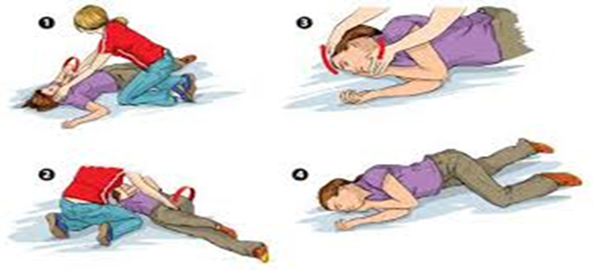
5. Turn the patient's head and neck gently to one side to maintain a patent airway and reduce the risk of aspiration once breathing resumes.
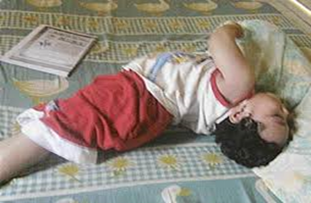
6. If the seizure occurs during sleep, remove any bedding covering the patient's face and position the patient appropriately to prevent suffocation.
7. Observe and document the seizure carefully, including its characteristics, stages, and duration.
8. Notify the physician if the seizure is prolonged, recurrent, or associated with complications or injuries.
Nursing Care After a Generalized Tonic-Clonic Seizure
1. Transfer the patient to a quiet room where adequate rest can be provided. Maintain personal hygiene and change clothing if urinary or fecal incontinence occurred during the seizure.
2. Clear saliva from the mouth and remove any foreign material. Use suction when necessary to maintain a patent airway.
3. Perform a thorough assessment for any injuries sustained during the seizure.
4. Administer oxygen if indicated, particularly in the presence of respiratory distress or cyanosis.
5. Monitor and record vital signs.
6. Observe the patient closely until full consciousness is regained.
7. Document the seizure comprehensively, including all relevant observations and interventions.
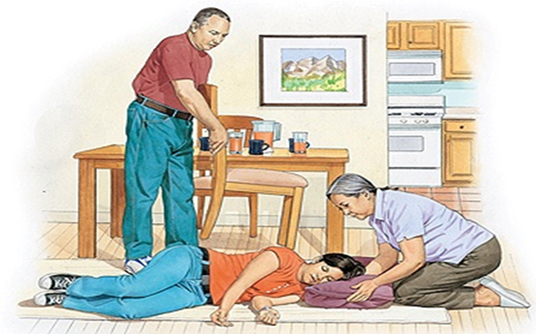
1. Do not attempt to restrain the patient's movements during a seizure.
2. Protect the patient from self-injury by laying the patient on the floor or bed and removing any sharp objects or nearby furniture.
3. Place the patient in the lateral (side-lying) position with the head slightly extended backward to allow saliva to drain and maintain a patent airway.
4. Loosen tight clothing and remove eyeglasses if worn.
5. Do not attempt to administer any medication during the seizure or try to awaken the patient.
6. Reassure and comfort the patient after the seizure has ended.
7. Record the patient's condition during the seizure and the duration of the seizure, as this information is valuable for the treating physician.
General Instructions Provided by the Nurse to the Family of a Child with Epilepsy
1. Explain the nature of epilepsy to the child in a simple, age-appropriate manner and answer any questions.
2. Avoid making the child feel ashamed of the condition or giving the impression that the family is hiding the illness from friends or relatives.
3. Do not make the child feel that epilepsy is an obstacle to playing, attending school, or maintaining social relationships, and do not allow the child to use the illness as an excuse to avoid activities that can be performed safely.
4. Treat the child in the same manner as siblings and avoid giving the impression that the child is receiving special treatment because of the illness.
5. Explain the condition to the child's siblings, as they may have concerns about their brother or sister or mistakenly believe that epilepsy is contagious or always hereditary.
School
1. Inform the teacher about the child's epilepsy, including the names and doses of prescribed medications and the appropriate actions to take if a seizure occurs.
2. Provide the name of the treating physician and contact information in case consultation is required.
3. Advise the teacher to notify the physician if the child appears excessively drowsy or exhibits any abnormal behavior.
4. Allow the child to participate in sports activities with peers and do not unnecessarily restrict participation.
Swimming
1. No child, whether healthy or affected by epilepsy, should swim in deep water without supervision by a responsible adult who is a competent swimmer. This precaution is especially important for children with epilepsy because of the risk of seizures during swimming.
2. A child with epilepsy should not lock the bathroom door while bathing to facilitate immediate assistance if a seizure occurs.
Eating Disorders
Individuals with eating disorders experience disturbances in eating behaviors as well as abnormal thoughts and feelings related to food. Eating disorders are characterized by an intense drive for thinness, a pathological fear of gaining weight, and a loss of control over eating behavior. Although the majority of individuals receiving treatment are female, eating disorders can also affect males.
Eating disorders typically begin during adolescence but may also develop during adulthood. Recovery is possible, and early counseling and treatment are essential because eating disorders can result in serious physical and psychological complications.
Types of Eating Disorders
- Anorexia Nervosa
- Bulimia Nervosa
- Binge Eating Disorder
Emotional and Psychological Effects of Eating Disorders
- Difficulty participating in activities involving food and engagement in maladaptive eating-related behaviors.
- Social isolation resulting from self-imposed withdrawal and reluctance to establish personal relationships.
- Fear of rejection if others become aware of the disorder.
- Mood swings, personality changes, emotional instability, and depression.
Therefore, it is essential to recognize the early warning signs and seek prompt treatment for anorexia nervosa and bulimia nervosa.
What Treatment Is Available?
Eating disorders can be treated effectively. Early intervention improves recovery outcomes. Since many medical conditions may alter eating behavior, the first step is a comprehensive physical examination by a physician. Once an eating disorder has been diagnosed, management often involves a multidisciplinary team because the disorder affects both physical and psychological health. This team may include psychiatrists, psychologists, primary care physicians, dietitians, social workers, occupational therapists, and nurses.
Treatment is likely to include:
- Nutritional education to help re-establish healthy eating habits.
- Psychological therapy to help individuals modify their thoughts, feelings, and behaviors related to the eating disorder.
- Antidepressant medications, when indicated, to alleviate symptoms of depression and anxiety.
- Interpersonal therapy (IPT) to help patients understand how interpersonal relationships influence their emotions and eating behaviors.
- Hospitalization may be required for individuals with severe malnutrition resulting from inadequate nutritional intake.
- Family members and friends of individuals with eating disorders may experience confusion and emotional distress; therefore, support, education, and community understanding are essential components of comprehensive treatment.