
كتاب
الارشادي لمكافحه العدوى بالعمليات
- خصائص المطهرات الكيميائية
حيث ان التعقيم بسوائل التعقيم الكيميائية يحتاج للغمر التام للمعدات والمستلزمات لفترات طويلة يفضل عدم اللجوء لاستخدام المواد الكيميائية في تعقيم المعدات والمستلزمات ، وبخاصة عند إمكانية تعترمها ياحد البدائل الأخرى:
قبل المضي في استخدام مواد كرميائية للتعقيم يراعى ما إذا كانت هناك طريقة اكثر ملاسة من التعقوم الكرمياني • حيث وستخدم التمقيم الكيمائي فقط مع الأنوات التي تنلف بالحرارة (وذلك فى حالة عدم وجرد وسائل أخرى التعقيم تحت درجات الحرارة المتخفضة مثل التعقيم باستخدام بعض أنواع الغازات) ، ويمكن تعقيم المعدات والأدوات عن طريق عمرها فى محلول كيميانى وتركها لفترة ثم تشطف بعد ذلك بالعياء المعقمة ، وتمتمر فترة الغمر زمنا مناسباً حسب نوع المادة المستخدمة فى التعقيم لكي ثمر عن قتل الحويصلات البكتيرية، وتكمن الصعوبة في كيفية المحافظة على الأدوات دون أن تتلوث وخاصة بعد أن يتم عمرها لعترة مناسبة فى محلول كيميائى وشطفها بالعاء المعقم وما يعقب ذلك من نقل هذه الأدوات إلى مكان معتم « حيث يرجع ذلك إلى عدم إمكانية تغليف الآلات والأدوات التى يعاد معالجتها بالمحاليل الكيميائية ، وعلى عكس وسائل التعقيم بالبخار يعد المؤشر البيولوجي غير مناسب بالنسبة لمعظم المواد الكيميائية الممتظمة في التعقيم.
وحينما توضع هذه القيود في الاعتبار يفضل قصر استخدام هذه المواد على التطهير حال المستوى.
أنواع المواد الكيميانية المستخدمة فى التعقيم :
تعتبر الجلوتوالدهيدات من محاليل التعقيم الشائعة . ويمكن الحصول على بعض المواد الكيميائية محلياً مثل حامض البراسيتيك (٠.٣٥ - ٠,٢%) أو فوق أركسيد الهيدررجين (٧.٥%) أو فوق اوكسود الهيدروجين مع حامض البيراسيتولد (٠,٢٣ - %٧,٣٥%) ، ولا يستخدم محلول الفور مالدهود في أعراض التحقيم أو التطهير للأدوات والآلات (حيث يتصف بالسمية).
١. الجلوتر الدهايد
الاستخدامات :
يمكن استخدام محلول الجلوتر الدهيد بتركيز أكثر من ٢% لمدة (١٢ - ١٠ ) ساعة لتعقيم الأدرات التى تتائر بالحرارة ، وتعتبر الجلوتر الدهيدات من المواد المهيجة للبشرة والعين والجهاز التنفسى.
يترافر فى صورة حامضية غير منشطة ويلزم لتنشيطه مادة محفزة قلوية ويستمر مفعوله لمدة أسبوعين بعد التنشيط.
الاحتياطات :
كما ذكر سالفاً فإن الجلوتر الدهيدات مواد مهيجة للعين والأنف وقد تتسبب في الإصابة ببعض أمراض الجهاز التنفسي وحساسية الجلد، ومن ثم يحظر استخدامها داخل المناطق المغلقة أو سهلة التهوية ، وعند إعداد محلول الجلوتر الدهيد يتعين ارتداء واقيات للعين ومرايل بلاستيكية أحادية الاستخدام وقفازات ، وينطبق الأمر ذاته عدد التخلص من ذلك المحلول أو عند استخدامه في التعقيم ، ويمكن ارتداء ففازات مصنوعة من اللاتك عندما تكون فترة التلامس بالمحلول قصيرة (أقل من خمس دقائق مثلاً) ثم يتم التخلص من تلك القعارات يعد ذلك ، أما في فترات الاستخدام الطويلة فيتعين ارتداء الققارات المصنوعة من النتريل، وعند تخزين الجلوتر الدهيدات يتعين أن يتم ذلك في أوعية محكمة العلق وفي أماكن جيدة التهوية وبعيدة عن مصادر الحرارة.
ويختلف طول فترة استخدام محاليل الجلوتر الدهيدات من نوع لآخر تصل عادة إلى أسبوعين .
ويجب استبدال المحاليل فوراً عندما تتعكر أو تتغير مواصفاتها.
٢. حامض اليبراسينياك :
الاستخدامات :
يستخدم مطول البيراسيتيك يتركيز من (٠.٣٥ - ٠,٢%) لمدة قد تصل إلى ١٥ دقيقة وذلك لتعقيم الأدوات السريعة التأثر بدرجات الحرارة المرتفعة (مثل العناظير المرنة). ومن أهم مزليا حامض البيراسيتيك أن تولتجه المعللة غير ضارة فضلاً عن تكون رواسب قليلة جناً ، ويحفظ حامض البيراسيتيك بفاعليته في وجرد المادة العضوية كما أنه يقضى على المويصلات البكتررية حتى تحت درجة حرارة منخفضة. ويسبب هذا الحامض تأكل النحاس الأحمر والأصفر والبرونز والفولاد العادي والعديد المجلفن . إلا أنه يمكن تقليل هذه الآثار من طريق إضافة بعض المواد ، ويكون هذا الحامض غير مستقر إذا ما تم تخفيفه.
ويتفوق حامض البيراسيتيك على محلول الجلوتر الدهايد في قدرته على اختراق المادة العضوية .
لكن يتسبب هذا الحمض في تأكل المواد ومن ثم يحظر استخدامه في حالته الطبيعية كمادة مطهرة ما لم توجد مادة ماتعة للتأكل فى تركيته.
نيوسيديكس : هو محلول يحتوى حامض ببراسيتيك مع مادة مائعة للتاكل.
وينبغى اتباع توصيات الشركة المصنعة بالتخلص من المحلول عقب مرور ٢٤ ساعة من استخدامه.
التعقيم باستخدام حمض البيراسيتيك : لقد تتم هذه العملية باستخدام جهاز إعادة معالجة أوتوماتيكى لكى يقوم بتخفيف تركيز حمض البيراسيتيك من ٠,٣٥ % إلى ٠,٢% يحيث وصلح للاستخدام .
ويمكن استخدام هذه الطريقة إذا كان الجهاز المراد تعقيمه يمكن ممره في السائل.
شروط التعقيم الكيميائي :
• ارتداء الواقيات الشخصية المناسبة.
• ضرورة تنظيف وتجفيف كافة الأدوات التي سوف يتم تعقيمها.
• ضرورة اتباع توصيات الشركة المصنعة عند تحضير محطول التعقيم الكيميائي.
• استخدام شريط معباري (كاشف) في حالة استخدام محلول سبق تحطيره من قبل لتحديد ما إذا كان المحلول ساري المفعول أم لا.
• ضرورة تحصير المحلول الجديد الذي تم إعداده في حارية نظيفة ذات غطاء محكم ، ويتم تنوين تاريخ التحضير وتاريخ انتهاء الصلاحية على الحاويه من الخارج.
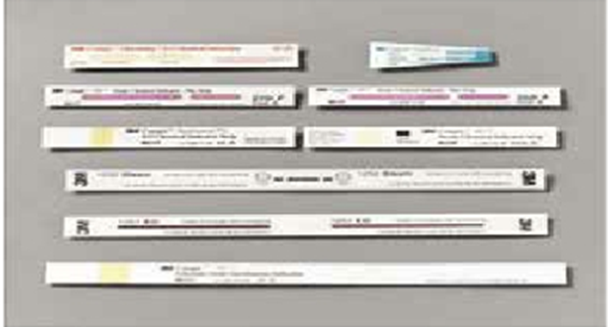
هى مؤشرات (كواشف) سهلة الاستخدام وسريعة النقائج وتستخدم بالإضافة إلى المؤشرات المرلوجية، ومنها ما يستخدم للتأكد من فعالية التعتيم الكيميائي عند درجات الحرارة المنخفضة.
تنقسم المؤشرات الكيميائية إلى ٦ فنات :-
الفنة 1: توضع المؤشرات (الكواشف) على عبوة التعقيم من الخارج، حيث أن تغير لولها يركد على تعرضها لبعض ظروف التعقيم ، ولا تعتبر المؤشرات الخارجية بديلاً عن استخدام المؤشرات الداخلية.
الفنة 2 : كواشف تستخدم فقط لاختبار كفاءة التخلص الكامل من الهواء من الأجهزة التي تعمل بنظام خلفلة الضغط مثل:
1- اختبار.( Bowie-dick test)
2- . اختبار (Helix Test)
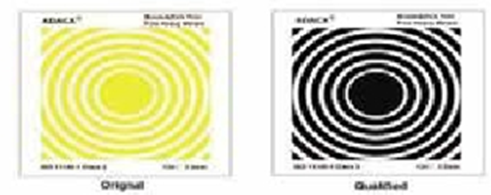
اختبار Bowie dick
⁃ يتم إجراء هذا الاختبار في أول اليوم قبل تحمول الجهاز فى دورة خاصة ، كما يتم إجرازه عند اختبار الجهاز لأول مرة أو بعد إجراء الصيانة.
⁃ يوضع الاختبار في وسط مجموعة من الفرط ومن ثم توضع هذه المجموعة على الرف السفلي لجهاز التعقيم فوق فتحة سحب الهواء من الجهاز.
• ضرورة فتح كافة الأدوات ذات المفصلات ، كما ينبغى فك كافة الأدوات التي تحتوي على اجزاء منزلقة أو المركبة من أجزاء عديدة لضمان وصول محلول التعقيم إلى كافة لجزاء الألة العراد تعقيمها.
• التأكد من عمر كافة الأدرات بشكل كاف في المحلول كما نيغي وضع الأرانى والحاويات قائمة غير مقلوية لكى تمتلى بالمعلول.
• إحكام غطاء العاوية واتباع توصيات الشركة المصدعة فيما يتعلق بالفترة الزمنية المناسبة لإتمام التمقيم ، وفى خضون هذه الفترة يحظر إضافة أو إخراج أي أدوات من الحارية ، كما يجب تسجيل قراءات الوقت في دفتر تسجيل بحيث يتم مراجعته والاطلاع عليه.
• ضرورة استخدام ملائط كبيرة معتمة عند إخراج الأدوات المعتمة من الحارية.
• ضرورة شطف الأدوات المعقمة التي تم إخراجها من العاوية بالماء المعقم بطاية شديدة للتخلص من رواسب المادة الكيميائية العالفة بالأدوات.
• ضرورة استخدام الأدوات فرر أنتها• عملية إعادة المعالجة مباشرا ، حيث لا يسمح بلخزيلها.
مراقبة فعالية التعقيم
أولاً : موشرات ميكانيكيه .
تعمل هذه المؤشرات (العدادات) التى تعتير جزه من جهاز (الأوتوكلاف) أو الفرن الحراري على تسجيل قراءات الوقت والحرارة والضغط لنماء عملية التعقيم.
ثانياً : موشرات كيميائية
: اختبار (Hallx Test)
يستخدم للتأكد من نفاذ البخار إلى داخل الآلات والأدوات ذات التجاريف.
الفئة 3: وهي مزشرات داخلية توضع في كل عبوة تعقيم وتقيس مذغير واحد حسب تعليمات الشركة المصدعة ، وتستخدم غالبا في أحمزا التعقيم التي تعمل تعت درجات حرارة منخفضة.
الفئة 4 : وهى موشرات داخلية توضع في كل عبوة تعقيم وتعيس اشين أو أكثر من المدغيرات فى نفس الوقت (حرارة - درجة التشبع بالبطار - زمن) حسب تعليمات الشركة المصنعة.
الفئة 5 : وهى مؤشرات داخلية توضع في كل دورة تعنيم أو في كل عبوة تعقيم لقياس جميع المتغيرات في نفس الوقت (حرارة - درجة التشبع بالبخار - زمن) وذلك لتضاهي الموشرات الببولوجية، لكنها ليست بدبلا عن المؤشرات البيولوجية.
الفنة 6 : وهي مؤشرات داخلية توضع في دورة تعقيم خاصة لقباس جميع المتغيرات في نفس الوقت وهي لتقسم إلى مجموعات حسب درجة حرارة وزمن كل دورة تعقيم، وهي الأكثر تعقيداً ولكنها لا تعد بديلاً عن المؤشرك البيولوجية.
ويطلق على المؤشرات ٦٠٥،٤ الموشرات التداخلية لإمكانيتها قيلس أكتر من مؤثر فى نفس الوقت.
ثالثا : الموشرات البيولوجية
تعتمد المؤشرات البرولوجية في استخدامها على الحويصلات البكتيرية الأكثر مقاومة لظروف للتعقيم المختلفة لتحديد ما إذا كانت عملية التعقيم قد تمت بنجاح أم لا ، ويتم وضع الاختبار البيولوجي على الرف السفلي الغرفة التعقيم فرق فتحة سحب الهواء.
• يمكن الحكم على نجاح عملية التعقيم في حالة الفضاء على حويصلات البكتيريا الموجودة على الشرائط داخل كسولات الاختبار .
• توضع كسولات الاختبار داخل حهار التعقيم أثناء عمله ، وبعد إتمام عملية التعقيم يتم وضع الشرائط في مزرعة بكتيرية تساعد على عملية الإنماء في درجة حرارة كالآتي !
G. Stearothermophtus
٦٠ - ٥٥ درجة ملوية
B. Atrophaeus
٣٧ - ٣٥ درجة مئوية
لمدة ٤٨ ساعة، فإذا لم يطهر ائرا للبكتيريا كانت عملية التعقيم ناجحه . وتبرز أهمية هذه الطريقة في أنها تعدد فعالية التقيم بشكل مباشر لكن يتضح قصور هذه الطريقة في أنها غير فورية مثل المؤشرات الميكانيكيه والكيميائيه حيث يجب عمل مزرعة بكتيرية والتعرف على نتائجها قبل لن يتم تعديد فعالية التعقيم .
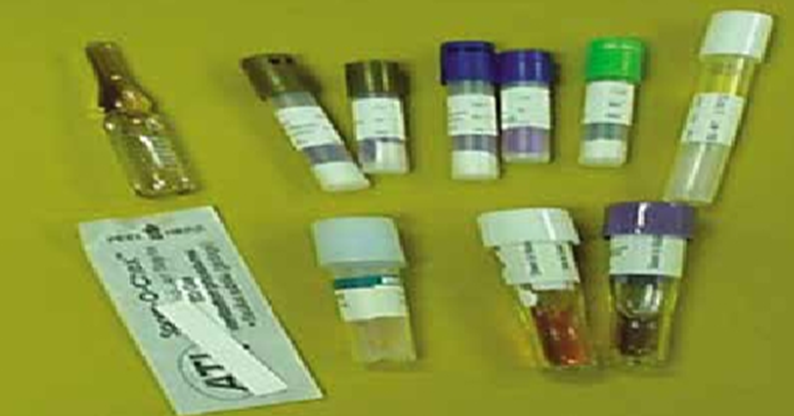
شكل رقم (٢٧)
المؤشرات البيولوجية.
• إذا كانت نتيجة الاختبار ايجابية (بوجد نمو للبكترريا) وكانت لتيجة الاختبارات الكيمرائية والفيزياتية تلجعة فيتم إعادة الاختبار البيولوجي مرة أخرى فإذا تكررت إيجابية الإختبار البيولوحي يتم وقف العمل بالجهاز وإبلاغ قسم الصيالة لعمل اللازم ويتم استرجاع عبوات التعقيم التي بها أجزاء الززع فقط ( Implants).
• يجب ان يتم إجراء الاختيار باستخدام المؤشرات البيولوجية:
⁃ عند بداية تشغيل جهاز التعقيم لأول مرة.
⁃ لسبوعياً.
⁃ في حالة حتوث أعطال بالجهاز أو بعد إجراء عمليات صيانة للجهاز.
⁃ في حالة احتراء الدورة على الأجزاء الصناعية المزروعة (implants).
نظام المراقبة والتسجيل :
يتبغى اتباع إجراءات التسجيل التالية :
• يجب أن تتم مراجعة المخطط البياني الذي يوضعه جهاز (الأوتوكلاف) عقب كل تعميل (إذا كان الجهاز مزوداً بمخطط بياني) ، فإذا لم يكن الأمر كذلك فينبغي أن يتم تسجيل قراءات الحرارة والزمن والضغط في دفتر تسجيل بحيث يمكن الاطلاع عليه عقب كل تحميل.
• يلزم تجول قراءات الحرارة والزمن في التمقيم الحراري الجاف في دفتر تسجول بحرث يتم الاطلاع عليه بعد كل مرة يتم فيها تعينة الجهاز بالأدوات المراد تعقيمها، كما يمكن وضع مجس حراري في أصعب مكان لوصول الحرارة في الحمل المراد تعقيمه .
