
كتاب
الارشادي لعمليات النساء والتوليد
- تشريح الجهاز الإنجابي
مقدمة
الجهاز الإنجابي يختلف عن غيره من أجهزة الجسم لأنه غير نشط حتى البلوغ. الغدد الجنسية الأساسية أو الغدد التناسلية هي المبيضين في الإناث. حيث تنتج هذه الغدد الخلايا الجنسية أو الخلايا المنوية وكذلك هرمونات الجنس. يلعب هرمونات الجنس الاستروجين والبروجستيرون لدى الإناث دورًا حيويًا في كلاً من تطور وأداء الأعضاء الإنجابية وفي السلوك الجنسي. تؤثر هذه الهرمونات أيضًا على نمو وتطور العديد من الأعضاء والأنسجة الأخرى في الجسم.
الجهاز الإنجابي الأنثوي
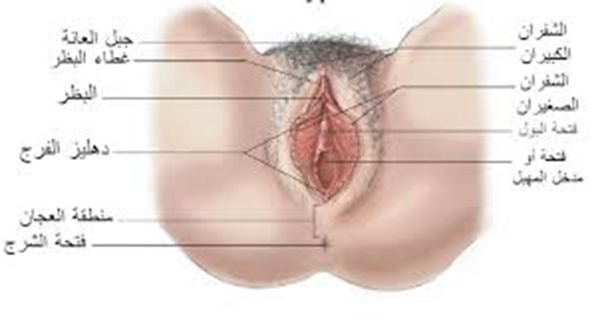
تشريح الجهاز الإنجابي الخارجي
1. جبل العانة : مونس فينيريس:
- طبقة من الدهون تغطي العانة وتغطى بالجلد والشعر.
- يحمي العانة.
2. شفرة البظر الكبرى:
- الشفرتان الخارجيتان للبظر.
- ثنيتان دهنيتان من الجلد يمتدان إلى الخلف من مونس فينيريس إلى الشق الخلفي.
- الجلد الخارجي مغطى بالشعر، بينما السطح الداخلي أملس وخالٍ من الشعر ويحتوي على غدد دهنية وغدد عرق.
3. شفرة البظر الصغرى:
- الشفرتان الداخليتان للبظر.
- ثنيتان رقيقتان من الجلد المعدل يحتويان على فتحتين الرئيسيتين لل urethra والمهبل.
- يحمي المهبل وال urethra والبظر.
4. البظر:
- جسم صغير تحت العانة.من النسيج ذو حساسية جنسية عالية.
- الطرف الخارجي للبظر محمي ومغطى بثنية الجلد تسمى الطية البظرية، مشابهة للطية البظرية في نهاية القضيب.
- تلتقي الشفرتان الصغيرتان عند البظر، وهو مشابه للقضيب في الذكور.
5. دهليز الفرج
- المنطقة بين الجوانب الداخلية للشفرتين الصغيرتين والقوس.
6. الغشاء البكاري:
- غشاء رقيق يقع على بعد 2 سم من الغار، يحدد الجهاز التناسلي الخارجي من الداخلي ويغلق جزئيًا فتحة المهبل.
تشريح الجهاز الإنجابي الداخلي
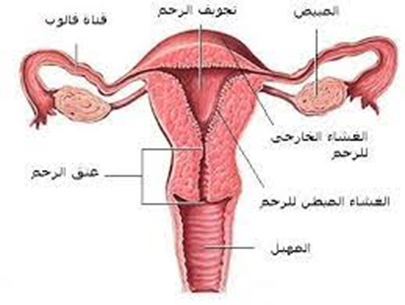
- يتكون الجهاز التناسلي الداخلي من:
1. المهبل
2. عنق الرحم
3. الرحم
4. قناة فالوب
5. المبيض
المهبل
- أنبوب عضلي من البظر إلى الرحم بزاوية 60 درجة مع المستوى الأفقي.
- المهبل يربط عنق الرحم بالجهاز التناسلي الخارجي ويقع بين المثانة والامعاء.
- الوظائف:
- كممر لتدفق الدم الشهري ولسائل الرحم.
- كممر الولادة أثناء المخاض.
- يصبح مهبل مبلل بمساعدة غدة بارثولين أثناء الجماع الجنسي.
- الطول:
- الجدار الأمامي: 8-9 سم.
- الجدار الخلفي: 10-11 سم.
عنق الرحم
- عنق الرحم يربط الرحم بالمهبل.
- الجزء المطول السفلي للرحم بقياس 2.5-3 سم.
- عنق الرحم هي التجويف الذي يتواصل من الأعلى مع تجويف الرحم وفي الأسفل مع المهبل
العلاقات التشريحية لعنق الرحم
- أمامية: المثانة وجيب مهبلي مثاني.
- خلفية: جيب دوغلاس.
- جانبية: الرباط العريض..
تشريح الرحم
- يُعرف الرحم بالشكل الموزي بحجم قبضة اليد. يتكون من الغشاء الداخلي والوسطى الغشاء الخارجي. يتضمن أنسجة غنية بالدم التي تتخلص منها كل شهر خلال الدورة الشهرية. العضلات القوية للرحم تتوسع لاستيعاب الجنين وتدفعه خلال قناة الولادة.
- قياساته: 7.5 × 5.0 × 2.5 سم في القطر الطولي والأفقي والأمامي الخلفي. يزداد حجمه قليلًا في الحوامل المتعددة.
- وزنه الطبيعي: 50-60 غرام.
أقسام الرحم
1. القمة (Fundus): المنطقة المستديرة فوق مدخل أنابيب فالوب.
2. الجسم (Body): الجزء الرئيسي للرحم.
3. المفترق (Isthmus): المنطقة الضيقة بين الجسم وعنق الرحم.
4. العنق (Cervix): الجزء المطول السفلي للرحم.
موضع الرحم
- يُحافظ على الرحم في وضعية منحنية أمامية (AVF)، حيث توجد الفتحة الخارجية على مستوى الشوكة الحرقفية.
- الانحناء الأمامي: الرحم مائل أمامية إلى محور المهبل.
- الانحناء الأمامي: جسم الرحم منحني إلى الأمام على عنق الرحم.
العلاقات التشريحية للجسم الرحمي
- أمامية: المثانة وجيب مهبلي مثاني.
- خلفية: جيب دوغلاس.
- جانبية: الرباط العريض.
علم الأنسجة للرحم
1. الغشاء الداخلي (Endometrium): وهى الطبقة المبطنة للرحم يحتوي على غدد أنبوبية. يظهر تغييرات دورية مع الدورة الشهرية تحت تأثير الهرمونات المبيضية.
2. middle (Myometrium): يتكون من ثلاث طبقات: العضلات الطولية الخارجية، طبقة من الألياف العضلية المتقاطعة المحيطة بالأوعية الدموية، والعضلات الدائرية الداخلية.
3. الغشاء الخارجي (Perimetrium): يلتصق بالغشاء البريتوني أمامية من القمة حتى المفترق، حيث يصبح فصيلًا ويعكس على السطح العلوي للمثانة لتشكيل جيب مهبلي مثاني.
دعم الرحم
- الرباطات الرحمية:
1. الرباط العريض.
2. الرباط الدائري.
3. الرباط المبيضي.
أنابيب فالوب
- أنابيب منعقدة بطول 10 سم تقع في الجزء العلوي الحر من الرباط العريض.
- يلتحم الرباط مع قرون الرحم، والنهاية الخارجية الحرة منحنية نحو المبيض.
- يخدم كمسار لخروج البويضة ويمثل موقع الإخصاب بواسطة الحي
أنابيب فالوب
- تعمل كمسار للبويضة إلى الرحم وهي موقع الإخصاب بواسطة الحيوانات المنوية. يُعرف أيضًا بالأنابيب المبيضية أو أنابيب الرحم. يستغرق البويضة المخصبة حوالي 6-10 أيام لتعبر أنابيب فالوب وتنغرس في بطانة الرحم.
أجزاء أنابيب فالوب (4 أجزاء)
1. الجزء الخلوي (Interstitial part): يثقب جدار الرحم، ضيق جدًا، بدون غشاء بريتوني وتغطية عضلية طويلة.
2. المفترق (Isthmus): جزء مستقيم وضيق وجدران سميك لاتجاه الرحم.
3. الجزء المستعرض (Ampulla): أوسع جزء يحدث فيه الإخصاب.
4. الجزء المبوق (Infundibulum): النهاية الخارجية تفتح في تجويف البريتون عبر الفتحة الأنبوبية، محاطة بالزائدات، واحدة منها طويلة وموجهة نحو المبيض.
وظائف الأنابيب
- جمع البويضات في وقت التبويض بواسطة النهاية الحرة للزائدات.
- نقل البويضات عبر تجويف الأنبوب بواسطة الحركات الدودية والشعرية.
- إنتاج إفرازات ضرورية لتفعيل الحيوانات المنوية وتغذية البويضات خلال رحلتها، بواسطة الخلايا المبطنة.
العلاقات التشريحية
- محاطة من الأعلى بالأنسجة الأمعائية، ومن الأسفل بالرباط العريض ومحتوياته. يمتزج من الداخل مع قرون الرحم، ومن الخارج يحدده الجدار الحوضي.
- المبيضين يقعان خلفية وسفلى بالنسبة لأنابيب فالوب.
المبيضين
- الغدد الجنسية الأنثوية. تنتج وتطرد البويضة كل شهر.
- المولود الأنثوي يولد بحوالي 400,000 بويضة غير ناضجة تسمى الجريبات.
- خلال العمر، تطرح المرأة 400-500 بويضة ناضجة للإخصاب.
- الجريبات في المبيضين تنتج الهرمونات الجنسية الأنثوية، البروجستيرون والإستروجين. هذه الهرمونات تحضر الرحم لزرع البويضة المخصبة.
تشريح المبيض
- شكل اللوز، يقع في حفرة المبيض على الجدار الحوضي (حفرة المبيض).
- قياساته: 3×2×1 سم.
- السطح أبيض مائل إلى الروز ومتجعد بسبب النشاط التبويضي الشهري.
العلاقات التشريحية
- المبيض محاط:
- من الداخل بأنابيب فالوب.
- من الخارج بالجدار الحوضي.
- من الأعلى والأمام يحيطها الأمعاء الدقيقة.
- من الأسفل تحده حفرة المبيض حيث يمر الحالب والأوعية الإلياكية الداخلية.
عضلات اسفل الحوض
- جميع الأنسجة الواقعة بين تجويف الحوض وسطح العانة والفرج.
- تشمل:
- البريتون الحوضي.
- الدهون والأنسجة الخلوية خارج البريتون.
- عضلات الرفع والقس.
- الرباط المثلث (الغشاء البولي التناسلي).
- عضلات الفرج.
- الدهون والفاشيا تحت الجلد.