
Book
Guidelines for Obstetrics and Gynecology Nursing Procedures
- Newborn Care After Birth
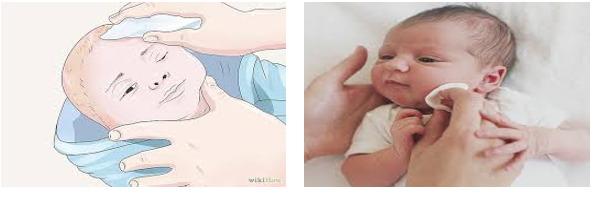
- Eye Cleaning:
- Use a moistened cotton pad to clean the baby’s eyes, wiping from the inner corner to the outer corner.
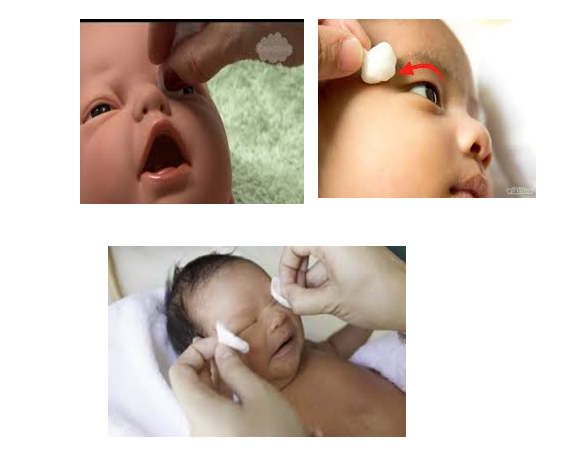
- Apply Antiseptic Eye Drops:
- Administer antiseptic eye drops three times daily for seven days.
1. Daily nose cleaning

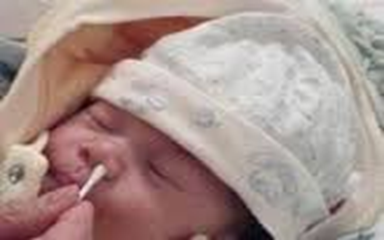
1. Daily mouth cleaning with wet cotton

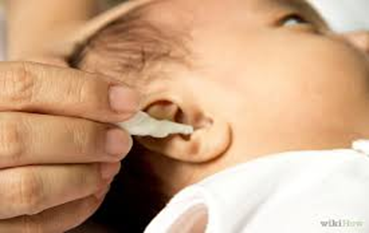
3. Gentle ear and head cleaning
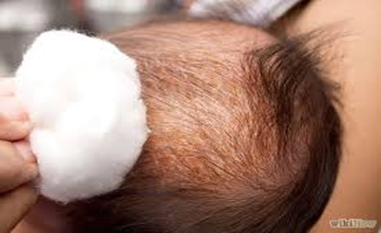
4. Face cleaning
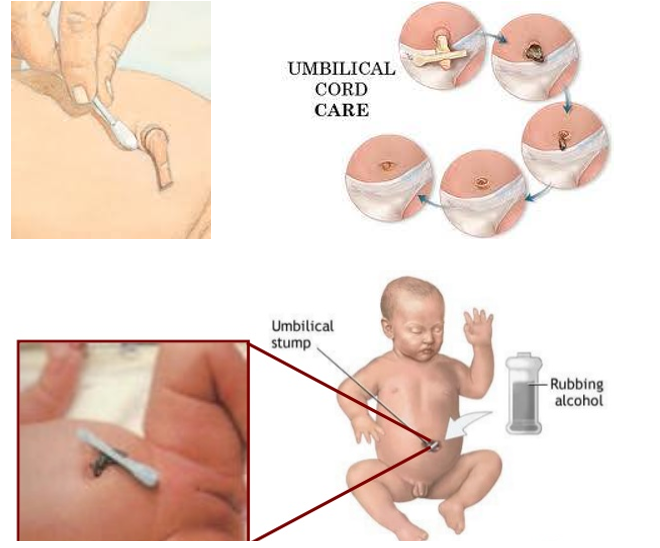
- Umbilical Cord Care:
- Clean the umbilical cord using a cotton pad moistened with alcohol.
- Wipe in a circular motion from the base upwards three times daily until the cord falls off.
- Diaper Area Cleaning:
- Gently clean the diaper area to maintain hygiene and prevent irritation.
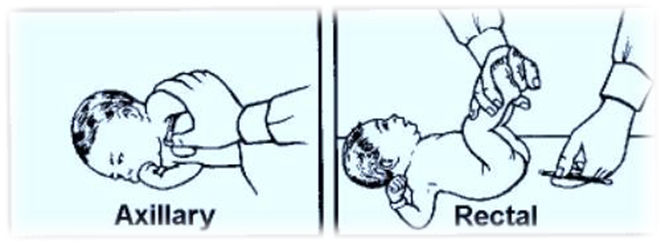
- Monitoring the Newborn’s Vital Signs:
- Measure the temperature, pulse, and respiration regularly.
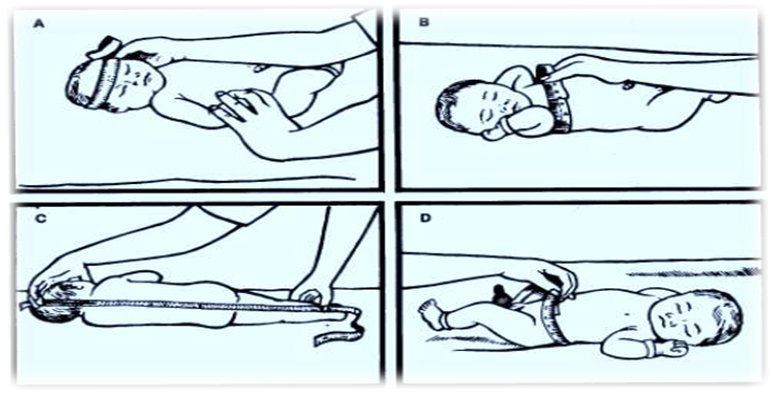
- Measuring the Baby’s Length:
- Assess the newborn’s length as part of routine postnatal care.
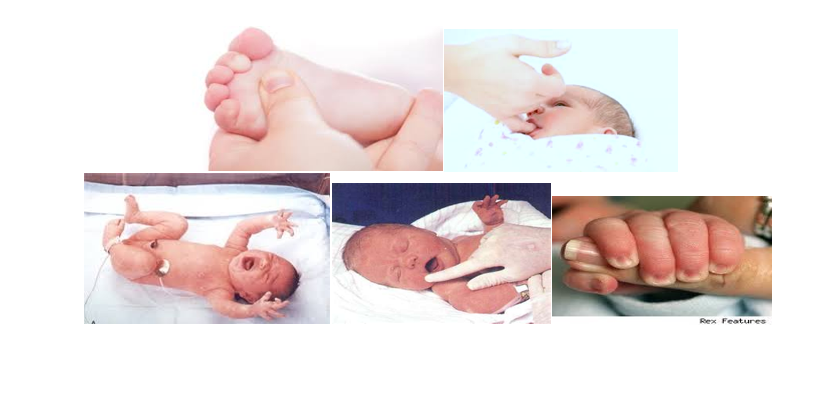
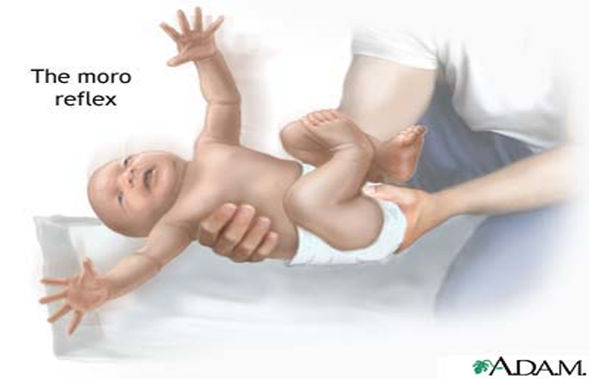
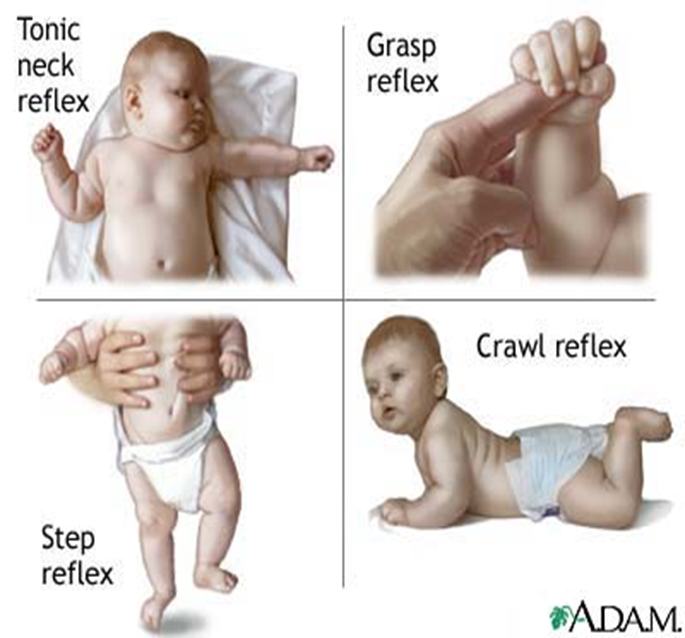
Monitoring the Newborn’s Nervous System:
- Assess the baby’s neurological health by observing reflex responses
Post-Discharge Health Education for Women
3. Recovery Time & Healing After a Cesarean Section:
- Full recovery from a C-section usually takes 6 to 8 weeks.
- In the first few days, the woman may experience pain and swelling around the incision.
- Tips to aid recovery:
- Apply a warm compress or heating pad to the incision area (after consulting a doctor).
- Use pain relievers like ibuprofen or other safe medications during breastfeeding.
- Rest the body, avoid heavy lifting (more than the baby’s weight), and keep essential items within easy reach.
- Support the abdomen when sneezing, coughing, or laughing.
- Drink plenty of fluids to replenish lost fluids during delivery and breastfeeding.
- Avoid sexual intercourse for up to six weeks to prevent infections.
- Avoid driving until fully able to control the steering wheel, brakes, and body movements without painkillers (usually after two weeks).
4. Avoid Lifting and Bending:
- The mother should not lift or carry anything heavier than her baby.
- Seek assistance with household tasks that require stretching or lifting.
5. Exercise:
- Start with light exercises after a few days.
- Avoid strenuous activities, heavy lifting, and intense exercise for 6–8 weeks.
- Consult a doctor before resuming workouts.
- Listen to your body and stop if experiencing pain.
- Recommended exercises:
- Deep breathing exercises: Take 2-3 slow, deep breaths every 30 minutes to prevent lung congestion due to prolonged bed rest.
- Gentle stretching: Stand against a wall and slowly raise both arms above the head, feeling a stretch in the abdominal muscles near the incision. Hold for 5 seconds and relax. Repeat up to 10 times daily to improve flexibility.
6. Proper Nutrition:
- Drink plenty of fluids to maintain hydration and support breast milk production.
- Eat nutritious foods to restore energy and overall health.
- Include fiber-rich foods (whole grains, fruits, vegetables) to prevent constipation.
7. Adequate Sleep:
- Ensure enough rest by sleeping when the baby sleeps or taking short breaks.
8. Personal Hygiene:
- Perineal care: Change sanitary pads every 6 to 8 hours.
- Breast care: Clean breasts before and after breastfeeding.
- Showering: Use warm water and thoroughly dry the incision area after bathing.
9. Pain Management:
- Take prescribed painkillers after consulting a doctor.
10. Bleeding Control:
- Heavy vaginal bleeding may occur in the first week.
- Exercise may increase bleeding, so use high-absorbency sanitary pads.
- Passing small blood clots after breastfeeding or waking up is normal.
- Seek medical attention if:
- Heavy bleeding continues, requiring a new pad every hour.
- Large or excessive clots appear.
- Bleeding persists beyond six weeks.
- Incision Care:
- Staples are removed within 3-7 days post-surgery.
- Dissolvable stitches do not require removal.
- Follow the doctor’s instructions for wound care, including:
- Gently clean and disinfect the incision daily or as directed.
- Change the dressing regularly.
- Wear loose, comfortable clothing.
- Use soft, breathable underwear that does not press on the wound.
- Monitor for infection signs: redness, swelling, pain, pus discharge, or fever.
- Newborn Care:
- Follow the vaccination schedule.
- Watch for danger signs in the baby, such as:
- Fever
- Refusal to feed
- Changes in daily patterns (bowel movements, sleep)
- Bleeding or foul odor from the umbilical cord
- Jaundice (yellowing of the skin)
When to See a Doctor:
- Signs of infection at the incision site, such as:
- Fever, increased pain, swelling, redness, or pus discharge.
- Symptoms of postpartum depression, such as:
- Loss of appetite, mood swings, fatigue, or lack of interest in daily activities.
- Thoughts of self-harm or harming the baby.
- Danger signs in the newborn, including:
- High fever, refusal to feed, unusual sleepiness, or umbilical cord infection.