
Book
Guidelines for Obstetrics and Gynecology Nursing Procedures
- Laparoscopic Gynecology (Laparoscopy in Gynecology)
Introduction
Laparoscopic gynecology is a minimally invasive surgical procedure considered
the gold standard for diagnosing and treating several gynecological conditions,
such as ovarian tumors, ectopic pregnancy, infertility, endometriosis,
fibroids, pelvic organ prolapse, and urinary incontinence. This procedure
provides a clear view of the pelvic and abdominal organs, reducing the risk of
injury and improving the quality of life for women.
Definition of
Laparoscopic Gynecology
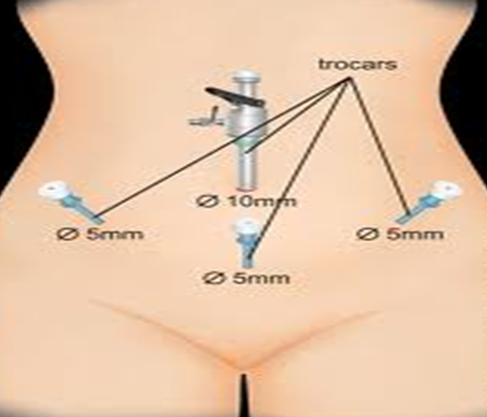
It is an internal technique that allows direct visualization and examination of
the pelvis and abdomen through small incisions in the navel and surrounding
areas.
Indications for Laparoscopic Gynecology
The indications for laparoscopic
gynecology are classified into diagnostic and therapeutic, according to the
objectives of the procedure. They include:
Diagnostic Indications
- Endometriosis.
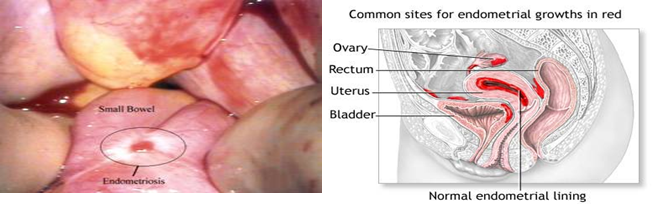
- Adhesions in the pelvis and reproductive system.
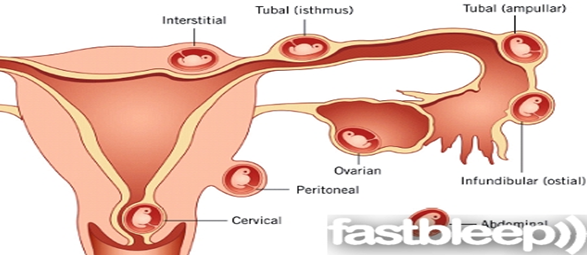
- Ectopic pregnancy.
- Infertility.
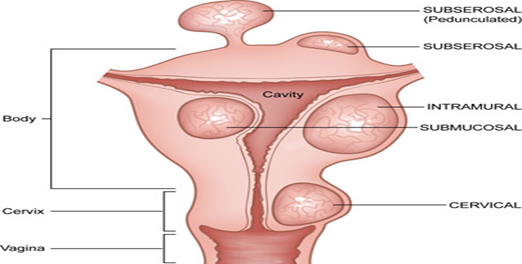
- Leiomyomas.
- Early detection of gynecological cancer.
- Pelvic organ prolapse and urinary incontinence.
- Polycystic ovary syndrome (PCOS).
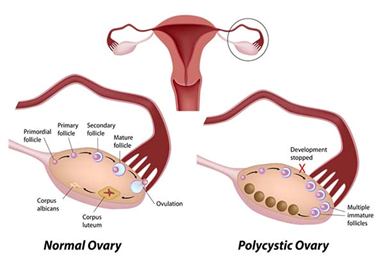
Therapeutic Indications for Gynecological Laparoscopy
- Ovarian tumor removal.
- Ectopic pregnancy treatment.
- Adhesion correction.
- Myomectomy.
- Treatment of pelvic organ prolapse.
- Treatment of urinary incontinence.
Therapeutic Laparoscopic Indications
- Treatment of endometriosis through surgical excision, cauterization, or laser technique.
- Adhesion treatment (Adhesiolysis).
- Fallopian tube surgery:
- Ectopic pregnancy treatment.
- Adhesion treatment.
- Fallopian tube removal.
- Fallopian tube repair.
- Laparoscopic myomectomy.
- Laparoscopic assistance in vaginal hysterectomy (LAVH).
- Treatment of pelvic disorders:
- Internal prolapse repair.
- Vaginal pelvic suspension.
- Treatment of urinary incontinence (SUI).
- Hysteropexy.
- Ovarian cyst drainage or excision through cauterization, coagulation, or removal.
Contraindications for Gynecological Laparoscopy
Absolute Contraindications:
- Bowel obstruction.
- Severe heart disease.
- Inexperienced surgeon.
- Diffuse peritonitis.
- Hypovolemic shock.
- Internal bleeding in the abdomen.
- Acute pelvic inflammatory disease.
- Displaced tuberculosis (extrapulmonary TB).
- Menstrual period.
- Coagulopathies.
- Increased intracranial pressure.
Relative Contraindications:
- Large mass in the pelvis or abdomen.
- Pregnancy after the 16th week.
- Previous abdominal surgery.
- Umbilical hernia.
- Chronic lung diseases.
- Severe adhesions.
- Severe obesity.
- Abdominal distension.
Types of Gynecological Laparoscopy
- Closed Technique: This involves inserting a needle into the umbilicus and insufflating the abdomen with carbon dioxide gas, followed by the insertion of a trocar and other instruments to achieve diagnostic and therapeutic goals.
