
Book
Pigeon Diseases
- Other diseases
One-eyed cold
Etiology: Often confused with the onset of mycoplasmosis, one- eye colds are usually associated with a peck in the eye or some other type of physical injury affecting the eye. One-eye colds can also be caused by improper ventilation, dampness in the loft.
Clinical signs: A watery or mucous discharge in only one eye is usually the symptom most commonly noticed, but occasionally both eyes will have watery appearances. Sometimes one eye can become completely shut, depending upon the degree of infection.
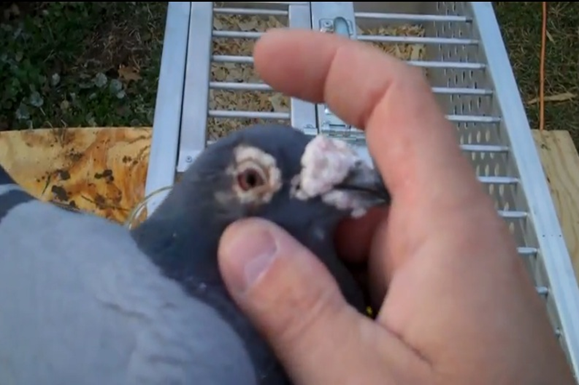
One-eyed cold in pigeon.
Prevention : Maintaining proper ventilation and not allowing overcrowded conditions, will go a long way in preventing one eye colds. It is also considered good loft hygiene to keep dust levels to a minimum, as many types of infectious bacteria are carried by dust particles.
Gout
Etiology: Water shortage, kidney damage, nutritional deficiency
Clinical signs: Nodular painful swelling of the joints. Liver and peritoneum, pericardium, air sacs appear as if dusted with lime (uric acid crystals). Kidneys swollen, interspersed with uric acid deposits.
Recognition : Microscopic examination of the deposits (crystals).
Prevention: Ensure adequate vitamin intake and exercise. Feed birds as required by performance.
Disinfecting Pigeon Lofts and Safe Disinfectants
Pigeon lofts, used for keeping domestic pigeons, require regular cleaning and disinfection to prevent disease and ensure a healthy environment.
Pigeons are susceptible to diseases, making effective disinfection is essential. The disinfection process includes several steps:
Preparation:
Remove pigeons, ensure ventilation, and wear personal protective equipment (PPE).
Cleaning: Remove organic matter using scrapers and brushes, then wash surfaces with soapy water.
Disinfecting:
Apply safe disinfectants, such as:
Vinegar: Natural and non-toxic.
Hydrogen Peroxide: Broad-spectrum antimicrobial.
Quaternary Ammonium Compounds: Effective but necessitates proper ventilation and dilution.
Rinsing and Drying: Rinse surfaces if required and allow drying to eliminate pathogens.
Routine Maintenance: Clean and disinfect every 2-4 weeks or as needed.
The study evaluates safe disinfectants, emphasizing their efficacy and safety profiles, and concludes that thorough cleaning and the use of safe agents are crucial for maintaining pigeon health and loft hygiene. Regular maintenance and monitoring are vital for the welfare of the birds.
