
Book
Stroke Treatment and Nursing Care
- Nursing Care for Patients with Stroke
Evidence-based nursing care and continuous assessment are essential to reduce adverse outcomes after stroke.
First: Ongoing Clinical Assessment
· Assess neurological impairment using tools such as the Glasgow Coma Scale, together with evaluation of motor and sensory deficits.
· Assess the airway, breathing, circulation, and vital signs.
· Monitor the fluid-balance chart to maintain appropriate fluid balance, especially during the first 24 hours, with particular caution in patients with cardiac disease or renal impairment.
· Monitor cardiac function using electrocardiography (ECG) to detect atrial fibrillation or other cardiac arrhythmias.
· Maintain continuous cardiac monitoring for at least 24 hours during the acute phase.

Second: Respiratory Support and Circulatory Perfusion
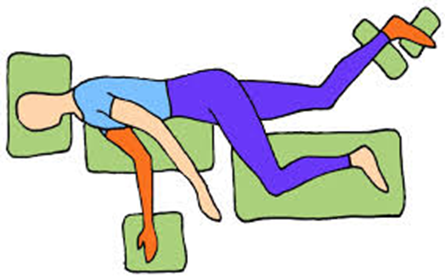
· Position the patient correctly to maintain a patent airway and prevent complications such as pressure injuries or thrombosis.
· Use pillows or splints to support body alignment and prevent joint deformity.
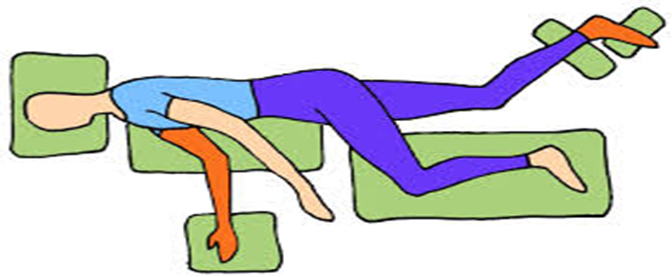
· In selected cases, a fully supine position may improve cerebral perfusion without increasing the risk of pneumonia.
· Maintain optimal oxygenation by monitoring oxygen saturation (SpO₂).
· Prevent respiratory complications such as aspiration pneumonia.
Third: Medication Management
· Administer medications as prescribed by the physician, including:
- Antithrombotic medications.
- Antiarrhythmic medications.
- Antihypertensive medications.
- Analgesics, medications for muscle spasticity, or neuropathic pain medications as required.
Fourth: Prevention of Complications
· Prevent pressure injuries by repositioning the patient every two hours and using pressure-relieving mattresses.
· Reduce skin friction and pressure by using appropriate positioning cushions.
· Use compression stockings and anticoagulants, as prescribed, to prevent deep-vein thrombosis.
· Apply infection-prevention and control protocols.
· Prevent falls by raising the bed rails as appropriate and providing a safe environment.
· Apply oral-hygiene protocols to reduce the risk of ventilator-associated or aspiration pneumonia.
Fifth: Nutrition and Dysphagia Management
· Monitor regularly for signs of dysphagia.
· Collaborate with the dietitian to develop an appropriate nutritional plan.
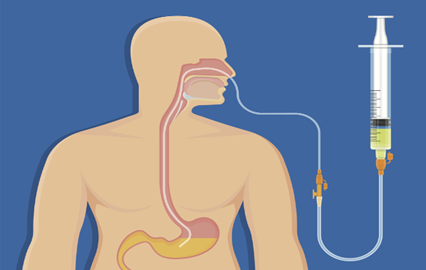
· In severe dysphagia, enteral feeding through a nasogastric tube should be initiated within 72 hours after the stroke, according to the care plan.
Sixth: Motor and Functional Rehabilitation
· Assist with physiotherapy to restore motor function and balance.
· Gradually support the patient in performing activities of daily living, such as:
o Personal hygiene.
o Eating.
o Dressing.
Seventh: Relief of Pain and Discomfort
· Implement a nursing care plan to relieve stroke-related symptoms, including:
o Headache.
o Muscle spasms or spasticity.
o Neuropathic pain.
Eighth: Psychological and Social Support
· Provide emotional support to the patient and family.
· Monitor and assess for signs of depression or anxiety.
· Provide counseling or refer the patient for psychological care when necessary.
Ninth: Promoting Independence and Safety
· Improve the patient’s ability to move and walk safely, with or without assistive devices.
· Encourage active participation in rehabilitation to achieve the highest possible level of independence.