
Book
LACRIMAL SYSTEM
- The excretory system
Excretory system consists of
a) Lacrimal puncta
In most domestic mammals the inferior and superior puncta lie on the inner conjunctival surface of the eyelids, near the nasal limit of the tarsal glands.
b) Lacrimal Canaliculi.
The lacrimal canaliculi (superior and inferior) lead to a variable dilation in the common nasolacrimal duct.
c) Lacrimal sac
The lacrimal sac varies in size, in some animals consisting only of a slight dilation in the duct. The sac lies within a depression in the lacrimal bone called the lacrimal fossa.
d) Nasolacrimal duct
the nasolacrimal duct passes via a canal on the medial surface of the maxilla to open in the nasal
cavity.
e) Nasal puncta.
In dogs the opening is ventrolateral near the attached margin of the alar fold; in horses it is ventral on the mucocutaneous junction; and in cattle it is more lateral. In cattle and horses the nasal opening is readily visible and can be cannulated, but in dogs it can be seen only after exposure with a speculum or other suitable instrument with the animals under general anesthesia.
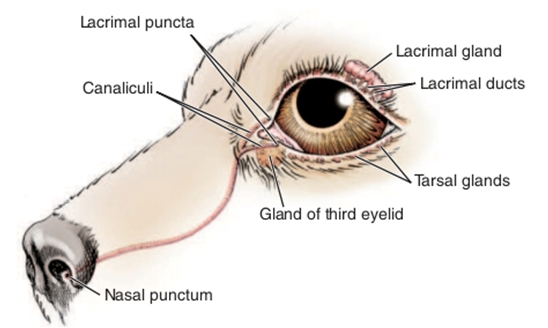
Fig.2: Components of the nasolacrimal system (David et al.,2008).
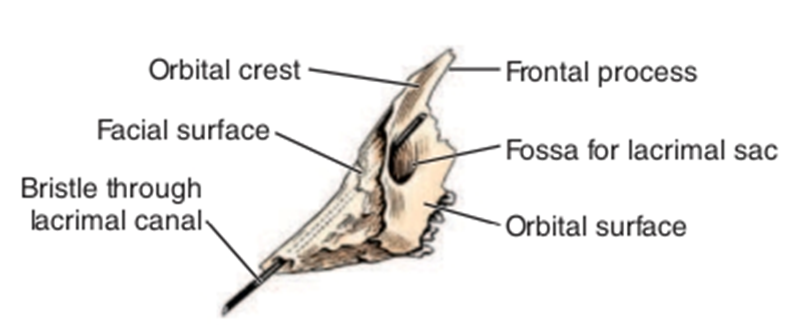
Fig.3: Left canine lacrimal bone, lateral aspect, showing the lacrimal fossa. (Evans, 1993).
